


The French prosecution has asked for a seven-year jail term and a €300,000 penalty against ex-President Nicolas Sarkozy. This request stems from claims suggesting that Gaddafi’s administration in Libya potentially provided illicit funding for Sarkozy’s 2017 bid for presidency.
The National Financial Prosecutor’s Office (PNF) also called for a five-year ban on Sarkozy’s civic, civil and family rights, a measure that would bar him from holding elected office or serving in any public judicial role.
The proceedings, starting from January and anticipated to wrap up by April 10th, stand as the gravest among several legal controversies overshadowing Sarkozy’s time after his presidency.
The former French leader, Nicolas Sarkozy, who served as president from 2007 to 2012 and is now 70 years old, is facing accusations including passive corruption, unlawful funding for his election campaigns, hiding the misappropriation of public money, and being part of a criminal group.
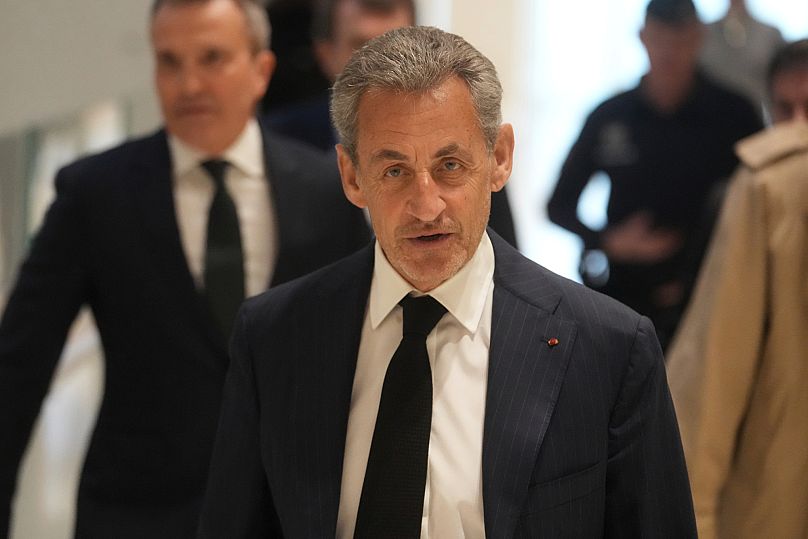
He has refuted any claims of misconduct.
The accusations date back to 2011, when a Libyan news outlet and Gaddafi himself claimed that the Libyan government had covertly channeled millions of euros into Sarkozy’s 2007 election campaign.
In 2012, the French investigative platform Mediapart released documents they claimed were from a Libyan intelligence memo. The papers indicated an alleged financial arrangement of €50 million.
Sarkozy dismissed the paper as fake news and filed a lawsuit for defamation.
Later, French judges indicated that the document seemed genuine; however, no definitive proof of a concluded deal has been shown.
The investigators similarly examined multiple journeys made by Sarkozy’s associates to Libya spanning from 2005 to 2007.
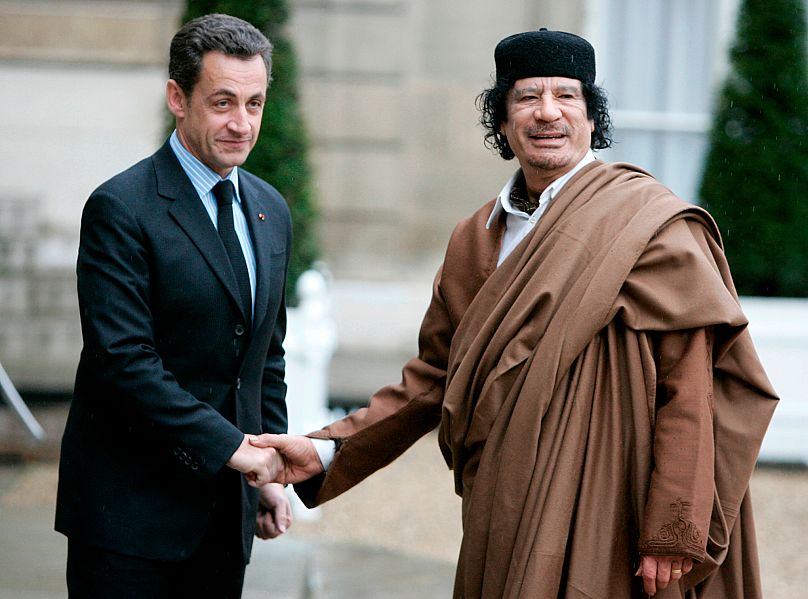
In 2016, Franco-Lebanese businessman Ziad Takieddine informed Mediapart that he had transported suitcases containing money from Tripoli to the French Interior Ministry during Sarkozy’s tenure.
He subsequently withdrew his comment. This about-face is currently at the center of an independent probe into potential witness intimidation.
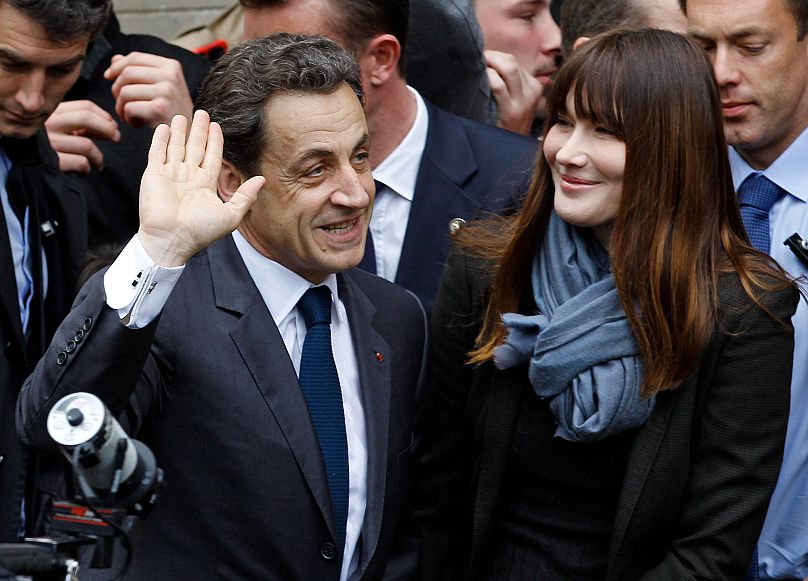
Sarkozy along with his spouse, Carla Bruni-Sarkozy, have also been initiated into the early stages of the inquiry for that particular case.
Former ministers of Sarkozy, Claude Guéant, Brice Hortefeux, and Éric Woerth, alongside eight additional accused individuals, are currently undergoing the legal process.
However, prosecutors have explicitly stated that the key person at the center of this case is the ex-president, who is charged with deliberately profiting from a “bribery agreement” with an overseas authoritarian regime during his campaign to head the French Republic.
Although Sarkozy has previously faced convictions in two separate legal cases, the Libya scandal is broadly considered to be the most politically damaging and the one expected to have the greatest impact on his lasting reputation.
In December 2024, France’s top judicial body confirmed his sentence for bribery and Influence trafficking.
sentencing him to spend one year under house arrest using an electronic monitor
.
The case originated from intercepted telephone conversations revealed during the Libya investigation.
In an independent judgment issued in February 2024, a Paris appellate court determined he was guilty of unlawful campaign funding during his unsuccessful attempt at re-election in 2012.
Sarkozy has brushed off the Libya accusations as being driven by politics and based on falsified evidence.
However, if found guilty, he would be the first ex-French president sentenced for receiving illicit international contributions to secure his election.
A decision is anticipated before the end of this year.