


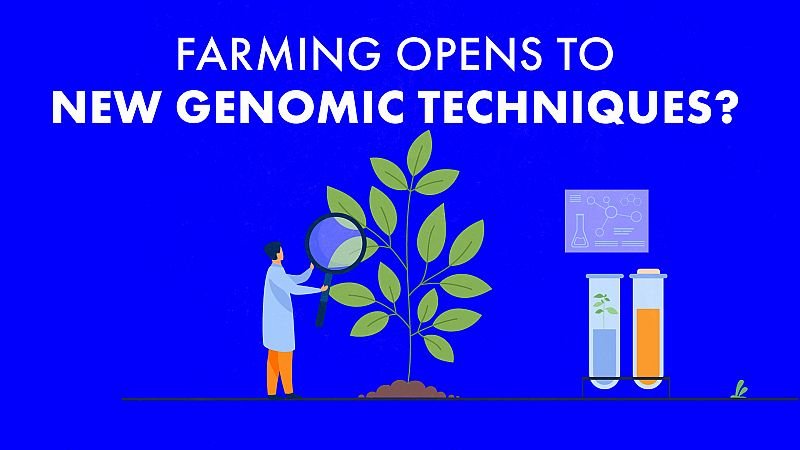
Will Europe’s Agriculture Embrace New Genomic Techniques?
During the latter part of the 20th century, genetic material from various organisms was inserted into seeds, resulting in what we now call Genetically Modified Organisms, or GMOs. This technological approach aims at cultivating plants that are more robust and capable of higher yields.
Roughly twenty years ago, the European Union established stringent regulations governing authorization, labeling, and risk evaluation. However, recently it has suggested loosening these controls regarding New Genomic Techniques, which alter the genetic makeup of plants themselves.
“The European Commission has opted to establish two classifications: one for items derived from these advanced methods and another for those produced using traditional approaches, which will adhere to current regulations. Nevertheless, certain individuals believe that these novel forms of genetically modified organisms may pose similar hazards as their predecessors, potentially leading to unforeseen consequences for the ecosystem,” says Robert Hodgson, reporting on this topic for Euronews.
The dispute is expected to heat up once more since the governments from the 27 member countries have come to an accord regarding the proposition this month. Now, these ministers must achieve a unified stance alongside the European Parliament, despite differing viewpoints on contentious topics like patents and labeling.
During a brief visit to multiple cities, Euronews gathered some European viewpoints. “I am not entirely opposed to it. Conducting comprehensive studies to assess whether it has any adverse effects would be crucial,” remarked a person from Berlin.
“Over the past few decades, significant progress has been made in this technology, yet we still lack complete mastery over it,” stated another individual from Warsaw (Poland).
“It is essential for them to be labeled so that consumers can make an informed decision. Personally, I would not purchase them,” stated a pedestrian in Lyon (France).
Experts in biotechnology contend that these plant varieties will exhibit greater resilience against drought, pests, and necessitate reduced use of fertilizers. They are also addressing health concerns like allergies by developing low-gluten grain options, for instance.
Critics highlight the dangers: interference with pollinators, potential pollution of organic crops, limited seed availability for small-scale farmers, and unknown impacts on human well-being.
Could patents result in the exclusion of small farmers?
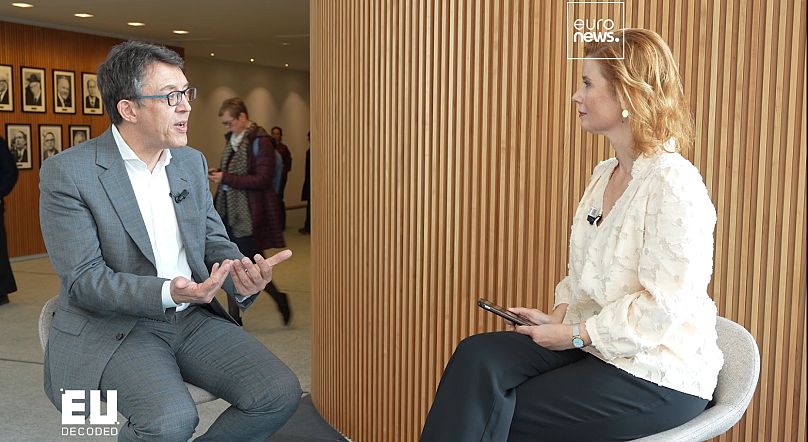
The European Council was split regarding the approval of patents, with discussions centered around potential limitations these might impose on farmers’ options and the possibility of forming monopolies. It required nearly a year before they reached an agreement to permit patents, provided that certain specified reporting conditions were fulfilled.
One of the shadow rapporteurs overseeing the legislation stated that the European Parliament’s stance is to entirely prohibit patents.
“If several major global agricultural chemical companies monopolize seed production, farmers will face higher costs, lose their ability to make choices, and worst of all, genuine innovation in crop varieties will come to an end,” stated Christophe Clergeau, a French centre-left MEP.
Only a few member states have demonstrated significant interest in GM crops, with Spain being an outlier. Many nations have gone so far as to ban these technologies outright, allowing governments to exercise their choice to opt out. However, this might not remain possible for every category of such products.
Approximately ten years back, this matter turned into a significant political concern, particularly with considerable public resistance across Europe. The governments called for an exemption and received one,” clarifies Hodgson, further stating: “Since the plants in this new classification will essentially mirror typical naturally occurring plants, authorities won’t have the choice to prohibit their growth anymore.
Politician Clergeau emphasizes that they are just starting with this innovative technology, asserting that the EU needs to proceed cautiously since “intervening in nature can lead to chains of alterations which might threaten biodiversity.”
A whole new realm of opportunities is quickly emerging in the field of food production, as scientists are now investigating the application of generative artificial intelligence to this sector. As expected, this development has sparked some debate!
Watch the video here!
Journalist: Isabel Marques da Silva
Content creation: Pilar Montero López
Video production: Zacharia Vigneron
Graphism: Loredana Dumitru
Editorial coordination: Ana Lázaro Bosch and Jeremy Fleming-Jones