
by admin | Feb 27, 2025 | hardware, mobile phones, mobile technology, technology, technology trends
![]()
Lifehack My ID
Telepon genggam (HP) yang memiliki RAM sebesar 8GB kini menjadi lebih mudah didapatkan pada rentang harga yang bersahabat.
Dengan memiliki RAM yang lebih besar, kinerja alat menjadi semakin sesuai untuk multitasking atau mengoperasikan berbagai aplikasi secara bersamaan.
Di kisaran harga sekitar dua juta rupiah, berbagai merek sudah meluncurkan opsi smartphone RAM 8GB yang memiliki spesifikasi menarik.
Dua contohnya adalah vivo Y28 dan Redmi Note 14 4G, yang baru-baru ini diperkenalkan di pasar lokal.
Berikut ini adalah lima saran smartphone dengan RAM 8GB yang dapat dibeli di kisaran harga Rp 2 jutaan untuk referensi Anda.
1. vivo Y29
Vivo Y29 dibekali dengan chipset Snapdragon 685 sehingga menawarkan kinerja yang handal.
Performanya kian handal berkat dukungan RAM sampai 8GB dan ruang penyimpanan yang bisa mencapai 256GB.
Di sektor layarnya, perangkat ini menggunakan panel IPS LCD yang memiliki ukuran 6,68 inci dan menawarkan resolusi HD Plus.
Untuk membuat tampilan menjadi lebih halus, layarnya dilengkapi dengan kecepatan refresh 120 Hz.
Bidang kameranya didukung oleh dual rear lenses di mana kamera utamanya beresolusi 50 MP dilengkapi dengan lensa kedalaman 2 MP serta LED flash.

Untuk ketahanannya, Vivo Y29 dilengkapi dengan baterai berkapasitas 6.500 mAh dan dukungan untuk pengisian cepat 44W.
Teknologi tersebut dipromosikan dapat mengisi baterai hingga 50 persen selama kurang lebih 40 menit.
vivo Y29 dapat dibeli dengan harga mulai dari Rp 2.599.000 untuk tipe memorinya 8 GB/128 GB.
2. Redmi Note 14 4G

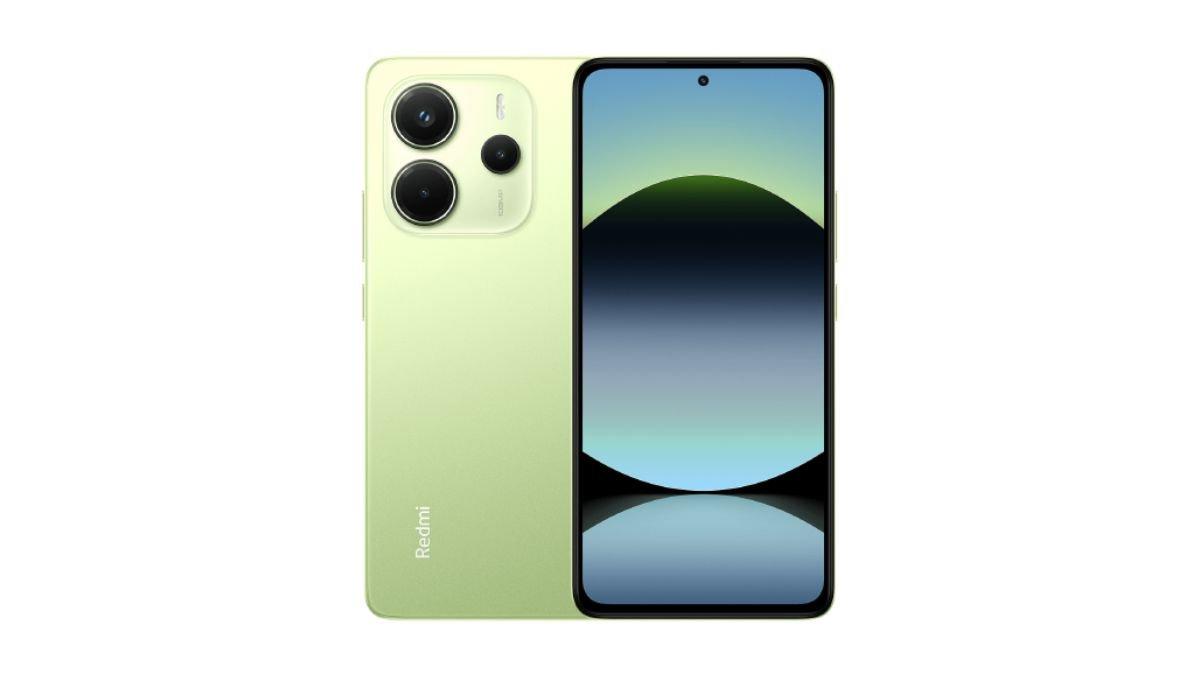
Redmi Note 14 4G menghadirkan kekuatan performa dengan dukungan dari chipset Helio G99 Ultra.
Dilengkapi dengan RAM sebesar 8 GB beserta pilihan ruang penyimpanan 128 GB dan 256 GB, pengguna dapat lebih leluasa untuk menampung berbagai data mereka.
Layar ponsel ini mengusung teknologi AMOLED seluas 6,67 inci yang memiliki resolusi Full HD Plus, menjaga kualitas gambar tetap jernih dan tajam.
Di samping itu, layarnya menawarkan refresh rate 120 Hz serta kecerahan maksimal sebesar 1.800 nits.
Dalam bidang fotografi, Redmi Note 14 4G mengandalkan kameranya yang terdiri dari kamera primer beresolusi 108 MP, lense makro dengan resolusi 2 MP, serta sensor kedalaman 2 MP.
Kamera depan beresolusi 20 MP terletak pada titik lubang pemukul di bagian atas tengah layar.
Daya berasal dari baterai berkapasitas 5.500 mAH yang didukung oleh teknologi pengisian cepat sebesar 33W.
Teknologi tersebut dinyatakan dapat mengisi baterai hingga 55 persen dalam 40 menit dan mencapai kapasitas penuh dalam 77 menit.
Bila berminat, smartphone Redmi Note 14 4G dapat dibeli dengan rentang harga sekitar Rp
3. realme 13

Realme 13 datang dengan kinerja yang handal berkat prosesor Snapdragon 685.
Ponsel ini dilengkapi dengan RAM sebesar 8 GB dan memori internal berkapasitas 128 GB atau 256 GB yang bisa disesuaikan menurut keperluan Anda.
Komponen tampilan mengadopsi panel AMOLED seluas 6,67 inci yang memiliki resolusi Full HD Plus dan dilengkapi kecepatan Refresh Rate sebesar 120 Hz untuk memastikan gerakan gambar menjadi lebih lancar.
Kecerahan layarnya sangat baik, dengan tingkatan hingga 2.000 nits yang memastikan display masih terlihat jernih bahkan ketika berada di bawah cahaya matahari langsung.
Bidang kamera menggunakan setup dual lensa yang terdiri dari kamera primer beresolusi 50 MP dengan sensor SONY LYT-600 serta lensa monokrom sebesar 2 MP.
Kamera ini pun dilengkapi dengan berbagai fitur
Optical Image Stabilization
(OIS) agarhasil fotonyalebihstabil.

Untuk ketahanan baterenya, realme 13 dilengkapi dengan baterai berkapasitas 5.000 mAh yang didukung oleh teknologi pengisian cepat 67W SUPERVOOC.
Teknologi tersebut dituduhkan dapat memasok energi sampai terpenuhi dalam waktu 47 menit.
Harga realme 13 di Indonesia dimulai dari Rp 2.999.000 untuk tipe memorinya 8 GB/128 GB.
4. Samsung Galaxy A16 4G

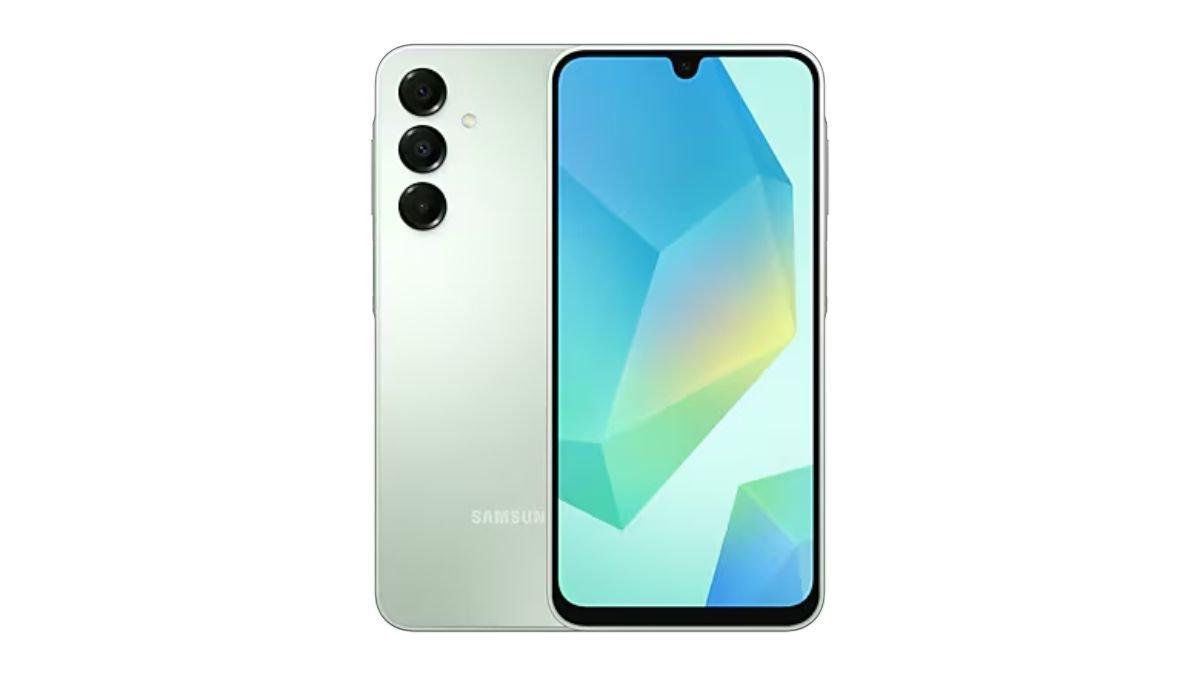
Samsung Galaxy A16 4G menghadirkan kekuatan luar biasa dengan dukungan dari chipset Helio G99.
Dilengkapi dengan RAM sebesar 8 GB dan storage berkapasitas 128 GB hingga 256 GB, ponsel ini memberikan ruang yang cukup lapang.
Layar ponsel ini mengusung teknologi Super AMOLED seluas 6,7 inci dan memiliki resolusi Full HD Plus.
Di luar ketajamannya, layar ini pun menyokong kecepatan pembaruan 90 Hz sehingga memberikan pengalaman visual yang lebih lembut dan lancar.
Pada bagian kameranya, Samsung Galaxy A16 4G dilengkapi dengan tiga kamera di sisi belakang yang terdiri dari satu kamera primer beresolusi 50 megapiksel, satu lagi lensa ultra-wide dengan resolusi 5 megapiksel, serta sebuah lensa makro dengan kemampuan 2 megapiksel.
Untuk ketahanan baterenya, ponsel ini dilengkapi dengan baterai berkapasitas 5.000 mAh dan dukungan pengisian cepat hingga 25W.
Penambatan energi dapat dijalankan menggunakan port USB Type-C demi kenyamanan tambahan.
Di pasarnya Indonesia, Samsung Galaxy A16 4G tersedia di kisaran harga Rp 2.999.000 untuk versi memorinya yang berkapasitas 8GB/128GB.
5. Infinix HOT 50 Pro Plus
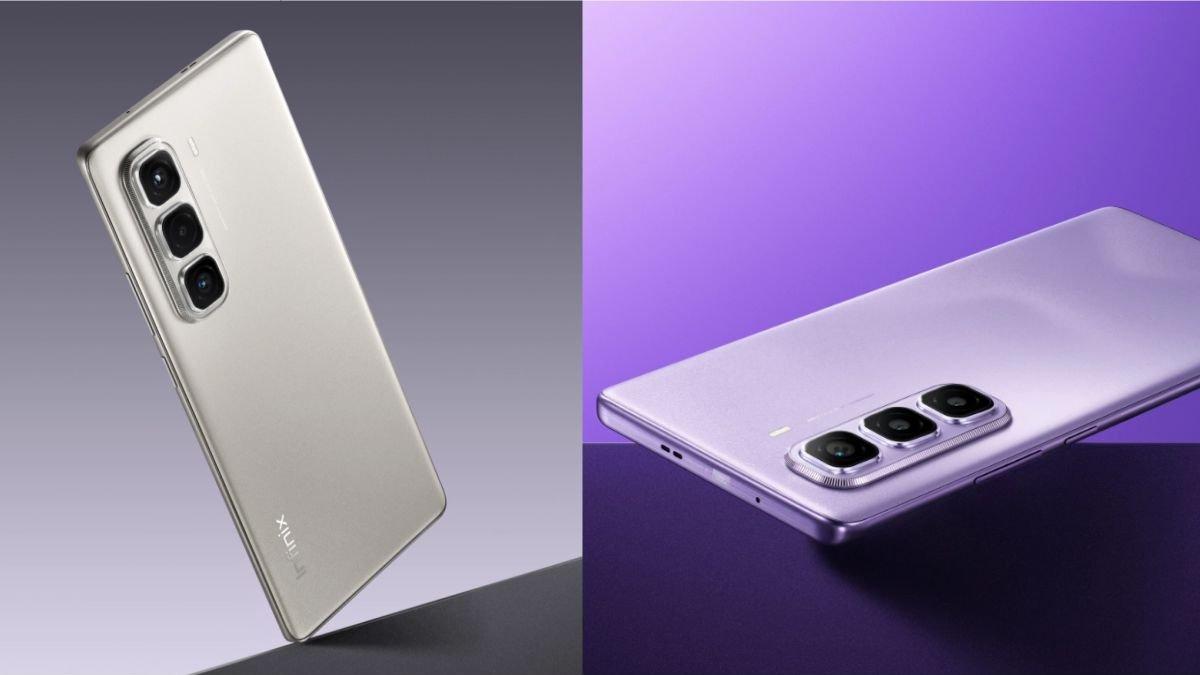
Infinix HOT 50 Pro Plus dibekali dengan kemampuan yang dihasilkan oleh prosesor MediaTek Helio G100.
Ponsel ini dilengkapi dengan RAM sebesar 8 GB dan ruang penyimpanan ekstensif 256 GB yang dirancang untuk memenuhi keperluan para pemakai.
Bagian tampilan menjadi fokus utama berkat desain yang melengkung atau disebut juga sebagai 3D-Curved Screen.
Panel layar pada perangkat ini memiliki ukuran 6,78 inci dan menggunakan teknologi AMOLED dengan kualitas gambar Full HD+. Selain itu, layar tersebut juga dilengkapi dengan kecepatan refresh rate mencapai 120 Hz sehingga memberikan visual yang lebih halus.
Aspek fotografi menampilkan setup triple kamera di bagian belakang, dengan kamera utama beresolusi 50 MP, lensa kedalaman 2 MP, serta ada satu lagi lensa ekstra tanpa rincian lebih lanjut.

Untuk pasokan energi, ponsel ini dilengkapi dengan baterai berkapasitas 5.000 mAh dan dukungan pengisian cepat sebesar 33W.
Fitur pengisian cepat ini diklaim dapat mengisi baterai hingga 50 persen dalam waktu 26 menit, dengan tambahan teknologi Bypass Charging dan Perlindungan Pengisian Malam Hari.
Jika berminat, Anda dapat membeli Infinix HOT 50 Pro Plus seharga kurang lebih Rp 2.599.000.
(*)
Lihat Berita dan Artikel lainnya di
Google News
(RamaFitra/Lifehack My ID)

by admin | Feb 24, 2025 | mobile phones, mobile technology, smart devices, smartphones, technology
Saat ini, berbagai
brand smartphone
memberikan sejumlah opsi yang bervariasi dengan harga, desain, serta spesifikasi terbaik. Di antara produsen-produk tersebut, salah satunya adalah:
brand smartphone
dikenal karena menawarkan produk berkualitas dengan harga yang terjangkau, realme meluncurkan perangkatanyanya yaitu realme 13 5G.
Dengan spesifikasi handal, dukungan jaringan 5G, serta berbagai fitur terkini, realme 13 5G menjadi pilihan ideal untuk Anda yang membutuhkan perangkat tersebut.
smartphone
unggulan. Berikutnya, bagaimana spesifikasi dari realme 13 5G? Telusuri informasinya dalam artikel ini,
ya!
Ukuran layar dan performa
chipset
realme 13 5G
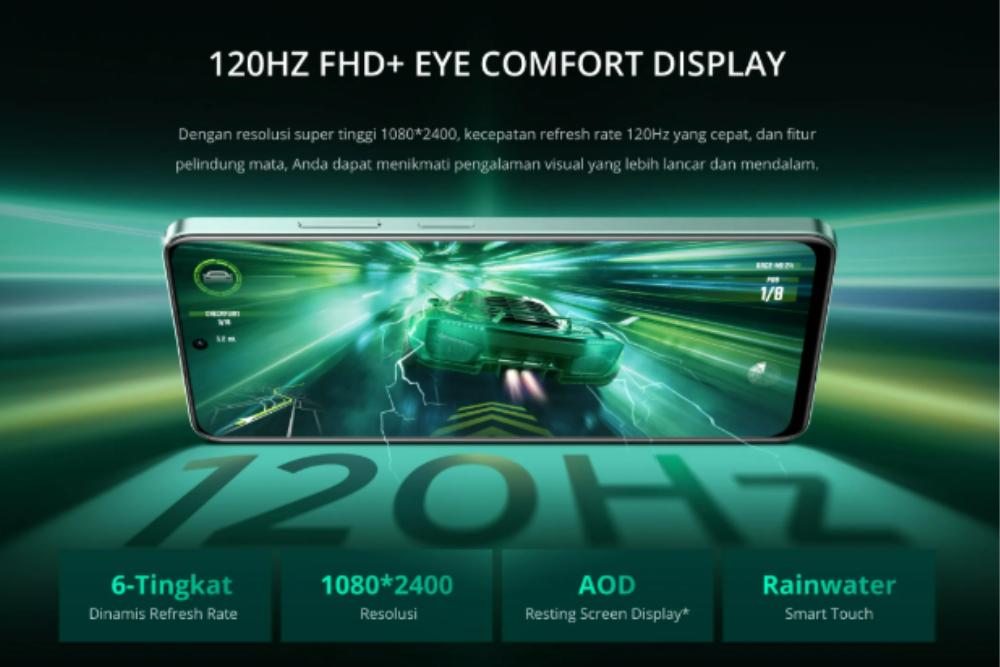
Realme 13 5G tampil dengan gaya Premium yang mewah.
Smartphone
Ini disertai oleh layar berukuran 6,72 inci yang memiliki resolusi 1080 x 2400 piksel.
Layar Full HD+ Nyaman untuk Mata
serta
refresh rate
120Hz, menjadikannya memiliki tampilan visual yang jelas dan cepat merespons.
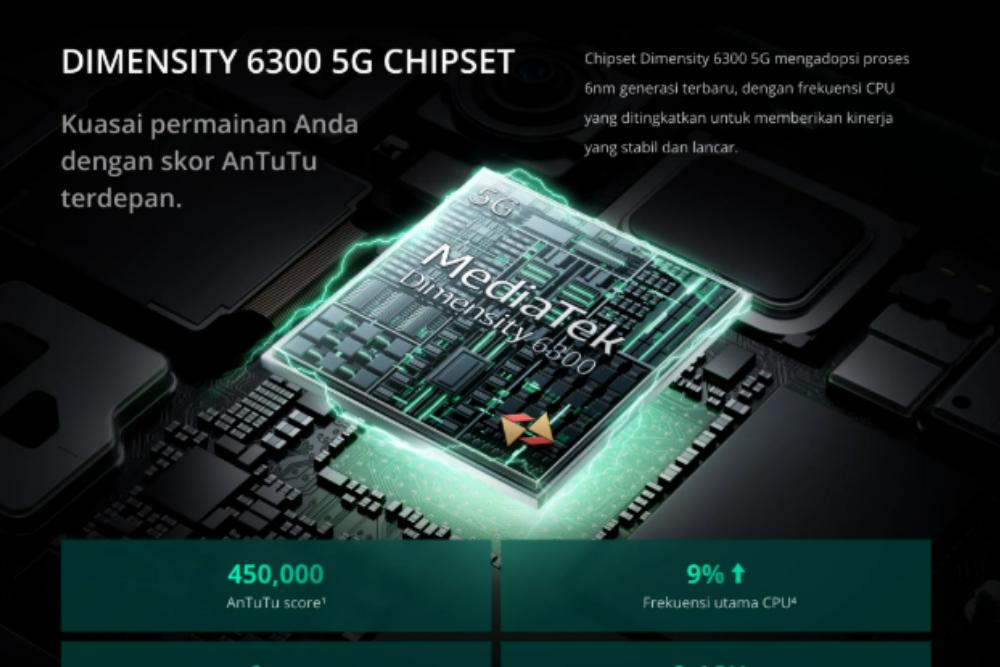
Didukung oleh chipset MediaTek Dimensity 6300 prosesor 6 nm yang memiliki delapan inti clocked hingga 2.4GHz, perangkat realme 13 5G ini dapat mengatasi berbagai tugas dengan mudah, mulai dari
multitasking
hingga bermain
game
.
Chipset
ini didukung oleh RAM dinamis hingga 12GB+14GB serta penyimpanan RAM 12 GB dan ROM 256GB, yang cukup besar untuk menyimpan berbagai aplikasi dan file.
Kelebihan pada sektor kamera dan baterai realme 13 5G

realme 13 5G hadir dengan kemampuan kamera yang handal. Kameranya utamanya beresolusi 50 MP dan dilengkapi lensa 5P serta menawarkan sejumlah fitur tambahan.
Optical Image Stabilization
(OIS), HDR, panorama, serta kualitas video 2K 30fps dan 1080p 30/60fps.
Lensa kamera depan memiliki 16 MP dan resolusi video 1080p 30fps untuk menangkap video dengan lebih jelas dan menghasilkan potret berkualitas tinggi.
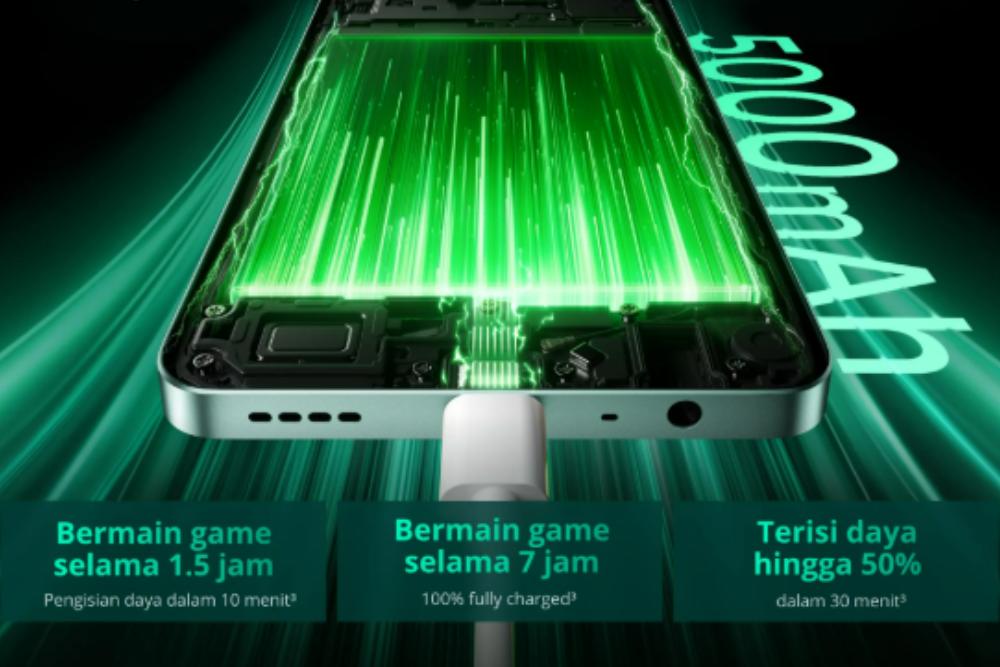
Dengan baterai berkapasitas 5000mAh, realme 13 5G dapat bertahan seharian penuh dalam pemakaian normal. Didukung dengan pengisian baterai 45W,
smartphone
ini dapat terisi 50% dalam waktu 30 menit saja, lho.
Hubungan antar perangkat serta sensor pada Realme 13 5G

Realme 13 5G menggunakan sistem operasi realme UI 5.0 yang didasarkan pada Android 14. Fitur konektivitasnya meliputi jaringan 5G + 5G Dual Mode, Bluetooth 5.3, Wi-Fi dari versi keempat hingga kelima beserta dukungan dual band yakni 2.4 GHz dan 5 GHz, serta teknologi NFC untuk mempermudah transaksi digital.
Ponsel ini memiliki sensor tambahan
fingerprint
yang menyatu dengan tombol
power
,
acceleration sensor
,
light sensor
,
magnetic induction sensor
,
proximity sensor
, dan
gyroscope
.
Keunggulan serta biaya untuk realme 13 5G

Melansir dari
idntimes.com
Berikut adalah beberapa fitur utama dari realme 13 5G yang membuatnya istimewa:
smartphone
lebih mumpuni:
-
Dual stereo speaker
yang dilengkapi
audio jack
3.5 mm.
-
Memiliki
GT Mode
,
Game Focus Mode
, dan
Voice Changer
untuk perfoma saat bermain
game
semakin stabil.
-
Durable Quality All Around
dengan IP64 yang anti terhadap percikan air dan debu.
-
ArmorShell
sebagai pengaman dari kemungkinan tersandung dan jatuh.
-
Ultra Cool Perfomance
yang memberikan pengalaman
gaming
lebih nyaman.
-
Ultra Fast Charge
menyediakan proses pengisian baterai selama 6 menit untuk digunakan bermain
game
selama 1 jam.
Harga:
Rp3,499,000 juta rupiah.
Dengan layar berkualitas,
chipset
Mempunyai fitur lengkap seperti mumpuni, kamera utama berkualitas tinggi, dan baterai yang awet, Realme 13 5G sanggup berkompetisi dengan baik.
smartphone
Tertarik untuk mendapatkannya, Bela?

by admin | Feb 6, 2025 | children, children and families, education, parenting, technology

Have you ever wondered why parents feel challenged observing that their children struggle even though they appear to have a more “comfortable” upbringing compared to ours? When you compare your own experiences with those of your child and assume that young people nowadays lead relatively easy lives, perhaps this comparison holds part of the issue. It’s clear that modern advancements bring about greater convenience—particularly through technologies like the internet which simplify many tasks. Reflecting upon our past, we recall writing assignments longhand or using type-writers complete with correction fluid for mistakes, physically visiting libraries to navigate book sections via the Dewey system, and waiting weeks or months for replies from correspondents through traditional postal services. Seeing such ease of access to interaction, exploration, and information now available to our offspring can indeed suggest simpler times; however, reality presents both advantages and challenges.
Rapid and extensive knowledge comes with both benefits and challenges. Indeed, life has become easier in many ways; tasks that once took us hours can now be completed within mere minutes by others. However, this doesn’t imply they have more free time compared to previous generations, just as advancements in computing did not reduce our working hours. Today’s students face an even greater academic workload than those from earlier times. For instance, scientific understanding today differs significantly—and is far more intricate—than what existed during my schooling years. In the past, learning consisted primarily of studying the nine planets (which included the erstwhile planet Pluto, may it rest peacefully). Nowadays, subjects such as physics delve into complex theories including string theory, wormholes, and parallel universes. Mathematical procedures are also being instructed quite differently nowadays. Our comprehension of genetics and neural plasticity has advanced so greatly that I fear the education I received might soon become outdated. Whenever I inquire about assignments from my secondary-level pupils, they often discuss developing comprehensive business plans, participating in technology design courses, and conducting analyses which were traditionally reserved for higher education levels.
Unique Paraphrase:
Unparalleled accessibility also implies that children might encounter social scenarios and hurdles before they’re emotionally prepared to handle them. Consider, as an illustration, having constant connection with peers through smartphones. In earlier times, our social exchanges were confined by physical settings—once at home, such interactions typically ceased. However, online connectivity eradicates these usual boundaries (aside from power outages and lack of battery charge), making it exceptionally challenging to impose restrictions on screen time for youngsters since the sole barrier between them and their friends is now essentially just parental oversight.
Greater social connectivity also leads to increased social disputes.
Harassment and various types of social distress, including isolation, mockery, and embarrassment, trail you everywhere today. In the past, one might find solace knowing that their harassers couldn’t reach them beyond school grounds, or rely on the fact that an adult, perhaps even your dad confronting someone who dared to use the house phone to hassle you, offered some protection. Now these threats loom constantly without respite because those barriers are gone. This situation has emerged fairly recently. Young people now endure worldwide ridicule which can be particularly challenging to overcome emotionally. Their young minds aren’t equipped for this kind of pressure. Moreover, parents struggle too since we didn’t grow up under similar conditions and thus lack experience navigating our children through today’s intricate landscape of peer relationships.
Our conventional understanding of parenthood is based on the belief that parents possess greater wisdom and thus hold superior judgment. This perspective leads us to adopt a mentoring approach to parenting, viewing ourselves as educators and navigators for our kids. When errors occur, we offer corrections; when they falter, we steer them back onto the proper path. It falls upon us to determine acceptable behavior and assign corresponding repercussions. Given that parents typically have accumulated more expertise and abilities compared to their offspring, this mentor-style guidance appears quite fitting.
Nonetheless, we must recognize that kids might be acquiring far greater insights into our world compared to adults. Thanks to new information gained from schooling and their innate ease with modern technologies, parents often feel like they’re always trying to keep up. Without taking the initiative to show interest in—and educate ourselves about—the environments where they spend most of their time—like Roblox, Discord, Snapchat, TikTok—we won’t effectively guide them through social interactions online. Furthermore, without understanding the intricate emotional responses these platforms evoke, how will we support them in managing their feelings?
Raising kids is an eye-opening journey. First off, let’s accept that today’s youth inhabit a completely distinct universe compared to ours, filled with distinctive hurdles. Our past experiences may fall short when trying to steer them through these new obstacles. Admitting that we’re venturing into uncharted waters isn’t just acceptable—it’s increasingly necessary nowadays. Instead of assuming we have all the answers, adopting such an attitude pushes us towards improving ourselves, doing thorough research, and seeking assistance whenever needed. That’s how we become effective parents striving to excel.
—————
aatuazon@up.edu.ph

by admin | Jan 13, 2025 | culture, food culture, history, technology
As voyagers, we frequently ponder what it would be like not just to traverse vast spaces but also to navigate through different eras. Could there possibly be somewhere—a location or perhaps a device—that could take us back to times when existence seemed simpler and more carefree, where sustenance was sourced directly from the waters, and evenings resonated with the calming sound of coastal waves beneath a canopy of twinkling celestial bodies stretching out as far as one’s eyes can see?
Indeed, there exists such a location in the Philippines: the isolated village of Chavayan situated on the island of Sabtang within Batanes province. This community, inhabited by roughly 200 individuals, boasts sturdy stone dwellings—many constructed more than a hundred years ago—and preserves age-old customs that have molded the Ivatan people for over 4,000 years.
Ancestry and architecture
The Ivatans trace their roots back to Austronesian settlers who reached these islands during the Neolithic age. These early inhabitants resided in protected hillside villages known as idiangs and communicated using a dialect akin to those spoken by Taiwan’s indigenous communities. In 1783, Batanes officially joined the Philippines under Governor-General José Basco y Vargas. Throughout Spain’s rule, techniques involving lime for constructions emerged, leading to the creation of structures like bridges, pathways, and places of worship. This approach was embraced by the Ivatan people to build robust stonework homes capable of enduring the area’s severe climatic conditions. Numerous buildings from this epoch remain intact today; some of the finest preserved specimens are observable in Chavayán.
Getting there
Reaching Chavayan isn’t simple since Sabtang Island lacks an airport. You start by flying either from Manila or Clark to Basco in Batanes. From there, you go overland to Ivana Port and board a 30-minute falowa boat trip to Mahatao. Next, hop onto a tricycle for another half-hour journey until you get to Chavayan. The path to this paradise involves some challenges—flights can be grounded because of bad weather, so travelers frequently spend the night in Basso to secure seats on the first-thing-in-the-morning ferry to Sabtang, scheduled at 6 a.m.
In contrast to the usual outrigger boats prevalent in the Philippines, the falowa is an indigenous vessel without outriggers, crafted specially to traverse the tumultuous seas between Batan and Sabtang islands. Starting from the harbor in Mahatao, one has roughly six kilometers left to reach Chavayan. This trip can be made using touristic tricycles equipped with wooden sidecars adorned with cogon roofs, or alternatively, intrepid travelers might choose to walk.
The road to Chavayan
The six-kilometer route from Mahatao to Chavayan presents some of the most beautiful road views in the country, giving travelers a preview of the wonders ahead. In Mahatao, you can admire centuries-old stone structures like the historic San Vicente Ferrer Church, constructed in 1844, as well as the charming Mahatao Lighthouse.
Halfway through your journey is Barangay Savidug, a village recognized for its intact stonework houses. Perched atop an adjacent hill is the historic Savidug idiang, estimated to date back about 4,000 years. Constructed during prehistoric times, these ancient mountaintop fortresses served as shelters against both hostile forces and environmental dangers for the early settlers.
Right before reaching Chavayan, visitors have the option to take a side trip to the Chamantad-Tinan Viewdeck. With a brief ascent up the gently sloping, verdant hills, one is rewarded with an breathtaking view of Chamantad Cove and its secluded sandy shore.
Frozen in time
At the journey’s conclusion, Chavayan conveys an atmosphere where time seems frozen. Over the last 12 years, during my three visits, little has altered; the unchanging vista that welcomed travelers a hundred years back persists even now.
On the right side of the village entrance is a small store run by the Sabtang Weavers Association. The people of Chavayan are famed for crafting the best vakul (a woven headgear) and kanayi (a vest) in Batanes. Made from the leaves of the vuyavuy tree, the vakul protects against sun and rain and can double as a mat or small pillow for field workers. Locals also produce unique sandals from vuyavuy, affectionately named “Chavayanas.”
Down below is a modest chapel devoted to Sta. Rosa de Lima, built from 1951 to 1959 featuring a thatched roof made of cogon grass, reflecting the Ivatan tradition known as yaru—akin to the Filipino value of bayanihan. Guests staying over might catch sight of communal prayers conducted early in the morning when residents seek blessings for protection and prosperity prior to heading off either fishing or farming activities.
A journey into the past
In Chavayan, both electricity and mobile phone signals are scarce, and lodging options are quite rudimentary. The food typically includes either flying fish or mahi-mahi, cooked according to traditional methods. This place isn’t suited for all travelers—it’s an option only for those daring enough to immerse themselves fully in a lifestyle that harks back to earlier times and observe ways of living that have mostly vanished from more developed areas.
In Chavayan, contemporary amenities yield to more traditional, enduring patterns of life—a testament to areas where history continues to thrive vividly. For those eager to embark on a voyage that spans not only geography but also traverses the annals of time, visiting Chavayan promises an exceptional and indelible adventure.

by admin | Sep 25, 2024 | audio, electronic devices, electronics, music, technology
What?
The Moog Synthesizer was among the earliest examples of a modular voltage-controlled oscillator and amplifier system, developed by Robert Moog.
In layman’s terms?
Robert Moog’s synthesizers were pioneering in enabling individuals to generate and modify electronic music comprehensively. His initial model featured dual voltage-controlled oscillators along with a voltage-controlled amplifier. This primary oscillator permitted users to adjust the pitch of generated sounds via varying voltages; these voltages could subsequently be processed using the secondary oscillator to achieve effects such as tremolo.
Why is it in the news and why is it significant?
On the occasion of the 60th anniversary of the first Moog synthesizer, it’s worth noting that electronic sound machines did exist prior to this innovation; however, they were massive, often occupying whole rooms. Inspired by the theremin—a touchless electronic instrument developed in the 1920s—Moog was driven to experiment with incorporating amplifiers into the synthesizers’ oscillators. This modification aimed to create a smaller, more transportable version of these groundbreaking devices.
Who had the means to purchase the initial Moog synthesizer?
In addition to being the first portable modular synthesizer, it was also the first relatively inexpensive one—well, somewhat. The initial Moog Synthesizer cost about $10,000 back in 1964. When adjusted for inflation, this amount equates to roughly $100,000 (or €90,000). While not exactly budget-friendly, it was considerably more affordable compared to the millions required in contemporary dollars for similar equipment from competitors at that time.
So who ended up purchasing it?
The initial client was British-American composer Eric Siday, who requested Moog to build one of these machines specifically for him and also asked for an additional keyboard component. Following this, various composers intrigued by the potential of experimental electronic music began commissioning more units from Moog and sought enhancements like filters, which led to innovative sound effects including what became known as the “wah-wah” effect.
Was the music of high quality?
As more
classical composers
Soon enough, people were drawn to Moog’s captivating synthesizers, leading to the creation of one of the earliest remarkable musical pieces. Among the initial trailblazers with the Moog Synthesizer was Paul Beaver, who collaborated with Mort Garson to produce the album ‘The Zodiac: Cosmic Sounds.’ This work became a source of inspiration for many upcoming experimental artists. Later, in 1968, Wendy Carlos released the groundbreaking album ‘Switched-On Bach,’ earning both commercial success and critical praise by rearranging Bach’s works. The album claimed three Grammy Awards and became the first classical record to achieve platinum certification.
Any pop music?
The earliest notable application of the Moog Synthesizer likely originated with the rock band.
The Doors
– Particularly noteworthy is “Strange Days,” the title track from The Doors’ sophomore album released in 1967. Beaver utilized his synthesizer skills alongside Jim Morrison’s distinctive vocals to craft an unsettling sonic backdrop for the song. Shortly thereafter, the Moog synthesizer gained popularity among various artists; most notably, The Beatles featured it on their album “Abbey Road.” Early enthusiasts also included bands such as The Monkees, The Grateful Dead, and The Rolling Stones, along with jazz performers like Herbie Hancock and Sun Ra.
Is Moog still the only type of synthesizer around?
Today, electronic music is everywhere, with synthesizers made by countless manufacturers and replicated via digital audio workstation software. However, this did not lead Moog to rest on his accomplishments.
What were Moog’s subsequent actions?
In 1970, Moog introduced the Minimoog, an even more compact iteration of their initial synthesizer model which quickly became popular. Despite expecting sales of about 100 units primarily among professional studio musicians, this innovative instrument saw massive success with tens of thousands being sold throughout multiple decades. It also set the stage for subsequent models like the Vocoder, Micromoog, Multimoog, and Polymoog, propelling Moog into widespread recognition within the musical community. The company gained significant prominence through appearances on numerous progressive rock records from bands such as Yes, Tangerine Dream, and Emerson, Lake & Palmer. Arguably one of its most notable achievements during that era came via Donna Summer’s track ‘I Feel Love,’ nearly wholly crafted using the Moog synthesizer.
What happened to Moog?
In the early ’80s, as increased competition emerged against Moog’s synthesizers, his business faced significant challenges. The digital synthesis technology offered by firms such as Yamaha proved overwhelming for Moog, leading to the company filing for bankruptcy in 1987. However, by 2002, there was a resurgence of appreciation for Moog’s iconic instruments, prompting him to reintroduce an updated lineup of synthesizers. Despite passing away in 2005 at the age of 71, the enterprise he founded has continued producing synths, including recent additions like the Spectravox, Labyrinth, and Muse models launched this year.
Page 16 of 16« First«...1213141516


