


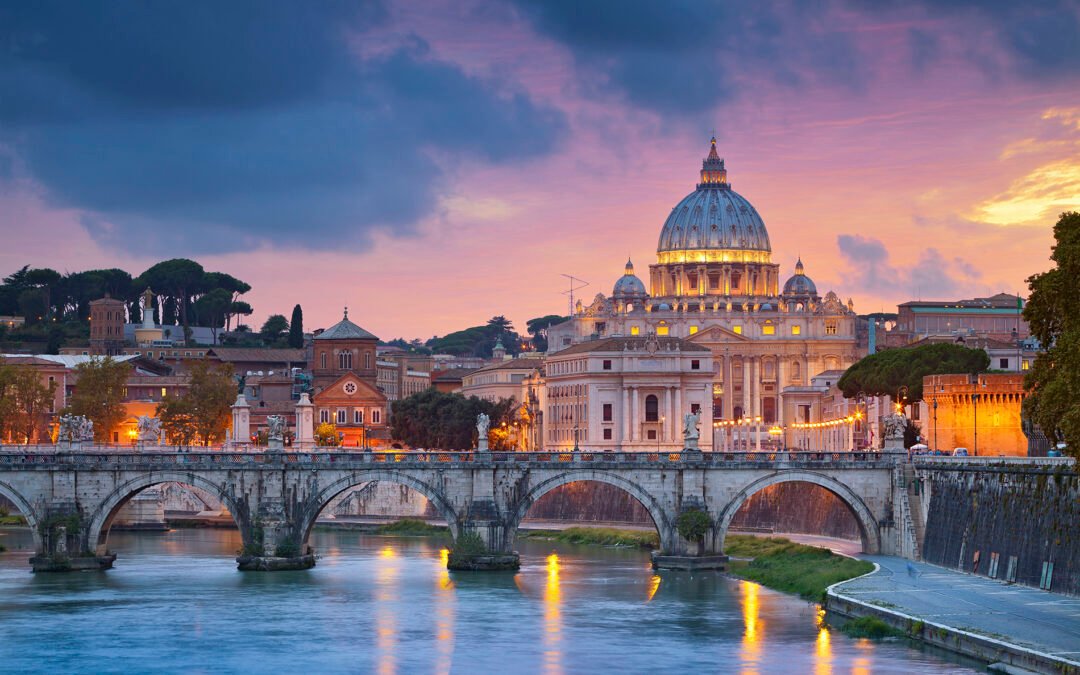
Witnessing centuries of history, these iconic structures showcase elements from Gothic, Romanesque, or Baroque architectural styles through their tall spires, intricate sculptures, and vibrantly colored stained-glass windows. Whether it’s St. Peter’s Basilica in Rome or the Sagrada Familia in Barcelona, explore some must-see basilicas across Europe!
St. Peter’s Basilica in Rome, the core of Christian faith
This basilica in the
Vatican
Built above what is believed to be the site of Saint Peter’s tomb, this monument stands as one of the most significant structures in Christian tradition. Construction started in the 16th century.
th
In this century, the basilica stands as a testament to numerous Renaissance artists who contributed their talents, with Michelangelo being one among them for designing the dome. Its vast interior houses an abundance of artworks, including Michelangelo’s renowned piece.
Pietà
Carved from one solid piece of marble, this work stands as testament to skillful craftsmanship. Above the main altar, Bernini’s grandiose pulpit offers yet another artistic marvel for visitors to admire. Ascend to the top of the dome for an unparalleled view across the cityscape of Rome.
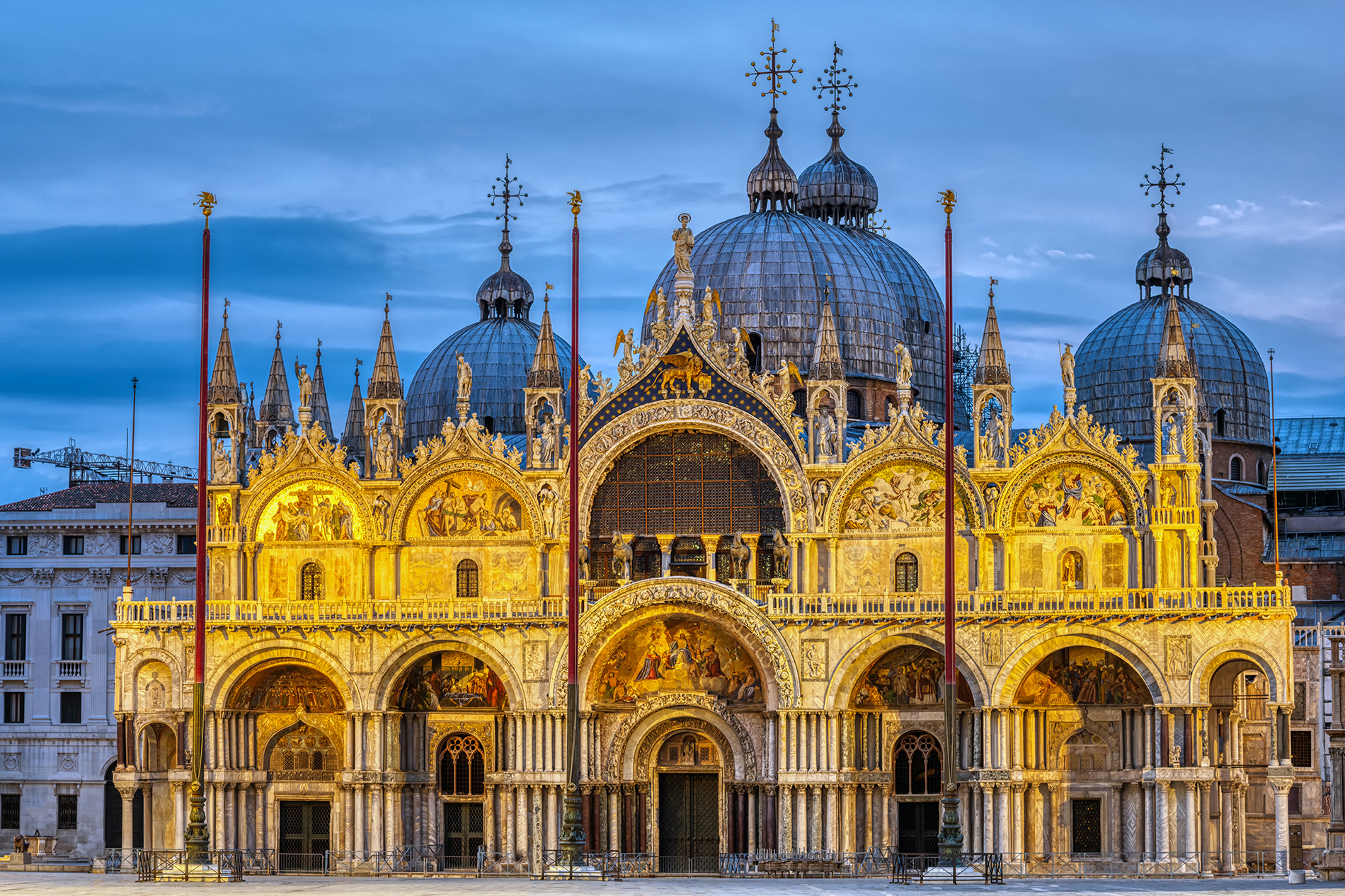
The St Mark’s Basilica in Venice, a stunning example of Byzantine architecture.
Built in the 9
th
For over a century to accommodate the relics of Saint Mark, this grandiose basilica stands as one of the prominent emblems of Venice, often referred to as the Serenissima. Located on Piazza San Marco, the facade of the basilica showcases the bronze horses that were transported from Constantinople during the 13th century.
th
The building is adorned with numerous sculptures and decorative elements. Within, the atrium and domes feature intricate mosaics illustrating stories from the Old Testament as well as the Pala d’Oro, an opulent golden altar encrusted with gemstones. This fusion creates a cohesive mix of Byzantine, Gothic, and Romanesque architectural styles, offering a window into the enduring artistic grandeur of Venice through the ages.
The
B
Basilica of Saint-Denis, Necropolis of French Kings
In northern Paris lies the city of Saint-Denis, home to what many consider one of the earliest examples of a Gothic church: the Basilica of Saint-Denis. Completed around 1135, this structure now stands as an important mausoleum for French monarchs throughout history. It contains effigies and tombs belonging to various rulers such as Clovis, Saint Louis, and Francis I. Not only does it hold historical significance through these figures, but also architecturally; featuring expansive stained-glass windows and some of the first ribbed vaults constructed in Europe.
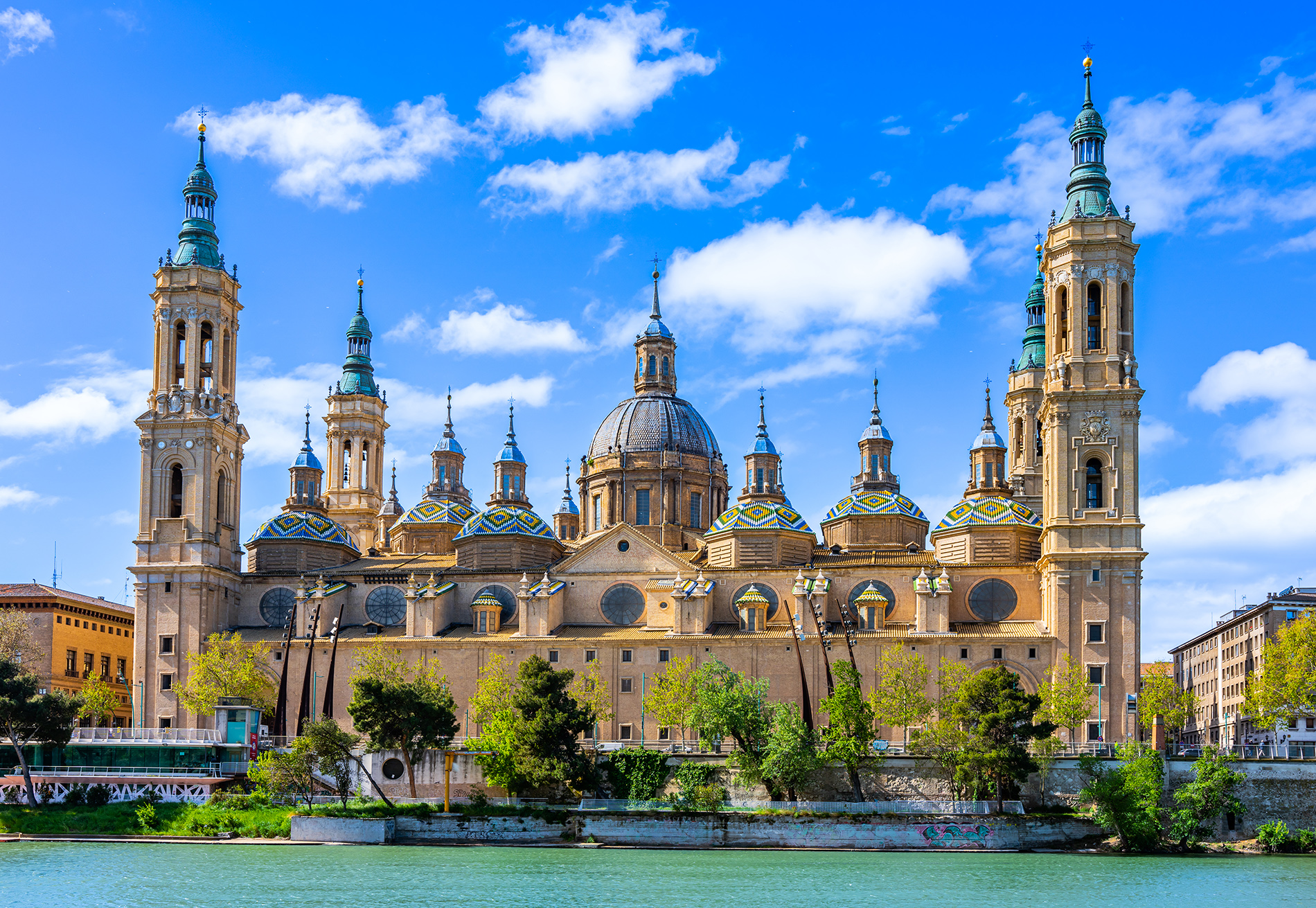
The Basilica of Our Lady of the Pillar in Zaragoza, a sanctuary offering a view over the city.
In the Aragonese city of Zaragoza in Spain, the imposing Basilica of Our Lady of the Pillar stands tall over the River Ebro, facing the Stone Bridge which dates back to 1440. Construction of this basilica began in the 17th century.
th
In a typically opulent Baroque manner, this century-old basilica rises above one of the most ancient Marian sanctuaries globally—a place where legend has it that the Virgin Mary manifested herself in the year 40 AD… specifically on top of a column, hence the church’s designation. Besides the revered column, the interior dazzles with intricate adornments, including numerous frescoes crafted by Francisco de Goya and Francisco Bayeu.
The Church of St. George, a stunning example of Romanesque architecture nestled within Prague Castle, stands as a remarkable jewel.
Situated within the grounds of Prague Castle, St George’s Basilica stands as one of the city’s most ancient religious structures, established in the 10th century.
th
Century. Hidden behind its crimson color 17
th
The basilica boasts a 17th-century Baroque facade, with well-preserved Romanesque architecture from centuries ago resting atop grand vaults and pillars. Within its walls, you can find medieval frescoes and chapels that narrate Prague’s rich millennial past. Additionally, the location enshrines the remains of Saint Ludmila, who is revered as the patroness of Bohemia.
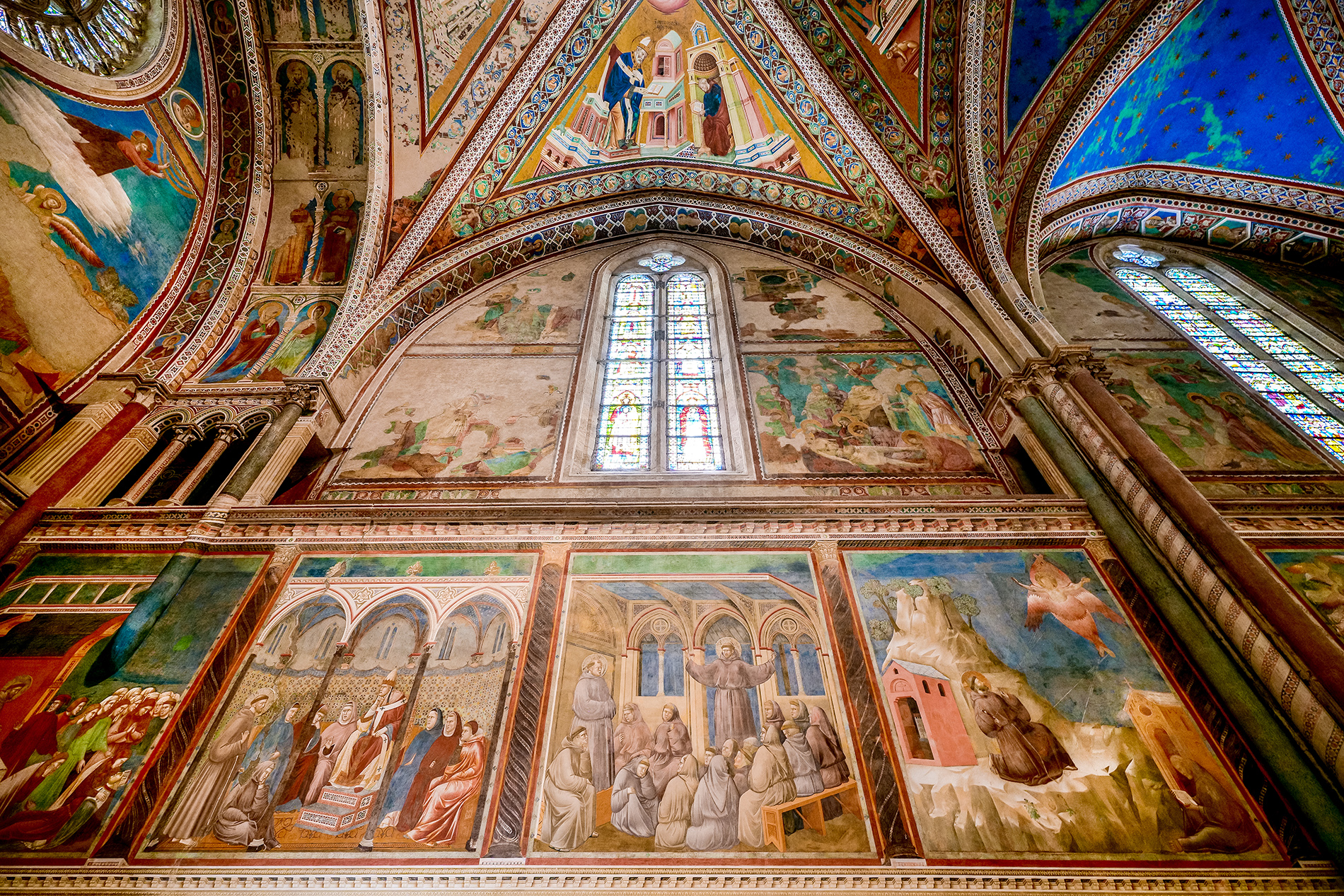
The Basilica of Saint Francis of Assisi, an important pilgrim destination in Italy
Nestled among the hills of Umbria in central Italy, the Basilica of Saint Francis of Assisi has served as an important site for Franciscan pilgrims since the 13th century.
th
This site, recognized as a UNESCO World Heritage location, comprises two churches carved into the rocky hillside of Mount Subiaso. One church features Gothic design, while the other draws inspiration from Lombard Romanesque style. The interior walls are adorned with frescoes by artists such as Giotto and Cimabue, which narrate significant moments from St. Francis of Assisi’s life—from his spiritual transformation to his miraculous deeds.
The Basilica of Santa Maria Maggiore in Rome, a structure enduring through the ages
Founded in the 5
th
This basilica, dating back to the century, stands as one of Rome’s four principal churches. Adorned with an impressive array of historical mosaics inside, many pieces trace their origins to the fifth century.
th
In the century following this period, a gilded ceiling was created using the initial consignment of gold retrieved from the Americas—a present from Spanish monarchs to the Pope in 1494. Additionally, the Basilica of Santa Maria Maggiore is renowned for housing a reliquary that holds a piece of what is believed to be part of Jesus’ manger, as well as boasting the tallest campanile within Rome’s city limits.
The Basilica of Our Lady of the Immaculate Conception in Lourdes, which serves as a place for pilgrimages,
In the French Pyrenees lies the Basilica of Our Lady of the Immaculate Conception, a significant Catholic pilgrimage site globally, attracting nearly three million visitors annually. Constructed in 1871 using neo-Gothic architecture, this basilica overlooks the Grotto at Massabielle, believed to be the place where the Virgin Mary supposedly manifested herself to Bernadette Soubirous in 1858. The interior features mosaics illustrating the Mysteries of the Rosary, alongside stained-glass windows narrating the tale of the Marian visions that gave rise to the legends surrounding the location.
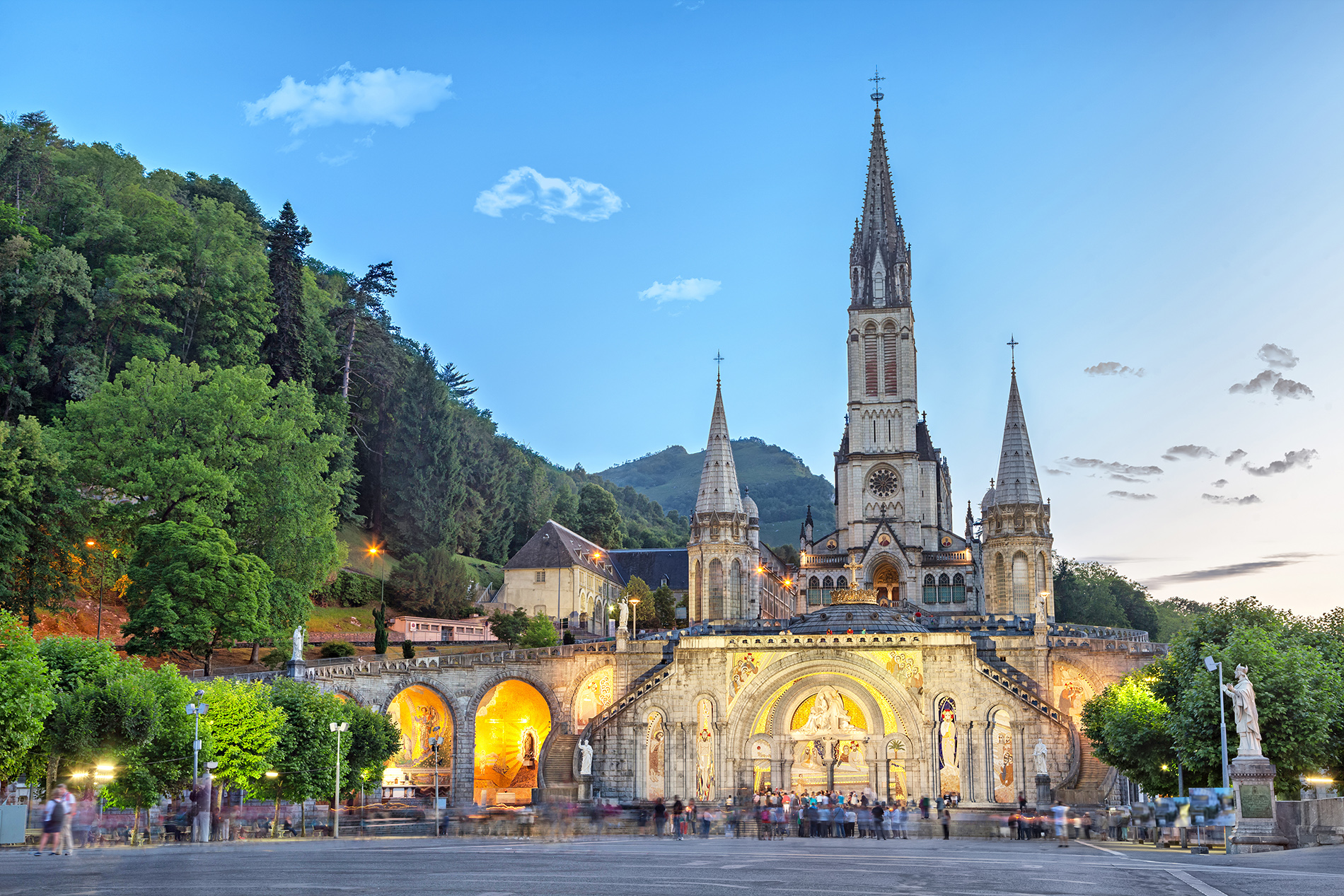
The Sagrada Familia in Barcelona, which remains an unfinished masterpiece by Gaudi, continues to captivate visitors.
Since 1882, the Sagrada Família basilica has been under construction as an architectural and artistic masterpiece conceived by Antoni Gaudi, who was a leading figure in Catalan modernism renowned for incorporating plant-like forms into his designs.
trencadis
The mosaic work here features fragments of ceramics. This monument boasts an elegant lacy outline crafted from carved stone, captivating viewers with both its grand size and innovative design. Within, you’ll find interiors adorned with colored stained-glass windows and flowing organic shapes, where sculpted pillars mimic tree trunks and “branches” replace conventional buttresses. Upon completion, the atoning church dedicated to the Holy Family will stand as the world’s tallest basilica.
The Basilica of Santa Croce in Florence, a testament to Florentine artistic prowess.
Founded in the 13
th
century within the historical center of Florence, the
Basilica of Santa Croce
serves as an admirable counterpart to the Cathedral of Santa Maria del Fiore, the
famous Florentine Duomo
This structure, constructed concurrently with others from the era, features an impressive exterior clad in white and green marbles. Inside, you can find the burial sites of notable figures such as Michelangelo, Galileo, and Machiavelli. The interior also boasts ornate chapels adorned by Giotto and stunning frescoes illustrating the life of Saint Francis. These elements make this basilica a prime showcase of Tuscany’s rich Renaissance artistry.
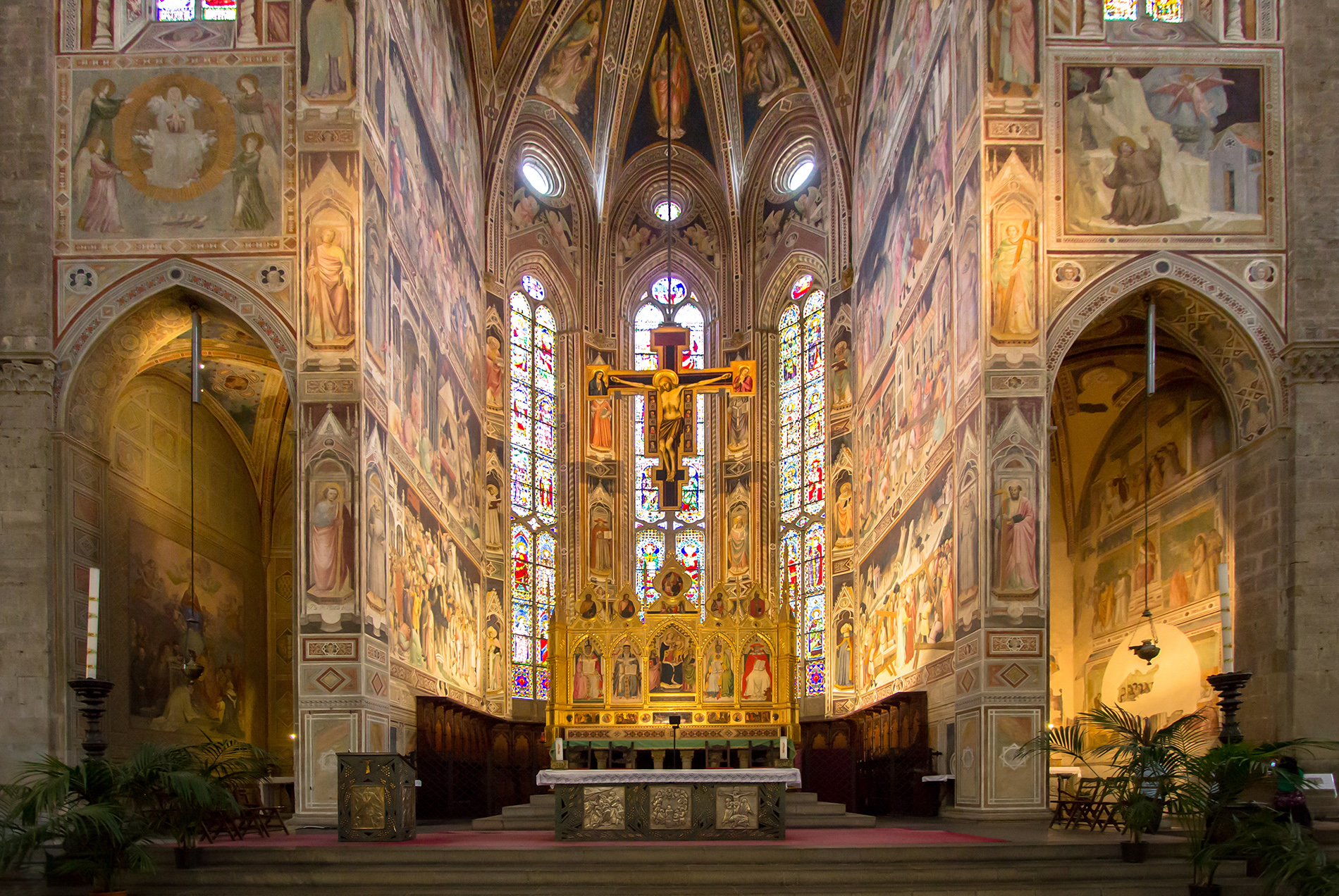
The Euphrasian Basilica of Poreč, an early Christian place of worship overlooking the Adriatic Sea, remains a significant landmark.
Built in the 6
th
century in Poreč, along the Istrian coastline
Croatia
When visiting the Euphrasian Basilica, which stands as one of the earliest instances of Early Christian architecture in Europe, your attention will be drawn immediately to the stunning gold-leaf mosaics covering the arch above the altar. These intricate artworks portray the Virgin Mary with her child Jesus flanked by saints, showcasing the profound impact of Byzantine artistic styles on religious creations during that period. Additionally, the site encompasses several structures such as a baptistry, an Episcopal residence, and a monastery garden. Each component reflects different cultural and historical currents that shaped regional life from the advent of Christianity through the Byzantine epoch.
The Basilica of San Vitale in Ravenna stands as an extraordinary example of Byzantine artistry in Italy.
In Ravenna,
Italy
, the Basilica of San Vitale stands as a remarkable example of Byzantine artistic achievement. Constructed during the 6th century,
th
A millennium and a half since the initial cornerstone was laid, this site remains an essential visit for those with an interest in art history. Adorned from floor to ceiling with frescoes, the basilica also boasts some of the most exquisite early Byzantine mosaics globally, featuring portraits of Emperor Justinian and Empress Theodora. Its distinctive octagonal design coupled with intricately veined marble pillars enhances the uniqueness of this monument recognized as a UNESCO World Heritage Site.
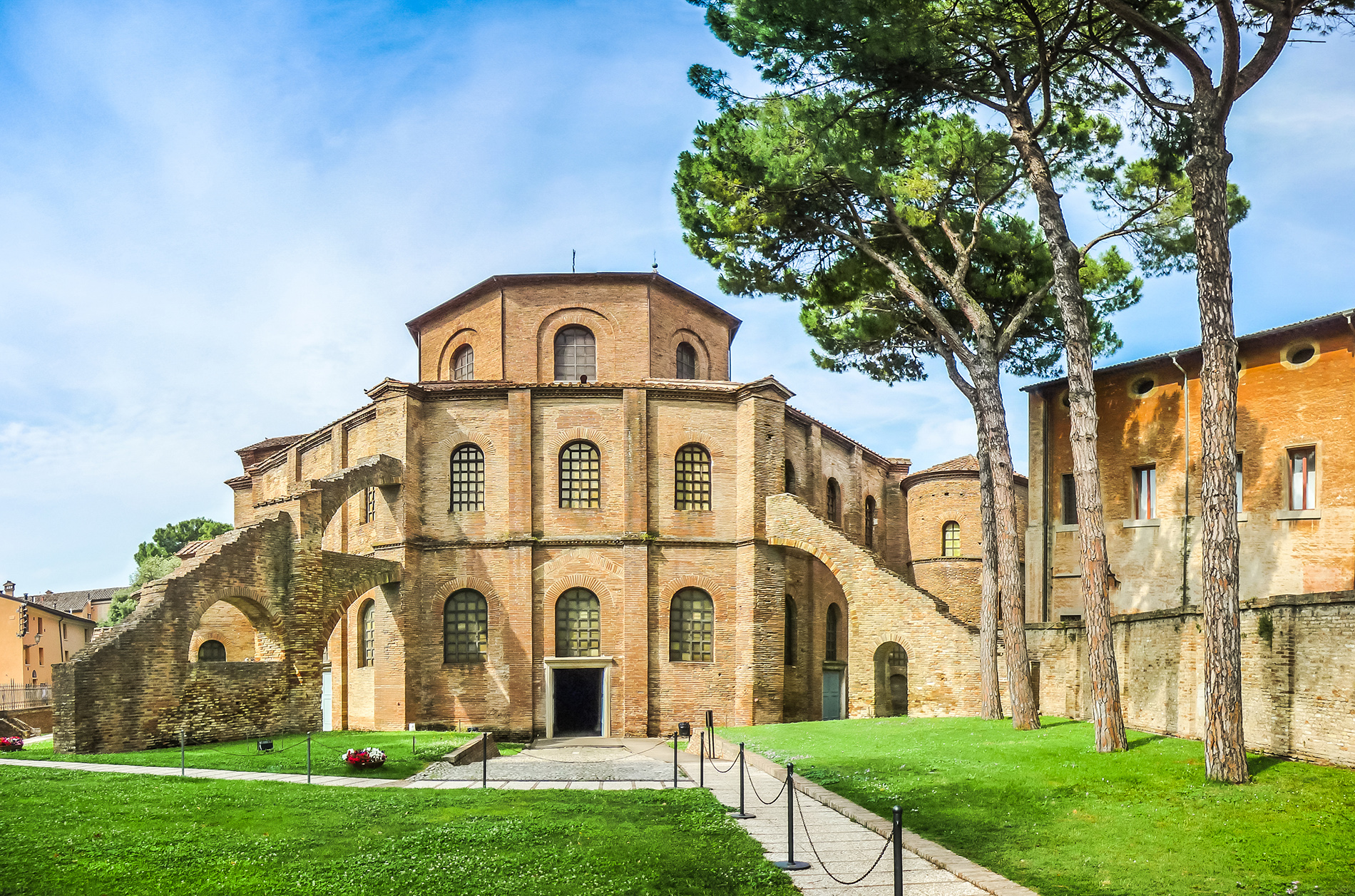
The Basilica of Sacré-Coeur in Paris, located atop Montmartre
Standing above the Parisian skyline at the top of the
Montmartre
On Montmartre hill, the Basilica of Sacré-Cœur stands out with its distinctive Romanesque-Byzantine architectural style, which is quite rare in Paris. Constructed between 1875 and 1914, this landmark features pristine white domes and graceful archways that set it apart from the predominantly Gothic-style churches throughout the rest of the city. The interior showcases an impressive mosaic covering the apse area, while visitors can enjoy panoramic views of Paris from within the main dome’s vantage point.
St. Mary’s Basilica in Krakow, a masterpiece of Polish Gothic architecture.
At Market Square, precisely within the historical center of the city,
Krakow
, St. Mary’s Basilica instantly grabs attention due to its uneven spires. Constructed in the 14th century,
th
In this century, it stands as one of the most remarkable instances of Gothic architecture in Poland, featuring a wooden altarpiece crafted by Veit Stoss and vibrantly colored vaults. Each hour, the Hejnał melody echoes from the tower, abruptly ceasing as a poignant homage to a guardian who was killed on the spot during the medieval period.
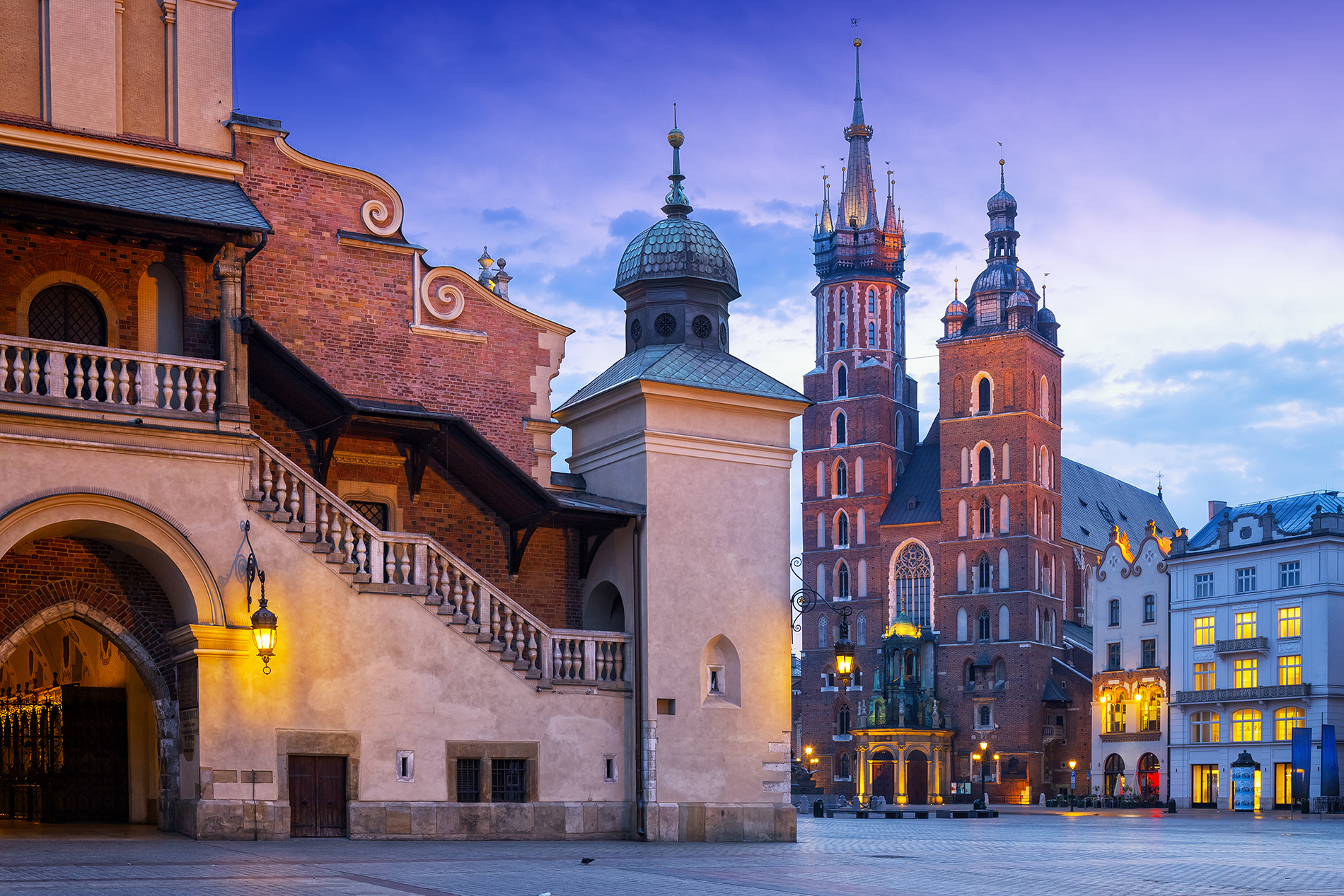
The Basilica of Notre-Dame de Fourvière in Lyon, perched above the city on the hillsides, oversees the urban landscape.
Since its building in the 19
th
In this century, the basilica situated atop the Vieux-Lyon district on Fourvière Hill has showcased a blend of neo-Gothic and Byzantine architectural styles. The interior boasts an abundance of mosaics, stained glass windows, and gilded decorations, along with a wide array of valuable materials such as marble, gold leaf, stone, wood, glass, and enamel, highlighting the craftsmanship of Lyon’s artists. Constructed in gratitude to the Virgin Mary for protecting the city from the destruction caused by the Franco-Prussian War, the site provides a stunning panorama of what was once known as the capital of Gaul and its environs.