


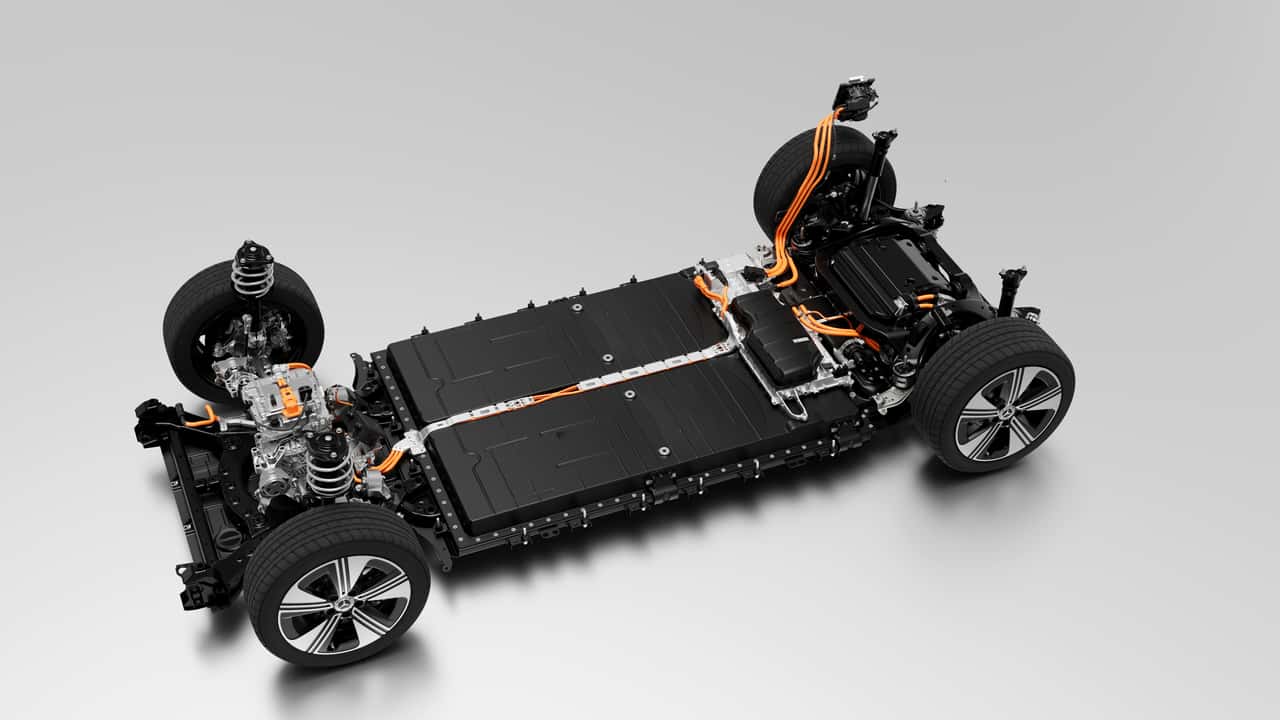
Electric vehicle batteries include hazardous substances that may endanger human health. However, battery researchers are addressing this issue, albeit in laboratory settings.
- The risk of contamination of soil and water from EV batteries is huge, if improperly disposed at the end of their lifespan.
- Batteries do not just incorporate rare earth elements; they also feature ” Forever Chemicals” within both their cathodes and electrolytes.
- Scientists at the UChicago Pritzker School of Molecular Engineering are developing a battery that avoids using those hazardous chemicals from the outset.
The global demand for lithium-ion batteries is forecast to increase from 700 gigawatt-hours in 2022 to a whopping 4.7 terawatt-hours by 2030, according to
Mckinsey & Company
. That’s because battery usage is not just growing in electric vehicles, but also in electrical appliances, drones, grid-level energy storage and dozens of other applications. But their dirty secret of using harmful chemicals hasn’t been addressed yet.
In addition to rare earth materials in EV batteries and traction motors, these components also use dangerous chemicals called PFAS, which stands for per- and polyfluoroalkyl substances. They’re in everything, right from our clothes to the non-stick kitchen pans, according to the
National Resources Defense Council
. They don’t break down in the environment and can even infiltrate human bodies through food and water, hence the name “forever chemicals.”
Currently, scientists at the University of Chicago are developing advanced electric vehicle batteries that do away with the use of PFAS. In conventional lithium-ion batteries, both the cathode and the electrolyte contain PFAS, which serve to maintain the integrity of the battery’s inner components. However, the team from UChicago asserts that these fluorinated compounds aren’t essential for either part. They believe they’ve found an alternative approach that maintains optimal performance without relying on PFAS.
“We are asking for higher standards from our batteries. We desire both low-temperature efficiency and high-temperature capability. Additionally, rapid charging and the use of lithium metal batteries are among our expectations,” stated Professor Chibueze Amanchukwu from the UChicago Pritzker School of Molecular Engineering.
blog post
.
What the current scientific literature suggests is adding more fluorinated compounds to the electrolyte,” he explained. “Most of these additions would likely fall under the category of PFAS.
To tackle this problem, they created a distinctive “non-fluorinated solvent” without PFAS for use in the electrolyte. However, simply doing this isn’t enough to resolve everything. The real test is demonstrating that the new material can maintain or enhance the performance standards expected from conventional electric vehicle batteries.
It turned out that the cells without PFAS showed improved ion pairing, indicating higher energy density. These cells exhibited greater resilience to temperature extremes, maintaining stability during cycling between 60°F and -40°F. Additionally, these batteries displayed superior capacity retention, ensuring prolonged durability along with sustained high performance over time.
Certainly, these batteries are currently only part of laboratory experiments and have not come close to starting production. However, the aim of this research is to demonstrate that environmental issues related to EV batteries can indeed be tackled during the initial design process.
As millions of electric vehicle batteries reach their end-of-life stage and move into recycling and secondary use processes by the end of this decade, there is significant potential for environmental contamination, particularly if these batteries are not managed correctly. According to studies, PFAS exposure has been associated with serious health issues such as developmental problems in children and adverse reproductive impacts in women.
Environmental Protection Agency
.
Currently, the worldwide electric vehicle (EV) industry is following the “move-fast-and-break-things” strategy common among major technology companies based in Silicon Valley. The priority lies in being the first to enter the market rather than addressing the possible long-term environmental harm caused by EV batteries several years or even decades down the line. Ideally, through tougher regulatory measures and innovative approaches such as these, upcoming advancements in battery technologies could adopt a more careful and environmentally conscious path.
Got a tip? Reach out to the author:
suvrat.kothari@insideevs.com
Related Stories
- This Dodge Charger Daytona Is Already Wrecked. No One Knows Why
- Mazda CX-50 Hybrid: If You Can’t Beat Them, Join Them, Right?
- ‘The Apocalypse’: Trump’s Taxes Might Devastate the Auto Sector and Empty Your Pockets
- This Hyundai Ioniq 5 has more than 400,000 miles. Here’s what wore out.