


Harvard University
Made history during the 2023-24 academic year by launching its inaugural Tagalog course, whereas Yale University plans to introduce its own Tagalog program beginning in September 2025.
Meanwhile, Filipino students at
Princeton University
are also advocating for a Tagalog language course at their school.
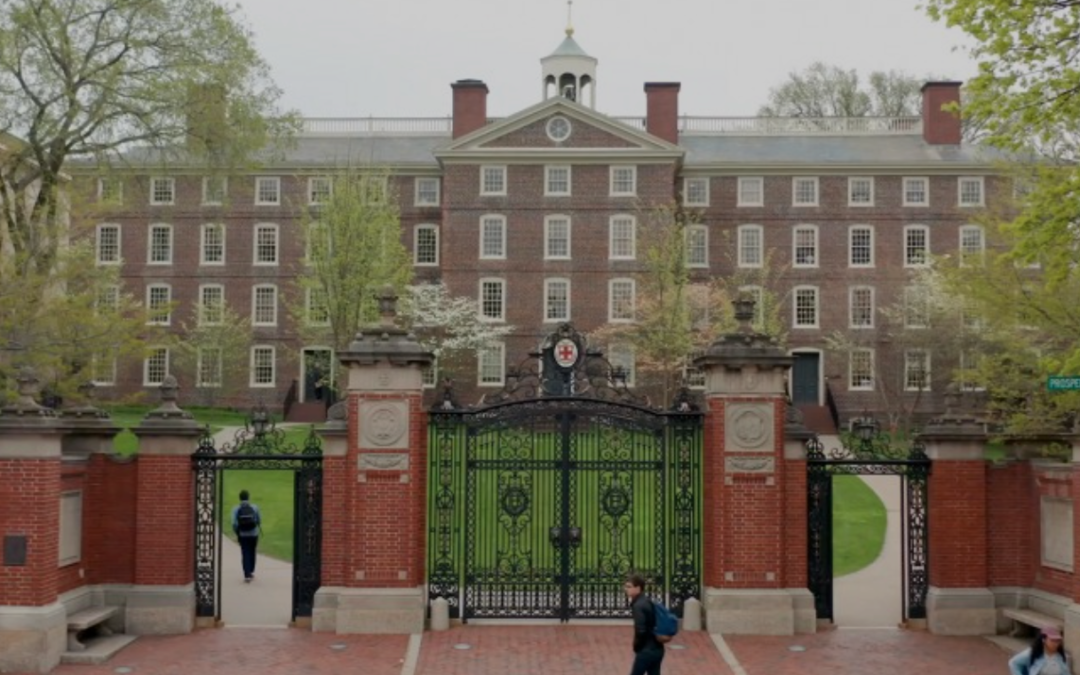
Filipino students at Brown University are similarly advocating for increased representation by pushing for the introduction of a Tagalog language course, underscoring the rising interest in Southeast Asian studies among the student body.
In early February, the Filipino Alliance initiated a petition to push for the inclusion of structured Tagalog classes, signaling another attempt after their earlier initiative in 2022 which received minimal interest.
According to a
digital report
From the Brown Daily Herald, the most recent petition has already garnered significant backing, accumulating more than 800 signatures. Among these supporters are approximately 200 people who have expressed their willingness to offer testimonies endorsing the program.
After observing increased enthusiasm during the Ivy League Filipino Conference in November, the alliance restarted the initiative.
The initiative for a Tagalog program is part of wider efforts to increase Filipino presence in higher education. Despite Tagalog being the fourth most widely spoken language in the U.S., it isn’t included among the over 25 languages presently available at Brown University.
Due to the absence of structured lessons, several students have initiated Group Independent Study Projects (GISPs) as an alternative method to explore and connect with Filipino culture and language.
Student leaders think that making a Tagalog program official could be a strong move towards inclusion.
Brown University isn’t alone among Ivy League schools in acknowledging the importance of Tagalog. As more students at Brown join this trend, the increasing request for Tagalog classes underscores a wider plea for enhanced visibility of Filipinos in top-tier universities through better educational opportunities.
This student movement highlights an increasing recognition of the significance of safeguarding and advancing the Filipino language and heritage, particularly within educational environments where Southeast Asian studies have historically been overlooked.