


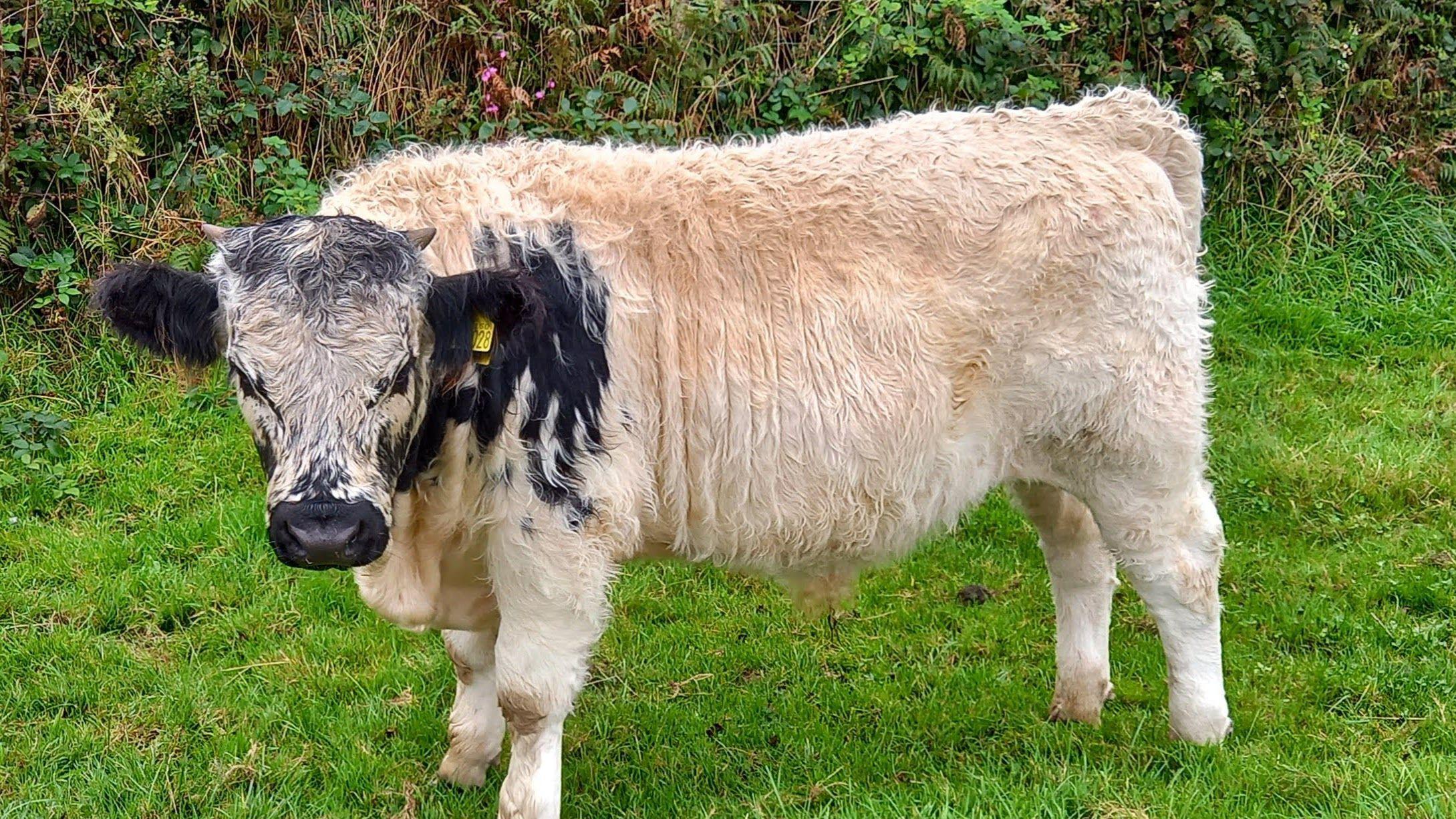
Endangered Welsh cattle with a lineage tracing back over 1,000 years could become extinct, according to a conservation group.
The Ancient Cattle of Wales breed has been included in the Rare Breeds Survival Trust’s (RBST) priority list in their newest watchlist, indicating it is now in critical condition and requires immediate attention to secure its future existence.
The RBST mentioned that these robust farm creatures possess significant characteristics, including their role as an efficient beef breed known for producing high-quality meat and thriving in poorer quality pastures of the upland areas.
This breed is also highly effective for conservation grazing, aiding in natural preservation efforts.
The organization stated that the breed currently faces a “critical state,” marked by a worrying decrease in the registration of new calves and the dismantling of multiple well-established herds due to retiring owners.
The breed boasts an ancient lineage, as records show the existence of colored cattle in Wales traceable back to the era of Welsh King Hywel Dda in the 10th century, according to the RBST.
The mid-size cattle, featuring sizable ears and soft, dense fur, come in six color varieties: they can be white with black or red markings, belted, entirely red, blue-toned, smoke-colored, or mouse-colored. Additionally, there’s a pattern known as “line back,” where the animal displays any of these colors alongside a distinctive white stripe running down its back, tail, and underbelly.
Specific hues were often favored in particular regions; however, their popularity waned over time. Eventually, the ancient cattle of Wales were maintained and propagated solely at a handful of isolated upland farms across the country.
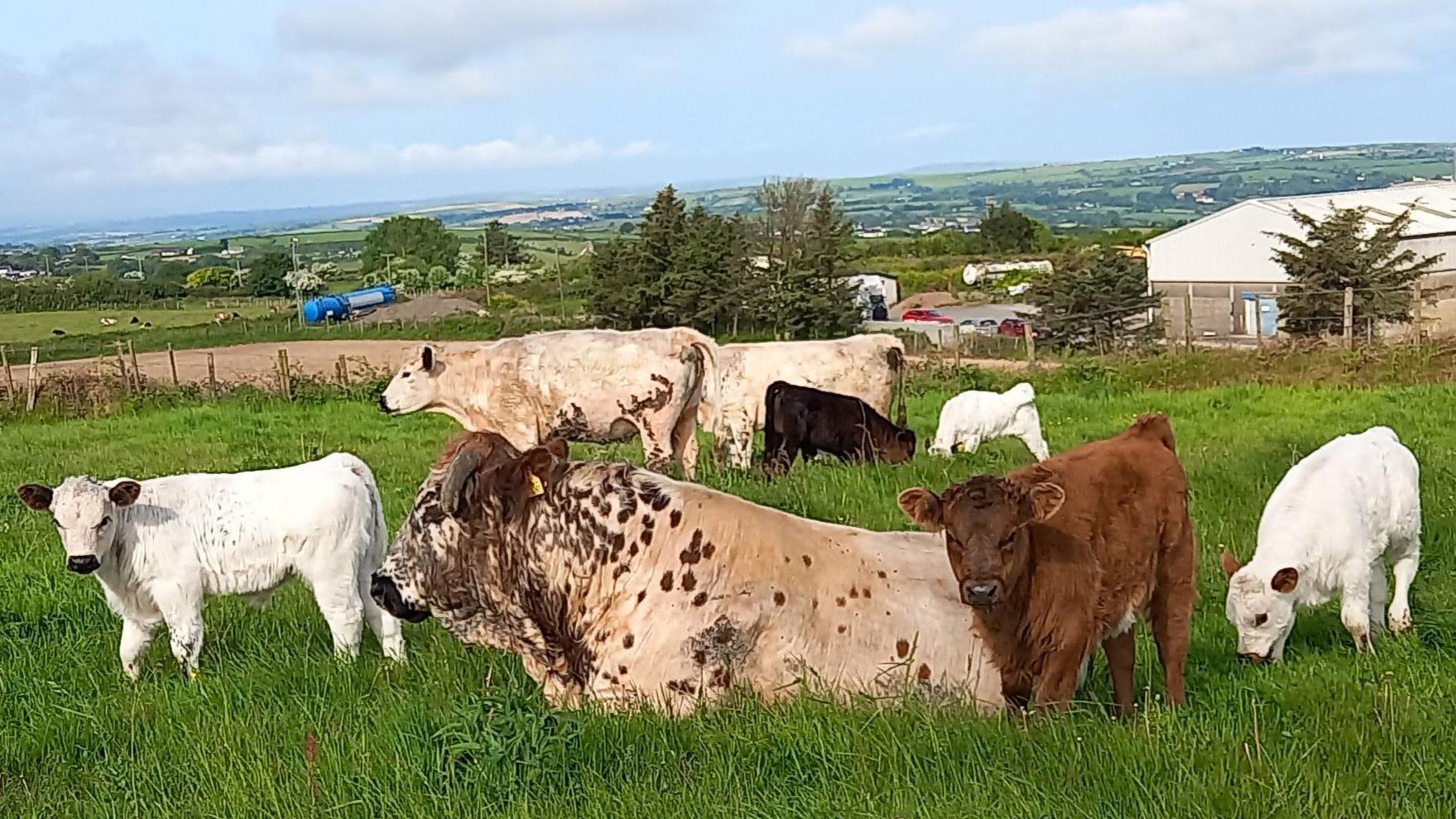
In the 1970s, a cluster of farmers pinpointed the surviving colored livestock in the Welsh hillsides. Since being established in 1981, the Ancient Cattle of Wales Society (Gwartheg Hynafol Cymru) has meticulously documented the breed, compiled a herdsbook for pedigreed animals, and strived towards boosting their numbers.
Christopher Price, the trust’s chief executive, stated: “This particular breed excels at conservation grazing which benefits both the environment and biodiversity. Additionally, it serves as an economically viable option for raising beef in hilly and upland regions.”
Nevertheless, there has been a genuinely worrying decrease in newborn registrations over recent years, along with multiple long-standing herds being dissolved after their owners retired.
“The breed currently faces a critical situation,” he stated. “Our ultimate aim is to see the breed flourish once more; these robust cattle could play an essential role in sustainable agriculture in the UK, where producing food aligns closely with environmental preservation.”
- Severe Weather Causes Major Financial Losses for Farmers, Report Shows
- Concerns Grow Over Potential Drying Up of 19th-Century Canal Within Days
- A cow had four calves in a ‘one-in-11 million’ birth.