oleh admin | Sep 26, 2024 | asia, Travel, travel destinations, travel in asia, travel recommendations
Asia is a continent of incredibly varied landscapes, ranging from snow-capped mountains and paradise beaches to arid deserts and lush jungles. Exploring this vast continent by car or motorbike is an unforgettable adventure that lets you discover the wild beauty and cultural richness of these countries. Here is a selection of the most legendary road trips across the Asian continent.
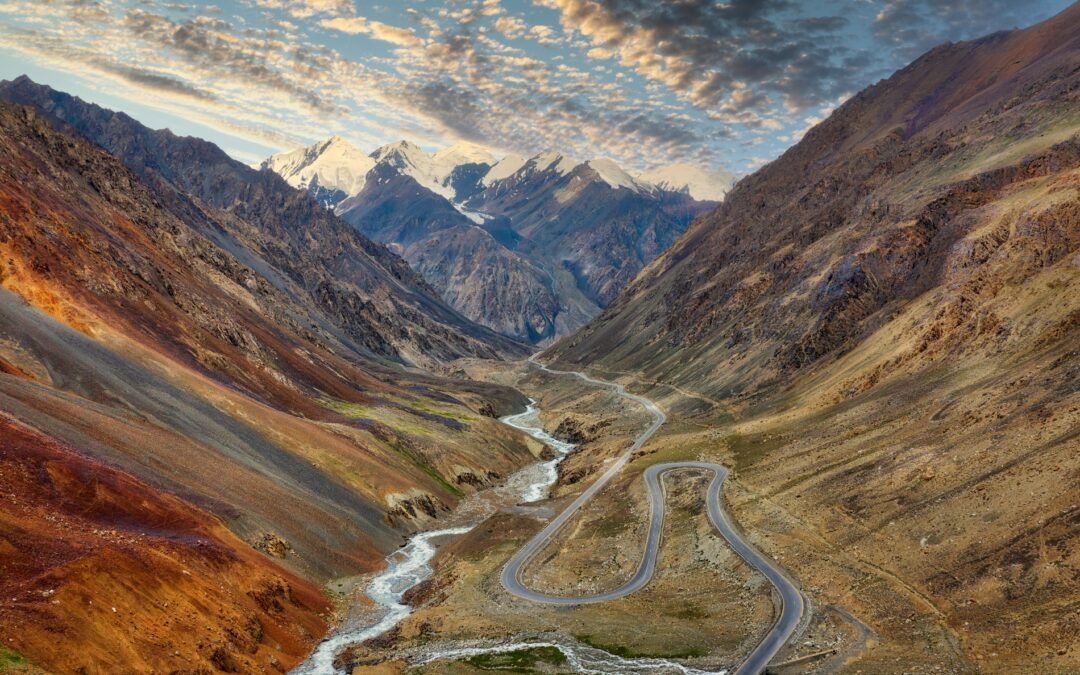
The Karakoram Highway: from China to Pakistan
The Karakoram Highway, sometimes called the 8
th
wonder of the world, is one of the most spectacular and roads in the world, as well as the highest altitude. Stretching for around 1,300 km, it
goes from China to Pakistan
, crossing the imposing Karakoram Mountains, a mountain range home to some of the highest peaks on the planet, including the famous K2.
This road trip offers breathtaking scenery, with deep valleys, glaciers and deep blue lakes. Along the way, you’ll pass through remote villages, local markets and historic sites such as the Khunjerab Pass, which rises to over 4,800 metres. This historic route, once used by Silk Road traders, is perfect for adventurers and nature lovers.
The Mandalay – Bagan Route: discovering ancient Myanmar
Myanmar (previously called Burma), rich in a millennium-long heritage and stunning vistas, is ideally suited for driving excursions. One of the most renowned routes within the nation stretches from Mandalay to Bagan. This path meanders through terrains that blend lushness with dryness and passes numerous stupas and shrines along the way.
Departing from Mandalay, which is the nation’s second-biggest urban center, your journey will lead you along the Irrawaddy—a waterway recognized as the longest within Myanmar—while uncovering quaint rural settlements, ancient monastic buildings, and bustling community marketplaces. This scenic drive culminates at Bagan, home to an unparalleled collection of over 2,000 pagodas and shrines, making it one of global archaeology’s crown jewels.
stupas
(buddhist domed structures) situated on a vast plain. the enchanting view of these shrines during dawn and dusk creates a mesmerizing scene that remains etched in the memories of travelers indefinitely.
Leh: The Route from Manali to Leh, India
Regarded as one of the most stunning road trips globally, the journey from Manali to Leh offers an incredible expedition right in the midst of Ladakh’s breathtaking landscape. Spanning approximately 470 kilometers, this scenic drive meanders past majestic mountains, crossing several high-altitude mountain passes including the formidable Tanglang La Pass, which sits at an elevation of 5,328 meters.
Ladakh, often referred to as “Miniature Tibet,” is an intriguing area featuring mountain-top Buddhist monasteries, arid valleys, and alpine lakes with vivid blue water. Ideal for those who cherish majestic peaks and vast expanses of tranquility, this journey begins upon your arrival in Leh, once the capital city of the Ladakhi kingdom. Here, you’ll have the opportunity to visit ancient Buddhist sites like Hemis and Thiksey.
The Golden Triangle: A Timeless Thai Gem
The Golden Triangle is an area located in
northern Thailand
Located at the frontier with Laos and Myanmar, this area is famous for its stunning mountains, grand rivers, and authentic villages. This journey will lead you through the breathtaking natural landscapes and rich cultural heritage of Thailand’s countryside.
After departing from the vibrant city of Chiang Mai, it’s time to make your way to Chiang Rai, renowned for its stunning temples such as the iconic Wat Rong Khun (White Temple). As you journey onward, you will traverse through charming ethnic villages and lush tea plantations before reaching the tri-border confluence where the Mekong River meets two others. This scenic drive offers a chance to explore this captivating region.
customs and heritage of Northern Thailand
While traversing a region characterized by lush hillsides and stepped rice paddies.
The Trans-Sumatra: A Journey Across Indonesia
The sixth biggest island globally, Sumatra, offers thrilling experiences for those who love road trips filled with excitement and untamed nature. Spanning from top to bottom along this massive landmass is the Trans-Sumatra Highway—a 2,000-kilometer route showcasing a remarkably varied terrain perfect for complete immersion into natural beauty.
As you journey along, discover erupting volcanoes, hidden shores, rainforests where orangutans roam freely, and sprawling tea estates stretching endlessly across your view. Key attractions not to be missed encompass Lake Toba, which stands as the planet’s biggest volcanic lake, and Gunung Leuser National Park—a final refuge for wild orangutans. Ideal for those seeking off-the-beaten-path locales, this road trip offers an unvarnished taste of what Indonesia truly has to offer.
oleh admin | Agu 29, 2024 | asia, culture, international news, politics, world
National flags embody much more than just national pride and identity; they symbolize freedom and the unwavering spirit of the people who fight for them. This is why an unspoken competition persists even now over which nations boast the most stunning flags. Explore the lands adorned with these captivating banners today.
Many of us inherently feel a sense of patriotism without realizing it, which makes us quick to consider our national flags as the loveliest ones around, regardless of their actual appearance. This could be due to the colors and emblems incorporated into these banners. Discover what some people deem to be the most attractive flags globally nowadays. Keep in mind that this ranking is subjective since beauty depends on individual perception.
Summary of the Most Stunning Flags Worldwide Today
Ranking
|
Country
|
Continent
|
1
|
Kenya
|
Africa
|
2
|
South Africa
|
Africa
|
3
|
Mozambique
|
Africa
|
4
|
Malaysia
|
Asia
|
5
|
Nepal
|
Asia
|
6
|
Kyrgyzstan
|
Asia
|
7
|
Australia
|
Oceania
|
8
|
Argentina
|
South America
|
9
|
Brazil
|
South America
|
10
|
Cuba
|
North America
|
11
|
Greece
|
Europe
|
12
|
Canada
|
North America
|
13
|
New Zealand
|
Oceania
|
14
|
Bosnia and Herzegovina
|
Europe
|
15
|
United States of America
|
North America
|
16
|
Denmark
|
Europe
|
17
|
Mauritania
|
Africa
|
18
|
Tanzania
|
Africa
|
19
|
Guyana
|
South America
|
20
|
North Macedonia
|
Europe
|
21
|
Seychelles
|
Africa
|
22
|
Bhutan
|
Asia
|
23
|
India
|
Asia
|
24
|
France
|
Europe
|
25
|
Portugal
|
Europe
|
Top 25 Most Stunning Flags Worldwide Today
Across time, countries have altered their flags to represent the strength of spirit among those who relate to the emblem.
These flags act as symbols of national pride, particularly when their citizens find themselves abroad. Although many nations claim to possess the finest-looking banner, we’ve ranked the top 25 countries with the most attractive flags.
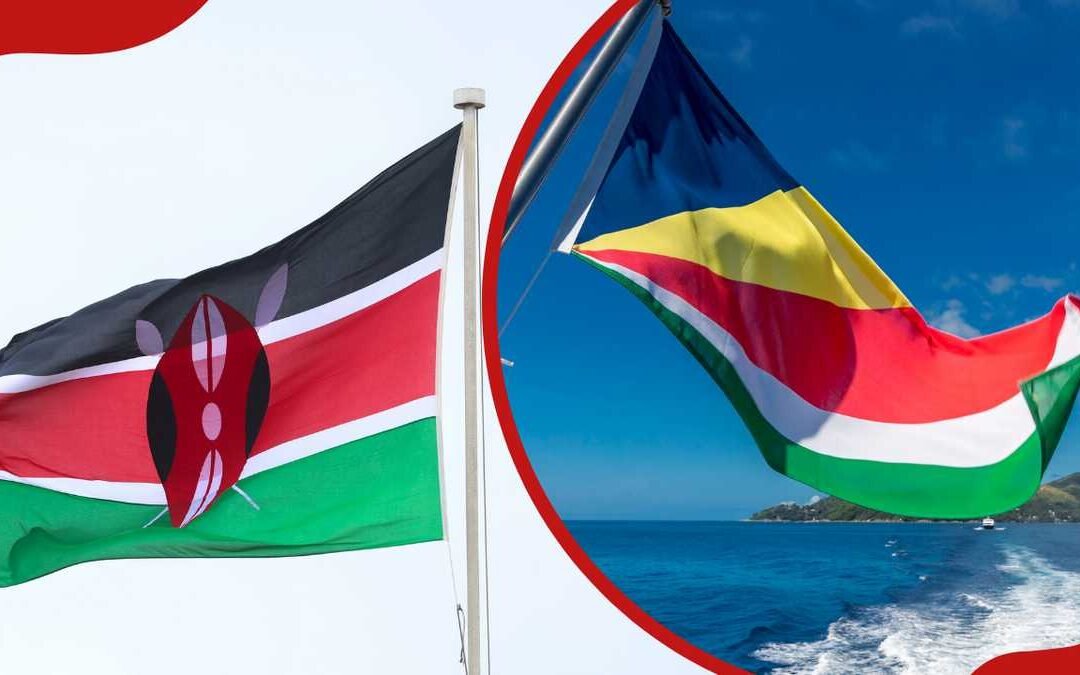
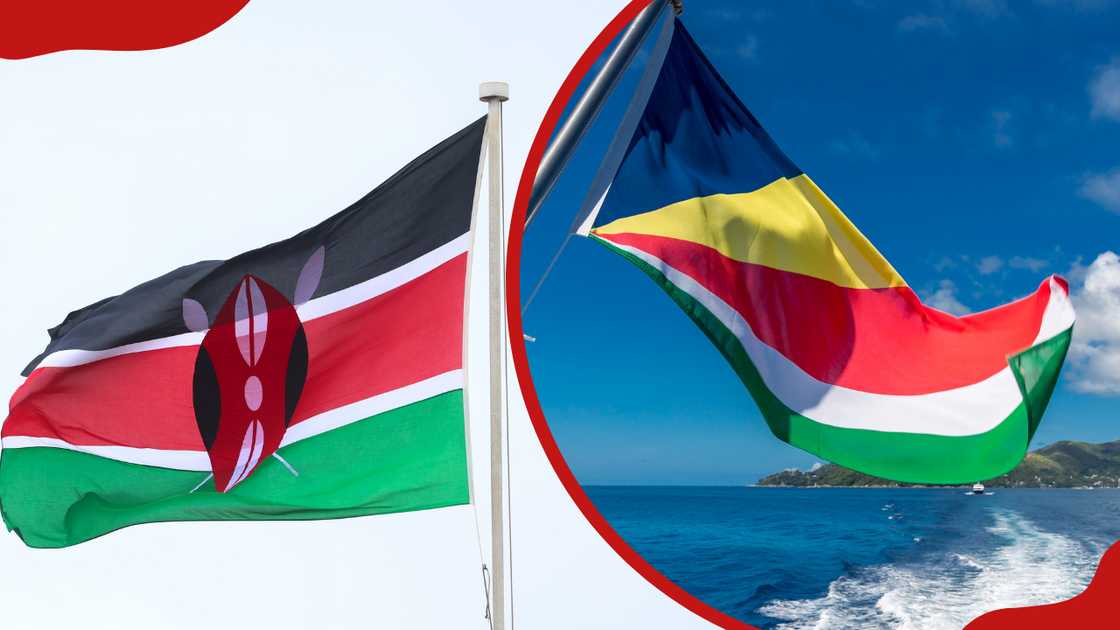
1. Kenya
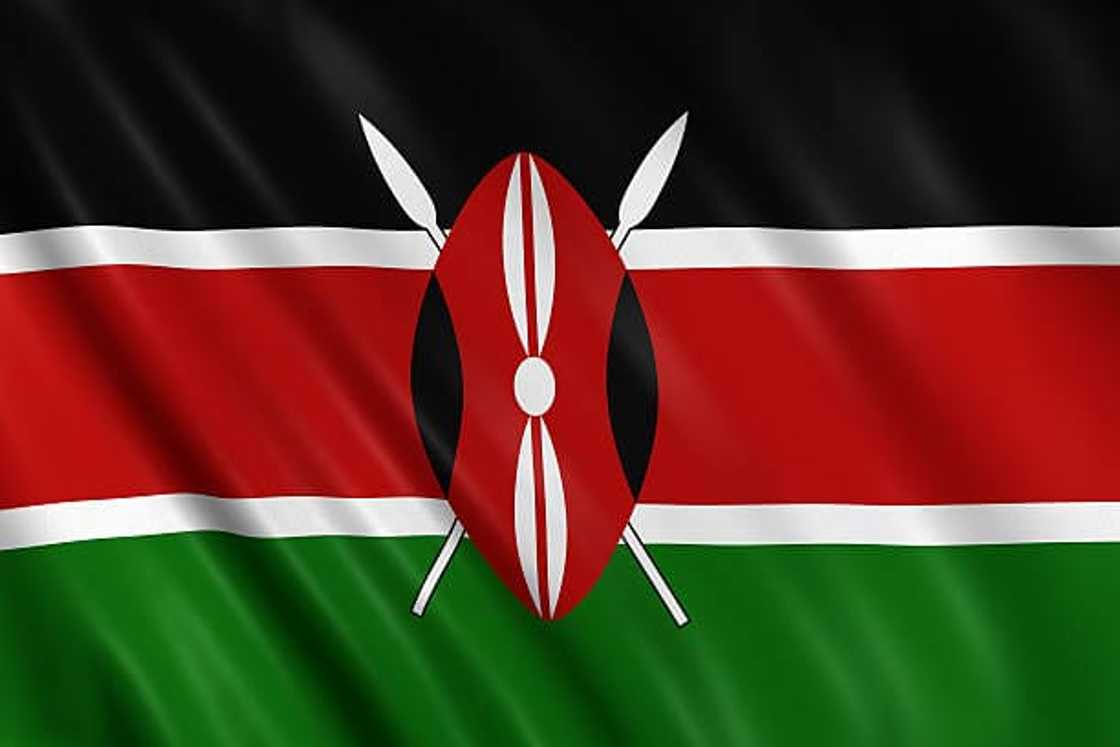
In 2024, the Kenyan flag might be considered one of the most stunning globally. Adopted in 1963, this emblematic banner includes a central shield flanked by two intersecting spears, set against a tri-color band of black, red, and white with green borders. Green symbolizes Kenya’s lush environment and abundant resources.
Black symbolizes the Kenyan population and the broader African continent. The color red stands for the blood shed during the fight for independence. White embodies peace and cohesion, whereas the shield and spears signify Kenya’s protection of these values and others depicted.
2. South Africa

Since its adoption and use beginning in 1994, the South African flag ranks amongst the top five most attractive flags globally. It encapsulates hundreds of years of the nation’s heritage. Despite its elegant design, the official meanings behind the colors of South Africa’s flag have never been formally articulated.
The belief is that the black, green, and yellow hues were adopted from Nelson Mandela’s African National Congress (ANC) emblem. Conversely, the shades of red, white, and blue originated from the Transvaal flag. It’s thought that the Y-shaped arrangement of these colors represents the blending of various cultures into a single nation.
3. Mozambique

The Mozambican flag stands out due to its inclusion of an AK-47, which serves as a reminder of the sacrifices made during their fight for freedom from colonial rule. In 2024, this distinctive banner ranks within the top 10 most aesthetically pleasing national flags globally.
Officially introduced in 1983, this emblem features several symbols on its hoist side: a djembe, an AK-47, a book, and a star. The book signifies the significance of education, while the djembe underscores the role of agriculture as the foundation of the nation’s economy.
The green color symbolizes Mozambique’s abundant natural resources; white stands for peace, black signifies the African continent, yellow indicates the nation’s mineral wealth, and red reflects the sacrifices made through bloodshed during the fight for independence.
4. Malaysia
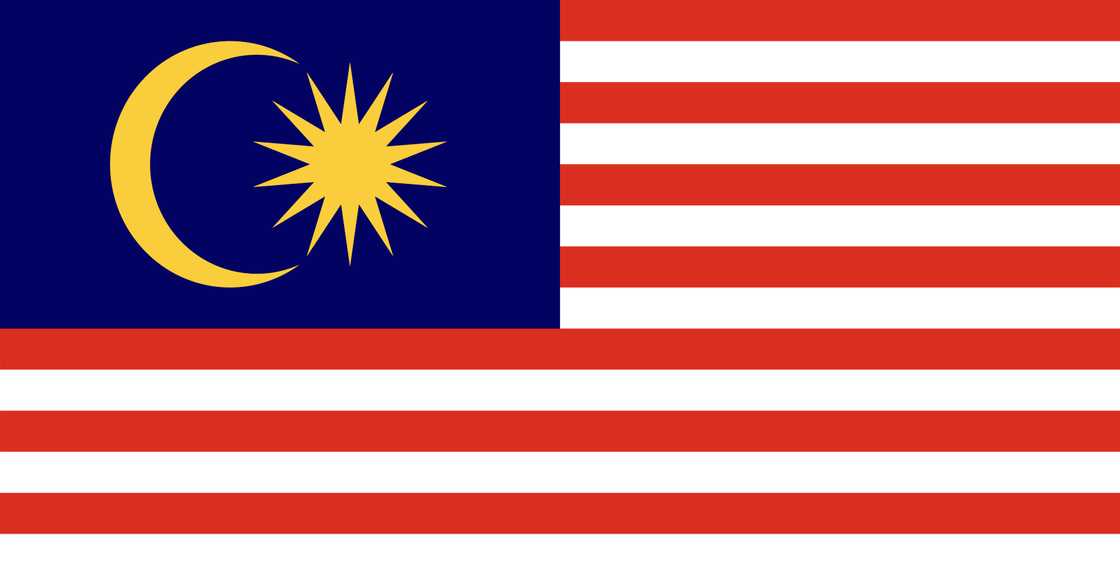
Malaysia’s flag ranks among the ten most stunning flags in Asia. It is widely referred to as
Jalur Gemilang
(Marks of Honor) and has been in use since 1963. The Malaysian flag includes 14 alternating stripes of white and red. Additionally, it comprises a blue canton containing a crescent and a fourteen-pointed star known as the Bintang Persekutuan (Federal Star).
The white and red stripes stand for Malaysia’s 13 states along with its federal territories. The 14 rays of the star embody the solidarity among these regions. Meanwhile, the crescent alludes to Islam, which is the nation’s official faith. Finally, yellow denotes the regal color associated with the Malay rulers.
5. Nepal
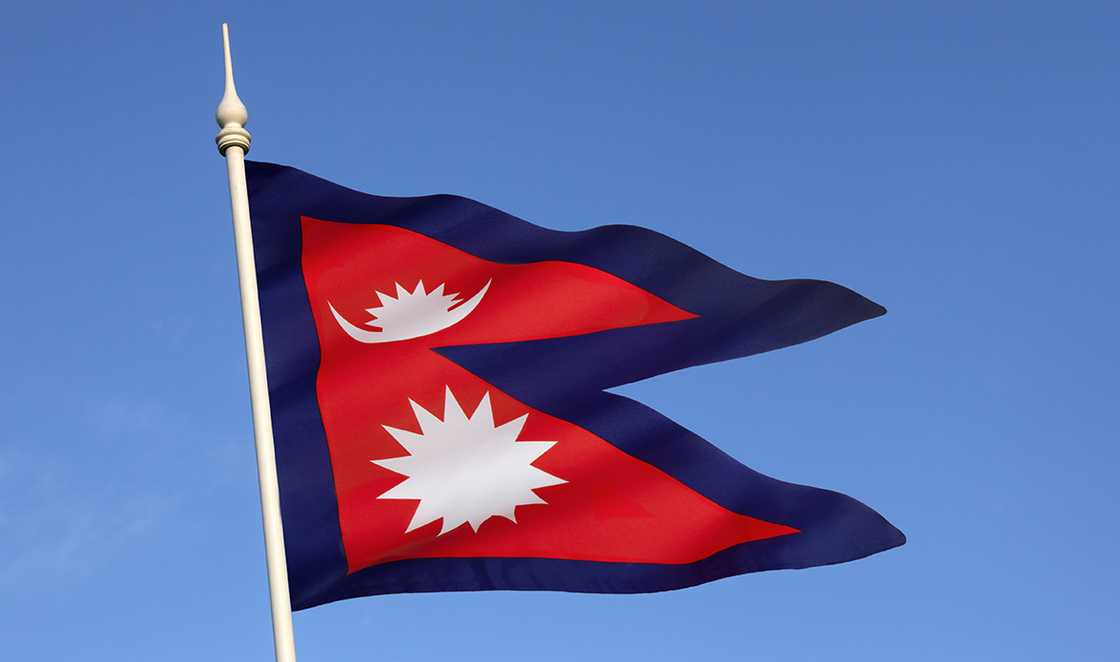
The Nepalese flag ranks among the top ten most attractive flags globally. Its beauty and distinctiveness stem from an unconventional shape; unlike typical banners, it isn’t rectangular. Instead, its inspiration comes directly from the majestic peaks of Mount Everest.
Two themes, the moon and sun, embody serenity and determination. The predominant color is deep crimson red, representing the nation’s emblematic flower—the rhododondron. The borders are adorned with blue, signifying tranquility.
6. Kyrgyzstan
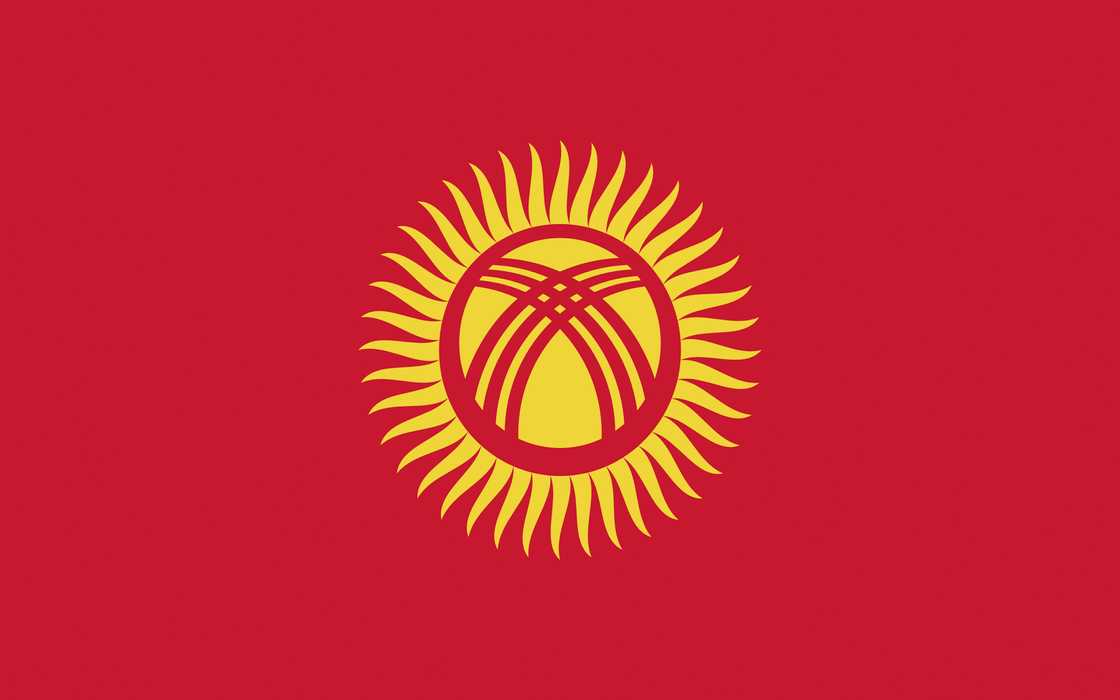
Kyrgyzstan was once part of the Soviet Union prior to its dissolution. The nation did not use its own flag until 1992, half a year following its declaration of independence. The national flag of Kyrgyzstan showcases a vibrant red backdrop symbolizing the courage of its populace.
At the heart of this emblem lies a golden depiction of an intense sun, signifying tranquility and prosperity. Surrounding this solar motif are forty radiant beams, each representing one of the Kyrgyz clans that united to combat the Mongol invasion. Within the sun’s disc, intricate lines mirror a tunduk—the apex of a traditional Kyrgyz yurt, which stands as a metaphor for their familial dwelling.
7. Australia

Australia’s flag is stunning not only aesthetically but also symbolically. It ranks within the top 20 most attractive flags globally. The design prominently includes the Union Jack in the upper left corner, signifying its connection to the Commonwealth.
Beneath the Union Jack, there is a prominent seven-pointed star similar to the one used in the Commonwealth design. To the right side of the Australian flag, five differently sized stars depict the Southern Cross constellation, which is visible from Australia.
8. Argentina

Argentina boasts one of the world’s ten most attractive flags. The nation’s banner features two pale blue stripes at the top and bottom, sandwiching a single white stripe in between. At its center shines an exquisite gold “Sun of May.”
9. Brazil

The Auriverde has served as Brazil’s official flag since 1889 and stands out among national flags due to its rich symbolic elements. The green hue symbolizes the nation’s vast landscapes and woodlands, whereas yellow signifies the abundance of gold within the country.
In the center lies a blue area shaped like a celestial sphere symbolizing the nighttime sky above Rio de Janeiro. Small white stars represent individual Brazilian states within this spherical depiction. The phrase “Ordem e Progresso” (Order and Progress) spans the design, inspired by the positivist slogan of French philosopher Auguste Comte.
10. Cuba

The Cuban flag was conceived well ahead of the nation achieving freedom. The vision of a liberated Cuba shaped its creation. Designed in 1849 by Narciso López, despite him not witnessing it waving above Cuba, his contribution stands as a timeless emblem of the country’s fortitude and fight for autonomy.
The white stripes signify the purity of thoughts, whereas the corresponding blue stripes denote the three governing sections of Cuba. The red section at the edge stands for bravery, with the star within the red triangle representing the sovereignty of the recently established nation.
11. Greece

The Greek flag brings to mind images of the nation’s enchanting azure seas and picturesque shorelines. Despite appearing rather simple, its symbols hold significant meaning. In 2023, it ranks among the world’s most stunning national flags.
The blue color signifies the ocean and the heavens. White stands for the unblemished nature of the fight for freedom, distinct from the famous structures along the coastlines. The sequence of nine alternating blue and white stripes embodies the nation’s slogan.
Eleftheria I Thanatos
, meaning freedom or death.
The cross located in the farthest corner signifies the nation’s official faith, which is Eastern Orthodox Christianity.
12. Canada

Canada boasts one of the most impressive flags globally, distinguished by its iconic red maple leaf at the center. Historically, the British Empire colonized Canada. The country adopted its official flag in 1965 from among three proposed designs; the final choice became the preferred version. This design prominently features two colors: white and red.
The maple leaf serves as a symbol of Canadian identity, embodying values such as bravery, faithfulness, and dignity. This iconic image includes 11 points; ten points stand for the Canadian provinces, with the eleventh point signifying the nation’s three territories.
13. New Zealand

For much of its history, New Zealand flew the Union Jack as its national symbol, serving as both a British colony and dominion. In 1902, however, it adopted its present-day flag. Despite this change, the country’s flag continues to feature the British emblem in the top-left corner.
New Zealand’s flag features three colors: royal blue, red, and white. The shade of blue aligns with the Royal Navy’s Blue Squadron ensign. The red stars represent the nation’s position in the Southern Hemisphere and honor traditional Māori legends.
As recently as 2016, New Zealand citizens could vote between the current flag design and a new one featuring their iconic silver fern – but the original won and remains the national standard to this day.
14. Bosnia and Herzegovina

Although Bosnia and Herzegovina may not be among the top destinations globally, it likely boasts the finest flag worldwide. This striking emblem combines aesthetic appeal with profound symbolic meaning. The colors featured on the flag of Bosnia and Herzegovina are yellow, blue, and white.
The vertices of the yellow triangle symbolize the three principal ethnic communities: the Bosniaks, Croats, and Serbs. The diagonal row of white stars signifies numerous European nations, highlighting Bosnia & Herzegovina’s position as part of an amicable community.
15. The USA

The United States’ flag stands out for its historical significance and widespread recognition. Among global banners, it holds a prominent position. Its design was finalized in 1960 following the admission of Hawaii into the Union as the fiftieth state. This version features 50 stars, each representing one of the present-day American states. Meanwhile, the alternating red and white stripes symbolize the original 13 colonies which declared independence from Britain and later formed the core member-states of the U.S.A.
The American flag could stay unchanged for now, as both Washington D.C. and Puerto Rico express their desire to become U.S. states. Should this happen, the flag’s design would require modification to include additional stars symbolizing these newly admitted states.
16. Denmark
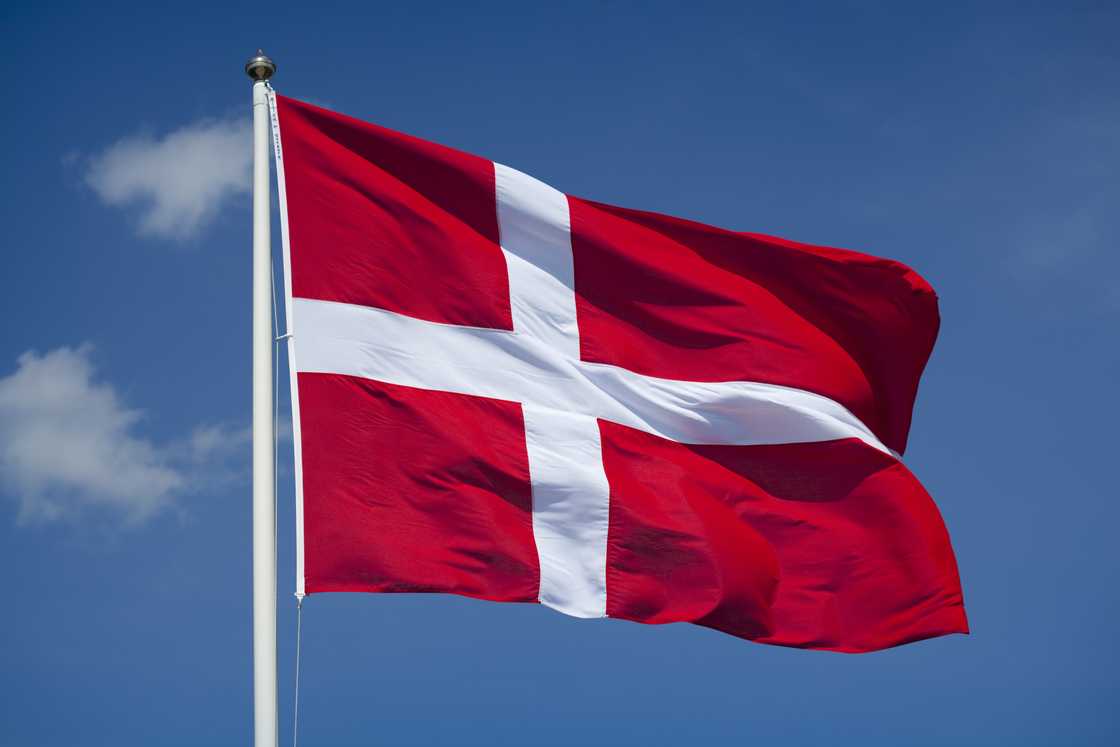
The Danish flag displays a red field adorned with a white Nordic cross extending from edge to edge. This cross embodies the Christian faith shared among Danes, whereas the crimson backdrop signifies the nation’s monarchical past. In use since the 13th century, this banner stands as the world’s oldest continually employed national flag.
17. Mauritania
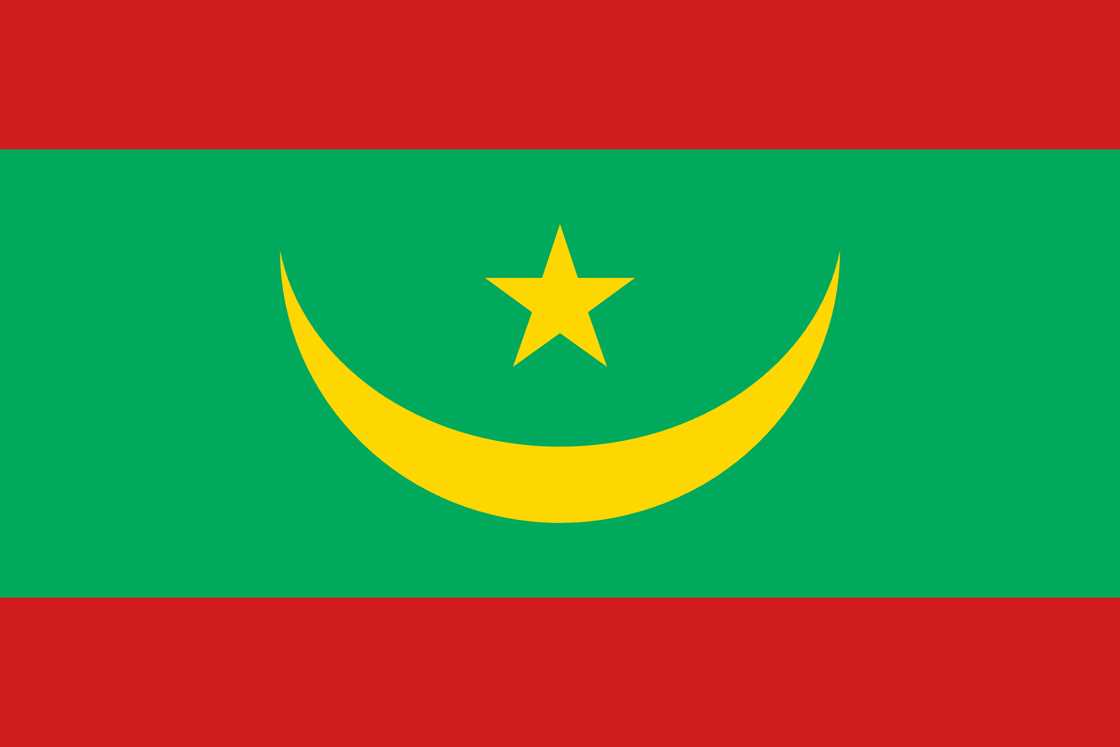
The flag of Mauritania features a green background with a yellow crescent and star at its center. Green represents Islam, whereas the crescent and star stand as emblems of this religion. Additionally, these colors denote the nation’s principal ethnic divisions: the predominantly Black population and the Arab-Berber community. This distinctive emblem was formally accepted in 1959 and serves as an exclusive marker of Mauritanian heritage.
18. Tanzania

The Tanzanian flag features a black diagonal stripe bordered with yellow, dividing the flag into two triangles; the top triangle near the staff is green, and the bottom one is blue. This design was formally accepted on June 30, 1964, following the independence of the Tanganyika territory.
The black stripe with yellow borders signifies the African continent along with the populace of Tanzania. The green section depicts the nation’s abundant flora and fertile farmlands. Meanwhile, the blue segment stands for the Indian Ocean and embodies the country’s ambitions towards advancement.
19. Guyana
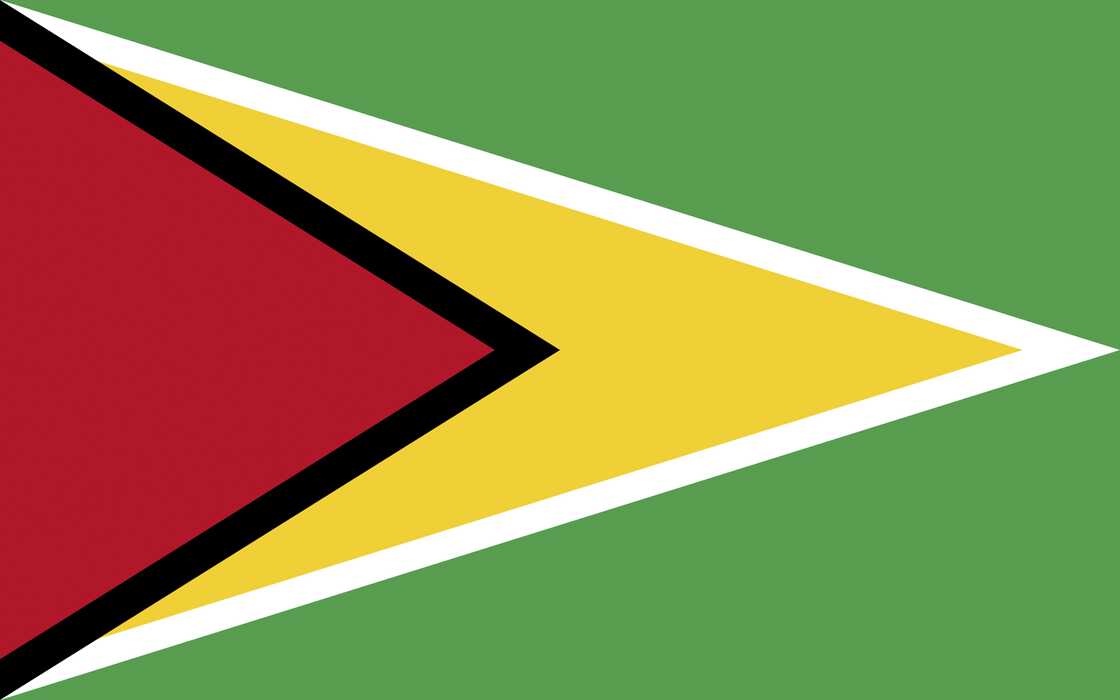
The national flag of Guyana features five colors: green, gold, white, black, and red. The emerald-green band represents the nation’s agriculture and forests, whereas the golden stripe signifies its abundant minerals.
White symbolizes Guyana’s numerous rivers, oceans, and cascading waterfalls, while black embodies resilience and diligent labor. The vibrant red signifies the passion and spirited nature of the country’s inhabitants. Additionally, the flag features the nation’s coat of arms, which includes imagery of a sugar mill reflecting Guyana’s industrial past and an indigenous canoe equipped with a paddle, highlighting the region’s historical connection to agriculture and native culture.
20. North Macedonia

The flag of North Macedonia features a horizontal tricolor with shades of red, yellow, and green. Red signifies courage, yellow denotes the nation’s richness and splendor, while green stands for the country’s natural assets as well as aspirations for economic growth. This official banner was established in 1995 after the dissolution of the previous federation, Yugoslavia.
21. Seychelles
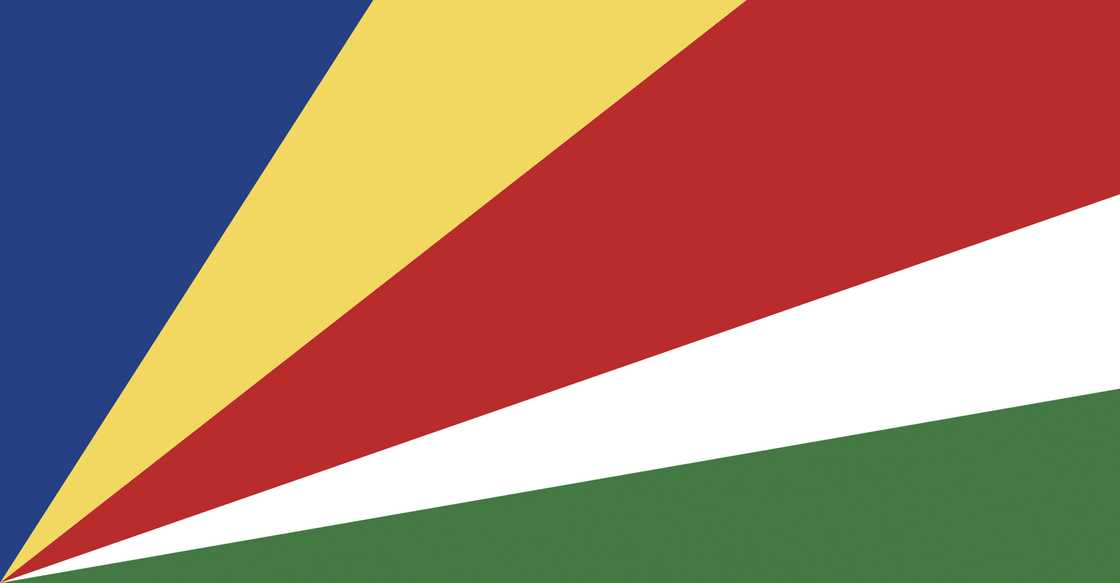
The Seychelles’ flag is both vivid and distinctive, reflecting the nation’s energetic character. This particular design was officially chosen for the national flag on June 18, 1996.
The flag has a rectangular design featuring five diagonal stripes that start from the lower left corner and extend towards the upper right side. The blue stripe in the top-left section symbolizes the sky above and the ocean enveloping the islands.
The color yellow signifies the sun, providing illumination and vitality. Red embodies the populace and their resolve to collectively strive towards a better future with unity and affection. White denotes fairness and concord. Meanwhile, green represents the soil and the natural landscape of Seychelles.
22. Bhutan
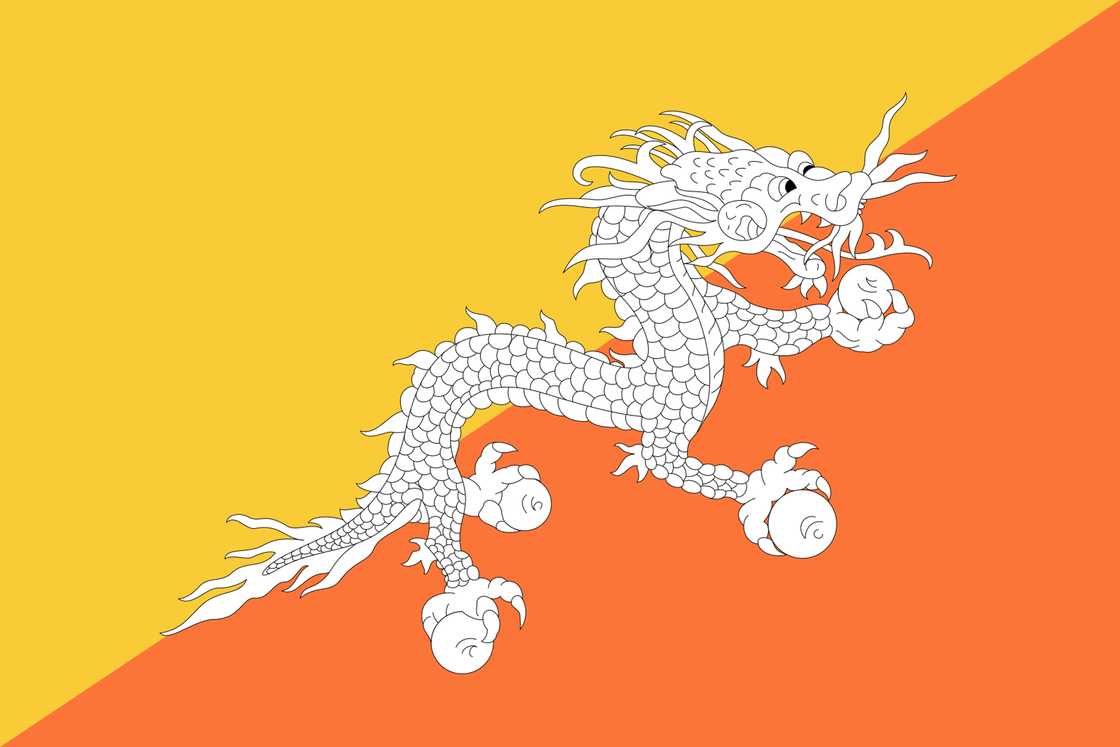
The official adoption of Bhutan’s flag took place in 1969. This banner stands out due to its deep symbolic significance, encapsulating elements of the nation’s culture and Buddhist practices. It features a rectangle with diagonal stripes running from the bottom left to the top right side. The yellow hue signifies the temporal power held by the king as well as his leadership over Bhutan.
The color orange embodies the spiritual heritage, notably Buddhism, which is firmly embedded within the nation’s traditions. White-dressed dragons denote purity and clasp gems that stand for national prosperity and stability. The fiercely bared teeth of these dragons illustrate the tenacity with which citizens protect their homeland.
23. India
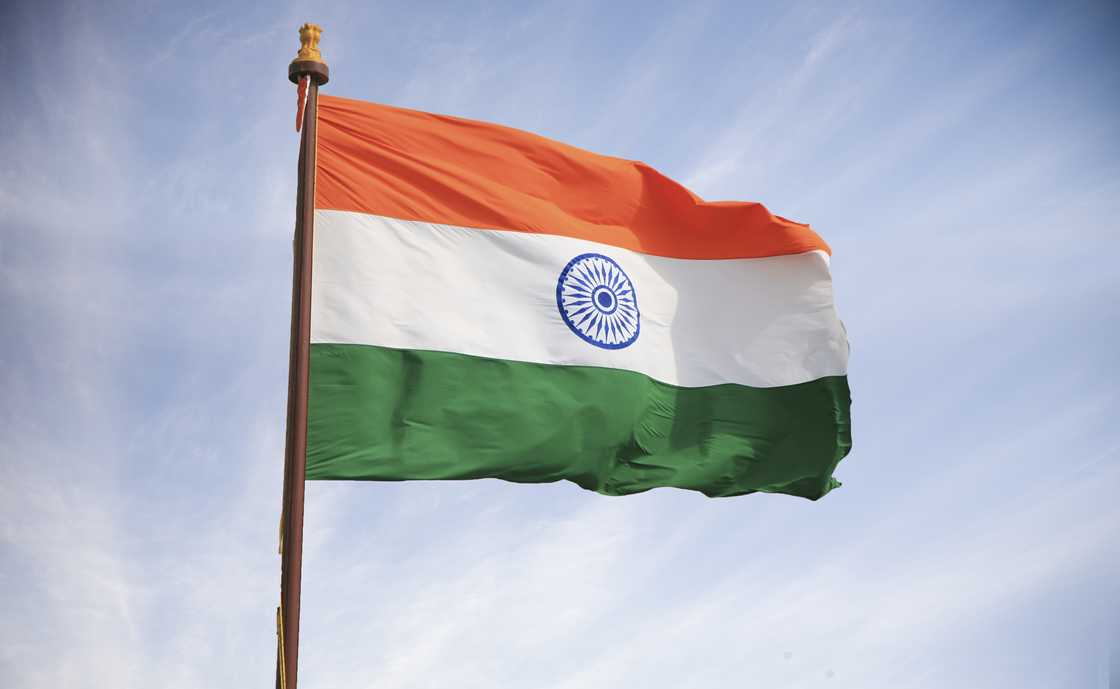
The Indian flag was officially adopted on July 22, 1947, just prior to India’s liberation from British governance. This tricolour flag consists of three horizontal bands in distinct hues.
The color orange signifies bravery, self-sacrifice, and the concept of giving up. White stands for honesty, tranquility, and cleanliness, whereas green embodies belief, fecundity, and the richness of nature. In the middle of the white band lies a dark blue emblem known as the Ashoka Chakra. This insignia features 24 spokes which denote the Dharmachakra.
24. France

The French flag, called the Tricolor, is both simple and instantly recognizable as a national emblem. This rectangular banner consists of three equally wide vertical bands. The blue band on the left embodies freedom, the central white band stands for equality, and the red band on the right denotes brotherhood.
25. Portugal

The flag of Portugal came into use on June 30, 1911, following the formation of the Portuguese Republic. This banner features a rectangle split unevenly down its length into two vertical segments.
On the left side of the flag, approximately two-fifths of its total width, lies a band of green. This color represents hope and marks the Portuguese Revolution of 1640, when Portugal regained its sovereignty from Spanish rule.
On the right side, the color red symbolizes the blood shed and ongoing battles faced by the Portuguese people across their history. At the point where the green and red sections intersect, the flag includes Portugal’s national coat of arms. Additionally, the design incorporates a detailed emblem as part of its decoration.
What is considered the most beautiful flag globally?
Among the most beautiful flags globally, one can find those belonging to Kenya, Tanzania, the United States of America, South Africa, Mozambique, Portugal, India, Nepal, Malaysia, Australia, and Seychelles.
What nation boasts the most distinctive flag?
Nepal boasts the most distinctive flag featuring an intriguing design. It stands out as the sole national banner globally that deviates from a rectangular form. Composed of two triangular pennants, this emblematic flag features a rich blue outline surrounding a vibrant crimson-red background.
What is considered the most vibrant flag globally?
Belize boasts the most vibrant flag globally. This banner features twelve colors, a majority of which compose the intricate coat of arms adorning it.
In which nation’s banner do you think the most appeal lies?
Countries known for their visually appealing flags encompass India, Kenya, Australia, Nepal, South Africa, the United States, Seychelles, New Zealand, Portugal, North Macedonia, and Bhutan.
Flags play a crucial role in uniting citizens and fostering patriotic sentiment within a nation. These emblems represent pride and cohesion, sometimes becoming so significant that nations might even fight wars over them. Among the world’s finest flags, many stand out not only for their visual appeal but also for the profound symbols they convey.
SANGGRALOKA.co.ke has released a compilation of the most hazardous countries in Africa for travelers. The primary factors contributing to the decline in peace across these African nations include terrorist activities and political unrest.
Various uprisings and clashes throughout history have resulted from numerous coups, disputed electoral outcomes, ethnicity-based disagreements, and claims of misconduct. Discover which African nations pose the highest risks for travelers due to these issues.
oleh admin | Agu 17, 2024 | asia, culture, Travel, travel destinations, world
The Indian Ocean is surrounded by nations boasting unparalleled cultural and natural treasures. No matter where your travels take you, there will be numerous discoveries awaiting.
The third-largest ocean globally, the Indian Ocean, borders nations featuring an array of distinct terrains and rich cultural heritages.
From India
to
Mauritius
Each country brings something unique for travelers. From historic landmarks to serene shorelines, along with various activities and distinctive cuisine, these destinations truly deserve a spot on your must-visit list today.
Interested in discovering the nations around the Indian Ocean? Learn more about them here:
-
5 Lesser-Known Paradise Islands in the Indian Ocean
-
How do the Maldives and the Seychelles differ from each other?
-
The Andaman Islands: A secluded haven in the Indian Ocean
India, a captivating mixture of culture and spiritual essence
Vast and fascinating, India
it is a place marked by stark differences
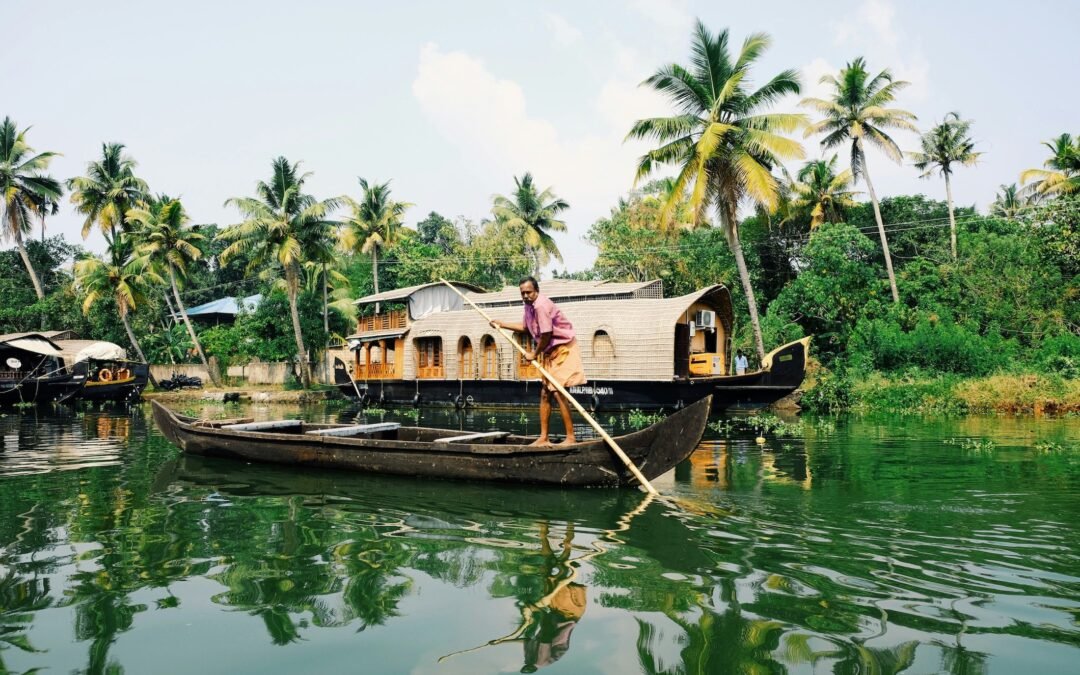
Where tradition and opulence blend seamlessly together. If you’re eager to delve deeper into the cultural tapestry, Tamil Nadu stands out with its magnificent temples like the Meenakshi Temple in Madurai. Meanwhile, in Kerala, tranquil houseboat journeys weave their way through an intricate network of backwaters—comprising rivers, lakes, and lagoons—that invite relaxation. Additionally, make sure to visit the shores of Goa, renowned for providing a plethora of aquatic activities.
While you’re here, make sure not to skip the local delicacies like fish curry, crisp dosas, and zesty biryani.
The Maldives, paradise on Earth
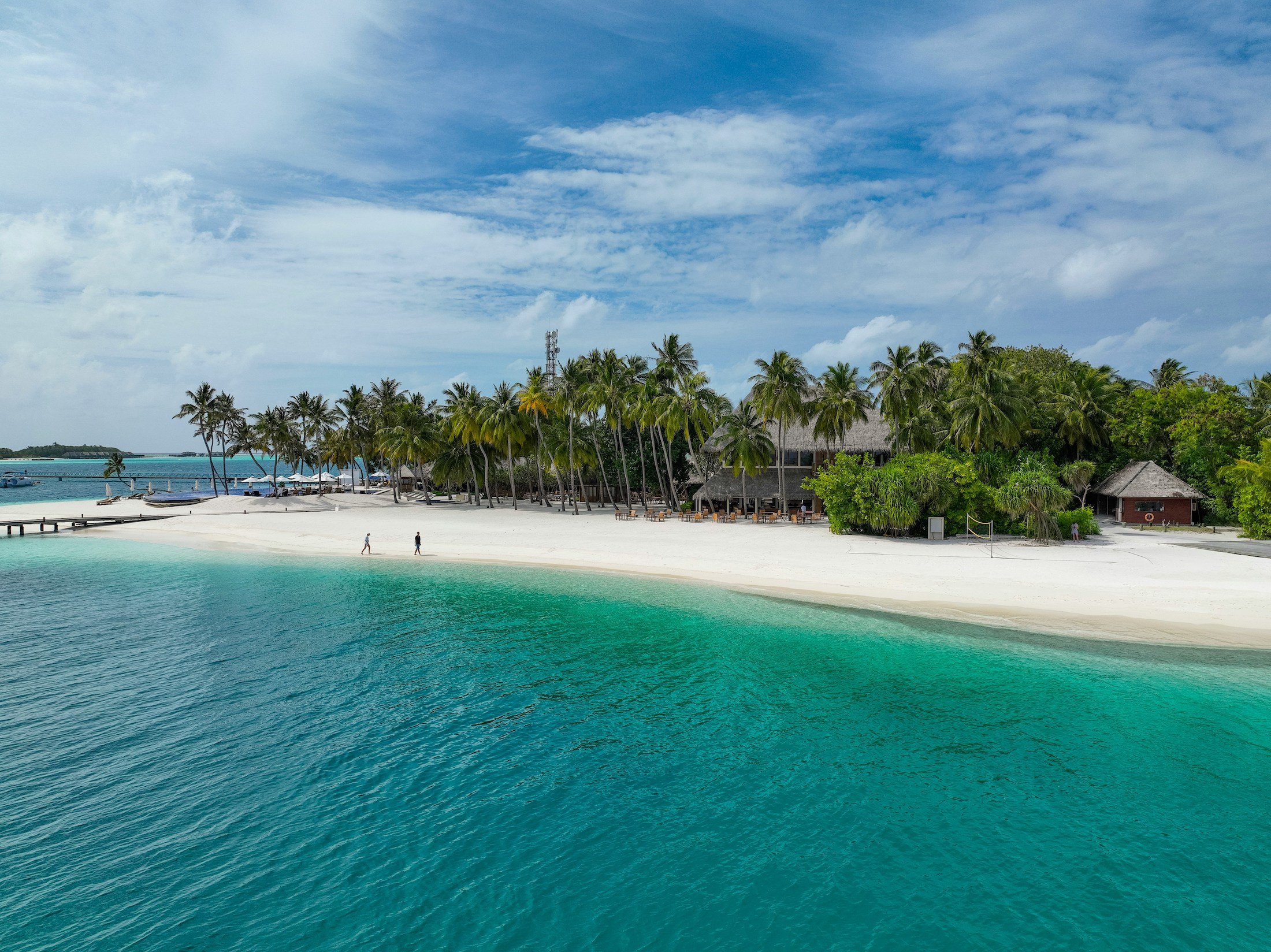
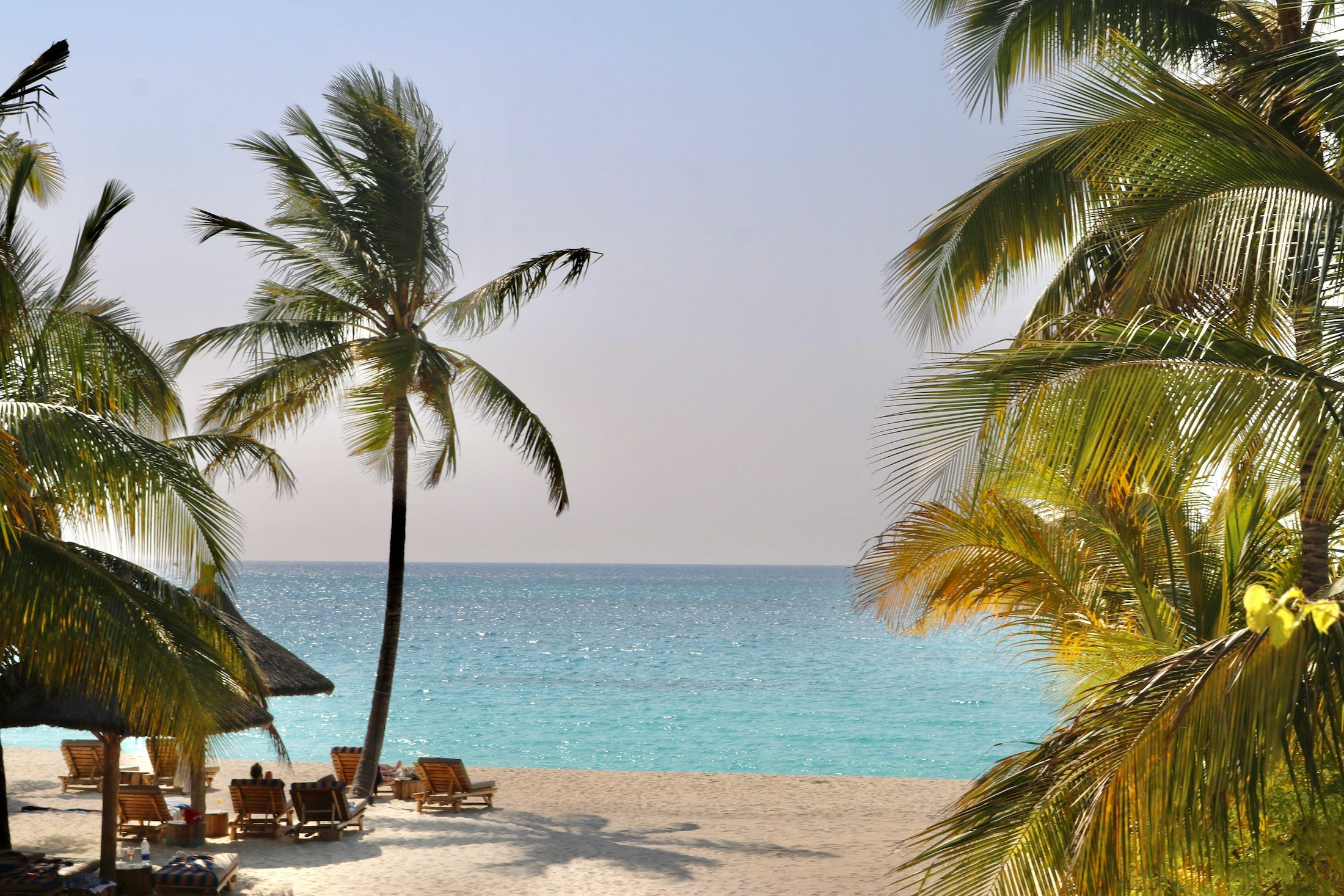
Being an archipelago comprising more than 1,000 islands, the Maldives are renowned for their pristine and transparent seas.
white sandy beaches
It is without a doubt the ultimate paradise for scuba divers.
Following your seaside activities for the day, indulge in further excitement by residing in an elevated hut to fully embrace the ambiance. In terms of local cuisine, make sure to sample garudhiya, a classic fish soup, along with mas huni, which combines tuna, coconut, and chilies.
Thailand, amidst ancient temples and serene beaches
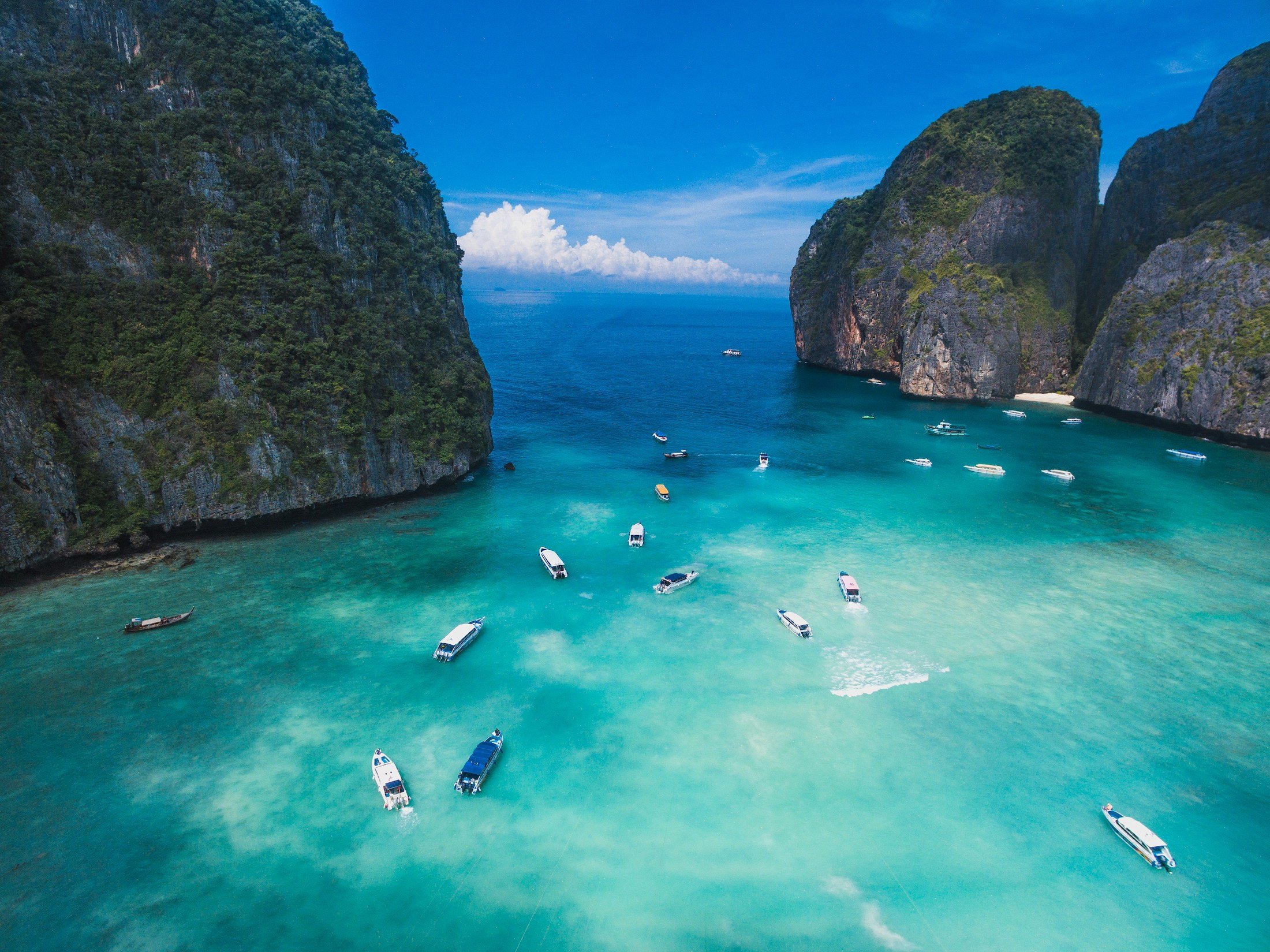
Thailand boasts an extensive shoreline along the Andaman Sea, offering everything one could desire. In Phuket, you have the opportunity to unwind at Patong Beach and explore the historic Wat Chalong Temple.
The Similan Islands
shouldn’t be overlooked either. This location stands out as a premier dive site, renowned for its crystal-clear waters and vibrant, multi-colored corals.
For those who love good food, night markets are quite prevalent and provide
Thai specialities
like pad thai and som tam, which is a spicy papaya salad.
Singapore: A Blend of Futurism and Tradition in Harmony
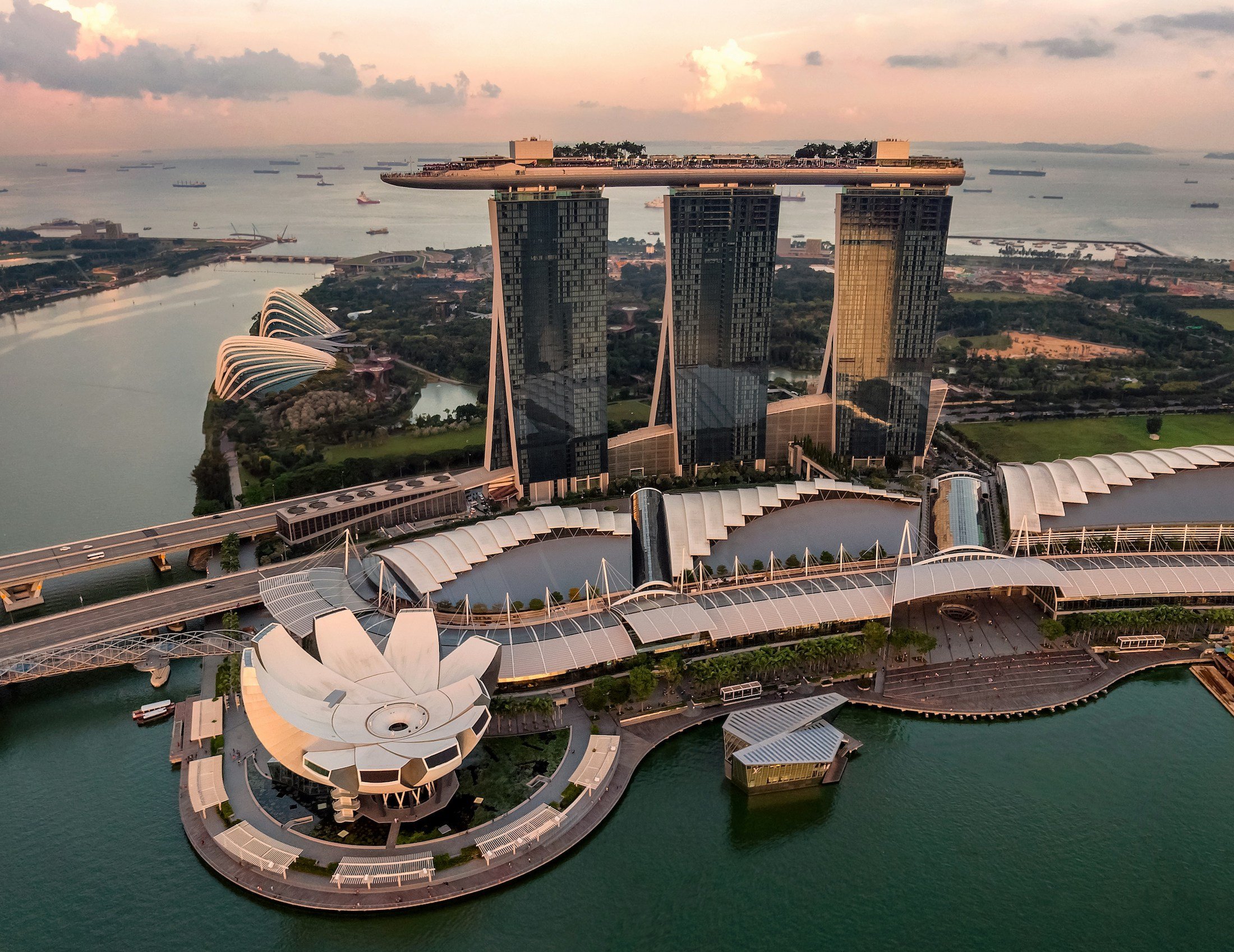
As a forward-thinking city-state, Singapore serves as a vibrant cultural blend. Head over there to explore its ultramodern attractions.
Gardens by the Bay
, the iconic
Marina Bay Sands
In addition to the historic Chinatown district, be sure not to miss Sentosa Island, which offers a wide range of recreational facilities.
Next, take a leisurely walk through the
Little India
neighborhood for retail therapy. Should you desire to sample Singaporean fare, numerous eateries offer delicacies like chili crab and roasted satay sticks.
In Tanzania, the plan includes a safari and beautiful beaches.
Tanzania is a paradise for nature enthusiasts. The Serengeti National Park and the Ngorongoro Crater rank as some of the top locations to spot the Big Five wildlife—lions, elephants, leopards, buffalos, and rhinos—on safari. Don’t forget to explore the shores of Zanzibar, famous for their crystal-clear waters and vibrant coral reefs.
Don’t overlook the opportunity to sample Tanzanian cuisine, known for its robust flavors. Try ugali, a cornmeal dish, along with nyama choma, which is grilled meat typically accompanied by veggies.
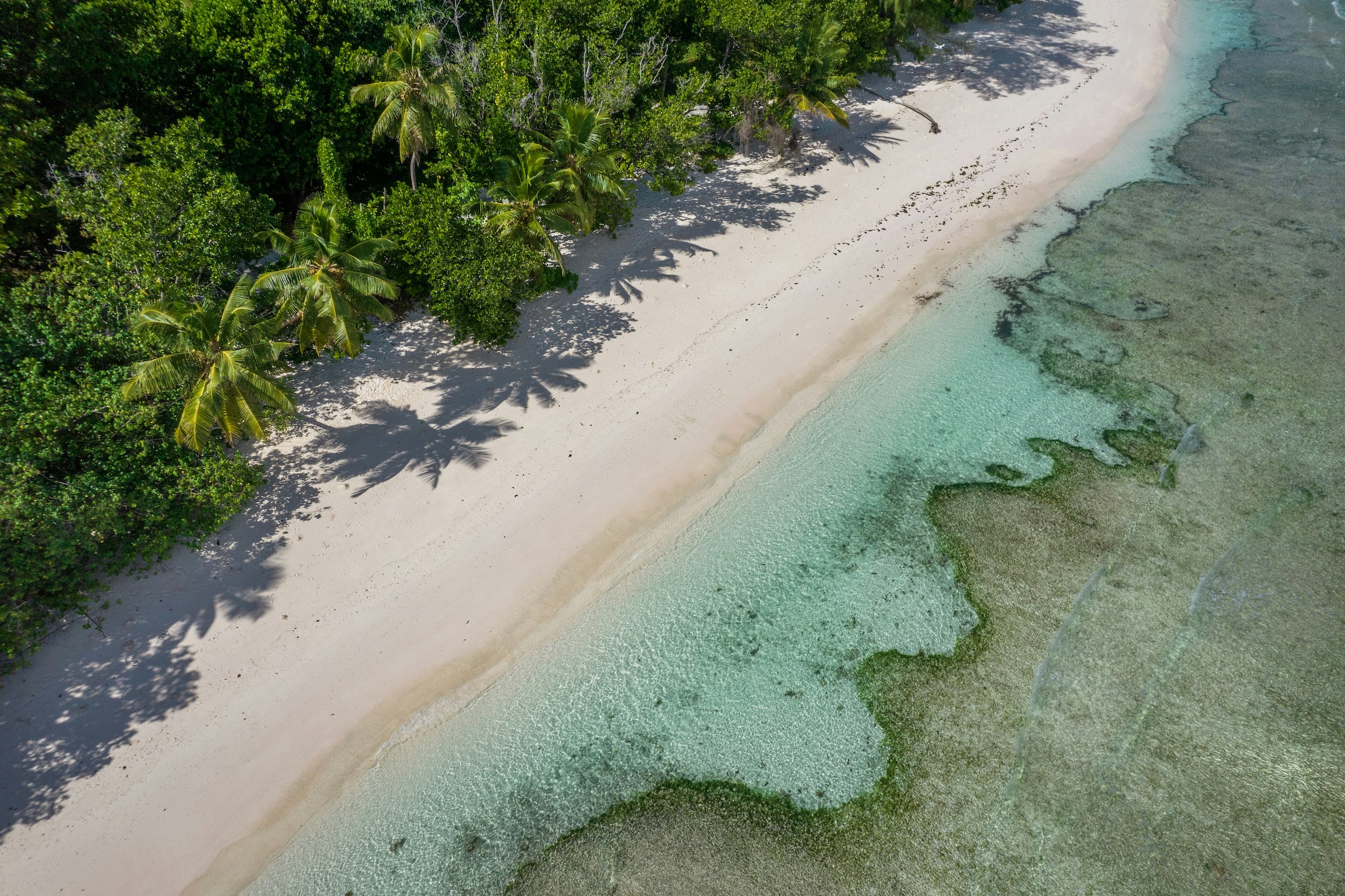
The Seychelles, a breathtaking island chain
The Seychelles, known for their untouched shores and clear blue seas, are ideal for nature lovers. Visitors will be enchanted by the island of La Digue, which boasts Anse Source d’Argent beach—one of the planet’s most iconic photographic spots.
If you love hiking, consider exploring the Morne Seychellois National Park on the island of Mahé. For food enthusiasts, the archipelago provides a diverse array of gourmet specialties.
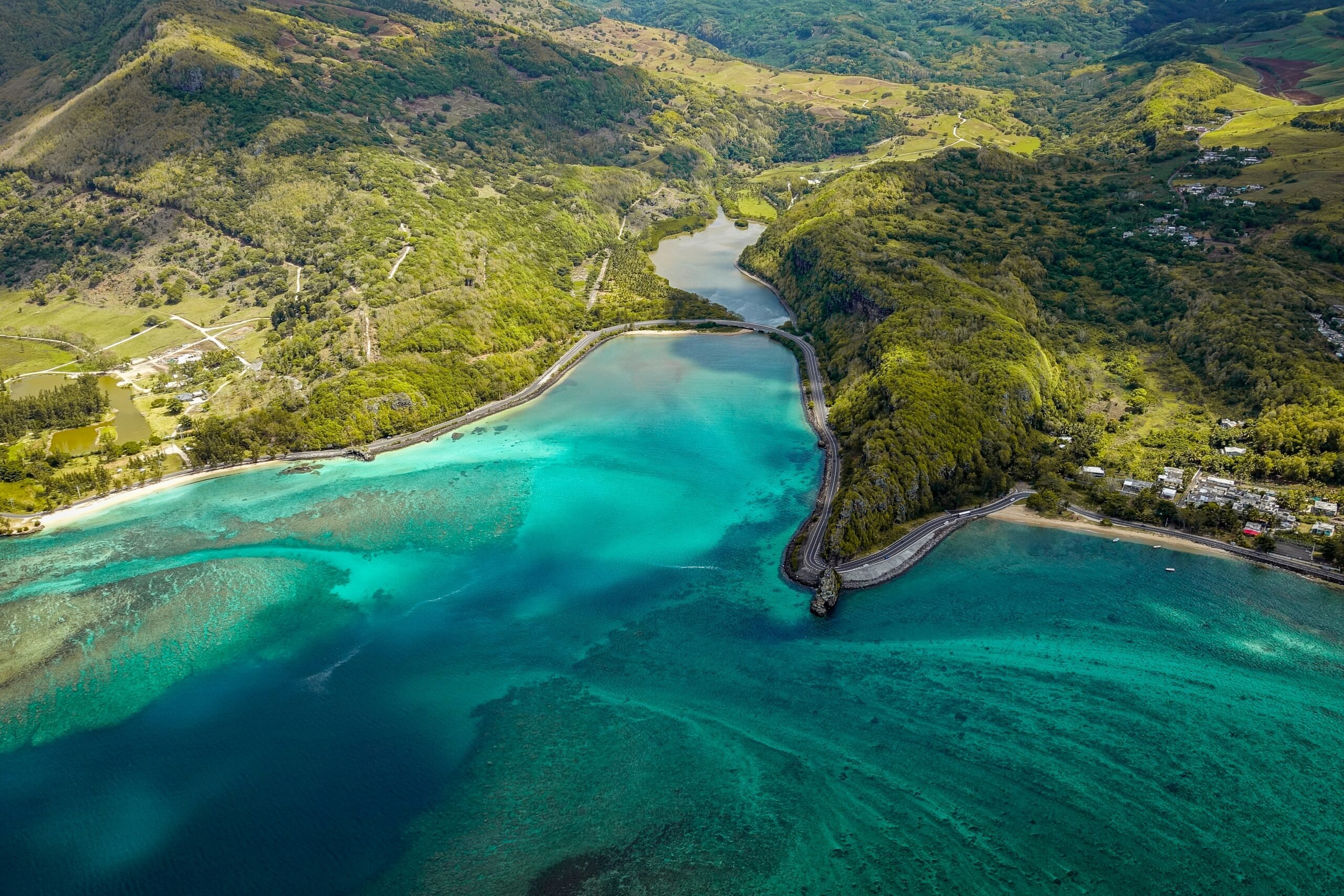
Mauritius, a fusion of cultures
Renowned for its pristine white sand shores and crystal-clear blue waters, Mauritius offers a captivating mix of Indian, African, and European influences. To fully enjoy your visit, be sure to explore the Pamplemousses Botanical Garden as well as the stunning landscapes within the Black River Gorges National Park.
The island boasts historical landmarks like the Aapravasi Ghat, which is part of a UNESCO World Heritage Site. For food lovers, make sure to sample dholl puri, a type of lentil flatbread, and pimento cake, akin to a spiced version of a doughnut. You’ll thank us afterward!
oleh admin | Jul 17, 2024 | africa, animals, asia, south africa, wildlife
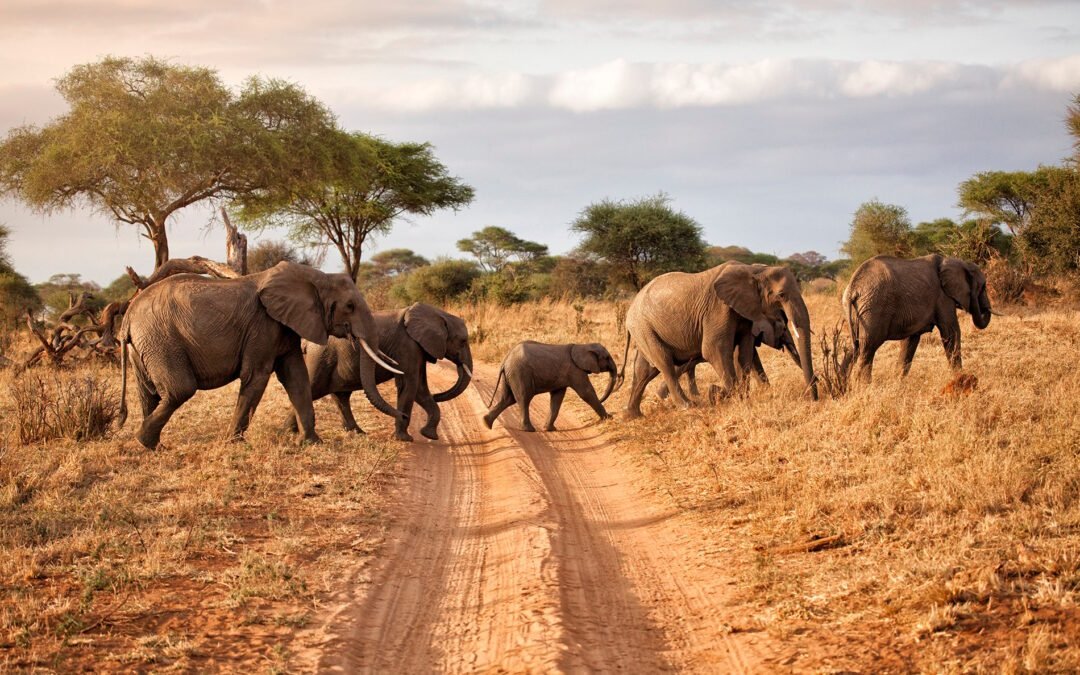
These six African and Asian nations offer stunning vistas along with a plethora of wildlife to watch in their native environments, ensuring an extraordinary safari experience!
Thinking about going on a safari? Check out our articles for tips on planning your trip:
-
Safari: 5 Valuable Tips for Planning a Successful Trip to Africa
-
Kenya: 5 amazing safari lodges for an immersive wildlife experience
-
Which destination is preferable for a safari: Kenya or Tanzania?
Kenya and Tanzania stand out as premier locations for wildlife safaris.
With twelve parks apiece, top-notch lodges, and many bush camps, these adjacent East African nations are highly suggested for your initial wildlife adventure.
Kenya
Around the lakes of the Great Rift Valley lies the Maasai Mara reserve, which boasts extraordinary wildlife including giraffes, elephants, lions, and rhinos, as well as breathtaking scenery that blends savanna, mountains, and forests. Be sure not to overlook the Samburu and Lake Nakuru reserves, alongside Tsavo and Amboseli national parks. In Tanzania, the Serengeti and Tarangire parks, together with the Ngorongoro Crater reserve, are celebrated for their varied landscapes and an impressive abundance of large mammals.
Botswana and Namibia, countries of diversity
In Botswana’s Chobe National Park, with its four distinct ecological zones, and Namibia’s Cape Cross, home to massive colonies of sea lions, visitors can witness incredible natural wonders. Additionally, the Okavango Delta in Botswana, characterized by expansive swamplands and inundated plains, along with Namibia’s Etosha National Park set within an extensive white saline desert, offer further examples. These two nations in southern Africa boast numerous wildlife species thriving across remarkably varied landscapes and climatic conditions.
Sri Lanka, a gem of an island in the Indian Ocean.
Proudly featuring 26 parks and nature preserves,
Sri Lanka
serves as a top pick for travelers seeking remarkable interactions with wildlife. Among the most celebrated animal reserves, those located to the southern part of the island stand out: Uda Walawe, situated inland, offers a haven for elephants. Along the southern coastline, Bundala acts as a crucial habitat for birds. Moving to the eastern side, Yala National Park draws many visitors due to its extensive array of mammals—including monkeys, leopards, jackals, buffalo, and bears—within vast expanses of dry deciduous woodland interspersed with numerous lakes and lagoons.
In South Africa, encountering the Big Five
Thanks to its maintained routes and safe recreational areas, South Africa is ideal for a self-guided photographic adventure. In the northeastern part of the nation,
Kruger Park
offers stunning vistas and a remarkable variety of wildlife, featuring the Big Five (elephants, buffalo, rhinos, leopards, and lions) year-round. Notable locations like Hluhluwe Imfolozi Game Reserve, Tembe Elephant Park, and Kgalagadi Transfrontier Park provide spectacular animal viewing experiences as well.
oleh admin | Jul 12, 2024 | architecture, asia, culture, heritage, tourist attractions
Every one of these sanctuaries provides a distinctive cultural and spiritual encounter. Make time to stop by when you’re next traveling through Japan.
People adore Japan as a travel destination due to its distinctive blend of ancient traditions and cutting-edge modernity. Central to experiencing this dichotomy are the countless magnificent temples and shrines scattered throughout the nation, providing visitors with an exclusive glimpse into the profound historical and religious legacy of the land.
-
Kinkaku-ji
-
Tōdai-ji
-
Fushimi Inari Shrine
-
Kiyomizu-dera
-
Meiji-Jingu
-
Kōtoku-in
-
Itsukushima Shrine
-
Ryoan-ji
-
Hōryū-ji
-
Zenrin-ji
The 10 temples and shrines you have to see in Japan
Kinkaku-ji (Golden Pavilion) – Kyoto
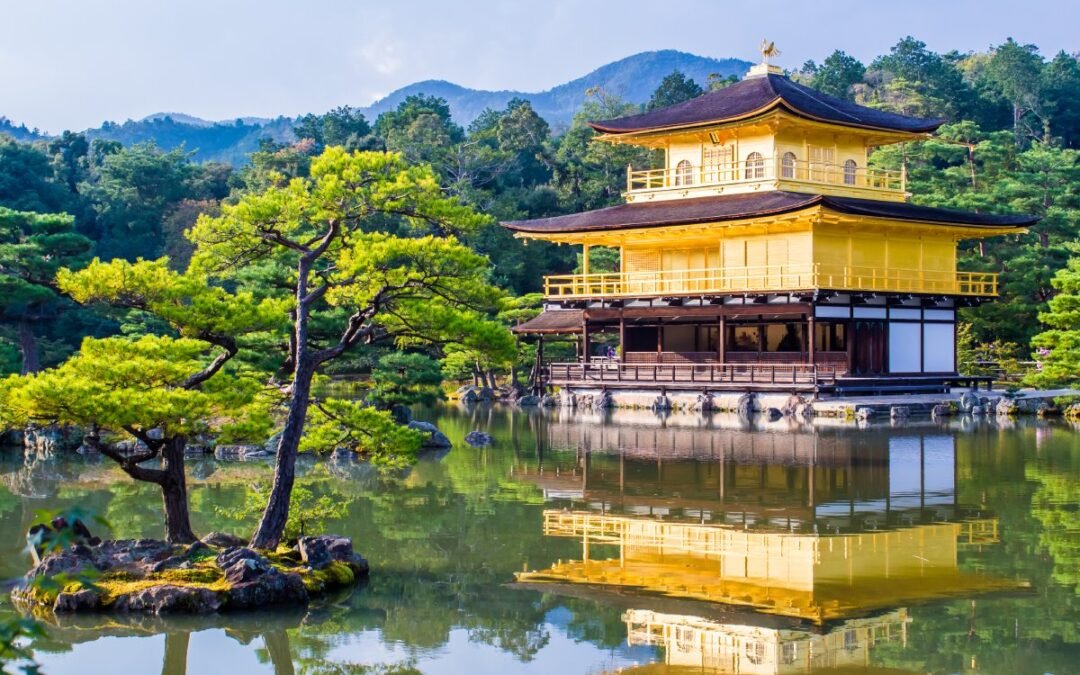
Kinkaku-ji, also known as the Golden Pavilion, is a Zen Buddhist temple in Kyoto. Its main attraction is the magnificent gold pavilion, whose splendour is reflected onto the surrounding pond. The temple is surrounded by well-kept landscaped gardens, creating an atmosphere of serenity. Kinkaku-ji is an outstanding example of Buddhist architecture and is a
UNESCO World Heritage Site
.
Tōdai-ji – Nara
Tōdai-ji, located in Nara, is one of Japan’s historic gems. It is home to the bronze statue of the Great Buddha (Daibutsu), which is also one of the largest bronze statues in the world. The temple grounds are also very impressive, with its large wooden doors and avenue lined with stone lanterns. Sika deer, considered to be divine messengers, graze in the surrounding park.
Fushimi Inari Shrine – Kyoto
Fushimi Inari Taisha is one of Japan’s most famous Shinto shrines. It is dedicated to the god Inari, who is the protector of harvests as well as businesses. The shrine is famous for its thousands of red
torii,
These create a stunning tunnel that leads up to Inari Mountain. Tourists can meander along the twisting pathways to take in sweeping vistas of Kyoto.
Kiyomizu-dera – Kyoto
Kiyomizu-dera, situated on a hill in Kyoto, stands out as one of Japan’s most recognizable temples. Its main attraction is the impressive wooden stage constructed without nails, providing visitors with breathtaking views.
breathtaking view
in the city surrounded by cherry blossom trees during the Sakura season. This temple holds significant importance as a key destination for Buddhist pilgrimages.
Meiji-Jingu Shrine – Tokyo
Situated within Yoyogi Park in Tokyo, Meiji-Jingu stands as one of the country’s most frequented and beloved shrines. Constructed to honor Emperor Meiji and Empress Shoken, this site features an imposing wooden torii at its entryway. Encircled by the tranquil atmosphere of the park, visitors can find respite from the bustling city life of Tokyo.
Kōtoku-in – Kamakura
Kōtoku-in Temple, located in Kamakura, is home to the famous Kamakura Daibutsu, a 13.35-metre-high bronze Buddha statue which dates back to the 13th century. For a particularly unique experience, visitors can even step inside the statue.
Itsukushima – Miyajima
The Itsukushima Shrine, located on Miyajima Island, is renowned for its appearance as though it is floating.
torii
, which appear to float on the water at high tide. The shrine is a classic example of Shinto architecture and is set in picturesque natural surroundings, with Mount Misen as a backdrop.
Ryoan-ji – Kyoto
Ryoan-ji Temple is famous for its stone garden, which is also one of the most famous in Japan. It is made up of fifteen stones arranged in such a way that, whatever your position, you can only see fourteen of them at any one time, a composition that encourages meditation and reflection.
Hōryū-ji – Nara
Horyu-ji Temple stands as one of the earliest Buddhist sanctuaries in Japan, established during the 7th century. Renowned for maintaining its original timber construction, this site includes the famed Dream Pavilion, also known as Yumedono, along with significant religious artifacts.
Zenrin-ji (Eikan-do) – Kyoto
The Zenrin-ji Temple, commonly referred to as Eikan-do, is a prominent Zen Buddhist site celebrated for its stunning fall gardens. In the autumn months, the area around the garden transforms with vibrant hues from the maple leaves and other vegetation, painting an absolutely captivating scene.


