oleh admin | Mar 25, 2025 | banking, business, cryptocurrency, financial services, korean
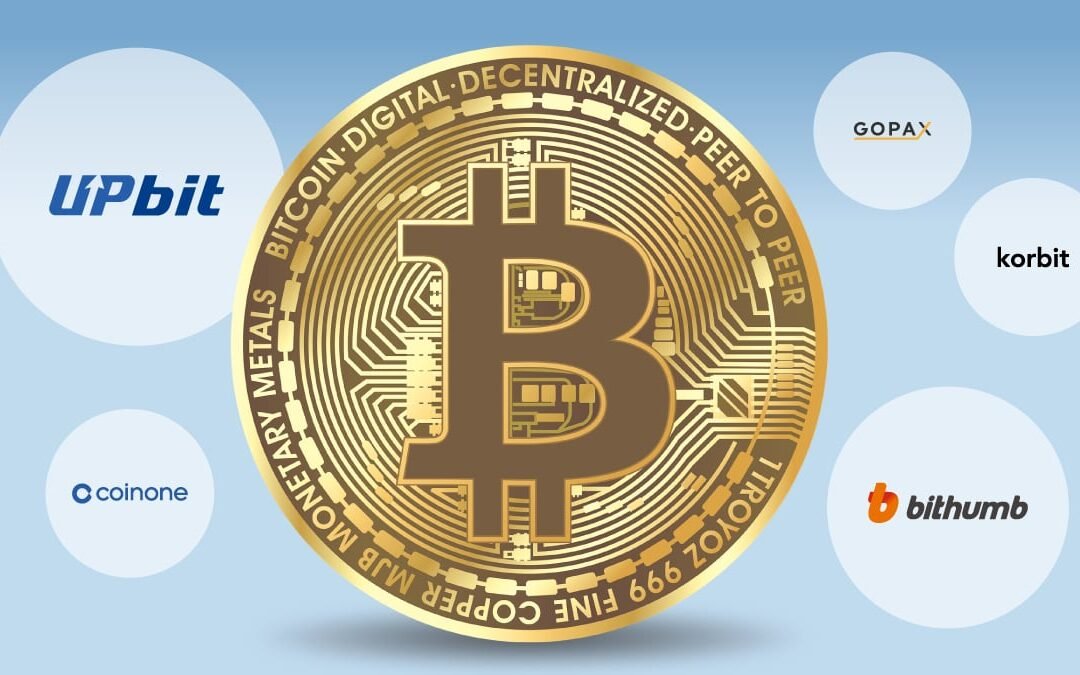
South Korea’s second-biggest crypto exchange, Bithumb, changed its banking relationship from NH Bank to KB Kookmin Bank. Following this switch announced in December, more than 1.5 millionKB accounts were connected to Bithumb. “The benefits of collaborating with a prominent bank are becoming clear,” stated a spokesperson for Bithumb.
According to present financial rules, the nation’s leading five exchanges may collaborate exclusively with a single bank. To engage in trading activities on a specific exchange, users are required to maintain an account with that exchange’s chosen banking institution. As a result of this regulation, competition between banks has become more intense as they vie for agreements with these exchanges, aiming to enhance their profitability through the acquisition of cryptocurrency-associated assets.
Bithumb collaborated with NH Bank over a period of approximately seven years, spanning from January 2018 up to March 23. Throughout this duration, NH Bank amassed roughly 1.7 trillion won in cryptocurrency-related deposits, utilizing these funds for multiple investments and loan activities, thereby producing substantial earnings.
However, Bithumb opted to transition to KB Kookmin Bank back in December of last year. The intention behind this move from Bithumb was to expand its customer base through collaboration with a bigger banking partner, whereas KB sought to attract additional deposits.
Following the announcement of their collaboration, KB’s demand deposits increased by more than 3 trillion won, rising from 151.5 trillion won at the close of December to 154.7 trillion won ($106 billion) as of March 21st. Furthermore, approximately 1.52 million KB accounts have been linked with Bithumb.
Since June 2020, Upbit, the nation’s leading cryptocurrency exchange, has collaborated with K Bank, an online banking institution. Approximately one-fourth of K Bank’s overall deposits, which amount to around 6.4 trillion won out of a total of 27.62 trillion won, come from funds associated with Upbit. The number of customers at K Bank increased dramatically from 2.19 million in June 2020 to 13.39 million recently, including about 6 million accounts connected specifically to Upbit operations.
Shinhan Bank has formed a partnership with Korbit, which ranks as the fourth-largest exchange, whereas Kakao Bank is associated with Coinone, ranking as the third-largest exchange.
As Upbit’s agreement with K Bank approaches expiration in October, financial institutions are eagerly observing the company’s subsequent actions. When Bithumb changed partners, it led to significant fund movements and account shifts. Consequently, banks anticipate intense rivalry to secure Upbit as their client.
K Bank continues to be confident about maintaining the partnership. “We have had a lengthy and fruitful relationship with Upbit, and we anticipate this will persist,” stated an official from K Bank.
According to reports, Woori Bank and Hana Bank are considering possible collaborations with Upbit. “Although Woori Bank has not previously engaged with cryptocurrency exchanges, the recent allowance of corporate crypto investments has prompted them to seek a partnership with Upbit,” stated an industry source. Likewise, Hana Bank launched their real-name verification service called Hana Certificate on Upbit back in October, indicating their desire to establish connections. A representative from the bank mentioned, “We have incorporated Hana Certificate as part of our interest in forming a relationship with a cryptocurrency exchange.”
Banks are hastening to establish such collaborations due to their perception of cryptocurrency exchanges as a vital source of inexpensive daily deposits in the approaching era of lower interest rates. A banking representative noted, “The typical daily trade volume on local crypto exchanges is close to 4 trillion won.” They added, “This represents an almost cost-free means of financing that banks can utilize for loans to earn additional interest revenue.”

oleh admin | Mar 24, 2025 | banking, business, female empowerment, financial services, women
FirstBank Ghana organized an event at the Makola Market in Accra to commemorate International Women’s Day 2025.
The occasion showcased the fortitude, tenacity, and enterprising nature of women, resonating with this year’s theme, “Accelerate Action,” emphasizing the critical necessity for immediate measures to attain gender parity.
This assembly assembled an array of female business owners, merchants, and community heads, all converging with the shared objective of enhancing women’s contributions to Ghana’s economic landscape. The central topic this year emphasizes accelerating progress towards dismantling the pervasive obstacles and prejudices faced by women across various aspects of life and work.
Mr. Allen Quaye, the Head of Retail Banking at First Bank, spoke on behalf of the Managing Director to the assembled guests and stated, “Today, as we observe International Women’s Day, we recognize the remarkable contributions of the women at Makola Market and throughout Ghana. Their diligence and commitment play a crucial role in sustaining our nation’s economic success.”
At the core of our economy lie these remarkable women, and we at First Bank Ghana take pride in joining hands with them as they shape their futures.” Mr. Quaye highlighted the crucial part women have in advancing the nation’s economic growth and restated the bank’s dedication to promoting gender-equal programs.
The event similarly emphasized the vital significance of financial inclusion for women. It tackled the barriers that frequently prevent women from obtaining banking services.
First Bank Ghana is working towards closing the gender gap in financial services by offering financial literacy programs and customized banking solutions designed to help women attain financial self-sufficiency and economic prosperity.
In addition, Doris Ahiati, an Associate Member of the Chartered Institute of Securities and Investments UK, addressed the crowd with her insights on “Accelerating Action.” She motivated the women to develop consistent saving practices and highlighted the significance of understanding personal finance.
The purpose of the event was to provide women with hands-on expertise in handling their money, enabling them to make well-thought-out choices, and improving their general financial wellbeing.
Along with educational workshops, Ms. Ahiati presented an array of financial offerings from First Bank Ghana. This included savings plans and loans, digital banking options, and specialized SME-focused services like FirstGem, which was created particularly for female entrepreneurs.
“Today, we join forces with the women of Makola Market, who demonstrate remarkable resilience and an enterprising mindset that is defining Ghana’s economic landscape. At First Bank Ghana, we recognize that financial literacy plays a crucial role in opening up broader economic prospects for women. By providing them with insights into banking services and financial management tools, the bank enables these women to make more informed decisions and expand their enterprises,” said Mrs. Ahiati.
The event orchestrated by First Bank Ghana at Makola Market underscored that International Women’s Day isn’t just a moment to honor women’s accomplishments; it’s also a critical chance to highlight the persistent obstacles they encounter and the progress yet required for complete gender parity.
FirstBank continues to be committed to backing women’s empowerment programs and building a supportive financial ecosystem that helps women excel in both their private and career pursuits.
Provided by SyndiGate Media Inc.
Syndigate.info
).
oleh admin | Mar 24, 2025 | banking, business, economics, investing business news, money
-
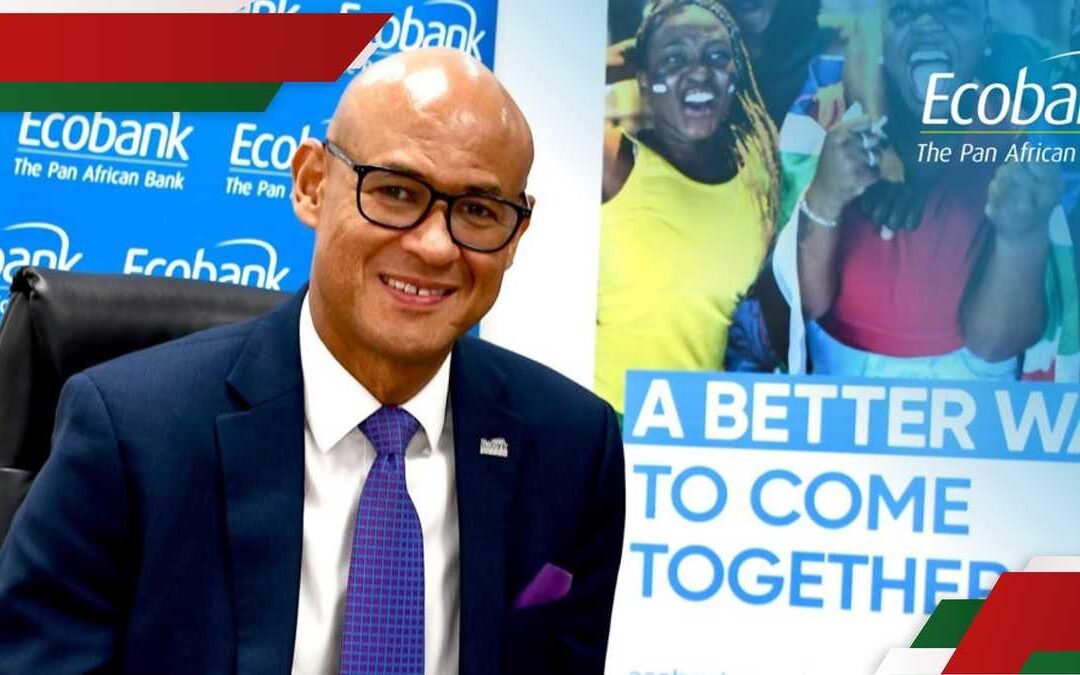
Ecobank Kenya has injected KSh3.5 billion ($27 million) into its capital reserves to meet the requirements of the updated banking regulations and fortify its financial position.
-
This investment aims to support the bank’s expansion within Kenya and across East Africa. Following this infusion of funds, their overall capital base in Kenya will increase to KSh8.5 billion ($65 million).
-
The Central Bank of Kenya has set a deadline for all commercial banks in the country to increase their core capital to KSh10 billion by 2029.
Bonface Kanyamwaya, who works as a journalist for LIFEHACK.co.ke, possesses over a decade of experience in areas such as finance, economics, business, stock markets, and aviation. He offers valuable perspectives on both Kenyan and international developments.
Ecobank Kenya has invested KSh3.5 billion ($27 million) to reinforce its capital position in line with the regulatory requirements set by the Central Bank of Kenya (CBK).

This investment aims to support the bank’s expansion of business operations in Kenya and East Africa—increasing its overall capital base to KSh8.5 billion ($65 million) in total.
All commercial banks in Kenya have been directed by Central Bank of Kenya to increase their core capital to KSh10 billion by 2029, with an initial target of KSh3 billion by end of 2025.
This action comes after changes were made to financial sector regulations at the end of last year when President William Ruto enacted the Business Laws (Amendment) Bill into law.
“Kenya holds significant importance as a strategic marketplace for the Ecobank Group and serves as a vital economic center fostering development throughout East Africa. This capital infusion bolsters Ecobank Kenya’s capacity to capitalize on emerging business prospects and generate lasting value for all stakeholders—aligning perfectly with our objectives of expansion, innovation, and profitability,” stated the bank’s CEO, Jeremy Awori, in an official press release.
This funding will allow the bank to aid business growth, ease cross-border commerce, and boost access to financial services.
Awori mentioned that this extra funding would support crucial economic factors such as local companies, small and medium-sized enterprises, financial technology firms, and female-led ventures.
Extra funds boost business expansion
This additional capital injection will strengthen the bank’s ability to broaden its footprint within key areas such as agriculture, manufacturing, information and communication technology (ICT), and innovation, along with payments and remittances, plus tourism and hospitality.
Moreover, the financial institution plans to utilize the extra funds to support budding sectors such as renewable energy, transportation and logistics, medical services, and retail commerce. The emphasis will be on fostering sustainable growth within Kenya and the broader East African region.
“This significant reinforcement bolsters our capacity to act as the preferred financial partner for international organizations, local companies, small and medium-sized enterprises (SMEs), fintech firms, and women-led businesses. It also solidifies our position as a leader in regional trade and payment solutions throughout Central, Eastern, and Southern Africa,” noted Josephine Anan-Ankomah, Managing Director of Ecobank Kenya and Regional Executive for Central, Eastern, and Southern Africa.

The modifications requiring commercial banks to bolster their capital requirements impacted the Banking Act, the Central Bank of Kenya Act, and the Microfinance Act. These amendments were designed to reinforce the stability of the banking industry.
Banks keep their capital levels relatively low.
Starting from 2012, commercial banks have been required to maintain a minimum core capital of KSh1 billion. Efforts to increase this requirement to KSh5 billion in 2015 did not succeed.
The most recent banking oversight report indicates that 11 institutions have failed to reach the KSh3 billion minimum core capital requirement mandated for the close of this fiscal year.
Earlier,
LIFEHACK.co.ke
It has been reported that if the Central Bank of Kenya (CBK) proceeds with the suggested rise in core capital from KSh 1 billion to KSh 10 billion over a span of three years, approximately 24 banks could be forced to close, affecting around 7,000 employees.

oleh admin | Mar 24, 2025 | banking, business, investing, investing business news, money
-
The highest-grossing firms and banks in Kenya showcased significant increases in profits along with considerable dividend distributions for the fiscal year 2024, with the banking sector at the forefront.
-
Large financial institutions such as the Co-operative Bank, KCB Group, and Standard Chartered Bank saw notable increases in their annual profit figures.
-
Daniel Kathali, an economist who spoke with LIFEHACK.co.ke, stated that the profit margins can partially be credited to yields from government bonds along with elevated interest rates on loans and several additional elements.
Elijah Ntongai, who works as a journalist for LIFEHACK.co.ke, possesses over four years of experience in researching and reporting on finance, businesses, and technology. He offers valuable perspectives on both local Kenyan developments and international patterns.
Investors in Kenya are rejoicing as the start of the 2024 fiscal year brings a wave of strong profit declarations and substantial dividend distributions from several top firms across the nation.

All publicly traded companies, including major banks and leading firms in industries such as energy, agriculture, and corporations, have published their fiscal year-end results for the period concluding in December 2024, as mandated.
What factors led to higher profitability?
Significantly, numerous firms listed on the Nairobi Securities Exchange reported unprecedented profits and dividends, crediting their enhanced profitability to different strategic approaches.
Commenting on the increase in profitability during a time when numerous Kenyan enterprises and overall business expansion faced challenges nationwide, Daniel Kathari observed that many companies must prioritize their stakeholders and undertake ventures that generate greater returns.
In recent times, we’ve observed a rise in internal lending by the government. Consequently, numerous enterprises, especially within the finance industry, have seized the chance to significantly invest in low-risk Treasury bonds and notes, yielding substantial returns. Additionally, these banking institutions have made considerable investments beyond Kenya’s borders; their overseas branches are generating significant revenue as well.
Don’t overlook the fact that loan interest rates were extremely high, enabling banks to levy up to 20%, thereby potentially boosting their profit margins. The stabilization of the Kenyan shilling likely played a role as well in contributing to the substantial profits recorded in 2024,” remarked Kathali.
Companies and dividends announced
In 2024, the banking sector has proven to be exceptionally successful, with leading banks announcing significant increases in profits and substantial dividend payouts for 2025.
Company
|
YoY profit growth (%)
|
Profit after tax (KSh)
|
Dividend paid out per share (KSh)
|
Payment date
|
1.
|
Cooperative Bank of Kenya PLC
|
9.8%
|
25.5 billion
|
Final dividend of KSh 1.50
|
June 10, 2025
|
2.
|
ABSA Bank Kenya Plc
|
28%
|
20.9 billion
|
Final dividend of KSh 1.75
|
May 22, 2025
|
3.
|
Standard Chartered Bank in Kenya Limited
|
45%
|
20 billion
|
Final dividend of KSh 37
|
May 28, 2025
|
4.
|
KCB Group Plc
|
64.9
|
61.8 billion
|
Final dividend of KSh 1.50
|
May 23, 2025
|
5.
|
Stanbic Holdings Plc
|
12.8%
|
13.71 billion
|
Final dividend of KSh 18.90
|
May 16, 2025
|
6.
|
East African Portlands Plc
|
Final dividend of KSh 1.00
|
March 21, 2025
|
7.
|
Safaricom Plc
|
Intermediate dividend of KSh 0.55
|
March 21, 2025
|
8.
|
Kenya Power & Light Company PLC
|
Intermediate dividend of KSh 0.20
|
April 11, 2025
|
9.
|
EABL
|
Intermediate dividend of KSh 2.50
|
April 30, 2025
|
10.
|
KenGen
|
Final dividend of KSh 0.65
|
February 13, 2025
|
As many leading Kenyan firms have already released their fiscal year 2024 earnings reports along with dividend distributions, market participants are now looking forward to similar updates from additional sector leaders.
A number of these firms like Safaricom Plc, Equity Group Holdings Plc, and British American Tobacco Kenya (BAT Kenya) are anticipated to disclose their financial outcomes for the fiscal year ending December 2024 along with the subsequent final dividend distributions.
oleh admin | Mar 23, 2025 | asia, banking, finance news, financial services, money
Lifehack My ID
Agar dapat mengakses uang dalam jumlah kecil, Bank Mandiri serta BNI menawarkan layanan ATM dengan denominasiRp 10.000 dan Rp 20.000.
ATM ini terdapat di berbagai kota di Indonesia.
Jasa ini mempermudah para pemegang rekening untuk mencairkan dana tanpa perlu mengantri lama di kantor bank.
Berikut daftar ATM Mandiri dengan Pecahan Rp 10.000 dan Rp 20.000 di Jakarta dan Bekasi
Menurut data dari akun resmi Mandiri Care (@mandiricare), berikut ini adalah daftar mesin ATM Milik Bank Mandiri yang menyedikan uang dalam denominasi Rp 10.000 serta Rp 20.000 untuk area Jakarta dan Bekasi:
1. Pusat Perbelanjaan Mandiri Gatot Subroto
JKT GD PLZMDRLBYSELATN 03 CRM (S1RH0GJY), Jalan Gatot Subroto Kav.36-38, Senayan
JKT SB PLZMDR CRM04 (S1RK0GJZ), Jalan Gatot Subroto Kav. 36-38, Senayan
JKT SB PLZMANDIRI CRM (S1RK0GT1), Jalan Gatot Subroto Kavling 36-38, Senayan, Kecamatan Kebayoran Baru, Jakarta Selatan
JKT GD PLZMDRLBYSELATN 02 (S1AW0G0A) – denominasi Rp20.000,-
2. Pondok Kelapa
JKT SB PONDOKKELAPA 02 CRM (S1RK16ZP), Jalan Pd. Klpp. Indah Nomor 22-23, Duren Sawit
JKT SB PONDOKKELAPA 01 (S1RKK29C), Jalan Pekapuran Indah Nomor 22-23, Duren Sawit
3. Blok M Plaza
JKT MP BLOK M CRM (S1RK1BF8), Jalan Bulungan Nomor 76, Kramat Pela, Kebayoran Baru
4. Thamrin City
JKT CB THAMCIT LT DSR-1 (S1RK1BK2), Jalan Kebon Kacang Raya, Kelurahan Kb. Melati, Lantai Thamrin City Mall
5. Bendungan Hilir
Bequem Babynahrung kaufen
get-it-cheaper.com
Bequem Babynahrung kaufen
Ad
Jalan Bendungan Hilir Nomor 82, Tanah Abang, Jakarta Selatan (JKT SB BENDUNGAN HILIR 02 CRM) (S1RK1BKI)
6. Jalan Sunda
Jalan Sunda Nomor 1 (S1RK1JC4), Jl. Sunda No.1, Gondangdia, Menteng
7. SPBU Kahfi Jagakarsa
JKT PB KAFHI CRM (S1RK1LQ7), Jalan Moch Kahfi Nomor 1, Ciganjur, Jagakarsa
8. Sentra Mandiri Menteng
JKT GD SENTRAMANDIRI 07 (S1RO1BBU), Jalan RP. Soeroso Nomor 2, Cikini, Menteng
JKT GD SENTRAMANDIRI 01 (S1AW12MH) – DenominasiRp 20.000
9. Gedung Wisma Mandiri di Jakarta Pusat
JKT GD WISMAMANDIRI 01 (S1ANAJ3F), Jalan Kebon Sirih Nomor 83, Menteng
10. Jatiwaringin
Area Jatiwaringin Bekasi (S1RO1FQG), Jalan Raya Galaxy Blok H/19 – Denom Rp 20.000
11. Juanda Bekasi
Lokasi Area Bekasi Juanda (S1RO1Y61), berada di jalanan Jalan Insinyur H. Juanda Nomor 155, Kecamatan Bekasi Timur dengan biaya penyewaan sebesar Rp 20.000.
Daftar Mesin ATM Bank Negara Indonesia yang Mendukung Uang Kertas Sebesar Rp 20.000
Berdasarkan informasi dari akun resmi @BNICustomerCare, berikut daftar ATM BNI yang menyediakan pecahan Rp 20.000:
1. Bogor
Galeri IPB Dramaga 4 – Jalan Raya Bogor-Jasinga Dramaga, Kampus IPB Dramaga
Galeri IPB Dramaga 6 – Jalan Raya Bogor-Jasinga Dramaga, Kampus IPB Dramaga
Galery IPB D III – Jalan Kumbang Nomor 14, Kota Bogor
2. Tangerang
Kantor Cabang Pembantu BNI UIN 1 – Jalan Raya Ciputat – Tangerang Selatan
3. Depok
Kantor Cabang Bank Negara Indonesia Universitas Indonesia – Area Kampus UI Depok (Bangunan Perpustakaan Utama UI Di Depok)
FIK UI – Universitas Indonesia di Kampus Depok, Bangunan FIK UI, Jalan Profesor Dr. Bahder Djohar
Balairung UI Depok – Area Utama di Kampus Universitas Indonesia Depok (Bangunan Balairung UI Depok)
4. Jakarta Utara
Kantor Cabang Pembantu (KCP) KBN Cakung Nomor 2 – Terletak di kompleks KBN Cakung, mengikuti jalur Jawa Blok A.14-1 hingga A.14-2
5. Jakarta Pusat
Lobi Selatan Bangunan Grha BNI – Jalan Jenderal Sudirman Kavlingan Nomor 1
KCU Harmoni 2 – Kompleks Duta Merlin Blok A Nomor 1-2-3, Jalanan Gajah Mada No. 3-5
Direktorat Anggaran Gedung L Kementerian Keuangan – Jalan Lapangan Banteng Timur
KC Pecenongan – Jalan Pecenongan Raya Nomor 52
Kantor Cabang Pembantu Gunung Sahari 2 – Jalan Raya Gunung Sahari Nomor 13
KCP Krekot – Jalan H. Samanhudi Nomor 15-A
6. Jakarta Barat
KCP City Resort – Ruko City Resort Residence Blok C Nomor 49, Cengkareng
Kantor Cabang Pembantu Mercu Buana – Jalan Meruya Selatan, Kembangan
Kantor Cabang Pembantu Trisakti Kampus B – Jalan Kyai Tapa Nomor 260
KC Roa Malaka 2 – Jalan Roa Malaka Selatan Nomor 23-25, Tambora
Kantor Cabang Pusat Trisakti Kampus A – Universitas Trisakti Kampus A, Jalan Kyai Tapa, Grogol
KCP Untar 1 – Bangunan Utama Untar, Jalan Letjen S. Parman Nomor 1
Universitas Trisakti (Suara) – Univ. Trisakti Kampus A, Jalan Kyai Tapa
7. Jakarta Selatan
BNI Universitas Pertamina – Jl. Teuku Nyak Arief RT 07/RW 08 Simprug Kebayoran
8. Bandung
Galeri ATM PTB 8 – Jalan Tamansari Nomor 80, Kelurahan Cipaganti, Kecamatan Coblong, Bandung
BNI KCP Setrasari 2 – Jl. Surya Sumateri No. 9, Bandung
BNI KCP Unpad 6 – Jalan Dipatiukur Nomor 35, Bandung
9. Yogyakarta
Cabang Yogyakarta 1 – Jalan Trikora Nomor 1, Ngupasan, Gondomanan
KLN UPN Veteran 2 – Jalan Lingkar Utara, Kelurahan Caturtunggal, Kecamatan Depok, Sleman
Proses Penarikan Uang dalam Denominasi Rp 10.000 dan Rp 20.000 melalui Mesin ATM
Agar bisa menarik uang tunai dalam denominasi Rp 10.000 ataupun Rp 20.000, silakan lakukan sesuai dengan instruksi di bawah ini:
Datangi mesin ATM terdekat yang memiliki layanan pecahan uang kecil.
Sisipkan kartu ATM Anda ke dalam mesin.
Masukkan PIN dengan aman.
Pilh jumlah tunai yang diinginkan.
Pilih nominal uang sebesar Rp 10.000 atau jika ada, gunakanRp 20.000.
Ambil kartu ATM serta sejumlah uang tunai.
Harap diperhatikan bahwa ketersediaan pecahan kecil di ATM tergantung pada persediaan yang tersedia. Untuk alasan ini, sebaiknya periksa lokasinya serta ketersediaan uang dengan menggunakan Google Maps atau hubungi customer service bank tersebut sebelum Anda datang.
Bagi detail tambahan, silakan mengunjungi website resmi Bank Mandiri serta BNI.

oleh admin | Mar 23, 2025 | banking, business, economics, money, news
Lifehack My ID
,
Jakarta
–
Bank Mandiri
melaporkan pihaknya telah menyalurkan
Kredit Usaha Rakyat
(TF) senilai Rp 9,01 triliun telah disalurkan ke lebih dari 77.500 pengusaha di seluruh Indonesia. Informasi mengenai penyaluran TF ini mencatat data hingga akhir Februari 2025.
Senior Vice President Micro Development & Agent Banking Bank Mandiri Muhamad Gumilang menyatakan pencapaian itu setara dengan 23,39 persen dari target penyaluran KUR tahun 2025 yang ditetapkan sebesar Rp 38,5 triliun.
“Inisiatif ini menunjukkan kolaborasi antara Badan Usaha Milik Negara dengan Usaha Mikro Kecil Menengah untuk mengembangkan perekonomian nasional yang mandiri serta lestari. Kami percaya bahwa dukungan terhadap akses ke pendanaan bagi para pebisnis akan sangat penting dalam membentuk lapangan kerja baru dan merangsang pertumbuhan ekonomi yang adil,” jelasnya saat memberikan klarifikasi resmi pada hari Minggu, 23 Maret 2025.
Sebagian besar KUR yang disalurkan Bank Mandiri masih didominasi oleh sektor produksi dengan porsi 59,49 persen atau sebesar Rp 5,36 triliun. Dari jumlah tersebut, sektor pertanian sebagai tulang punggung ketahanan pangan nasional mendapatkan porsi terbesar dengan penyaluran Rp 2,64 triliun atau 29,31 persen. Sektor jasa produksi menyerap Rp 1,90 triliun (25,11 persen), industri pengolahan Rp 694 miliar (7,71 persen), dan sektor perikanan Rp 117 miliar (1,31 persen).
Agar dapat lebih cepat dalam memberikan KUR, Bank Mandiri menerapkan model ekosistem terbuka yang bersifat inklusif serta fokus pada pengembangan industri Unggulan Lokal di seluruh wilayah. Mereka menggunakan strategi siklus tertutup lewat kerjasama antara usaha dan kemitraan dengan pelanggan ritel untuk meningkatkan efisiensi rantai suplai dan membantu UMKM mendapatkan akses ke pangsa pasar yang lebih luas.
Di luar pembiayaan, Bank Mandiri juga menggerakkan digitalisasi UMKM dengan menggunakan aplikasi Livin’ Merchant. Pada bulan Februari tahun 2025, total para pedagang yang terdaftar di Livin’ Merchant sudah menembus angka 230.478, naik sebesar 230,49% dibanding periode setahun sebelumnya. Fungsinya adalah menjadi sistem penjualan titik layanan (point of sale/POS), sehingga membantu UMKM untuk melakukan transaksi secara daring serta bisa menerima bayaran lewat kode QRIS baik itu dari akun bank ataupun dompet elektronik.
Sebagai komponen dari rencana inklusif finansial, Gumilang menyebutkan bahwa Bank Mandiri mengeraskan usaha untuk meningkatkan kemudahan dalam mendapatkan dana dengan cara program rujukan serta pelatihan tentang jasa perbankan yang mencakup aktivitas Mandiri Agen. Melalui metode tersebut, Usaha Mikro Kecil Menengah (UMKM) pada area pelosok masih bisa meraih pelayanan bank dengan lebih gampang dan hemat biaya.
“Kami yakin bahwa dengan dukungan terus-menerus beserta kerjasama yang dekat bersama pemerintah dan sejumlah stakeholder lainnya, KUR dapat dialirkan dengan akurat dan menciptakan pengaruh positif pada ekonomi. Kami meyakini jika UMKM yang tangguh bakal memiliki kontribusi besar untuk meraih kedaulatan pangan serta meningkatkan kesejahteraan rakyat,” ungkap Gumilang.
Pemimpin BGN Jelaskan Mengapa PSSI Kesulitan Memenangkan Pertandingan: Bermain Selama 90 Menit Sangat Melelahkan karena Stamina Mereka Kurang Baik


