
oleh admin | Mar 7, 2025 | cuisine, food and drink, food culture, foodies, rice
Vietnam’s black bean sweet soup and taro custard have made it onto the list of “36 top-rated glutinous rice dishes” compiled by TasteAtlas, an international food publication.
This list is compiled using approximately 790,000 reviews from confirmed users, out of which around 515,000 are deemed valid.
Placing fourth,
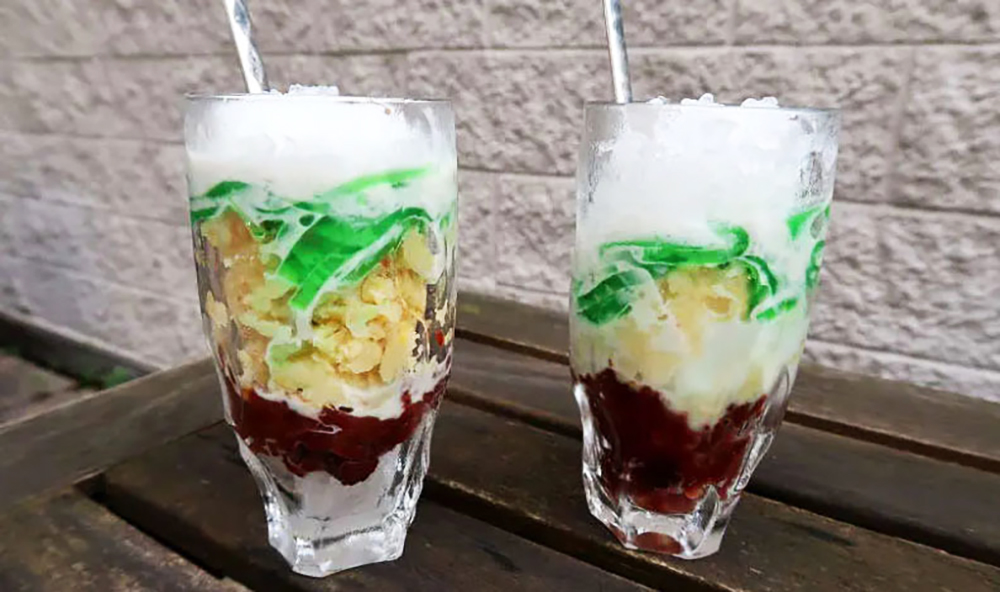
che ba mau
A tricolor dessert brings together sticky rice, tapioca pearls, sweet beans, and occasionally agar jelly, all bathed in coconut milk and garnished with bananas or crushed peanuts. Typically enjoyed chilled, its delightful combination of sweetness and creaminess makes it a beloved choice for summertime enjoyment.
|
|
Two servings of che ba mau include three tiers of red beans, mung beans, and pandan jelly. The image is provided courtesy of Authentic Food Quest.
|
Che khoai mon
claimed the 13th position on the list. This dish features taro pudding crafted from steamed taro chunks, glutinous rice, pandan essence, and sweetener. It can be enjoyed either warm or cooled down, complemented with a drizzle of coconut sauce.
Ranked 23rd,
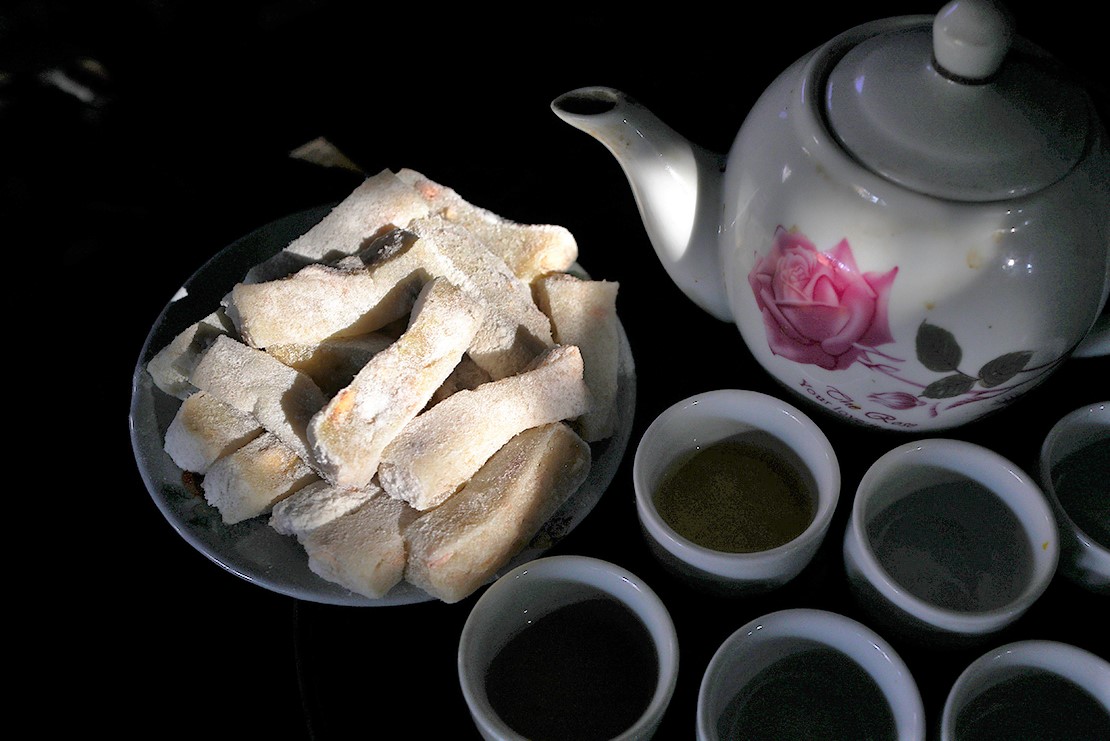
che lam
is a snack made from roasted glutinous rice flour, peanuts, ginger, and molasses or sugar. The snack has a chewy and sticky texture.
Dusted with rice flour and cut into strips, this treat is commonly savored alongside hot tea, providing a blend of sweetness and spice that has made it popular in countryside regions.
|
|
Che lam
is chopped into tiny pieces, then dusted with a coating of toasted sticky rice flour. Photo by VnExpress/Ngoc Thanh
|
In the 25th place,
dui ga bo xoi
The dish described involves chicken drumsticks enveloped insticky rice and thendeep-fried until they achieve a golden-brown color. The combination ofits savoury taste andcrispy exterior has madeit a beloved choicefor celebratory events.
At the top of the list is Klepon from Indonesia, which consists of glutinous rice balls stuffed with palm sugar and dusted with shredded coconut. Close behind are Ichigo Daifuku from Japan, known for their sweet red bean paste-filled mochi wrapped around strawberries, and Lo Mai Fan, a type of Chinesesticky rice dish.
oleh admin | Feb 22, 2025 | baking, cuisine, culinary arts, food and drink, foodies
![]()
Side dish
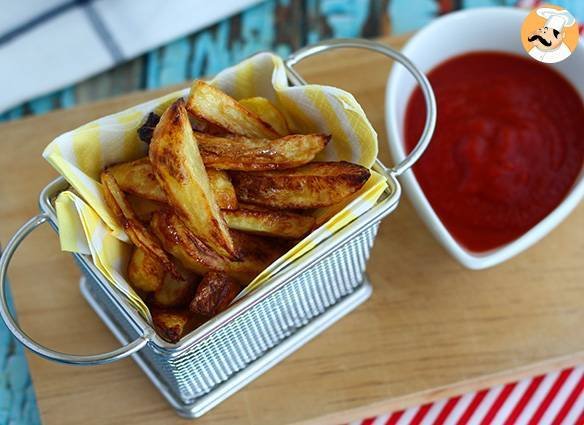
Bakery-style fries for a healthier take on classic deep-fried versions 😉 This super simple recipe promises crunchy exteriors with tender insides 😉 Everyone in your household can relish these whether paired with some grilled meat or a DIY burger 😉
Ingredients
-
500 g
potatoes
-
2 tbsp
olive oil
-
salt
Materials
-
bowl, baking tray, parchment paper, oven
Preparation
-
Step 1:
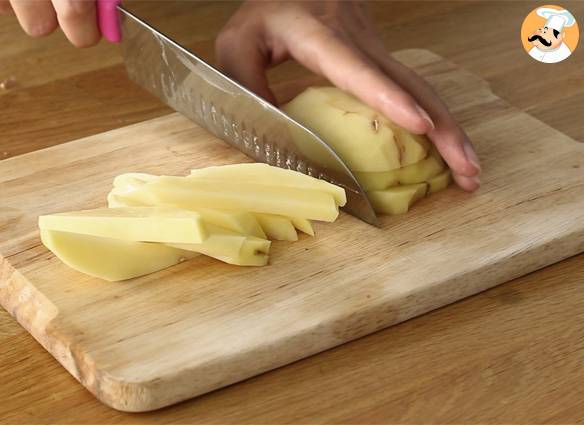
Remove the skin from the potatoes and slice them into fry shapes.
-
Step 2:
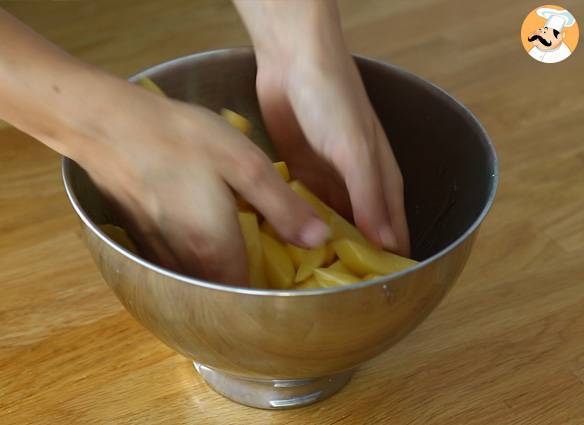
Place the potatoes in a bowl, drizzle with olive oil, season with salt, and combine thoroughly using your hands.
-
Step 3:
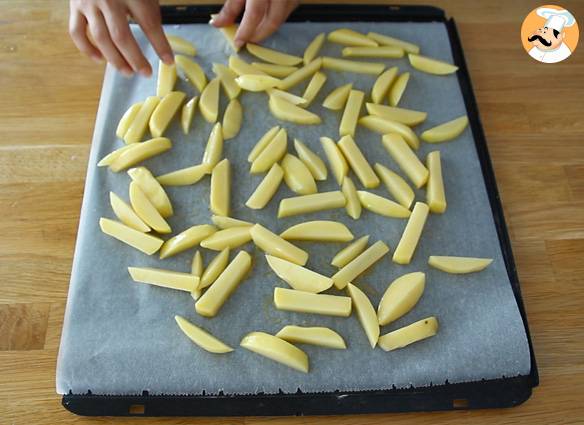
Place them on a baking sheet covered with parchment paper. Cook for 20 minutes at 220°C (430°F).
-
Step 4:
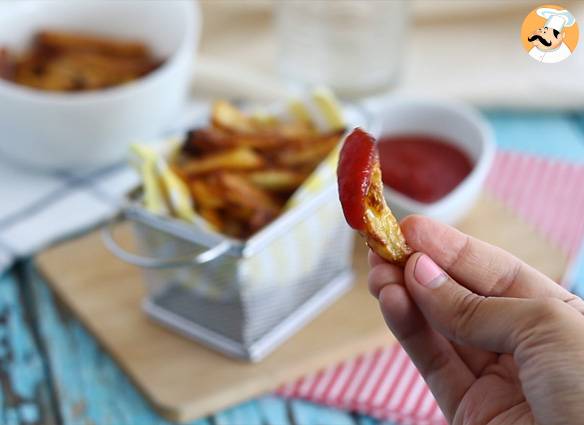
There you go, your homemade fries are all set!
![]()
You may like
-
Homemade french fries
-
Parmesan potatoes, tender from within and crunchy on the exterior!
-
Crispy air-fried mashed potato wedges, an incredibly crunchy side dish!
read more
oleh admin | Feb 22, 2025 | cuisine, dining, food and drink, food culture, foodies

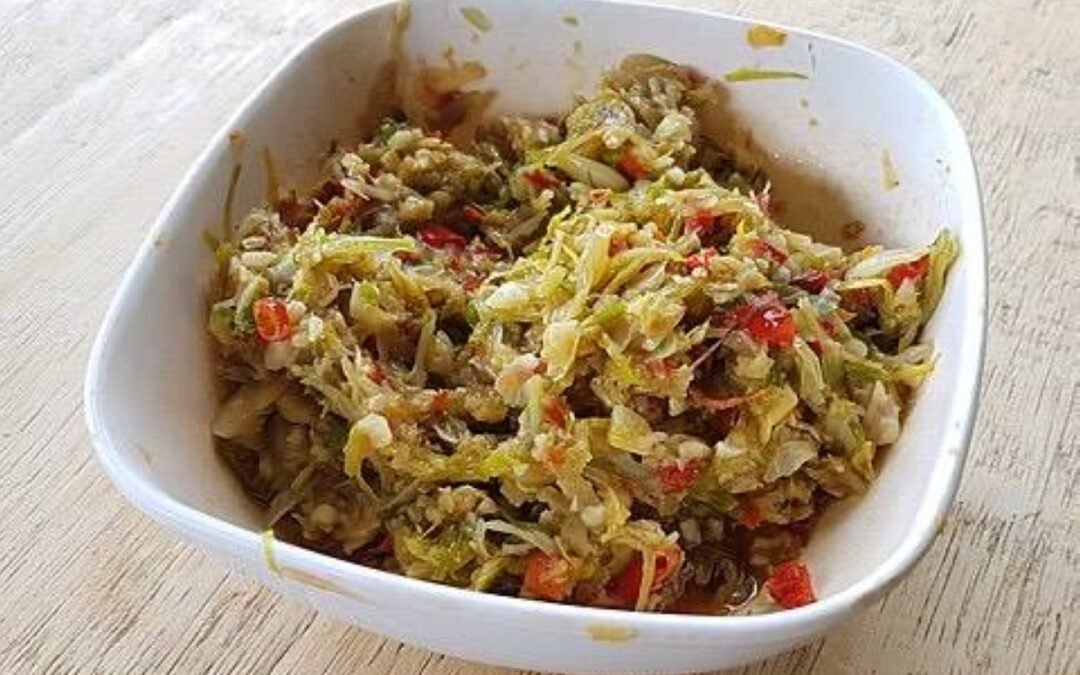
Grateful for Maranao cuisine, palapa stands out as a versatile condiment that complements nearly everything with its robust flavors, deep-rooted traditions, and a distinctive zing in each mouthful. Once we stumbled upon it many years ago, we became enamored. Palapa truly serves as the perfect pampagana (starter).
Initially, palapa might appear straightforward—a golden spread dotted with bits of green and red from minced herbs and peppers. However, do not be deceived by its unassuming look. Each mouthful packs quite a flavorful kick, combining spiciness, sweetness, and an earthly richness. Next thing you know, you have emptied an entire jar.
The key component is sakurab, a kind of wild garlic found in the region of Lanao. Picture it as similar to young spring onions but possessing a more robust taste and scent. It’s mixed together with minced ginger and red pepper flakes. These ingredients are cooked in coconut oil, lending them an enriched smooth texture that mellows their intensity. To enhance the hue, turmeric is included in the mix.
The thing that really distinguishes palapa is its equilibrium. While it has a kick of spiciness, it doesn’t overwhelm; instead, it gently stimulates your palate and makes you crave another bite. The gentle touch of coconut oil’s natural sweetness combined with the grounding flavor of turmeric gives this condiment depth and an irresistible quality that elevates every dish it accompanies.
The greatest thing about palapa is its remarkable versatility. Although some people use it simply as a seasoning, genuine fans understand that it has the ability to enhance nearly every meal.
Below are some of the most common ways to relish it:
Use it as a dip or side dish: Place a scoop beside your barbecued meat or battered fish. The heat from this will beautifully enhance the smoky, caramelized tastes.
Blended with rice: Incorporating palapa into basic steamed rice transforms an ordinary carbohydrate into a irresistibly delicious dish.
Cooking base: A lot of Maranao dishes begin by frying palapa together with various ingredients. This forms the basis for robust, tasty soups and curry-like preparations.
Snack topping: Adding some shredded coconut ‘palawa’ onto boiled eggs, crackers, or even bread can immediately transform a basic snack into a delightfully flavorful experience.
We have tested it with eggs, meats, and fish — all combinations proving delightful in their individual ways. Interestingly, crispy singkamas (jicama) transforms into a zesty delicacy when paired with just a touch of palapa. This condiment also complements robust, long-simmered meals such as beef rendang beautifully; its strong taste cuts through the richness, adding an extra dimension of flavor to each mouthful.
Palapa also offers several unexpected health advantages. The ingredients such as ginger and turmeric are recognized for their anti-inflammatory effects, whereas chili peppers may aid in speeding up your metabolism. Interestingly, even sakurab—the standout ingredient—contains antioxidants that promote general well-being.
We can only wish for a future where palapa becomes commonplace, prominently showcased in Filipino eateries across the country. For now, though, you can easily order jars of this delicious sauce from various e-commerce sites with just an internet click.
For those seeking an unforgettable gastronomic experience, exploring Muslim Town in Quiapo offers genuine Maranao cuisine. Here, palapa is not merely a seasoning but the essence of each dish. Once tasted, you won’t want to miss out again; this flavor becomes your lifelong favorite.
* * *
The author can be contacted via email at kaycalpolugtu@gmail.com or you can follow her on Instagram using the handles @kaycalpolugtu and @aplateofbahaykubo.
oleh admin | Feb 2, 2025 | cuisine, dining, food and drink, foodies, restaurants
Explore Mallorca’s top locations to relish the abundance of its culinary scene.
Mallorca, the biggest among the Balearic Islands, stands out not just because of its idyllic shores and rugged mountains but also due to its delectable food scene. The island boasts an array of delicious cuisines made from locally sourced ingredients, traditional recipes, and high-end meals that make Mallorcan dining worth noting down in your itinerary. To experience genuine flavors of this island firsthand, consider these six eateries offering regional delicacies.
Looking to explore Mallorca? Check out these articles we have on the subject:
-
Majorca: The Most Charming Villages to Explore on the Balearic Island
-
Majorca: Top 5 Stunning Beaches and Coves to Visit This Summer
-
Majorca: Top Snorkeling Locations Around the Balearic Island
Mesón Ca’n Pedro, Genoa, 100% escapism
Situated in the delightful Genoa neighborhood, which lies just outside of Palma, Mesón Ca’n Pedro has been a cornerstone for locals since 1976. As a family-operated eatery, it boasts a cozy and welcoming ambiance that perfectly encapsulates the essence of the local culture. Their menu features traditional fare that showcases authentic flavors.
lechona asada
(roast sow) and
caracoles
(a snail delicacy), complemented by regional wines. The terrace boasts a stunning vista of the Palma bay, ideal for dining outdoors.
Mesón Ca´n Pedro, Génova
Carrer del Rector Vives, 14 remains unchanged as it appears to be a proper address.
07015 Palma
+34 971 70 21 62
Celler Sa Premsa offers an extensive selection of dishes.
Nestled right in the center of Palma de Mallorca, Celler Sa Premsa is a must-visit destination for enthusiasts of regional cuisine. Since opening its doors in 1958, this eatery has been known for its quintessentially Majorcan ambiance, featuring sizable wooden wine casks as part of its décor. Their extensive menu presents an array of traditional local fare, among which stands out the renowned dish.
frito mallorquín
, a stir-fried dish featuring lamb organs paired with potatoes and bell peppers. The restaurant’s exceptional service makes the ambiance truly inviting.
Celler Sa Premsa
Plaça del Bisbe Berenguer de Palou, 8, Centre
07003 Palma
+34 971 72 35 29
Visit Ca’n Joan de S’Aigo for a delightful dessert.
Established in 1700, Ca’n Joan de S’Aigo stands as Palma’s premier chocolatier and café, renowned for its exquisite handcrafted ice cream and traditional Mallorcan ensaimadas—circular pastries with a twist. It remains an essential stop for those seeking a delightful respite. Besides these confections, visitors can enjoy an array of beverages ranging from premium hot cocoa to freshly squeezed orange juice.
Ca’n Joan de S’Aigo
Carrer de Can Sanç, 10
07001 Palma
+34971710759
Between History and Gourmet Cuisine lies Celler Can Amer.
Situated in Lloseta, Celler Can Amer carries a rich historical legacy. Their menu highlights classic Mallorcan cuisine. Must-try items feature the
tumbet
, a baked dish of roasted vegetables typically enjoyed alongside meat or fish, and a must-try
arroz brut
, a zesty and aromatic rice dish. Get ready for a delightful experience.
Celler Can Amer
Carrer Miners, 4
07360 Lloseta
+34 971 50 12 61
Ca Na Toneta, a tribute to organic cuisine
Located in the quaint village of Caimari, Ca Na Toneta shines as a culinary treasure. Managed by the Solivellas sisters, this eatery distinguishes itself with its contemporary take on Majorcan dishes, all the while honoring age-old recipes. Ingredients come primarily from nearby organic sources, frequently sourced directly from their very own herb garden. Every plate served here narrates a tale. The cozy ambiance paired with stunning vistas of the Serra de Tramuntana mountain range enhances the overall dining experience significantly.
Ca Na Toneta
Carrer de s’Horitzó, 21
07314 Caimari
+34 971 51 52 26
Sa Roqueta
, a seafood feast
For those who love seafood, Sa Roqueta in Palma is essential. This quaint, family-operated eatery focuses on meals made from freshly caught fish and sea creatures each day. A standout dish here is the
caldereta de langosta
, a standard lobster soup.
Sa Roqueta
Carrer de la Sirena, 11
07006 Palma
+34971249410

oleh admin | Jan 22, 2025 | cuisine, culture, food and drink, food culture, sweden
Renowned for its dumplings and cinnamon rolls, Swedish cuisine offers a plethora of delightful treats (frequently health-conscious) by blending traditional components derived from local sources. Below are eight must-try Swedish food specialties.
Using primarily straightforward, seasonally available ingredients often sourced locally, which showcase the nation’s abundant biological diversity and deeply ingrained culinary customs closely tied to various festivities and celebrations, traditional Swedish food is embedded within the very essence of its people, with even the most celebrated dishes bearing this heritage.
Swedish chefs draw inspiration
From here, what local delicacies should you sample when visiting the Scandinavian realm? Here’s our eight-dish response.
Are you thinking about visiting Sweden?
Here are some
articles
to
help you
plan out
your stay:
-
Sweden: 4 Top Spots for Swimming in Stockholm During Summer
-
Sweden: The Most Picturesque Villages and Small Towns to Explore During Summer
-
Sweden: 3 Unmissable Treks for Summer Exploration
Sweden’s 8 Most Iconic Culinary Specialties
K
öttbullar
No compilation of Swedish specialties would be complete without mentioning
köttbullar
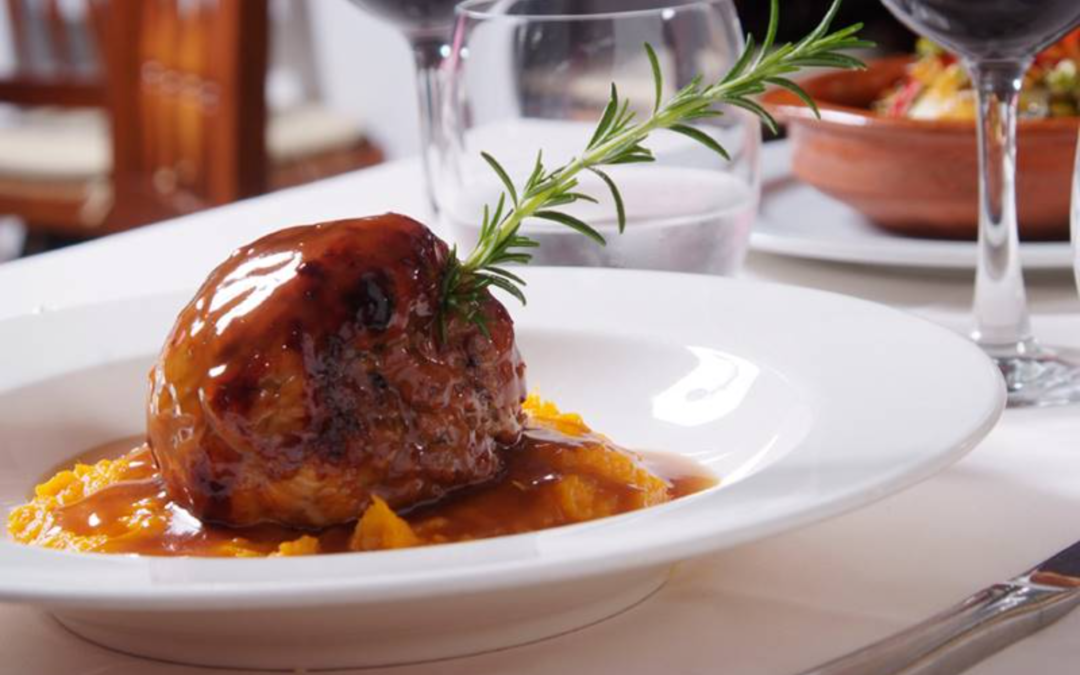
, the famous meatballs made from beef or pork, onion, breadcrumbs soaked in milk, eggs and spices. They are typically served with mashed potatoes, brown sauce (
gräddsås
) and lingonberry preserve.
Gravlax
The world owes much to the Swedes for bringing it gravlax, a recipe for raw salmon marinated in a mixture of salt, sugar and dill, which can now be found on many restaurant menus. In
Sweden
Gravlax is typically served with a mustard and dill sauce (hovmästarsås) along with freshly made crispy bread.
S
urströmming
Another typical Swedish fish speciality,
surströmming
Is a strongly scented dish made from fermented herring, typically consumed alongside flatbread.
tunnbröd
), potatoes, and red onion. Give it a try yourself; however, you may need to adjust to the potent aroma!
S
mörgåsbord
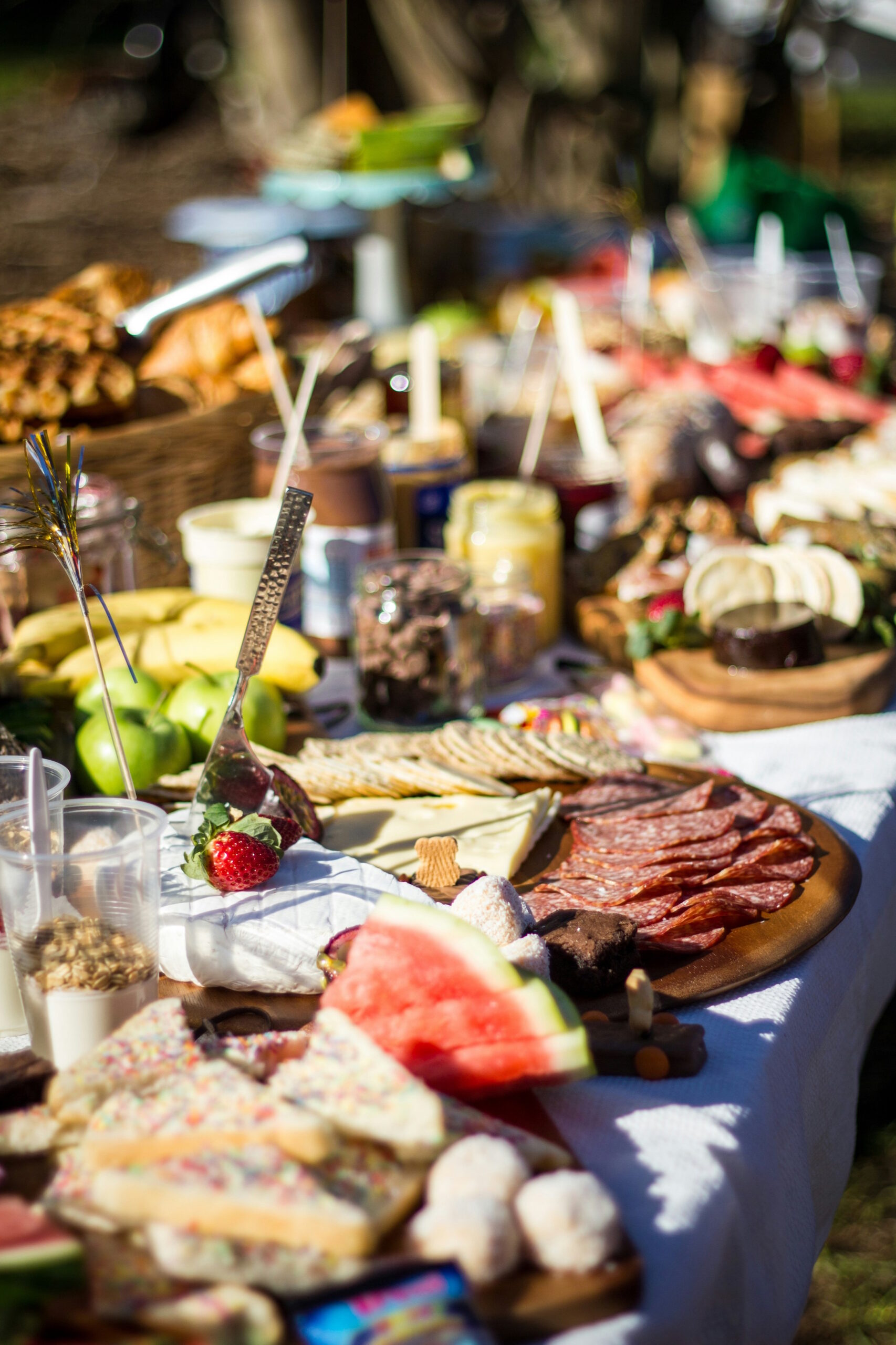
Designed as a festive meal,
smörgåsbord
The Swedish version of a buffet dinner includes classic Swedish items like pickled fish, cold cuts, hard-boiled eggs, roasted beef, an assortment of cheeses, salads, and vegetables, along with some warm dishes. It is complemented by rye bread, butter, and a selection of sauces served alongside.
R
äksmörgås
Commonly consumed on the move, for midday meals or between-meal bites,
räksmörgås
is a prawn sandwich – though it looks more like a toast – with hard-boiled egg, lettuce, tomato and cucumber, served on a slice of rye or white bread with a cream of dill and fish roe.
Ä
rtsoppa och Pannkakor
Ärtsoppa och Pannkakor is a hearty yellow spiced pea soup containing pork, typically enjoyed alongside thin pancakes.
pannkakor
jam and whipped topping for
dessert
. It is a quintessential family recipe, with roots in the country’s rural cuisine, and was most often eaten on Thursdays.
P
rinsesstårta
Prinsesstårta
owes its name to the young princesses and nobles of the 1920s who were particularly fond of it, but this typical Swedish cake, covered in green marzipan and a sugar rose, will win over your heart just as well. With its layers of fluffy sponge cake topped with whipped cream, vanilla cream and raspberry jam,
prinsesstårta
is usually served at parties and birthdays.
K
anelbullar
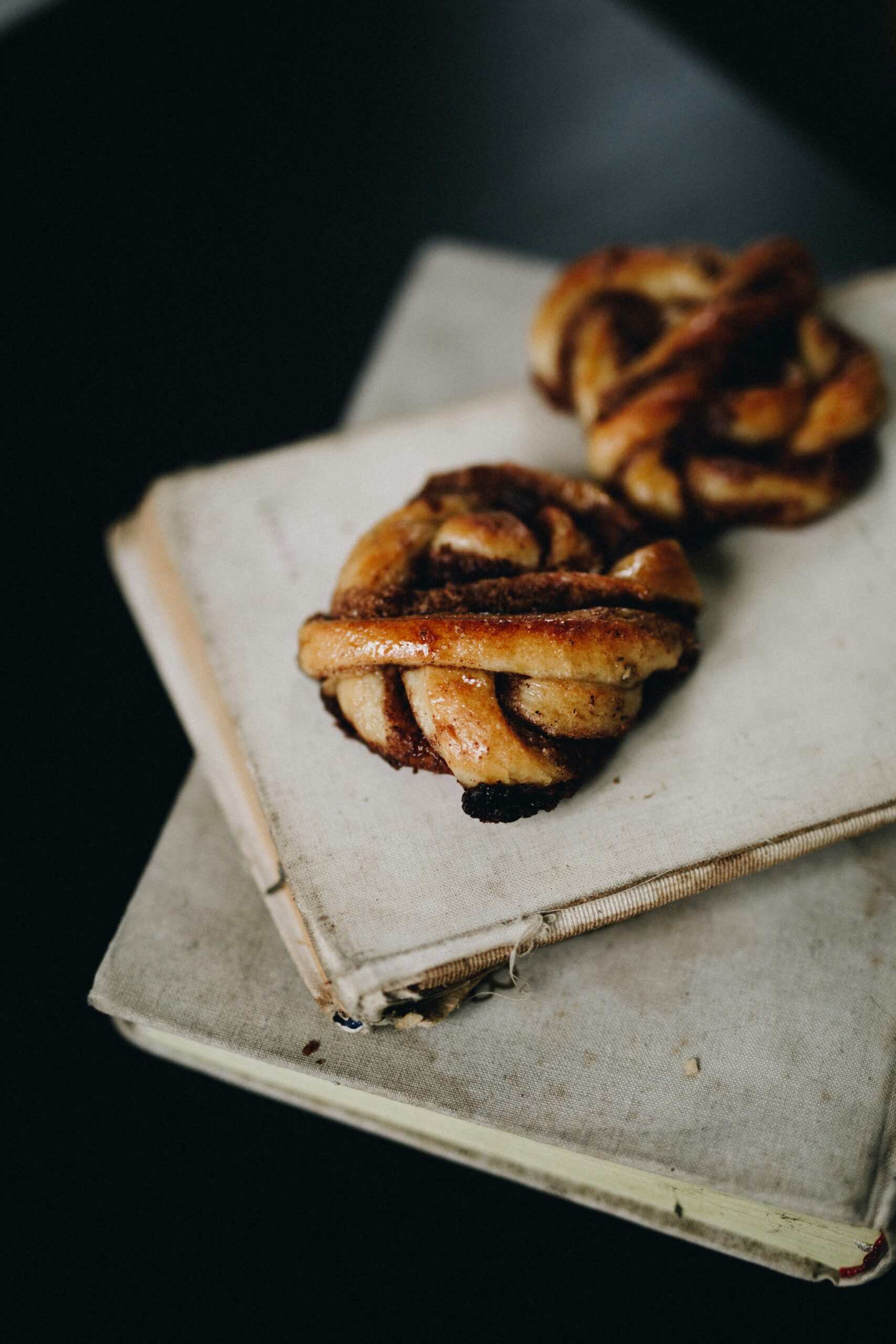
The
famous cinnamon roll
, a star of
fika
– the
Swedish snack break
– could swiftly turn into your new favorite treat during a visit to Sweden. This sugary roll infused with cinnamon and cardamom, twisted into a swirl that will leave you dizzy, and topped with tiny sugar balls, is ideally savored when warm, accompanied by a cup of tea or coffee.

oleh admin | Nov 30, 2024 | cuisine, culture, food and drink, food culture, foodies
Blending elements from Mediterranean cooking with Alpine touches, Slovenian cuisine offers a wide array of genuine flavors. Below is a rundown of must-try dishes when visiting Slovenia!
Štruklji
the symbol of Slovenian cuisine
Štruklji
The national pride and joy is a pastry crafted from rolled dough filled with curd cheese and then baked in an oven. This versatile dish can also be found in
Croatian cuisine
It can be enjoyed either warm or chilled, as both a savory dish or a dessert. Different areas of Slovenia have their own variations: you might find apples, walnuts, ricotta cheese, smoked ham, red peppers, or truffles incorporated into the recipe.
Kranjska klobasa
a sausage brimming with personality
Produced in the area of Carniola, approximately at the nation’s center.
kranjska
klobasa
Carnolise sausage, a smoked pork sausage flavored with garlic and pepper, is typically enjoyed alongside cabbage, potatoes, and Sečovlje salt. This dish stands as an iconic representation of Slovenian cured meats, celebrated for its robust taste and crisp consistency. Throughout Ljubljana, each classic eatery features this specialty on their menu offerings.
Potica
a cake designed for celebrations
Potica
is the quintessential
Slovenia
Desserts, particularly those enjoyed during the holidays. This softly textured cake, which benefits from a gradual rise, takes inspiration from the jelly roll style. It’s crafted using brioche dough and features fillings like walnuts, honey, poppy seeds, lemon zest, or sometimes even chocolate. As with many traditional dishes, numerous variations abound; every household often boasts its own cherished recipe passed down through generations.
Bograč
, the stew from Prekmurje
Bograč
is a flavorful meat stew cooked slowly over an extended period using chunks of beef, pork, and wild game. Hailing from the Prekmurje area in the eastern part of the nation, it was
inspired by Hungarian goulash
. It boasts a delightful aroma and heartiness, typically presented in a big cast-iron pot. Perfect for warming up post-hike in Slovenia’s hilly regions.
Žganci
: simple countryside flavours
Žganci
Is a humble and wholesome meal created by blending buckwheat flour with water and butter, then typically enjoyed alongside curdled milk or cabbage. Much like polenta, this rustic dish reflects Slovenia’s agricultural heritage and its connection to mountainside communities. Each mouthful offers a comforting taste of home. Savor it as part of your morning fare for a great beginning to your day!
The Soča trout, the gem of the river systems
In the Soča Valley—a region at the frontier with
Italy
Renowned for its crystal-clear river and picturesque forests—the native trout here is considered a prized dish. Known for its tender meat and hints of blue-green coloration, this fish shines when slow-roasted in an oven, complemented perfectly with seasonal veggies and a dash of lemon juice. Though straightforward, this preparation method captures the essence of Slovenia’s deep connection to locally sourced ingredients, crafted without unnecessary embellishments.


