


Liberty Galati: How EU Policy Changes Are Saving Romania’s Steel Giant from Insolvency
Liberty Galati, the only fully integrated steel manufacturer in the area, aims to restart operations at full capacity, targeting 2 million tons annually. This figure represents roughly two-thirds of its designed capacity as outlined in the pre-insolvency proposal sanctioned by the court earlier this month. Additionally, adjustments in the EU’s plans for defense and energy might provide support crucial for its survival.
Liberty Galati needs to develop a recovery strategy within two months, aiming for production levels exceeding 172,000 tons monthly, as indicated in the pre-insolvency document reviewed by Profit.ro. The European Union’s initiatives to enhance defense manufacturing, tackle inexpensive steel imports, and establish more feasible carbon reduction goals might arrive suitably timed to aid the firm during this critical period where its existence hangs in the balance.
The preliminary insolvency process enables the firm to utilize the RON 750 million loan provided by Exim Banka Românească exclusively for operational funding.
Moreover, Liberty Steel was assured of RON 350 million worth of contracts from firms in the defense sector – however, this hinges upon how swiftly these companies can formulate their production plans.
The Romanian steel manufacturer will additionally gain advantages from the extension of the favorable policy designed for energy-heavy businesses regarding the payment of “green certificates.” For the last decade, these energy-consuming firms were permitted to buy reduced numbers of green certificates—a method used to support wind and solar initiatives—though this program is scheduled to conclude at the end of this year.
Nevertheless, the elevated energy costs in Romania relative to many other European nations pose significant challenges for Romanian businesses, such as Liberty Steel.
Ultimately, the European Union’s decision to restrict the imports of cheap steel might assist Liberty Steel in achieving profitability.
The European Union plans to impose stricter steel import quotas, aiming to decrease imports by an additional 15% starting from April. This announcement was made last week by Stefan Sejourne, the Executive Vice President of the European Commission, according to reports.
G4media.ro
The move aims to stop the European market from becoming saturated with inexpensive steel, in response to the 25% tariffs on steel and aluminum imports introduced by President Donald Trump.
iulian@romania-insider.com
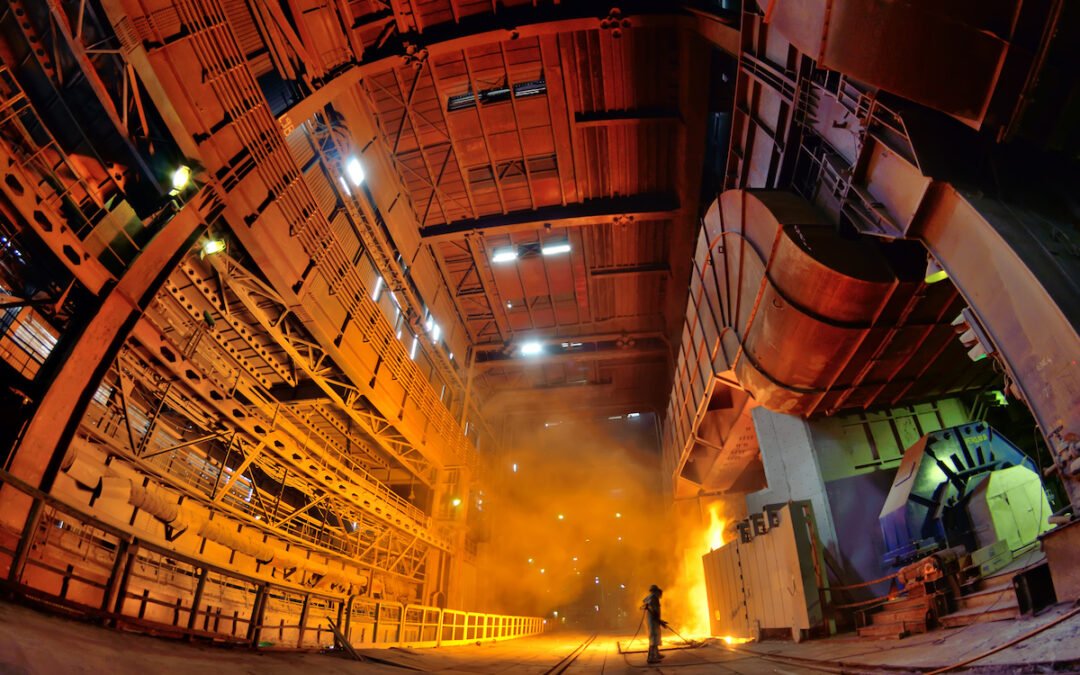
(Photo source: Liberty Galati)