



Greenlandic Lawmakers Unite Against US Pressure Ahead of JD, Usha Vance Visit
Lawmakers in Greenland reached an agreement on Thursday to establish a new government as they faced increased pressure along with fresh threats from U.S. President Donald Trump regarding the potential annexation of this Danish-controlled Arctic territory.
Four out of the five political groups that won seats in Greenland’s Parliament last month have decided to join forces and create a coalition with control over 23 of the 31 available legislative positions. This deal is expected to be formalized on Friday, as reported by regional news outlets.
The accord occurs as Trump escalates and strengthens his attempts to take command of the Arctic territory “by one means or another”.
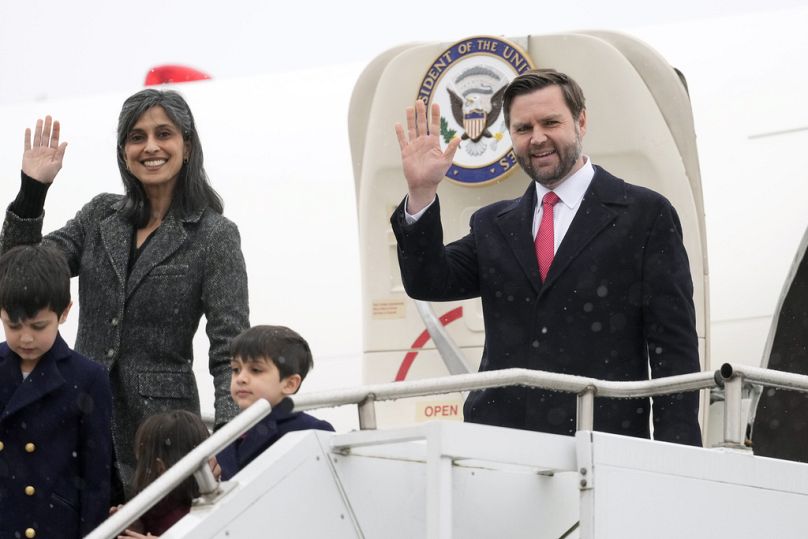
The US Vice President, JD Vance, is set to arrive in Greenland on Friday. Accompanied by his spouse, Usha Vance, he plans to visit the United States’ Pituffik Space Base, an installation involved in missile monitoring and defense activities.
Initially, Usha planned to make the trip alone, but on Wednesday, JD declared he would join her so she wouldn’t have “all that fun by herself.”
Jens-Frederik Nielsen, who leads the Demokraatit party—the largest group in parliament—has been keen on establishing a wide-ranging coalition. Ever since his center-right party unexpectedly won the elections on March 11th, Nielsen has maintained that swiftly forming such a coalition is crucial for withstanding American influence.
Greenland’s Prime Minister Múte Bourup Egede has strongly criticized the Vance family’s planned visit, referring to it as “highly provocative.”
“Up until recently, we could confidently depend on the Americans, who were our allies and friends, and with whom we enjoyed working very closely,” stated Egede to the local press.
“But those days are gone, we must acknowledge this, as the new American leadership is entirely and totally unconcerned with what we’ve jointly upheld until now; they’re simply intent on seizing control of our nation above our heads,” he said additionally.
Trump covets Greenland, a self-governing region of Denmark, because it has rich mineral deposits and straddles strategic air and sea routes at a time when the US, Russia and China are all vying for position in the Arctic.
Putin isn’t taken aback by the revived U.S. interest in Greenland.
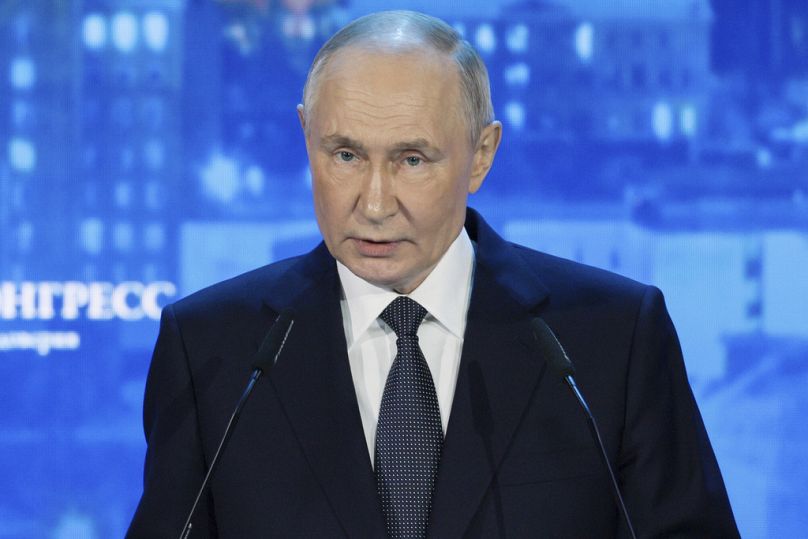
Russian President Vladimir Putin stated on Thursday that Trump’s initiative to gain control over Greenland was not unexpected, considering the long-standing American interest in the mineral-abundant region.
At a policy discussion held in the Arctic city of Murmansk, Putin pointed out that the U.S. contemplated strategies to gain dominance over Greenland during the 1800s, and later proposed purchasing it from Denmark following World War II.
“It might appear astonishing initially but it would be incorrect to think this as mere sensational rhetoric from the present US administration,” Putin stated.
It’s clear that the United States will keep pushing forward with its strategic goals related to geopolitics, military presence, and economics in the Arctic region.
Trump irked much of Europe by suggesting that the United States should in some form control the self-governing, mineral-rich territory of Denmark, a US ally and NATO member.
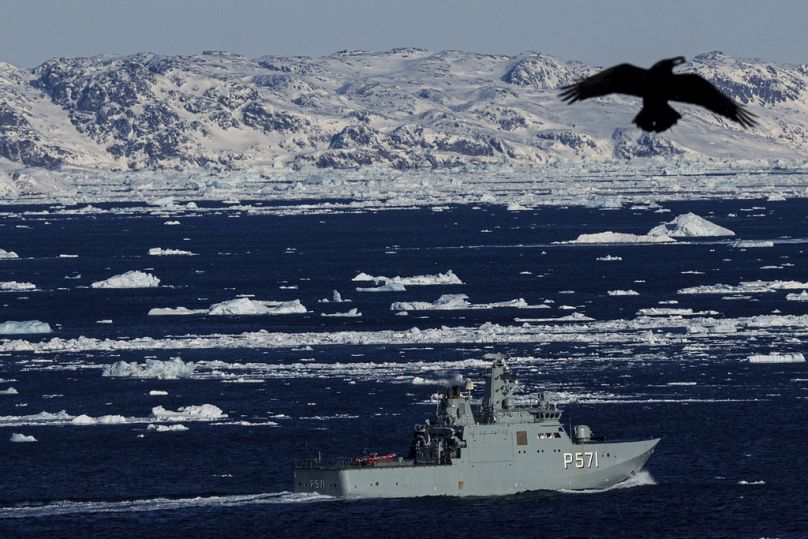
Being the maritime entry point to the Arctic and North Atlantic routes towards North America, Greenland holds significant strategic importance due to China and Russia’s interest in utilizing its sea passages and exploiting its natural wealth.
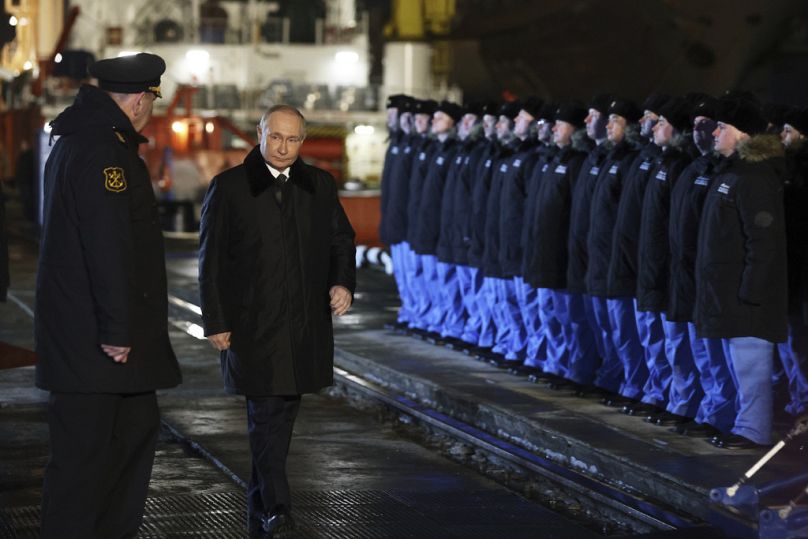
Putin stated that Russia is concerned about NATO’s actions in the Arctic and plans to address this by bolstering its own military presence in the area.
“We are definitely worried about NATO members referring to the Far North as an area where potential conflicts might arise,” he stated, pointing out that neighboring countries to Russia—Finland and Sweden—are now part of the alliance.
Russia has not posed any threat to anyone in the Arctic region; however, we will keep a close watch on the unfolding events and respond appropriately by enhancing our military capabilities and upgrading our military facilities.
Russia has aimed to extend its control across large parts of the Arctic, contending with the United States, Canada, Denmark, and Norway. This push comes as global warming leads to diminishing polar ice, opening up fresh possibilities for resource extraction and navigation pathways.
China has likewise exhibited growing interest in the area, thought to contain as much as one-quarter of the planet’s untapped oil and natural gas resources.
“We will not permit any violations of our nation’s sovereignty, steadfastly protect our national interests, and at the same time advocate for peace and stability in the polar regions,” stated Putin.
As he committed to bolstering Russia’s military presence in the Arctic, Putin emphasized that the Kremlin remains open to wider global collaboration in the area.
