Ghana Chooses U.S. and China as Partners for First Nuclear Power Plants

Ghana Chooses U.S. and China as Partners for First Nuclear Power Plants

By Albert Oppong-Ansah, GNA

On March 27, Accra – The Ghana News Agency reported that Ghana has chosen the United States and China as suppliers for its initial nuclear power facilities; however, no official agreement has been finalized yet.

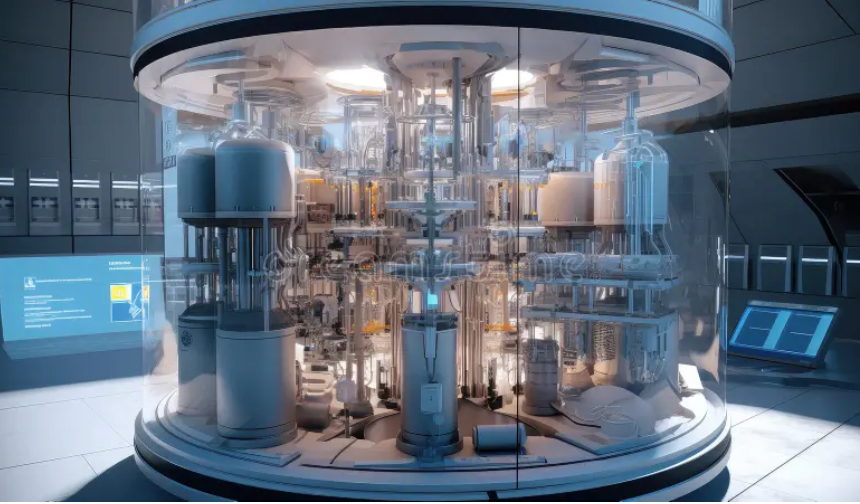
NuScale Power based in the United States and Regnum Technology Group, along with their Japanese partners, plan to construct Small Modular Reactors (SMRs). Meanwhile, China National Nuclear Corporation will be responsible for building a Large Reactor (LR).

Dr. Stephen Yamoah, the Executive Director of Nuclear Power Ghana, revealed this information to the Ghana News Agency during a media engagement in Accra on Wednesday.

He stated that the LR project will have a capability of 1,200 megawatts, whereas the SMR units will consist of 12 modules with each producing 77 megawatts, amounting to a combined total of 924 megawatts.

Dr. Yamoah stated that the LR would adopt a Build, Operate, and Transfer (BOT) financing approach, including local investment involvement, whereas the funding for the SMRs would be facilitated via Public-Private Partnerships (PPP).

Ghana has entered into a framework agreement with the suppliers, and specialists are collecting environmental and marine information to identify the site for the facility.

Mr. Archibold Buah-Kwofi, who serves as the Acting Director of the Nuclear Power Institute, emphasized the importance of having reliable and cost-effective power sources for the country’s progress. He pointed out that Ghana’s current energy supply predominantly depends on fossil fuels and hydropower, with only one percent coming from renewable resources.

“We must expedite the implementation of nuclear power to ensure our energy security,” he stated, emphasizing the necessity for strong regulatory systems and competent personnel.

It is anticipated that nuclear power will lessen dependence on fossil fuels, alleviate climate change impacts, and improve energy security.

The administration aims to incorporate one gigawatt of nuclear energy into the electricity grid by the year 2034.

The facility will aid in industrialization, offset the reduction in hydraulic resources, reduce electricity rates for businesses, facilitate water desalination, and generate employment opportunities.

The choice of vendors was made after an extensive procedure, beginning with 16 submissions in response to the government’s request.

A technical group, under the guidance of the Energy Ministry, narrowed down the options from five to select the final two.

Ghana’s pursuit of nuclear technology, which was halted due to a coup in the 1960s, was reignited in 2006 with assistance from the International Atomic Energy Agency (IAEA).

Several African countries are aiming for nuclear energy as a solution to their power issues and to boost economic development.

GNA

KAS
Provided by Syndigate Media Inc. (
Syndigate.info
).

Romanian SMR Project Partner Closer to Land Sale Deal With Nuclearelectrica

Romanian SMR Project Partner Closer to Land Sale Deal With Nuclearelectrica

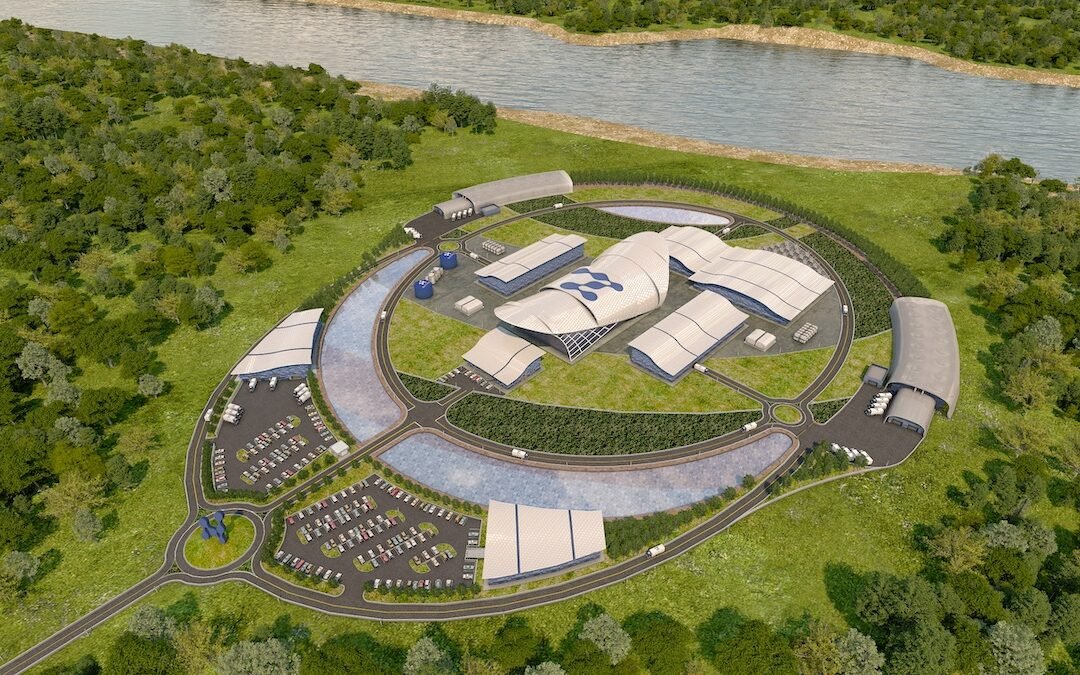
The Romanian Ministry of Energy, holding an 82% stake as the main shareholder, instructed Nuclear Electrica (SNN), through a notification sent to investors, to proceed with the transaction where their joint venture (JV) partnership with private firm Nova Power and Gas (NPG) would acquire the parcel of land intended for developing the initiative—a small modular reactor (SMR) facility in Doicesti—from NPG itself.

When the notice was dispatched to stakeholders prior to the close of trading on March 21, the value of SNN’s stock fell by 4%.

In January, officials from the Ministry of Energy refrained from supporting the protocols for purchasing the land during the shareholders’ assembly, as reported.
Profit.ro
.

The partnership deal finalized in September 2022 between SNN and NPG apparently stipulates that the land will be sold based on its book value (along with additional expenses involved), instead of its current market value as suggested in the document submitted for approval to SNN’s shareholders, reports Profit.ro.

The state-owned Nuclearelectrica (SNN) and Nova Power and Gas (NPG), which is controlled by Romanian entrepreneurs Teofil Mureșan, Simion Mureșan, and Marian Pantazescu, established a 50:50 joint venture called Ropower Nuclear—a project company—in September 2022. The purpose was to develop a small modular reactor (SMR) project anticipated to have costs ranging from €4-6 billion.

NPG was chosen by Nuclearelectrica due to owning the location of a decommissioned coal-fired power station in Doicesti, which was deemed suitable for the project thanks to its pre-existing infrastructure. Although NPG operates within the energy sector, its experience with a venture of this scale—the small modular reactor (SMR) initiative—and its financial capabilities (along with the assurances it can offer) fall short when contrasted with those of Nuclearelectrica.

The amount that Ropower Nuclear has agreed to pay NPG for the parcel of land will reflect the current market value, established under typical market circumstances and adhering to all pertinent legal requirements, as stated in the document shared with Nuclearelectrica’s shareholders for approval at their general assembly scheduled for April 8.

The cost will encompass all expenses NPG has covered regarding the land, such as financial charges, capital investments, costs associated with enhancements, upgrades, cleanup efforts, and modifications made to the property from when NPG acquired title until the nuclear power plant site transfers from NPG to the project company. This also includes expenditure for maintaining, conserving, and managing the land, which occurred after the contract was signed but before transferring the NPG property to the project entity. It should be noted that the project firm might ask NPG to furnish documentation substantiating these figures, ensuring they aren’t duplicated within the previously stated evaluation document.

iulian@romania-insider.com

(Photo source: Nuclearelectrica.ro)