


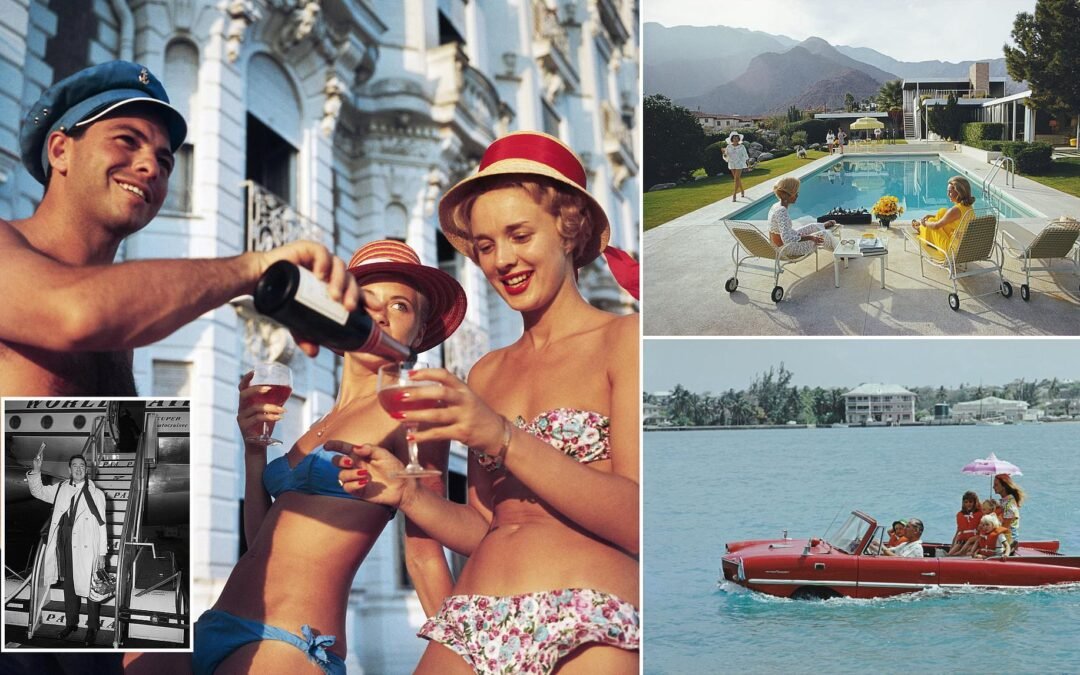
War Photographer’s Rise: From Rags to Riches Capturing High Society’s Beauty
The name Slim Aarons may bring back recollections of a photo album you previously noticed adorning the coffee table of a stylish acquaintance, along with the lyrics to a
Lana Del Rey
A song or a dreamlike painting showcasing sun-kissed arms and sparkling blue water hung on the wall of a hotel room.
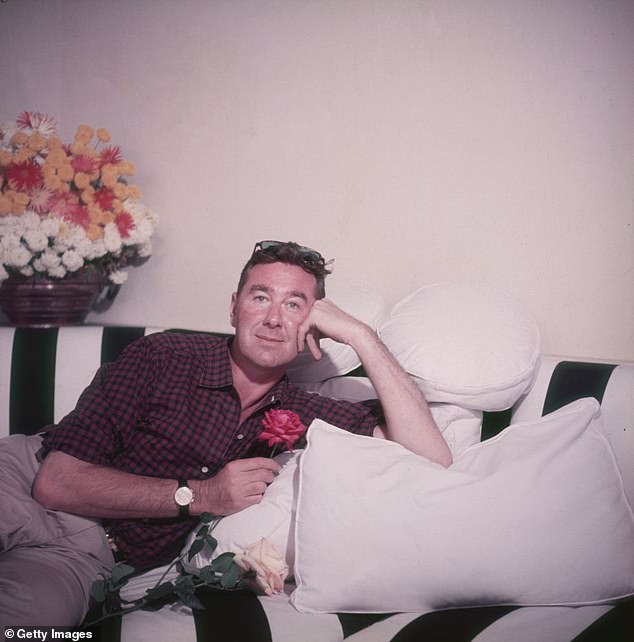
However, the reality is that very little is officially known about Aarons.
As with many artists, he did not appear as the focus of his creations; instead, he served as the sharp observer who defined an influential style of photography that showcased the genuine elegance and opulence of upper-class life from the 1950s through the 1990s.
Renowned for capturing images of the wealthy, celebrities, and aesthetically pleasing individuals, Aarons would journey alongside his captivating models and society clients during the different seasons as they spent their holidays in the Alps and Mediterranean regions.
A Getty museum curator and writer of “Slim Aarons: The Essential Collection,” Shawn Waldron, stated to the Daily Mail that the photographer’s achievements were due to his unmatchable charisma.
“He simply entered the correct social groups in Hollywood and formed friendships with many actors and actresses. Hollywood directors admired him. He was truly a very charismatic and approachable individual,” Waldron stated.
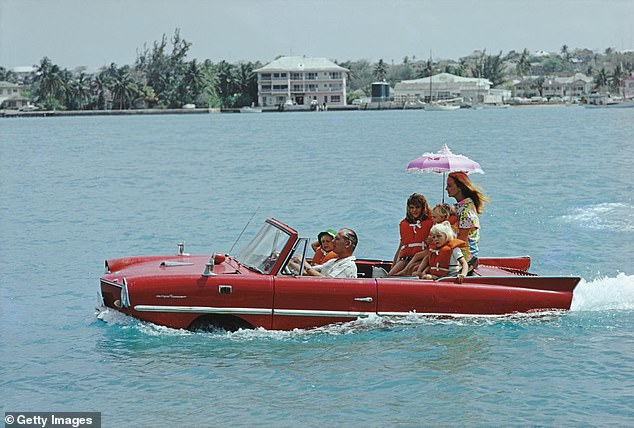
He built his profession around what he described as “capturing appealing individuals engaging in pleasant activities within beautiful locations.”
This appealing group consisted of Hollywood actors, European nobility, fashion models, high society individuals, and U.S. political figures.
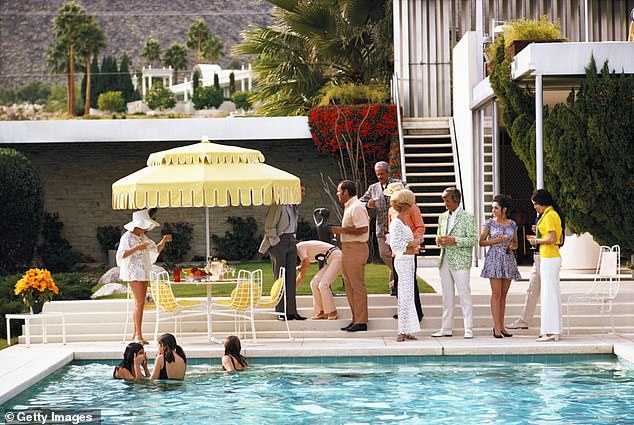
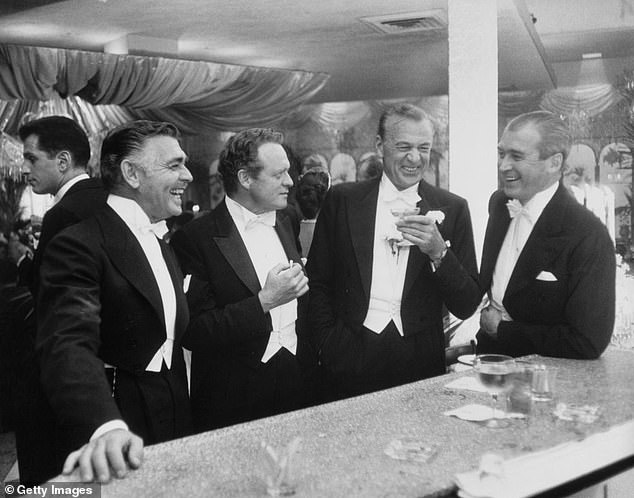
The photograph featuring actors Clark Gable, Van Heflin, Gary Cooper, and James Stewart—entitled “Kings of Hollywood”—is still well-known today.
He took an exclusive photograph of Marilyn Monroe at the height of her fame, seated on a sofa organizing her fan letters, dressed in a red silk nightgown edged with black lace in 1952.
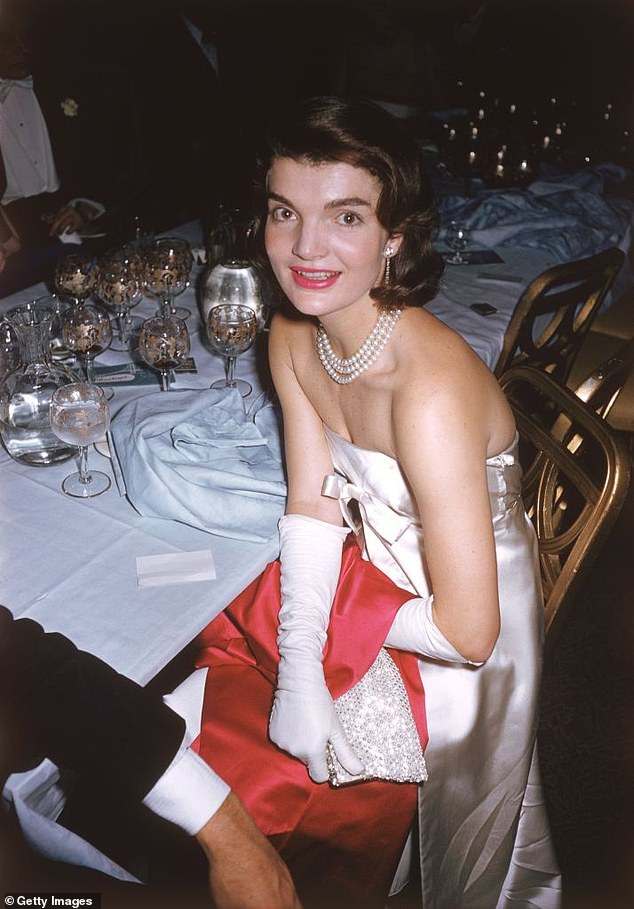
An image he captured of Jacqueline Kennedy at the 1957 April in Paris Ball remains among the most widely shared photographs of the former First Lady.
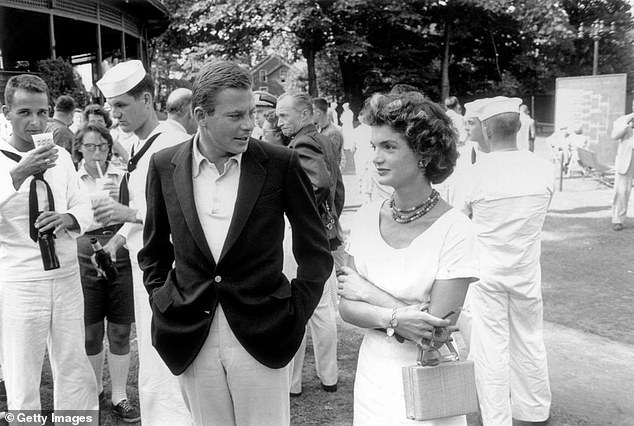
Aarons was also photographed four years prior with American diplomat Michael Canfield during the Newport Casino Tennis Week in Rhode Island, and once more at a 1959 White House event.
It’s reasonable to assume the photographer definitely had connections at higher levels, and those relationships allowed him to travel extensively.
His photographs from summer holidays have reached the peak of what individuals desire for their “European summers.”
He was experiencing his optimal lifestyle long before the expression came into being.
However, Aarons’s life wasn’t always filled with happiness and luxury vehicles.

George Allen Aarons was born on October 29, 1916; the renowned photographer came from a family of Yiddish-speaking immigrants residing in a tenement located on Manhattan’s Lower East Side.
His mother faced mental health challenges and was hospitalized at a psychiatric facility when he was still a child, leading to him being cared for by various family members.
He felt resentment toward his father and maintained no connection with him, while his brother Harry took his own life, as stated in a 2016 documentary titled “Slim Aarons: The High Life.”
Nevertheless, Aaron’s life changed when he joined the U.S. Army at the age of 18.
He later worked as a photographer at the United States Military Academy, and subsequently served as a war correspondent during World War II — an experience that resulted in his receiving a Purple Heart.
Following the war, Aarons’s photographic focus shifted considerably from battlefields to shorelines.
I believe his story is somewhat of a traditional American tale,” Waldron stated. “He was
Entered the war under the name of George Aarons, and emerged as Slim Aarons, a renowned photographer.
“It somewhat resembles Gatsby, or Don Draper,” Waldron added.
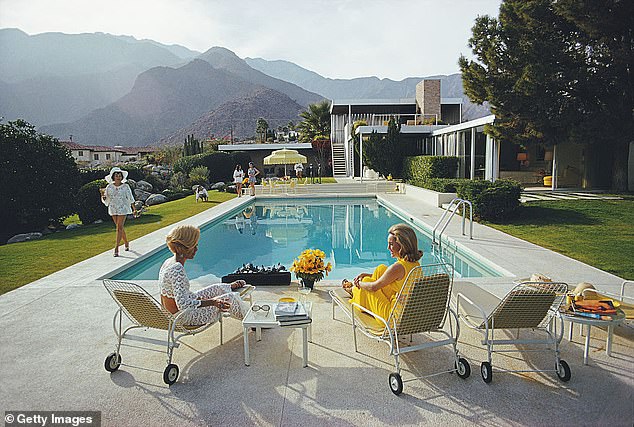
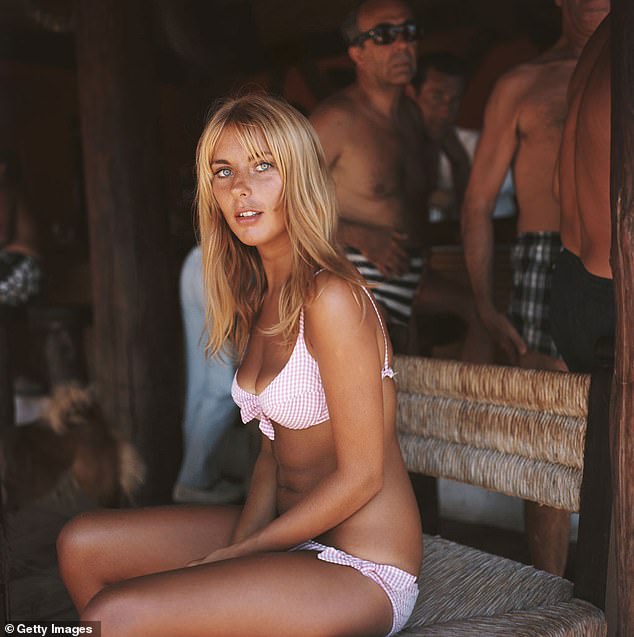
He relocated to California and started taking photos of famous people.
They would bring me to one of their gatherings, as they were aware I wouldn’t cause them harm. I belonged among them.
Waldron stated that Aaron’s secret lay in not making his subjects appear unfavorable.
His camera captured gatherings and celebrations, seashores and vessels, peaks and estates.
His recreational spots were spread around the world in some of the most visually stunning locations: Beverly Hills, Palm Beach, Cannes, Haiti, and the Bahamas.
“Slam was an anthropologist using his camera,” says photographer Douglas Friedman.
He recorded an entire period.”
“He chronicled a whole epoch.”
“He captured an entire time span.”
“He preserved an entire age.”
“He noted down an entire generation.
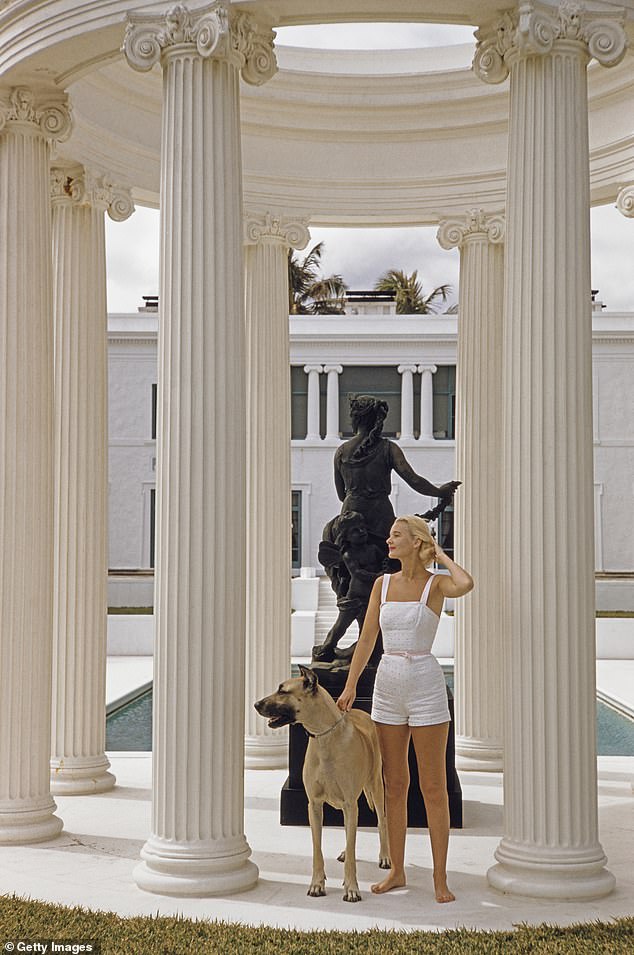
A renowned photograph captured American society figure CZ Guest alongside a big Great Dane in 1955 at her Grecian-style temple pool located on the seaside property known as Villa Artemis in Palm Beach.
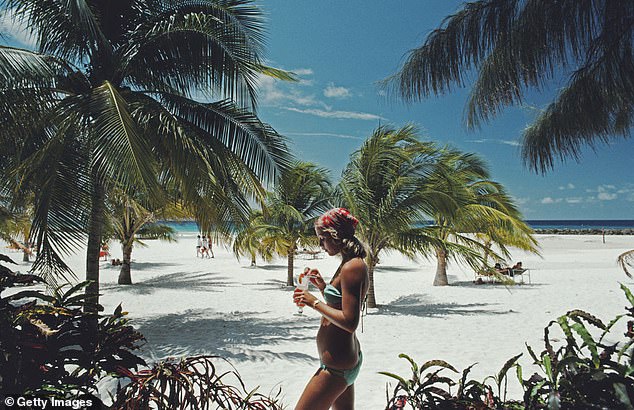
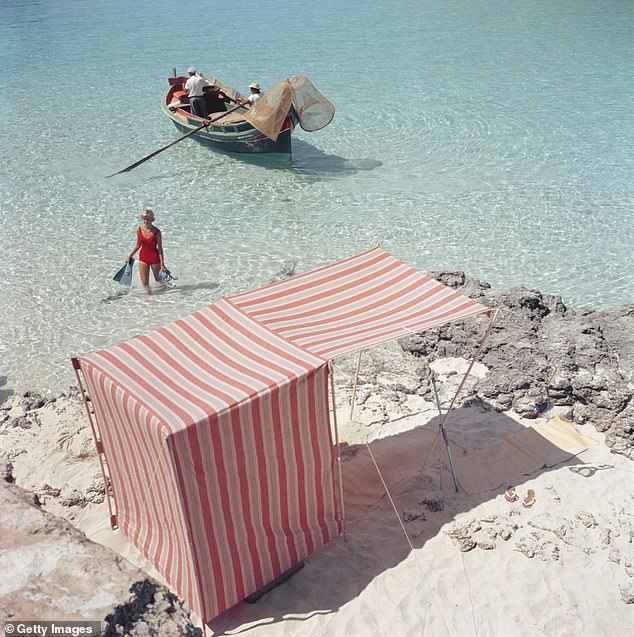
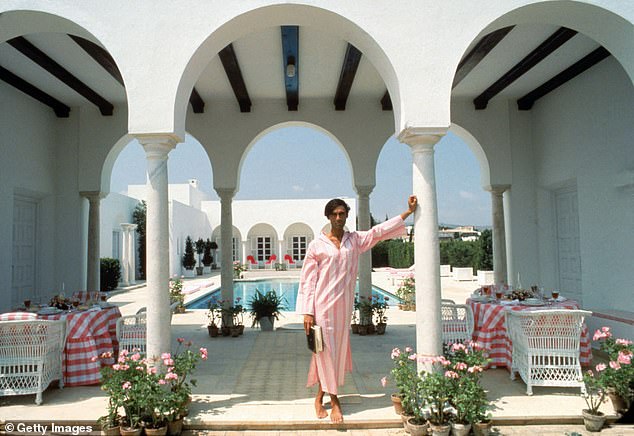
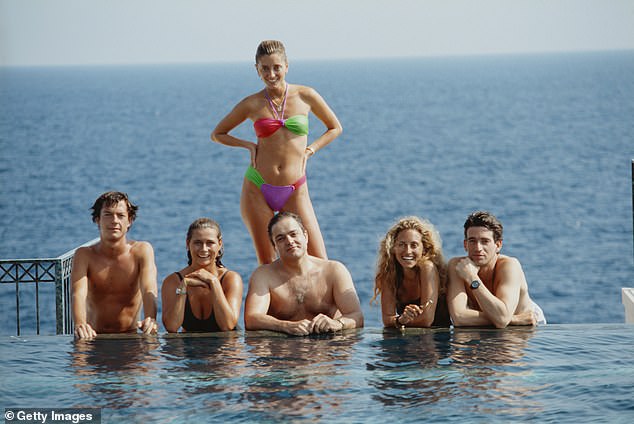
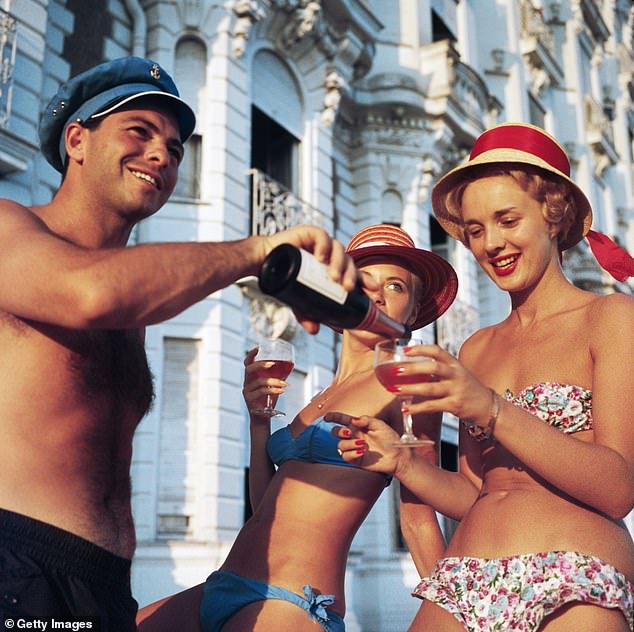
Numerous of his images were taken at the Carlton Hotel in Cannes, featuring tourists enjoying champagne while wearing swimwear, water skiing, and relaxing on boats.
His photographs appeared in the high-quality pages of the era’s top publications — Life, Holiday, Town & Country, Travel + Leisure, and Vanity Fair.
He blended effortlessly into the upper class due to his low-key approach.
No designers or beauty experts were involved; he carried his own photographic gear and often worked alone without help.
He did not use flashy or strobe lighting; “I favor natural light,” he stated.
Aaron would come early for his photo sessions and remain until cocktail hour.
As a result, his noon photographs highlighted the brilliance and vividness of intense daylight, while his evening images portrayed the identical setting with the magical glow of golden hour.
As he integrated himself into the everyday habits of his upper-class clients, he gained their confidence and was welcomed into their most private spaces — bedrooms, backyard areas, vessels, and beyond.
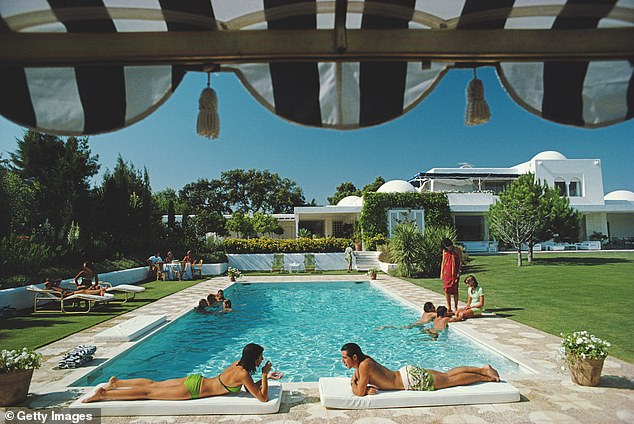
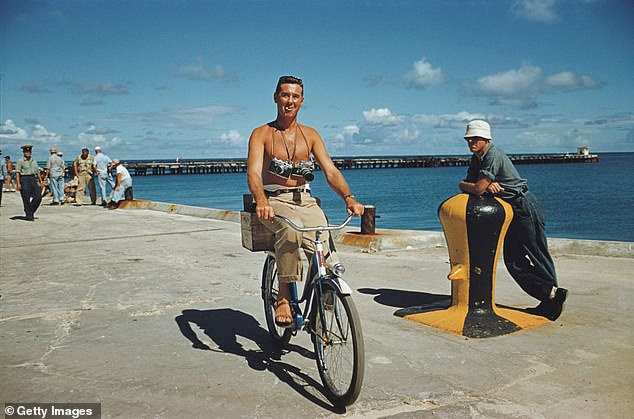
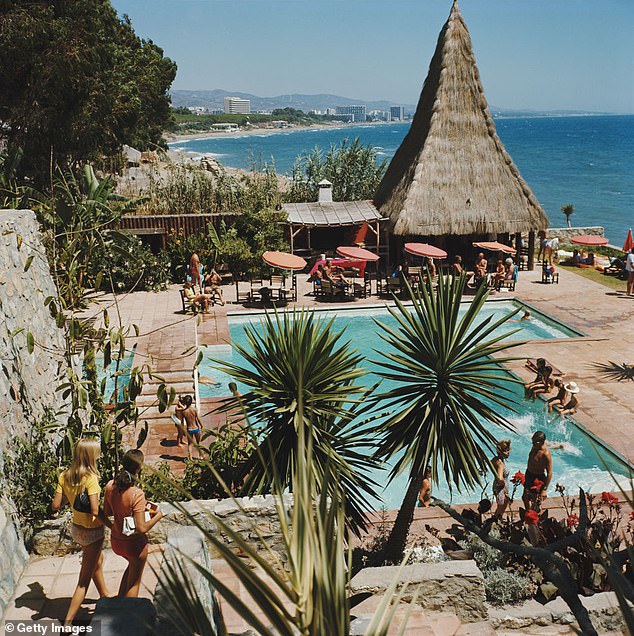
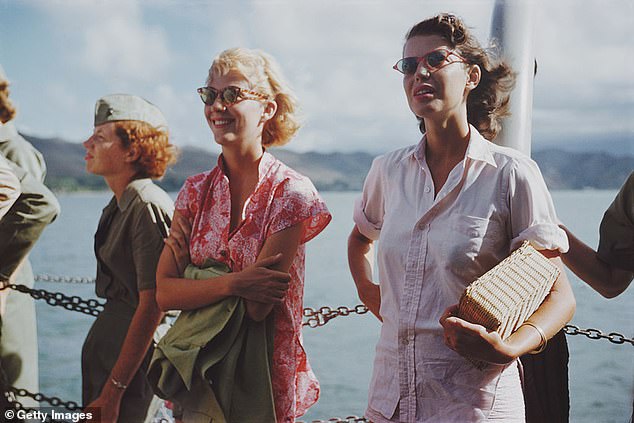
He was extremely direct with his photographs,” Waldron remarked. “If you examine them, there’s no styling, no makeup artists involved.
He primarily targeted individuals in their residences, dressed in their usual attire, operating their personal vehicles, or found at their respective social gatherings.
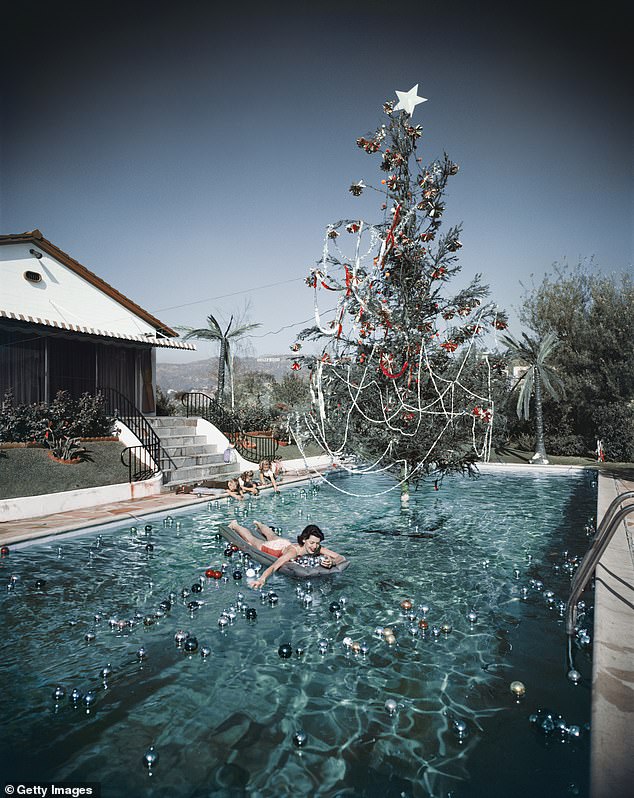
Rita, his wife, served as one of his numerous inspirations; whenever he required an element of elegance in the scene, she would appear in the background clad in a vibrant red swimsuit.
One of his most renowned photographs featured Rita.
The photograph, captured during the winter of 1954, shows Rita lounging on a chaise longue within an expansive patio, surrounded by holiday decorations beside a tall Christmas tree overlooking the pool.
Rita passed away in 2023 at the age of 92 — 17 years following Aarons’ death caused by issues stemming from a heart attack and a stroke, as reported by their daughter Mary Aarons.
When questioned regarding her father’s heritage, Mary mentioned that upon viewing his photos, she finds it hard to accept they aren’t from today.
“What came first, the chicken or the egg? Is modern fashion inspired by him, or is it simply true that the style and appearance in his photographs seem current?” she said to Palm Beach.
Palmer
.
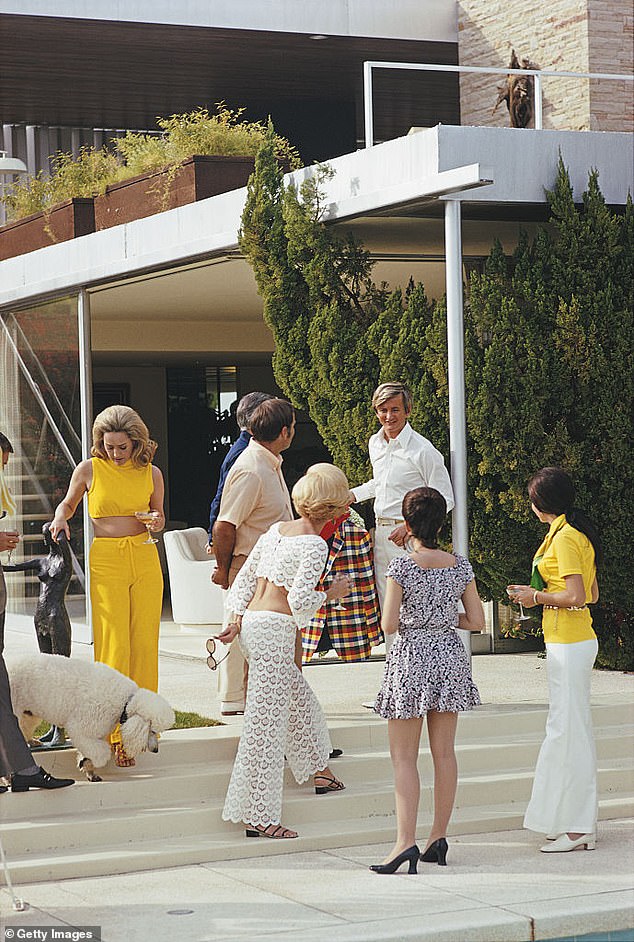
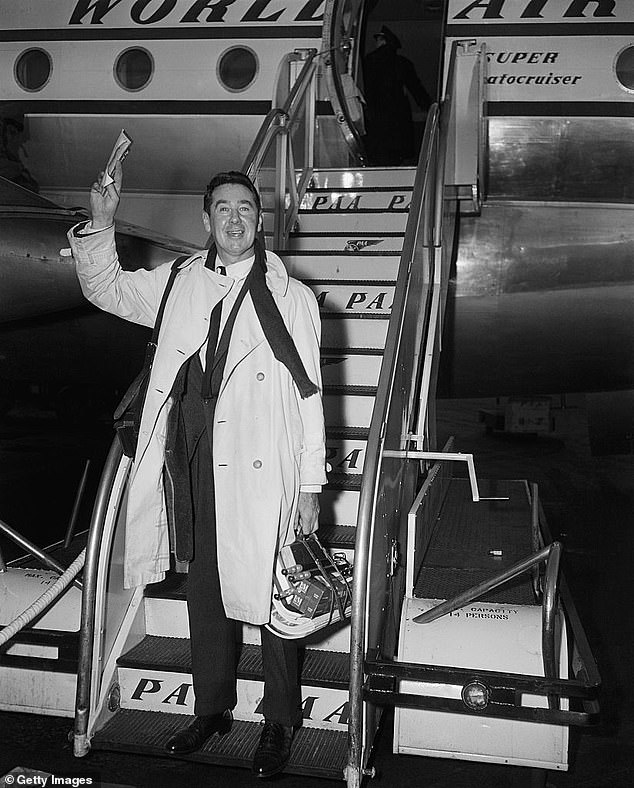
Waldron stated that the photographer’s enduring influence lies in the atmosphere he created, which many today attempt to copy—but for Aarons, it was genuine.
‘People lo
Live that laid-back, worry-free, never-ending summer… the good life. That’s what
people are trying to
“To capture and reimagine,” Waldron stated.
In 1997, Getty purchased all of Aarons’ collection while the photographer was still living. Aarons passed away in 2006 at the age of 89.
He made an agreement with Mark Getty only two years following the company’s establishment, and nearly twenty years later, Waldron continues to work extensively with Aaron’s legendary collection.
Read more