oleh admin | Mar 25, 2025 | local news, public health and safety, safety, security, tourists
On Monday, police in Hanoi carried out an unexpected check, compelling numerous visitors, both foreign and domestic, to vacate the well-known Train Street because of security issues.
When they spotted law enforcement, numerous café proprietors near the railway swiftly took down their tables and chairs and shut down their operations.
The head of Traffic Police Team Number One mentioned that despite numerous warnings from officials, breaches of railway traffic safety rules persisted at the Train Street, leading to potential hazards for traffic incidents.
Over the next period, law enforcement officials will rigorously implement rules, especially in the area stretching from Phung Hung to Le Duan.
Train Street, flanked by improvised cafés mere steps away from the rails.
Old Quarter
It was formally shut down in September 2022 because of safety concerns.
Even with barricades and checkpoints at both entrances of Tran Phu and Phung Hung streets, numerous cafés remain open, drawing big groups predominantly made up of international visitors, particularly during weekends.
Hundreds of people gather at the site to capture images of the moving trains, prompting tourism experts to encourage the authorities to transform this spot into an official tourist destination instead of considering prohibitive measures.
Nguyen Anh Tuan, a tour guide who focuses on incoming tourists in Hanoi, mentioned that because stores alongside the train tracks stay operational, numerous international visitors still come daily.
“As soon as the authorities show up, stores shut down and patrons scatter. After they depart, things go back to usual,” Tuan mentioned additionally.
Earlier this month, the Hanoi Department of Tourism asked travel agencies to cease arranging visits to Train Street because of increasing safety worries.
oleh admin | Mar 24, 2025 | animals, infectious diseases, news, poultry, public health and safety
London, March 24 (PA Media/dpa/GNA) — The Chief Veterinary Officer of the United Kingdom announced that avian influenza has been detected in sheep at a British farm previously affected by the virus among poultry.
A solitary sheep exhibited a recurring positive result during repeated milk tests after standard monitoring of animals at a location in Yorkshire, northeast England. This area had previously reported cases of avian influenza H5N1 among confined birds.
During the surveillance of animals on affected farms following the outbreak of the illness among dairy cattle in the United States, this discovery was made.
The sick sheep was euthanized out of compassion, and subsequent tests did not reveal any additional infections among the rest of the herd, according to authorities.
This marks the initial instance of the virus being detected in a sheep; however, authorities stated that this isn’t the first occurrence of avian influenza appearing in non-avian livestock elsewhere. They also noted that this doesn’t pose an elevated threat to the United Kingdom’s herd animals.
However, they urged all farmers and animal owners to remain watchful and implement strong biosecurity practices to safeguard their livestock and stop any potential spread should an outbreak occur.
The UK’s Chief Veterinary Officer, Christine Middlemiss, stated: “We have verified the presence of avian-origin influenza (H5N1) in one sheep at a farm located in Yorkshire.”
Stringent biosafety protocols have been put in place to halt the continued dissemination of the illness.
Although the threat to farm animals is minimal, I strongly advise all pet and livestock caretakers to maintain impeccable hygiene standards and to promptly inform the Animal Plant Health Agency about any indications of illness.
The National Sheep Association (NSA) emphasized that the situation was limited to a single small farm and posed no threat to food safety.
The NSA chief executive, Phil Stocker, stated: “There isn’t a danger to consumer food safety, and it’s crucial to emphasize this point.”
What this demonstrates, however, is the significance of biosecurity and grasping the true meaning of biosecurity.
In the realm of sheep farming, we typically associate the phrase with merely acquiring livestock. However, in this case, sheep and poultry shared the same farmland, leading to the spread of avian influenza.
He mentioned that the blending of stocks should be prevented when certain areas of England were implementing compulsory accommodation for birds because of avian influenza outbreaks.
Professor Ian Brown, who leads a team at the Pirbright Institute—a premier facility focused on researching animal diseases—commented that discovering avian influenza in a sheep that had been near infected birds wasn’t surprising.
It’s premature to assess if the virus can propagate further among sheep, as this case involved a single small farm with only a few birds and sheep.
However, he noted: “This underscores the significance of isolating different species and upholding proper agricultural sanitation.”
GNA
PDC
Provided by SyndiGate Media Inc.
Syndigate.info
).
oleh admin | Jun 12, 2024 | beauty products and cosmetics, beauty tips, cleaning products, cosmetics industry, public health and safety
-
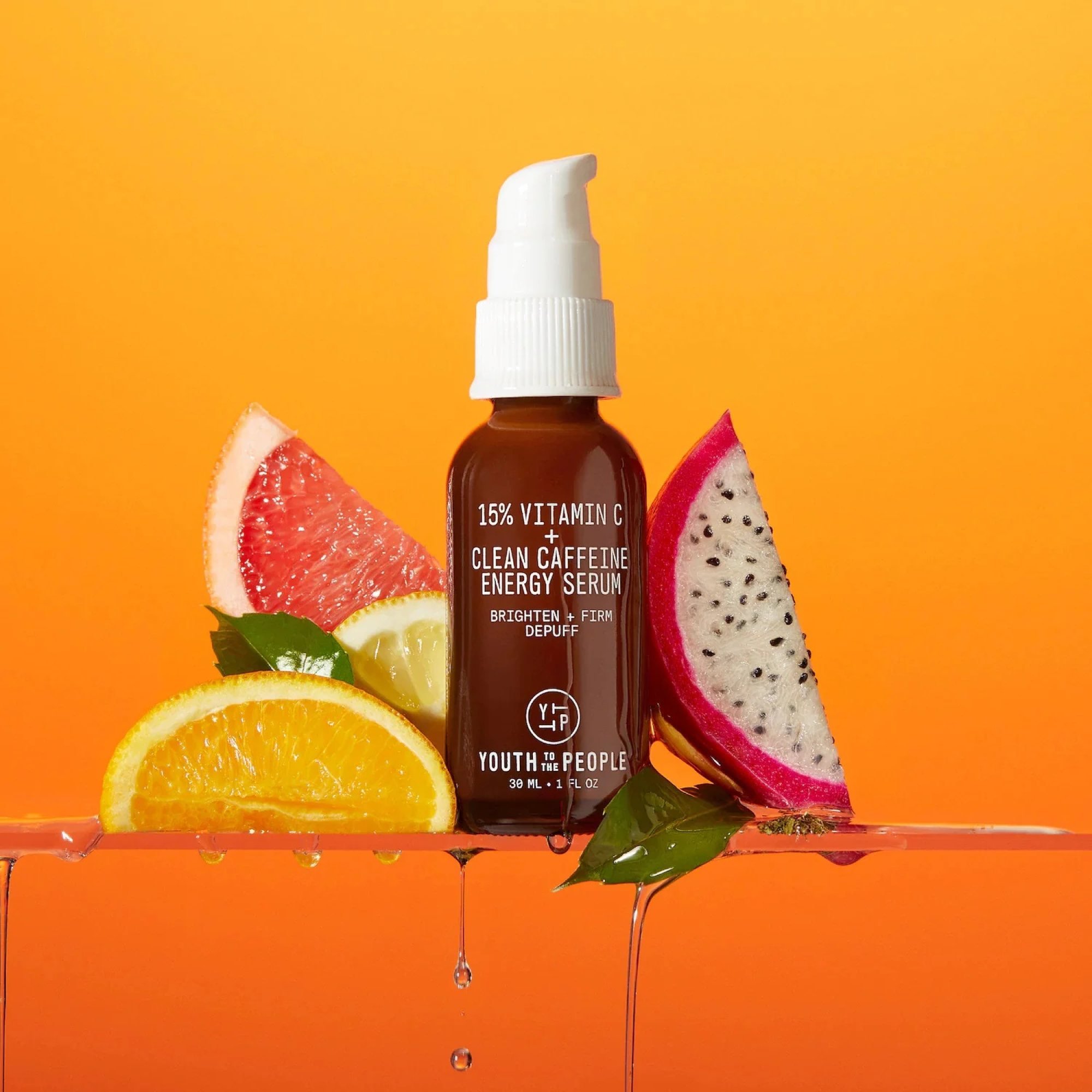
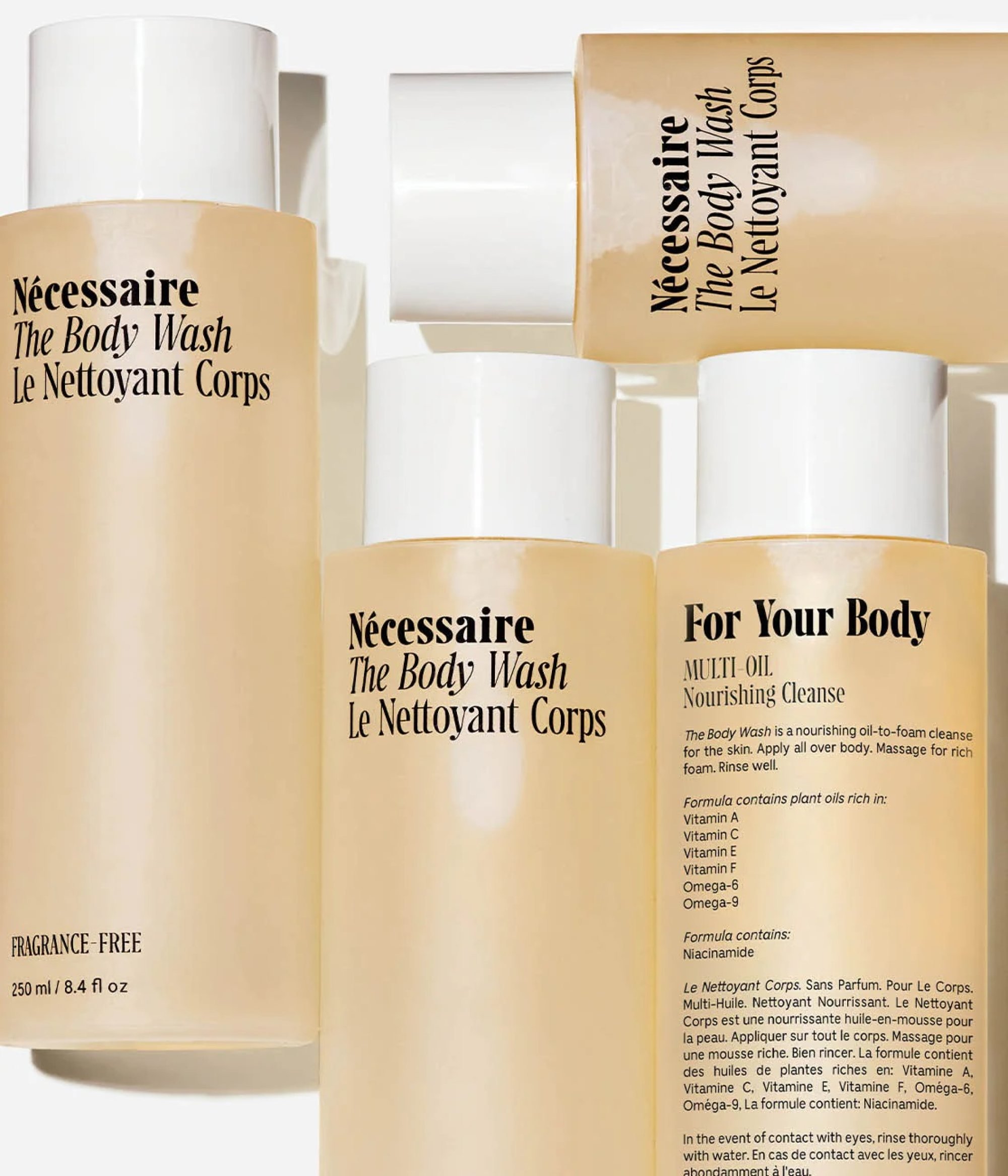
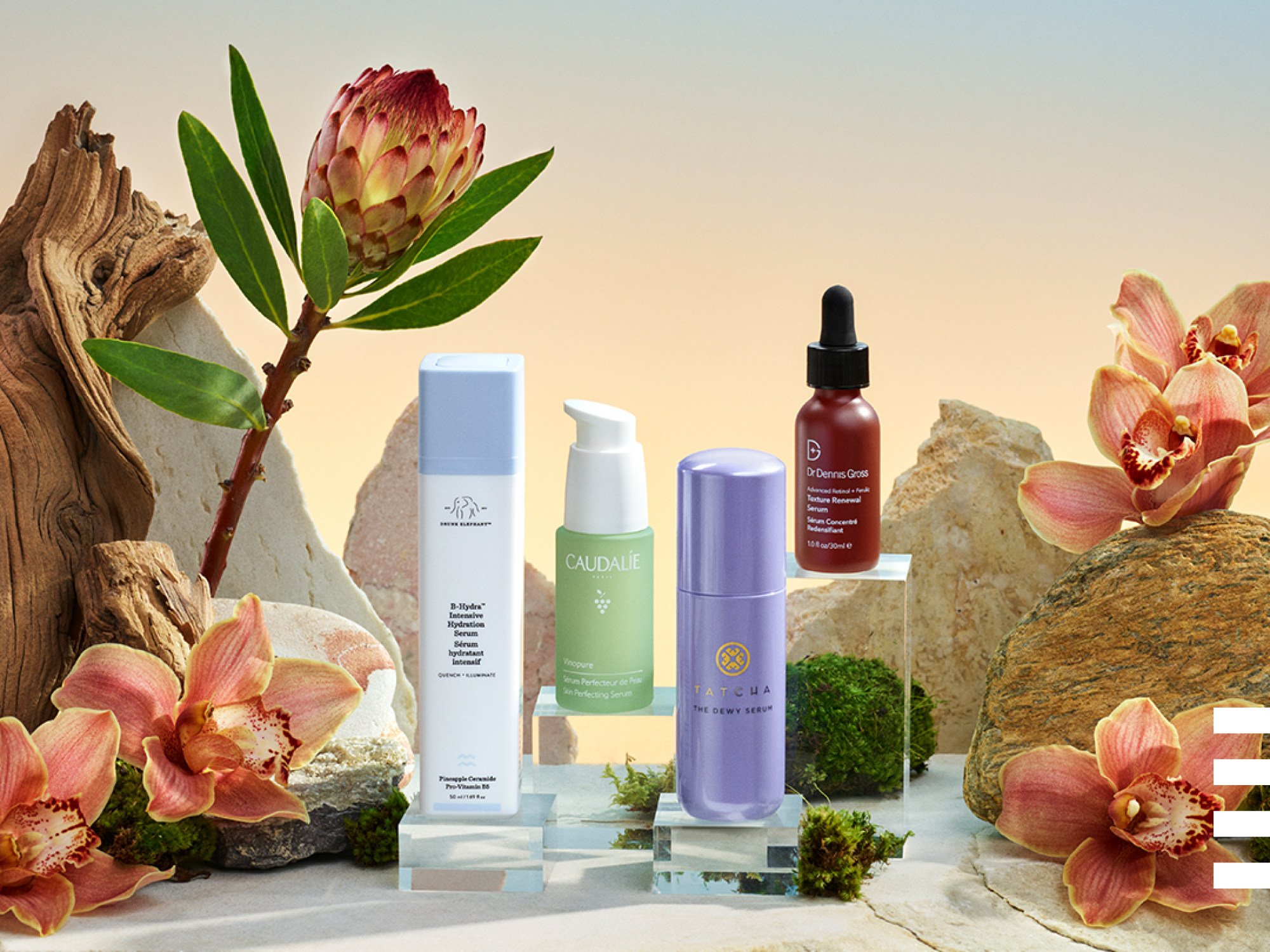
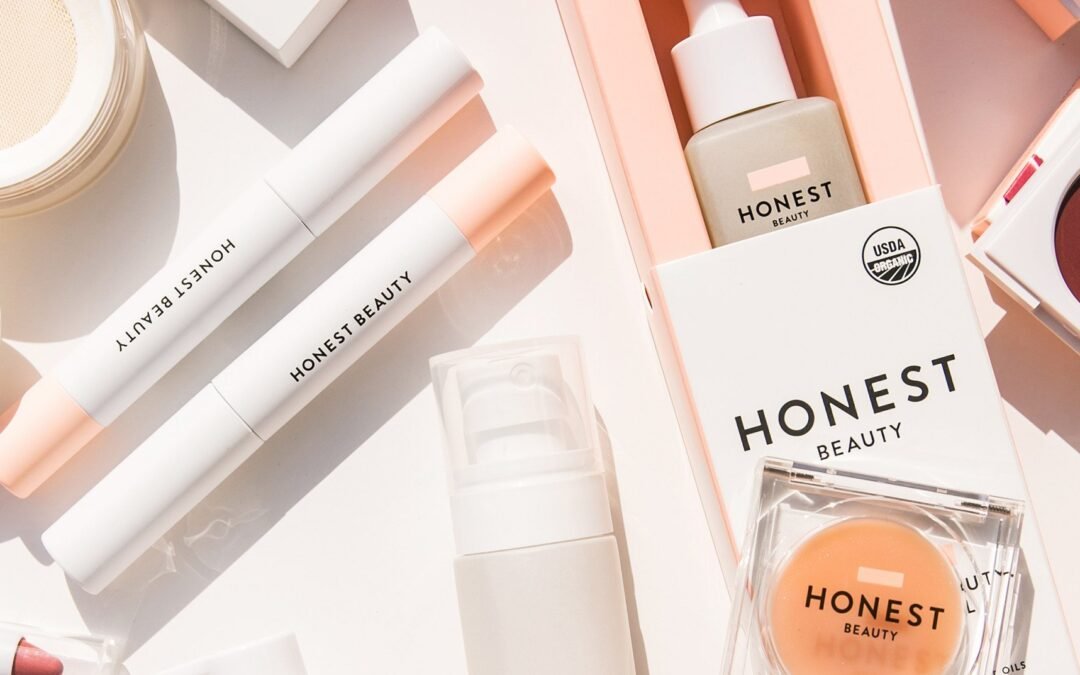
Over the past decade, consumers have become savvier with their beauty choices, focusing on ‘clean’ products with skin-safe ingredients
-
Preservatives such as parabens, sulfates, alcohols, and phthalates frequently receive negative attention, yet these components can commonly be spotted in products like moisturizers, tonics, emollients, and hair washes.
In the last ten years, customers’ viewpoints
towards beauty products
There has been a significant shift towards using skin-safe ingredients. In this changing environment, the term “nasties” has gained popularity as an identifier for components that might be detrimental. Conversely, the word “clean” is employed for items that lack harmful substances and offer numerous advantages.
At first, these “undesirable” components were preferred by producers due to their efficacy, cost-effectiveness, and adaptability, and they found their way into items like moisturizers.
to cleansers.
Nonetheless, they can actually diminish the quality and safety of skincare items. What’s even more troubling is that consumers frequently find it challenging to spot these components since they are cleverly concealed behind intricate scientific designations on product packaging.
Below are several prevalent concealed ingredients in skincare products that you should watch out for, along with tips on recognizing them to help you make knowledgeable choices and opt for gentler, more compatible items.
Are you looking for insights into the most significant issues and global trends? Find your answers here.
SCMP Knowledge
Our latest platform features handpicked content including explainers, FAQs, analyses, and infographics, all provided by our esteemed team of experts.
1. Parabens
Preservatives such as parabens are commonly utilized in cosmetic items to inhibit bacterial proliferation and enhance their longevity. However, due to the health worries connected with these substances, they remain contentious. Listed under names including methylparaben, propylparaben, and butylparaben on ingredient lists, these chemicals could imitate estrogen—a hormone naturally present in the body—and have been correlated with possible hazards such as breast cancer and problems related to reproduction. Additionally,
skin irritation
, particularly for individuals with sensitive skin.
Nevertheless, regulatory bodies such as the FDA and SCCS deem these substances safe when present in cosmetics at minimal levels. In response to consumer worries, however, the sector has introduced an extensive range of products free from parabens.
2. Phthalates
Frequently employed as solvents and fixatives, phthalates improve texture and make fragrances last longer. However, these substances have sparked safety worries due to their potential role as endocrine disruptors, possibly affecting hormones and reproduction negatively. Because of their capacity to penetrate the skin, they are closely scrutinized for causing dermatological issues such as irritation and allergies.
Even though these chemicals present significant threats to people’s well-being, different countries’ oversight agencies have taken distinct approaches. In Europe, several types of phthalates have been prohibited or limited, whereas the U.S.’s Food and Drug Administration keeps assessing their security. Regardless of insufficient proof regarding harm from small doses, concerns about how they interfere with hormones have prompted manufacturers worldwide to transition toward producing items without phthalates during the last ten years.
3. Synthetic fragrances
Artificial perfumes are crafted using numerous synthetic components, such as petroleum. Designed to mimic natural aromas or introduce novel scents, these fragrances are prized for their uniformity, potency, durability, and affordability. Despite enhancing a product’s attractiveness, they raise worries due to insufficient disclosure about their makeup; the label “fragrance” may conceal an array of unlisted substances.
In terms of health, synthetic fragrances are notable allergens that can lead to allergic responses and skin irritation, especially for those who have sensitive skin or specific dermatological conditions.
like eczema
It has been proposed that these substances may lead to respiratory problems and various internal health concerns, like triggering asthma attacks or causing neurological disruptions, for example, headaches or depressive symptoms. Certain artificial fragrance compounds are also believed to potentially interfere with hormones and could be cancer-causing agents; however, they are usually employed in small amounts.
4. Sulphates
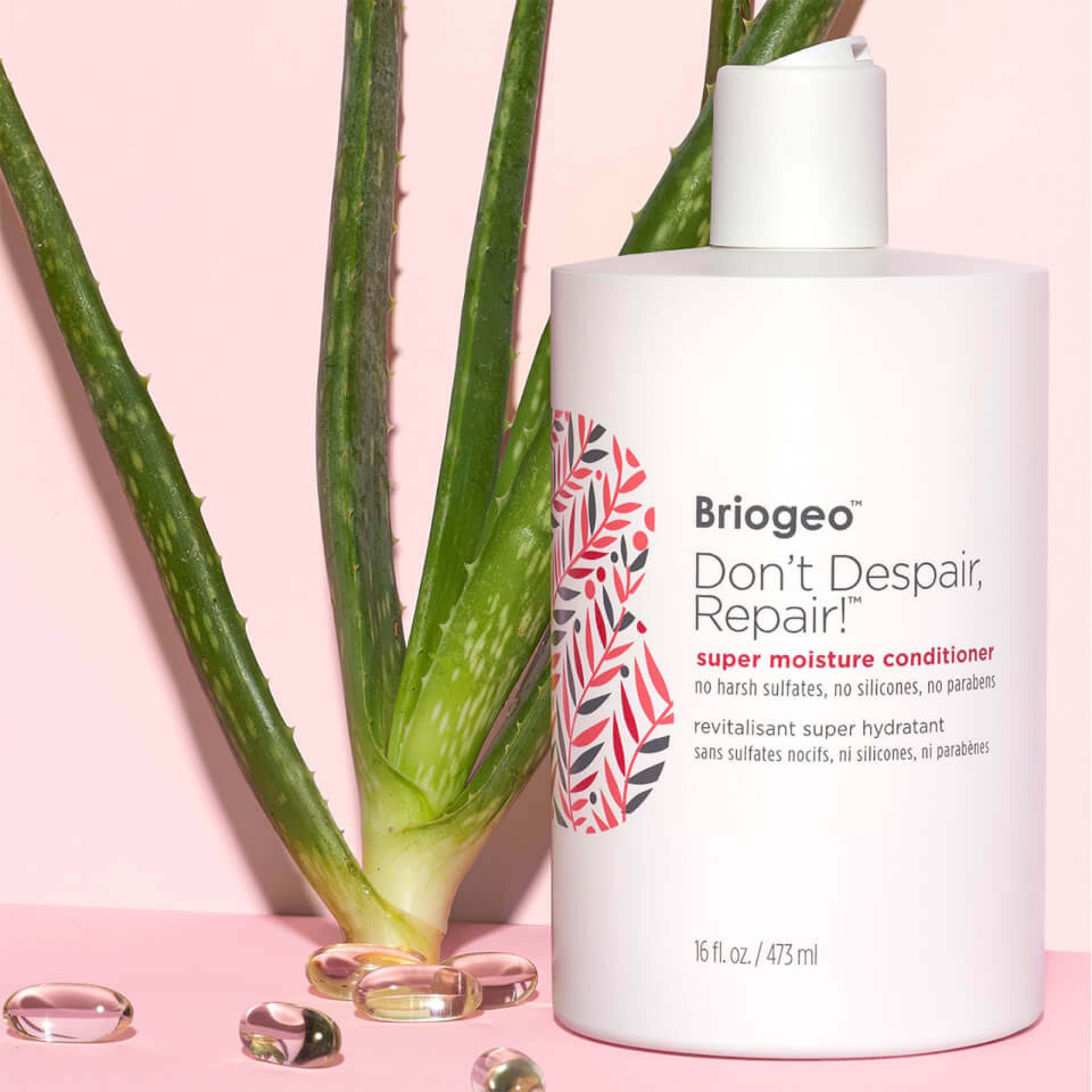
Sodium lauryl sulfate (SLS) and sodium laureth sulfate (SLES) are frequently encountered surfactants in grooming items like shampoos and cleansers. These substances are recognized for their ability to generate foam and efficiently eliminate grease and grime.
However, even though sulfates are effective and budget-friendly, they remain contentious because of their ability to irritate the skin. These compounds can strip away essential natural oils, leading to dryness, discomfort, and occasionally triggering allergies—this effect may be more pronounced for individuals who already deal with sensitive skin or conditions like eczema. While regulatory agencies such as the FDA consider these ingredients safe when used at standard cosmetic levels, numerous consumers opt for sulfate-free options out of concern over their potentially abrasive nature.
5. Polyethylene glycol
Frequently used in cosmetic items as emollients and emulsifiers, polyethylene glycols (PEGs) improve the consistency of creams, lotions, and shampoos. Nevertheless, these compounds have sparked safety issues because of potential contamination with ethylene oxide and 1,4-dioxane—both hazardous materials; ethylene oxide is recognized as a carcinogen, whereas 1,4-dioxane is considered potentially cancerous. Such hazards originate from the production methods employed.
PEGs can enhance the penetration of substances through the skin, potentially enabling more harmful components to infiltrate deeper layers. Despite efforts from regulatory agencies to oversee and control the usage of PEGs in cosmetic products so as to keep potential contaminations within acceptable limits, worries over their impurity and impact on how easily substances are absorbed by the skin continue to be substantial issues.
6. Mineral oils
Able to provide deep moisturization and known for their cleaning benefits, mineral oils are commonly included in formulations like lotions, creams, and ointments. Nonetheless, their application is debated because of worries about impurity and the risk of blocking pores.
Uncleaned mineral oils could contain polycyclic aromatic hydrocarbons (PAHs)—substances that may cause cancer—and they also risk blocking pores, which can lead to breakouts and irritations, especially among individuals with oily or acne-prone complexions. Although the FDA has deemed highly purified mineral oils acceptable for use in cosmetic products due to safety concerns being addressed, continuous discussions about these substances along with research indicating negative impacts have prompted certain companies to steer clear of including them in their product mixes.
7. Alcohol
Common alcohols like ethanol and isopropyl are frequently utilized for this purpose.
skincare products like toners
and acne treatments for their quick-drying, astringent and antimicrobial qualities. While they efficiently remove oil and tighten pores, their safety is highly debated.
Alcohol has the ability to strip away the natural oils from the skin, leading to dryness, irritation, and impairment of the protective barrier—especially noticeable in those with dry or sensitive complexions. This effect may exacerbate conditions such as acne and others related to skin health. Nonetheless, it’s important to recognize that not every form of alcohol poses harm; certain types like cetyl alcohol act as emollients and provide benefits for the skin. In summary, whether an alcoholic substance should be considered detrimental when used in skincare hinges upon factors including its specific kind, quantity present, and how well they align with one’s individual skin state.
More Articles from SCMP
“Gathering Cities of Gastronomy” – The “Macao International Gastronomy Forum” will delve into the topics of cuisine and well-being in mid-June.
Legislator urges Hong Kong and Chinese officials to ease congestion at boundary crossing bridge.
Researchers discover that providing domesticated dogs in ancient China with human cuisine might be an age-old practice.
World Cup: China’s Social Media Celebrates New Singapore ‘Heroes’ for Keeping the Chinese Dream Alive
The article initially appeared on the South China Morning Post (www.scmp.com), which is the premier source for news coverage of China and Asia.
Copyright © 2024. South ChinaMorning Post Publishers Ltd. All rights reserved.