
oleh admin | Okt 12, 2024 | beautiful places, nature, romania, tourist attractions, travel destinations
Mountains, river deltas, lush forests, and deep gorges… Romania harbors numerous lesser-known natural wonders that warrant the focus of avid nature enthusiasts. Check out these five must-see locations!
The Apuseni Mountains National Park, a realm of caverns and cascades.
The Apuseni Mountains, located in west-central Romania, boast an impressive landscape of peaks and woodlands, interspersed occasionally with solitary mountain huts. This region teems with wildlife including chamois, deer, wolves, and lynx. It also features remarkable caverns like Scărișoara, beneath which resides one of Europe’s biggest subterranean ice masses. Ideal for cave enthusiasts and those who cherish unspoiled natural beauty.
The Danube Delta serves as a haven for biodiversity.
In the southeastern part of the nation, where the
The Danube flows into the Black Sea.
At its heart lies the Danube Delta, an unparalleled wetland region across the globe. Designated as a UNESCO World Heritage site, this river delta serves as a sanctuary for myriad bird, fish, and plant species. While navigating through its channels and trails, one might observe pelicans soaring overhead, otters frolicking about, and thick stands of reeds swaying with the breeze. Despite being a delicate environment, it brims with life and vitality.
The Retezat Mountains National Park serves as a sanctuary for hidden glaciers.
The Retezat Mountains National Park, located in the southern Carpathians, stands as Romania’s eldest national park. With its jagged peaks and approximately eighty glacial lakes, this mountainous region beckons adventurers from all over. The area boasts distinctive flora, featuring uncommon indigenous flower varieties, which enhance the allure of this pristine landscape. For those seeking an escape into untrodden wilderness, the Retezat Mountains promise the perfect expedition!
Exploring the undulating landscapes of Maramureș, a journey through culture and natural beauty.
In the northern part of the nation, the Maramureș Mountains form a stunning vista composed of verdant slopes, ancient woodlands, and quaint hamlets. This serene and charming region within Romania boasts hiking paths that meander past peaked-roof chalets, UNESCO-recognized timber chapels, and pastoral landscapes where flocks of sheep roam calmly. A truly evocative locale!
The Bicaz Gorge, a natural wonder in the Carpathian Mountains, is truly spectacular.
In the north-east of
Romania
The Bicaz Gorge stands out as a remarkable spot characterized by steep cliffs and ancient rocky structures. As you travel along the twisting path towards this area, which is bordered by towering precipices, you’ll be treated to stunning vistas. During your journey, take some time to visit Red Lake (Lacu Roșu). Its distinctive hue resulted from a massive landslide approximately two centuries ago that created a natural barrier, thus flooding an entire woodland beneath what is now the lake.

oleh admin | Jul 15, 2024 | churches, monuments, roman catholic church, romania, tourist attractions
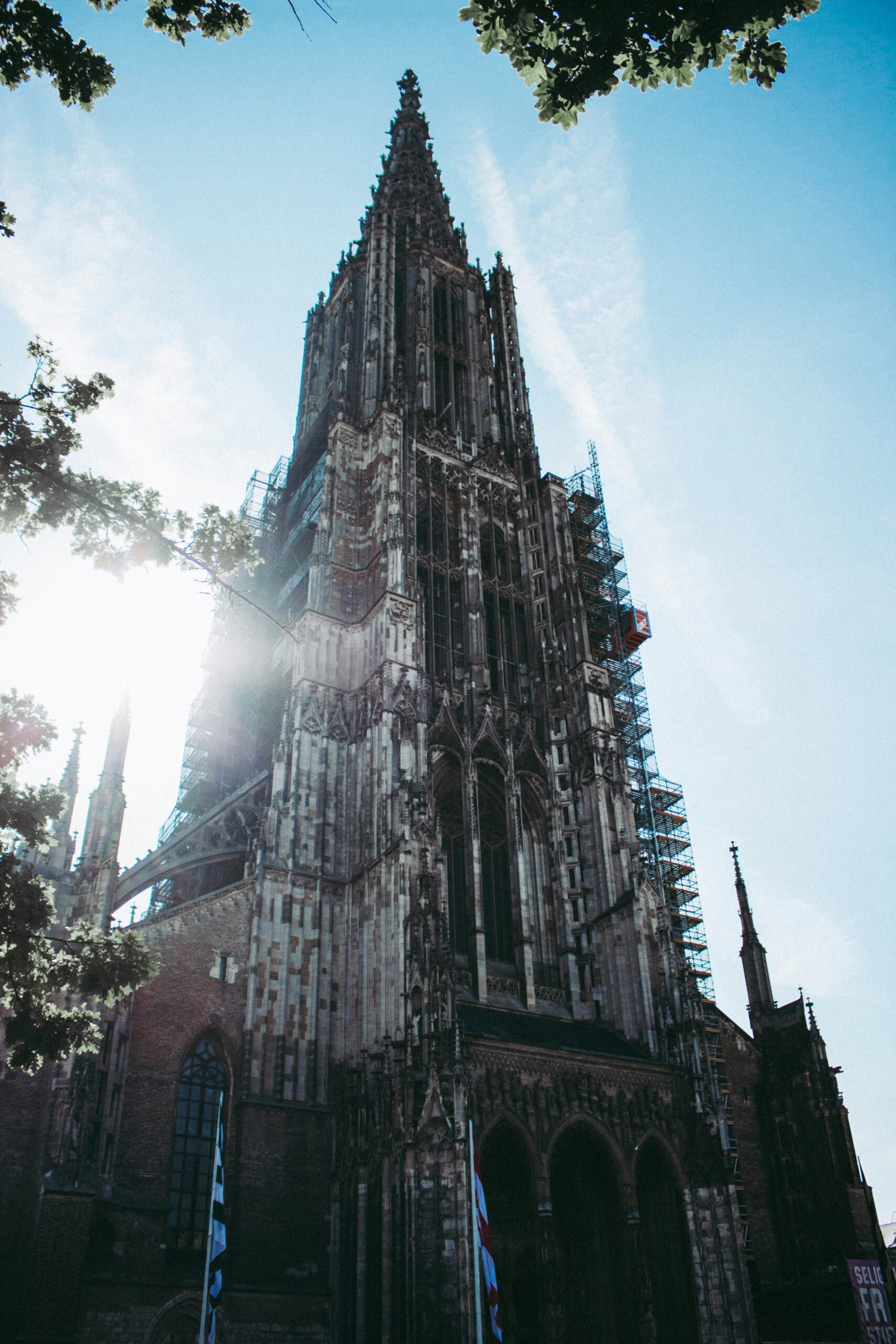
Boasting a towering spire measuring 161 meters, the Ulm Minster in Germany stands as the world’s tallest church. This remarkable example of Gothic architecture draws tourists globally. Let’s delve into the rich history of this iconic German landmark with LIFEHACK.
For many centuries, the Ulm Cathedral (known as Ulmer Münster in German) has served as the iconic representation of the city and a testament to the former magnificence of the German Empire. The construction commenced in 1377 when Ulm held the status of an imperial city. This magnificent cathedral is renowned primarily for its towering spire, reaching a height of 161.53 meters, though this architectural marvel remained incomplete until 1890.
Traveling to Germany? Here are
some
pieces to assist you with planning
out
your
trip:
-
5 Enchanted Forests to Discover in Germany
-
The top five most romantic spots to visit in Germany
-
5 Stunning Castles to Explore in Germany
The Ulm Cathedral, an underappreciated landmark
In the region of Baden-Württemberg in southern Germany, Ulm stands out as a charming town worthy of a visit! Situated along the Danube River, this quaint place is renowned for its Black Forest surroundings, picturesque little canals, and historic buildings that stand in striking juxtaposition to modern extensions. Additionally, Ulm boasts a prominent Protestant church featuring what’s recognized as the tallest spire globally. This iconic structure was completed towards the close of the 19th century.
th
In the course of several centuries since its completion, this massive tower dominates the entire town! Visitors have the option to ascend the 768 stairs to reach the viewing deck situated at an impressive height of 143 meters, from where they can relish the sweeping vista of the city and the Danube River below.
Nevertheless, the Ulm Minster doesn’t share the same level of renown as some of its European peers like the 108-meter-tall Milan Cathedral, or the 132-meter-tall St. Peter’s Basilica in Rome.
Notre-Dame Cathedral
In Paris, featuring a towering 96-meter-high spire, this church sits on Münsterplatz (cathedral square). After the Reformation, it became a Protestant place of worship, distinctly contrasting with the modern architectural style prevalent elsewhere in the city.
Time for some history!
In 1377, the task of building Ulm Cathedral was first assigned to Heinrich Parler, a German architect. After his death in 1387, his sons took over the responsibility for completing the cathedral. Originally, according to Heinrich Parler’s designs, the plan included two main aisles. However, during the subsequent hundred years, many alterations were implemented deviating from these initial blueprints. Plans emerged for an additional aisle; however, in 1543, with the rapid spread of the Church Reformation across Europe, all construction activities halted abruptly.
Not until three hundred years later, in 1844, did work recommence on the cathedral. By 1890, the impressive 161-meter tall bell tower had been finished, securing its place as the tallest of its kind globally at that time. Each of the cathedral’s other two towers stands at an equally notable height of 86 meters.
The cathedral also stands out due to its expansive interior. Measuring 123 meters in length and 49 meters in width, it has the capacity to accommodate up to 20,000 individuals. The walls are decorated with numerous Gothic-style stained-glass windows, many of which date back unchanged since medieval times. These artworks portray images such as the Virgin Mary alongside her mother, Saint Anne; episodes from the Nativity; depictions of Jesus Christ, among others. Throughout the Second World War, this structure managed to evade destruction despite extensive bombings carried out by Allied forces that devastated much of the surrounding city. Nonetheless, several of the nineteenth-century stained-glass panels did not survive and had to be substituted with plain glass.


