oleh admin | Mar 24, 2025 | business, flights, Travel, travel destinations, vietnam
The restart of both chartered and scheduled flights between Russia and Vietnam has sparked increasing interest in this Southeast Asian destination.
As reported by Travelata.ru, tour sales have seen an increase of 9% within just one month and several-fold growth when compared to the corresponding timeframe from the previous year.
Currently, Vietnam is seeing the most rapid increase in hotel bookings, outpacing Thailand and getting closer to the demand levels seen before the pandemic.
From February 1 to March 18, Sletat.ru saw a 3.4 times surge in tour sales, whereas Level.Travel experienced a fourfold growth in March.
Russian Express reported a 5.5-times increase in February and March compared to the previous year, and Let’s Fly CEO Lyubov Voronina anticipated a growth of 20% in demand, fueled by an expansion in flight routes.
In wintertime 2024, direct flights between Russia and Vietnam were restarted after they had been halted in 2020 because of the pandemic. Aeroflot has begun serving Ho Chi Minh City and plans to commence service to Nha Trang starting March 22nd.
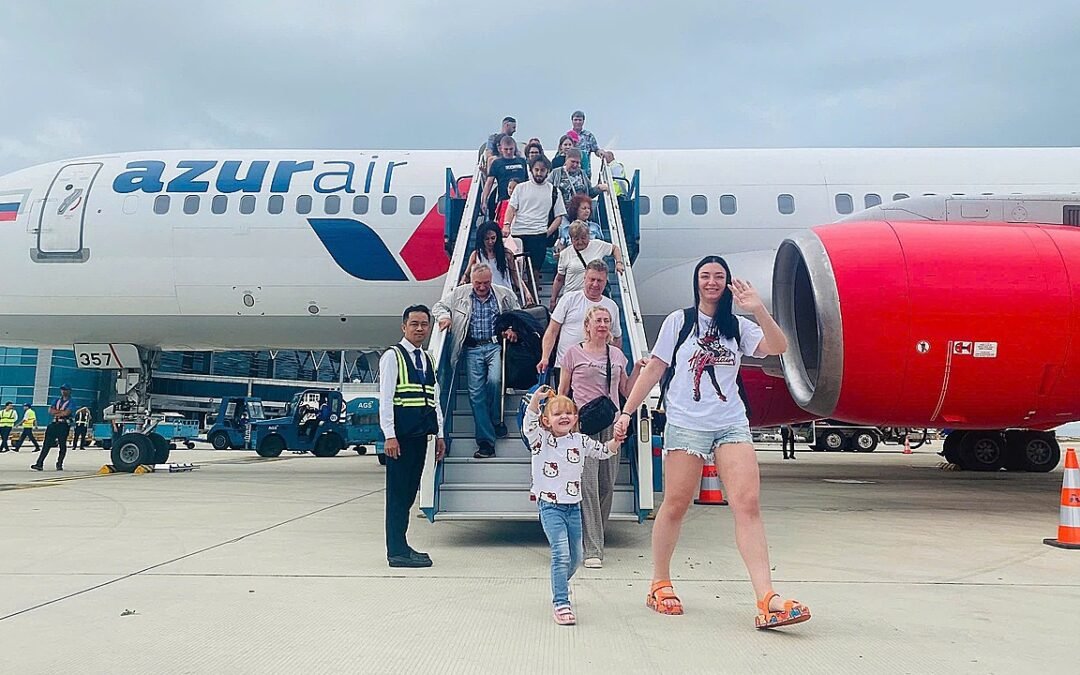
Azur Air and Pegas Touristik have initiated charter operations, whereas Vietnam Airlines intends to launch the Moscow-Hanoi service in May.
According to OneTwoTrip, Vietnam is listed among the top 10 travel destinations for March, seeing double the number of flight and hotel reservations compared to the previous year during this time.
Yandex Travel noted a 49% rise in air ticket sales compared to the previous year, whereas Aviasales experienced a 62.5% boost in their market share within Vietnam. The hotel reservation site Ostrovok identified Vietnam as the most rapidly expanding travel destination, recording a 25% uptick in bookings.
Anex Tour positioned Vietnam as the third top choice for summer travel following Turkey and Egypt. Experts noted that Vietnam’s attractiveness is increasing as Thailand grapples with excess capacity issues.
Voronina pointed out that Mui Ne and Nha Trang resorts provide an appealing option, even during summertime.
Oleg Kozyrev, who serves as the marketing director at Travelata.ru, expressed his belief that Vietnam’s structured tourism sector is poised to recover and return to its pre-pandemic standing.
oleh admin | Mar 23, 2025 | food and drink, hotels, tourist attractions, Travel, vietnam
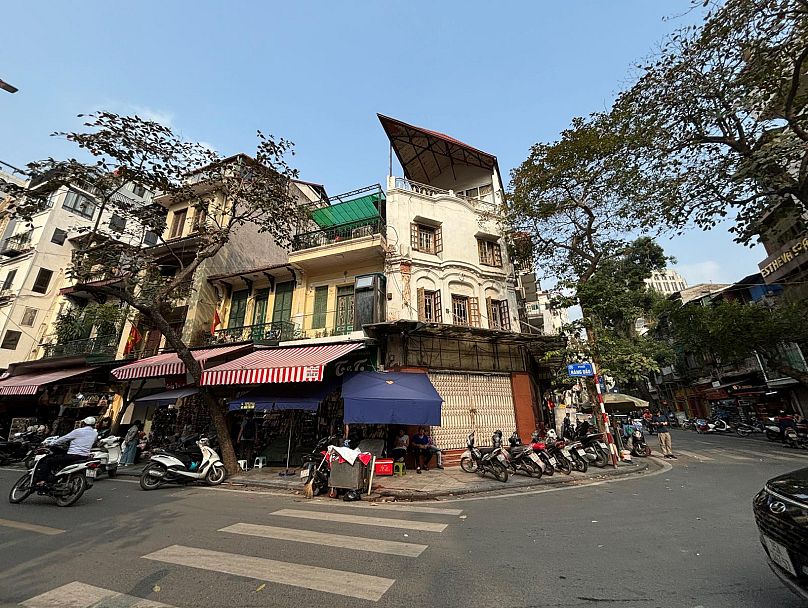
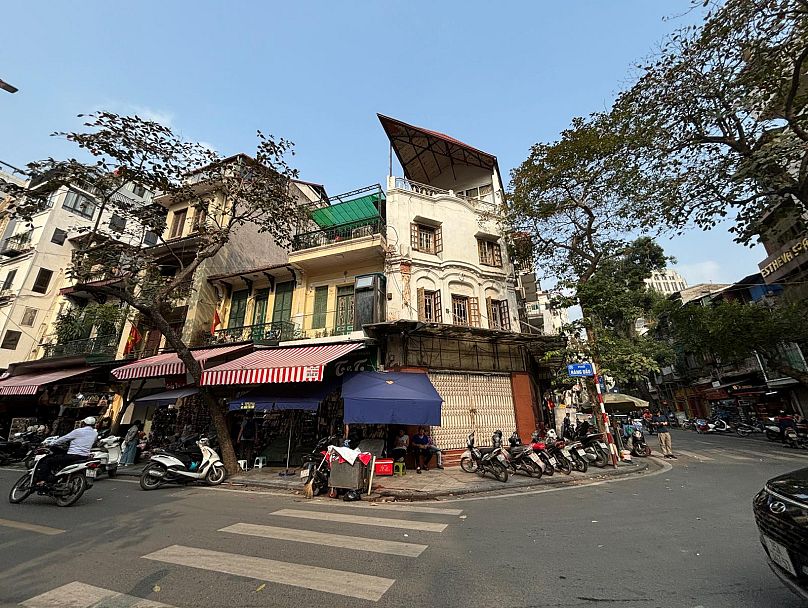
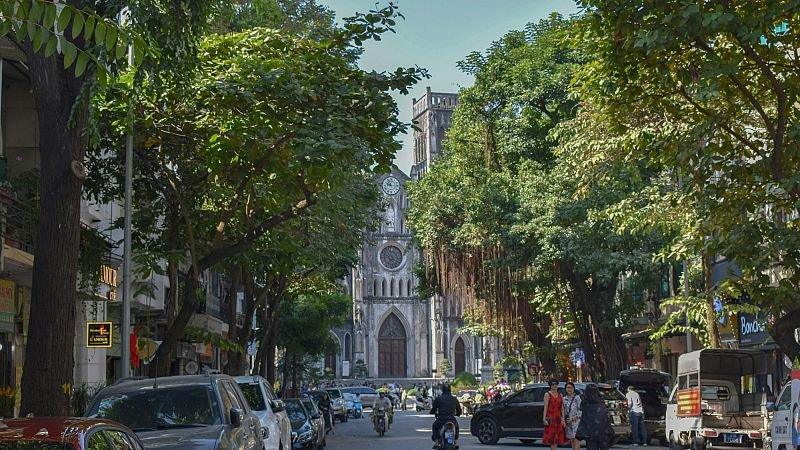
Hanoi’s Old Quarter is a bustling hub of traffic, commerce, and tourism. Visitors opt to lodge in this historical district of Vietnam’s main city to immerse themselves in its distinctive mix of weaving motorcycles, street-side eateries, and an overwhelming soundscape.
However, despite the congested roads being an integral part of the Old Quarter — where hotels frequently offer guests tips on navigating through them — growing tourism is putting more pressure on the limited space within its narrow lanes.
Up until lately, tour buses used to navigate through the narrow pathways to pick up day trippers from their hotels, leading to significant traffic jams. This practice has since been prohibited; however, taxis and Grab (the Southeast Asian equivalent of Uber) vehicles continue to congest the roads.
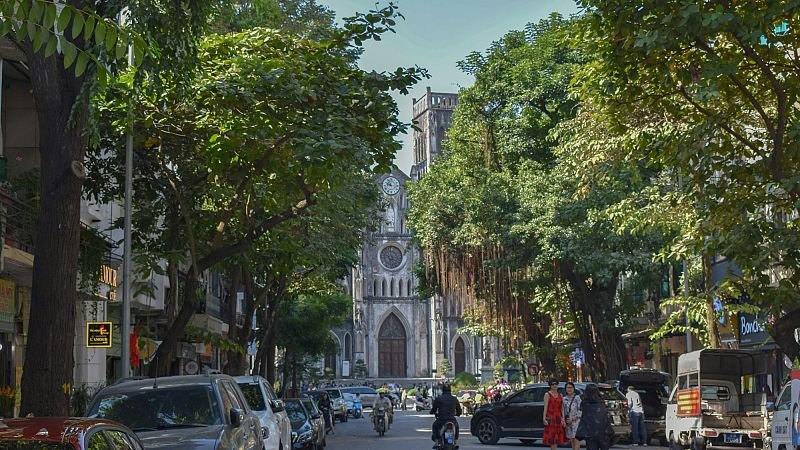
For those travelers who prefer navigating through the hustle and bustle intermittently, the adjacent French Quarter serves as an excellent location. Featuring spacious avenues, a serene lake, and luxurious accommodations, this area offers some respite with easy access via a brief stroll back to the Old Quarter.
It offers an intriguing look at the French influences introduced through colonialism, which eventually merged with Hanoi’s culture to create something distinctively new.
Relax by Hanoi’s Hoàn Kiếm Lake
In Hanoi, it’s inevitable to avoid the constant hum of motorcycles and the symphony of car horns, yet Hồ Gươm Lake at the outskirts of the French District offers a tranquil retreat. Strolling beside the water, you can gaze out over the lush greens.
water
towards the moss-covered Turtle Tower – where reptiles formerly dwelled in the nearby waters – located on an island at the center.
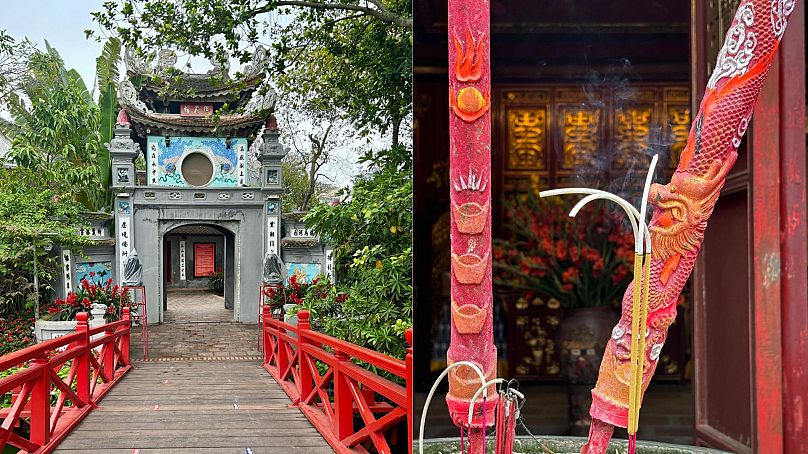
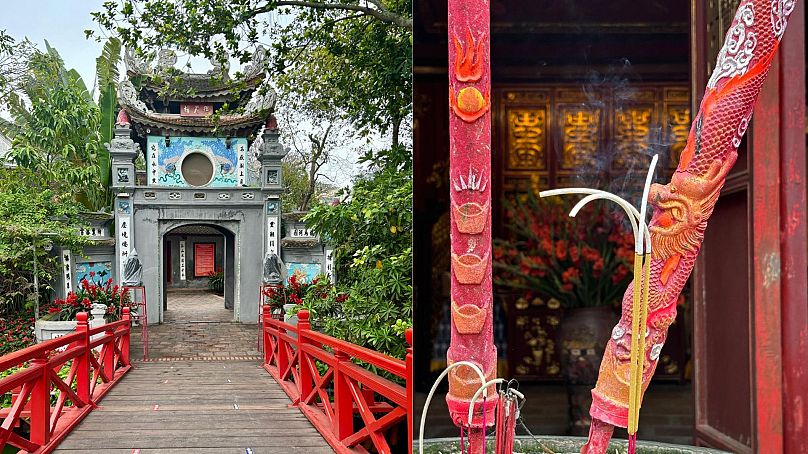
At the northern end stands Ngoc Son Temple. This temple, devoted to writing, scholarship, and literary pursuits, serves as an important site of veneration for students gearing up for their examinations. An vibrant red bridge connects to this small sanctuary.
island
where the loud noise of the traffic turns into a faint murmur within the temple boundaries.
Sitting in the leafy courtyard surrounded by trees, observing a cat meandering past, and hearing sporadic bursts of pop music floating over from Zumba sessions at the lakeside can be quite delightful. Rise early to participate alongside Hanoi’s vibrant community as they start their day with exercise.
Experience egg coffee where it originated.
Vietnam has turned coffee into a completely distinct beverage. Each significant city within the nation boasts its own special blend. In Ho Chi Minh City, you’ll find coconut-infused coffee, whereas in Hue, it comes crowned with savory cream. In Hanoi, due to the scarcity of milk and cream during the French occupation in the 1940s, a creative barkeep devised an egg coffee.
coffee
.
Nguyen Van Giang was employed at the bar of the Grand Metropole Hotel, which remains operational and now belongs to the Sofitel chain. Having commenced operations in 1901—a year prior to Hanoi being designated as the capital of French Indochina—the hotel soon attracted colonials and international visitors. Facing a shortage of milk for his patrons, Nguyen incorporated beaten egg yolks mixed with honey and sugar into the coffee preparation, serving it above a container filled with warm water.
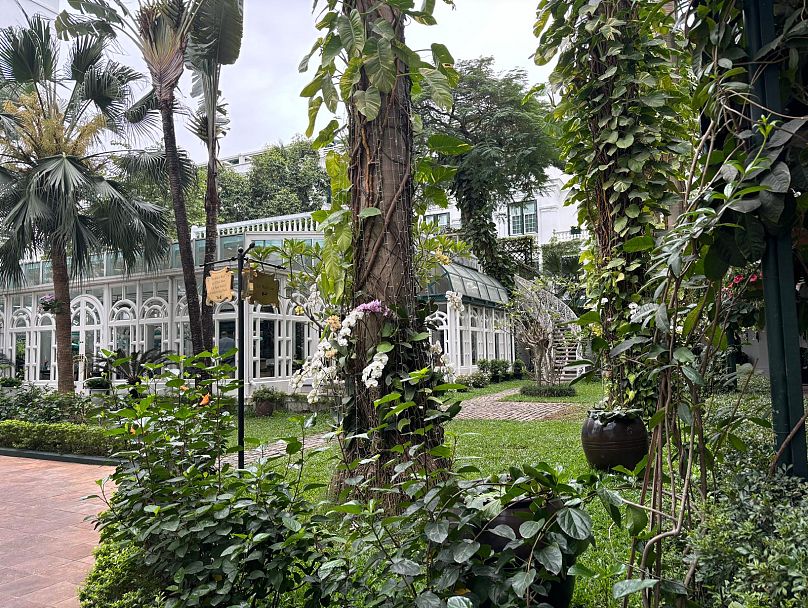
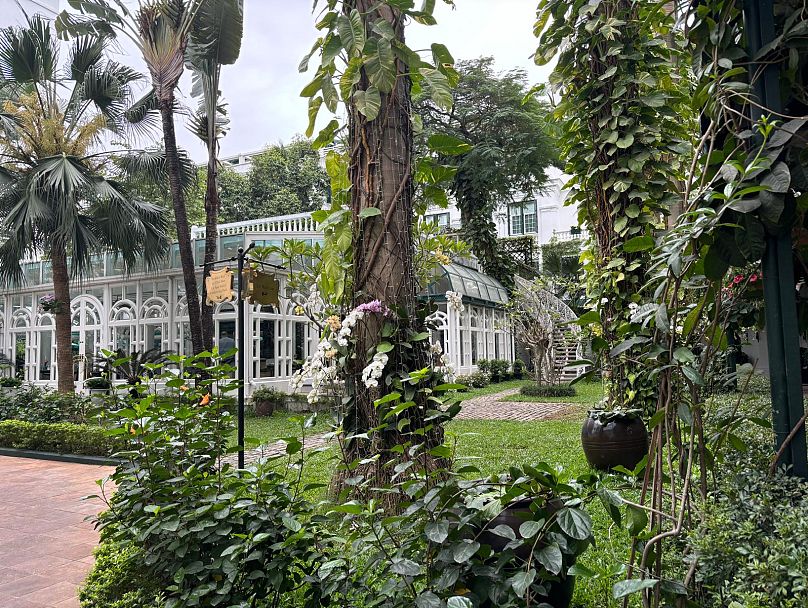
Stop by the Metropole’s Le Club Bar today to take a seat at the birthplace of egg coffee. This bright, plant-filled greenhouse offers a serene escape and serves classic French dishes such as Niçoise salad, onion soup, and croque monsieur.
Alternatively, you have the option to visit either of two
coffee joints
Nguyen’s establishment, which was taken over by his heirs, operates here today. Located at the northern edge of Hoàn Kiếm Lake, you can discover Café Dinh. Ascend to the upper level where you can enjoy a cup of sweet Hanoi coffee alongside local artists and authors.
Where to Stay in the French Quarter at Capella Hanoi
The city’s
luxury hotel
A quarter can be spotted in the areas surrounding Hanoi’s rococo-style Opera House, a dome-topped, pastel-colored structure built-in 1901.
Capella Hanoi
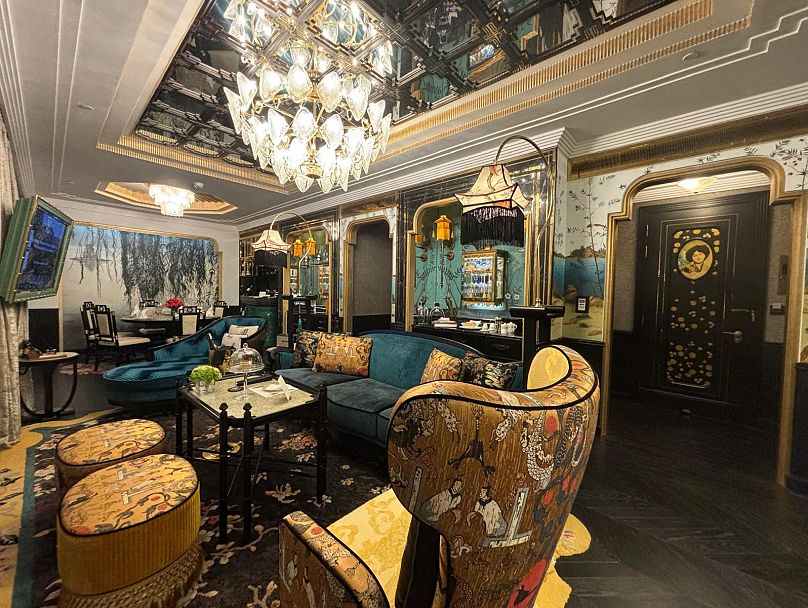
This place is an extravagant and whimsical reinterpretation of a meeting point where legendary figures from the world of opera—singers and composers alike—might have gathered following their last performance.
Created by renowned architect Bill Bensley, this establishment blends 1920s Art Deco Paris aesthetics with Vietnamese cultural elements in an extravagant mix. Bensley dedicated considerable time collecting souvenirs such as theater programs, musical instruments, gloves, and even opera lessons to adorn the space.
hotel
.
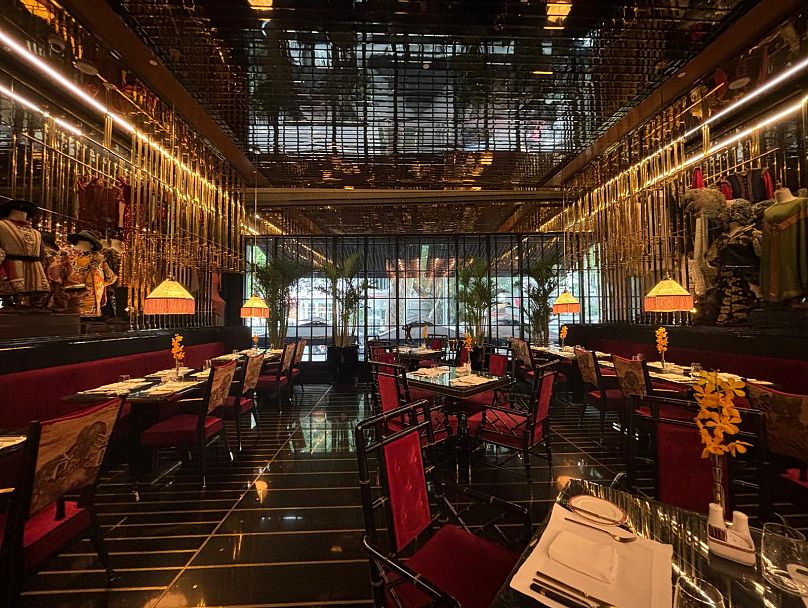
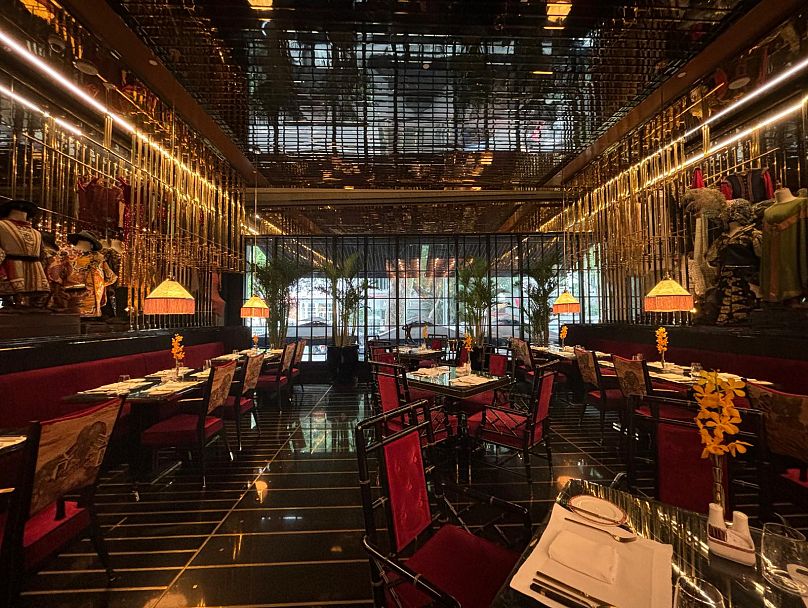
The restaurant on the ground floor, which has received a Michelin recommendation, goes by the name Backstage. Its luxurious red velvet seats, full-length curtains, and sparkling outfits hung on the walls beautifully capture the essence of backstage activity.
Every level focuses on a distinct element of opera – including drama, music, and celebrities. The design echoes these ideas with specific touches like a small theater showcasing bead-adorned outfits on the drama section; an area featuring a powdering station along the performer’s walkway; and musical equipment combined with Picasso-esque artworks at the music zone.
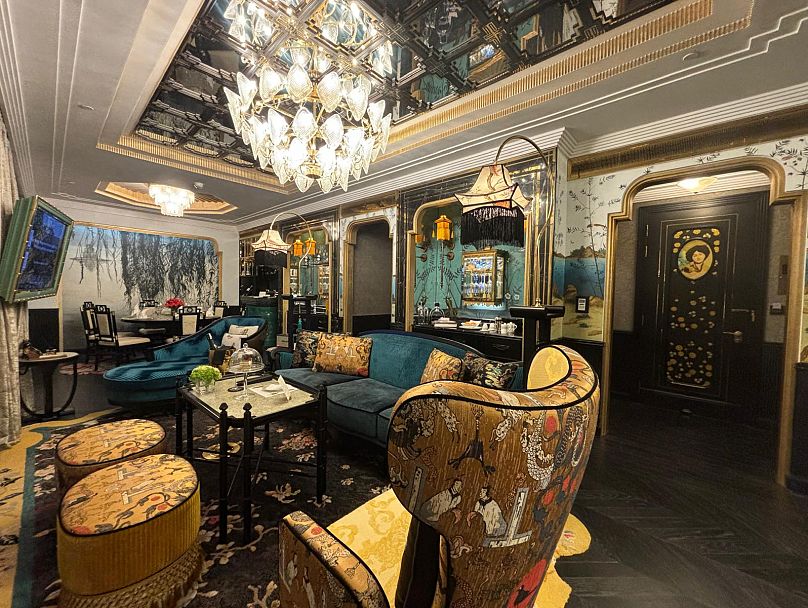
Every one of the 47 rooms has its own distinct theme, each named for a musician, actress, composer, or opera. Inside, you’ll find references to traditional Vietnamese craftsmanship such as embroidered silk cushions, pendant lanterns adorned with hanging tassels, and black rattan seating.
The hotel partners with local talents for experiences such as pottery sessions with inhabitants of Bat Trang Ceramic Village and lacquer art lessons led by Tran Anh Tuan, who is a distinguished instructor at Hanoi University of Industrial Fine Arts.
Hanoi’s food scene is renowned, earning it the title of top culinary destination from the World Culinary Awards in 2024. Visitors staying at Backstage can enjoy meals prepared according to the private recipes of Madame Anh Tuyet, whose talent caught the eye of Chef Anthony Bourdain for his show “No Reservations.” Her rendition of pho—featuring an aromatic broth paired with beef brisket—is particularly impressive when served as a morning meal.
Return to the past at the Sofitel Legend Metropole Hotel.
Staying at the
Sofitel Legend Metropole
(The place where egg coffee originated) offers the nearest experience to traveling back in time to Hanoi during the French colonial era—from the staff’s ‘bonjour’ welcome to the presence of upscale boutiques like Hermes and Chopard within the premises.
The Heritage Wing originates from 1901, whereas the Opera Wing was added in 1996. Within the older section, a newly set up exhibit outlines the chronological progression of the structure.
hotel
From its inauguration through its involvement in two conflicts up until the rebuilding efforts in 1992, it has captivated visitors with the wealth of history contained within its walls.
In 1946, ex-president Ho Chi Minh had a meeting at the hotel with General Etienne Valuie, who was the commander of Indo-China, and Nguyen Hai Than, the president of Vietnam’s Provisional Government, as part of discussions for Vietnamese independence.
Throughout the American occupation, all male and female employees at the hotel underwent military training. The sidewalk in front of the entrance, previously used for guest gatherings over coffee, was excavated to construct bomb shelters that visitors can currently explore with an accompanying guide. Singer-songwriter Joan Baez found inspiration for her album “Where Are You Now, My Son?” during her stay of 11 days within one of these underground bunkers housed in the hotel.
Since guests no longer have to concern themselves with seeking protection from air raids, they can ample time to relish the hotel’s comprehensive amenities. Within the main atrium, you will find a delightful space for enjoyment.
outdoor pool
Equipped with sun loungers. Each morning, you can make your way up to Le Balcon for yoga or tai chi sessions.
And once you’re prepared to leave the hotel and dive into the bustling energy of Hanoi, don’t forget to say ‘au revoir’ to the doorman.
oleh admin | Mar 23, 2025 | food and drink, hotels, tourist attractions, Travel, vietnam
Hanoi’s Old Quarter is a bustling hub of activity with chaotic traffic, vibrant commerce, and throngs of tourists. Visitors opt to reside in this historical district of Vietnam’s main city to immerse themselves in its distinctive mix of weaving motorcycles, street-side eateries, and an incessant din.
However, despite the congested thoroughfares being a defining feature of the Old Quarter—where hotels frequently offer guidance on navigating these busy routes—the growing number of tourists is putting more pressure on the limited space within its cramped lanes.
Up until recently, tour buses navigated through the narrow pathways to pick up tourists staying at hotels, leading to significant traffic congestion. This practice has since been prohibited; however, taxis and Grab (the Southeast Asian equivalent of Uber) vehicles continue to congest the roads.
For those travelers who prefer navigating through the hustle and bustle intermittently, the adjacent French Quarter serves as an excellent location. Featuring broad avenues, a serene lake, and luxurious accommodations, it offers some respite while still being within easy walking distance of the historic Old Quarter.
This offers an intriguing look at how French elements introduced through colonialism were eventually blended with Hanoi’s local culture, resulting in a distinctive fusion.
Spend time around Hanoi’s Hoàn Kiếm Lake
In Hanoi, it’s inevitable to avoid the constant hum of scooters and the symphony of car horns. However, Hoàn Kiém Lake at the outskirts of the French Quarter offers a tranquil retreat. Strolling alongside the water, you can gaze out over the lush greens.
water
towards the moss-covered Turtle Tower — where the reptiles formerly dwelled in the nearby waters — located on an island at the center.
At the northern end stands Ngoc Son Temple. This temple, devoted to writing, scholarship, and literary pursuits, serves as an important site of veneration for students gearing up for their examinations. A vibrant red bridge connects to this small sanctuary.
island
Where the noise of the traffic turns into a faint murmur within the temple boundaries.
It is lovely to sit in the tree-fringed courtyard watching a cat stroll by and listen to the occasional blast of pop music drifting over from the Zumba classes on the lake shore. If you get up early, you can join Hanoi’s energetic residents for their morning workout.
Savor egg coffee where it originated.
Vietnam has turned coffee into a completely distinct offering. Each significant city within the nation boasts its own distinctive blend. In Ho Chi Minh City, you’ll find coconut-infused coffee, whereas in Hue, it comes crowned with savory cream. In Hanoi, due to the scarcity of milk and cream during the French occupation in the 1940s, a creative bartender developed an egg-based concoction.
coffee
.
Nguyen Van Giang was employed at the bar of the Grand Metropole Hotel, which remains operational and is now under the management of the Sofitel group. The hotel commenced operations in 1901, just one year prior to Hanoi being designated as the capital of French Indochina. It soon attracted colonizers and international visitors alike. Facing a shortage of milk for his customers, Nguyen incorporated beaten egg yolks mixed with honey and sugar into the coffee and presented it above a container filled with warm water.
Stop by the Metropole’s Le Club Bar today to discover the birthplace of egg coffee. This bright, verdant conservatory offers a serene retreat and serves classic French dishes such as Niçoise salad, onion soup, and croque monsieur.
Alternatively, you have the option to visit either of the two
coffee joints
Nguyen’s establishment in the city, currently managed by his heirs, can be found at the northern tip of Hoàn Kiếm Lake. Climb upstairs to Café Dinh and enjoy a sugary cup of Hanoian coffee alongside local artists and writers.
Where to Stay in the French Quarter at Capella Hanoi
The city’s
luxury hotel
A quarter containing such coins can be discovered among the blocks surrounding Hanoi’s rococo-style Opera House, an ice-cream-hued structure with a dome that dates back to 1901.
Capella Hanoi
It’s an extravagant and whimsical reinterpretation of a meeting place where opera’s most renowned performers, including singers and composers, could gather following their last performance.
Created by renowned architect Bill Bensley, this establishment blends 1920s Art Deco Parisian style with Vietnamese cultural elements in an extravagant mix. Bensley dedicated considerable time collecting souvenirs such as theater programs, musical instruments, gloves, and even opera lessons to adorn the space.
hotel
.
The ground-floor Michelin-acclaimed restaurant is called Backstage, where the luxurious crimson velvet seats, full-length curtains, and glittering outfits adorning the walls beautifully capture the essence of backstage activity.
Every story focuses on a distinct element of opera—drama, music, and celebrities. The design captures these elements with specific motifs: miniature stages adorned with bead-embroidered outfits on the drama section; an area featuring a powdering station along the actress passageway; and sculptures of musical instruments combined with artwork inspired by Picasso’s style at the music zone.
Every one of the 47 rooms has its own distinct theme, each named for a musician, actor, composer, or operatic work. Inside, you’ll find references to Vietnamese craftsmanship such as embroidered silk cushions, pendant lanterns adorned with hanging pom-poms, and black bamboo furniture.
The hotel partners with local talents for experiences such as pottery sessions with Bat Trang Ceramic Village inhabitants and lacquer art lessons led by Tran Anh Tuan, who teaches at Hanoi University of Industrial Fine Arts.
Hanoi’s food is renowned, earning the title of top culinary destination according to the World Culinary Awards in 2024. Visitors staying at Backstage can enjoy meals prepared using exclusive recipes from Madame Anh Tuyet, who appeared on chef Anthony Bourdain’s show “No Reservations.” Her rendition of pho—a flavorful soup featuring beef brisket—makes for a robust start to the day.
Return to the past at the Sofitel Legend Metropole Hotel.
Staying at the
Sofitel Legend Metropole
This place, where egg coffee originated, offers the nearest experience to traveling back in time to Hanoi during its French colonial period—from the staff welcoming you with ‘bonjour’ to the presence of upscale boutiques like Hermes and Chopard within the premises.
The Heritage Wing originates from 1901, whereas the Opera Wing was added in 1996. Within the historic section, a newly mounted exhibit outlines the chronological history of the place.
hotel
From its inauguration through its involvement in two conflicts and the restoration period in 1992, it has captivated visitors with insights into the rich history contained within its walls.
In 1946, ex-president Ho Chi Minh met with General Etienne Valuie, who was the commander of Indo-China, along with Nguyen Hai Than, the president of Vietnam’s Provisional Government, at a hotel as part of discussions for Vietnamese independence.
Throughout the period of the American invasion, all hotel employees—both men and women—underwent military training. The sidewalk area at the entrance, previously used for guest leisure such as drinking coffee, was excavated to construct bomb shelters that are now open for guided tours. Singer-songwriter Joan Baez’s album “Where Are You Now, My Son?” drew inspiration from her stay in one of these bunkers during an 11-day visit to the hotel.
Since guests no longer have to concern themselves with seeking protection from air raids, they can ample time to take advantage of the hotel’s comprehensive amenities. Within the main atrium, you will find a delightful space for enjoyment.
outdoor pool
Equipped with sun loungers, each morning you can make your way up to Le Balcon for yoga or Tai Chi sessions.
And once you’re prepared to leave the hotel and encounter the bustling energy of Hanoi, simply recall to say ‘goodbye’ to the doorman as you depart.
oleh admin | Mar 15, 2025 | artwork, monuments, religion, vietnam, world
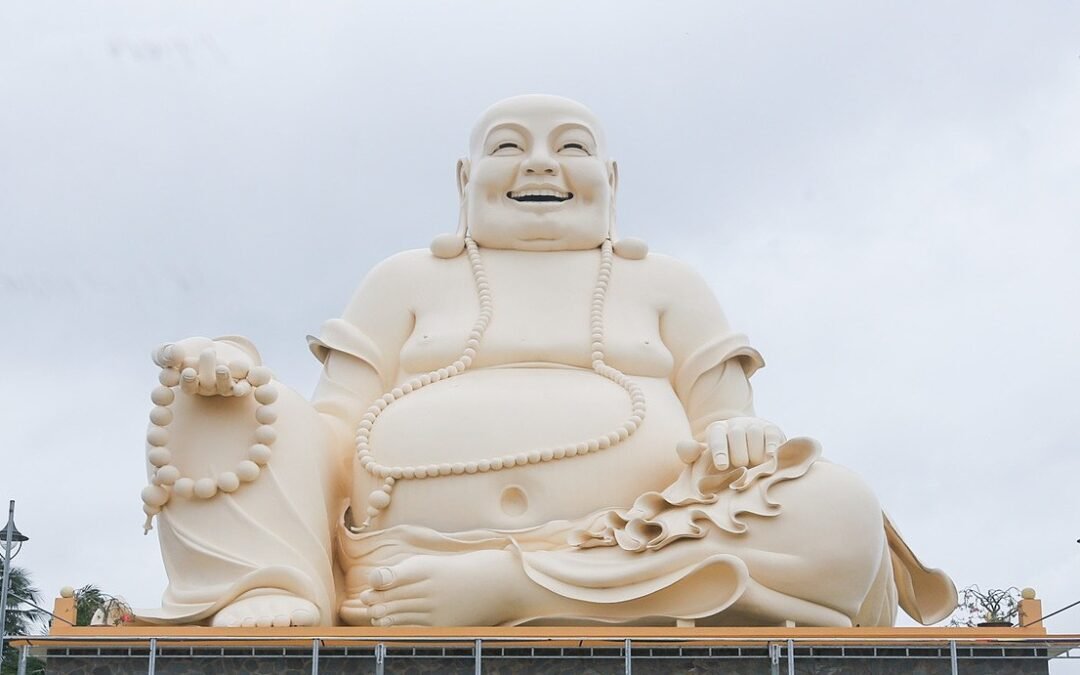
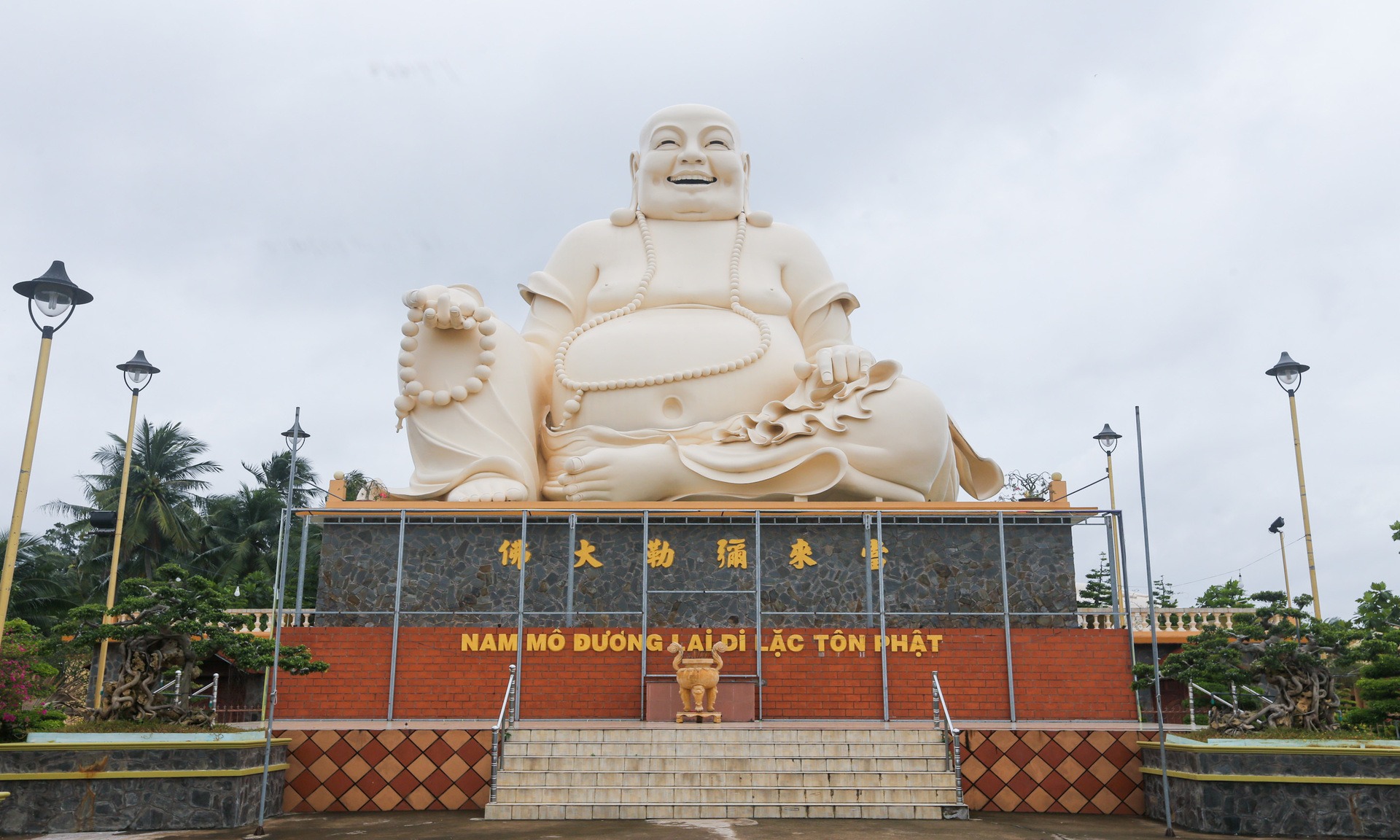
The 20-meter-high Maitreya Buddha statue located in the Mekong Delta has earned recognition from the UK-based travel publication Wanderlust as one of the globe’s most astounding colossal Buddha statues.
One of the most prominent features of Vinh Trang Pagoda located on Nguyen Trung Truc Street in My Tho City, within Tien Giang Province, is a massive 250-ton statue.
The monument was built using reinforced concrete and was unveiled in 2010, serving as an emblem of joy and wealth according to Buddhist principles.
|
|
The Maitreya Buddha statue at Vinh Trang Pagoda is positioned above a platform and encircled by lush vegetation. Image courtesy of VnExpress/Tran Quynh
|
The Vinh Trang Pagoda is among the earliest religious sites in southern Vietnam, established during the middle of the 19th century.
The architecture of the pagoda combines aspects from French, Roman, Khmer, Chinese, and Vietnamese styles.
In 1984, it was designated as a National Historic Site by the Vietnamese Ministry of Culture, Sports, and Tourism.
The notable Buddha statues highlighted in the Wanderlust list can be found in Bhutan, Mainland China, Japan, South Korea, Sri Lanka, Taiwan, and Thailand.
oleh admin | Feb 8, 2025 | cities and towns, tourist attractions, tourists, travel destinations, vietnam
Explore Ho Chi Minh City, where historical sites, bustling markets, architectural wonders, and contemporary attractions blend together to provide an energetic and memorable journey.
1. War Remnants Museum
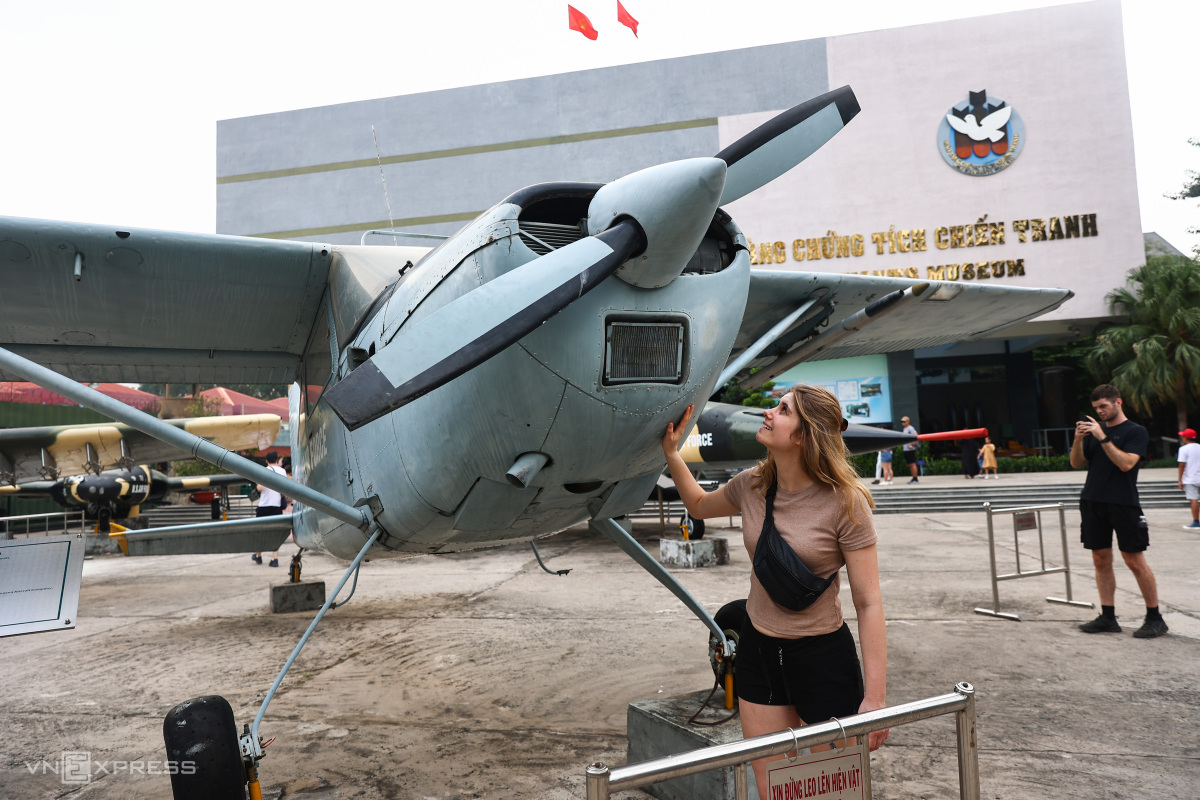
The War Remnants Museum provides a poignant look at Vietnam’s tumultuous past during the Vietnam War era. Exhibits include photos, memorabilia, and military hardware that illustrate how the conflict affected both Vietnam and its population.
|
|
A Belgian visitor examining an airplane at the War Remnants Museum in Ho Chi Minh City. Image courtesy of VnExpress/Quynh Tran.
|
The collection consists of 20,000 items such as weaponry, personal effects belonging to soldiers, propaganda materials, and correspondence sent home by combatants during the conflict. Among these are photos and documentary pieces that graphically illustrate the brutal acts carried out by American forces, encompassing mass killings, deployment of chemicals like Agent Orange, and severe harm inflicted upon non-combatant populations. A considerable number of Vietnamese people still grapple with long-term consequences stemming from those occurrences, which manifest as medical problems, hereditary conditions, mental distress, and economic hurdles faced when trying to reconstruct society post-war. In 2022, the Canadian travel site
The Travel
Included the War Remnants Museum in the list of 10 “top historical museums” in Asia.
The War Remnants Museum remains one of the top draws for tourists not only in Ho Chi Minh City but also throughout Vietnam, attracting approximately one million visitors each year.
The museum operates every day from 7:30 a.m. to 6:00 p.m., with an entry fee of VND40,000 (approximately US$1.60). Its location is at 28 Vo Van Tan Street in District 3.
2. The Basilica of Our Lady of Saigon Cathedral
|
|
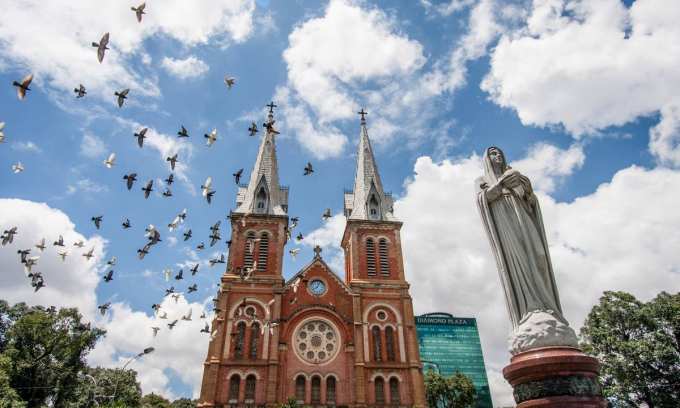
Pigeons soar above the Notre-Dame Cathedral Basilica in District 1 of Ho Chi Minh City. The photo was taken by VnExpress/Thanh Nguyen.
|
Situated in the center of the city at Cong Xa Paris Square in District 1, this cathedral from the French colonial era was constructed between 1863 and 1880. Featuring a neo-Romanesque style, stunning stained glass windows, and two prominent bell towers reaching 58 meters high, it stands as a remarkable testament to Ho Chi Minh City’s colonial past.
The crimson bricks of the cathedral, sourced from Marseille, lend it a cozy and enduring look, whereas inside, you’ll find elaborate engravings and an atmosphere of peace. This site functions as a sanctuary for worshipers and photographers alike, providing guests with insight into the town’s historical and religious legacy.
Admission is complimentary, and the church operates every day. Since 2017, it has been subject to renovations, with completion now anticipated around 2027 because of setbacks linked to importing specific supplies. Even during this period of building, guests may visit inside; however, several sections remain off-limits for security purposes.
3. Ben Thanh Market
|
|
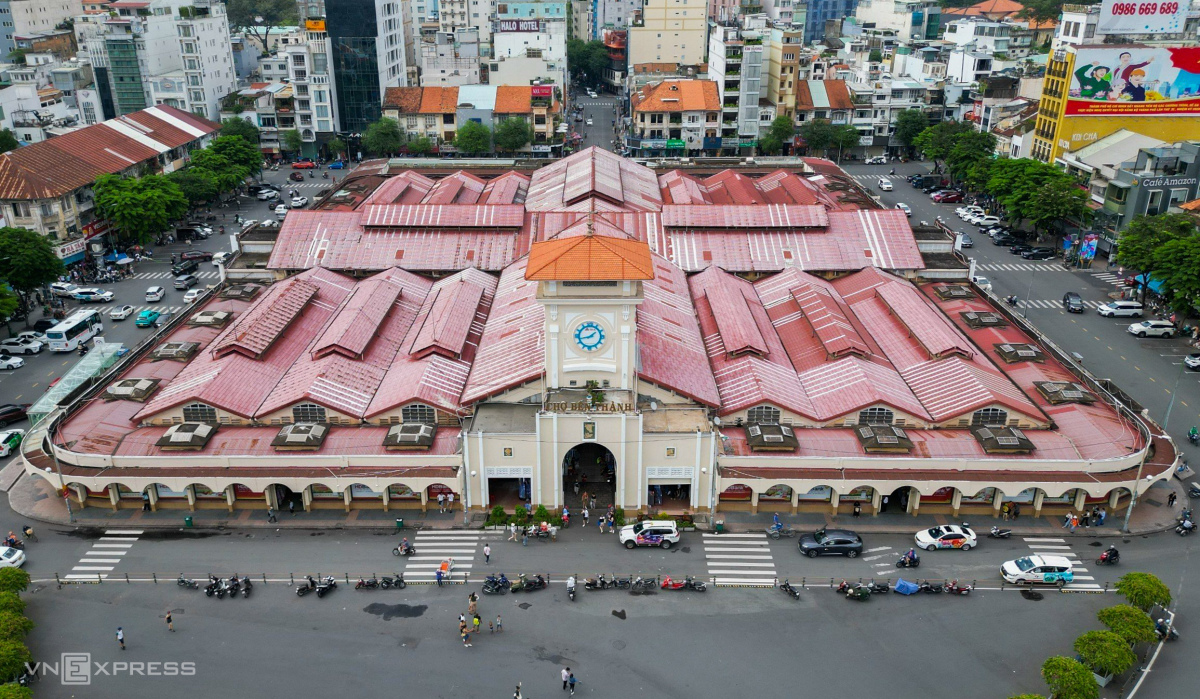
The perspective of Ben Thanh Market seen from above. Photo by VnExpress/Quynh Tran
|
Located in District 1, Ben Thanh Market serves as a lively center of activity and is among the city’s earliest and most recognizable landmarks. Founded during the early 1900s, this dynamic marketplace embodies the essence of local culture where both residents and visitors can fully engage with their surroundings.
This spot is ideal for purchasing local crafts, fabrics, keepsakes, and an array of fresh goods. Additionally, the marketplace serves as a food lover’s paradise, providing classic Vietnamese cuisine such as pho and crispy pancakes.
banh xeo
, accompanied by crisp spring rolls along with invigorating beverages such as sugarcane juice and Vietnamese iced coffee. Adjacent to the market lies a recently constructed plaza where guests can unwind comfortably, whereas the close-by subway station ensures easy navigation for tourists.
The space in front of Ben Thanh Market is currently undergoing preparations for an upcoming renovation scheduled to begin prior to April 2025.
Ben Thanh Market operates every day from 6:00 a.m. to 6:00 p.m., and features an evening market that extends until 10:00 p.m., providing a distinct ambiance with food carts and outside booths populating the surrounding streets.
It should be noted that Ben Thanh Market is known for charging higher prices to international visitors.
Japanese tourist was charged
VND700,000 ($30) for three pairs of socks in 2023. The vendor was temporarily banned from operating by the market authorities for one week. Keep this in mind during your visit.
4. Reunification Palace

|
|
Tourists basking in the sunshine at the Reunification Palace in Ho Chi Minh City. Image courtesy of Vnexpress/Thanh Nguyen.
|
Commonly referred to as Independence Palace, this significant location at 135 Nam Ky Khoi Nghia Street, District 1, stands as a emblematic monument of Vietnam’s past and the conclusion of the Vietnam War. Constructed during the 1960s, it functioned both as the home and office for the President of South Vietnam.
The palace gained prominence on April 30, 1975, when a North Vietnamese tank burst through its entrance, symbolizing the collapse of U.S.-supported Saigon and the unification of Vietnam. Nowadays, it functions as a museum, providing guests with an insight into its lavish interior spaces, hidden underground chambers, and strategic control centers that were crucial during the conflict. As such, it serves as a potent testament to Vietnam’s endurance and change over time.
Guests have the opportunity to tour the intact chambers, encompassing the head of state’s workspace, the meeting area for cabinet members, and the dining space where formal gatherings took place. These areas served crucial functions like hosting key discussions, making critical decisions, and conducting diplomatic events. Additionally, the subterranean shelters, formerly operational hubs during the Vietnam War era, provide insight into strategic planning from beneath the surface. Various displays feature items related to warfare, archival images documenting past times, along with transportation vehicles—such as armored fighting vehicles and rotary aircraft—that were pivotal during those confrontations.
The palace is accessible every day from 8:00 a.m. to 5:00 p.m. The ticket price is VND65,000 ($2.60).
5. Cu Chi Tunnels
|
|
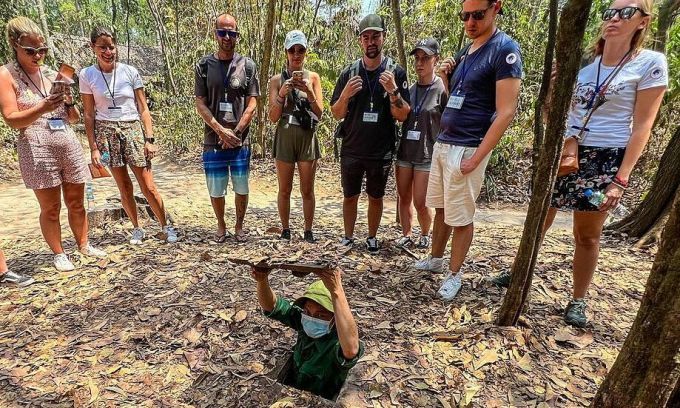
International visitors observe a tour guide demonstrating how to navigate the entrances of the Cu Chi Tunnels in Ho Chi Minh City. The image was shared by jwrach007 on Instagram.
|
Located approximately 70 kilometers (43 miles) away from central Ho Chi Minh City, the Cu Chi Tunnels form an intricate subterranean system with significant historical importance dating back to the Vietnam War era. Originally constructed and utilized by Vietnamese combatants starting in the late 1940s during the First Indochina War, this vast tunnel complex functioned both as protective hideouts and operational hubs for logistical support, daily life activities, and tactical military engagements in asymmetric warfare.
Tourists can traverse parts of the tunnels, which were expanded from their initial narrow dimensions to recreate the difficult circumstances endured by the soldiers. The site features historical relics from wartime, simulated booby traps, and engaging displays highlighting the tactics and fortitude of the Vietnamese fighters. This location serves as an educational destination for individuals interested in gaining more insight into Vietnam’s past.
Tours can be booked every day, with costs differing based on the operator, beginning around VND110,000 ($4.40) for admission.
6. Ho Chi Minh City Central Post Office
|
|
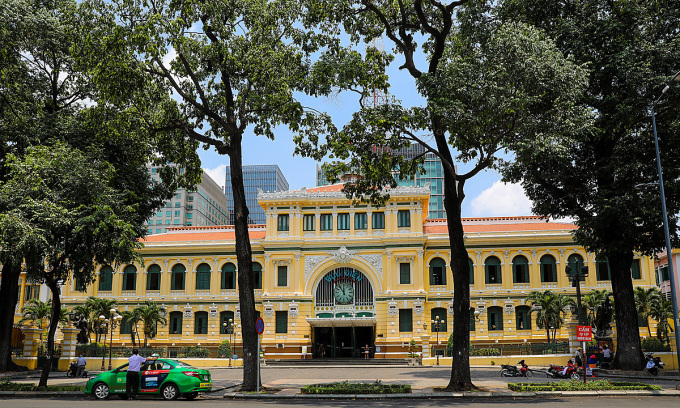
The entrance to the Saigon Central Post Office. Image courtesy of VnExpress/Quynh Tran
|
The magnificent Central Post Office located at 2 Cong Xa Paris, District 1, was designed by Gustave Eiffel and constructed in 1891. It stands as an exemplary piece of French colonial architecture, featuring intricate iron decorations alongside arched windows that blend elements from Gothic, Renaissance, and French styles. This iconic building is conveniently situated adjacent to one of the city’s most frequented attractions.
Street Nguyen Van Binh book
.
The structure still operates as an active post office and attracts many tourists who come to admire its well-maintained interior. Upon entering, one can observe a grand arched ceiling held up by elaborate ironwork alongside old-fashioned phone stalls, enhancing its timeless allure.
The postal facility operates every day between 8:00 a.m. and 5:00 p.m., with no admission fee.
7. Tan Dinh Church
|
|
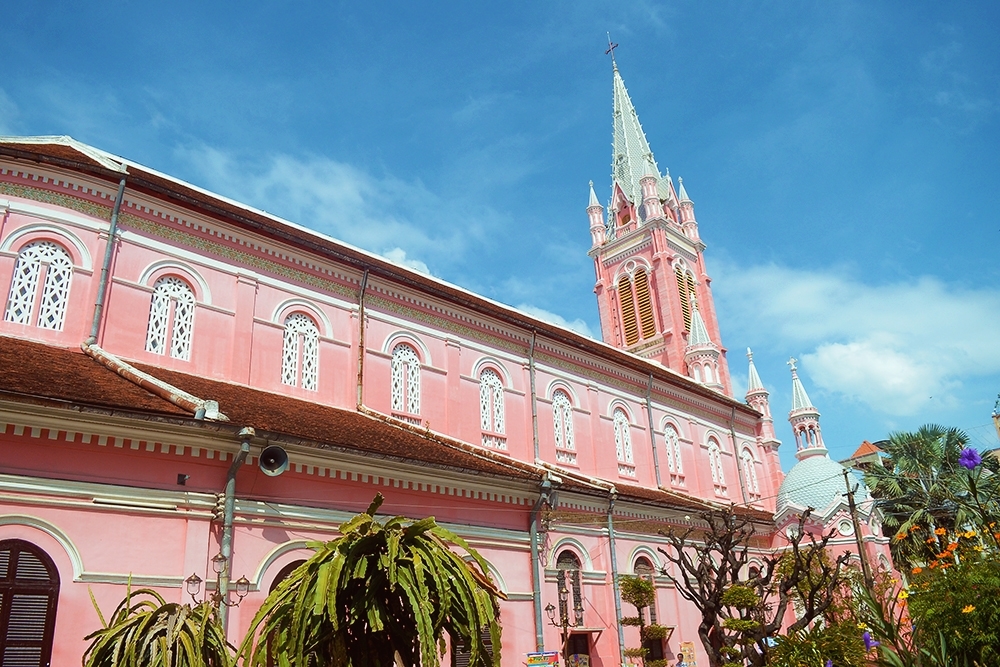
A side view of Tan Dinh Church in Ho Chi Minh City. The photo was taken by VnExpress/Phong Vinh.
|
Renowned for its distinctive pastel exterior, Tan Dinh Church—also referred to as The Pink Church—at 289 Hai Ba Trung Street in District 3, is an additional example of architectural beauty from the French colonial period. Constructed in 1876, this church ranks among the earliest places of worship in Ho Chi Minh City and distinguishes itself with a blend of Romanesque, Gothic, and Baroque elements.
The elaborate facade of the church, adorned with white accents and detailed ornamentation, creates a striking contrast against its vibrant pink color, rendering it a popular location for photoshoots. Within, guests can marvel at the lofty arched ceilings, elegant altars, and colored glass windows, enhancing both its allure and historic importance. Tan Dinh Church serves as more than just a religious site; it stands as a cultural monument emblematic of the area’s deep-rooted traditions.
The church operates every day.
8. Landmark 81
|
|
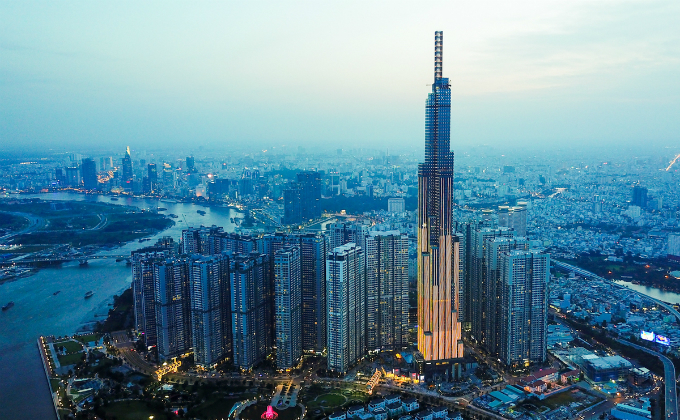
Night view of Landmark 81 in Ho Chi Minh City. Image courtesy of VnExpress/Quynh Tran
|
Standing tall as Vietnam’s highest building, Landmark 81 in Binh Thanh District represents contemporary elegance and opulence, reaching an astounding height of 461.2 meters (1,513 feet).
The viewing area on the higher levels offers unobstructed 360-degree vistas of Ho Chi Minh City, particularly breathtaking at dusk and after dark.
Within the structure, you’ll find upscale stores, fine dining eateries, a luxurious hotel, and cutting-edge recreational amenities such as an ice skating rink and a movie theater.
The viewing platform is accessible every day from 9:00 a.m. to 9:00 p.m., with entry fees beginning at VND300,000 ($12). Additionally, the shopping center, eateries, and various amenities within the structure operate during different timeslots; typically, most retail outlets and food establishments are available from 10:00 a.m. until 10:00 p.m.
9. Bui Vien Pedestrian Street
|
|
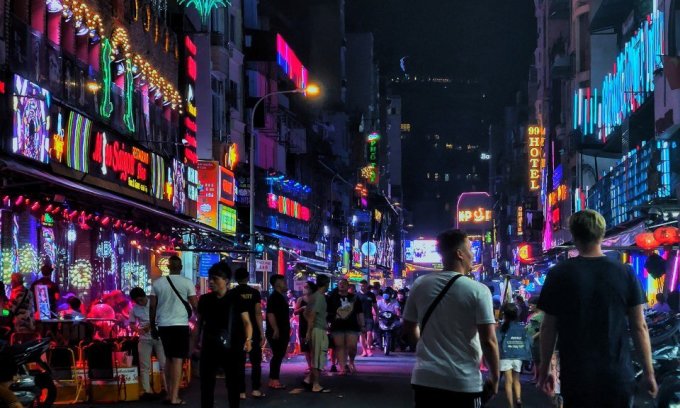
The Bui Vien pedestrian street in Ho Chi Minh City at nighttime. Photo: VnExpress/Bich Phuong
|
Bui Vien Walking Street in District 1 serves as the pulsating core of Ho Chi Minh City’s nocturnal scene, attracting both residents and visitors alike. As dusk falls, this lively footpath transforms into a hubbub of activity featuring numerous bars, clubs, and live musical acts, generating a charged and spirited ambiance.
This location is renowned for its array of street food stalls that serve an extensive selection of tasty regional bites like banh mi, pho, broken rice com tam, and crispy spring rolls—ideal for quelling midnight hunger pangs. If you seek dancing, refreshing beverages, or just want to immerse yourself in the vibrant ambiance, Bui Vien Walking Street stands out as the prime spot for entertainment, cuisine, and thrills within Ho Chi Minh City.
As one might expect, the street becomes particularly vibrant during the evening hours.
10. Chinatown (Cho Lon)
|
|
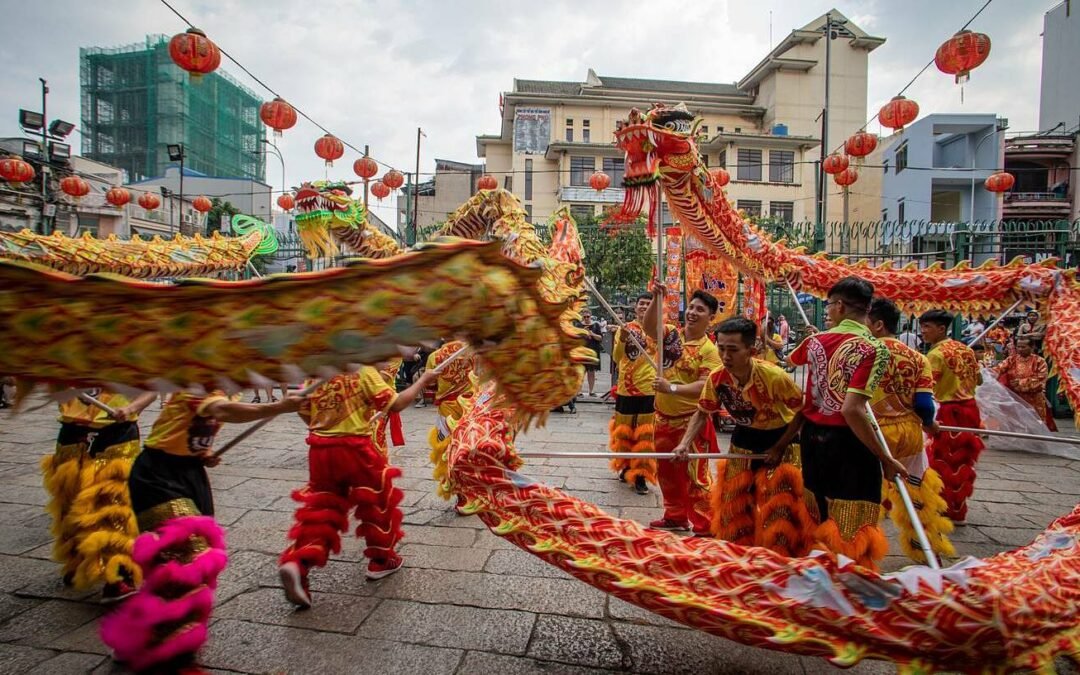
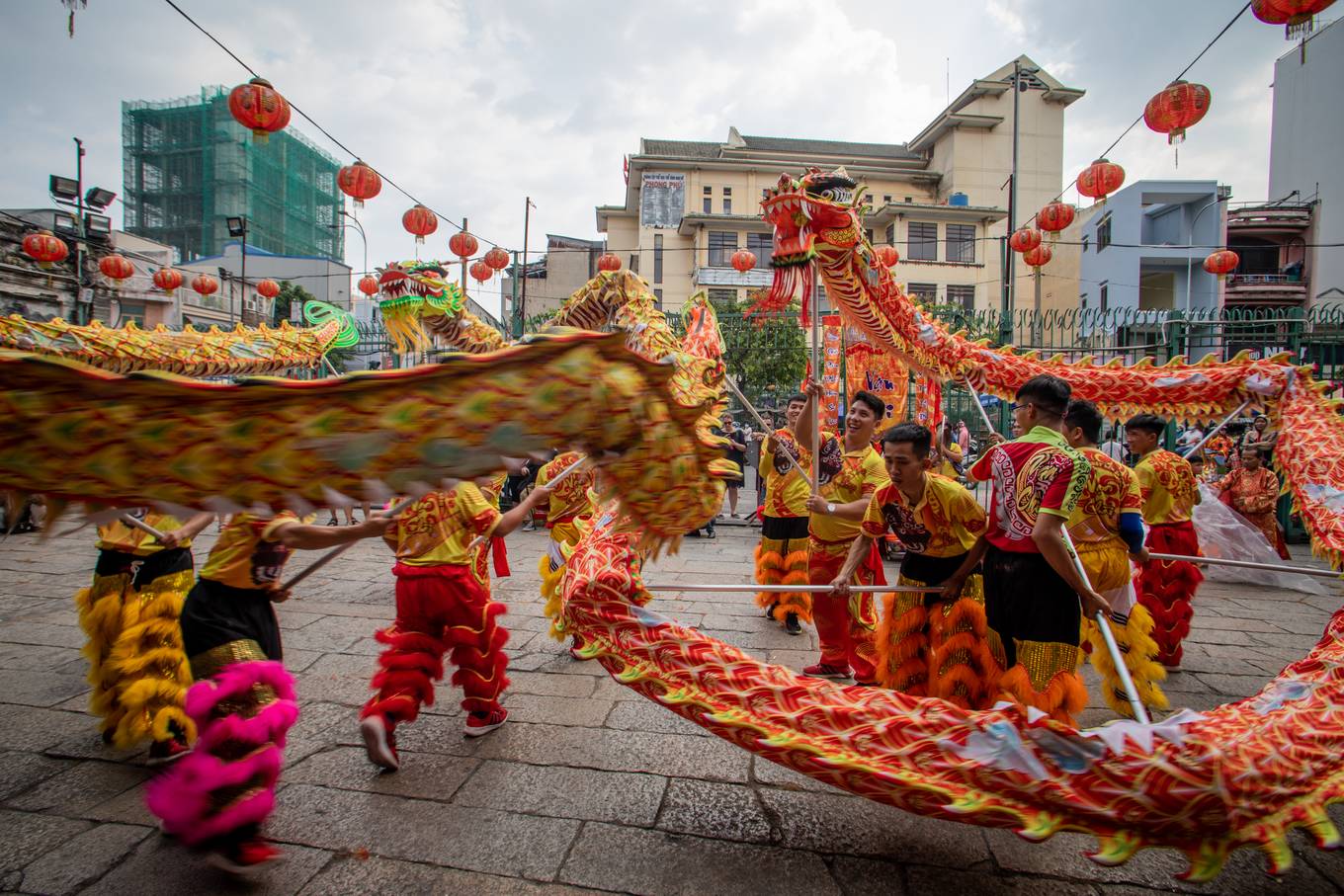
Chinatown of Saigon during the Tet holiday. Image captured by VnExpress/Thanh Nguyen.
|
Situated in District 5, Chinatown—also known as Cho Lon—is a lively neighborhood brimming with Chinese-Vietnamese heritage and history. This dynamic area features an array of traditional Chinese buildings alongside local markets and genuine restaurants serving up Chinese cuisine, which makes it essential for visitors wanting to immerse themselves in this cultural amalgamation.
Tourists have the opportunity to visit historical sites such as the Thien Hau Temple, which honors the Chinese deity of the seas, and Binh Tay Market, a bustling bazaar offering an array of goods including spices, traditional medicines, fabrics, and keepsakes.
The winding lanes are flanked by stores peddling authentic Chinese merchandise, and the scent of street cuisine permeates the atmosphere, providing a genuine sampling of regional tastes and traditions.
Access to the majority of these sites is complimentary; however, certain temples might impose a nominal entry charge.
11. Thao Dien
|
|
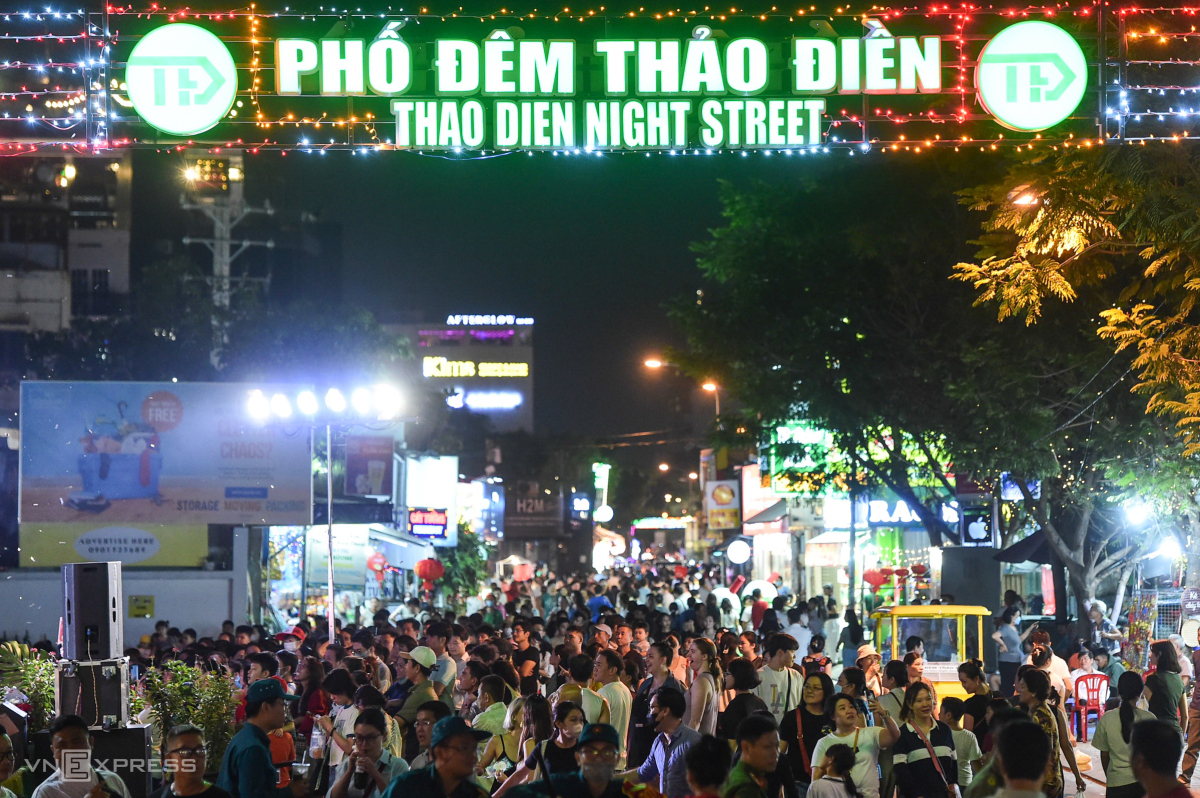
Thao Dien Night Street in Ho Chi Minh City. Image courtesy of VnExpress/Phong Anh
|
Located in District 2, Thao Dien stands out as an elegant and fashionable district recognized for its global atmosphere and varied international population. Ideal for individuals who value tranquility and sophistication, this locale offers numerous cafés, chic boutiques, and cutting-edge art galleries perfect for casual discovery.
Thao Dien features waterfront dining spots where guests can savor tasty dishes while admiring breathtaking vistas of the Saigon River. This area is ideal for families due to its abundance of parks, play areas, and leisure zones, rendering it an excellent choice for residents and travelers seeking a serene yet lively environment distant from the urban chaos.
The British magazine Time Out placed Thao Dien at number 16 on their list.
world’s 38 coolest neighborhoods
in October 2024.
oleh admin | Jan 28, 2025 | culture, tourist attractions, Travel, travel destinations, vietnam
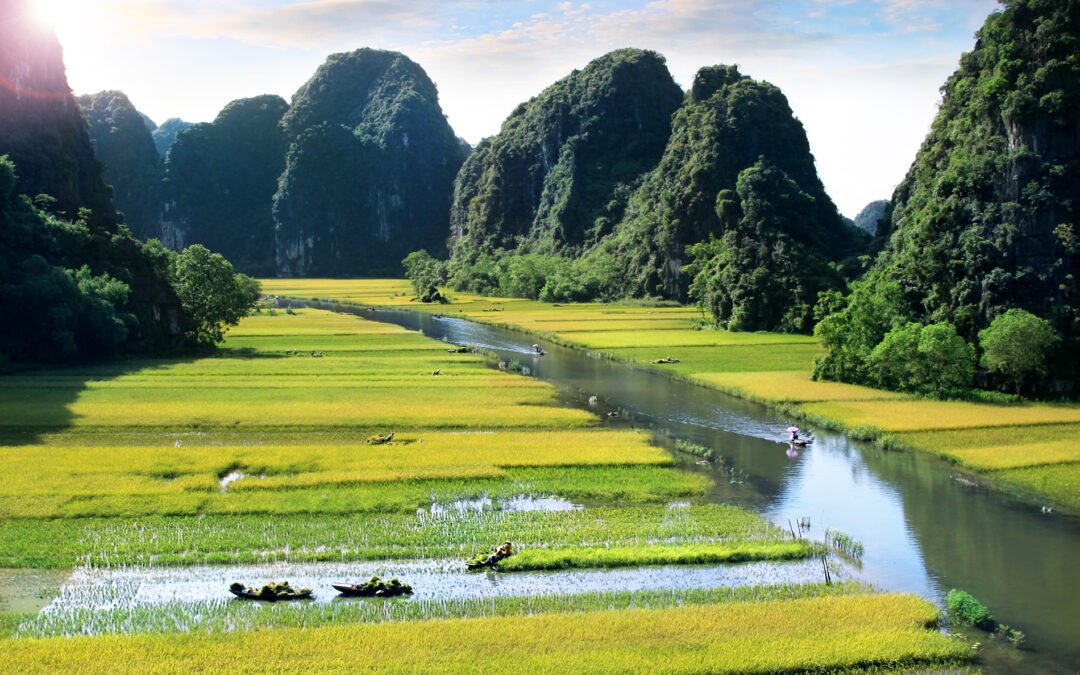
Explore Ninh Binh and Tam Coc to witness breathtaking limestone cliffs, ancient shrines, and vast expanses of rice fields that seem to stretch endlessly.
About 50 miles away from Hanoi sits Ninh Binh, a gem nestled in Northern Vietnam and often referred to as the inland counterpart of
Halong
Bay
Here, stunning vistas and historical sites provide tough competition to its coastal equivalent. In Tam Coc, boat trips down the Ngo Dong River offer a picturesque journey through majestic limestone formations and lush rice paddies. Along the way, explore the multi-levelled Bich Dong, an enigmatic temple embedded within the rocky cliffs. Ascend the steep staircases leading to the Upper Pagoda to enjoy spectacular panoramas.
Further up north lies Trang An, designated as a UNESCO World Heritage Site due to its stunning landscape featuring intricate clusters of karst mountains and valleys. Paddle your way through Trang An’s waterways to discover vibrant green valleys, hidden caverns, and towering limestone formations. This renowned attraction in Vietnam tends to get crowded; therefore, visit either at daybreak or just before sunset for a more tranquil experience.
Tam Cốc
Ninh Hải
Hoa Lư
Ninh Bình