


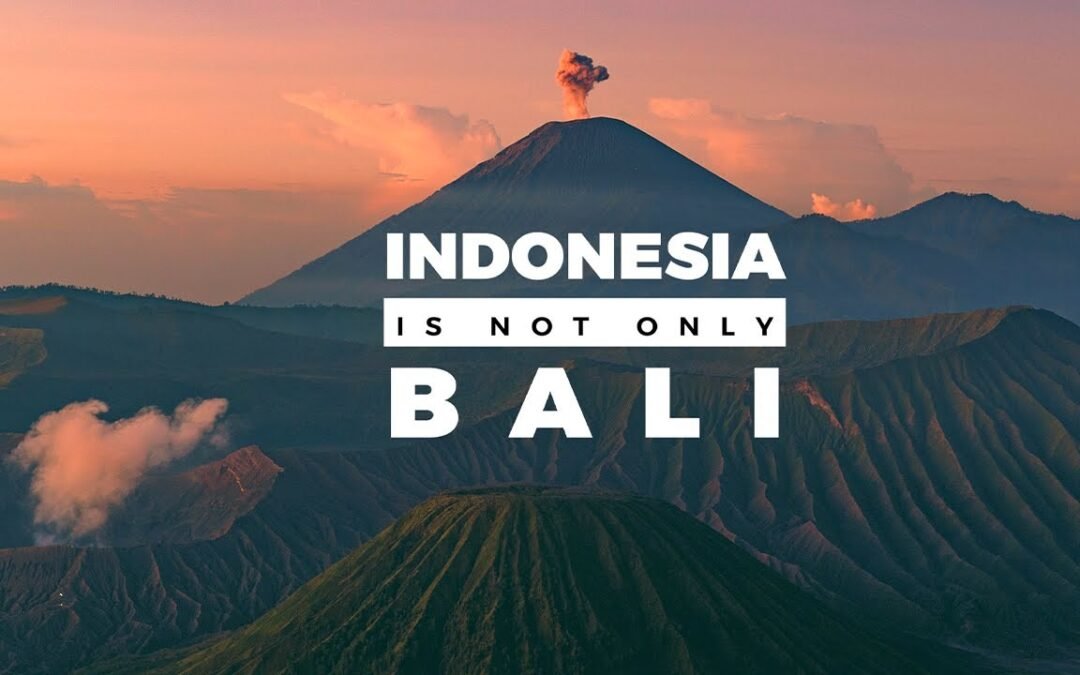
Have you ever been captivated by the allure of a destination that promises untold adventures and breathtaking landscapes? When I decided to embark on a ten-week journey through Indonesia, I sought not just the typical tourist traps but the vibrant heart of this beautiful archipelago. From the bustling streets of Jakarta to the serene beaches of Flores, join me as I recount my unforgettable exploration of Indonesia’s hidden treasures.
Unveiling Indonesia: More Than Just Bali
When you think of Indonesia, what comes to mind? For many, it’s Bali. But did you know that Indonesia is home to over 17,000 islands? Yes, you read that right! This vast archipelago is a treasure trove of experiences waiting to be discovered. So, why do so many tourists miss out on this incredible diversity?
Why Tourists Overlook Indonesia’s Islands
It’s easy to see why Bali steals the spotlight. With its stunning beaches, vibrant nightlife, and rich culture, it’s a paradise for many travelers. However, focusing solely on Bali means missing out on the unique charm of other islands. Here are some reasons why:
- Familiarity: Bali is well-known and heavily marketed. Tourists feel comfortable sticking to what they know.
- Accessibility: Bali has more direct flights and tourist infrastructure, making it easier to visit.
- Social Media Influence: Pictures of Bali flood social media, creating a perception that it’s the only place worth visiting.
But what if you could step off the beaten path? What if you could explore places that offer just as much beauty and adventure?
Diverse Experiences Beyond Bali
Indonesia isn’t just a single destination; it’s a collection of islands, each with its own unique offerings. From the bustling streets of Java to the serene beaches of Lombok, there’s something for everyone. Here are a few highlights:
- Java: The largest island, Java is a cultural hub. Visit Jakarta for its rich history, or Yogyakarta for its art and heritage.
- Flores: Known for its stunning landscapes and the famous Komodo National Park, Flores is perfect for nature lovers.
- Lombok: Just east of Bali, Lombok offers beautiful beaches and hiking opportunities, including the majestic Mount Rinjani.
Each island tells a different story. Each has its own culture, cuisine, and landscapes. Imagine tasting local delicacies in Yogyakarta or hiking to see the sunrise over Mount Bromo. The possibilities are endless!
Understanding Indonesia’s Rich Cultural Tapestry
Indonesia is the largest archipelagic state in the world. This means that traveling through its diverse regions showcases a rich variety of cultures. From the traditional dances of Bali to the intricate textiles of Sumba, every island has its own identity. This cultural variety adds depth to your travel experience.
Moreover, understanding the historical context of each region enhances your journey. For instance, in Java, you can explore the remnants of Dutch colonialism in Jakarta. Or visit the ancient temples of Borobudur and Prambanan, which reflect the country’s deep spiritual roots.
“Indonesia is not only Bali, it is a mosaic of cultures and natural wonders.”
As you travel, you’ll find that each island offers a different perspective on life. The warmth of the locals, the flavors of the food, and the beauty of the landscapes all combine to create an unforgettable experience.
Conclusion
So, the next time you think about Indonesia, remember that it’s more than just Bali. It’s a vast archipelago filled with hidden gems waiting to be explored. Whether you choose to wander through the streets of Jakarta, hike up a volcano in Lombok, or relax on the beaches of Flores, you’ll discover that Indonesia is a land of endless possibilities.
Culinary Adventures: Tasting the Heart of Indonesian Flavors
Indonesia is a treasure trove of flavors. The culinary scene here is vibrant and diverse. You can find everything from spicy dishes to sweet treats. One of the best ways to explore this diversity is through traditional dishes. Let’s delve into some of these iconic foods.
Traditional Dishes to Savor
- Rendang: This is a slow-cooked beef dish, rich in spices. It’s often described as a spicy meat stew. The flavors are deep and complex, thanks to ingredients like ginger, turmeric, and lemongrass. Have you ever tasted something that felt like a warm hug? That’s rendang.
- Lumpia: These are Indonesian spring rolls, filled with a mix of vegetables and sometimes meat. They are crispy on the outside and bursting with flavor on the inside. Perfect as a snack or appetizer, lumpia reflects the local tradition of using fresh ingredients.
When you visit Yogyakarta, you can’t miss trying these dishes. The city is a culinary hub, offering a unique blend of flavors that represent the heart of Java.
Personal Anecdotes from Yogyakarta
During my time in Yogyakarta, I wandered through local markets. The air was filled with the scent of spices and grilled meats. I remember stopping at a small stall. The vendor was making fresh lumpia right in front of me. The crunch of the wrapper and the burst of flavors inside were unforgettable. It was a moment that connected me to the culture.
Another memorable experience was trying rendang at a family-owned restaurant. The owner shared stories about how the recipe had been passed down through generations. “Trying the local cuisine is essential, as it uniquely represents Java’s rich culinary heritage,” he said. His passion for food was evident in every bite.
The Unique Blend of Spices
Indonesian cuisine is a symphony of spices. Each region has its own unique blend. In Yogyakarta, you’ll find a mix of sweet, spicy, and savory flavors. Ingredients like chili, garlic, and shallots are staples. They create a depth of flavor that is hard to resist.
Local markets are essential for experiencing these authentic flavors. You can find fresh herbs, spices, and local produce. It’s a feast for the senses. The colors, the smells, and the sounds create an atmosphere that is alive with culture.
Traditional Snacks and Cultural Heritage
Traditional snacks reflect the cultural heritage of Indonesia. Each family has its own recipes, often passed down through generations. These snacks are not just food; they are stories on a plate. They connect you to the history and traditions of the community.
For instance, you might find kue cubir, a sweet cake made from rice flour, or pisang goreng, fried bananas that are crispy on the outside and soft on the inside. These treats are often enjoyed during family gatherings or celebrations. They are a reminder of the importance of food in bringing people together.
Distinct Culinary Practices Across Regions
Every region in Indonesia offers distinct culinary practices. From the spicy dishes of Padang to the sweet flavors of Bali, the diversity is remarkable. It’s like traveling through a world of flavors without leaving the country.
So, are you ready to embark on your own culinary adventure? Indonesia awaits with its rich tapestry of flavors, stories, and traditions. Each dish tells a story, and every bite is a journey into the heart of this incredible culture.
As you explore, remember that food is more than just sustenance. It’s a way to connect with the people and the land. Enjoy every moment, and let the flavors of Indonesia linger in your memory.
Cultural Treasures: A Journey Through History and Heritage
Indonesia is a treasure trove of culture and history. You might think of Bali when you hear about Indonesia, but there’s so much more to explore. Let’s dive into the rich historical landmarks of Jakarta, the cultural sites of Yogyakarta, and the breathtaking Borobudur temple.
1. Jakarta’s Historical Landmarks
Jakarta, the capital city, is often overlooked by travelers. But it holds a wealth of historical significance. One of the must-visit sites is Monas, or the National Monument. Built in 1975, it commemorates Indonesia’s independence. From its observation deck, you can see the sprawling city below. It’s a reminder of the journey Indonesia has taken.
As you explore further, you’ll find the National History Museum nearby. Here, 51 dioramas depict key events in Indonesia’s past. This includes the arrival of Islam, European colonization, and the struggle for independence. Each display tells a story. Each story shapes the identity of this nation.
Have you ever wondered how colonial history influences modern society? In Jakarta, you can see it firsthand. The blend of cultures is evident. A Catholic Cathedral stands across from the largest mosque in Southeast Asia. This symbolizes Indonesia’s commitment to religious tolerance. It’s a beautiful sight.
2. Cultural Sites in Yogyakarta
Next, your journey takes you to Yogyakarta. This city is known for its rich culture and heritage. It served as Indonesia’s capital during the national revolution. Here, you can visit Taman Sari, the Water Castle. This site was once a royal garden. Imagine walking through its lush landscapes, feeling the history around you.
Another highlight is the Kraton, the royal palace of the sultanate. It’s not just a palace; it’s a living museum. You’ll learn about classical fine arts and the region’s history. The intricate architecture tells stories of the past.
While in Yogyakarta, don’t miss the local cuisine. Try traditional snacks like lumpia. It’s a delightful way to experience the local culture. Each bite connects you to the community.
3. The UNESCO World Heritage Site of Borobudur
Now, let’s talk about Borobudur. This UNESCO World Heritage Site is a must-see. It’s the largest Buddhist temple in the world. The intricate carvings and massive stupas are awe-inspiring. As you walk around, take a moment to appreciate the craftsmanship.
But Borobudur is more than just a temple. It embodies the spiritual quests of its creators. The temple represents a journey towards enlightenment. Each step you take is a reflection of that journey.
“Each new location teaches you more about the history of this enchanting nation.”
Visiting Borobudur is not just about seeing a beautiful site. It’s about understanding the cultural significance behind it. The temple stands as a testament to Indonesia’s diverse heritage.
4. The Importance of Historical Narratives
Understanding Indonesia’s colonial history is crucial. It shapes contemporary perceptions. The stories of the past influence how people view the present. Temples like Borobudur and sites in Jakarta and Yogyakarta embody this history. They are not just structures; they are symbols of resilience and cultural identity.
As you explore these treasures, you’ll find that each location offers a unique perspective. Each site tells a part of Indonesia’s story. It’s a journey through time, revealing the layers of history that make this nation so enchanting.
So, are you ready to embark on this journey? The cultural treasures of Indonesia await you.
A Local Perspective: The Vibrancy of Everyday Life in Indonesia
When you think of Indonesia, what comes to mind? Is it the stunning beaches of Bali, or perhaps the lush jungles of Sumatra? While these are certainly highlights, the true essence of Indonesia lies in its everyday life. To truly understand this vibrant nation, you must interact with locals. This engagement opens doors to authentic insights that guide you through the cultural maze of this archipelagic paradise.
Engaging with Locals
Imagine walking through a bustling market in Yogyakarta. The air is filled with the aroma of spices and street food. You stop to chat with a vendor selling traditional snacks. This simple interaction can lead to stories that reveal the heart of Indonesian culture. Locals are often eager to share their experiences and traditions, making your travel experience richer.
Have you ever wondered how a culture can be so diverse yet so unified? In Indonesia, this is achieved through the warmth of its people. Engaging with them allows you to see beyond the tourist facade. You learn about their daily lives, their struggles, and their joys. This connection humanizes your travel narrative.
Cultural Rituals and Traditions
Indonesia is a tapestry of cultures, each thread woven with unique rituals and traditions. From the vibrant ceremonies of Bali to the solemn rituals of Java, every region has its own story to tell. For instance, in Yogyakarta, you might witness a traditional Javanese wedding. The intricate costumes and elaborate rituals are not just for show; they hold deep cultural significance.
These rituals often reflect the values and beliefs of the community. By observing and participating, you gain a deeper appreciation for the local way of life. You might even find yourself asking, What does this mean for the people here? Understanding these traditions can transform your perspective on life in Indonesia.
The Significance of Religion
Religion plays a crucial role in the daily lives of Indonesians. With a rich tapestry of beliefs, including Islam, Hinduism, and Buddhism, the country showcases a unique blend of spirituality. You may notice how the call to prayer punctuates the day in many cities. Or perhaps you’ll visit a temple where offerings are made to honor the gods.
In Jakarta, the juxtaposition of a grand mosque and a Catholic cathedral across the street from each other is a powerful symbol of Indonesia’s religious tolerance. This coexistence is not just a visual spectacle; it’s a testament to the nation’s commitment to harmony. You might find yourself reflecting on how religion shapes social interactions and community bonds.
Conclusion
As you explore Indonesia, remember that the vibrancy of everyday life is found in its people, traditions, and beliefs. Engaging with locals not only enriches your travel experience but also deepens your understanding of this diverse nation. The stories you gather and the connections you forge will stay with you long after your journey ends. Indonesia is more than just a destination; it’s a living, breathing tapestry of culture and life waiting to be discovered.
TL;DR: Indonesia offers a wealth of breathtaking landscapes, rich cultures, and culinary delights beyond Bali. Discover hidden gems and iconic sites like Borobudur, explore lesser-known islands, and indulge in the unique flavors of Indonesian cuisine.