From Hampshire to Dorset, Jane Austen witnessed the expanse of traditional England throughout her life. Embarking on an exploration of the novelist’s personal landscapes, we delve into six locations that significantly influenced the fabric of her refined and skilled prose.
From Steventon to Winchester, Bath, Southampton, Lyme Regis, and Chawton, every phase of Jane Austen’s life contributed to her development into one of the most distinctive and impactful authors in English literature.
English literature
Her collection of works, reflecting her journeys throughout England, offers a vibrant depiction of a nation and its customs in transition.
Interested in visiting England? Here are
some
pieces to assist you with planning
out
your trip:
-
Five compelling reasons to explore the English county of Kent
-
England: Top 10 Countryside Walking Trails You Should Add to Your Bucket List
-
This delightful small town has been crowned as the top location to reside in the United Kingdom.
-
Top British Coastal Destinations to Explore This Summer
Steventon, the birthplace of
her love of words
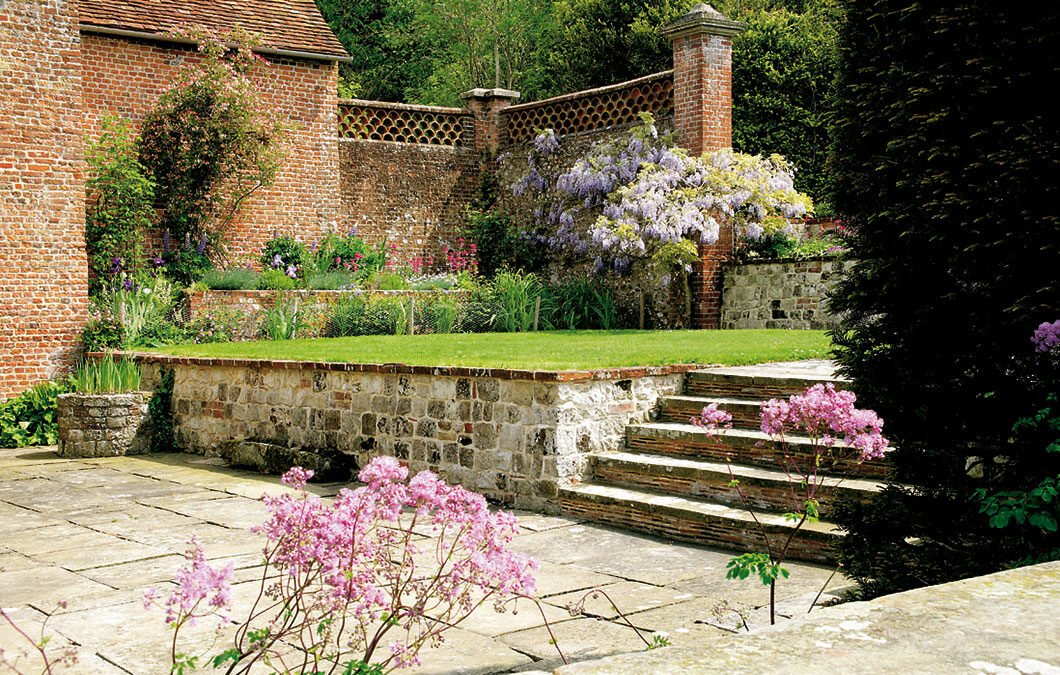
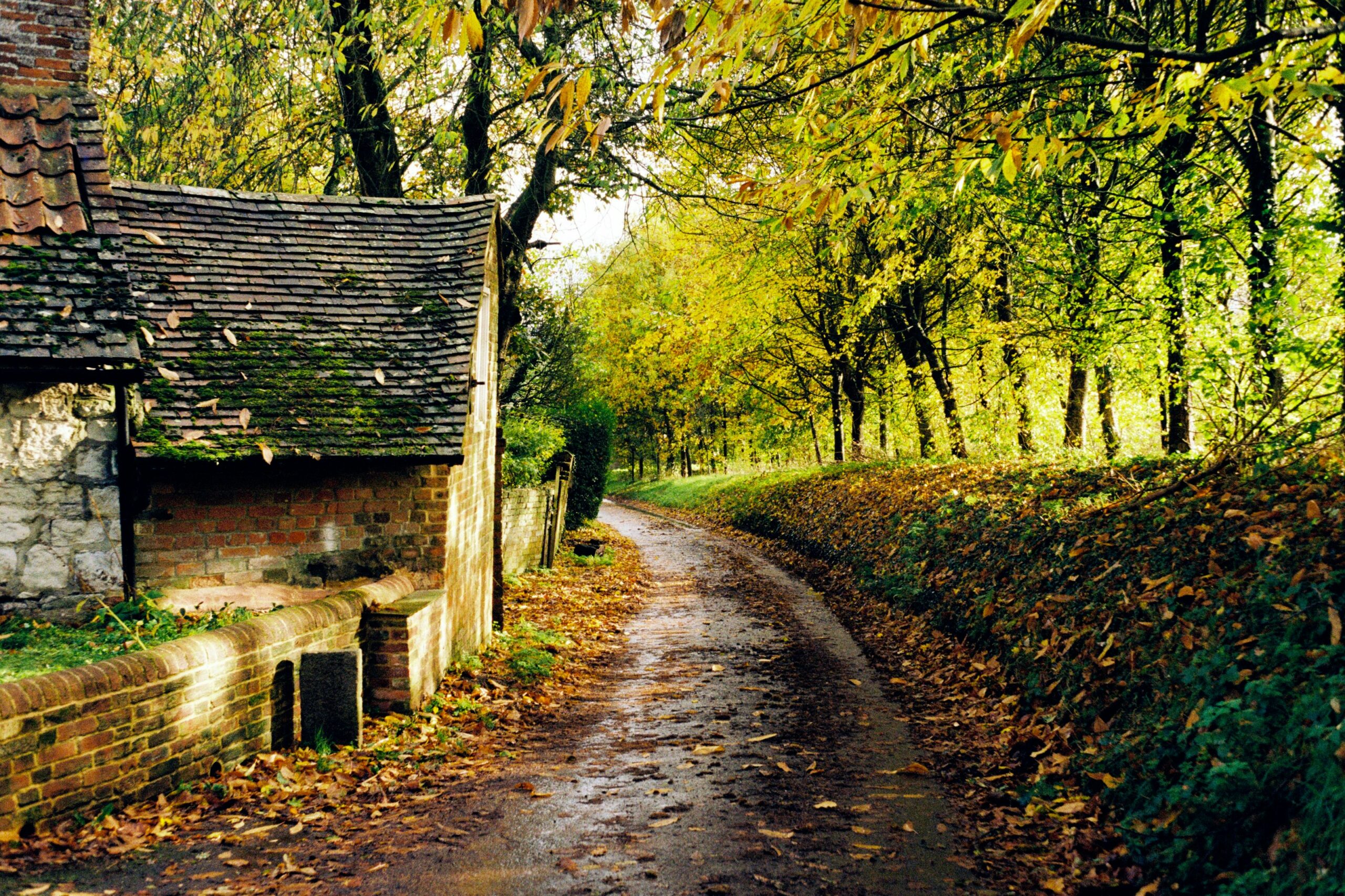
At the Steventon rectory, a young girl writes passionately. This was Jane Austen, born in 1775, who established the groundwork for her literary universe.
The picturesque landscapes of the Hampshire countryside and its close-knit rural community provided ample inspiration: attending village dances, making polite calls on neighbors, and taking leisurely strolls honed her powers of observation. This idyllic backdrop served as the stage where she developed her keen eye for detail.
drafts of
Pride and Prejudice
,
Sense and Sensibility
and
Northanger Abbey
were first written down.
Bath, the social game
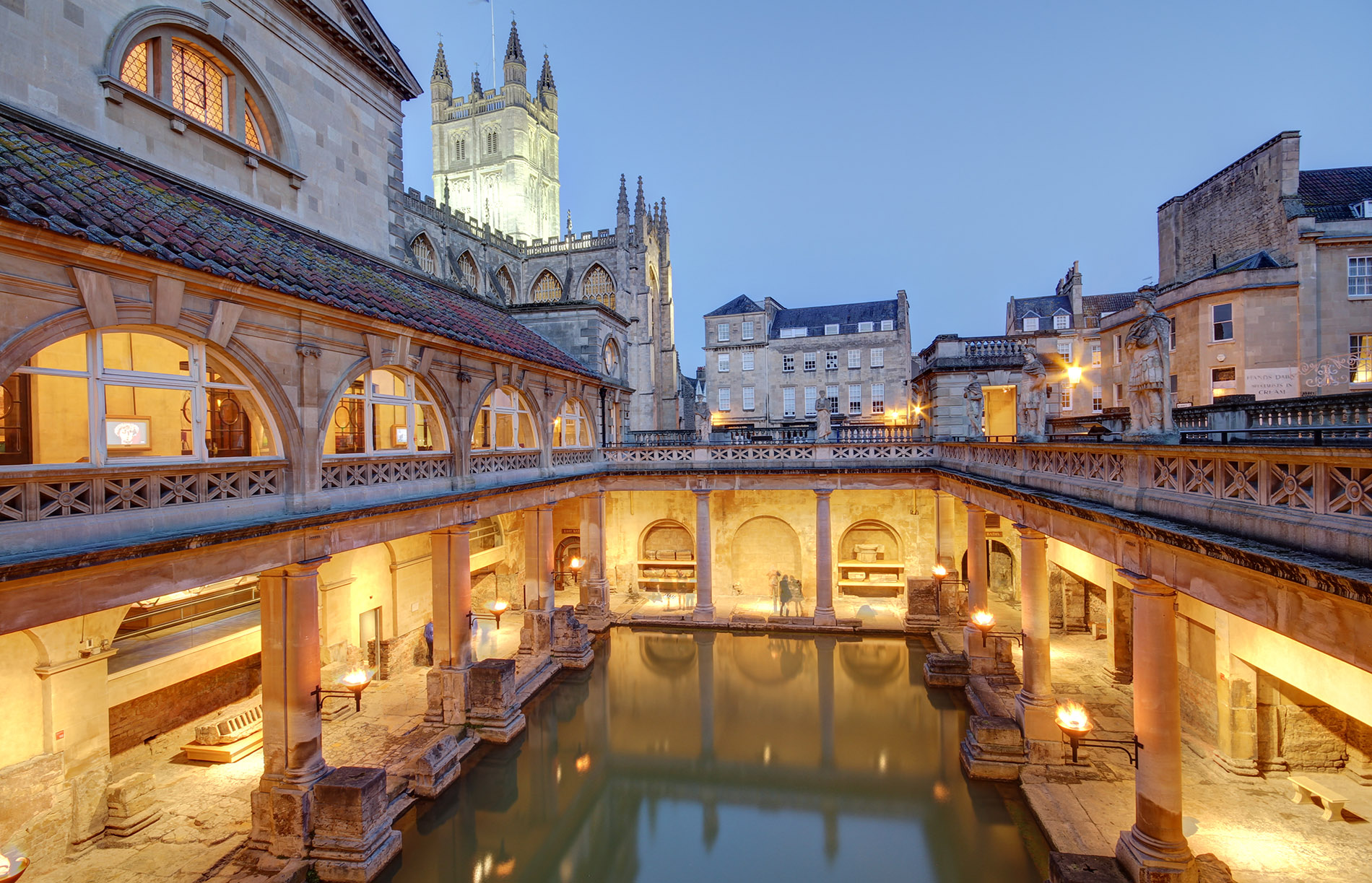
In 1801, the Austen family relocated to Bath. This move came as quite a surprise for them.
The
hubbub of the spa town
Provided a sharp contrast to the tranquil atmosphere of Steventon. Jane keenly observes, often with significant sarcasm, various social customs and events. Though she might appear unenthusiastic towards Bath in her writings, it undeniably left a lasting impression on her literature.
The charming streets and distinctive ambiance of the spa town are vividly depicted in
Northanger Abbey
and
Persuasion
. Although Austen initially disliked Bath, she eventually came to portray it as a distinct character in her literary works.
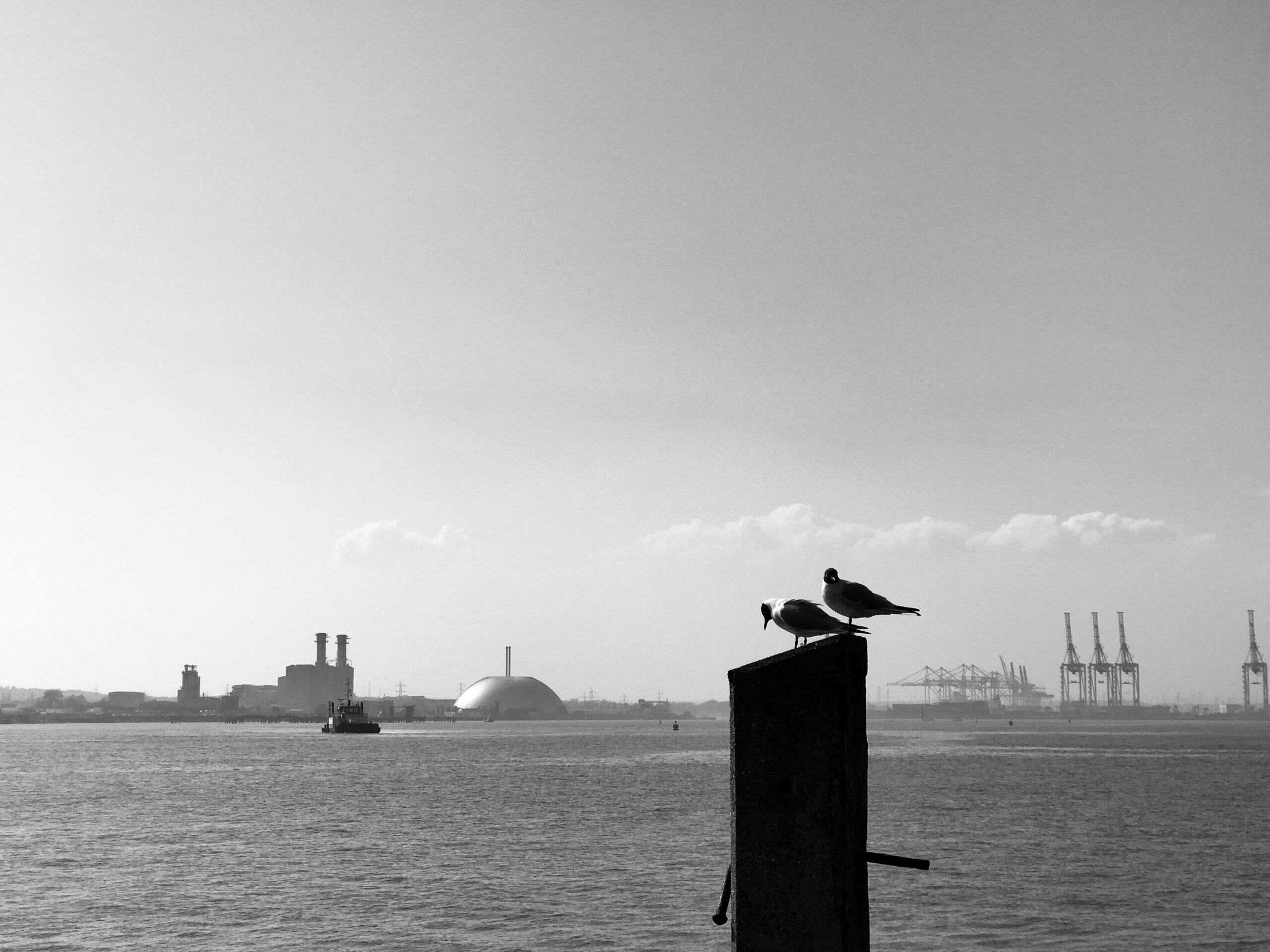
Southampton, the siren song of the ocean
In 1805, a significant change occurred. After her father passed away, Jane relocated to Southampton along with her mother and sister Cassandra.
The harbor presented fresh opportunities for the writer. The constant arrival and departure of vessels along with the lively activity at the docks expanded her understanding of life. Even though Southampton wouldn’t directly appear in her released writings, the city’s maritime impact is evident.
The naval references in
Mansfield Park
and
Persuasion
This coastal setting is referenced throughout, such that every location subtly influences Austen’s prose at times.
A Seaside Interlude in Lyme Regis
In 1804, Jane Austen came across
Lyme Regis
This short visit to Dorset instilled in her an enduring memory: the untamed allure of the Jurassic coastline and the ambiance of the coastal town enchanted the author. Lyme Regis emerged as a key element in her work.
Persuasion
The final book she finished includes an iconic scene where the character falls onto the Cobb, that legendary jetty. This moment exemplifies the influence this location had on her imagination.

Chawton, the creative refuge
In 1809, Jane decided to embrace her origins when she relocated to Chawton, which was situated in Hampshire yet again. It was here that she spent the final eight years of her life, a period marked by intense productivity as an author.
In this tranquil village, Austen attained the height of her artistic abilities. The serenity and calmness of the rural surroundings enabled her to refine her skills as an author.
Mansfield Park
,
Emma
and
Persuasion
came to be.
Chawton House, which currently serves as a Centre for the Study of Women’s Literature, stands as evidence of that significant era when Austen’s inventive talent flourished.
More information at
chawtonhouse.org
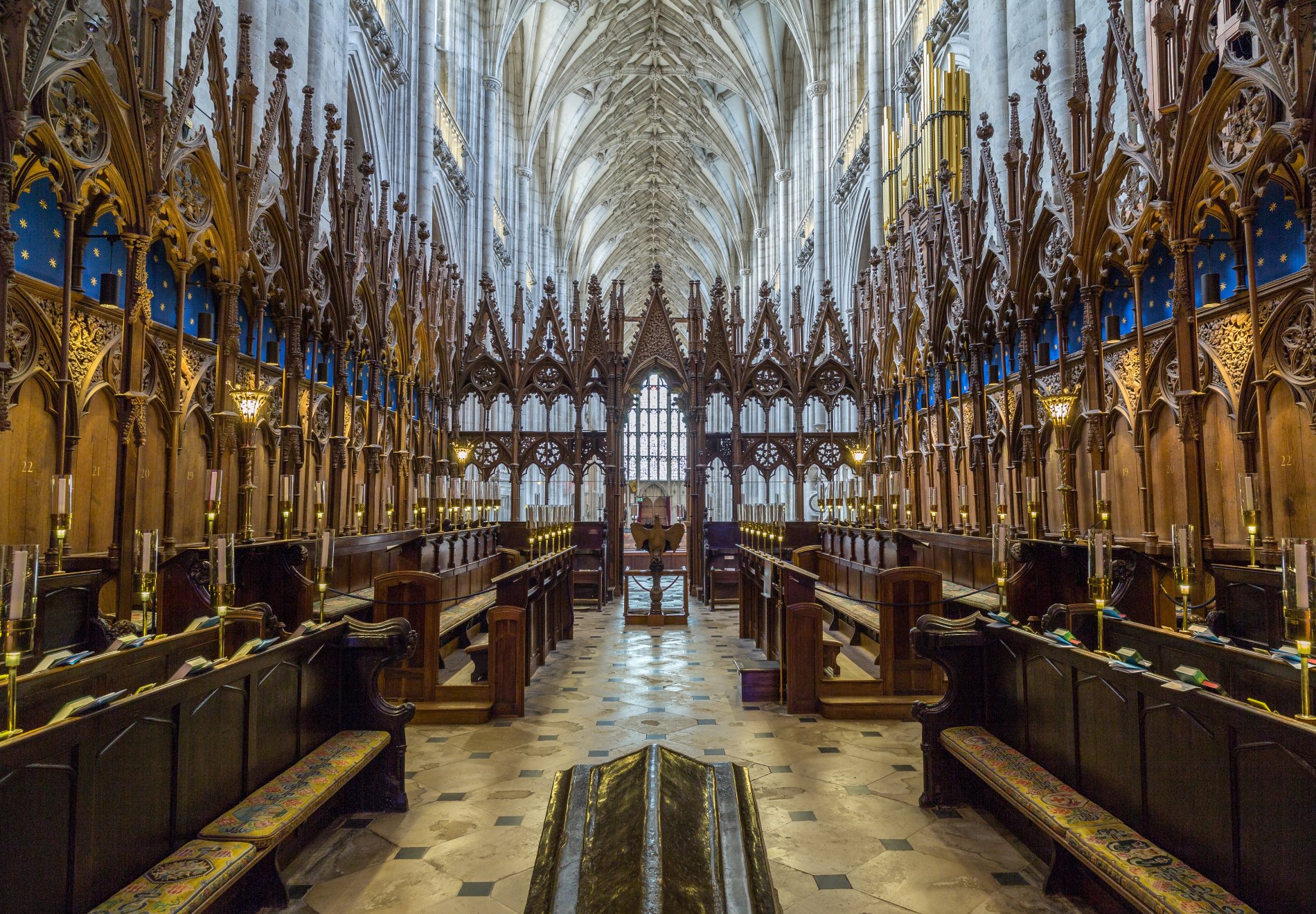
Winchester, the final chapter
Jane Austen’s active life would conclude in Winchester. In May 1817, she fell gravely ill and traveled there seeking medical care.
On July 18th, she passed away, leaving behind a legacy that would endlessly enhance English literature. Her remains were laid to rest in
Winchester Cathedral
turned into a destination where devotees from across the globe would come to visit.
And so concluded Jane Austen’s time on Earth, yet her literary essence endures, continuing to captivate fresh audiences and transport them to early 19th-century England.
th
-century England.