Jeju Island is a crucial component of any visit to South Korea. The island’s breathtaking landscapes and distinctive culture immerse visitors in a captivating environment. Let’s make our way to the most stunning location in South Korea…
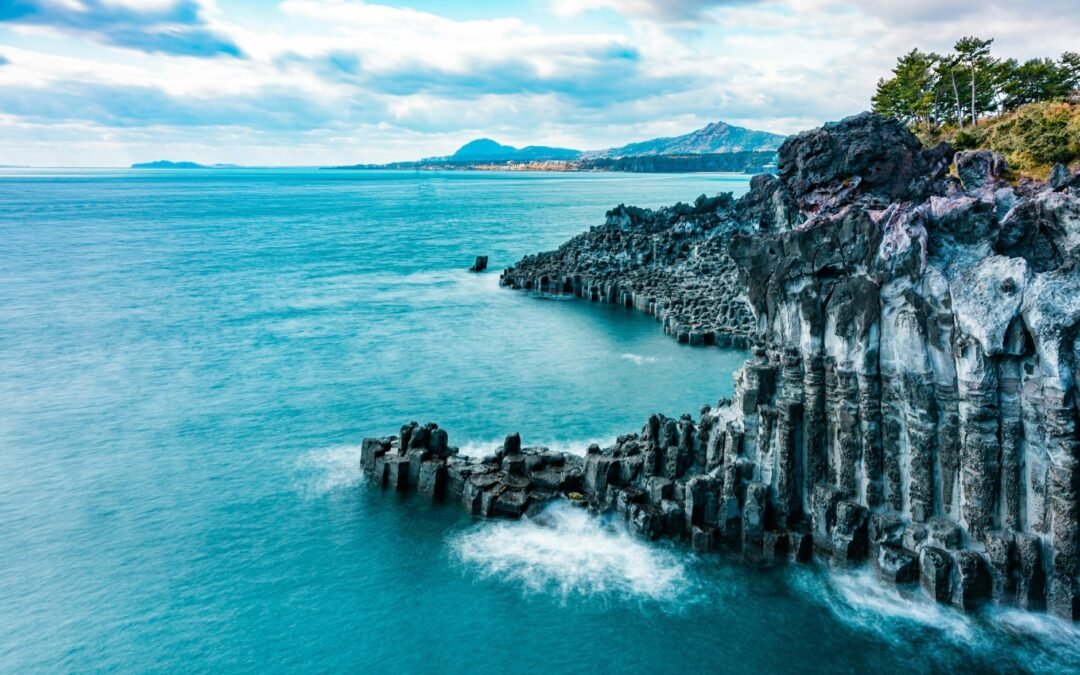
Situated along the southern edge of the Korean Peninsula lies Jeju Island, frequently dubbed South Korea’s secret gem. Known as a volcanic haven featuring stunning vistas, historical customs, and serene surroundings, it draws countless tourists annually who seek natural wonders, cultural immersion, and thrilling experiences. No matter whether your heart desires arduous treks, tranquil shores, or insights into indigenous lifestyles, Jeju caters to all preferences. Explore further why many deem this island to be the crown jewel among South Korea’s attractions.
Exploring South Korea? Learn more about it here:
- South Korea: 6 Stunning Islands to Explore During Your Visit
- South Korea: 7 Must-Explore Cities in the Land of the Morning Calm
- The most striking Buddhist temples in South Korea
Uncover South Korea’s loveliest destination
From the “top of South Korea” to lava-formed coastlines, explore the terrains of Jeju.
Mount Hallasan
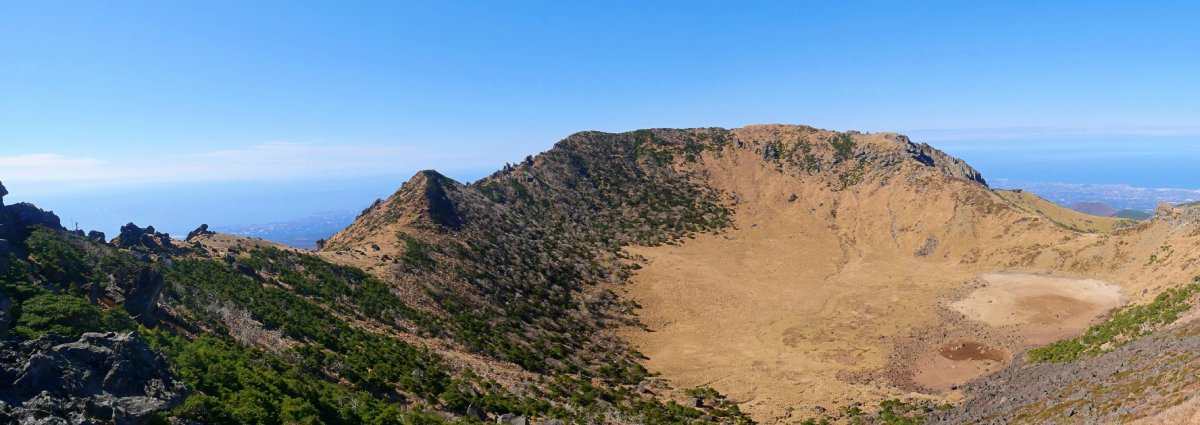
Hallasan, which looms over the island, is among Jeju’s primary draws. Standing at 1,947 meters tall, it ranks as the tallest mountain in South Korea. Encircled by walking paths that traverse lush forests, volcanic rock formations, and highland grasslands, this peak provides hikers with breathtaking views of the entire island and, weather permitting, expansive ocean vistas. Atop the summit lies a crater known as
Baengnokdam
is home to a lake that becomes full after the rainy season, imbuing this already captivating scenery with an air of mystique.
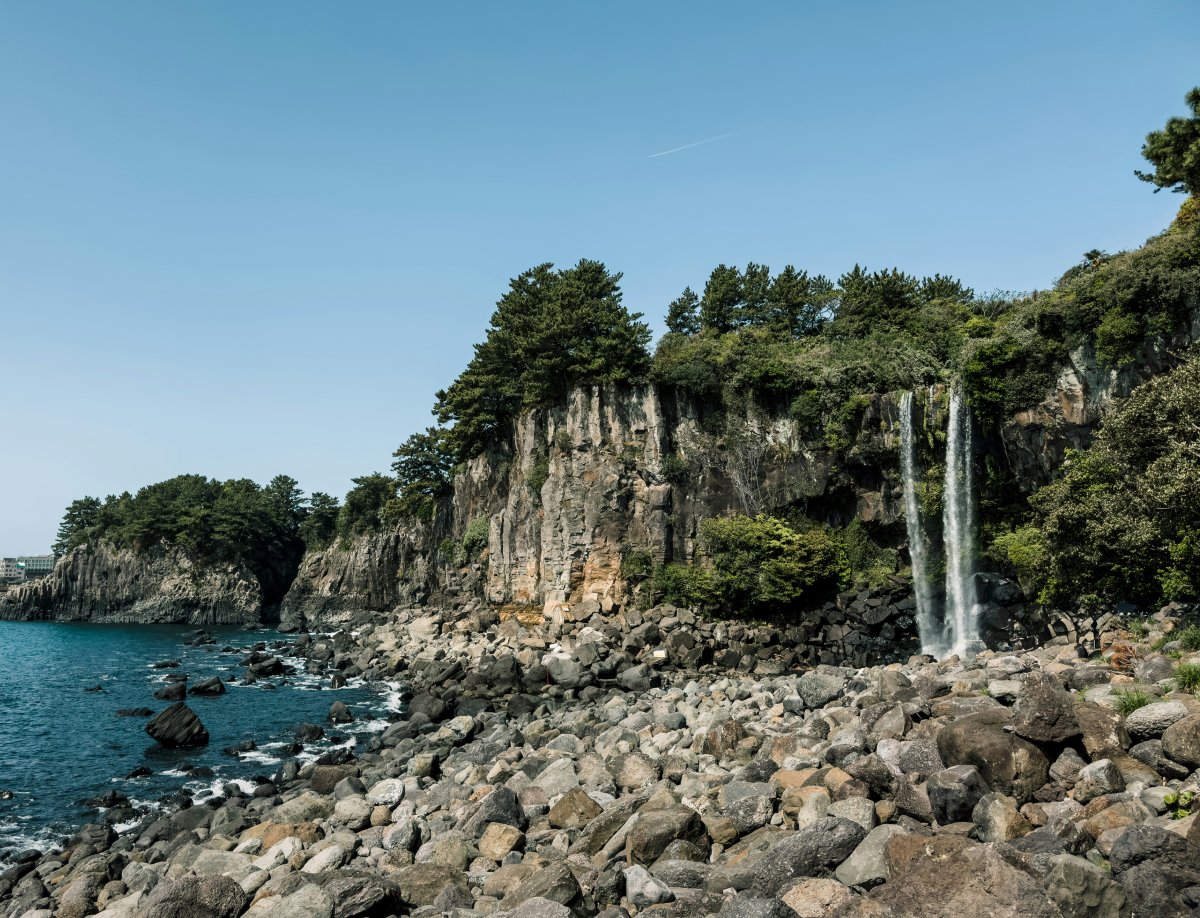
Jeju is renowned for its numerous waterfalls dispersed across the island, providing distinct experiences. The most well-known include
Cheonjiyeon
and
Jeongbang
:
- Cheonjiyeon, translating to “the pond where heaven meets earth,” is a serene location enveloped by dense foliage.
- In contrast, the Jeongbang waterfall stands out as it cascades straight into the sea, producing a spectacular natural display.
These waterfalls not only marvel with their natural beauty but are also imbued with local legends that add an extra layer of enchantment for visitors.
The island’s beaches are as diverse as they are beautiful. Among them:
-
Hyeopjae Beach
, featuring pristine white sands and crystal-clear turquoise waters. -
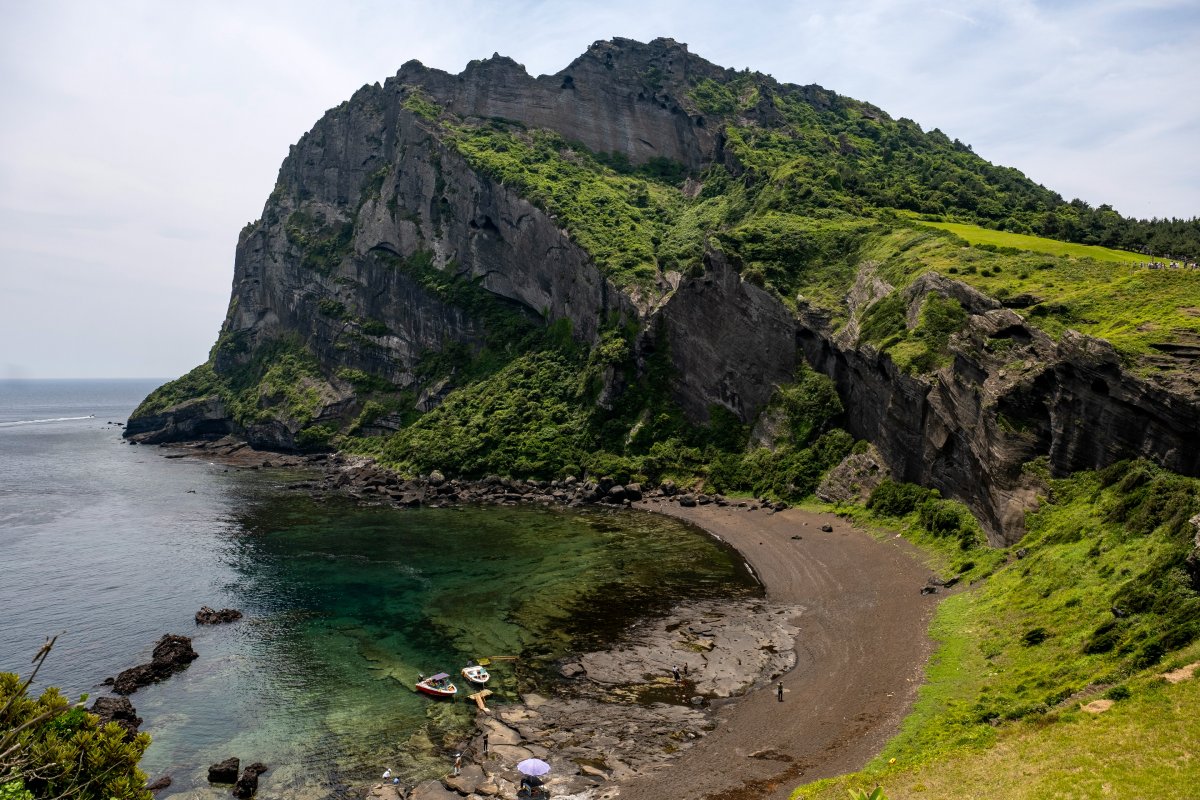
Seongsan Ilchulbong Beach
, featuring its dark volcanic sands, providing a dramatic contrast against the azure ocean waves. The site owes its name to Seongsan Ilchulbong, commonly referred to as “Sunrise Peak,” a majestic coastal volcanic crater towering over the water.
For enthusiasts of geology,
Manjanggul Cave
It stands as one of the most extensive lava caves globally, extending for more than 13 kilometers. This subterranean marvel, featuring remarkable lava structures and vibrant hues, adds another compelling reason to visit Jeju Island.
Jeju Island on foot…
For those who love hiking and walking,
the Olle paths
meander alongside the coastline, weaving past quaint villages and untouched natural scenery of the island. Drawing inspiration from the renowned Camino de Santiago pilgrimage paths, these pathways provide
complete engagement with Jeju’s natural and cultural splendor
Each Olle route is distinct, varying from leisurely walks beside the ocean to strenuous treks over volcanic peaks. As you journey on, you’ll traverse citrus orchards, pine woods, rocky fences, and quaint villages where life appears frozen in time.
Jeju is also a haven os biodiversity, and
the Seogwipo Botanical Garden
This garden serves as a prime illustration of the island’s abundant natural resources. As one of the biggest in Asia, it houses an extensive collection of subtropical flora, themed gardens, and glasshouses. Here, nature reaches its pinnacle of beauty and diversity.
…and through its culture, merging the old with the new.
Jeju is more than just a haven of natural splendor; it is also
a land brimming with culture and heritage
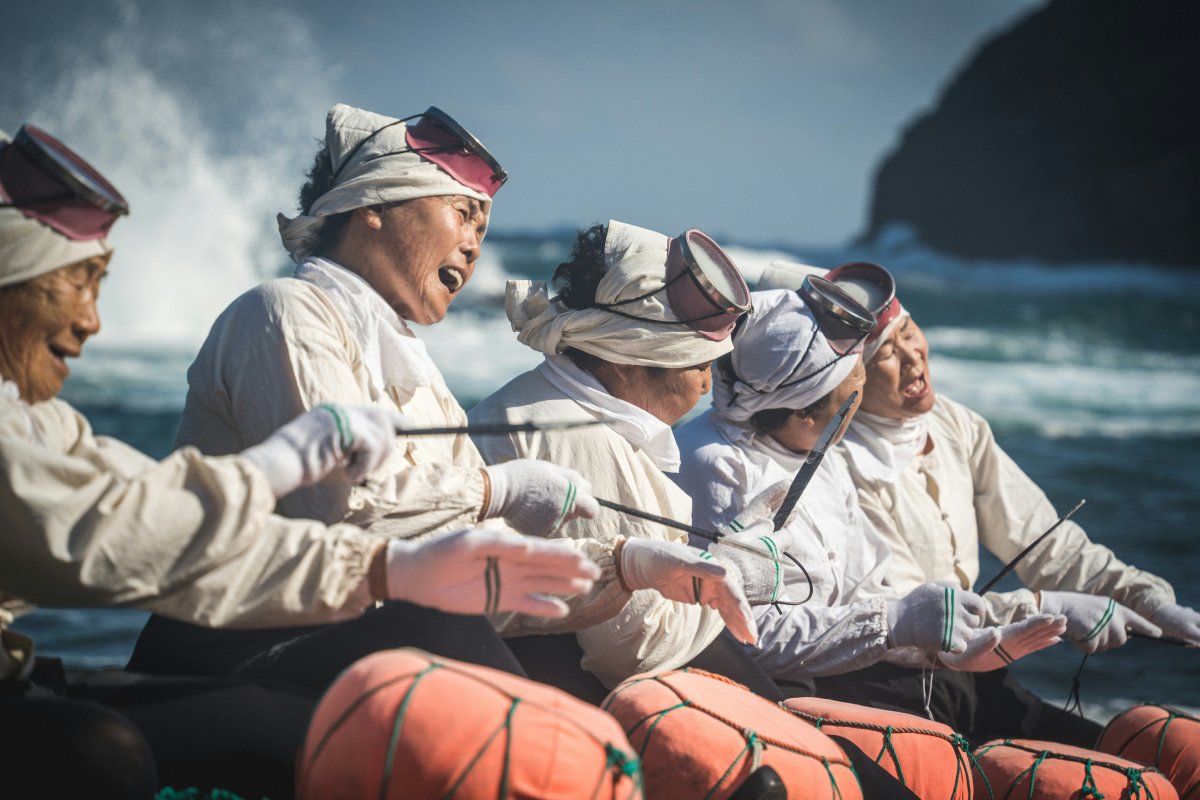
One of the most distinctive customs is that of the
Haenyeo
Free divers, frequently elderly individuals, harvest marine life without relying on oxygen tanks. Recognized by UNESCO as an Intangible Cultural Heritage, this practice stands as a testament to the resilience and self-reliance of Jeju Island’s female population.
The island is equally renowned for its
Dolhareubang
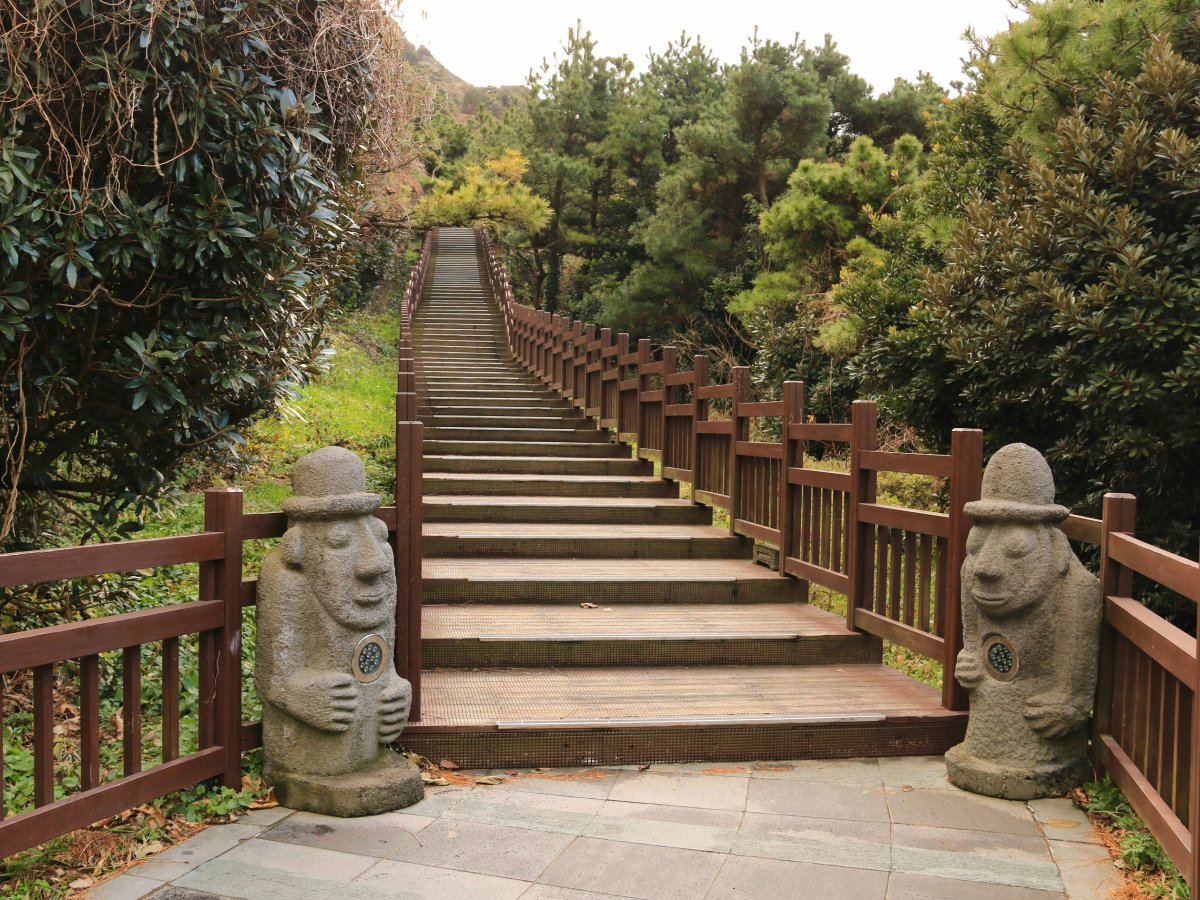
, enigmatic stone statues depicting males, commonly called “stone grandfathers.” Dispersed throughout the island, these sculptures are believed to be protectors, safeguarding residents against malevolent spirits.