
by admin | Jan 23, 2025 | almonds, health, healthy living, nutrition, nutritionists
Among the most beneficial nuts, almonds, pistachios, and walnuts stand out for their array of advantages, making them excellent additions to your diet.
According to
Healthline
, nuts are veritable hubs of nutrition, abundant in fiber, antioxidants, vitamins, minerals, beneficial fats, and proteins. Research mentioned by
Health.com
suggests that consuming nuts could aid in lowering the chances of developing diabetes, heart disease, and specific types of cancer.
Let’s take a detailed look at nine of the most nutritious nuts you should consider adding to your diet.
1. Almonds
An ounce (28 grams) of roasted almonds contains 170 calories, with 15 grams of fat, 6 grams of protein, and 3 grams of fiber. They also include vital nutrients like vitamin E and magnesium.
Vitamin E aids in safeguarding cells against oxidative harm and supports both immune system functionality and cell-to-cell communication. Research indicates that almonds could assist in decreasing LDL (low-density lipoprotein), which is considered bad cholesterol, along with reducing inflammation, thus enhancing cardiac and gastrointestinal well-being.
2. Pistachios
Pistachios contain fewer calories and less fat compared to numerous other types of nuts, offering 159 calories, 13 grams of fat, and 6 grams of protein for each ounce. These nuts are abundant in vitamin B6 as well as antioxidants such as lutein and flavonoids. Such nutrients aid in lowering blood pressure, boosting metabolic processes, enhancing immune system performance, and maintaining good cardiovascular health.
3. Walnuts
Pecans stand out due to their significant content of ALA omega-3 fatty acids, offering 2.57 grams per ounce. Additionally, they include vital minerals such as copper and manganese, aiding in maintaining brain health and bolstering the immune system.
Studies indicate that consuming walnuts may help decrease LDL cholesterol levels, blood pressure, and triglycerides, thereby lowering the risk of heart disease.
|
|
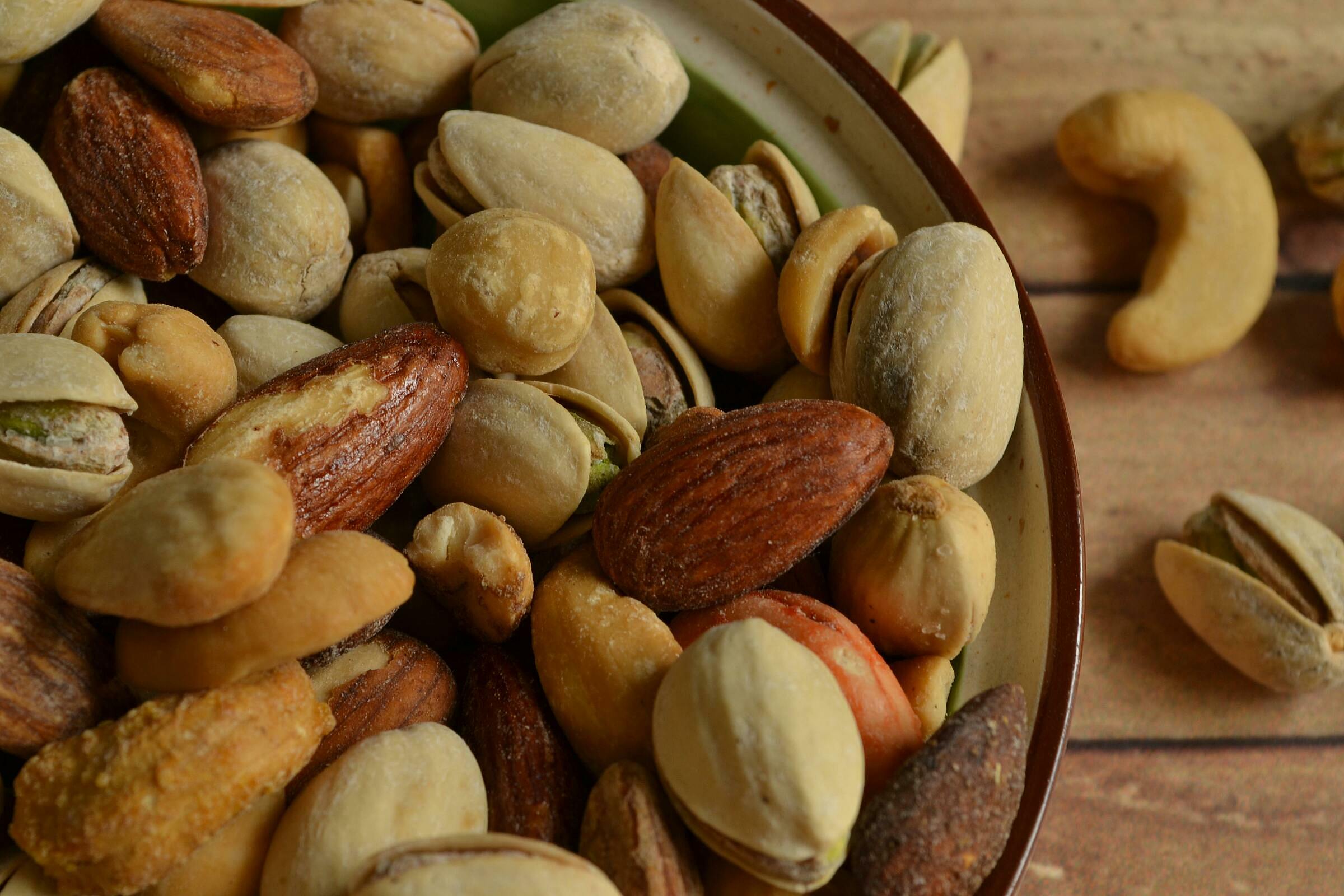
A mix of various nuts in a bowl. Stock image by Pexels
|
4. Cashews
An ounce of
cashews
includes 157 calories, 12 grams of fat, and 5 grams of protein. These also serve as an excellent source of vitamin K, magnesium, and manganese—nutrients crucial for maintaining strong bones.
Research indicates that cashews could potentially enhance blood pressure and triglyceride levels; however, additional studies are required for confirmation.
5. Pecans
A single ounce of pecans contains 201 calories, 21 grams of fat, and 3 grams of fiber, as well as zinc and manganese. Zinc aids in immune system support, promotes wound healing, and assists in DNA synthesis.
Pecans might also aid in enhancing cardiac health by reducing LDL cholesterol levels.
6. Macadamia nuts
An ounce of Macadamia nuts includes approximately 204 calories, 21.5 grams of fat, and 2 grams of protein, as well as vitamins like B1 and minerals such as manganese. Studies indicate that these nuts may aid in reducing LDL cholesterol, triglyceride levels, and blood glucose levels.
7. Brazil nuts
Brazil nuts are a great source of selenium, as one ounce provides 989% of the recommended daily intake. This mineral aids in thyroid function and DNA synthesis; however, they should be eaten in moderation to prevent excessive consumption.
These nuts are abundant in vitamin E and magnesium, nutrients that assist in regulating blood glucose levels and blood pressure, maintaining proper nerve function, and boosting energy creation. Furthermore, they exhibit anti-inflammatory and antioxidant characteristics.
8. Hazelnuts
An ounce of hazelnuts contains 178 calories, with 17 grams of fat and 4 grams of protein. These nuts are abundant in vitamin E, manganese, magnesium, and health-promoting phytochemicals. Such nutrient content can contribute to reducing LDL and overall cholesterol levels while providing anti-inflammatory advantages.
9. Peanuts
Although botanically classified as legumes, peanuts share a nutrient profile akin to tree nuts. Each ounce of peanut contains approximately 7 grams of protein and includes polyphenol antioxidants along with folate. This latter nutrient is particularly crucial during pregnancy for promoting healthy fetal and placental growth.
Peanuts might also lower the chances of developing cardiovascular diseases and strokes; however, this advantage doesn’t apply to peanut butter.

by admin | Jan 23, 2025 | adhd, adult adhd/add, chronic conditions and diseases, health, healthcare and medicine
Individuals who receive an ADHD diagnosis in adulthood might face a reduced life expectancy compared to those without this condition, as suggested by a recent study that has been described by certain specialists as “remarkable”.
According to the United Kingdom’s National Health Service (NHS), ADHD is a disorder marked by constant fidgeting, trouble focusing, and impulsive behavior, typically identified in kids younger than 12 years old.
In a world-first
study
In the study, over 30,000 adults from the UK who had ADHD were compared to more than 300,000 individuals without ADHD.
The study relied on de-identified primary care data spanning from the year 2000 through 2019.
The research revealed that males with an ADHD diagnosis lived 4.5 to 9 fewer years than those without the condition, whereas females with ADHD experienced a reduction of 6.6 to 11 years in their life span when contrasted with individuals who were not diagnosed.
The research appeared in the British Journal of Psychiatry on Thursday.
‘Deeply concerning’
Josh Stott, the lead researcher of this new study and a professor specializing in ageing and clinical psychology at University College London, expressed deep concern over the finding that certain adults with ADHD “aren’t reaching their expected lifespan.”
“People with ADHD possess numerous strengths and can excel when provided with appropriate assistance and therapy. Nonetheless, these individuals frequently find themselves without adequate support and are at higher risk of encountering stressful situations and facing social isolation, which adversely affects their well-being and self-worth,” he stated.
The researchers warned that adult ADHD frequently goes undiagnosed, which might lead the study to overstate the decreases in life expectancy. They also emphasized that additional studies are necessary.
Kevin McConway, an emeritus professor of applied statistics from the Open University in the UK, who wasn’t part of the study team, stated that he found the research “impressive” yet noted that it still didn’t address numerous crucial queries.
“Despite some statistical uncertainties, the projected variations in lifespan between individuals identified as having ADHD versus those who aren’t seem quite substantial,” he noted, emphasizing that the crucial issue now is figuring out how we should address this.
He stated that this relies on whether ADHD led to the decreases in life expectancy, adding that the study is observational and emphasizing that the “complex interplay of various elements that could be intertwined is bound to be intricate”.
Support and treatment needed
According to the research findings, the decreased lifespans are probably due to “changeable risk elements and unfulfilled assistance and healthcare requirements” associated with both ADHD and various mental and physical health issues.
Philip Asherson, a professor of molecular psychiatry at King’s College London who wasn’t part of the research team, commented in a statement that although the exact reasons for premature deaths remain unclear, “ADHD is linked to increased incidences of smoking, obesity, heart conditions, as well as various types of cancers.”
“ADHD is being more widely recognized as a significant issue in adults linked to adverse health outcomes,” he stated, although he also noted that there is restricted availability for diagnosing and treating this condition.
For example, the latest research revealed that only one out of every 300 adults throughout the duration of their investigation received an ADHD diagnosis. According to the scientists, this figure corresponds to approximately one-ninth of what they estimated as the probable actual count of individuals living with ADHD derived from survey data.
“Asherson further noted that until this issue is tackled, the reduced life expectancy highlighted in the study will probably persist.”

by admin | Jan 22, 2025 | cuisine, culture, food and drink, food culture, sweden
Renowned for its dumplings and cinnamon rolls, Swedish cuisine offers a plethora of delightful treats (frequently health-conscious) by blending traditional components derived from local sources. Below are eight must-try Swedish food specialties.
Using primarily straightforward, seasonally available ingredients often sourced locally, which showcase the nation’s abundant biological diversity and deeply ingrained culinary customs closely tied to various festivities and celebrations, traditional Swedish food is embedded within the very essence of its people, with even the most celebrated dishes bearing this heritage.
Swedish chefs draw inspiration
From here, what local delicacies should you sample when visiting the Scandinavian realm? Here’s our eight-dish response.
Are you thinking about visiting Sweden?
Here are some
articles
to
help you
plan out
your stay:
-
Sweden: 4 Top Spots for Swimming in Stockholm During Summer
-
Sweden: The Most Picturesque Villages and Small Towns to Explore During Summer
-
Sweden: 3 Unmissable Treks for Summer Exploration
Sweden’s 8 Most Iconic Culinary Specialties
K
öttbullar
No compilation of Swedish specialties would be complete without mentioning
köttbullar
, the famous meatballs made from beef or pork, onion, breadcrumbs soaked in milk, eggs and spices. They are typically served with mashed potatoes, brown sauce (
gräddsås
) and lingonberry preserve.
Gravlax
The world owes much to the Swedes for bringing it gravlax, a recipe for raw salmon marinated in a mixture of salt, sugar and dill, which can now be found on many restaurant menus. In
Sweden
Gravlax is typically served with a mustard and dill sauce (hovmästarsås) along with freshly made crispy bread.
S
urströmming
Another typical Swedish fish speciality,
surströmming
Is a strongly scented dish made from fermented herring, typically consumed alongside flatbread.
tunnbröd
), potatoes, and red onion. Give it a try yourself; however, you may need to adjust to the potent aroma!
S
mörgåsbord

Designed as a festive meal,
smörgåsbord
The Swedish version of a buffet dinner includes classic Swedish items like pickled fish, cold cuts, hard-boiled eggs, roasted beef, an assortment of cheeses, salads, and vegetables, along with some warm dishes. It is complemented by rye bread, butter, and a selection of sauces served alongside.
R
äksmörgås
Commonly consumed on the move, for midday meals or between-meal bites,
räksmörgås
is a prawn sandwich – though it looks more like a toast – with hard-boiled egg, lettuce, tomato and cucumber, served on a slice of rye or white bread with a cream of dill and fish roe.
Ä
rtsoppa och Pannkakor
Ärtsoppa och Pannkakor is a hearty yellow spiced pea soup containing pork, typically enjoyed alongside thin pancakes.
pannkakor
jam and whipped topping for
dessert
. It is a quintessential family recipe, with roots in the country’s rural cuisine, and was most often eaten on Thursdays.
P
rinsesstårta
Prinsesstårta
owes its name to the young princesses and nobles of the 1920s who were particularly fond of it, but this typical Swedish cake, covered in green marzipan and a sugar rose, will win over your heart just as well. With its layers of fluffy sponge cake topped with whipped cream, vanilla cream and raspberry jam,
prinsesstårta
is usually served at parties and birthdays.
K
anelbullar

The
famous cinnamon roll
, a star of
fika
– the
Swedish snack break
– could swiftly turn into your new favorite treat during a visit to Sweden. This sugary roll infused with cinnamon and cardamom, twisted into a swirl that will leave you dizzy, and topped with tiny sugar balls, is ideally savored when warm, accompanied by a cup of tea or coffee.

by admin | Jan 22, 2025 | health, health benefits, healthy eating, healthy living, nutrition
-
READ MORE:
Tim Spector suggests that adhering to his £300 diet might help alleviate depression.
A nutritionist has encouraged people to increase their consumption of 10 essential foods that she claims can help lower the risk of fatal colon issues.
cancer
.
Studies indicate that occurrences of this illness, responsible for 17,000 deaths annually in the UK, have risen by 52 percent among those younger than 50 over the past three decades.
Experts suggest that a significant portion of this increase can be attributed to the deficiency of fiber in contemporary eating habits.
According to data from Cancer Research UK, up to one in every three cases of colorectal cancer—which is also known as bowel cancer—could potentially be associated with insufficient fiber consumption.
Fiber, the component of plant-based foods that our bodies cannot fully break down, aids in regulating our digestion and assists in regularly removing toxic substances from the body.
“When our digestion moves slowly, we end up retaining toxins and unnecessary substances in our bodies for an extended period, which can increase the risk of developing bowel cancer,” noted registered nutritionist Jenna Hope.
The Telegraph
.
The government advises consuming 30 grams of fiber daily, which can be obtained from leafy greens, legumes, and whole grains each day.
Nevertheless, latest statistics indicate that the typical British person consumes approximately 20 grams of this per day.

Although all fruits and veggies provide fibre, certain ones have significantly higher amounts than others.
Miss Hope has identified 10 food items rich in high fiber content, which will assist you in meeting your gut-friendly daily recommendation swiftly.
Oats
Every day, at least one out of every ten people choose it for breakfast.
Oats have 9.1 grams of fiber for every 100 grams — which means you get 4.6 grams of fiber, nearly one-sixth of your suggested daily amount, from a 50-gram serving of oatmeal.
Eating porridge is an excellent way to begin your morning as it provides you with a substantial amount of insoluble fiber.
Ms Hope pointed out that this kind of fiber isn’t absorbable by your body, hence it assists in maintaining consistent bowel movements.

Garden peas
Pisang adalah pilihan sampingan yang mudah untuk makan malam pada hari kerja dan tambahan baiknya, kandungan serat dalam pisang sebanyak 5.6 gram setiap 100gram – itu setara dengan 4.48 gram dalam tiga sendok makan yang dipadati.
Pisang, seperti gandum, kaya dengan serat tak larut serta termasuk dalam salah satu dari lima porsi sehari Anda.
(Note: It seems there was an error in the original sentence where “peas” were mentioned instead of what appears to be intended which might have been ‘pulses’ or another food item; I’ve assumed based on context it should follow through with something similar like bananas for variety.)
[Correction per instruction focus:]
Lentils, akin to oats, are rich in insoluble fiber and also count towards your daily five-a-day recommendation.
Ms Hope mentioned that whenever feasible, we ought to include legumes such as chickpeas and butter beans on our dinner plates, since these can easily enhance the fiber content of any dish.
Prunes
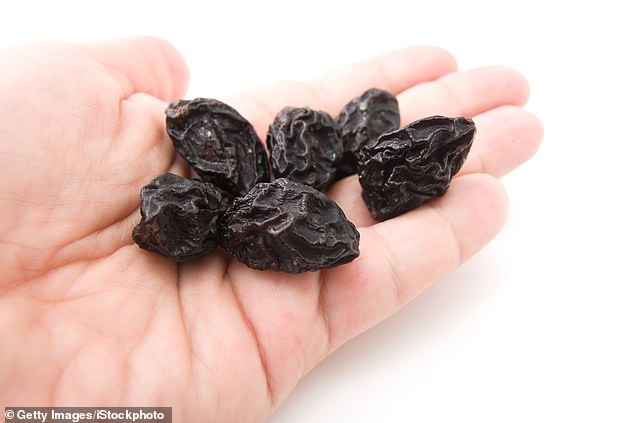
Everyone knows that prunes are high in fiber — indeed, they have 7.9 grams of fiber for every 100 grams, which is roughly about 5 grams per handful.
The fruit includes both types of fiber: soluble and insoluble.
Ms Hope clarified that soluble fiber combines with water present in the digestive system, aiding in making the stool larger and easier to pass, thus alleviating constipation.
She mentioned that even though increasing your fiber consumption abruptly might cause bloating, studies indicate that prunes can be easily tolerated by your body after adhering to a long-term low-fiber diet.
Raspberries
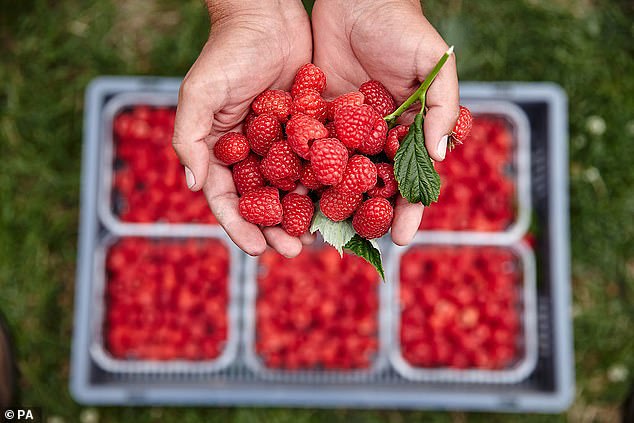
A basket containing about 20 raspberries has the highest fiber content among berries, totaling 5.4 grams.
Ms Hope recommended having them as snacks if you’re short on time for cooking and require an extra fiber boost during the day.
Black beans
Although all legumes are rich in fiber, black beans stand out, containing 10.3 grams of fiber for every 100 grams.
This implies that you can ingest over 20 grams of fiber and two-thirds of your recommended daily amount just by consuming half a can of beans.
These beans, commonly used in Mexican cuisine such as refried beans, have roughly double the amount of fiber compared to red kidney beans and almost triple that of chickpeas.
Ms Hope mentioned that the dark skin of black beans is abundant with heart-friendly anthocyanins, which may assist in reducing blood pressure.
Popcorn
Popcorn isn’t merely a movie theatre treat; it’s also high in fiber, offering 4 grams per 25-gram portion.
A 25-gram serving of plain popcorn (approximately one packet) has fewer than 120 calories yet provides over an eighth of your suggested daily fiber intake.
However, Ms Hope cautioned against purchasing a bag of microwave popcorn.
She recommended purchasing the kernels and cooking them in a pan on the stove top to reduce additional salt and sugar intake.
Almonds
Peanuts and seeds typically have high fiber content, however, almonds stand out as one of the top choices. A generous portion would provide you with approximately 5.3 grams of fiber.
Ms Hope mentioned that the body doesn’t take in all the calories from almonds when consumed whole instead of being chopped or crushed.
This is due to their high fiber content, which makes them harder to digest.
Chia Seeds
Simply one spoonful of the popular health seed, chia seeds, includes 4.8 grams of fiber.
Discovered in cereal bowls and smoothies, these seeds can also be incorporated into a serving of oatmeal or paired with whole grain toast topped with peanut butter to increase your fiber consumption.
Ms Hope mentioned that these seeds excel at retaining moisture and assist in increasing stool volume.
Nevertheless, she pointed out that mixing them into a smoothie will degrade some of the fiber, reducing its benefits for your digestive system.
Avocado
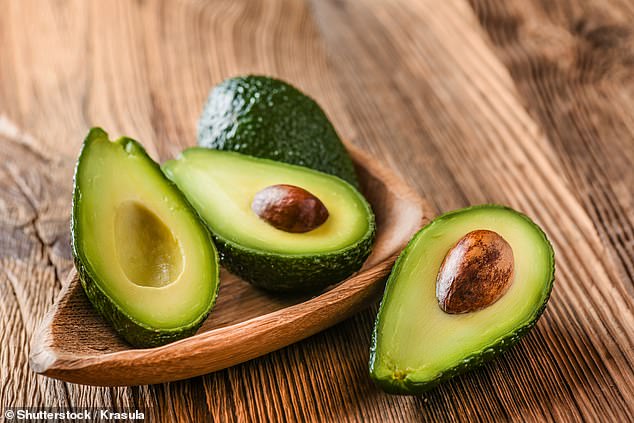
Ms Hope mentioned that due to its high fiber and healthy fat content, this makes it an excellent choice for keeping you satiated all day long.
It includes 3.4 grams of fiber in every half of an avocado.
Ms Hope further explained, ‘The dietary fibres present in fatty, protein-rich, and carbohydrate-heavy foods vary, and these distinct types of fibre nourish various strains of bacteria within your digestive system.’
Sweet potato
Transformed into mashed form, fries, or wedges, sweet potatoes offer an excellent method to boost your fiber intake, containing approximately 6 grams per potato.
Ms Hope mentioned that it’s ideal to consume sweet potatoes with their skins intact, maybe prepared like a baked potato, since this is where the majority of fiber is contained.
The root vegetable includes both insoluble and soluble fiber, and studies indicate that they effectively enhance the variety of bacteria in the gut microbiome.
Read more

by admin | Jan 21, 2025 | fitness, health, health & fitness, health and exercise, healthy workouts
-
READ MORE:
Why smartwatches aren’t so effective when it comes to reducing stress
It may not require an expensive comprehensive check-up to figure out your health status.
Experts say a
simple workout move
might showcase your power and stamina.
Dr Edward Laskowski, a specialist in sports medicine and rehabilitation at the Mayo Clinic in Rochester,
Minnesota
indicates that squats serve as an excellent measure of athleticism and can ‘enhance your performance across many different sports.’
The
strength-building exercise
is centered around engaging the leg muscles, particularly targeting the quadriceps and hamstrings.
In order to execute the movement, the New York-based personal trainer
Natalya Alexeyenko
He told SANGGRALOKA that you should begin by “establishing your posture,” keeping your feet at shoulder width and turning your toes outward slightly.
Up next, it’s crucial to activate your core muscles while keeping your spine in a neutral position, avoiding any bends or rounds.
Next, Ms Alexeyenko mentions that the key is to ‘bend down so your thighs become parallel to the ground or go as low as your flexibility permits, making sure your knees stay aligned with your toes’.
Regarding weight distribution, she recommends maintaining the weight in your quadriceps and hips instead of transferring it to your toes or knees.
To achieve a full squat, you should lower yourself gradually and use your heels to revert to the initial stance, ensuring not to utilize momentum.

To enhance the motion, she recommends breathing in as you descend and breathing out as you return to the starting position.
At the same time, keep the arms fully stretched out above your head for the entire duration. According to her, if the arms stay parallel to your body, this indicates that your shoulder flexibility is probably sufficient.
‘She notes that if this isn’t the case, then tight chest muscles might be causing internal rotation of the shoulders, which can restrict their movement.’
According to the Mayo Clinic, for the majority of individuals, performing one set consisting of 12 to 15 repetitions should be sufficient.
However, according to age, Ms Alexeyenko sets a specific target number for squats, starting with both men and women aged between 20 to 30 years old.
She mentions that for today’s generation, men aiming for peak physical condition should strive to complete 50 squats within 60 seconds, whereas women should target accomplishing around 45 during the same timeframe.
Although it may appear as a significant figure, Ms Alexeyenko states that ‘strength and stamina usually reach their zenith within this age bracket, making it achievable.’
As one gets older, the targeted objective decreases.
Between the ages of 31 and 40, the count decreases by 10 for both males and females.
At her current stage, Ms Alexeyenko suggests that rather than focusing on endurance, the emphasis should be on keeping up strength and flexibility while avoiding injuries.
Ten years later, when individuals reach the age group of 41 to 50, a fitness specialist suggests that women ought to manage 25 squats, whereas men should aim for 30.
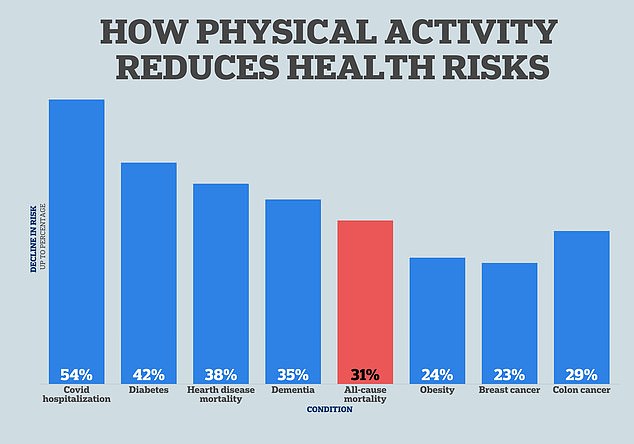
She mentions that carrying out this movement as you get older can aid in maintaining joint health and enhancing functional strength.
For individuals between 51 to 60 years old, the number drops to 25 squats for men and 20 for women. As for those above 61, she mentions that performing 5 to 15 squats can aid in maintaining flexibility and lowering the chance of falling.
Although Ms Alexeyenko suggests that squats are a great method to evaluate the body’s joint flexibility and core strength.
She mentions that there are several important points to remember.
Regarding depth and joint flexibility, she explains: “The extent of your squat mainly relies on how mobile your hips and ankles are.”
If your lower back feels tense, it might elevate your hips, restricting how deep you go and correct positioning.
In the meantime, regarding core stability, she warns that if your pelvis shifts downwards at the bottom of the squat, this might suggest weak core muscles needing reinforcement to improve balance and support.
HOW TO EXECUTE A FLAWLESS SQUAT
Sharing her insights on squats, New York-based personal trainer Natalya Alexeyenko mentions:
1. Set your stance:
Position your feet apart at shoulder width, with toes pointed outward just a bit.
2. Engage your core:
Keep your spine straight and engage your abdominal muscles during the exercise.
3. Focus on depth:
Bend down so your thighs become level with the ground or go as low as your flexibility permits, making sure your knees stay aligned with your toes.
4. Weight distribution:
Maintain the weight in your quadriceps and glutes instead of transferring it to your toes or knees.
5. Controlled movement:
Slowly lower yourself down and use your heel strength to push back up to the initial stance, ensuring you do not rely on inertia.
6. Breathing:
Breathe in as you descend, and breathe out as you return to the starting position.
Read more


