by admin | Aug 26, 2025 | health, healthcare and medicine, humanitarian aid, humanitarianism, medicine and healthcare
Kathmandu, August 19 – Medecins Sans Frontieres (MSF) South Asia held the third iteration of its Health and Humanity Summit in Kathmandu with the focus being “Beyond the Aid Crisis: Shared Responsibilities in a Fractured International Order.” Over 180 attendees, comprising public health professionals, aid workers, representatives from civil organizations, and legal authorities, gathered for this two-day gathering to discuss increasing worries about the decline of humanitarian values and international healthcare safeguards.
The summit discussions centered around three main topics: the challenge to humanitarian authority, managing sexual and reproductive health during conflicts and emergencies, and the importance of community strength along with mutual support among developing nations.
Experts pointed out issues including political influence over health services, declining confidence in humanitarian groups, and the importance of fair collaborations that strengthen community involvement.
Farhat Mantoo, head of MSF South Asia, kicked off the conference by highlighting the significance of ethical medical care, whereas Gopal Krishna Siwakoti, founder president of INHURED International, urged increased international cooperation to assist marginalized groups.
The conference included an exhibit along with interactive sessions designed to showcase grassroots efforts and highlight the vulnerability of aid networks. Hosts stated that the gathering sought to encourage discussion, promote responsibility, and develop real-world approaches for providing medical care in areas impacted by conflicts.
by admin | Aug 25, 2025 | healthcare and medicine, illness, infectious diseases, news, public health
Released on, Aug. 19 – August 19, 2025 at 3:04 PM
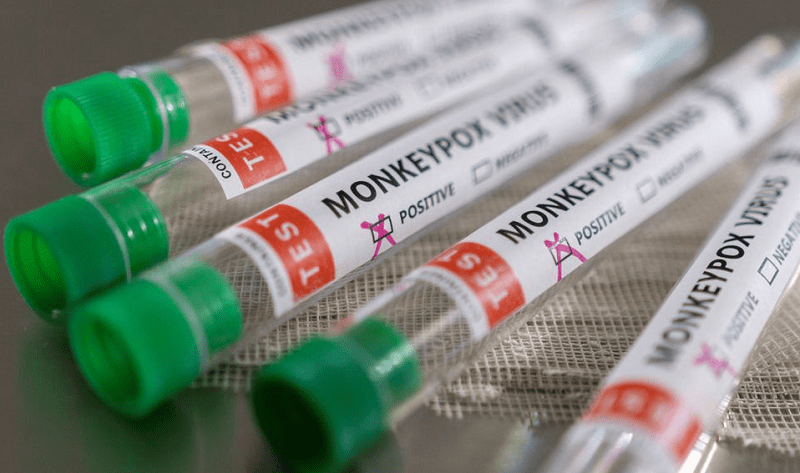
The first confirmed case at the Pakistan Institute of Medical Sciences (PIMS) in Attock was brought to Islamabad from Dubai on August 15, 2025, according to official reports.
Health officials mentioned that the individual showed signs of monkeypox when he arrived at the airport, leading basic health staff to immediately send him to the Pakistan Institute of Medical Sciences (PIMS) for additional assessment.
On August 18, the National Institutes of Health formally verified that the individual had been infected with monkeypox, and he is now undergoing home quarantine with medical oversight to avoid additional transmission.
Monkeypox is an uncommon virus that was first identified in monkeys and subsequently emerged in West Africa following the 1970s. In the past, the majority of infections were reported within Africa, although instances have also been recorded in Europe and the United States.
Specialists explained that monkeypox transmits through direct interaction and is less infectious than COVID-19. It can spread through damaged skin, airborne particles, or exposure to the eyes, nose, or mouth.
Common signs generally emerge between 7 and 14 days after exposure, featuring symptoms such as fever, head discomfort, joint soreness, tiredness, enlarged glands, and skin eruptions that often begin on the facial area before spreading throughout the body.
The virus may also spread via unguarded sexual activity, although not every individual acquires it in this manner. Officials recommend practicing physical separation and good sanitation to reduce the chances of getting infected.
by admin | Apr 19, 2025 | africa, health, health and healthcare economics, healthcare and medicine, public health
The leading public health organization in Africa intends to seek additional funding from local sources to safeguard the progress achieved in the last twenty years regarding disease outbreak readiness and management, due to a significant reduction in international assistance.
As official development assistance (ODA) for Africa has decreased by 70% in recent years, it has become evident that there is now a significant shortfall in healthcare financing. This situation is exacerbating the strain on vulnerable health systems.
Throughout history, Official Development Assistance (ODA) has played a crucial role in cutting the under-five mortality rate by half from 1990 to 2019. This assistance expanded access to routine vaccinations and bolstered HIV/AIDS prevention and treatment initiatives, which currently offer antiretroviral therapy to more than 18 million individuals throughout Africa. Additionally, ODA facilitated swift reactions during significant healthcare emergencies like the Ebola epidemic in Western Africa.
The reduction in funding parallels an upsurge in disease outbreaks. From 2022 to 2024, the continent experienced a 40% surge in recorded public health crises. There are ongoing worries regarding the resurgence of viral hemorrhagic diseases like Ebola and Marburg. Additionally, climatic disruptions—spanning everything from flooding to extreme heat—are generating fresh health threats, particularly in areas with limited capacity for response.
“Dr. Jean Kaseya, Director General of the Africa Centres for Disease Control and Prevention (Africa CDC), pointed out that we are grappling with several challenges related to managing debts and relying heavily on imported medical supplies. These combined issues pose a significant threat to Africa,” he stated.
This issue presents a larger challenge for Africa’s health security framework, yet efforts are underway to address the funding instability. The Africa CDC has encouraged African Union member states to embrace a fresh phase of healthcare investments. Dr. Kaseya suggests a tripartite approach aimed at boosting sustainability and decreasing dependence on outside funders, as detailed in her recent publication.
He is calling on African Union Member States to increase their domestic funding for public health. Only two countries currently meet the Abuja target of allocating 15% of national budgets to healthcare. Domestic commitment is essential to safeguarding health systems against the volatility of international funding, he notes. “We need to have a costed strategic plan and a national financing plan. We need to push for more alignment of external resources,” said Dr. Kaseya.
Secondly, the Africa CDC is seeking innovative financing strategies. This includes establishing the Africa Epidemics Fund, which debuted its operational framework in February 2025, serving as a consolidated asset for readiness against emergencies and swift responses. Additionally, the organization is investigating options like an aviation levy or collective solidarity taxes aimed at generating a consistent source of finance for managing disease outbreaks.
Thirdly, the Africa Centres for Disease Control and Prevention (Africa CDC) aims to strengthen partnerships with charitable organizations and businesses. This initiative seeks to secure sustained funding for vital infrastructures such as regional vaccine manufacturing facilities, digital healthcare platforms, and distribution channels. To achieve these goals, Africa CDC has introduced the African Pooled Procurement Service designed to reduce expenses and enhance availability of crucial medical supplies throughout the region.
In order to facilitate the mobilization of internal resources and explore innovative financial strategies, Africa CDC seeks an investment of $43 million. This sum will help implement their initiatives, ensuring significant advancements towards achieving lasting healthcare financing throughout the region.
“The document outlines a comprehensive budget plan for every area of support. This includes funding for technical aid in formulating costed national healthcare strategies, setting up an AU-managed tracking tool, executing the trial aviation levy, as well as crafting and expanding novel and mixed financial models,” states the report on health financing.
Stirring up wider backing, Dr. Kaseya spearheaded an important diplomatic delegation to the United States, Norway, and Denmark. During their visit to Washington, D.C., he and his team held meetings with US legislators, USAID representatives, officials from the US Centers for Disease Control and Prevention, as well as prominent charitable organizations such as the Bill & Melinda Gates Foundation and the Rockefeller Foundation. The purpose of these discussions was to underscore Africa CDC’s crucial position in ensuring worldwide health safety and to seek sustained assistance amid financial constraints faced by funding nations.
“Investing in public health in Africa is equivalent to investing in worldwide stability,” stated Dr. Kaseya during his trip to the United States. “The advancements made in Africa should not be undone due to short-term financial limitations faced by collaborating nations.”
According to Dr. Ngashi Ngongo, Principal Advisor to the Director General and the Continental Incident Manager for Mpox, what might appear as a significant obstacle could actually turn out to be a crucial chance.
“Africa CDC is utilizing reductions in international funding to promote sustainable healthcare financing — encouraging local investments, opening up new funding avenues, and constructing robust systems for Africa’s future,” states Dr. Ngongo.
Discussions held in Norway and Denmark with governmental and developmental authorities revealed a mutual desire to enhance healthcare infrastructure. Although concrete financial pledges remain pending, both nations expressed robust political backing for achieving the long-term goals of the Africa Centres for Disease Control and Prevention (Africa CDC).
While visiting Norway, Dr. Kaseya endorsed a fresh Memorandum of Understanding linking the Africa CDC with the Kingdom of Norway. This agreement zeroes in on bolstering capabilities, improving data utilization for informed decisions, and utilizing DHIS2—an open-source system designed for gathering, documenting, examining, and sharing both aggregated and individual-specific information—to support nationwide and cross-border illness monitoring efforts.
During these meetings, Dr. Kaseya stressed that Africa is looking for partnerships rather than charity. He stated, “Our request is for solidarity and joint investment.” According to him, what they are establishing serves as a barrier protecting both Africa and the globe.
Dr. Ngongo emphasizes that complaining won’t solve anything. He states, “Instead of just reacting, we must consider how to adapt proactively should this become the standard scenario—how can we stay competitive within these parameters? How do we implement necessary changes on our end so that we can transform current challenges into opportunities for Africa? Our approach has been focused on turning potential obstacles into chances for progress. For this reason, we’re implementing a fresh strategy—one that focuses on enhancing internal financial resources, exploring novel funding methods such as solidarity surcharges and excise duties, and attracting investments from the private sector. We view this not merely as a hurdle but also as an opportune time to redefine healthcare financing across the continent.”
The Africa Centres for Disease Control and Prevention (CDC) saw an enhancement in their funding efforts aimed at strengthening their capacity to respond to disease outbreaks and combat illnesses continent-wide. This advancement was supported by two African presidents on March 14.
On February 15, President João Manuel Gonçalves Lourenço of Angola assumed the leadership of the African Union (AU) during the inaugural ceremony for the 38th Ordinary Session of the AU Assembly of Heads of State and Government.
President Lourenço praised the significant achievements of the Africa CDC in promoting the continent’s public health goals, linking them closely with economic development and employment generation, as well as safeguarding the security and welfare of all African citizens.
He mentioned that Africa CDC is crucial for enhancing the continent’s ability to address new health risks swiftly and efficiently.
“The pivotal role this organization has undertaken has established an admirable benchmark in disease monitoring, prevention, and management, significantly enhancing both regional and international public health safety. I pledge ongoing and robust backing for Africa CDC, enabling you to effectively fulfill your crucial mission,” stated President Lourenço.
The Ethiopian Prime Minister, Abiy Ahmed, who likewise toured the Africa CDC during the same visit, urged AU member states to enhance their joint commitment towards bolstering the Africa CDC into a leading public health organization. “We must collectively fortify this entity alongside our partners,” stated Prime Minister Abiy Ahmed. He further appealed to other African leaders to unite in transforming the regional public health body into an exemplary institution dedicated entirely to improving healthcare throughout the continent.
Provided by Syndigate Media Inc. (
Syndigate.info
).
by admin | Apr 16, 2025 | colleges and universities, education, healthcare and medicine, higher education, news
IBADAN
The Vice Chancellor of Ladoke Akintola University of Technology (LAUTECH) Ogbomoso, Professor Razaq Olatunde Rom Kalilu, revealed on Tuesday that approximately 94 students from the institution will graduate with first-class honors during the university’s 17th convocation ceremony. This event coincides with the 35th Founder’s Day celebration.
During an interview with reporters at the University’s Senate Building, the Vice Chancellor mentioned that a remarkable 11,528 students are set to graduate. Out of these graduates, 94 have achieved first-class honors, 2,086 will be receiving second-class upper division degrees, 3,494 are graduating with second-class lower divisions, 756 are obtaining third-class distinctions, and 12 are passing with ordinary grades.
From the overall total of 11,528 graduates, 8,102 will receive their bachelor’s degrees. In Nursing Science, 7 students achieved a distinction, 1,741 earned an upper credit, and 145 received a lower credit. For Medicine and Surgery, there are 133 who passed, indicating a satisfactory performance in the field, whereas this does not apply similarly across non-medical fields.
The highlights of the 17th convocation ceremony as outlined by the Vice Chancellor encompass tree planting, a research fair and exhibition, along with performances including the convocation play and cultural acts planned for April 16. Additionally, the convocation lecture and alumni day are set for April 17, whereas Friday, April 18, will feature the Jumu’ah service, and Sunday, April 20, has been reserved for church services. The conferral of first degrees and awards is scheduled for Tuesday, April 22, while Wednesday, April 23, 2025, will see the presentation of postgraduate diplomas and advanced degrees.
Discussing the accomplishments, aspirations, and hurdles faced by the university, Professor Kalilu stated, “All our educational courses have received proper accreditation from both the National Universities Commission and pertinent professional organizations. Our six recently introduced standard academic programs—Theatre Arts, Psychology, Communications, Linguistics, Yoruba, and Political Science—have successfully passed the resource validation conducted by the national commission and are now fully functional.”
Likewise, the five recently added undergraduate programs within the realm of Open and Distance Learning—namely Cyber Security Science, Science Laboratory Technology, Transport Management, Crop Production and Soil Science, and Environmental Protection—are now fully functional.
The university is progressively expanding its global presence through research initiatives, faculty and student exchanges. It has formed partnerships with various educational bodies worldwide, including institutions like the University of Kentucky and the University of Utah in the United States, along with organizations such as the Alexander von Humboldt Foundation and the Bayer Foundation from Germany. These collaborations have led to the creation of entities like the Humboldt Research Hub, which focuses on centers dedicated to emerging and resurgent infectious diseases within the university’s framework.
It is worth mentioning that the university’s ratings have consistently improved since 2023. In 2025, according to the Times Higher Education’s World University Rankings, GT remains the top-ranked public university in Nigeria. Additionally, the same year, the Interdisciplinary Science Ranking (ISR) evaluated universities based on their involvement and impact in interdisciplinary sciences. This ranking placed LAUTECH at second place nationwide and positioned them between 251st and 300th globally.
“Our aim is to rank among the world’s top 100 universities, which is indeed an ambitious target, yet achievable. Considering this aspiration along with the continuously increasing number of enrolled students, it becomes crucial for us to enhance our facilities, integrate advanced technology into teaching and research processes, and diversify both faculty and student bodies—among several other critical and pressing measures needed. Therefore, we earnestly request all stakeholders to back the LAUTECH initiative,” stated Professor Kalilu.
Provided by Syndigate Media Inc. (
Syndigate.info
).
by admin | Apr 15, 2025 | health, healthcare and medicine, medicine and healthcare, skin care, surgery
NHS
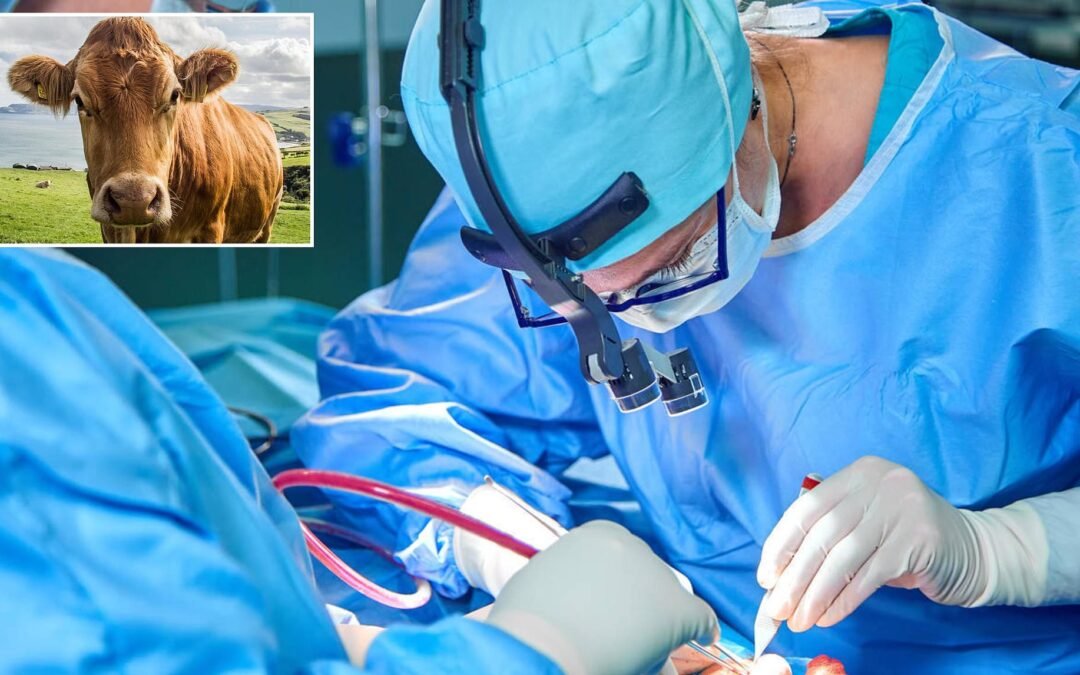
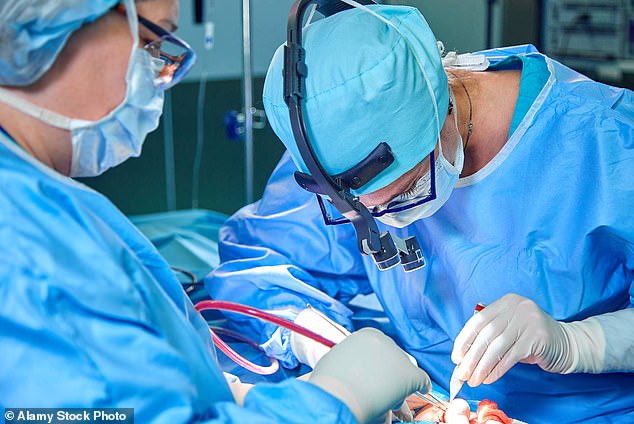
Surgeons are employing cattle hides to treat serious facial injuries resulting from severe skin conditions.
cancer
.
When surgically excising tumors, patients often end up with significant incisions, so doctors typically take skin from another part of the body and suture it over the wound site.
Nevertheless, many elderly patients cannot undergo this procedure due to the increased risk of infections linked to skin removal.
Currently, NHS patients might soon have access to an innovative new treatment involving transplanting skin harvested from cows onto elderly patients.
Developed by consulting plastic surgeon Elamurugan Arumugam, who works at the West Suffolk NHS Foundation Trust, this surgical procedure has thus far achieved a 98 percent success rate.
Moreover, as per research shared at a conference organized by the British Association of Plastic, Reconstructive and Aesthetic Surgeons earlier this year, it has been found capable of healing injuries caused by tennis-ball sized tumors.
Approximately 20,000 individuals are diagnosed with melanoma, the most dangerous form of skin cancer, annually.

This severe health hazard is typically set off by ultraviolet radiation, originating from sunlight or tanning beds.
The primary treatments include surgery along with chemotherapy and radiation therapy.
The innovative method entails constructing a slim patch of substitute skin using collagen – the protein foundation for skin derived from cattle.
The patch is either sewn or fastened onto the wound using staples, ultimately integrating with the nearby skin and blood vessels.
It has been tried out on almost 100 NHS patients, and experts think it will see widespread use within the health service in the next few years.
Read more

by admin | Apr 14, 2025 | gastrointestinal disease, health, healthcare and medicine, illness, medical conditions and diseases
-
READ MORE: As a physician specializing in colorectal cancer, here’s why diagnoses are increasing among young people
A colorectal
cancer
An expert has cautioned that thousands might be enduring an obscure symptom associated with the lethal illness, which remains largely unrecognized by most people.
Frequent urges to defecate—a condition known as tenesmus—impact approximately 2,000 individuals diagnosed with bowel cancer annually, says Dr. Alasdair Scott, a colorectal surgeon and specialist in gastrointestinal health.
“It’s a sophisticated term for wanting to use the bathroom even though you’ve recently been,” he explained.
‘ persistent sensation that something might be amiss — which warrants consulting with your physician.’
Doctor Scott has advised individuals experiencing this issue to consult their general practitioner, particularly those below the age of 50.
The incidence of colorectal cancer is increasing among individuals younger than 50 years old, and I highly advise against waiting for an invitation to participate in the bowel cancer screening program when you reach your mid-50s,” stated Dr. Scott, who serves as Science Director at the medical diagnostics company Selph.
‘Take cues from nations such as the United States.’
Japan
Where they initiate bowel cancer screening in their 40s and experience significantly higher survival rates for bowel cancer compared to what we see in the UK.
Doctor Scott’s caution arises as the world faces a widespread outbreak of the illness among younger populations worldwide.

From the early 1990s through 2018, the United Kingdom saw a 22 percent increase in the diagnosis of colorectal cancer among adults between the ages of 25 and 49. This growth rate ranks as one of the quickest increases observed across various high-income nations.
Experts have not yet definitively determined the cause of this rise, but several theories propose it might result from alterations in dietary habits coupled with increased exposure to environmental elements such as pollutants.
Doctor Scott cautioned that over fifty percent of individuals diagnosed with bowel cancer receive their diagnosis at advanced stages, when the illness has begun to metastasize, making successful treatment significantly more challenging.
He stated this occurs due to an overwhelming number of patients who only look for assistance when it has become considerably late.
A recent poll indicates that one-third of individuals in the UK are unaware of the symptoms of the illness.
The YouGov survey revealed that 80 percent were not aware of the importance of being vigilant about changes in bowel movements such as tenesmus, and nearly 90 percent did not recognize rectal bleeding as a key symptom.
“As with many forms of cancer, detecting bowel cancer at an early stage significantly improves your odds of overcoming it,” stated Dr. Scott.
‘K
Recognizing the primary symptoms of bowel cancer to look out for is essential so you can undergo testing promptly and inform your General Practitioner without delay.
He also noted alterations in the regularity of bowel movements and the texture of the stools as warning signs.
‘If
If you’re someone who typically has one consistent bowel movement every day, and now you find yourself going two or three times daily with softer stools, this indicates a change in your usual pattern,” he explained.
‘If you experience a shift in your bowel habits lasting 2 or 3 weeks, it would be wise to consult your physician about it.’
‘Commonly, bowel cancer leads to softer and more frequent bowel movements; however, it may also cause difficulties that result in constipation.’
Noticing mucus in your stool is also considered a change, he mentioned.
Seeing blood in the stool or on the toilet paper after wiping is a symptom of bowel cancer that receives the most attention.
‘But
“Bleeding from the lower area is quite common and usually isn’t indicative of bowel cancer,” he stated.
‘Bleeding from a bowel cancer is often a dark red, painless and mixed in with the stool.

Approximately 60% of individuals exhibiting signs of colorectal cancer report experiencing rectal bleeding.
He additionally pointed out ‘persistent stomach pain that lasts for more than seven days.’
Most of the time, stomach pain is not due to bowel cancer.
It could potentially be irritable bowel syndrome, or it may involve issues such as gallstones or gastritis. However, these conditions are certainly worthy of further investigation.
‘Stomach pain is experienced by half of the patients exhibiting symptoms of bowel cancer.’
Ultimately, schedule a check-up if you begin ‘shedding pounds unintentionally.’ As he noted, ‘It’s possible you may not realize this at all if you do not regularly monitor your weight.’
Therefore, if your friends or relatives begin mentioning that you’ve shed some pounds or if you observe that your garments fit loosely or require tightening with your belt another loop, pay attention and consult a physician.
‘This symptom of bowel cancer is the most subtle and remains undetected for the longest time among all possible indicators.’
Multiple
heartbreaking stories
Recently, instances of young individuals in the peak of their life getting diagnosed with colorectal cancer have come to light.
One of the most notable victims of this trend is Deborah James, also referred to as ‘bowel babe,’ who was diagnosed at only 35 years old and managed to raise substantial funds for charity in her last days of 2022.
Read more
Page 1 of 912345...»Last »


