
by admin | Aug 26, 2025 | health, healthcare and medicine, humanitarian aid, humanitarianism, medicine and healthcare
Kathmandu, August 19 – Medecins Sans Frontieres (MSF) South Asia held the third iteration of its Health and Humanity Summit in Kathmandu with the focus being “Beyond the Aid Crisis: Shared Responsibilities in a Fractured International Order.” Over 180 attendees, comprising public health professionals, aid workers, representatives from civil organizations, and legal authorities, gathered for this two-day gathering to discuss increasing worries about the decline of humanitarian values and international healthcare safeguards.
The summit discussions centered around three main topics: the challenge to humanitarian authority, managing sexual and reproductive health during conflicts and emergencies, and the importance of community strength along with mutual support among developing nations.
Experts pointed out issues including political influence over health services, declining confidence in humanitarian groups, and the importance of fair collaborations that strengthen community involvement.
Farhat Mantoo, head of MSF South Asia, kicked off the conference by highlighting the significance of ethical medical care, whereas Gopal Krishna Siwakoti, founder president of INHURED International, urged increased international cooperation to assist marginalized groups.
The conference included an exhibit along with interactive sessions designed to showcase grassroots efforts and highlight the vulnerability of aid networks. Hosts stated that the gathering sought to encourage discussion, promote responsibility, and develop real-world approaches for providing medical care in areas impacted by conflicts.

by admin | Aug 26, 2025 | agriculture, economics, international relations, international trade, politics
Released on, Aug. 19 — August 19, 2025 at 10:47 AM
Pakistan and Iran have committed to increasing their agricultural trade value to $3 billion over the coming two years, representing a major move toward enhanced mutual economic collaboration and improved food stability.
The deal was concluded in Tehran, where Pakistan’s Federal Minister of National Food Security and Research, Rana Tanveer Hussain, headed a senior delegation and issued a joint statement alongside Iranian authorities.
Throughout the discussions, Pakistan managed to persuade Iran to purchase a significant portion of its rice needs from Pakistan, securing a consistent and dependable export market for Pakistani rice farmers.
In addition, both parties discussed matters related to the export of Pakistani mangoes, with Iran pledging prompt approvals and provision of foreign currency to eliminate current obstacles and ensure seamless commerce.
The Iranian Minister of Agriculture, Gholam Reza Nouri, mentioned that present agricultural commerce between the two nations amounts to $1.4 billion, yet emphasized significant mutual potential to meet one another’s seasonal demands.
He mentioned that Iran would provide Pakistan with milk products, dried nuts, fresh produce, and vegetables, whereas Pakistan would meet Iran’s needs for rice, corn, and about 60% of its meat imports.
The two countries also committed to enhancing cooperative research efforts regarding climate change and food stability, forming a shared agricultural committee that meets biannually, and striving to develop a comprehensive free trade agreement over time.
Furthermore, actions like enhancing customs procedures, establishing cold supply chains, and modernizing frontier facilities were completed to enable time-sensitive products to arrive at markets swiftly while upholding excellent quality requirements.

by admin | Aug 26, 2025 | climate change, disaster management, disasters, environmental disasters, environmentalism
Released on, Aug. 19 – August 19, 2025 at 7:02 AM
Throughout history, natural disasters have consistently been a part of human life. However, advanced and accountable democratic nations draw lessons from such tragedies. They examine their shortcomings, develop strong infrastructures, and ensure the safety of citizens against upcoming dangers. Their choices are guided by long-term planning, established laws, and evidence-based studies rather than temporary political strategies or catchy phrases. Regrettably, Pakistan’s experience with the environment presents another narrative—one marked by remorse, slow reactions, unfulfilled commitments, and relief requests lost among bureaucratic procedures.
Take the example of the Netherlands, a nation mostly situated beneath sea level, which emerged from the catastrophic floods of 1953. The country redesigned its rivers, launched the “Room for the River” initiative, and built the “Delta Works,” considered among the most sophisticated flood defense networks globally. This network consists of tidal gates, dams, and locks that safeguard countless lives and crucial economic assets. Consequently, even with increasing ocean levels, the Netherlands has maintained nearly no fatalities due to flooding over many years.
By passing the Clean Air Act in 1970, the United States introduced strict environmental rules. These actions significantly cut down air pollution, enhanced public well-being, and provided a global model for combining economic development with nature protection. South Korea launched extensive tree-planting initiatives, sowing more than 9 billion trees from 1970 to 2000, turning lifeless areas into vibrant mountainous regions. This effort contributed to lessening soil erosion, enhancing air purity, and increasing wildlife diversity.
Despite being classified as a lower-middle-income nation with scarce resources, Bangladesh implemented community-driven cyclone readiness initiatives. These early alert mechanisms, along with cyclone safe havens and awareness campaigns, have cut down cyclone-related fatalities by almost 90% since the 1970s, demonstrating how collective action and preparation can preserve human lives. On the contrary, Pakistan faces significant challenges. Following the disastrous floods of 2010, each subsequent natural calamity followed a similar cycle: alerts were overlooked, destruction occurred, politicians issued declarations, assistance was pledged, yet nothing came after. The 2010 flooding affected more than 20 million individuals, damaged two million houses, and led to financial damages approximated at $10 billion. The UN requested over $2 billion in relief funds, but Pakistan managed to secure approximately $600 million.
The 2022 flooding caused greater destruction—resulting in the loss of 1,739 lives, impacting over 33 million individuals, and causing economic losses estimated at around $40 billion, which accounts for almost 9% of the nation’s GDP. Although commitments made during the 2023 Geneva summit included providing $9 billion in assistance, only slightly over $1 billion has been actually distributed so far. A significant portion of the promised support is stuck within administrative procedures or hindered by IMF requirements and political protocols. The World Bank cautions that should Pakistan not tackle climate issues effectively, it could face a reduction of up to 20% in its economic production by 2050. The Asian Development Bank ranks Pakistan among the top five nations highly susceptible to climate-induced catastrophes. Reports from Amnesty International identify Pakistan as one of the five most sensitive countries worldwide regarding climatic changes.
However, governmental policies and focus reflect indifference instead of concern. The National Disaster Management Authority (NDMA) and Provincial Disaster Management Authorities (PDMAs) typically respond only following disasters. Pakistan dedicates just 0.2% of its GDP to environmental studies, far below the world average of 2.3%. Moreover, most available resources end up being spent on consulting services and ineffective initiatives rather than supporting practical, scientifically grounded solutions. Nature keeps reminding us constantly. The 2023 storm in Bonair, Khyber Pakhtunkhwa, devastated many—over 200 individuals lost their lives, crops were ruined, and houses collapsed. The wails of a nursing baby buried under debris and the quiet sorrow of grieving mothers deeply affected the country’s sense of morality. Still, in Islamabad and Peshawar, political maneuvering took precedence over compassion, with official systems remaining slow to act.
Residents keep asking: Where are the one billion trees that were promised? Where are the billions committed for assistance? What happened to the climate strategy that was introduced with great excitement? Where is the government that swore to clear drainage systems, study cloudbursts, and implement advanced technologies? Scholars such as Professor Shafiq Ahmed Kamboh from Punjab University had previously cautioned about rising instances of cloudbursts and unpredictable rainfall. However, their warnings went unheard, buried under bureaucratic delays and political apathy. Pakistan does not possess a Nationwide Flood Strategy, an all-encompassing Drainage Development Plan, nor a contemporary early warning mechanism linked with weather forecasts. Meanwhile, nations like China have started “Soaking Urban Areas” initiatives designed to capture storm water and minimize floods, whereas Pakistan continues using obsolete structures and temporary solutions. Bribery and poor administration continue to undermine citizen confidence. Audit Office findings indicate that as much as 40 percent of the reported outcomes from the million-tree planting initiative cannot be confirmed. The expansive Living Indus Initiative faces irregular financial support and insufficient monitoring.
Pakistan should focus on improving environmental governance by setting up an elite Climate Change Commission that includes input from scientists, government officials, and members of the general public to support comprehensive and data-driven decisions. Adopting nationwide flood and drainage strategies inspired by the Netherlands could enable rivers to spread out naturally when flooding occurs, thereby easing stress on levees and city areas. Enhancing grassroots disaster readiness initiatives and funding early alert mechanisms, storm shelters, and awareness campaigns—similar to what has worked well in Bangladesh—can protect many lives. Boosting financial support for scientific exploration and technological advancements is essential, targeting a minimum allocation of 2 percent of GDP towards ecological and climatic research. Encouraging tree planting efforts through open oversight frameworks and involving nearby populations in eco-friendly land use practices can assist in restoring nature’s balance. It is vital to implement environmental regulations rigorously, reinforcing both the National Climate Strategy and methods aimed at controlling contamination. Lessening dependence on outside assistance by developing domestic capabilities to handle crises linked to weather changes will enhance Pakistan’s strength and independence.
At this moment, grief is all that remains—grief for the children lost due to flooding, the mothers who had to bury those they cherished, the farmers whose means of survival were destroyed, and a government that prioritized political maneuvering over genuine protection. Will Pakistan provide coming generations with a safe, independent, and environmentally sound home? Or will it keep sinking beneath floodwaters, unfulfilled pledges, and governmental indifference? The choice does not rest solely with leaders; it lies with the people as well. It is up to the country’s population to insist upon transparency, support efforts toward resilience, and create a Pakistan that genuinely protects both nature and its inhabitants. Now is the hour to take action—the future will not tolerate more waiting.
by admin | Aug 25, 2025 | business, exports, international economics, international trade, pakistan
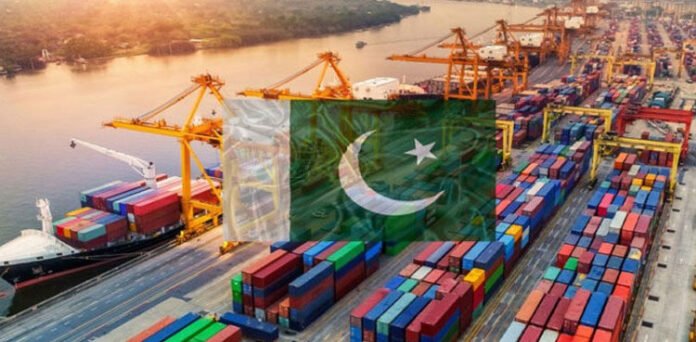
August 10, Pakistan – Exports of services in Pakistan saw notable growth during the financial year 2025, amounting to $8.39 billion, largely driven by robust activity in telecom, computing, and information sectors. This represents an increase of 9.23% compared to the previous year’s figure of $7.68 billion, as reported by the Pakistan Bureau of Statistics (PBS). The rise indicates ongoing revival and development within the service industry, which has experienced continuous improvements since February 2024, with only a short drop of 6.5% recorded in August.
Service exports increased by 7.86% in rupees, amounting to Rs 2.345 trillion as opposed to Rs 2.174 trillion from the prior year. This upward movement remained consistent even amid changes in exchange rates, highlighting strength within the industry. Year-over-year figures for June showed an increase of 12.91%, with service exports totaling $726.68 million versus $643.59 million during June 2024. Much of this growth stems from tech-based services, which still hold a leading position in Pakistan’s export mix.
According to figures released by the State Bank of Pakistan, the telecommunications, computing, and information services sector—the biggest contributor among service exports—increased by 18.18% to reach $3.809 billion, compared to $3.223 billion in the previous year. Additional professional services saw an upward trend as well, with a growth rate of 7.35%, amounting to $1.665 billion. Meanwhile, export earnings from transportation services climbed by 27.86% to $982.0 million due to increased needs related to shipping and freight operations. On the contrary, revenue generated through travel-related services declined by 4.88%, settling at $721.0 million down from $758.0 million.
This expansion follows two years of modest progress, during which service exports increased by just 2.77% in FY2024 and 2.78% in FY2023. For FY2023, export values reached $7.30 billion, up from $7.10 billion in FY2022. The administration has established an aggressive objective of boosting IT exports to $15 billion over the coming five years, seeking to position the digital sector as a major catalyst for upcoming economic development.
On the import front, service imports grew by 2.01% during FY2025, rising to $11.02 billion from $10.79 billion in the previous fiscal year. Nevertheless, in June, imports fell significantly by 24.01% compared to the prior year, amounting to $851.56 million as opposed to $1.122 billion in the same period last year. Transportation fees experienced a minor decrease of 0.68%, totaling $4.645 billion, whereas travel imports went up by 6.17% to reach $2.406 billion, indicating higher levels of domestic tourism and international travel.
Although imports increased, Pakistan’s trade deficit in services decreased by 15.84% during fiscal year 2025, dropping to $2.618 billion from $3.11 billion in the previous year. The decline persisted in June, as the deficit fell by 73.9% compared to the same period last year, reaching $124.89 million versus $478.41 million in June 2024. This progress reflects the beneficial effect of robust exports alongside reduced expenditure on imports.

by admin | Aug 25, 2025 | casinos in las vegas, disasters, entertainment, incident, las vegas attractions
A fierce forest fire has covered
Las Vegas
with its famous central street enveloped in heavy fog as the struggling tourism spot endures another setback.
Smoke from the
California
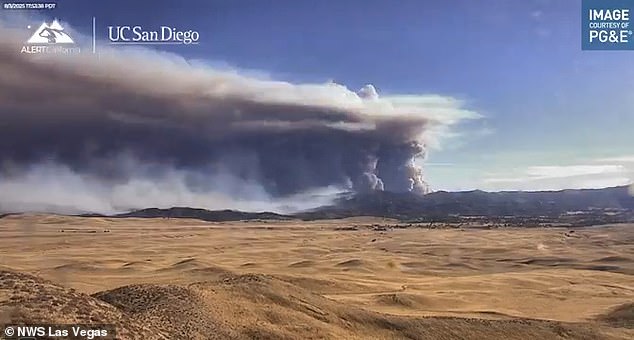
The Gifford Fire near Santa Barbara has been expanding and affecting the Las Vegas Valley since Sunday.
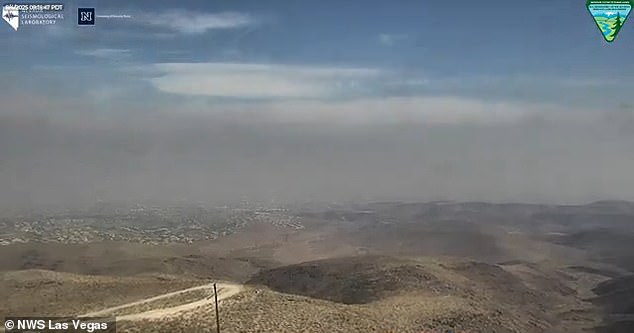
A video shared on social media by the National Weather Service in Sin City on Monday captured cloudy skies over the Las Vegas Strip.
The National Weather Service cautioned that dangerous circumstances might continue for additional days because of southwest winds spreading toxic fumes.
“Smoke from the Gifford Fire located north of Santa Barbara is still spreading into the Las Vegas Valley, causing decreased visibility and poorer air conditions,” authorities stated.
The Gifford Fire has scorched over 65,000 acres and was still contained at only three percent as of Monday afternoon.
A huge fire keeps spreading harmful smoke across state borders into Nevada.
Authorities are urging locals and visitors to reduce outdoor exposure and ensure windows remain shut due to ongoing smog affecting air quality throughout the region.


Smoke reached the area as Las Vegas faces challenges due to a significant decline in tourist numbers.
A leading hotel and resort chain in the world’s premier casino destination has recently experienced an unexpected decline in operations.
Caesars Entertainment, operating eight casino hotels and one non-casino accommodation along the Las Vegas Strip, announced a 3.7 percent decrease in net income compared to the same period last year during the second quarter of 2025,
SEC filings
revealed.
The corporation, owner of Caesars Palace and Harrah’s Las Vegas, additionally experienced a 21 percent year-over-year decline in net profit during the second quarter.
Between April and June, the company generated $1.054 billion in Las Vegas, a decrease from $1.095 billion during the same period in 2024.
One of the factors causing difficulties for businesses in Sin City is due to
International tourists have kept avoiding the United States.
– involving some dissatisfaction with the presidential term
Donald Trump
.
A further factor causing visitors to avoid the Strip could be its expensive costs.
A guest recently expressed her surprise following her experience of being
billed $26 for a bottle of Fiji Water
from the mini bar located in her room at the Aria Resort & Casino.

And a UK illusionist found himself furious following
He received a charge of $74.31 for two beverages.
at Sphere in Las Vegas.
The city of Las Vegas received 3.39 million tourists in March, marking an approximately eight percent decrease compared to 3.68 million visitors in February, as stated in a report from the Las Vegas Convention and Visitors Authority.
Hotel occupancy stood at 82.9% during the same period, versus 85.3% in March 2024.
Casinos also noted nearly a five percent decline compared to the previous year. Across the state, the number decreased by 1.1 percent.
Read more


