Explore 10 Fascinating Sites Near Mount Fuji: From Charming Villages to Enchanting Ice Caves
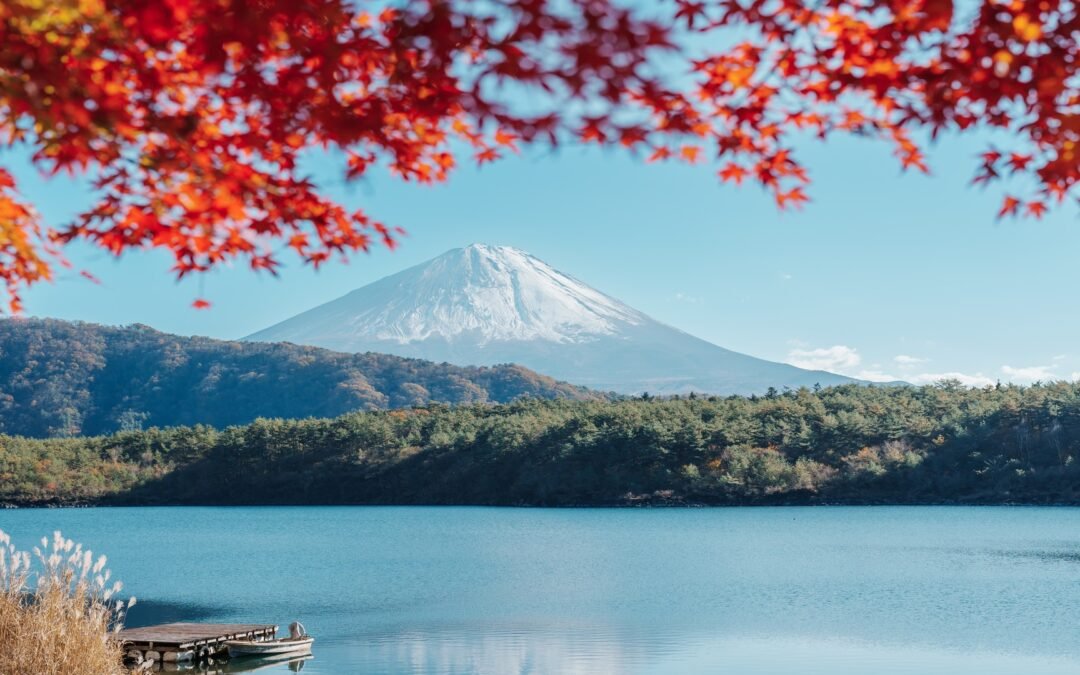
Mt. Fuji stands as Japan’s tallest summit and most renowned emblem, enveloped by breathtaking landscapes and rich historical attractions. Below are ten essential locations where you can delve into the splendor and heritage of this legendary area.
The Fuji Five Lakes (Fuji-Goko)
The formation of these five lakes—Kawaguchi, Motosu, Saiko, Shoji, and Yamanaka—took place approximately 100,000 years ago. Positioned at the foot of Mount Fuji’s north side, they provide stunning vistas along with numerous recreational opportunities including fishing, kayaking, and hiking.
Arakurayama Sengen Park along with the Chureito Pagoda
The park boasts one of the most recognizable vistas of Mount Fuji, featuring the striking red Chureito Pagoda in the forefront. Constructed in 1963, this five-story pagoda serves as a monument for peace. The best times to explore the park are during spring when cherry blossoms blanket the area, or in fall when the leaves turn crimson.
Visiting Japan soon? Check out these articles to assist with planning your journey:
- The precise date for admiring cherry blossoms in Japan during 2025 can be noted here.
- What to explore in Osaka? Top 5 essential destinations in Japan’s third biggest metropolis
- In Tokyo, this towering structure ranks as the second tallest in the globe and is truly an architectural marvel!
- This city holds the title of being the most ancient in Japan, serving as a key center for culture and history.
Fujisan Sengen Shrine
Located at the base of Mount Fuji in Fujinomiya, this Shinto shrine holds significant spiritual importance. Constructed more than a millennium ago, it was established to safeguard the area against volcanic activity. Historically, it functioned as a starting point for travelers embarking on the pilgrimage up the revered mountain.
Oshino Hakkai village
The
charming Japanese village
Oshino Hakkai features eight fresh-water ponds supplied by springs from Mount Fuji. This village is designed to highlight local craftsmanship, featuring traditional thatched-roof homes and water mills amidst a serene but popular setting for visitors.
The Narusawa Ice Cave and Fugaku Wind Cave
The caves situated within Aokigahara forest offer a distinctive adventure. The ice cave maintains a consistent temperature around freezing point all year round, whereas the wind cave showcases unique lava structures and an unusually colored bed of moss. Both caverns can be explored during a single visit.
Lake Kawaguchi and its Kachi-Kachi Ropeway
One of the finest vantage points for viewing Mount Fuji is Lake Kawaguchi. The Kachi-Kachi Ropeway, named after a traditional Japanese folktale, swiftly transports visitors via a three-minute ride to an awe-inspiring observation deck at an altitude of 1,000 meters. During fall, the vibrant crimson foliage adds extra charm to this location.
The Fuji-Q Highland theme park
For those seeking thrills, this amusement park boasts some of the tallest and most spectacular roller coasters globally, offering breathtaking vistas of Mount Fuji behind them.
Aokigahara Park
Surrounding the foot of Mount Fuji, this thick, intriguing woodland goes by the name Sea of Trees. Renowned for its eerie ambiance and lava-formed caverns, the area’s character is further enhanced by its moss-laden earth and scarce fauna, lending an unmistakable aura to Aokigahara.
Gotemba
Gotemba is a town located at the base of Mount Fuji, known for its thermal baths (onsen) and stunning vistas of the mountain, especially as seen from the town’s bustling commercial district.
The climb up Mount Fuji
Scaling Mount Fuji offers an exclusive adventure ideal for those who seek thrills. The sanctioned period extends from July through September.
several trails
The ascent varies in challenge and typically lasts from 5 to 10 hours, based on which path you select. It necessitates a certain degree of fitness and readiness, along with making reservations ahead of time.