by admin | Apr 3, 2025 | asia, diplomacy and diplomats, indian national news, international relations, politics
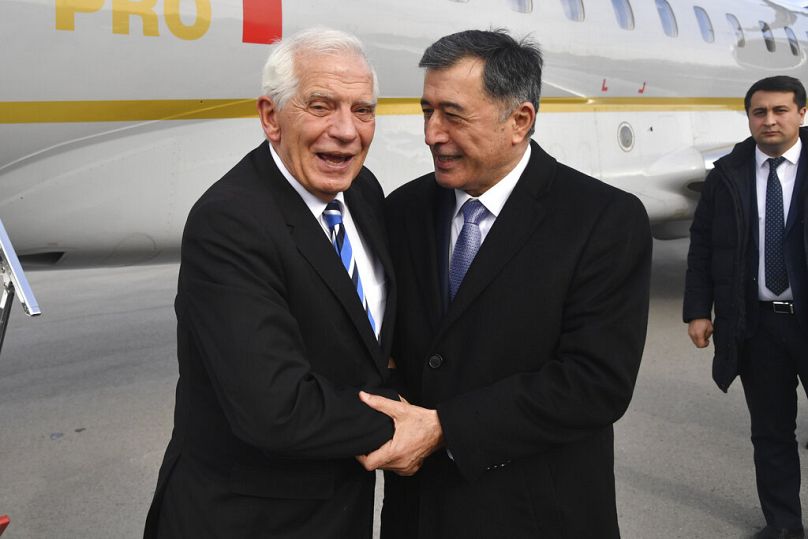
Dhaka, April 3 — Indian Prime Minister Narendra Modi stated that he plans to meet with the leaders of the BIMSTEC nations to explore avenues for enhancing cooperation, always considering the welfare of their citizens.
“I am looking forward to meeting the leaders of the BIMSTEC nations and engaging constructively to enhance our cooperation, keeping the well-being of our citizens at heart,” Modi stated in his departing message before embarking on his trip to Thailand and Sri Lanka on Thursday.
Bangladesh views this year’s BIMSTEC Summit, which is set to take place in Bangkok, Thailand, on April 4, as highly significant for the nation since Bangladesh will take over the leadership of the organization for the coming two years.
Dhaka believes the summit will offer them a chance to showcase a “fair and equitable” Bangladesh within South and Southeast Asia, according to officials who spoke this week.
Professor Muhammad Yunus, the Chief Advisor, will arrive in Bangkok on Thursday afternoon for the summit, according to an announcement made by his Deputy Press Secretary, Abul Kalam Azad Majumder, to UNB.
Dhaka officials mentioned that Dr. Yunus is expected to meet with Prime Minister Modi during the margins of the BIMSTEC Summit, though they provided no additional details.
Dr. Yunus departs for Bangkok to participate in the 6th BIMSTEC Summit.
Michael Kugelman, an analyst specializing in South Asian affairs, stated based on reports from Bangladeshi media that Modi is scheduled to meet with Yunus during the BIMSTEC event taking place in Thailand this week.
“If accurate, this would mark the largest India-Bangladesh diplomatic advancement since Hasina’s departure from office,” Kugeman stated in a tweet posted via his verified X account.
Following an invite from Thai Prime Minister Paetongtarn Shinawatra, Indian Prime Minister Modi embarked on an official trip to Thailand with the dual purpose of attending the 6th BIMSTEC Summit in Bangkok.
In the last ten years, according to Modi, BIMSTEC has become an important platform for fostering regional growth, connecting areas, and boosting economic advancement in the Bay of Bengal area.
“Given its geographic position, India’s Northeastern area is centrally located within the BIMSTEC region,” stated the Indian Prime Minister.
While on an official visit, India’s Prime Minister will meet with Thailand’s Prime Minister Shinawatra and other leaders in the country. They share a mutual aim to strengthen the long-standing historical connections between their nations, rooted deeply in similar cultural values, philosophies, and spiritual beliefs.
Modi will make a two-day trip to Sri Lanka starting from April 4th until April 6th, coming directly from Thailand.
Following the remarkably successful trip made by President Disanayaka to India in December, this event took place.
“We will have the opportunity to review progress made on the joint vision of “Fostering Partnerships for a Shared Future” and provide further guidance to realise our shared objectives,” Modi said.
ASEAN lawmakers aim to exclude Myanmar from BIMSTEC due to human rights worries.
He expressed his continued confidence that these visits will expand upon the groundwork laid in the past and help fortify their strong bonds for the betterment of both nations and the broader area.
by admin | Apr 3, 2025 | asia, economics, international relations, politics, sustainability
Bangkok, April 3 — Professor Muhammad Yunus, the Chief Advisor, will participate in the 6th BIMSTEC Summit on Friday as Bangladesh takes over the leadership role of the organization for the coming two years.
The Bay of Bengal Initiative for Multi-Sectoral Technical and Economic Cooperation (BIMSTEC) includes seven nations from the Bay of Bengal area — Bangladesh, Bhutan, India, Myanmar, Nepal, Sri Lanka, and Thailand.
Officials stated that the leadership of BIMSTEC, recognized as a vital platform for advancing regional growth, infrastructure links, and economic advancement in the Bay of Bengal area, shifts based on the alphabetical sequence of the English names of its member countries.
During the Summit, the transition of leadership occurs as the country currently heading BIMSTEC, which acts as the host for the Summit, passes on the chairmanship to the following member state in alphabetical order.
The theme for the 6th summit, which is taking place three years following the fifth summit (held virtually in Colombo on March 30, 2022), is “Prosperous, Resilient, and Open BIMSTEC.”
At the start of the 6th BIMSTEC Summit, attendees will gather for a group photograph. This will be succeeded by welcoming remarks from the BIMSTEC Chairperson and Thai Prime Minister. A moment of silence will then be held to honor those affected by the recent earthquakes.
Following the endorsement of the agenda, the heads of BIMSTEC states will deliver their addresses.
Following the transfer of BIMSTEC leadership, the incoming chairperson will address the gathering, with concluding comments provided by the Thai prime minister, as informed by an official to UNB.
According to the BIMSTEC Secretariat, the summit seeks to promote cooperation amongst member nations to tackle common security and development issues. It will inject fresh momentum into ongoing initiatives aimed at achieving a thriving, robust, and open BIMSTEC region.
The Foreign Secretary, Md Jashim Uddin, stated that the summit will enhance and intensify the ties between Bangladesh and other BIMSTEC nations. He also emphasized its crucial role in promoting regional stability and progress.
“There’s no doubt that this sixth BIMSTEC Summit marks a significant move forward for the new Bangladesh within the regional landscape via BIMSTEC,” he stated, expressing his hope for the summit’s success.
Summit Agenda
The summit, according to the BIMSTEC headquarters, features an extensive agenda – including the endorsement of the declaration from the 6th BIMSTEC Summit, capturing the vision of the leaders along with their resolutions and instructions; also encompassing the approval of the Bangkok Vision 2030.
This initial vision document will be endorsed by the Leaders. It offers a detailed and actionable guide for enhancing collaboration among the BIMSTEC member states moving forward.
The signing of the agreement for Maritime Transport Collaboration seeks to boost marine transportation within the Bay of Bengal. This initiative intends to improve the movement of goods and individuals among member states, facilitating increased commerce and travel between them.
In the meantime, the endorsement of memorandums of understanding (MOUs) between BIMSTEC and the Indian Ocean Rim Association (IORA), along with those between BIMSTEC and the United Nations Office on Drugs and Crime (UNODC), forms part of the plan. These agreements aim to usher in a fresh chapter of collaborative development efforts involving BIMSTEC and these entities.
The approval of the Rules of Procedure for the BIMSTEC Mechanisms, along with the Charter, will establish the basic structure for regional collaboration within BIMSTEC. Additionally, the endorsement of the Report from the Eminent Persons Group regarding the future path of BIMSTEC is also part of the discussion points.
In 2024, the team convened six times. Following consultations with pertinent stakeholders, they completed their report through thorough discussions and finalized it in September 2024.
The report includes several recommendations, and the member states have begun taking actions intended to implement the findings of the report.
Amidst the swiftly changing and unpredictable global political and economic landscape, the 6th BIMSTEC Summit aims to strengthen even more the crucial function of BIMSTEC—the sole regional body in the Bay of Bengal—in promoting collaboration among nations. This initiative seeks to empower member states to address common security concerns and foster sustainable growth effectively.
Since BIMSTEC was established in June 1997, five summits have taken place in Bangkok (2004), New Delhi (2008), Nay Pyi Taw (2014), Kathmandu (2018), and Colombo (2022).
It focuses on regional collaboration across seven key areas: Agriculture & Food Security; Connectivity; Environmental Protection & Climate Change; Cultural Exchanges & Interactions; Scientific Research, Technological Advancement & Innovation; Security Matters; and Commerce, Investments & Economic Growth.
The collaboration encompasses eight sectors: Blue Economy, Mountain Economy, Energy, Disaster Management, Fisheries & Livestock, Poverty Alleviation, Health, and Human Resource Development.
by admin | Apr 3, 2025 | animals, asia, entertainment, money, zoos
The Punjab Senior Minister, Maryam Aurangzeb, responded to queries regarding the ticket costs at Lahore Zoo, affirming that the standard admission price stays at Rs. 100, which caters to approximately 98% of the facility.
She mentioned that extra features come with individual fees: ₹200 for the aquarium and ₹300 for the hologram experience, which adds up to a total of ₹500 for the complete offering.
Aurangzeb explained that some guests incorrectly believed there had been an increase in prices after buying bundled tickets.
To avoid mix-ups, distinct ticket counters have been established for the aquarium and hologram exhibits.
Provided by SyndiGate Media Inc.
Syndigate.info
).
by admin | Apr 2, 2025 | asia, economy of china, international relations, news, politics
From the ‘two sessions’ to the Boao Forum, Beijing is advancing technological self-reliance, eco-innovation, and assistance for less developed countries.
China’s annual
“two sessions”
Last month’s parliamentary sessions highlighted key national focuses such as promoting indigenous technological advancements, speeding up the shift towards renewable energy sources, and tackling the issue of debt.
Boao Forum for Asia
expanded on these themes.
Beijing’s leaders are emphasizing China’s position as a stabilizing element in Asia and an advocate for multinational cooperation amidst escalating U.S. tariffs, increasing environmental pressures, and fractured worldwide trade patterns. They aim to navigate these geopolitical and economic challenges through a mix of diplomatic agility and strategic legislation.
China’s Two Sessions reiterated its commitment to promoting Chinese-style modernization, an approach viewed as being underpinned by three key elements:
strong technological foundation
, a
highly skilled workforce
with extensive worldwide reach.
Innovations in
artificial intelligence
(AI) — a sector that reportedly generated $402.6 million in revenue last year, with projections indicating potential growth to $3.98 billion by 2030 — highlights China’s adaptability through advancements in quantum computing and renewable energy. Addressing substantial debts within the real estate industry along with supporting urban economies remains crucial.
reforms
To guarantee sustainable development, addressing these concerns is among China’s highest priorities.
In the meantime, U.S. protectionist actions such as tariffs have accelerated China’s shift toward regions like Southeast Asia, Africa, and Latin America. These tariff policies pose risks to worldwide trade stability but have simultaneously encouraged Beijing to strengthen international partnerships.
For instance, China’s merchandise trade with member countries of the
Regional Comprehensive Economic Partnership
During the initial eleven months of last year, trade under the RCEP amounted to $1.65 trillion, marking a 4.4 percent rise compared to the previous year. Technologies focused on sustainability, such as those found in electric vehicles (EVs), advanced nuclear reactors, and wind energy systems, serve as key drivers for boosting national economies domestically while also advancing global environmental initiatives.
During the Boao Forum, China highlighted collaboration rather than individualistic approaches. The RCEP, encompassing the biggest trade zone globally, has opened substantial opportunities for lesser economies: Vietnam’s manufacturing industry benefits from zero-tariff access to Chinese parts, whereas Cambodia’s rice and textile exports have seen growth due to this agreement.
Alongside this, the
Belt and Road Initiative
stays crucial for worldwide integration,
reaching
US$70.7 billion worth of contracts and US$51 billion in investments were recorded last year.
Since its inception in 2013, the program has gathered a total of $1.175 trillion, supporting initiatives like the
China-Laos railway
– having carried 48.6 million passengers and 54 million tons of cargo since 2021 – as well as Indonesia’s
“Whoosh” high-speed railway
, reducing the travel time between Jakarta and Bandung from more than three hours to just 46 minutes, thereby rejuvenating tourism and fostering small business development.
The Belt and Road Initiative serves as a counterweight to historical imbalances through its fair collaborations. For example, last year’s China-ASEAN Expo featured participation from 740 companies belonging to the Association of Southeast Asian Nations.
Challenges persist, however.
Panama’s exit
Following geopolitical pressures from the Belt and Road Initiative, it underscores the impact of Western interference. Nonetheless, South-South collaboration remains robust. African leaders are progressively viewing China as a genuine partner in upgrading infrastructure, highlighting the attractiveness of this initiative.
China’s push towards technological independence is transforming international industries. The collaboration between Huawei Technologies and Thailand has created Southeast Asia’s first major tech hub.
first fully 5G-integrated factory
, leveraging real-time analytics to transform manufacturing efficiency.
At the same time, the Asian Infrastructure Investment Bank (AIIB) has directed 60 percent of its total approved funding toward sustainable initiatives, backing projects like Bangladesh’s $200 million renewable energy grid.
China
is ahead in 37 out of 44
key and rapidly evolving technology sectors, reinforcing its role as a leader in scientific advancement. Developments in
helium-3 extraction
and
fusion energy
in line with its 2060 carbon neutrality commitment, while the AIIB aims for a climate finance target of
US$50 billion
By 2030, this emphasizes their dedication to environmental responsibility.
In addition,
reforestation initiatives
and
EV subsidies
emphasize this commitment, positioning China as a leader in climate action even as the United States pulls back from the Paris Agreement.
again
.
The financial resilience was bolstered even more last year as
cross-border yuan usage
rose by 21.1 percent, decreasing reliance on the US dollar. This change corresponds to
shift focus from the US dollar
By other members of the BRICS bloc, which account for 45 percent of the world’s population. The U.S. trade gap with China has decreased from $375 billion in 2018 to $295 billion last year—but the recent tariffs imposed by President Trump threaten over $7 trillion worth of yearly trade passing through the South China Sea.
US
sanctions on semiconductors
And green technologies have had unintended negative consequences, bolstering China’s self-sufficiency while increasing expenses for Western economies, evident in Germany’s industrial downturn and the European Union’s faltering “de-risking” initiative.
China is also taking a prominent position globally, striving to resolve conflicts around the world.
Ukraine
to
Myanmar
while advocating for United Nations reforms to provide greater influence to countries from the Southern Hemisphere.
At the same time, it promotes a more inclusive worldwide financial system, encouraging the
World Trade Organization
and
International Monetary Fund
To advocate for a multipolar system, balancing Western reform efforts to more accurately represent the needs of rising economies. This involves opting for collaboration rather than fragmentation.
China’s progress in technologies such as
renewable energy
,
5G
AI isn’t solely for its own sake; these technologies are essential tools for the world. The long-term collaborations facilitated by initiatives like the Belt and Road, which provides funding over multiple decades, along with the RCEP, which decreases trade barriers such as tariffs, support this perspective. Additionally, the AIIB backs projects aimed at harmonizing economic expansion with environmental conservation.
Despite obstacles such as U.S. tariffs and climate-related issues, China persists in advancing technological self-reliance, promoting green innovations, and supporting less developed countries. The Boao Forum aptly encapsulates these challenges and possibilities: our decisions will shape humankind’s destiny.
More Articles from SCMP
elderly Hong Kong woman missing for 5 days discovered in Tai Po bushes
China calls for Myanmar to safeguard responders following military shooting at relief team
China and Russia aim for ‘increasingly extensive’ relations and ‘tight cooperation.’
Again, the United States has enforced meaningless sanctions on Hong Kong.
The article initially appeared on the South ChinaMorning Post (www.scmp.com), which is the premier source for news coverage of China andAsia.
Copyright © 2025. South China Morning Post Publishers Ltd. All rights reserved.

by admin | Apr 2, 2025 | asia, europe, european union, international relations, politics
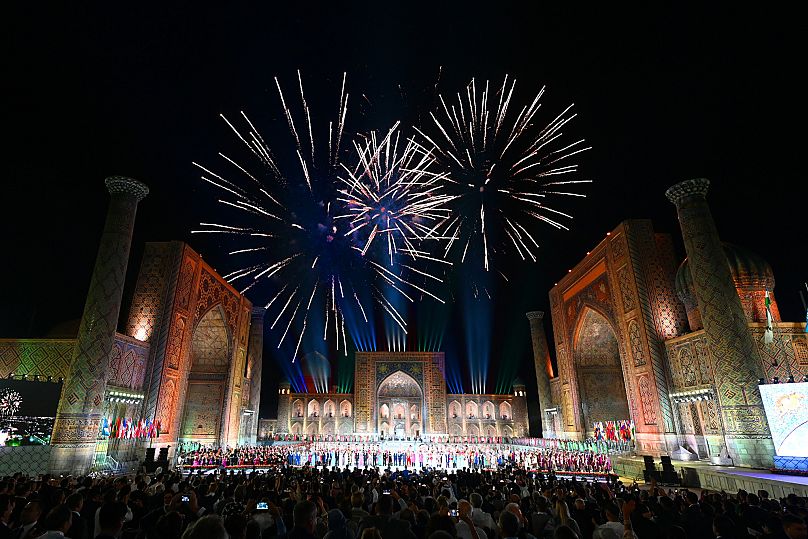
On Thursday and Friday, Samarkand will play host to the inaugural high-level gathering between the European Union and the Central Asian nations.
This pivotal occasion will usher in a fresh era in the relationship between these areas, signaling a shift towards an unprecedented degree of multifaceted collaboration.
Arranging this dialogue underscores the European Union’s significant dedication to fostering collaboration and its pledge to bolster relationships with the Central Asian countries.
As European Council President António Costa remarked before the gathering, “We find ourselves in a time marked by disorder and disunity; thus, the sole viable approach for the EU is to fortify alliances aimed at achieving peace and economic growth.”
“In a multipolar world, greater and more focused involvement is essential. The inaugural EU-Central Asia summit will help reinforce our pledges to collectively secure peace, stability, and sustained development,” Costa stated.
An equally important remark came from European Commission Vice President Margaritis Schinas at an earlier time.
Schinas stated that the EU views Central Asia with significant importance, especially within the framework of present geopolitical instability.
In an era where global instability and insecurity are rising, Central Asia stands out as a zone of constructive developments. Our partnership with this area is not merely a fleeting occurrence; rather, we are committed to a lasting vision.
When discussing the enhanced collaboration between Brussels and Central Asia, analysts point out that over recent years, this partnership has developed into one that is steady, comprehensive, and advantageous for both sides.
Foundational legal and organizational structures for partnerships
Following the rise of newly formed independent nations in Central Asia, the European Union started efforts to build individual partnerships with these countries. Starting from 1991, the evolution of the EU’s approach towards Central Asia has passed through multiple significant phases. These shifts were influenced by transformations within the global diplomatic landscape, the progression of European unification, as well as Central Asia’s evolving significance in geopolitics—highlighted by its energy reserves, transportation routes, workforce potential, and strategic positioning.
The initial extensive collaboration effort was the “Technical Assistance to the Commonwealth of Independent States” (TACIS, 1991-2006). This program offered assistance to nations within the area as they carried out political and economic transformations, shifted towards a market-based economy, and reinforced legal standards. Throughout this endeavor, approximately 3,000 initiatives were executed with an overall investment exceeding €7 billion.
One major accomplishment of TACIS was the signing of Partnership and Cooperation Agreements with nations in Central Asia.
It should be highlighted that during the 1990s, European Union policies towards Central Asia were strongly focused on resources. The EU saw this area mainly as a supplier of energy resources and encouraged initiatives like TRACECA, which was geared toward facilitating transportation and logistics for securing hydrocarbon deliveries to Europe.
Following 2001, the emphasis moved toward enhancing security collaboration. Key focuses included fighting terrorism and curbing narcotics smuggling originating from Afghanistan. This era also saw the initiation of the Border Management Programme (BOMCA) and the Chemicals and Precursors Control Programme (CADAP) in Central Asia.
The following crucial step was the implementation of the initial EU Strategy for Central Asia in 2007 (an independent initiative – the European Neighborhood and Partnership Instrument – was created for the East European CIS countries).
This phase saw the emergence of Central Asia being viewed as a cohesive entity. Additionally, a system for organizing yearly gatherings between the European Union’s foreign ministers and their counterparts from Central Asian nations was established.
As part of this strategy, numerous undertakings have been carried out ranging from regional, environmental, and energy programs to ventures focused on security, human rights, and the rule of law.
Nonetheless, according to specialists, the initial EU strategy fell short of aspirations because it was overly broad and had several flaws, deterring substantial engagement from the Central Asian nations.
Furthermore, the document underwent multiple revisions to enhance its efficacy; however, the executed measures and collaborative efforts stayed restricted. Despite being originally conceived as a decade-long plan, it took 12 years before this approach was superseded by a fresh initiative.
Central Asia from a fresh perspective
The neighborhood and regional cooperation policy introduced by the Republic of Uzbekistan under President Shavkat Mirziyoyev’s guidance has significantly influenced the European Union’s approach towards Central Asia.
Due to collaborative endeavors, an entirely fresh political climate has emerged in Central Asia. Throughout numerous years, myriad issues that had persisted for decades have been addressed. As a consequence, the area is transforming into a zone of reciprocal collaboration and enduring growth.
To put it differently, Central Asia is not merely seen as a bridge connecting East and West anymore; instead, it has emerged as an autonomous player in global politics.
The remarks made by former European Commissioner for Foreign Affairs and Security Policy José Borrell at the EU-Central Asia Transportation Investors Forum in January 2024 serve as an illustration of his stance.
“At one point Central Asia seemed like a remote place, but now you find yourself right at the heart of all action,” he remarked back then.
This altered perspective on the area’s significance is mirrored in the EU’s strategic outlook. When introducing the updated Strategy for Central Asia in 2019, the EU leaned heavily on fostering regional collaboration, expanding upon earlier efforts.
This method can be seen in the execution of all 10 sectors of collaboration within the updated strategy, which encompasses human rights, democratization, education, economic growth, energy, transportation, environmental protection, water management, cross-cultural communication, and regional stability.
These concepts are further supported by novel terminology introduced in the strategic document, including “connectivity,” referring to enhanced cross-regional linkages; “inclusivity,” signifying openness towards various outside entities within the region; and “sustainability,” denoting the capacity to mitigate potential hazards and challenges—alignments that resonate deeply with the goals set forth by nations across Central Asia.
Currently, the area’s countries are keen on securing European investment, technology, and innovation due to their own requirements and the changing global political landscape. These nations aim to tackle key objectives related to maintaining stability and fostering sustainable growth in sectors like economics, manufacturing, energy, transportation, human resources, and climate issues.
Multifaceted cooperation
The European Union has notably enhanced its engagement with Central Asian nations, paying closer attention to their interests across various domains including political ties, security matters, commercial activities, investment opportunities, and cultural exchanges.
Specifically, the regulatory and legal foundation for EU-Central Asia engagement is being reinforced. In recent years, Brussels has developed relations with the five Central Asian countries via Comprehensive Partnership and Cooperation Agreements (CPCAs).
So far, Kazakhstan and Kyrgyzstan have already entered into similar agreements with the European Union. In March 2024, Turkmenistan signed a protocol related to the CPCA, whereas Tajikistan and Uzbekistan are currently in the process of finalizing their signatures for the document.
The adoption of the Joint Roadmap for Strengthening Relations Between the EU and Central Asia in October 2023 offered an extra push towards enhanced collaboration. This roadmap encompasses crucial sectors such as cross-border political discussions, increased trade and economic connections, energy sector growth, building a sustainable, carbon-neutral economy, and tackling shared security challenges.
The EU along with Central Asian nations continue to engage in robust political discussions at both the highest and high governmental levels. During these exchanges, two significant summits took place; one in Astana in October 2022, and another in Bishkek in June 2023. These gatherings allowed participants to examine potential avenues for collaboration and reaffirm their dedication to enhancing the overall partnership between them.
Moreover, a sequence of ministerial conferences was held, with the most recent one occurring on March 27, 2024, in Ashgabat. This conference focused on preparing for the forthcoming EU-Central Asia summit scheduled in Samarkand. It also addressed an extensive array of topics such as the impact of contemporary geopolitics on the region, enhancing transportation and digital links, fostering collaboration in energy and water management, promoting trade, education, and scientific advancements.
Enhancing political discussions creates new possibilities for boosting trade and economic relationships as well as fostering industrial collaboration.
The European Union continues to be the biggest investor in Central Asia, contributing more than 40% of all direct foreign investments during the last decade (exceeding €100 billion). The engagement encompasses crucial areas such as pharmaceuticals, construction, energy, and agriculture.
A key area of collaboration involves the extraction and refinement of minerals. Given the growing emphasis on diversifying sources of crucial materials, nations in Central Asia have become more prominent players in the international market.
Agreements reached with Kazakhstan in 2022 and Uzbekistan in 2024 permit European businesses to enhance their collaboration with these Central Asian nations in advanced technology sectors.
The implementation of the “Global Gateway” strategy within the transportation and logistics sector is becoming increasingly significant. Central Asia is evolving into a crucial transitory hub for Eurasian communication networks, with the Trans-Caspian International Transit Route holding a particularly vital position.
In the array of infrastructure initiatives designed to boost the region’s logistical capabilities, the construction of the China-Kyrgyzstan-Uzbekistan railway stands out as notably significant.
The outcomes from the inaugural investment and transportation forum between Central Asian nations and the European Union, which took place in Brussels in January 2024, have injected fresh momentum into collaborative efforts. At this gathering, it was disclosed that €10 billion would be allocated toward upgrading the Trans-Caspian International Transportation Corridor linking Asia with Europe.
A significant area of collaboration between the EU and Central Asia involves integrating the region digitally into the worldwide economy. Earlier this year, in March, during an official tour of the region undertaken by European Union Commissioner for International Partnerships Jozef Siekera, the TEI Digital Connectivity initiative was initiated. This program aims at advancing satellite communication systems, increasing broad bandwidth internet accessibility, fostering technological advancements, and improving cyber security measures. Such efforts help establish a more equitable and resilient economic framework while narrowing the gap created by unequal technology distribution.
A significant part of the engagement between the European Union and Central Asia continues to focus on addressing climate change and shifting towards sustainable development. Notable programs in this domain encompass the “SECCA” initiative under the “Team Europe” framework, the Water and Energy Program known as CAWEP, along with the “Green Central Asia” initiative.
Their goals include efficient management of water resources, creating eco-friendly energy solutions, and adjusting to climate change impacts.
Key focuses for tomorrow
In general, the present condition of ties between Central Asian nations and the European Union shows a shared interest in enhancing collaboration. For this region, the EU serves as more than just a crucial trading, economic, and investment ally; it also acts as a primary reference point for sustainable growth, digital progress, and environmental issues.
It is clear that an extensive conversation among the involved parties is increasingly crucial for establishing a fresh approach to their interactions. Expanding this discussion allows them not only to adjust to worldwide challenges but also to foster more precise and meaningful collaboration in key sectors such as energy, digitization, security, and infrastructure development.
Given these points, it appears fitting to explore various suggestions that might help establish a lasting collaborative relationship.
For the European Union, this involves upholding a firm dedication to backing initiatives focused on enhancing regional collaboration and establishing adaptable approaches for interacting with Central Asian nations. This enables the EU to modify its strategies and policies according to current circumstances.
The European Union ought to concentrate on crucial sectors for collaboration like transportation, energy, climate change mitigation, and enhancing human capabilities, since these elements are vital for fostering the area’s sustained economic expansion over time.
Lastly, Brussels needs to strengthen the institutional and regulatory basis of the partnership. This includes completing the signing of Enhanced Partnership and Cooperation Agreements with every country in the area, assisting them in joining the GSP+ program, boosting the presence of Central Asian nations within EU institutions, and aiding the establishment of their offices in the region.
Central Asia should also reinforce its dedication to meeting all commitments under the EU cooperation framework. This would enhance the area’s reputation as a dependable strategic ally and sustain efforts toward greater intra-regional collaboration and positive interactions with outside entities. By doing so, Central Asia can fortify its position as a hub for mutual partnerships and collective economic growth.
It should also facilitate the execution of the EU’s Central Asia Strategy, showing the region’s dedication to enhancing collaboration with Brussels and allowing the EU to more effectively strategize its initiatives and establish key priorities.
Additionally, the area needs to launch cultural and humanitarian initiatives aimed at fostering public diplomacy and enhancing the favorable perception of Central Asian nations within the EU, as well as reciprocally.
Consequently, the forthcoming EU – Central Asia summit in Samarkand offers a distinctive chance that will surely provide fresh momentum for the advancement of comprehensive collaboration between these areas.
This will raise the relationship to a substantially new stage, marked not just by an increase in economic connections but also by improved cooperation in key strategic sectors, thus establishing the groundwork for a lasting alliance.
Bakhtiyor Mustafayev serves as the Deputy Director of the Institute for Strategic and Regional Studies under the President of the Republic of Uzbekistan.
by admin | Mar 30, 2025 | asia, contests and competitions, sports, tournaments, youth
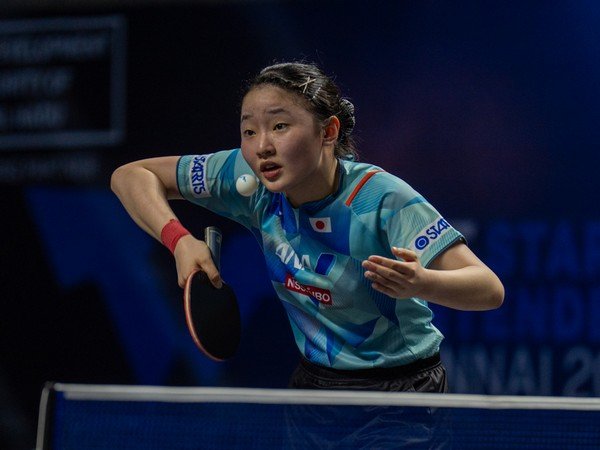
In Chennai, Tamil Nadu, India, on Sunday, eighteen-year-old Oh Jun-sung triumphed over French player Thibault Poret in a nail-biting seven-game match to clinch his inaugural World Table Tennis (WTT) Star Contender title at the WTT Star Contender event held in Chennai 2025. Meanwhile, in the Women’s Singles category, 16-year-old Miwa Harimoto—who has previously won an Olympic medal during Paris 2024—emerged victorious against fellow Japanese competitor Honoka Hashimoto with a score of 4-2, securing her first championship at this tier.
Earlier in the day, Manav Thakkar’s historic run concluded in the second-to-last round, making him the only Indian male athlete to advance to a WTT Star Contender semifinal. In other news, South Korea’s Lim Jong-hoon and Shin Yu-bin claimed the Mixed Doubles championship with a dominant performance, according to a statement released by WTT.
The WTT Star Contender Chennai 2025, sponsored by IndianOil, was organized by Stupa Sports Analytics along with Ultimate Table Tennis (UTT), under the governance of the Table Tennis Federation of India (TTFI). This competition featured a prize fund of $275,000 and awarded 600 ranking points to the champions.
In front of a full crowd at the Jawaharlal Nehru Indoor Stadium, Harimoto and Hashimoto put on an impressive display of extended rallies, pushing each other’s limits in terms of stamina and accuracy. During the initial two sets, they matched each other point for point. However, starting from game three, the match entered a different phase due to the implementation of the Expedite Rule. This rule compelled them to play quicker and more definitively within a limit of thirteen shots per rally. Under this constraint, Harimoto excelled, demonstrating remarkable speed and strategic prowess. Even as her competitor fought back fiercely, the young player remained composed throughout, securing victory in the Women’s Singles Finals.
Subsequently, the Men’s Singles Finals featuring Oh and Poret turned into an exhilarating contest where control seesawed back and forth. Each athlete exhibited remarkable talent and tenacity, maintaining audience anticipation throughout. Trailing 2-3, Oh staged a fantastic rally to clinch the final two matches, securing a nail-biting triumph.
Manav’s notable campaign concluded in Session 1 following a closely contested 3-1 defeat against Thibault Poret in the Men’s Singles semifinal, which awarded him 210 WTT ranking points and $4,000 in prize money—a considerable accomplishment for Indian table tennis. Soon thereafter, South Korean Olympians Lim and Shin demonstrated their skill by securing the Mixed Doubles championship without dropping a game, comfortably defeating Japan’s Maharu Yoshimura and Satsuki Odo with precise scores of 11-8, 11-5, and 11-4.
Spanning six days, the WTT Star Contender Chennai 2025 attracted 158 players from around the world who showcased intense competitions and created memorable highlights throughout the tournament.
Complete Outcomes (Principal Tournament, Day 4)
Men’s Singles (Semifinals)
Oh Jun-sung (KOR) [12] vs. Flavien Coton (FRA) 3-0: 11-4, 12-10, 11-7
Thibault Poret from France competes against Manav Thakkar from India with a score of 3-1: 12-10, 11-9, 7-11, 11-7
(Final, Best of 7)
Oh Jun-sung from South Korea [12] faces off against Thibault Poret from France with scores of 4-3: 9-11, 11-7, 11-3, 9-11, 6-11, 11-4, 11-7
Women’s Singles (Semifinals)
Miwa Harimoto (JPN) [2] vs. Shin Yu-bin (KOR) [4], score 3-0: 11-8, 11-4, 12-10
Honoka Hashimoto (JPN) [13] vs. Kim Nayeong (KOR) 3-0: 11-6, 11-2, 11-2
(Final, Best of 7)
Miwa Harimoto (JPN) [2] versus Honoka Hashimoto (JPN) [13]. The match score was 4-2 with game scores of 9-11, 11-3, 11-8, 11-9, 10-12, and 11-7.
Mixed Doubles (Final)
Lim Jong-hoon (KOR)/Shin Yu-bin (KOR) [2] vs. Maharu Yoshimura (JPN)/Satsuki Odo (JPN) [Q]. The match ended with a score of 3-0: 11-8, 11-5, 11-4. (ANI)
Provided by Syndigate Media Inc. (
Syndigate.info
).
Page 2 of 7«12345...»Last »