Morocco’s Weather Secrets Tied to Ancient Sahara Lake Bursts
Research conducted on Lake Sebkha el Melah in Algeria associates the replenishment of old Sahara lakes with atmospheric patterns from Morocco, particularly storm systems originating over the Atlantic Ocean. This study emphasizes that intense rainfalls, not an overall rise in rainfall levels, primarily drive these refilling occurrences.
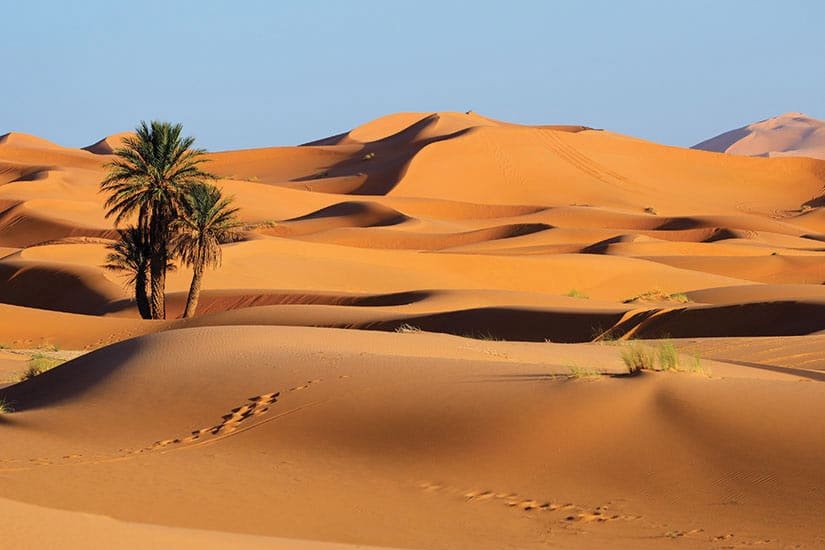
The Sahara Desert was not always as dry and barren as it is today. Experts suggest that in earlier times, it might have had more moisture and vegetation, including actual lake systems. To gain insights into this previously moister era, researchers have been examining ancient lakes in Algeria along with climate records from the west coast of Morocco.
In an earlier study released in March published in
Hydrology and Earth System Sciences
Researchers from Switzerland and Israel aimed to connect contemporary hydrological occurrences with historical climate conditions in the Sahara region.
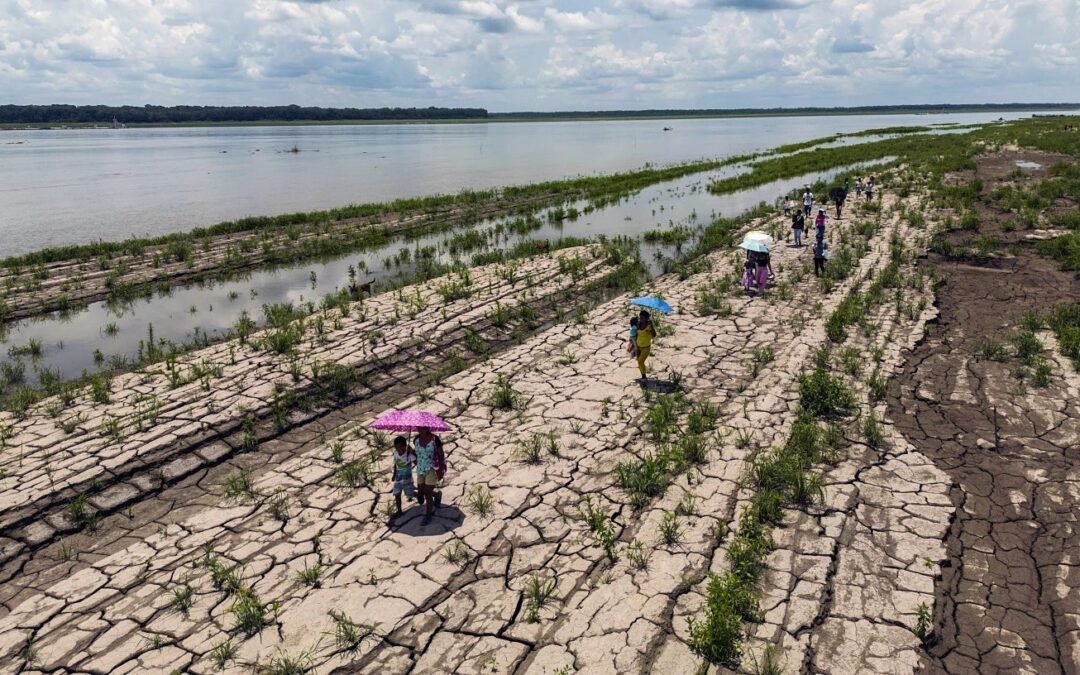
The research team concentrated their efforts on Sebkha el Melah lake located in northwestern Algeria, which stands as proof of the Sahara’s formerly moister history. This investigation seeks to uncover additional details regarding the timing and reasons behind the filling of lakes within the Sahara Desert, with this particular body of water serving as a primary case study.
The research aimed at achieving this objective by analyzing both heavy precipitation events (HPEs) and lake-filling episodes (LFEs). Heavy precipitation events involve significant rainfall occurring over an area, whereas lake-filling episodes denote times when bodies of water become full due to inflow. To accomplish their analysis, scientists utilized satellite imagery to monitor changes in the lake’s water level. They then integrated these observations with meteorological information to identify the atmospheric circumstances responsible for intense rains and subsequent lake overflow.
Furthermore, they utilized information from weather models (“weather reanalysis”) to identify the origin of moisture in the precipitation and understand how these atmospheric systems evolve.
The research connects the refilling of old lakes to climatic patterns in Morocco. It shows that heavy rainfalls stemming from the Atlantic Ocean correlate with recent instances of lake replenishment in the northwestern part of the Sahara Desert. The study points out that low-level cyclones—big, swirling storms developing offshore near Morocco—are crucial elements in this process. Additionally, these cyclones interact with high-altitude air currents and tropical humidity as they travel across Morocco towards Algeria, leading to optimal circumstances for lakes to refill during periods of precipitation.
The research indicates that moisture movement includes the interplay between extratropical cyclones close to the North African Atlantic shoreline and high-altitude weather systems, leading to an environment favorable for intense precipitation. An essential aspect of these occurrences is what’s termed the “recycled domino effect,” wherein water vapor gets increasingly moved and intensified across the Sahara prior to arriving at the lake’s catchment area.
The research indicates that the accumulation of water in lakes within the Sahara is more strongly connected to the severity and occurrence of particular meteorological phenomena, such as intense downpours, rather than an overarching rise in general precipitation levels.