by admin | Aug 11, 2025 | europe, european union, international borders, passports and international travel, Travel
The upcoming international journey to Europe for you might not include an official stamp in your passport indicating the specific nation or nations you have traveled to.
Beginning on October 12, 29 European nations will start implementing a new Entry/Exit System (EES) instead of conventional passport stickers, aiming for full functionality by April 10, 2026.
This electronic system aims to speed up and enhance customs inspections by tracking the arrival and departure of non-EU visitors through biometric information such as fingerprints and face scanning.
The 29 nations participating are members of the
Schengen Area
a region in Europe where most internal border checks have been removed, facilitating the unrestricted travel of individuals between participating nations. The Schengen Zone now comprises 25 European Union members along with four additional non-EU countries.
While travellers have historically moved between these countries with minimal passport checks, the EES will streamline the process further by providing self-service options and enabling travelers to submit their information ahead of time, cutting down time spent at border crossings.
Biometric details gathered can further assist authorities in recognizing people who remain beyond their permitted stay, employ fake identities, or exploit visa-exempt travel. Customs officers and police will be able to view this data to more effectively handle security threats.
Here is the complete list of 29 nations that will begin removing passport stamps starting October 12 with the implementation of the new EES system:
Austria
Belgium
Bulgaria
Croatia
Czechia
Denmark
Estonia
Finland
France
Germany
Greece
Hungary
Iceland
Italy
Latvia
Liechtenstein
Lithuania
Luxembourg
Malta
Netherlands
Norway
Poland
Portugal
Romania
Slovakia
Slovenia
Spain
Sweden
Switzerland
Supplied by SyndiGate Media Inc.
Syndigate.info
).

by admin | Apr 2, 2025 | asia, europe, european union, international relations, politics
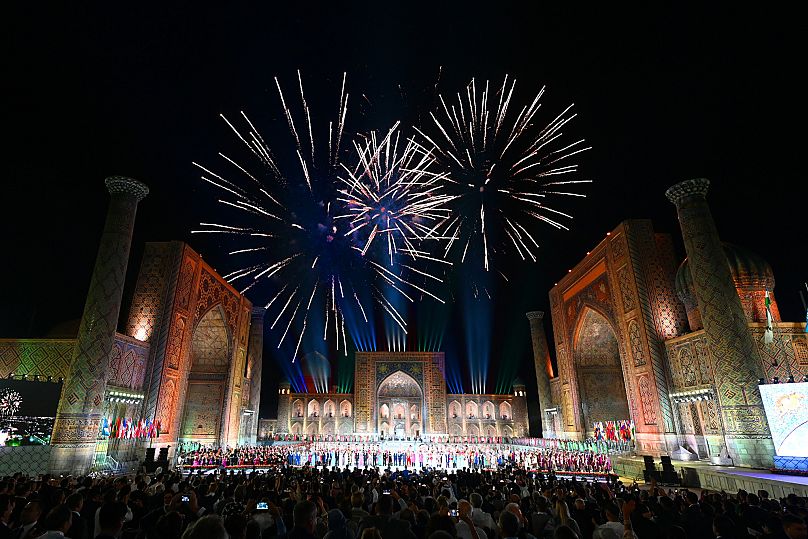
On Thursday and Friday, Samarkand will play host to the inaugural high-level gathering between the European Union and the Central Asian nations.
This pivotal occasion will usher in a fresh era in the relationship between these areas, signaling a shift towards an unprecedented degree of multifaceted collaboration.
Arranging this dialogue underscores the European Union’s significant dedication to fostering collaboration and its pledge to bolster relationships with the Central Asian countries.
As European Council President António Costa remarked before the gathering, “We find ourselves in a time marked by disorder and disunity; thus, the sole viable approach for the EU is to fortify alliances aimed at achieving peace and economic growth.”
“In a multipolar world, greater and more focused involvement is essential. The inaugural EU-Central Asia summit will help reinforce our pledges to collectively secure peace, stability, and sustained development,” Costa stated.
An equally important remark came from European Commission Vice President Margaritis Schinas at an earlier time.
Schinas stated that the EU views Central Asia with significant importance, especially within the framework of present geopolitical instability.
In an era where global instability and insecurity are rising, Central Asia stands out as a zone of constructive developments. Our partnership with this area is not merely a fleeting occurrence; rather, we are committed to a lasting vision.
When discussing the enhanced collaboration between Brussels and Central Asia, analysts point out that over recent years, this partnership has developed into one that is steady, comprehensive, and advantageous for both sides.
Foundational legal and organizational structures for partnerships
Following the rise of newly formed independent nations in Central Asia, the European Union started efforts to build individual partnerships with these countries. Starting from 1991, the evolution of the EU’s approach towards Central Asia has passed through multiple significant phases. These shifts were influenced by transformations within the global diplomatic landscape, the progression of European unification, as well as Central Asia’s evolving significance in geopolitics—highlighted by its energy reserves, transportation routes, workforce potential, and strategic positioning.
The initial extensive collaboration effort was the “Technical Assistance to the Commonwealth of Independent States” (TACIS, 1991-2006). This program offered assistance to nations within the area as they carried out political and economic transformations, shifted towards a market-based economy, and reinforced legal standards. Throughout this endeavor, approximately 3,000 initiatives were executed with an overall investment exceeding €7 billion.
One major accomplishment of TACIS was the signing of Partnership and Cooperation Agreements with nations in Central Asia.
It should be highlighted that during the 1990s, European Union policies towards Central Asia were strongly focused on resources. The EU saw this area mainly as a supplier of energy resources and encouraged initiatives like TRACECA, which was geared toward facilitating transportation and logistics for securing hydrocarbon deliveries to Europe.
Following 2001, the emphasis moved toward enhancing security collaboration. Key focuses included fighting terrorism and curbing narcotics smuggling originating from Afghanistan. This era also saw the initiation of the Border Management Programme (BOMCA) and the Chemicals and Precursors Control Programme (CADAP) in Central Asia.
The following crucial step was the implementation of the initial EU Strategy for Central Asia in 2007 (an independent initiative – the European Neighborhood and Partnership Instrument – was created for the East European CIS countries).
This phase saw the emergence of Central Asia being viewed as a cohesive entity. Additionally, a system for organizing yearly gatherings between the European Union’s foreign ministers and their counterparts from Central Asian nations was established.
As part of this strategy, numerous undertakings have been carried out ranging from regional, environmental, and energy programs to ventures focused on security, human rights, and the rule of law.
Nonetheless, according to specialists, the initial EU strategy fell short of aspirations because it was overly broad and had several flaws, deterring substantial engagement from the Central Asian nations.
Furthermore, the document underwent multiple revisions to enhance its efficacy; however, the executed measures and collaborative efforts stayed restricted. Despite being originally conceived as a decade-long plan, it took 12 years before this approach was superseded by a fresh initiative.
Central Asia from a fresh perspective
The neighborhood and regional cooperation policy introduced by the Republic of Uzbekistan under President Shavkat Mirziyoyev’s guidance has significantly influenced the European Union’s approach towards Central Asia.
Due to collaborative endeavors, an entirely fresh political climate has emerged in Central Asia. Throughout numerous years, myriad issues that had persisted for decades have been addressed. As a consequence, the area is transforming into a zone of reciprocal collaboration and enduring growth.
To put it differently, Central Asia is not merely seen as a bridge connecting East and West anymore; instead, it has emerged as an autonomous player in global politics.
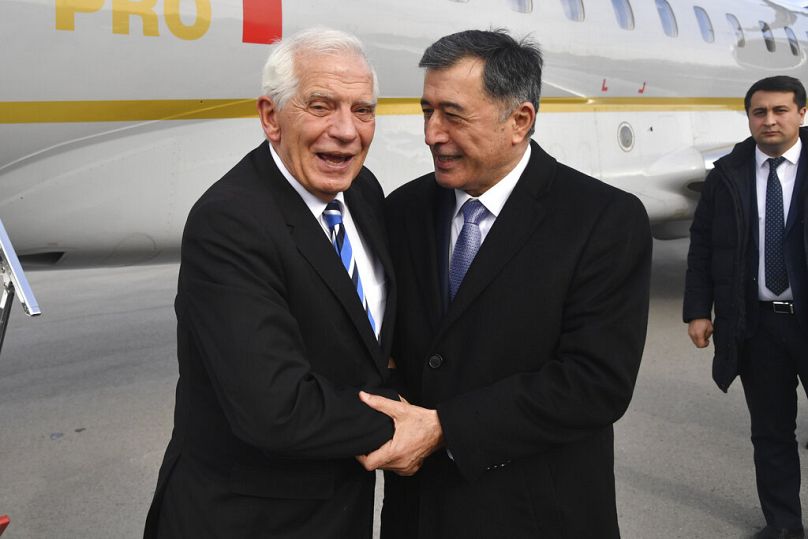
The remarks made by former European Commissioner for Foreign Affairs and Security Policy José Borrell at the EU-Central Asia Transportation Investors Forum in January 2024 serve as an illustration of his stance.
“At one point Central Asia seemed like a remote place, but now you find yourself right at the heart of all action,” he remarked back then.
This altered perspective on the area’s significance is mirrored in the EU’s strategic outlook. When introducing the updated Strategy for Central Asia in 2019, the EU leaned heavily on fostering regional collaboration, expanding upon earlier efforts.
This method can be seen in the execution of all 10 sectors of collaboration within the updated strategy, which encompasses human rights, democratization, education, economic growth, energy, transportation, environmental protection, water management, cross-cultural communication, and regional stability.
These concepts are further supported by novel terminology introduced in the strategic document, including “connectivity,” referring to enhanced cross-regional linkages; “inclusivity,” signifying openness towards various outside entities within the region; and “sustainability,” denoting the capacity to mitigate potential hazards and challenges—alignments that resonate deeply with the goals set forth by nations across Central Asia.
Currently, the area’s countries are keen on securing European investment, technology, and innovation due to their own requirements and the changing global political landscape. These nations aim to tackle key objectives related to maintaining stability and fostering sustainable growth in sectors like economics, manufacturing, energy, transportation, human resources, and climate issues.
Multifaceted cooperation
The European Union has notably enhanced its engagement with Central Asian nations, paying closer attention to their interests across various domains including political ties, security matters, commercial activities, investment opportunities, and cultural exchanges.
Specifically, the regulatory and legal foundation for EU-Central Asia engagement is being reinforced. In recent years, Brussels has developed relations with the five Central Asian countries via Comprehensive Partnership and Cooperation Agreements (CPCAs).
So far, Kazakhstan and Kyrgyzstan have already entered into similar agreements with the European Union. In March 2024, Turkmenistan signed a protocol related to the CPCA, whereas Tajikistan and Uzbekistan are currently in the process of finalizing their signatures for the document.
The adoption of the Joint Roadmap for Strengthening Relations Between the EU and Central Asia in October 2023 offered an extra push towards enhanced collaboration. This roadmap encompasses crucial sectors such as cross-border political discussions, increased trade and economic connections, energy sector growth, building a sustainable, carbon-neutral economy, and tackling shared security challenges.
The EU along with Central Asian nations continue to engage in robust political discussions at both the highest and high governmental levels. During these exchanges, two significant summits took place; one in Astana in October 2022, and another in Bishkek in June 2023. These gatherings allowed participants to examine potential avenues for collaboration and reaffirm their dedication to enhancing the overall partnership between them.
Moreover, a sequence of ministerial conferences was held, with the most recent one occurring on March 27, 2024, in Ashgabat. This conference focused on preparing for the forthcoming EU-Central Asia summit scheduled in Samarkand. It also addressed an extensive array of topics such as the impact of contemporary geopolitics on the region, enhancing transportation and digital links, fostering collaboration in energy and water management, promoting trade, education, and scientific advancements.
Enhancing political discussions creates new possibilities for boosting trade and economic relationships as well as fostering industrial collaboration.
The European Union continues to be the biggest investor in Central Asia, contributing more than 40% of all direct foreign investments during the last decade (exceeding €100 billion). The engagement encompasses crucial areas such as pharmaceuticals, construction, energy, and agriculture.
A key area of collaboration involves the extraction and refinement of minerals. Given the growing emphasis on diversifying sources of crucial materials, nations in Central Asia have become more prominent players in the international market.
Agreements reached with Kazakhstan in 2022 and Uzbekistan in 2024 permit European businesses to enhance their collaboration with these Central Asian nations in advanced technology sectors.
The implementation of the “Global Gateway” strategy within the transportation and logistics sector is becoming increasingly significant. Central Asia is evolving into a crucial transitory hub for Eurasian communication networks, with the Trans-Caspian International Transit Route holding a particularly vital position.
In the array of infrastructure initiatives designed to boost the region’s logistical capabilities, the construction of the China-Kyrgyzstan-Uzbekistan railway stands out as notably significant.
The outcomes from the inaugural investment and transportation forum between Central Asian nations and the European Union, which took place in Brussels in January 2024, have injected fresh momentum into collaborative efforts. At this gathering, it was disclosed that €10 billion would be allocated toward upgrading the Trans-Caspian International Transportation Corridor linking Asia with Europe.
A significant area of collaboration between the EU and Central Asia involves integrating the region digitally into the worldwide economy. Earlier this year, in March, during an official tour of the region undertaken by European Union Commissioner for International Partnerships Jozef Siekera, the TEI Digital Connectivity initiative was initiated. This program aims at advancing satellite communication systems, increasing broad bandwidth internet accessibility, fostering technological advancements, and improving cyber security measures. Such efforts help establish a more equitable and resilient economic framework while narrowing the gap created by unequal technology distribution.
A significant part of the engagement between the European Union and Central Asia continues to focus on addressing climate change and shifting towards sustainable development. Notable programs in this domain encompass the “SECCA” initiative under the “Team Europe” framework, the Water and Energy Program known as CAWEP, along with the “Green Central Asia” initiative.
Their goals include efficient management of water resources, creating eco-friendly energy solutions, and adjusting to climate change impacts.
Key focuses for tomorrow
In general, the present condition of ties between Central Asian nations and the European Union shows a shared interest in enhancing collaboration. For this region, the EU serves as more than just a crucial trading, economic, and investment ally; it also acts as a primary reference point for sustainable growth, digital progress, and environmental issues.
It is clear that an extensive conversation among the involved parties is increasingly crucial for establishing a fresh approach to their interactions. Expanding this discussion allows them not only to adjust to worldwide challenges but also to foster more precise and meaningful collaboration in key sectors such as energy, digitization, security, and infrastructure development.
Given these points, it appears fitting to explore various suggestions that might help establish a lasting collaborative relationship.
For the European Union, this involves upholding a firm dedication to backing initiatives focused on enhancing regional collaboration and establishing adaptable approaches for interacting with Central Asian nations. This enables the EU to modify its strategies and policies according to current circumstances.
The European Union ought to concentrate on crucial sectors for collaboration like transportation, energy, climate change mitigation, and enhancing human capabilities, since these elements are vital for fostering the area’s sustained economic expansion over time.
Lastly, Brussels needs to strengthen the institutional and regulatory basis of the partnership. This includes completing the signing of Enhanced Partnership and Cooperation Agreements with every country in the area, assisting them in joining the GSP+ program, boosting the presence of Central Asian nations within EU institutions, and aiding the establishment of their offices in the region.
Central Asia should also reinforce its dedication to meeting all commitments under the EU cooperation framework. This would enhance the area’s reputation as a dependable strategic ally and sustain efforts toward greater intra-regional collaboration and positive interactions with outside entities. By doing so, Central Asia can fortify its position as a hub for mutual partnerships and collective economic growth.
It should also facilitate the execution of the EU’s Central Asia Strategy, showing the region’s dedication to enhancing collaboration with Brussels and allowing the EU to more effectively strategize its initiatives and establish key priorities.
Additionally, the area needs to launch cultural and humanitarian initiatives aimed at fostering public diplomacy and enhancing the favorable perception of Central Asian nations within the EU, as well as reciprocally.
Consequently, the forthcoming EU – Central Asia summit in Samarkand offers a distinctive chance that will surely provide fresh momentum for the advancement of comprehensive collaboration between these areas.
This will raise the relationship to a substantially new stage, marked not just by an increase in economic connections but also by improved cooperation in key strategic sectors, thus establishing the groundwork for a lasting alliance.
Bakhtiyor Mustafayev serves as the Deputy Director of the Institute for Strategic and Regional Studies under the President of the Republic of Uzbekistan.
by admin | Apr 2, 2025 | europe, european union, international borders, international travel, passports and international travel
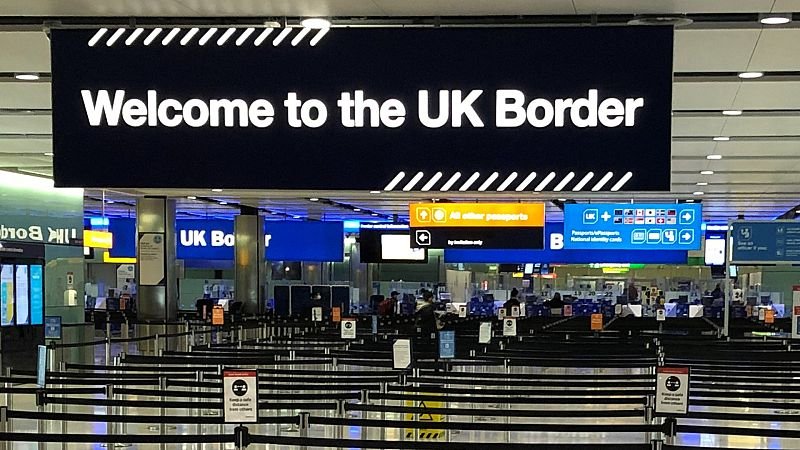
The United Kingdom’s Electronic Travel Authorisation (ETA) system has now been extended to include travelers from Europe.
As of 2 April 2025, all EU citizens (excluding those from Ireland), EEA members, and Swiss nationals will require ETA authorization to enter the United Kingdom.
Starting from January 8, 2025, the system will become obligatory for travelers hailing from the United States, Canada, and Australia. This follows the earlier implementation in November for citizens of Bahrain, Jordan, Kuwait, Oman, Qatar, Saudi Arabia, and the UAE.
To get the visa waiver, which will cost £10 (€12) starting today or £16 (€19) from April 9th onwards, travelers must go through an online procedure—however, some Britons holding dual citizenship are already encountering problems.
How can one apply for the United Kingdom’s Electronic Travel Authorization (ETA) visa exemption?
Travelers have the option to utilize the official mobile application, which can be
downloaded
From the UK government website, or
apply online here
.
To finish the application process, you require the
passport
The travel segment you’ll be using requires providing an email address along with either a credit card, debit card, Apple Pay, or Google Pay information. Additionally, you must respond to a series of eligibility queries. Entering specific travel particulars isn’t necessary.
The authorities recommend submitting your application no later than three business days prior to your travel date.
You have the option to remove the app once you’re done with it.
applying
Your estimated time of arrival will be digitally connected to your passport, and you won’t need to present any additional documents upon entering the UK.
Although it appears quite straightforward, the application procedure has caused some confusion among Britons who hold dual citizenship, leaving them unsure about whether they need to apply for the visa waiver or not.
Issues with ETA applications for British dual citizens
Theoretically, individuals holding both British citizenship and another nationality do not require an Electronic Travel Authorization (ETA) and ought to have the option to enter the United Kingdom using whichever passport they prefer.
However, confusion has emerged among individuals without a British passport since their documents may be expired, missing, or they might not have been issued one at all.
If they opt to travel using their EU passport, the application process will be as follows:
ETA
– and whether this is required – remains uncertain.
The ETA application form requires travelers to disclose any additional nationalities they might have, yet the dropdown menu doesn’t offer an option for ‘British Citizen.’
If British dual citizens proceed with their application without disclosing their ‘secondary’ citizenship, they could potentially be required to provide incorrect information regarding their dual nationality.
Euronews Travel asked an adviser from the Home Office about their views during their online chat session.
The adviser declined to provide advice on avoiding declaration of British citizenship.
ETA
They mentioned that if you hold both British and Irish citizenship, you are not required to obtain an ETA.
However, “you prove your
permission to travel
Using your valid British or Irish passport, or another passport that includes a certificate of entitlement for the right of abode in the UK.”
When asked what to do if the traveller is not in possession of any of these documents, the advisor responded, “You either need to apply for a British passport or a certificate of entitlement”.
Applying for a renewed UK passport from abroad incurs a cost of £101 (€123), whereas obtaining a certificate of entitlement requires a payment of £550 (€658). Each process typically takes multiple weeks to complete.
Euronews Travel has contacted the Home Office seeking official guidance.
by admin | Apr 2, 2025 | europe, european union, international travel, passports and international travel, Travel
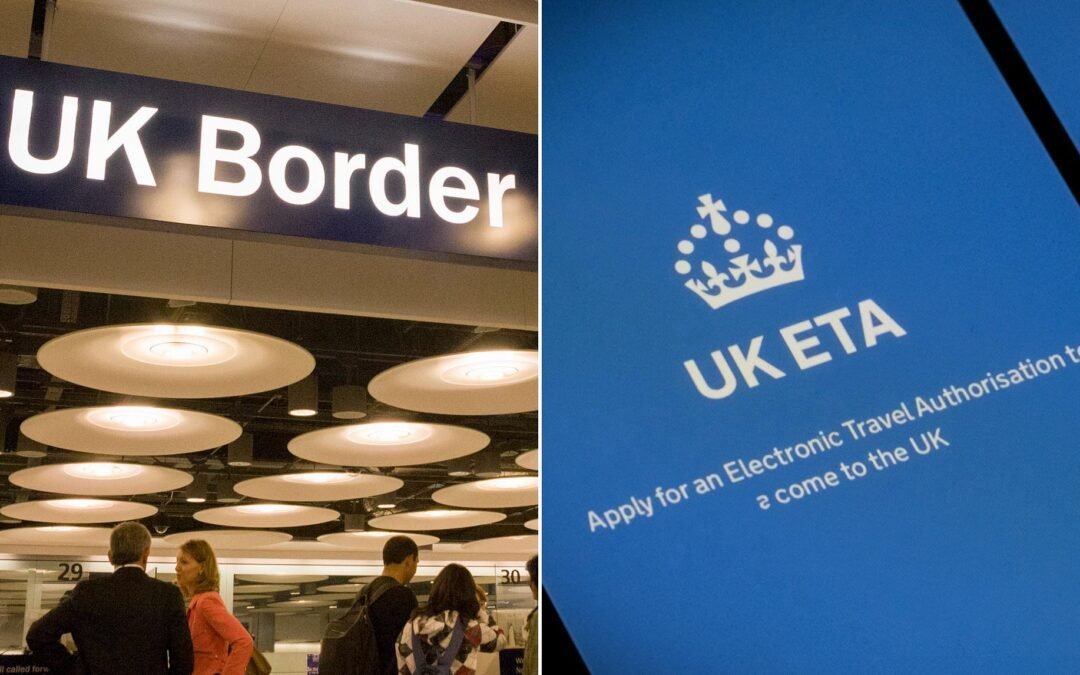
The United Kingdom’s Electronic Travel Authorisation (ETA) system has now been extended to include travelers from Europe.
As of 2 April 2025, all travelers from Europe will require an Electronic Travel Authorization (ETA) approval—or, for certain individuals who are not EU citizens—a visa—to enter the UK.
Starting from January 8, 2025, the system has become obligatory for travelers coming from the United States, Canada, and Australia. This followed its implementation in November for citizens of Bahrain, Jordan, Kuwait, Oman, Qatar, Saudi Arabia, and the UAE.
Continue reading for information about the price, validity period, and how to obtain it.
What is the ETA?
The ETA supersedes the Single-Use Electronic Visa Waiver (EVW) program, providing an affordable alternative with multiple entry privileges.
The UK government acknowledges that it is not
visa
And it does not allow entry into the UK. Instead, it grants a person permission to journey to the UK.
TheETAisnowrequiredforalleligiblenationalities.Youcanfindthelistofcountriesinfull.
here
.
What steps should I follow to apply for an ETA to visit the UK?
Many tourists will have the option to apply via a smartphone application and should anticipate receiving an email response with a decision within three business days.
Anyone who is traveling must submit an application, this includes infants and kids as well, however, you have the option to apply on behalf of others too.
The UK government states that their app is the fastest and most convenient method to apply for an ETA. You can
download the ETA app
from the official UK government site.
If downloading the app isn’t possible for you, another option is
apply online here
.
To finish the application, ensure you have ready the following items:
passport
The travel information you’ll use, along with an email address and either a credit card, debit card, Apple Pay, or Google Pay. There will be a series of suitability questions for you to answer. Entering your travel specifics isn’t required.
You have the option to remove the app once you’ve completed the application process. Your estimated time of arrival will be electronically connected to your passport, so you won’t need to present any additional documents upon entering the UK.
When should you apply for your Electronic Travel Authority?
The authorities state: “It is mandatory to apply for an ETA prior to your journey to the UK. You have permission to travel to the UK even as you await their decision.”
Given that the majority of applications receive a response within three days, it’s advisable to submit your application at least three days before traveling to the UK. However, you have the option to apply well in advance.
What is the cost of the UK ETA?
Similar to the Electronic System for Travel Authorization (ESTA) used in the United States, a
fee
is linked to the application process.
The cost for an ETA is £10 (roughly €12 when this was written), which will increase to £16 (around €19) starting from April 9, 2025.
For how long is the estimated time of arrival (ETA) valid?
A Two-year period encompasses an ETA. There’s no need to reapply within this duration.
You have unlimited visits to the UK within the validity period, yet each stay must not exceed six months. Be sure to check this condition.
UK government website
For additional information regarding the permissions and restrictions associated with an ETA, please refer to the relevant guidelines.
Remember that you must submit an application for a new ETA if you obtain a new passport, since your ETA is associated with it.
Do I require a visa to visit the UK?
As stated earlier, the ETA is not a visa; however, it does provide authorization to enter the country.
All travelers who presently do not need a visa will be required to obtain an Electronic Travel Authorization (ETA) prior to their journey. This applies even to individuals who typically do not have to fill out any forms when visiting the UK. The same rule pertains to citizens from countries such as the United States, Canada, Australia, and more.
European
Citizens require an Electronic Travel Authorization even for brief visits or when transiting through the UK, for instance.
Visitors coming from nations without visa-exempt status with the UK must continue to apply for the appropriate visa along with an ETA.
If you fail to register before traveling, the government has warned that you might face a fine; however, they haven’t provided additional information regarding this policy.
Even if you’re not passing through border control, you still need to apply if you are transiting through the UK.
TheETA grants you permission to enter the UK for up to six months for purposes such as tourism, visiting relatives and friends, conducting business activities, or engaging in short-term studies.
Alternatively, you may obtain an Electronic Travel Authorization (ETA) instead of a visa if you’re entering the UK for up to three months under the Creative Worker visa concession or if you’re visiting the UK for a permitted paid engagement. However, outside these specific circumstances, you cannot utilize an ETA to perform either compensated or uncompensated work for a British firm or operate independently within the country.
Who doesn’t require an estimated time of arrival?
Citizens of Britain and Ireland, individuals who possess a valid visa or authorization to reside, work, or study in the United Kingdom, travelers holding passports associated with British Overseas Territories, as well as residents of Ireland traveling from Ireland, Guernsey, Jersey, or the Isle of Man do not require an ETA.
What is the reason behind the introduction of the ETA system in the UK?
The ETA is included as part of the UK’s strategy to
digitise
Its boundaries at UK airports by the conclusion of 2025.
The plan aims to decrease
queues at the border
aiding in accelerating lawful trips to the UK.
Facial recognition
The technology needed for such “contactless corridors” could be implemented according to The Times, a British newspaper. This would necessitate international travelers submitting personal and biometric information, including photographs of themselves.
faces
via the new Electronic Travel Authorization (ETA) system prior to their flight.
by admin | Apr 1, 2025 | europe, european union, international economics, international relations, politics
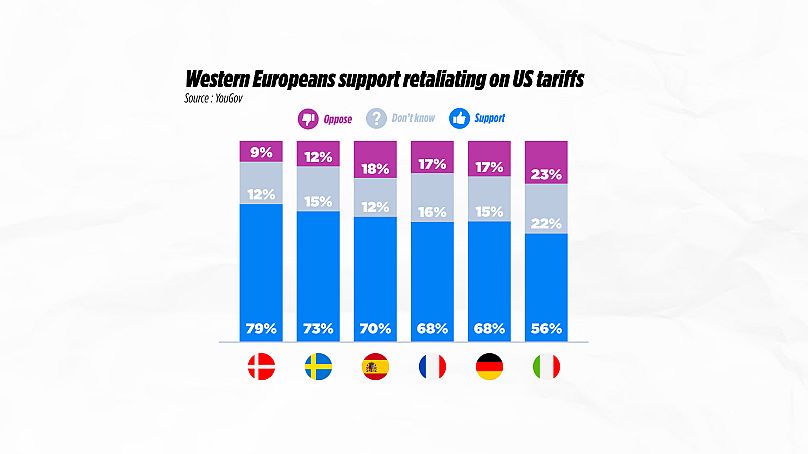
As Washington gets ready to implement additional trade actions involving reciprocal tariffs on April 2nd, a significant number of European Union citizens from countries such as Denmark, France, Germany, Italy, Spain, and Sweden favor enacting countermeasures against goods imported from the United States, reveals a YouGov poll released on Tuesday.
Over sixty-nine percent of residents in these six significant European Union countries expressed their support for such retaliatory measures, with Danish participants exhibiting the highest level of approval at seventy-nine percent. In contrast, Italian respondents showed the lowest level of endorsement, with only fifty-nine percent supporting the countermeasures.
The findings underscore growing dissatisfaction among Europeans regarding U.S. trade policies, with residents expecting considerable financial implications for their respective nations.
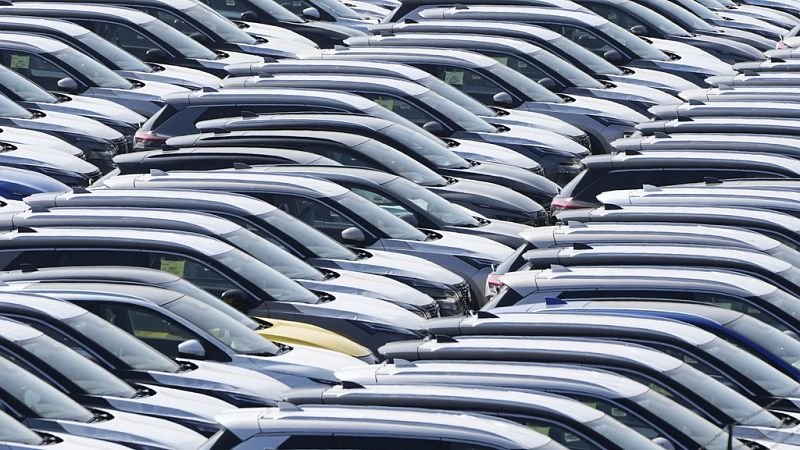
The Germans, who rely heavily on their robust car manufacturing industry, anticipate significant repercussions from the proposed 25% U.S. tariffs on vehicles. The survey indicates that 75% think these tariffs will exert considerable influence on their country’s economy, including 31% who predict “a substantial” effect specifically.
The research revealed that 70% of the French population holds negative views regarding the effect of US tariffs on EU products within their nation’s economic landscape. France stands out as an exceptionally susceptible party, notably following former President Donald Trump’s threat to enforce 200% duties on wine and spirits imports. This action has raised worries amongst French manufacturers and traders, who anticipate significant damage to what is arguably one of France’s signature sectors.
The survey revealed that precisely 70% of Italians believe US tariffs on European Union products will significantly affect their economy, even though they showed less backing for retaliatory actions.
The European Commission
announced
A variety of retaliatory measures were implemented against a spectrum of American products following the implementation of U.S. tariffs on steel and aluminum.
Italian Prime Minister Giorgia Meloni called for prudence in Europe’s reaction to U.S. tariffs. “Certainly, there are discrepancies regarding these duties, yet because of this, I believe we ought not to react hastily but rather through careful consideration,” she stated at a gathering with opposition members of parliament on March 29th.
Europeans also expressed disagreement with U.S. President Donald Trump’s claim that the European Union mistreats the United States regarding car tariffs and a trade surplus, as 40% to 67% believe that the EU has maintained fairness in its trading relationship with Washington.
Last week, Washington imposed 25% tariffs on car imports, prompting Brussels to pledge retaliation.
“calibrated”
Countermeasures will be implemented once the tariffs come into effect on Wednesday, following which the complete extent of US reciprocal duties – whose specifics are still unclear – will be revealed.
In this research, a survey was conducted among 7,300 residents from six different European nations.
by admin | Apr 1, 2025 | europe, european union, government regulations, passports and international travel, Travel
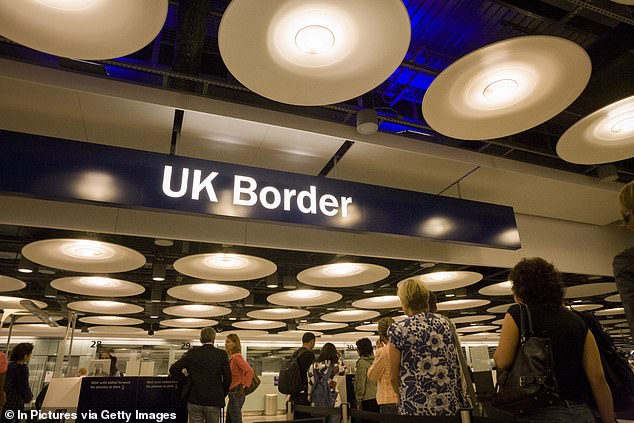
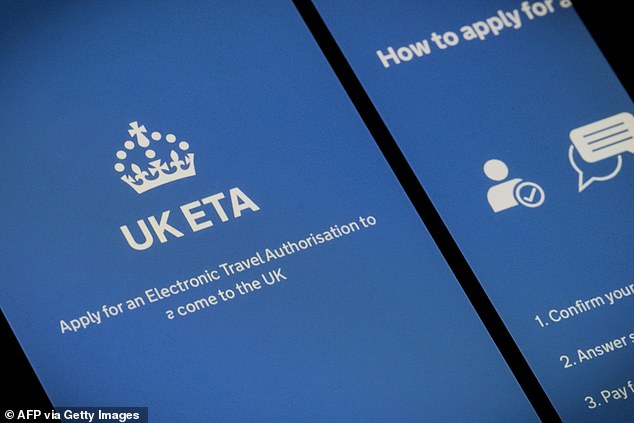
An upcoming ETA electronic permit for European travelers entering the UK will be launched tomorrow as part of significant changes to travel regulations.
The government asserts that the Electronic Travel Authorisation (ETA) system will enhance the nation’s border security.
Travelers from approximately 30 European nations, which include all EU member states except for Ireland, will be required to have an electronic authorization to visit Britain.
The Electronic Travel Authorization (ETA), which has been implemented for U.S., Canadian, and other visa-free travelers since January, can now be obtained via a mobile application or the official government website.
Applicants will be charged £10 initially, however this fee is scheduled to increase to £16 starting from April 9th.
Even with the sudden and rapid rise in the permit fee, successful candidates will be granted visitations lasting up to half a year, and this authorization will remain effective for a period of two years.
To submit an application, visitors must provide a picture of both their passport and themselves. The process usually takes about 10 minutes; however, many applications receive a response within moments, though some may require up to three business days for processing.
The estimated time of arrival is subsequently connected to the traveler’s passport through digital means.
Migration Minister Seema Malhotra, as quoted according to reports,
France24
, stated: ‘Through the digitalization of the immigration system, we are setting the stage for a touch-free UK border.’
Under pressure from Heathrow, passengers transiting through airports without going through border control will not be included in the scheme.
ETAs were initially introduced in 2023 for Qatar and six Gulf nations before being extended to cover an additional 50 countries.
By the close of 2024, nearly 1.1 million ETAs had been issued.
The growth of the program coincides with the EU’s preparation to introduce its ETIAS system for visa-free nations such as the UK and the US by 2026.
An ETIAS application will be submitted via an official EU website and will have a fee of 7 euros.
Candidates ought to get a response within four days.
After obtaining an ETIAS, a traveler can use it for entry into the bloc multiple times over a period of three years.
Read more