by admin | Mar 25, 2025 | female empowerment, gender, government, politics, public policy
The Nigerian federal government has reiterated its dedication to closing the gender gap in technology access during the unveiling of the National Gender Digital Inclusion Strategy at the UN’s 69th session of the Commission on the Status of Women.
Led by the National Information Technology Development Agency together with the Federal Ministry of Women Affairs, this initiative seeks to broaden digital accessibility, improve cybersecurity measures, and generate economic prospects for women and children.
At the event held in New York, Iklima Salihu, who serves as the Special Assistant to the Director-General for Strategic Partnerships at NITDA, highlighted the organization’s commitment to promoting fair digital accessibility.
“The NGDIS aims to eliminate obstacles to digital inclusion by enhancing access to digital skill development, infrastructure, and mentoring opportunities for women and girls,” stated Salihu in a press release on Sunday.
The Director-General of NITDA, represented by his special advisor Kashifu Abdullahi, referred to the strategy as a “game-changer” for attaining gender equality within Nigeria’s digital sector.
He observed that the framework emphasizes digital literacy, entrepreneurship, online safety, and gender-responsive policies to boost women’s involvement in the nation’s expanding digital sector.
Aligned with Nigeria’s Renewed Hope Agenda and the United Nations’ Sustainable Development Goals 5 and 8, the NGDIS seeks to bridge the gender divide by providing women and girls with essential digital competencies needed for success in our rapidly advancing technological landscape.
The Minister for Women Affairs, Imaan Sulaiman-Ibrahim, highlighted the critical need to tackle gender imbalances in digital accessibility, pointing out startling figures.
Provided by SyndiGate Media Inc.
Syndigate.info
).
by admin | Mar 24, 2025 | education, educational systems, gender, schools, social issues
Given my roles as an educator for high school students, a scholar in educational psychology, a mentor with certification in mental health counseling, a leader of a school club, a resident of Morocco, and a parent, I feel compelled to address the concerning trend of many male students showing little interest in their studies.
Furthermore, I urge those in leadership positions to address this aggravating problem. The primary concern for most male students—which I emphasize does not imply all—is focusing intently on their studies and establishing goals aligned with the school curriculum.
The time has come for us to examine this trend, as it continues to permeate every facet of our lives, including professional roles. This shift is evident in societal attitudes, with women increasingly at the forefront. It’s undeniable that female students are surpassing their male counterparts both academically across multiple disciplines and socially through varied engagements. Young females demonstrate greater engagement in educational settings and additional activities outside class (although it should be noted that not all girls have ideal learning conditions).
According to various data points, girls outperformed boys in subjects like literature and advanced courses over the last three years. Certain reports suggest that the disparity between genders in proficiency levels for both Arabic and French has widened recently; specifically, 68% of girls view reading as an interest versus just 54% of boys. Moreover, at the tertiary level, women dominate: from 2017 to 2022, 60% of enrolled college students were female, whereas men constituted merely 28%. Additionally, current information indicates that a greater proportion of females successfully cleared competitive examinations compared to their male counterparts.
To make something clear, the dedication and effort put forth by young women is a matter of great pride for all Moroccans. We—as a nation, encompassing both genders—need to continue supporting our female students and encouraging their progress. However, I also aim to bring awareness to the challenges faced by male students with regard to our Ministry and policymakers. The elevated position of females within society should not be seen as responsible for boys dropping out of school-related activities or pursuing interests beyond academics.
It’s evident that women are putting in tremendous effort to achieve prestigious positions across various domains. Their success can be attributed both to their unwavering resolve and to broader social transformations. In Morocco, policies tend to favor empowering girls over boys. Women have indeed gained considerable support through incentive schemes in sectors like education, economics, community development, and political participation. The “Plan for Gender Equity 2017-2030” encompasses measures designed to assist girls throughout their academic journey and foster equal opportunity between genders. Additionally, the government has initiated the “National Initiative for Educating Girls in Rural Zones,” which seeks to enhance schooling prospects for young ladies in remote regions by constructing nearby facilities and providing financial aid. Informal projects like “DigiGirlz” also strive to bolster female engagement in STEM disciplines. Nonetheless, overlooking the needs of boy students represents a substantial misstep.
The success of these previously mentioned initiatives is commendable and commands our admiration. We, as educators, deeply appreciate the work aimed at assisting numerous young women with their academic pursuits. Nevertheless, we should pose some queries: Shouldn’t boys also be entitled to motivational programs? Is there sufficient awareness among them about their futures? In essence, aren’t they youngsters who require guidance to navigate through life’s myriad temptations?
Many boys dedicate significant time to playing football, watching matches, socializing, and similar activities. Additionally, they tend to invest more hours into gaming at their homes. Parents find this behavior tolerable due to prevailing cultural norms that grant greater liberty to boy children relative to girl children, who frequently assist with household chores and focus heavily on academic pursuits.
Conversely, certain male students today think that schools are obsolete and fail to keep up with technological progress and market demands worldwide. They perceive that schooling doesn’t ensure a better future, considering how many individuals holding BAs or MAs remain jobless. Furthermore, numerous instances of self-made successes can be found across various social platforms, showcasing figures who either avoided formal education entirely or left school prematurely.
Furthermore, boys tend to be more swayed by superficial influencers who employ youthful vernacular that offers fleeting comfort. Additionally, many believe they can achieve quick financial gains at a young age without having to endure prolonged periods in educational institutions. Such factors, along with others, lead to diminished engagement and enthusiasm among male students toward their academic pursuits.
On the contrary, girls are more engaged with schooling as they aspire to achieve financial and social independence. They have grown weary of being seen as a drain on men. This empowerment has made them more conscious of both their present circumstances and future prospects.
Who should be held accountable? No single entity bears responsibility for male students’ negligence; however, we collectively bear culpability if we do not strive to implement strategies aimed at motivating them. It is essential to demonstrate that both personal and societal progress towards success hinges upon the strength of our educational systems. As Nelson Mandela once stated, “Education is the most potent tool with which we can transform the world.” Other instances of triumph around the globe remain mere anomalies.
The post
Opinion: Why Are Male Students Lagging Behind?
appeared first on
LIFEHACKEnglish – Morocco News
.

by admin | Mar 20, 2025 | brain health, gender, mental health, psychology, psychology of everyday life
The topic regarding the distinctions between what are known as masculine and feminine brains has consistently ignited interest and spurred discussions. Do our neural pathways genuinely vary, or are these discrepancies merely outcomes of societal and cultural influences?
The Stanford Medicine article
examines this issue by delving into research outcomes that underscore the inherent distinctions in the functioning of male and female brains.
A shift in viewpoint regarding neuroscience
Up until the latter part of the 20th century, scientific thought tended towards attributing disparities in male and female behaviors mainly to environmental factors and societal influences. Both biologists and psychologists posited that social norms shaped human cognition and emotions. Nevertheless, starting from the ’90s, multiple investigations have shown that physiological elements significantly impact brain activity as well. Neuroscientist Nirao Shah initiated an extensive exploration along these lines back in 1998. During this period, incorporating females into animal testing protocols was seen as problematic owing to their fluctuating hormone levels; researchers felt such variability could obscure findings with excessive inconsistencies. Gradually though, empirical proof started mounting—differences in brains across genders cannot solely be chalked up to cultural conditioning but are embedded within genetic makeup and neurological pathways.
Well-established behavioral differences
Differences in behavior between boys and girls can become apparent even during their early years. A study involving rhesus monkeys uncovered an intriguing trend: male monkeys tended to prefer playing with wheeled objects, whereas female monkeys were drawn towards soft toys. Consequently, these tendencies seem to stem from biology rather than societal influences. Among people, women usually outperform in areas such as verbal abilities, intricate manual dexterity, and recollecting particular incidents. Conversely, men generally exhibit stronger capabilities when dealing with visual-spatial challenges—like reading maps—and certain types of short-term memory work. Such distinctions aren’t merely due to differing levels of practice or routine; they’re grounded within the physical makeup of our brains. Research indicates that women have heightened sensitivity to emotional signals in conversations, whilst men typically fare better at assignments necessitating broad perspectives and understanding space.
Brains wired differently
On a biological level, these distinctions extend much further than just behavioral patterns; they manifest in the very architecture and operations of the brain.
-
The hippocampus, which plays a crucial role in learning and memory processes, tends to be bigger in females. This might account for their proficiency in verbal memory tasks and remembering specifics.
-
The amygdala, which plays a role in handling emotions, tends to be bigger in males. Nonetheless, how it functions varies based on gender: for females, the activation of the amygdala correlates with remembering emotionally charged experiences in the brain’s left side, whereas for males, this correlation occurs in the right side.
-
In what some describe as a “female brain,” the two hemispheres have enhanced connections, facilitating quicker exchanges between logical reasoning and emotional processing. For males, however, these connections tend to be stronger inside individual hemispheres, which enhances their ability for concentrated analysis.
This disparity in connectivity might account for why women frequently excel at juggling multiple tasks and handling social interactions, whereas men tend to perform better in concentrated and analytic activities.
The part played by hormones in these variations
The primary cause behind the distinctions observed in what we call male and female brains can be attributed to the intricate influence of sexual hormones.
-
Primarily, women generate estrogen and progesterone, hormones that affect neural plasticity (the capability of the brain to restructure itself).
-
On the contrary, men are governed primarily by testosterone, a hormone that molds brain development starting from fetal stages and affects tendencies toward competitiveness and territorial actions.
Sex chromosomes also hold significant importance. Females possess two X chromosomes, providing them with a particular genetic advantage against specific neurological disorders. Males, having just one X chromosome along with a smaller Y chromosome, tend to be more susceptible to certain mental health conditions like schizophrenia or autism.
Specialization of the brain according to genetic factors
Nirao Shah’s research on mice has pinpointed particular genes linked with gender-specific behaviors. Through gene deletion experiments, he noted significant alterations in their actions—like reduced nurturing tendencies or shifts in mating conduct. This indicates that the brain consists of distinct components, each governing certain functions or responses, which are regulated by genetic and hormonal cues. Recognizing these architectural and operational distinctions between what we traditionally call male and female brains can refine approaches within areas like mental well-being support, educational methods, and professional psychology. Tailoring treatment plans according to these physiological variations might lead to more precise and efficient medical interventions.
These distinctions thus represent complementary strengths rather than shortcomings. Instead of causing separation, this variety in thinking is a treasure that enables us to view the world through various lenses.

by admin | Oct 30, 2024 | business, female empowerment, gender, women, women entrepreneurs
Rachael Flanagan wants to smash one of the oldest office stereotypes.
“The era when people were bent over mops is long gone,” stated the founder of Mrs Buckét, the cleaning firm she launched following her failure in the business A-Level examination.
His team consists mostly of females, and he aims to assist in eliminating the obstacles faced by women in other work environments.
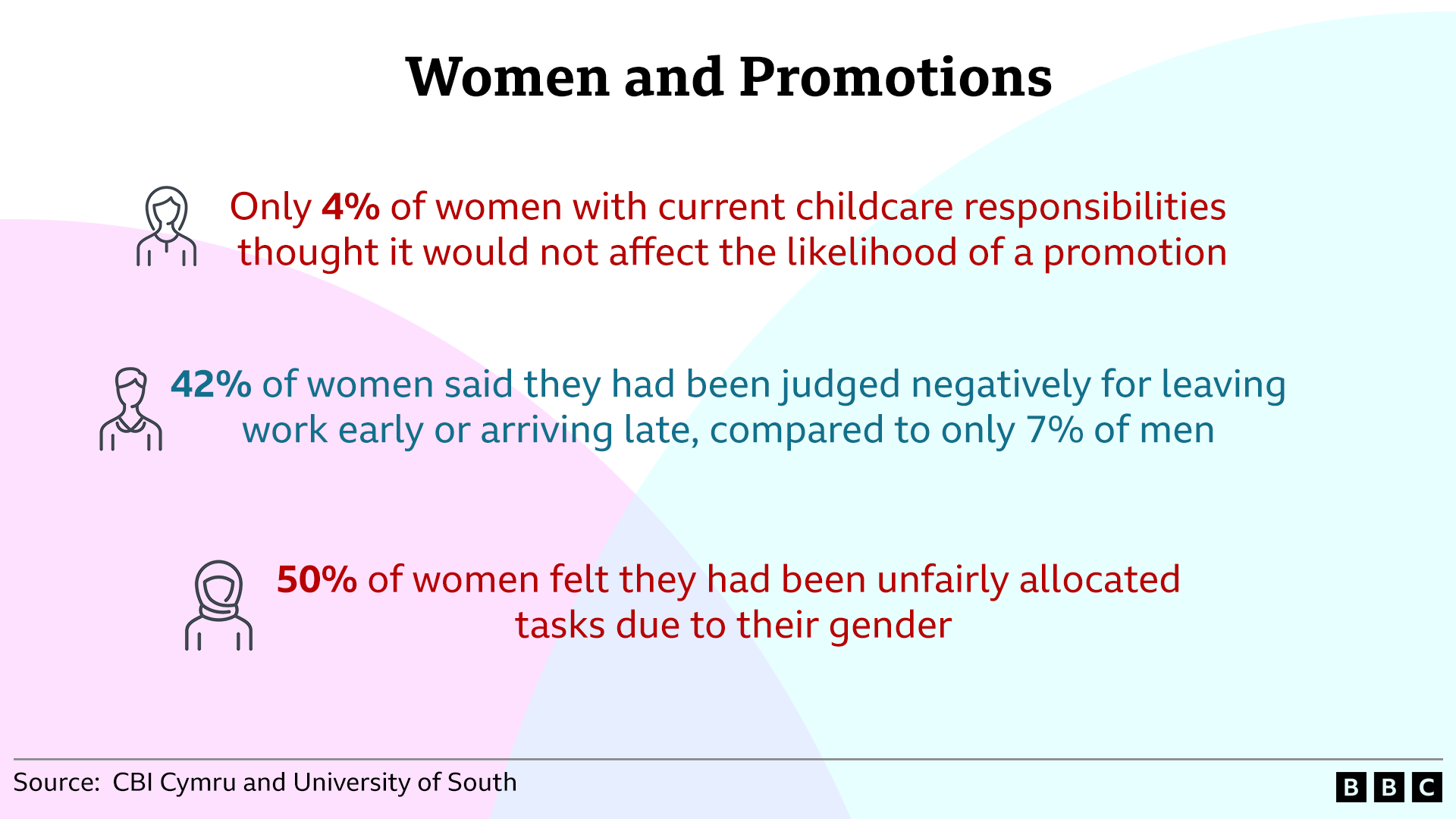
The business advocacy organization CBI Cymru discovered that discrimination and unconscious biases hindered women’s progress into leadership positions. They also noted that increased accessibility to affordable childcare could significantly improve women’s career opportunities.
The CBI stated that enabling more women to reach their full potential and take up leadership positions could significantly influence the Welsh economy.
For Ms Flanagan, from Swansea, it means empowering and supporting women who might suffer from “imposter syndrome” and who lack the confidence to put themselves forward for senior roles.
I’ve had managers who have collaborated with me, and we’ve had multiple side conversations where they would tell me ‘you can truly accomplish this.’
She mentioned that the men working in the office should also be included in shifting their mindset.
She stated, ‘It shouldn’t be the responsibility of women to overcome all these various obstacles.’
The men in the room ought to recognize that they are limiting their own chances, and that there’s an aspect of workplace culture that makes it tough for women.
By the age of 37, Ms. Flanagan has established a company that employs over 400 individuals in South Wales. She utilizes cutting-edge technology for cleaning offices, schools, and specialized locations.
This isn’t your typical part-time, low-paid janitorial job where women in uniforms usually wipe dust from desks.
Ms. Flanagan mentioned that several of her most insightful advisors were males; however, she frequently found herself as the sole female among numerous male CEOs and business entrepreneurs in various meetings.
When enhancing opportunities for women, the cultural shift begins in her own workplace through flexible work arrangements and confidence in her team members who can finish their tasks and also manage the school runs.
“Many employers actually offer flexible work schedules,” Ms Flanagan stated.
Her suggestion is: “Join those companies where you can thrive.”
Having young kids doesn’t prevent you from advancing in your professional life too.

The research conducted by CBI Cymru along with the University of South Wales brought attention to the challenges encountered by women aspiring to take up leadership roles.
We can’t ignore the advancements that have occurred,” stated Asha Musoni, the CBI’s chief people officer. “However, structural and institutional barriers as well as cultural obstacles continue to persist.
Specific obstacles include flexibility in work arrangements, availability of suitable child care, workplace gender biases, limited mentoring opportunities, and inadequate support for working fathers.
Some of the data laid bare the disparity between the experiences of men and women in the workplace.
Only 11% of men, compared with 48% of women, believed they were passed over for opportunities due to their gender
“When considering instances where they reach these higher positions, 44% of women believe that they are assigned unfair responsibilities,” Ms Musoni stated.
“Even when we provide people with opportunities, failing to allow them the necessary space and chance to thrive highlights an issue we need to address and consider ways to solve,” she said additionally.
Rachael Flanagan stated that one of the key motivators for women to aim for leadership positions is observing the achievements of their peers.
“If visibility leads to possibility,” she remarked.
-
‘I didn’t pass my A-levels but I’m now the owner of a £10 million business’
-
‘I believe that the conventional job interview has become obsolete.’
-
Labour claims remote work rights increase productivity.


