MPs Back Acid Attack Survivors, Call for Stronger Laws and Support

MPs Back Acid Attack Survivors, Call for Stronger Laws and Support

New
Delhi
[India], April 3 (ANI): A team of
Members of Parliament
Members of Parliament gathered for an event hosted by the Brave Souls Foundation at the
Constitution Club of India
, where they expressed their backing for
acid attack
According to a press release, survivors and dedicated individuals are advocating for enhanced legal and financial safeguards.

The attending Members of Parliament were Pramod Tiwari and Rajiv Shukla.
Jaya Bachchan
Tiruchi Siva, Abdul Wahab, Imran Pratapgarhi, Anil Yadav Mandadi, Ashok Mittal, John Brittas, and Ayodhya Rami Reddy were among those who recounted their hardships and called for urgent measures regarding critical concerns like justice, prompt compensation, job opportunities, and resettlement.

The survivors highlighted that even with Supreme Court instructions, acid continues to be readily accessible in stores, assaults persist without letup, and government support payments frequently arrive late or prove inadequate. Numerous victims struggle to find jobs, and legal gaps enable attackers to avoid serious consequences.

The Members of Parliament told the survivors that they would bring up their worries during parliamentary discussions and promised to address these issues with both the Home Minister and the Law Minister at the next monsoon session. Additionally, they backed the call for swift implementation of the Prevention of Acid Attacks and Justice for Victims and Survivors Bill, 2024, which encompasses measures like controlling acid distribution, providing free healthcare services, and establishing special fast-track tribunals.
acid attack
cases.

Multiple Members of Parliament also contributed personally to back the initiative.
Jaya Bachchan
declared a contribution of Rs 50 lakh to the Brave Souls Foundation, whereas AAP Rajya Sabha MP Ashok Mittal promised free education for survivors at his institute alongside a monetary help of Rs 5 lakh. Various MPs committed parts of their earnings or donations varying between Rs 5 lakh and Rs 25 lakh. Moreover, non-government organizations attending the gathering affirmed ongoing backing for survivors via legal support and healthcare services.

The Members of Parliament asked the Brave Souls Foundation to provide an official document detailing these requests, promising to deliver it to the government for prompt implementation. This occasion represented a crucial advancement in the quest for justice, as lawmakers, advocates, and members of civil society came together to call for overdue changes.

Members of Parliament and activists jointly presented various demands to the government.

Swift Implementation of the Anti-Acid Attack Act, 2024 – It is essential to enact thorough legislation aimed at controlling acid distribution, enhancing support systems for those affected, and guaranteeing victims obtain fair treatment.

Members of Parliament called for an outright prohibition on the sale of acid at retail outlets. They proposed categorizing acid as a controlled substance and establishing a rigorous licensing framework, along with severe consequences for unauthorized sales.

Comprehensive and Cost-Free Healthcare for Survivors – Every hospital, whether public or private, is required to offer complete medical attention, encompassing reconstruction procedures, at no expense to those who have survived. Harsh consequences ought to be imposed upon facilities refusing to treat them.

A dedicated officer must be assigned in each district to guarantee adherence to survivors’ rights and to promptly address instances where hospitals deny care.

The government should set up dedicated burn rehabilitation centers across India to offer extended support to victims.

Unrestricted Lifetime Travel for Healthcare – Survivors frequently need numerous operations spread out over various regions, and they ought to receive complimentary transportation for medical treatment.

Creation and Growth of Secure Residences for Victims – It is essential for the government to designate plots, structures, and monetary support to establish secure residences offering comprehensive recovery programs.

Special courts ought to be set up to guarantee that
acid attack
Cases are addressed promptly, ensuring offenders do not escape accountability.

Enhanced Payouts for Beneficiaries – Presently, beneficiaries receive Rs 3-7 lakh which falls short. This amount ought to be raised to a minimum of Rs 50 lakh, with greater sums designated for those able to demonstrate extra monetary damages.

A comprehensive pension program for dependents—akin to schemes found in regions like Punjab and Haryana—should be established to ensure long-term monetary support for surviving family members. This plan should also include supplementary benefits designed to address ongoing healthcare and mental health requirements.

Acknowledgment of Acid Attack Survivors as Individuals with Disabilities – These survivors endure significant physical and emotional harm and ought to be officially classified as individuals with disabilities under the law.
disabilities
.

Facial Disfigurements Should Be Recognized as Disabilities – Individuals with such scarring deserve comprehensive affirmative action privileges within the disability provisions.

Reservations for Education and Employment – Similar to the SC/ST/OBC classifications, survivors deserve reserved spots in educational institutions and job sectors to facilitate their integration into society.

Allocation of government land for survivor-operated cafés, canteens, and kiosks — Land owned by the government should be provided to survivors so they can manage food stalls, eateries, and dining areas in public spaces, fostering their financial self-sufficiency.

The government ought to finance complete scholarships for survivors so they can further their education at home and overseas in India and beyond.

Creation of a Dedicated Parliamentary Subcommittee – There should be established an exclusive subcommittee tasked with examining current policies, proposing legislative changes, and monitoring the execution of actions aimed at combating
acid attack
s.

Urgent Publication of NCRB Statistics on Acid Attacks – The National Crime Records Bureau should promptly publish current and precise information regarding acid attacks.
acid attack
So as to guarantee openness and well-informed policy creation.

Notably, AAP Rajya Sabha
Sanjay Singh
On March 19, brought up the matter regarding
acid attack
Survivors in the Rajya Sabha are calling for the creation of specialized fast-track courts to guarantee prompt justice. “Every day these survivors face indescribable pain, but they still have to wait over two decades for justice. It is imperative that the government establishes dedicated quick-response tribunals to hasten their cases and impose stringent penalties on those responsible,” he stated.

Sanjay Singh
It was also mentioned that the administration ought to offer complimentary healthcare services to those who survived and enhance the compensation to Rs 50 lakh, as the present amount of Rs 5 lakh is woefully insufficient.

Emphasizing the challenges faced by survivors,
Sanjay Singh
highlighted the story of Shaheen Malik, who has been striving for justice over the past 16 years after she lost her face and one eye
acid attack
He additionally mentioned two young girls from Siwan, who were assaulted when they were 14 but achieved justice only after two decades.

These young girls rise each morning, gaze into the mirror, and are constantly reminded of their trauma. Making them endure such pain for decades until they see justice is unacceptable. The government needs to act without delay,
Sanjay Singh
said. (ANI)

Provided by Syndigate Media Inc. (
Syndigate.info
).

Moroccan Historian Maati Monjib Launches Hunger Strike in Protest of Travel Ban

Moroccan Historian Maati Monjib Launches Hunger Strike in Protest of Travel Ban

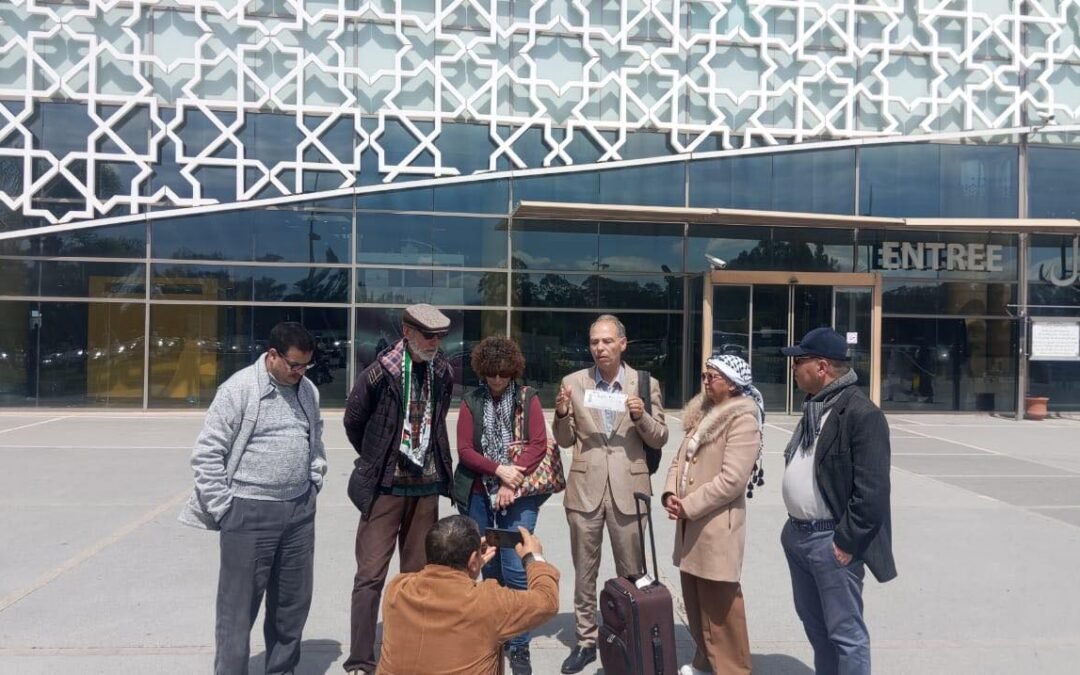
Moroccan activist and historian Maati Monjib has declared that he has begun a hunger strike following his prohibition from travel.

In an announcement about himself, he stated
Facebook page
Monjib disclosed that Sorbonne University had extended an invitation to him for a talk about “The Arab Spring in Tunisia: 2011-2021.” Nevertheless, when he reached Rabat-Salé Airport today, he was not allowed to depart, even though he held a legitimate ticket and passport.

“I want to inform everyone that I’ve been prohibited from travel since 2020, and my vehicle, home, and financial accounts have been confiscated for over four years,” he stated additionally.

Monjib was among the activists who received a royal pardon on Throne Day the previous year. He has faced two distinct legal proceedings. In 2015, he was originally handed a sentence of one and a half years for allegations concerning “endangering national security.” His second legal issue arose in 2021, resulting in his arrest as part of an inquiry into “money-laundering” accusations; however, he was subsequently freed awaiting further court action.

In his posting, Monjib condemned his travel ban as a “breach of legal boundaries and the royal pardon.” Referencing Article 160 of the Code of Criminal Procedure, he noted that such restrictions and judicial oversight should not exceed two months initially but can be renewed up to four additional times for a total of ten months maximum. In his view, since this limit wasn’t adhered to in his situation, the ruling became unlawful and unwarranted. Furthermore, he argued that because these proceedings were politically motivated, they involved false and contrived accusations against him,” he penned.

Monjib has previously undertaken multiple hunger strikes, with the latest one occurring in 2023, against his suspension from his role as a university professor.

Aides Expose: Biden Relied on Floor Tape for Navigation During Disoriented Moments

Aides Expose: Biden Relied on Floor Tape for Navigation During Disoriented Moments


  • EXPLORE FURTHER: Minute by minute, the highly illuminating specifics of Biden’s daily routine

  • PODCAST: Trump’s ‘Freedom Day’ Taxes, along with a surprising push for the death penalty in the Luigi Mangioni case. Tune into Welcome to MAGAland here.

Aides to
Joe Biden
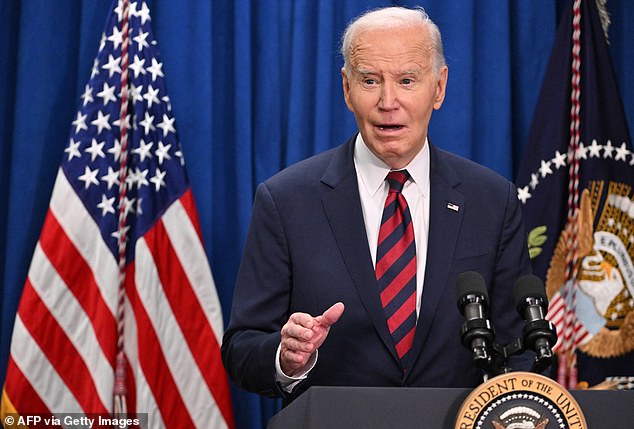
are expressing their worries over his state where he seemed ‘disconnected’ and the efforts required to maintain his appearance as presidential during his last years in office.
White House
.

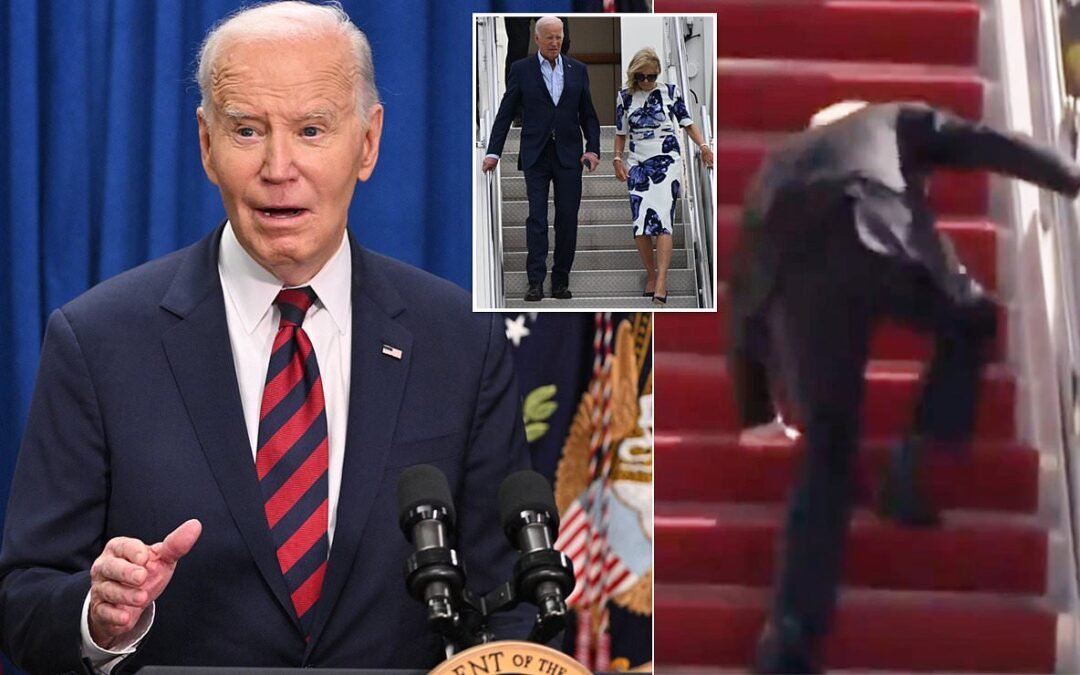
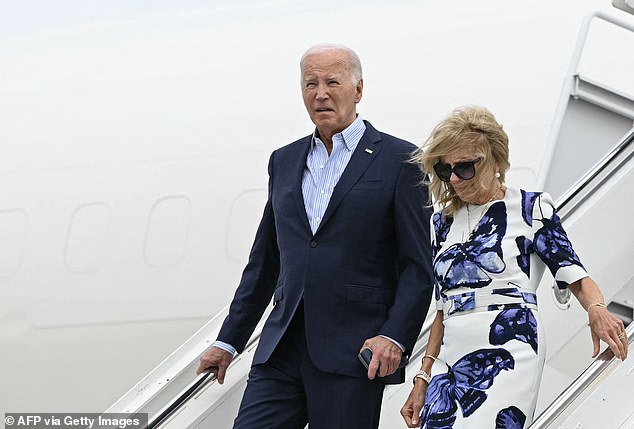
Biden required fluorescent tape placed on the carpet to indicate where he should walk during events. This allowed the octogenarian to navigate easily without needing an assistant to lead him.

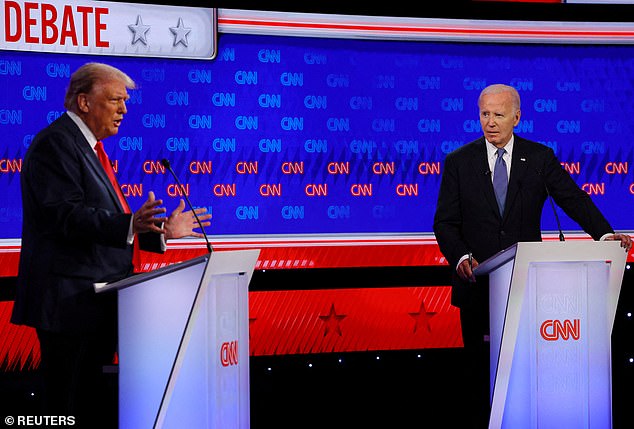
One senior advisor mentioned that the president was extremely distracted during the preparations for his now notorious debate.
Donald Trump
that he believed he was the ‘President’
NATO
instead of the United States.

Several books revealing insights into Biden’s presidency are set to be published in the upcoming months. As many as four new volumes will explore his downturn and legacy.

Some of the new information is eye-opening, particularly when it comes to what aides knew about the president’s health and the actions they took to conceal Biden’s condition to the public.

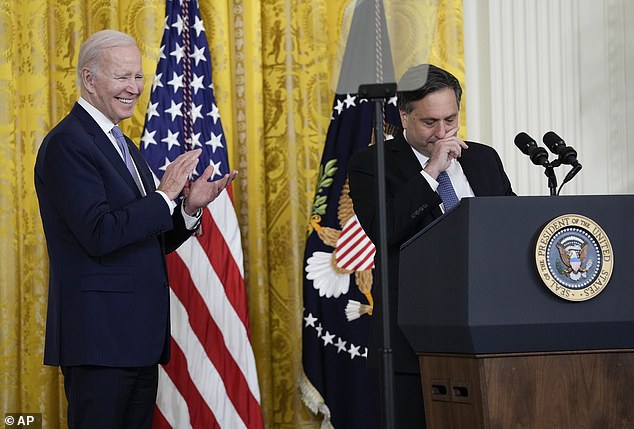
Ron Klain, who was Biden’s chief of staff for two years and also supported him throughout the 2024 campaign, told author Chris Whipple about the six-day period they spent at Camp David. The aim was to prepare Biden for his sole debate against Trump.

This debate was expected to be the end of Biden’s political journey.

Klain recounted to Whipple for his upcoming book, “We were seated at the table. Biden had responses written on index cards, and he seemed incredibly fatigued. It struck me how disconnected he appeared from U.S. politics. His main focus was clearly on his exchanges with NATO officials.”

‘He simply got deeply engrossed in his role as the leader of NATO,’ Klain stated.

Whipple suggests that Klain ‘entertained the notion, somewhat jokingly, that Biden might have believed he was the leader of NATO rather than the United States.’

Whipple’s book
Uncharted: How Trump Defied Expectations Against Biden, Harris, and the Toughest Race in American Political History
It will be released next week.
The Guardian published
excerpts.

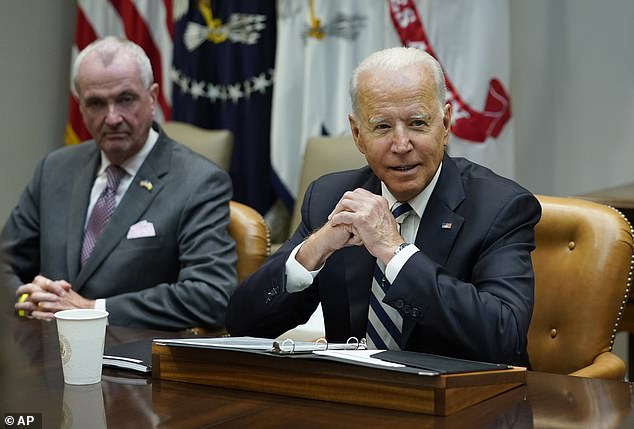
Following his debate against Trump, Biden required fluorescent tape to navigate through a fundraising event.
New Jersey
Governor Phil Murphy’s (D) residence so he wouldn’t get disoriented.

Just as politicians, much like actors, use tape marks on the floor to ensure proper positioning for the camera, Biden required a series of vibrant markers acting as ‘colorful breadcrumbs’ to guide the leader of the free world on his path.

As per authors Jonathan Allen and Amie Parnes’ book, an aide clarified, ‘He understands where to search for that.’
Conflict: The Most Ferocious Fight for the White House
, which releases this week.

Parnes informed ‘Rising The Hill’ that during the fundraiser, Biden had ‘fluorescent tape on the ground to indicate his path.’

‘During overseas visits, a makeup artist arrives early each day to freshen him up and apply his cosmetics before important meetings. His role involved attending these gatherings rather than participating in TV appearances,’ she explained.

At that fundraising event, Biden had to rely on a teleprompter to address a small gathering of people outside on the patio. Even with the aid of the teleprompter, he still drifted off-topic and meandered in his speech.


More harmful information is probably yet to be revealed.

Original Sin: President Biden’s Downfall, Its Concealment, and His Poor Decision to Seek Re-election
Scheduled for release on May 20th, this book by Jake Tapper and Alex Thompson will be available soon.

Thompson stood out as one of the journalists highlighting worries regarding Biden’s well-being throughout his tenure as president.

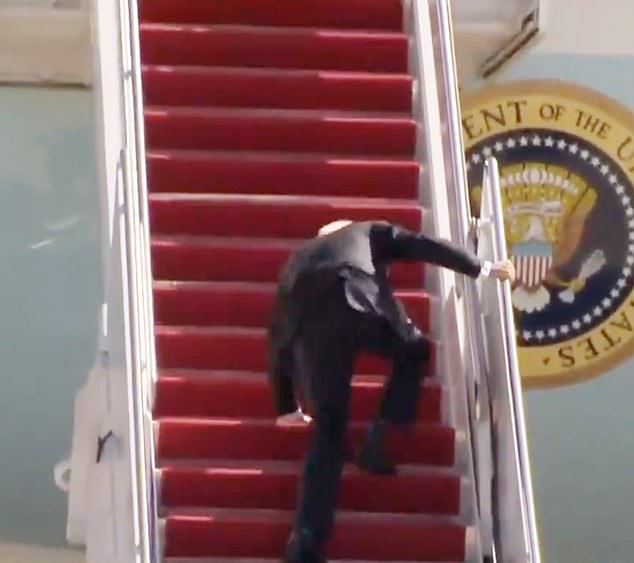
During his presidency, Biden fell and stumbled numerous occasions. He acknowledged struggling with mobility issues following a fractured foot sustained during the 2020 election campaign, which occurred because he did not consistently wear his required protective boot. Additionally, he committed various verbal slips-ups that disrupted the communication strategy of his administration.

And, lastly, Josh Dawsey, TylerPager, and Isaac Arnsdorf have authored a book.
2024: How Trump Regained the Presidency and the Democrats Lost Their Grip on America
– set to release on July 8.

Biden personally did not grant any interviews to the authors of these books.

In the midst of the 2024 election campaign, Biden faced scrutiny regarding both his physical and mental well-being. Trump consistently referred to him as ‘Sleepy Joe’ and raised doubts about Biden’s mental acuity.

The White House repeatedly countered these claims, asserting that the president remained in excellent health.

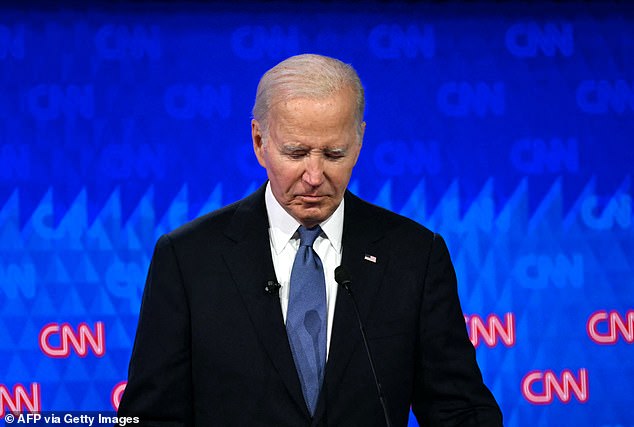
But the June 27th debate in Atlanta rapidly changed public perception of Biden. During the showdown, Biden often stared blankly into space, struggled for answers, and appeared shaky.

Following the event, members of Biden’s team mentioned that he was dealing with a common cold, leading to a difficult night for him. Critics argued that rather than allowing him time to recuperate, they felt he received excessive coaching and practice sessions.

Klain was among the trio of assistants who dedicated the most hours to preparing Biden for the debate. Having known Biden for many years, he previously served as his chief of staff during Biden’s tenure as vice president. The other two key figures were longtime associates Mike Donilon and Bruce Reed.

The group, including the president, reached Camp David on the Saturday before the debate to undergo a five-day preparatory lock-in period.


Biden had recently completed an extensive tour: he visited France for both a state visit and the D-Day anniversary celebrations in Normandy. After returning to the United States, he soon traveled to Italy a few days later for a G7 conference. He concluded his journey with stops along the West Coast to attend fundraising events for his political campaigns.

He felt drained and hardly got any downtime.

At the secluded Camp David, a mountainous presidential getaway in Maryland, he underwent policy briefings and simulated debate practices to prepare himself.

However, Biden, who was dealing with a cold, abandoned his debate preparation and dozed off beside the swimming pool, as Klain informed Whipple.

He also appeared flustered and confused.

The former president stated that he ‘was unaware of what Trump had been discussing and could not comprehend the exchange,’ ‘found it difficult to follow his reasoning regarding inflation,’ and when asked about a potential second term, simply responded with ‘focus on completing the current term,’ as noted by Whipple.

Biden was similarly preoccupied with foreign leaders, stating, “These folks insist I’m performing admirably as president, so I must be an excellent one.”

The initial mock debate was planned to run for 90 minutes; however, it concluded early at the 45-minute mark because “the President’s vocal cords were exhausted, along with his understanding of the topic,” according to Whipple’s account.

Twenty-five minutes into the second simulated debate, Biden called it quits.

According to the book, he stated, “I’m simply exhausted and I fear straining my voice further. I feel awful.” He added, “All I need is some rest; things will improve by tomorrow.”

He retired for the night.


‘Whipple describes the president as exhausted, confused, and disconnected,’ ‘Klain worried that the debate against Trump would turn into a nationally broadcasted catastrophe.’

Indeed it was.

Following this, it triggered a cascade of inquiries into the feasibility of Biden’s run for presidency and his competency to handle the role.

Openly, Biden’s family, friends, and aides came to his defense.

Privately they had concerns.

In their book, Parnes and Allen state, “While publicly dismissing Republicans’ assertions that Biden lacked the necessary capabilities, Democrats secretly harbored concerns about overestimating an elderly candidate who might have already squandered his prime.”

A friend of both Biden and Obama stated to the authors that Biden’s decision to run for another term was considered the “original sin” of the 2024 election. This individual held Biden’s family and trusted advisors responsible for failing to counsel against his reelection campaign.

Whipple said to Politico that he believed Biden’s assistants perceived what they wished to see.

“I personally feel that describing it as a ‘cover-up’ is overly simple. It was far more complex and deeply concerning. Biden’s close advisors, members of his inner circle, were largely enveloped in a haze of self-deception and denial. They chose to believe whatever suited their narrative,” the author stated.

Meanwhile, Democratic leaders were concerned that Biden might lose the presidential election, potentially dragging down congressional candidates as well.

Some went public, questioning Biden’s ability to remain the nominee. After growing calls for his departure, including behind-the-scenes work by Barack Obama and Nancy Pelosi, Biden exited the race on July 21.

However, Klain, even though he had reservations about Biden, believed he ought to have remained in the competition.

He received a call from Jeff Zients, who took over as chief of staff after him, informing him about Biden’s choice to resign.

He informed Whipple that it felt like a ‘punch in the gut.’

He stated to Zients, “I believe that’s a misstep. In my view, this tragedy could have been prevented.”

Kamala Harris was chosen as the party’s candidate but eventually lost to Trump.

Read more

Markets Tumble Globally as Trump Tariffs Send Shockwaves Through the World Economy

Global leaders are responding with concern, warnings of potential retaliatory actions, and demands for rapid talks to ensure more equitable trade regulations following the announcement of extensive new tariffs by U.S. President Donald Trump. However, their preliminary steps indicate caution, as major trading partners aim to prevent an all-out trade war with the largest economic power worldwide.

Asian markets declined during Thursday’s trading session, and U.S. futures plummeted, indicating potential turmoil ahead in the American market as investors prepare for possible economic disruptions.

In his “Freedom Day” proclamation, Trump stated that these tariffs, which range between 10% and 49%, would reciprocate how U.S. trading partners have historically treated America, ultimately luring industries and employment opportunities back to the United States.

The European Commission President, Ursula von der Leyen, stated that these actions represent a significant setback for the global economy. Meanwhile, Japanese Prime Minister Shigeru Ishiba warned of their substantial effect on U.S.-Japan ties. Additionally, South Korea’s Prime Minister, Han Duck-soo, urged for urgent steps to assist sectors impacted by the new tariffs.

___

Here’s the latest:

Norway’s Foreign Minister states that tariffs adversely affect NATO allies.

Norway’s Foreign Minister Espen Barth Eide stated that the additional U.S. tariffs could be at odds with NATO’s Article 2, an agreement that underscores the significance of economic collaboration amongst member nations as a means to prevent conflicts.

“If you desire a robust NATO, it’s essential to foster maximum economic growth within member nations. This idea was central to the founding members, believing that economic collaboration would benefit the whole alliance,” Eide stated during a trip to Brussels for a NATO conference, as reported by the NRK broadcaster.

Eide informed NRK that he plans to address the tariff dispute with U.S. Secretary of State Marco Rubio during their meeting.

The Polish Prime Minister states that tariffs might reduce GDP by 0.4%.

The Polish Prime Minister, Donald Tusk, stated that the newly imposed US tariffs could decrease Poland’s GDP by 0.4%.

He said it was “a severe and unpleasant blow, because it comes from the closest ally, but we will survive it.” The Polish-U.S. friendship, he added, “must also survive this test.”

The Spanish Prime Minister unveils steps to counteract US tariff impacts

On Thursday, Spanish Prime Minister Pedro Sánchez announced that his administration plans to introduce an expenditure program worth $15.6 billion (or 14.1 billion euros) aimed at alleviating the impacts of U.S. tariffs on Europe’s fourth-biggest economy in terms of the eurozone.

The head of Spain referred to the tariffs as “19th-century protectionism,” stating that both the European Union and Spain needed to take proactive steps and broaden their economic relationships across the globe to counter this approach.

Sánchez additionally urged for a negotiated resolution with the U.S., stating, “Once more, we urge President Trump to reassess his position and join us at the negotiation table alongside the European Union and other global partners.”

Australia baffled by tariffs imposed on distant island territories

The head of the local administration in Christmas Island, one of multiple external Australian islands territories which, similar to Australia, face a 10% US tariff, mentioned that their Indian Ocean outpost does not export anything to the United States.

The small Australian settlement with a population under 2,000 residents, located approximately 360 kilometers (225 miles) south of Indonesia’s capital city Jakarta, has been extracting phosphate using American heavy equipment for many years, according to Christmas Island Shire President Gordon Thomson.

The uninhabited Heard and McDonald Islands, located far in the Antarctic and part of Australia’s territories, also fall under the 10% tariff. These largely desolate islands feature two active volcanoes and can only be accessed by sea.

The Australian Prime Minister, Anthony Albanese, stated that Australia does not impose tariffs on goods imported from the United States. Additionally, he highlighted their bilateral free trade agreement between the two nations.

Hong Kong appeals to the U.S. to remove tariffs.

Hong Kong vehemently objected to the additional tariffs introduced by Trump and requested the United States to revoke them. They stated that as a free port, Hong Kong consistently upholds the principles of free trade and does not levy tariffs on imports, which includes products coming from the U.S.

The report indicated that the U.S. maintained a trade surplus of $271.5 billion with the semi-autonomous Chinese region throughout the last ten years, making it the largest surplus compared to all other international trading partners.

Hong Kong’s government stated that the U.S. imposition of tariffs on Hong Kong goods under the guise of reciprocal tariffs makes no sense,” and mentioned they will respond by taking actions such as lodging complaints at the WTO.

Hong Kong, which was previously under British rule and reverted to Chinese control in 1997, operates with an independent economic and political framework compared to mainland China, enabling it to establish its own policies for much of the time.

India aims to speed up trade negotiations with the US.

India’s Commerce Ministry is evaluating the recent tariffs imposed by President Donald Trump. The Indian government aims to speed up discussions for a potential trade deal with the U.S., hoping to secure certain advantages and mitigate the effects of increased duties on imports.

The accord, with the initial segment slated to come into effect by autumn, aims at facilitating increased commerce, investment, and technological exchanges between the two countries. It also seeks to strengthen their supply chains further, according to the statement.

They stated, ‘We continue to maintain communication with the Trump administration and anticipate progressing with them in the upcoming days.’

In 2024, the United States became New Delhi’s largest trading partner, with trade valued at approximately $129 billion. The two nations have now established an ambitious goal to nearly triple their bilateral trade to over $500 billion by the year 2030.

The Vietnamese stock market declines sharply as people flock to purchase gold.

On Thursday, Vietnam’s stock market experienced a sharp decline as gold prices surged to an all-time peak following U.S. President Donald Trump imposing a 46% tariff on Vietnamese goods. In response, residents queued up to purchase gold in Hanoi even though the costs were elevated.

“Gold investment might pose less risk due to the current economic uncertainty,” stated Nguyen Trung, a purchaser.

Dan Martin, an international business advisor at Dezan Shira & Associates, noted that Vietnam has recognized its excessive dependence on the United States and has taken steps towards diversification by entering into free trade deals with more than a dozen nations.

The message is evident now: depending on Vietnam as a U.S. export market isn’t secure,” he stated.

The apparel and sportswear sector, featuring well-known brands such as Adidas and Nike, will be particularly affected. Last year, Nike produced roughly half of its footwear and approximately one-third of its clothing items in Vietnam. Meanwhile, Vietnamese manufacturing facilities accounted for 39% of Adidas’s shoe production and 18% of their garment output.

Tariffs imposed by the U.S. on products from Vietnam rank among the highest compared to those levied on any other nation.

Vietnam’s Prime Minister Pham Minh Chinh stated that the nation was still aiming for an economic growth rate of at least 8%, even with the Trump administration levying 46% duties on its exported goods.

On Thursday, Chinh led a Cabinet meeting to evaluate the effects of the tariffs, which stand as some of the highest ever placed on any nation. He expressed that Vietnam hopes the U.S. policies will remain “in line with the strong relationship shared by both countries.” Additionally, he mentioned that Vietnam continues to address the lingering impacts from their prolonged conflict.

The tariffs will have a significant impact on Vietnam because the U.S. represents its biggest export destination. In 2021, exports to the United States, amounting to $142 billion, constituted one-third of Vietnam’s gross domestic product.

The Ukrainian minister states that her nation could secure more advantageous tariff terms from the United States.

The Ukrainian Economy Minister, Yuliia Svyrydenko, stated on her X profile that Ukraine is striving for improved tariff terms from the United States.

Svyrydenko states that the tariffs imposed by Ukraine on American products are “relatively minimal,” and notes that in 2024, Ukraine brought in more items from the United States compared to what was sent to America.

She stated that the 10% tariff imposed by Trump on Ukrainian products would primarily affect smaller producers. “Ukraine can provide the U.S. with a dependable alliance and partnership. Implementing equitable tariffs would be advantageous for both nations,” she noted in her writing.

Japanese Prime Minister expresses regret over U.S. tariffs and states readiness to discuss with President Trump.

Japanese Prime Minister Shigeru Ishiba expressed deep dissatisfaction, stating it was “highly unfortunate” that the United States imposed a 25% automobile tariff on Japan, particularly considering Japan’s significant economic contributions to the U.S.

Since 2019, Japanese firms, particularly those in the automotive sector, have been the largest investors in the United States, generating employment opportunities for countless Americans, according to Ishiba.

Ishiba stated that Japan will persistently urge the United States to reassess its tariff policies. He also mentioned his intention to engage in direct talks with Trump when deemed fit. Ishiba emphasized, “Without reservation, I will take action at the optimal moment and manner.”

Germany’s Scholz calls tariffs an ‘assault’ on worldwide commerce

German Chancellor Olaf Scholz describes the tariffs as an “assault” on a trade system that has fostered worldwide prosperity, a framework that was largely shaped by the United States itself.

Scholz stated on Thursday that “the entire global economy will bear the brunt of these ill-conceived decisions.” He further noted that “the U.S. administration is embarking on a path where ultimately everyone will lose.”

Scholz stated in Berlin that “this assault targets a trade system that has fostered prosperity worldwide—a system largely shaped by American endeavors.”

Fiji denounces the tariffs as ‘excessive’ and ‘unequitable.’

In the group of tiny island countries scattered across the South Pacific, several faced elevated duty rates above the standard 10%. On Thursday, Fiji’s Deputy Prime Minister Biman Prasad denounced the recently declared 32% duties on his nation’s goods heading to the United States as both “excessive” and “unequitable.”

The U.S. is a major trading partner for the nation of 924,000 people, accounting for 10% of total imports and exports, Prasad said Thursday on social media. Fiji’s biggest export to the U.S. is bottled water, with its most famous brand — Fiji Water — owned by a U.S. conglomerate.

The U.S. government defended the increased duties on Fiji by stating that the island nation levies 63% tariffs on products coming from America. However, Prasad dismissed this statistic, informing journalists that Fiji does not apply such high duty rates to imports from any nation.

“There are no victors in trade wars,” according to China’s Foreign Ministry.

A representative from the Chinese foreign ministry states, “trade wars and tariff conflicts yield no victors, and adopting protectionist policies will not solve these issues. Instead, the United States ought to rectify its incorrect approaches and address trade disagreements with various nations, such as China, via discussions grounded in parity, mutual esteem, and shared advantage.”

Guo Jiakun further stated that these tariffs contravene WTO regulations, “undermine the shared interests of nations worldwide and fail to address America’s own issues. It has become evident that an increasing number of countries are resisting the United States’ aggressive unilateral moves, including tariff imposition.”

The Israeli finance minister states that his office is ‘examining’ the tariff consequences.

Israeli Finance Minister Bezalel Smotrich says his office is studying Trump’s tariff order and “analyzing its implications for the economy,” in the country’s first reaction to Trump’s announcement of a 17% tariff on imports from Israel.

On Wednesday, prior to Trump’s announcement, Israel decided to eliminate all outstanding tariffs on goods imported from the United States. According to a statement released by the Prime Minister’s Office, this change was set to take place following the final endorsement by both the economy minister and the parliamentary finance committee.

In a statement posted on X, Smotrich mentioned he was discussing Trump’s latest directive with key figures from various industries. He also plans to convene with the leadership of the Finance Ministry on Thursday to determine their “next steps” regarding this order.

Spain’s economics minister states that talks with the US are crucial.

Spain’s Economy Minister Carlos Cuerpo stated that reaching an agreement through negotiations with the United States was crucial for Spain, which holds the position of the eurozone’s fourth-biggest economy. However, he also mentioned that the country is ready to implement measures aimed at safeguarding its businesses and sectors.

“There is a great deal riding on this. We must safeguard the highly significant trade and economic ties we share between the world’s two largest collaborators,” Cuerpo stated during an interview with the RNE radio station on Thursday following the U.S.’s announcement of 20% tariffs targeting the European Union.

The German economics minister states that this day will be known as US Inflation Day.

“Today won’t turn into Consumer Liberation Day in the United States; instead, it will be known as Inflation Day,” stated Germany’s Vice Chancellor and Economy Minister, Robert Habeck. “The U.S.’s obsession with tariffs might trigger a chain reaction leading to global recessions and significant economic harm around the world.”

“We have consistently advocated for negotiations over conflict. This position holds true,” Habeck stated. “Therefore, it’s positive that the European Commission continues to pursue a negotiated agreement with the U.S., as there is still ample opportunity for such talks. However, should the U.S. decline a negotiated path, the EU will respond with a well-balanced, decisive, and firm stance. We are ready for this scenario.”

Germany’s primary industry association urges a unified response to tariffs.

The primary industry association in Germany, the Federation of German Industries, stated that “the European Union needs to bolster its partnerships with significant trading allies and should synchronize its response with these countries. Coordinated action is essential to mitigate potential disruptions in global commerce.”

The organization, recognized by its German abbreviation BDI, stated that the tariffs represent “an unparalleled assault on the international trading system, free trade, and global supply chains.” They find the logic behind this protectionist intensification difficult to understand.

For the first time since 2015, the United States became Germany’s largest individual trading partner last year, pushing China into second place.

UK’s Starmer pledges to respond with ‘level-headedness’ to Trump’s tariffs

Prime Minister Keir Starmer stated that the UK government would respond to Trump’s declaration of a 10% tariff on British imports with “levelheadedness and composure.”

Starmer informed business leaders assembled at 10 Downing Street that there would undoubtedly be economic repercussions, yet he expressed hope for lifting tariffs via a trade agreement with Washington.

“Negotiations on an economic prosperity deal — one that strengthens our existing trading relationship — they continue and we will fight for the best deal for Britain,” Starmer said.

“No one emerges victorious from a trade war; it does not serve our nation’s best interests,” he further stated.

The CEO of Honda states that the company requires some duration to ascertain an appropriate response to the tariffs.

The CEO of Honda, Toshihiro Mibe, states that the company will assess various elements including market conditions before deciding how best to address President Trump’s tariffs.

He told reporters on Thursday that sudden changes like these are challenging because it’s difficult to respond quickly.

Taiwan deems US tariffs as ‘highly unreasonable.’

In response to the implementation of a 32% tariff on Taiwan’s advanced technology sector, the country stated it was “highly unreasonable and deeply unfortunate,” further noting that they would be “formally protesting this action to the United States.”

Cabinet spokesman Lee Hui-chih stated in an official press statement that the suggested tax rate fails to accurately represent the economic and trading relationship between Taiwan and the United States, thereby being unjust to Taiwan.

Lee stated that the methodology used for calculating tariffs was both unscientific and opaque, adding that it fails to capture the significant synergy within the trading dynamics between Taiwan and the United States as well as their genuine trade relations.

Lee mentioned that Taiwan’s exports to the United States and its associated trade surplus have increased considerably over recent years. This growth primarily reflects a rise in demand from American consumers for semiconductors and related items, particularly those involving artificial intelligence technology.

UK authorities indicate their intention to advocate for a free trade agreement with the United States.

The UK government states it will strive for a free trade agreement with the United States instead of retaliating following Trump’s imposition of a 10% tariff on British products.

Dismissing the statement as a “letdown,” Business Secretary Jonathan Reynolds expressed, “While I acknowledge that the UK is in a more favorable situation compared to other nations, my satisfaction level remains low.”

Reynolds informed Sky News that the feedback he received from companies was to “stay at the table and avoid overreaction.”

The UK maintains that its trading relationship with the U.S. is largely balanced and has been engaged in negotiations with Washington to secure a trade agreement aimed at avoiding import duties.

The Japanese Prime Minister states that tariffs will significantly affect U.S.-Japan relations.

The Japanese Prime Minister, Shigeru Ishiba, expresses deep worry over the new tariffs and emphasizes that Japan makes substantial contributions to the U.S. economy through investments and employment opportunities.

He mentioned that he frequently presented arguments to the Trump administration against proceeding with the tariffs.

“Not only will they significantly influence U.S.-Japanese economic ties, but they will also affect the worldwide economy and trade relationships as a whole,” Ishiba stated to journalists on Thursday.

“The government will unite to firmly safeguard citizens’ lives, employment, and economic sectors,” he stated additionally.

Thailand has stated it is prepared to discuss the trade imbalance with the United States.

Following President Trump’s announcement of 36% tariffs on Thailand, the Thai Prime Minister has stated that their nation is prepared to engage in negotiations aimed at achieving an equitable trade equilibrium beneficial to both countries.

Paetongtarn Shinawatra stated on Thursday that Thailand is dedicated to collaborating with the U.S. to attain sustainable economic development.

She emphasized that Thai exporters ought to explore new markets for their goods as well, in order to minimize the risks associated with depending heavily on a single primary market.

Indian experts view possibilities in reshaping supply chains.

Indian exporters and analysts indicate that Trump’s new tariffs present a dual impact for the nation.

Trump announced a reciprocal tariff of 26% for India, as compared to 34% for China, 46% for Vietnam, 37% for Bangladesh and 36% for Thailand.

On Thursday, observers noted that this action is expected to affect Indian industries and put job security at risk. However, they also indicated that there could be opportunities for new businesses due to India being placed in a lower category compared to otherAsian countries.

“These tariffs pose certain difficulties; however, India’s stance continues to be relatively advantageous,” stated S.C Ralhan, who serves as the president of the Federation of Indian ExportOrganizations.

Ajay Srivastava, a previous employee in Indian trade affairs and the founder of the New Delhi-based research organization called the Global Trade Research Initiative, suggested that the protectionist tariff system might act as an accelerator for India to benefit from shifts in international supply chains.

Some of the highest tariffs are imposed on South and Southeast Asia.

Countries such as Vietnam, Sri Lanka, along with various nations throughout South and Southeast Asia, face some of the most significant tariff rates.

Trump introduced reciprocal tariffs of 46% on Vietnamese goods, 49% on Cambodian products, 37% on items from Bangladesh, and 44% on those coming from Sri Lanka.

These responsibilities will impact domestic exporters heading to the U.S., as well as businesses from China, Japan, and South Korea. These firms relocated their manufacturing operations to Southeast Asian countries in recent years to avoid trade tensions prevalent during Trump’s initial presidency.

Stellantis, an automaker company, plans to close its manufacturing facility in Windsor, Canada, for two weeks.

Automaker Stellantis plans to close its assembly facility in Windsor, Canada, for a fortnight starting April 7, according to the local union statement released late Wednesday.

James Stewart, the president of Unifor Local 444, stated that additional scheduling alterations would likely occur over the next few weeks.

The firm stated that several elements are contributing to their situation, with the main factor influencing their ultimate choice being President Donald Trump’s announcement today regarding new U.S. tariffs. “This development has generated significant uncertainty throughout the automotive sector,” Stewart explained. “It isn’t only affecting our facility; operations in both the U.S. and Mexico are also experiencing these impacts.”

EU chief states that tariffs pose significant damage to the global economy.

European Commission President Ursula von der Leyen says the tariffs are a “major blow to the world economy.”

“Millions of individuals worldwide will face severe repercussions,” warned von der Leyen. She added that groceries, transportation, and medications will become more expensive, which particularly impacts those who are most susceptible in society.

von der Leyen admitted that the global trade system has “significant flaws,” and stated that the EU is prepared to engage in negotiations with the U.S.

Japan’s top government spokesman denounces tariffs as “highly unfortunate.”

The top Cabinet Secretary of Japan described the tariffs as “deeply unfortunate” and mentioned that they believed their nation should have been exempted, following President Trump’s imposition of a 24% additional tariff on Japanese goods.

On Thursday, Yoshimasa Hayashi also raised doubts about the compatibility of these tariffs with theJapan-U.S. bilateral trade agreements. He further stated that this action could affect not only their economic relations but also have implications for the broader global economy and the multilateral trading system.

He stated that Japanese officials are still in talks with Washington aiming for an exception. When asked about potential counter-tariffs or possible grievances filed with the World Trade Organization, Hayashi chose not to comment.

Asian markets decline after Trump announces new tariffs

The Nikkei 225 in Tokyo fell over 3.4%, the Kospi in South Korea declined by 1.8%, and the S&P/ASX 200 in Australia decreased by 1.8% as well.

U.S. stocks experienced yet another volatile session ahead of President Trump’s announcement regarding new tariffs on Wednesday. The S&P 500 climbed by 0.7%, the Dow Jones Industrial Average increased by 0.6%, and the Nasdaq Composite jumped by 0.9%.

Tesla shifted from a significant early decline to an afternoon increase, helping to boost the overall market. Meanwhile, treasury yields moved from lower levels to higher ones after a stronger-than-predicted jobs report was released.

▶ Learn more about how markets responded to the tariffs

The House majority whip commended Trump’s moves, such as imposing tariffs, at a townhall event.

During an hour-long tele-townhall with his constituents in Minnesota, House Majority Whip Tom Emmer faced largely supportive queries over the phone.

House Speaker Mike Johnson has advised Republican legislators to steer clear of conducting face-to-face town hall meetings to prevent potential confrontational inquiries and protests.

Emmer extensively praised the actions that Trump has been taking in his first months back in office, including the tariffs he announced earlier Wednesday.

Let’s show this person some compassion as they attempt to implement policies they’ve advocated for over the past few years, particularly their commitment to safeguarding American businesses and employees,” Emmer stated. “We may encounter rough patches ahead, but once we navigate through them, things will improve significantly compared to how they were before, and undoubtedly far better than during the previous four-year period.

The South Korean Prime Minister has called for urgent actions to aid sectors impacted by the tariffs.

The interim leader of South Korea urged immediate action to implement urgent measures aimed at aiding the automobile sector and other enterprises that might be impacted by the fresh tariffs imposed by the Trump administration. He assured comprehensive governmental support to tackle what he characterized as an impending “worldwide tariff conflict.”

At an urgent governmental assembly, Prime Minister Han Duck-soo directed authorities to collaborate with corporate entities for assessing the effects of heightened tariffs imposed by the United States. He emphasized the necessity of proactive discussions with Washington aimed at “mitigating harm” to South Korea’s economic landscape, as stated by the commerce department.

While President Yoon Suk Yeol faces impeachment following his declaration of martial law in December, Han has taken on the role of acting leader in South Korea. He called for an emergency meeting with trade and foreign policy experts shortly after Trump imposed a 25% tariff on goods from South Korea.

Provided by Syndigate Media Inc. (
Syndigate.info
).

Gilani Named Founding Chairman of Global ISC

The Chairman of the Senate of Pakistan, Syed Yusuf Raza Gilani, has been appointed as the inaugural chairperson of the Inter-Parliamentary Speakers’ Conference (ISC). This international organization, based in Seoul, aims to encourage parliamentary discussions, support sustainable growth, and enhance collaboration in tackling significant issues like climate change, renewable energy, and water scarcity.

Chairman Gilani made this decision during his recent trip to Kuala Lumpur, Malaysia, for an exclusive briefing about the upcoming Inter-Parliamentary Speakers’ Conference (ISC) scheduled in Seoul, South Korea.

The official ceremony for this event will occur during the upcoming World Summit 2025, hosted by the Universal Peace Federation (UPF) in Seoul, South Korea. This gathering will involve participation from 500 delegates and 45 parliamentary speakers representing 150 nations.

The award bestowed upon Chairman Gilani acknowledged his forward-thinking leadership with an engraving that praised his steadfast dedication to fostering connections among legislative institutions and promoting a collective international mission for peace, progress, and democratic principles. His trip to Kuala Lumpur and his designation as the inaugural chairperson of the ISC mark crucial moments in Pakistan’s escalating impact on the worldwide parliamentary landscape, notably through bolstering ties between parliaments, improving cross-border collaboration, and pursuing mutual economic and diplomatic goals.

Through the use of parliamentary diplomacy, the Pakistani Senate led by Chairman Gilani aims to implement groundbreaking measures designed to mend rifts and promote worldwide harmony and economic advancement.

Under Chairman Gilani, the ISC will act as an elite forum where Pakistan and other participating nations can share insights, create strong policy frameworks, and establish collaborations that go beyond conventional diplomatic limits.

At the recent ISC briefing held in Kuala Lumpur, Chairman Gilani gave an uplifting speech that encapsulated both his political philosophy and Pakistan’s approach to diplomacy. He highlighted that the ISC goes beyond being just another gathering—it stands as a forward-thinking endeavor grounded in concepts like interconnectedness, collective wealth creation, and globally recognized ideals. Gilani stressed again that genuine advancement happens only through cooperative efforts among lawmakers tackling worldwide issues including environmental shifts, income disparity, rapid tech changes, and shifting geo-political dynamics. Furthermore, he mentioned that consistent with the goals set forth by the ISC program, particular emphasis would be placed on fostering alliances and cooperation across three crucial domains: combating climate change, advancing renewable energy solutions, and addressing water scarcity concerns.

Drawing from his deep involvement in international affairs, particularly during his time as Pakistan’s Prime Minister, the Chairman emphasized that promoting dialogue, inclusion, and grassroots connections has consistently formed the bedrock of his political journey. He pointed out that platforms like the Commonwealth Parliamentary Association (CPA), the Asia Pacific Assembly (APA), and the Inter-Parliamentary Union (IPU) have significantly facilitated increased worldwide collaboration.

As the inaugural chairman of the ISC, he urged parliamentarians to turn common aspirations into concrete achievements. “It is essential that our joint endeavors result in implementable strategies ensuring regional security, harmony, and enduring progress,” he emphasized.

The Chairman highlighted the crucial part played by the ISC in tackling both internal problems and developing pioneering parliamentary answers for matters concerning the Korean Peninsula and wider regions. His speech during the conference garnered positive feedback, underscoring Pakistan’s dedication to maintaining regional tranquility, ensuring economic steadiness, and promoting international legal collaboration.

Chairman Gilani was accompanied by a distinguished group of senior parliamentarians and international representatives, highlighting the worldwide importance of this initiative.

As an additional related event, the Chairman of the Senate also engaged in talks with Tan Sri Dato’ (Dr) Johari bin Abdul, who serves as the Speaker of the Malaysian House of Representatives and currently holds the position of ASEAN President.

At the meeting with Tan Sri Dato’ (Dr) Johari bin Abdul, who serves as the Senate chairman, he commended and recognized the warm fraternal ties and strong bilateral connections between the parliaments of both nations. The discussions underscored the enduring bond between Pakistan and Malaysia and emphasized boosting parliamentary diplomacy via increased legislative interactions.

Following the meeting, there was a formal dinner hosted by the Malaysian Speaker to honor Gilani and other prominent attendees of the ISC briefing session.

In the meantime, Pakistani Ambassador to Malaysia Syed Ahsan Raza organized a dinner to honor Chairman Gilani. During this event, important topics related to the friendly relations and collaborative partnership between Pakistan and Malaysia were discussed.

Senator Chairman Syed Yousaf Raza Gilani greeted H.E. Tan Sri Dato’ (Dr) Johari bin Abdul, who serves as the Speaker of the Malaysian House of Representatives and currently holds the position of ASEAN president, when he visited Kuala Lumpur for a briefing on the upcoming Inter-Parliamentary Speakers’ Conference in Seoul.

Provided by Syndigate Media Inc. (
Syndigate.info
).

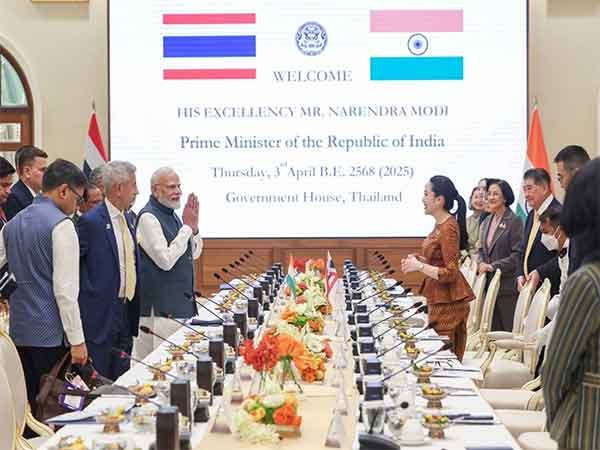
Modi: Thailand Key to India’s “Act East” Policy and Our “Indo-Pacific Vision”

Modi: Thailand Key to India’s “Act East” Policy and Our “Indo-Pacific Vision”

Bangkok
[
Thailand
On April 3 (ANI), Prime Minister Narendra Modi reiterated India’s dedication to
ASEAN
cooperation in unity within the Indo-Pacific region whilst reinforcing relationships
Thailand
, stating that
Thailand
occupies a “unique position” within India’s strategic outlook for the area, significantly contributing to India’s ‘Look East’ initiative as well as the wider Indo-Pacific strategy.

He further stressed that India supports “progressivism, not expansionism.”

“India fully supports
ASEAN
unity and
ASEAN
In the Indo-Pacific region, we both advocate for a free, open, inclusive, and rules-based order. We adhere to a policy focused on development rather than expansion.”
PM Modi
said.

Underlining
Thailand
‘a special spot,” the PM stated, ”
Thailand
holds a significant position within India’s ‘Act East’ policy and our Indo-Pacific strategy. Today, we have chosen to elevate our relationship into Strategic Partnerships. Additionally, we talked about setting up a ‘Strategic Dialogue’ among security organizations.

“We conveyed our thanks to the Government of
Thailand
“For the assistance they provided in repatriating Indian victims of cybercrime back to India,” he added.

PM Modi
Additionally, Thai Prime Minister Paetongtarn Shinawatra engaged in bilateral discussions aimed at enhancing collaboration across multiple fields such as tourism, culture, and commerce.

We have highlighted collaboration in areas such as tourism, culture, and education among the North-Eastern states of India.
Thailand
We discussed boosting reciprocal trade, investments, and business exchanges. Additionally, agreements were established to collaborate on MSMEs, textiles, and crafts.
PM Modi
said.

The Prime Minister additionally expressed gratitude
Thailand
For honoring his visit with a special postage stamp. “I am thankful to the government of
Thailand
For releasing a special commemorative postage stamp inspired by the 18th-century Ramayana mural paintings to mark my visit, Prime Minister Shinawatra has just handed me the Tripitaka. On behalf of Buddhist India, I received it respectfully with both hands,” he said.

Meanwhile, during his speech,
PM Modi
also emphasized the strong cultural and spiritual connections between India and
Thailand
“The ancient bonds between India and
Thailand
are interconnected through our rich cultural and spiritual heritage. The dissemination of Buddhism has united our peoples. Scholars have exchanged knowledge between Ayutthaya and Nalanda. The tale of the Ramayana is firmly rooted in Thai folklore, with traces of Sanskrit and Pali evident in the language and customs even now,” he observed.

PM Modi
showed gratitude to hisThai colleague for the hospitable reception inthe nation.” “Engaged ina fruitful conversationwithPrime MinisterPaetongtarnShinawatra during my visit.”
Bangkok
Some time back, thank you to the Thai people and government for their gracious reception. Additionally, I conveyed my support following the recent earthquake in Thailand. India’s ‘Look East Policy’ continues to be a cornerstone of our regional strategy.
Thailand
“‘s ‘Act West Policy’ complement each other effectively, opening up numerous opportunities for bilateral collaboration across various sectors,” he stated in a post on X.

He additionally highlighted major domains for security and defense collaboration. “Our talks centered around methods to further strengthen the strategic partnership between India and”
Thailand
The topics covered strategic matters like defense, security, maritime safety, and hydrography. Additionally, we reinforced our pledge to collaborate in tackling threats such as terrorism, money laundering, and more.
PM Modi
stated.

Within the same X post thread,
PM Modi
highlighted the significance of enhancing commercial relationships with
Thailand
.

“India and
Thailand
Are eager to bolster their economic and trade relationships. During my conversation with Prime Minister Paetongtarn Shinawatra, we discussed the strong cooperation between our nations in areas such as agriculture, small and medium-sized businesses, maritime affairs, financial technology, and aerospace. We also emphasized the importance of cultural connections in our talks,” he stated.

Thailand
PM also presented PM Narendra Modi with sacred texts: the World Tripitaka, in Pali. This particular version of the Tripitaka was released by the Thai government in 2016 to mark the reign of King Rama IX and Queen Sirikit.

Following this,
PM Modi
, through a tweet on X, conveyed his appreciation and stated, “This was an exceptionally kind act! I’m deeply thankful to Prime Minister Paetongtarn Shinawatra for presenting me with a copy of the Tipitaka in Pali. The language itself is truly elegant, encapsulating the core principles of Lord Buddha’s teachings. You will recall that our administration granted classical language status to Pali recently. This move has been celebrated globally and has spurred further interest in studying and researching this tongue.”

Earlier today, according to an official announcement from the Prime Minister’s Office,
PM Modi
saw an “enhancing” rendition of Thailand’s version of the epic poem Ramayana, known as Ramakien,
Bangkok
.

In an earlier post on X, he mentioned, “This cultural connection is unparalleled! I had the chance to see a mesmerizing rendition of Thailand’s version of the Ramayana called Ramakien. This event was genuinely enlightening as it vividly highlighted the common cultural and civilizational bonds linking India and”
Thailand
The Ramayana genuinely keeps bringing together hearts and customs throughout numerous regions of Asia.”

PM Modi
is in
Bangkok
At the invitation of Prime Minister Paetongtarn Shinawatra for an official visit and participation in the sixth BIMSTEC Summit. Upon finishing his commitments in
Thailand
,, he plans to travel to Sri Lanka between April 4 and April 6. As stated by the PMO,
PM Modi
His forthcoming trip to Sri Lanka comes after President Disanayake’s visit to India last December. (ANI)

Provided by Syndigate Media Inc. (
Syndigate.info
).