by admin | Apr 3, 2025 | driving, emergencies, rain, road safety, safety
As the rainy season arrives in Nigeria, motorists encounter specific difficulties that require increased vigilance and readiness.
Slippery streets, decreased vision, and erratic climatic factors may notably heighten the chance of collisions.
To maintain safety throughout this time, keep these crucial driving tips in mind:
1. Perform comprehensive checks on vehicles
Before embarking, make sure your vehicle is in top shape:
Tires: Ensure that your tires possess adequate tread depth and are correctly inflated. Deteriorated tires may cause hydroplaning on wet surfaces.
Check your brakes to ensure they respond effectively. In wet conditions, stopping distances increase, highlighting the importance of having functional brakes.
Windshield and Windscreen Wipers: Make sure your windshield remains spotless and your wiper blades are working properly to guarantee unobstructed vision when it rains heavily.
Check: Ensure that all lighting elements such as headlamps, tail lamps, and directional indicators are functioning properly to improve your visibility for other motorists.
2. Decrease your speed and enhance the gap between you and the vehicle ahead.
Slippery conditions may arise on wet roadways, diminishing tire grip. It is advisable to decrease your speed and keep an increased gap between you and the car in front of you to provide sufficient stopping time.
3. Avoid flooded areas
Driving through standing water can conceal hazards like potholes and may cause vehicle damage or engine stalling. If unavoidable, proceed slowly and steadily through the water, staying on the highest part of the road.
Lagos State, with its flat terrain and long shoreline, is highly prone to flooding, particularly when the rain season arrives.
The Island area as well as the Mainland region both contain particular spots that are susceptible to inundation because of their closeness to water bodies, insufficient drainage infrastructure, and quick urban development.
Areas prone to flooding on Lagos Island:
Lagos Island includes areas such as Obalende, Bamgbose, Ilado, Victoria Island, Ikate, Alaguntan, Maiyegun, Langbasa, Iranla, Badore, Iwaya, Makoko, and Ebute-Metta.
Eti-Osa Local Government
Location: Obalende, Victoria Island, Ikate, Ilado, Igboefon, Alaguntan, Maiyegun, Langbasa, Iranla, Badore.
The settlement of Ajah experiences notable susceptibility to floods, frequently encountering substantial inundation during periods of intense rainfall.
Flood-Vulnerable Regions of Lagos Mainland:
Kosofe LGA includes areas such as Ketu, Alapere, Maidan, Agboyi, Owode Onirin, Ajegunle, Kara, Isheri Olowora, Agbiliti, Mile 12, Odo Ogun, and Owode Elede.
Ikorodu: Majidun, Ebute, Ibese, Isasi, Ilemere, Baiyeku, Ipakan.
Iba, Ishasi, Era, Egan, Etegbin, Igbede, Igbolobi, Ishagira, and Tafi are part of the Ojo Local Government Area.
Amuwo-Odofin: Significant flood danger because of closeness to water bodies.
Surulere, Apapa, Ikeja, Mushin, Shomolu: Moderate risk of flooding.
Magodo, Ejigbo: Previous instances of major flooding occurrences.
Should you live in or often visit these regions, be sure to take additional precautions, steer clear of inundated pathways whenever feasible, and keep abreast of the latest weather updates.
4. Use car functionalities to keep visibility clear
Rain can cause windows to fog up, impairing visibility. Use your vehicle’s defogging and demisting functions to keep windows clear.
5. Keep updated with weather and road situations
Prior to your journey, review weather predictions and identify regions susceptible to floods or hazardous roads. Such data can assist you in mapping out more secure paths or lead you to postpone travel when needed.
6. Handle hydroplaning calmly
Should your car start to hydroplane (lose grip because of water), stay composed, release the gas pedal gradually, and guide it smoothly in the intended direction until you have regained control.
7. Stay concentrated and steer clear of interruptions
Operating a vehicle during rain demands complete concentration. Refrain from utilizing mobile phones or participating in distractions that can take your eyes off the roadway.
8. Emergency preparedness
Include crucial emergency essentials such as a torch, a medical kit, a hazard triangle, jump leads, and a portable charger.
Keep the contact details for roadside assistance services and emergency phone numbers readily available in case you have an accident or vehicle failure.
9. Defensive driving techniques
Stay particularly alert for careless motorists who might fail to reduce their velocity in rainy weather.
Expect possible dangers like abrupt halts, slipping cars, or people walking across in poor eyesight conditions.
Steer clear of abrupt acceleration or stopping, as this might cause you to lose control when driving on slick surfaces.
10. Public Transport Considerations
For individuals depending on public transportation, additional safety measures become essential during the monsoon period:
Select Secure and Dependable Transportation: Choose accredited transportation providers or firms equipped with properly maintained vehicles to reduce hazards.
Steer clear of overburdened vehicles: Buses and public minibusses like danfos that exceed their capacity limits are at higher risk for crashes, particularly when driving on wet surfaces.
Stay Vigilant at Bus Stops: Numerous bus stops lack proper cover and can turn hazardous when it rains heavily. Be wary of speeding vehicles that might drench you with water or veer off course.
Keep updated on route conditions: Certain roadways can turn inaccessible when there’s significant rainfall. Stay adaptable with your journey arrangements and verify alternate paths prior to departure.
Be careful when riding motorcycles (Okadas): When you use these vehicles for transportation, make sure the driver has appropriate rain protection, drives carefully, and stays clear of flooded or water-logged zones.
11. Highway systems and governmental actions
Governments need to enhance drainage infrastructure to avoid roads being rendered inaccessible during intense rainfall.
Road repair and maintenance initiatives currently underway ought to focus on zones prone to flooding so as to minimize hazards for travelers.
Motorists need to keep an eye on ongoing construction work and possible diversions that could affect their paths, particularly as we approach the busy rainy period.
12. Alternative travel options
Promote remote work or adaptable travel options whenever feasible to minimize exposure to unsafe environments.
Recommend carpooling or utilizing higher, safer paths when heavy rains are expected.
Think about utilizing ride-hailing services that have vehicles in good condition to minimize potential hazards.
Following these guidelines will improve your safety and that of others when driving during Nigeria’s rainy season. It’s essential always to be cautious and ready to handle the difficulties presented by wet weather conditions effectively.
Provided by SyndiGate Media Inc.
Syndigate.info
).
by admin | Mar 25, 2025 | road safety, speed cameras, speeding, traffic laws, transportation
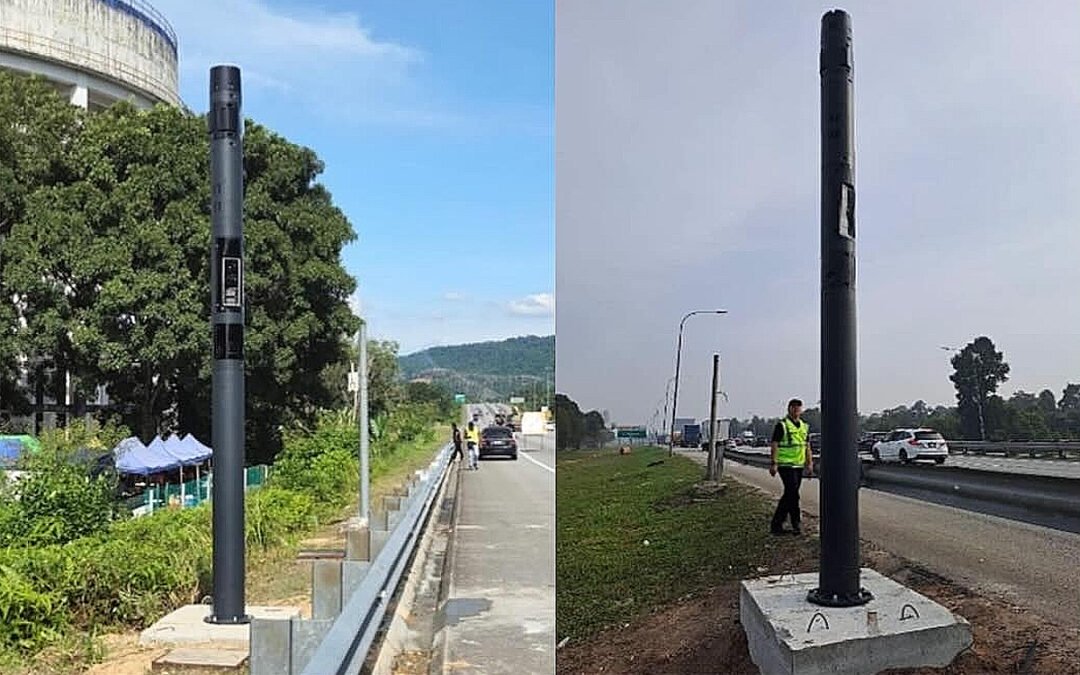
The authorities will commence the trial of the new Automated Awareness Safety System (AWAS) this June. This innovative system will employ a novel approach to replace the current methods used for detecting speeding infractions.
AWAS trial routes
The dates and locations of the trials were disclosed by the Secretary-General of the Ministry of Transport, Jana Santhiran. The authorities have already set up the new AWAS camera system.
different places throughout the nation
The forthcoming trials will encompass just two highway routes.
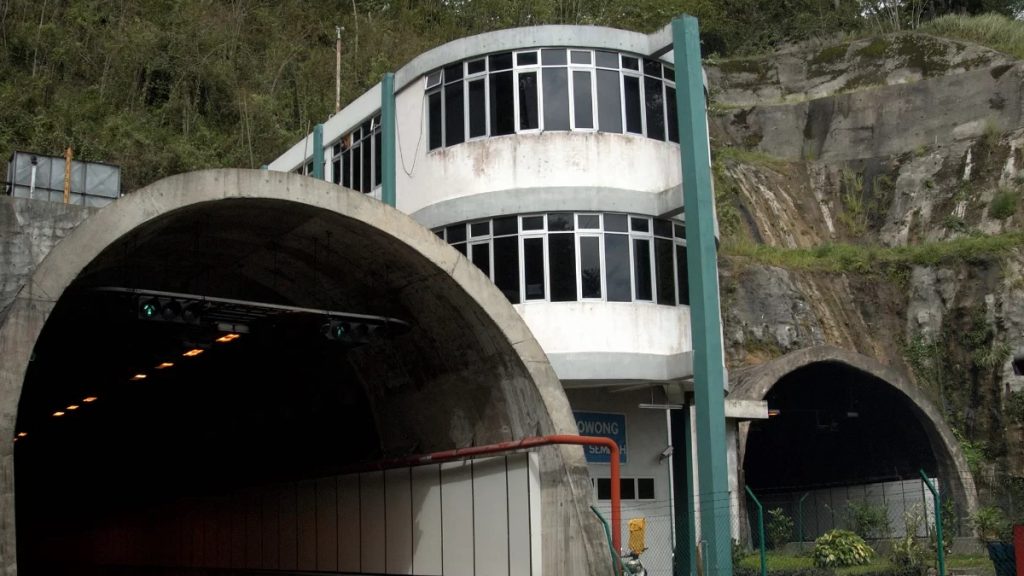
One option could be from the Genting Sempah tunnel all the way to the Gombak Rest & Recreation area along the KL-Karak Expressway. Additionally, they intend to trial this system on the stretch connecting the Senawang toll plaza with the Simpang Ampat toll plaza on the North-South Expressway.
AWAS versus AES – what are the distinctions between them?

AWAS is using
the Ekin Spotter cameras
which
substituted the outdated Redflex Traffic Systems cameras with new ones
those utilized for the preceding one
Automated Enforcement System
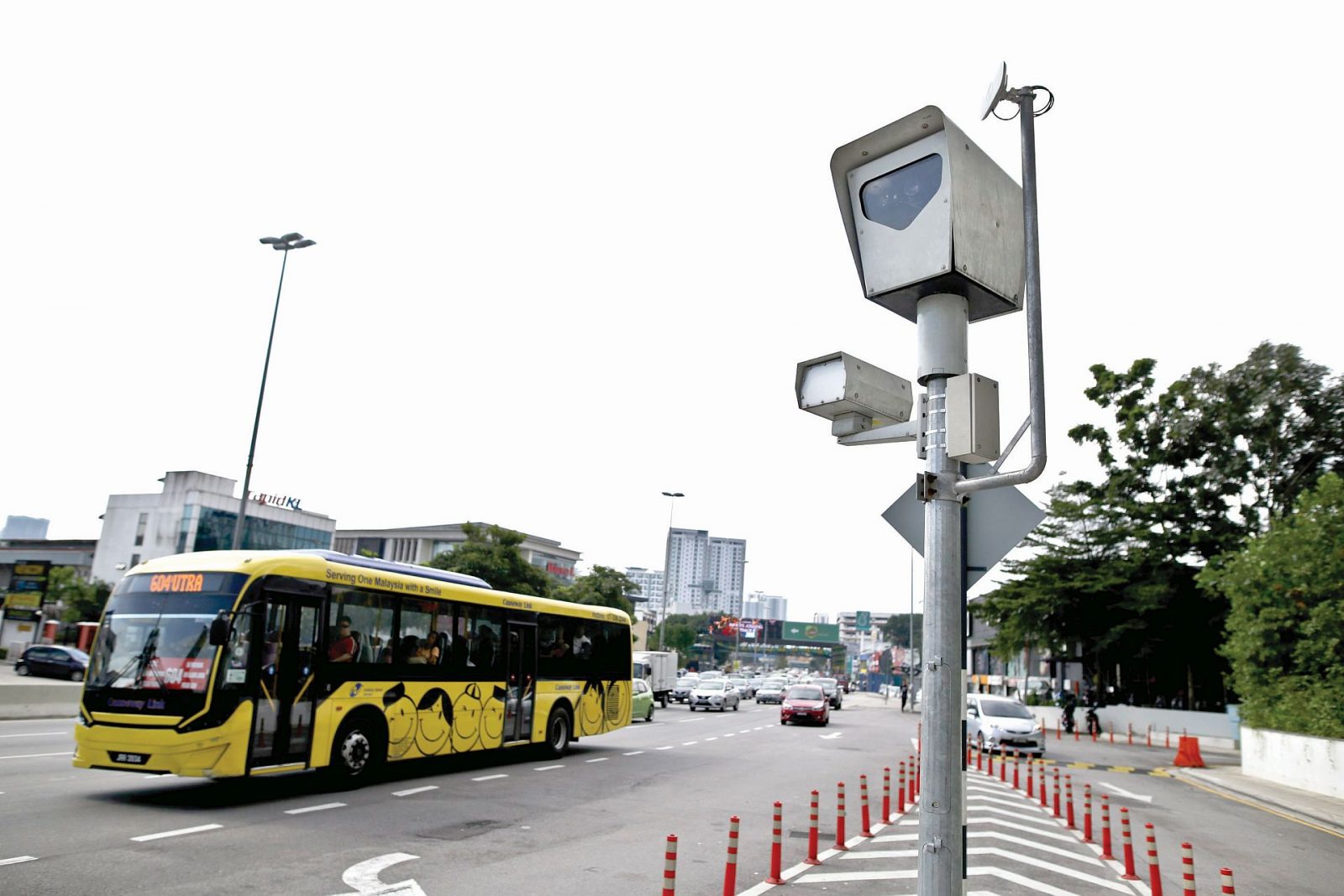
(AES). The module-based camera can detect speeds of up to 320 km/h along with Automatic Number Plate Recognition (ANPR) technology.
Rather than recording the velocity of vehicles as they pass by, AWAS is implementing the point-to-point approach which measures the duration taken for a vehicle to arrive at its designated endpoint relative to the established speed limits along the route. Consequently, simply reducing your pace near traditional speed monitoring cameras won’t prevent you from being detected.
Consider this situation: You are meant to get to a specific toll plaza from location A within 30 minutes, assuming a speed limit of 110 km/h. However, you manage to reach the plaza in just 20 minutes. This indicates that you exceeded the speed limit, potentially getting captured by AWAS in the process.
[
SOURCE
]


