by admin | Feb 15, 2025 | austria, culture, culture & history, heritage, society, tourist attractions
The gathering of the northern and southern parts of Europe might not be unconnected to the brilliance of Salzburg’s foremost prodigy, Wolfgang Amadeus Mozart.
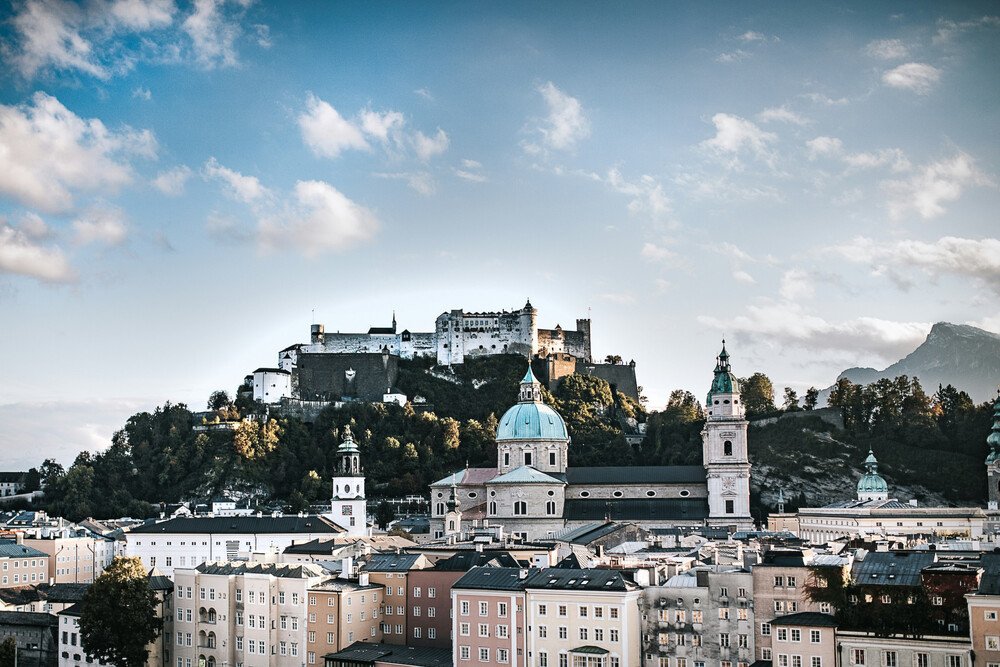
There are 1,223 locations recognized as UNESCO World Heritage Sites. These areas encompass natural landscapes, cultural treasures, or combined regions, serving both as remarkable human achievements and excellent travel spots. We will explore some of these lesser-known jewels of Earth today. Our focus: the Baroque marvels at the heart of Salzburg.
The historical core of the city
Salzburg
Austria has maintained an unusually extensive urban landscape that evolved from the Middle Ages through the 19th century, during which time it functioned as a city-state under the rule of its prince-archbishop.
The vibrant Gothic art that thrived there drew numerous artists to the city long before its impact was reinforced by the involvement of Italian architects like Vincenzo.
Scamozzi
and Santini
Solari
, to whom Salzburg’s center owes much of its Baroque charm.
This encounter between Northern and Southern Europe might not be unconnected to the brilliance of Salzburg’s most famous offspring.
Wolfgang Amadeus Mozart
, who now casts their universal renown over the city.
Briefly put, Salzburg is an essential stopover due to its impressive architectural legacy, its musical past, and its scenic allure.
Reasons to visit Salzburg
° A masterpiece of architecture: The historic district,
UNESCO World Heritage Site
features a maze of charming lanes and Baroque structures.
° Mozart’s legacy: The birthplace of the famous composer, Salzburg breathes
classical music
.
° Natural landscapes: Enveloped by rolling hills and situated at the base of the
Alps
The city provides a distinctive mixture of metropolitan life and natural surroundings.
° A dynamic culture: Salzburg organizes numerous
cultural events
including one of the biggest classical music festivals globally.
How can you spend your time effectively over 2 days?
Day 1
– Visit the
Hohensalzburg Fortress
and enjoy the panoramic view.
– Explore the
old town
, passing the cathedral and the Franciscan Church.
– Discover the
St. Peter’s Quarter
Including its graveyard, place of worship, and underground tombs.
– Conclude your day at Mozart’s Birthplace
Getreidegasse
.
Day 2
– Begin your day with a walk through the Mصند
irabell Gardens
.
– Explore the Mozart House on
Makartplatz
.
– Embark on a day trip to
Hellbrunn Palace
or Untersberg Mountain for a panoramic view.
– Enjoy a
cruise
on the Salzach River.
For an optimal experience during your stay, think about getting the 48-hour Salzburg Card, providing you with complimentary entry to numerous sights as well as public transportation.
(MH with LpR – Source: unesco.org (description) under license CC-BY-SA IGO 3.0 – Image: © Patrick Langwallner via Unsplash)
Make sure to explore all our articles on MSN by subscribing to our content. Simply click on ‘follow’ located beside our logo at the top.

by admin | Nov 3, 2024 | cocktails, culture, culture & history, food and drink, history, society
Ever since it first opened in the 1920s, Harry’s Bar has stood as a symbol of sophistication and creativity in cocktail making.
The renowned Harry’s Bar initially welcomed guests on November 26, 1911.
Thanksgiving Day
(very fitting for an American bar). Later, in 1924, it was actually taken apart from its initial spot in Manhattan at 7
th
Once located on Avenue, it was meticulously reconstructed on rue Daunou in Paris. Ever since, Harry’s Bar has become a prominent figure in the world of Parisian mixology, renowned for its distinctive ambiance. A metal nameplate affixed to his favorite seat was presented as a gift to Ernest Hemingway; he frequently visited the establishment alongside Francis Scott Fitzgerald and his spouse Zelda.
Located in the 2
nd
In the arrondissement of Paris, this iconic bar stands out as the city’s eldest.
cocktail bar
In Europe, this establishment stands out with tales from the shaker surpassing those shared by many of your acquaintances combined. Legend has it that it’s known as “the bar that boldly blended spirits.” When combining alcoholic beverages was as rare as spotting a feline dressed in formal attire, Harry’s Bar emerged onto the scene acting much like a daring pioneer.
Created by the charming Harry MacElhone, this establishment has distinguished itself with its perfectly balanced cocktails served in an ambiance that captivates everyone.
speakeasy
Envious as green. With the support of the family and under the leadership of Harry’s great-grandson, Franz-Arthur, the venue has adapted yet retained its essence: “When I assumed control at Harry’s Bar, my main task was to stay true to what had ensured the success of this iconic cocktail spot for over 113 years, even as we explore fresh ideas. Our commitment remains steadfast; we continue to be a cocktail haven celebrating traditional elegance—a style increasingly popular today—which also attracts a newer, predominantly female crowd.” This describes a location characterized by refined decor and subdued ambiance reminiscent of classic monochrome cinema scenes.
” straw poll:” a custom with some punch
Additionally, Harry’s Bar boasts its own electoral custom: every five years, coinciding with the U.S. presidential elections, the establishment conducts a symbolic ballot referred to as the “straw vote.” Both expatriates and
visiting Americans
Are welcome to participate in a vote for their preferred candidate after presenting either a passport or driver’s license. Think of it as an electoral gathering, but with unrestricted access to cocktails—remember to drink responsibly though.
Started back in the 1920s by Harry MacElhone, this custom allowed American expatriates in Paris to have their say before absentee ballots were introduced. Although these votes were fictitious, they often matched or even surpassed the accuracy of certain official surveys. The outcome was then proudly showcased on the mirror behind the bar!
It’s essential for us,” states Franz-Arthur MacElhone. “Despite being political, it maintains a lighthearted atmosphere. This voting event is a tradition for Americans in Paris; however, I’m uncertain about its true impact. To commemorate a hundred years of this festive election celebration, which runs till November 4th at our bar, we’re featuring special cocktails like the Trumpet and Kamala.
The origin place of iconic cocktails
Let’s focus on this point: as a hub for fictional political intrigue, Harry’s Bar is notable not only for being a place where numerous iconic cocktails originated but also for several historic milestones. Notably, Harry’s Bar holds the distinction of being the first establishment in Paris to offer both Coca-Cola and hot dogs; specifically, in 1933, Harry introduced these items after purchasing a hot dog machine from the Chicago International Exposition.
Did you know that this is where the Bloody Mary originated? In 1920, bartender Fernand Petiot came up with the concept of combining canned tomato juice with vodka. He refined the recipe in the U.S., incorporating various spices into his mix. Additionally, the bar played host to the creation of iconic drinks like the Blue Lagoon and the French 75. It’s almost like a cocktail-themed Disneyland, offering an extensive selection of beverages—over 400 choices—including the James Bond, which was crafted in 1962 by Andy MacElhone specifically for the debut of the James Bond movie.
Dr No
– A mixture of sugar, Angostura bitters, vodka, and Champagne.
Franz-Arthur MacElhone’s favorite cocktail? Without question, “The Sidecar—a blend of cognac VS, triple sec, and fresh lemon juice.” According to him, the latest trend in mixology involves having a ‘guest shift’—wherein a visiting bartender runs the bar for an evening—which he believes allows people to relive one of the golden eras of cocktails. This approach injects vibrant energy into the venue and generates substantial media attention far beyond the confines of the bartending world. When it comes to innovating within the revered tradition of Harry’s Bar, his response is clear-cut: “We usually develop new drinks around newly introduced liqueurs. However, at heart, classicism provides us with guidelines and principles that must be adhered to.”
The slogan at Harry’s Bar can be summed up as “Traditionally innovative.” At this establishment, mixing drinks comes naturally, yet innovation remains central to their approach. Bartenders here act akin to alchemists, constantly reinventing traditional methods with each cocktail they prepare. Each visit presents itself as a surprise-filled adventure, offering new experiences laced with flavors such as olives and citrus peel. If delving into the authentic roots of mixed drinks interests you, then Harry’s Bar should definitely be your destination. This venue breathes life into the art of mixology and eagerly awaits those who wish to revel in it!
Harry’s Bar Paris
5 rue Daunou
75002 Paris
Harry’s Bar – Traditionnellement inventif depuis 1911
Excessive alcohol consumption poses risks to your well-being; practice restraint.
by admin | Aug 9, 2024 | cities and towns, culture, culture & history, lifestyle, society, tourist attractions
From Hampshire to Dorset, Jane Austen witnessed the expanse of traditional England throughout her life. Embarking on an exploration of the novelist’s personal landscapes, we delve into six locations that significantly influenced the fabric of her refined and skilled prose.
From Steventon to Winchester, Bath, Southampton, Lyme Regis, and Chawton, every phase of Jane Austen’s life contributed to her development into one of the most distinctive and impactful authors in English literature.
English literature
Her collection of works, reflecting her journeys throughout England, offers a vibrant depiction of a nation and its customs in transition.
Interested in visiting England? Here are
some
pieces to assist you with planning
out
your trip:
-
Five compelling reasons to explore the English county of Kent
-
England: Top 10 Countryside Walking Trails You Should Add to Your Bucket List
-
This delightful small town has been crowned as the top location to reside in the United Kingdom.
-
Top British Coastal Destinations to Explore This Summer
Steventon, the birthplace of
her love of words
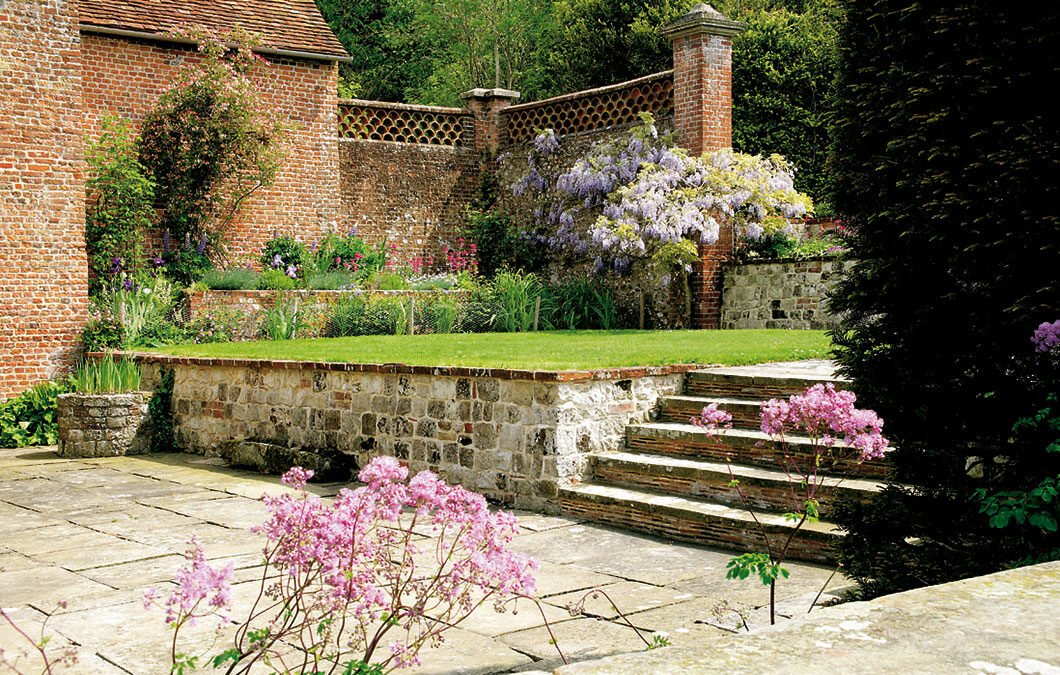
At the Steventon rectory, a young girl writes passionately. This was Jane Austen, born in 1775, who established the groundwork for her literary universe.
The picturesque landscapes of the Hampshire countryside and its close-knit rural community provided ample inspiration: attending village dances, making polite calls on neighbors, and taking leisurely strolls honed her powers of observation. This idyllic backdrop served as the stage where she developed her keen eye for detail.
drafts of
Pride and Prejudice
,
Sense and Sensibility
and
Northanger Abbey
were first written down.
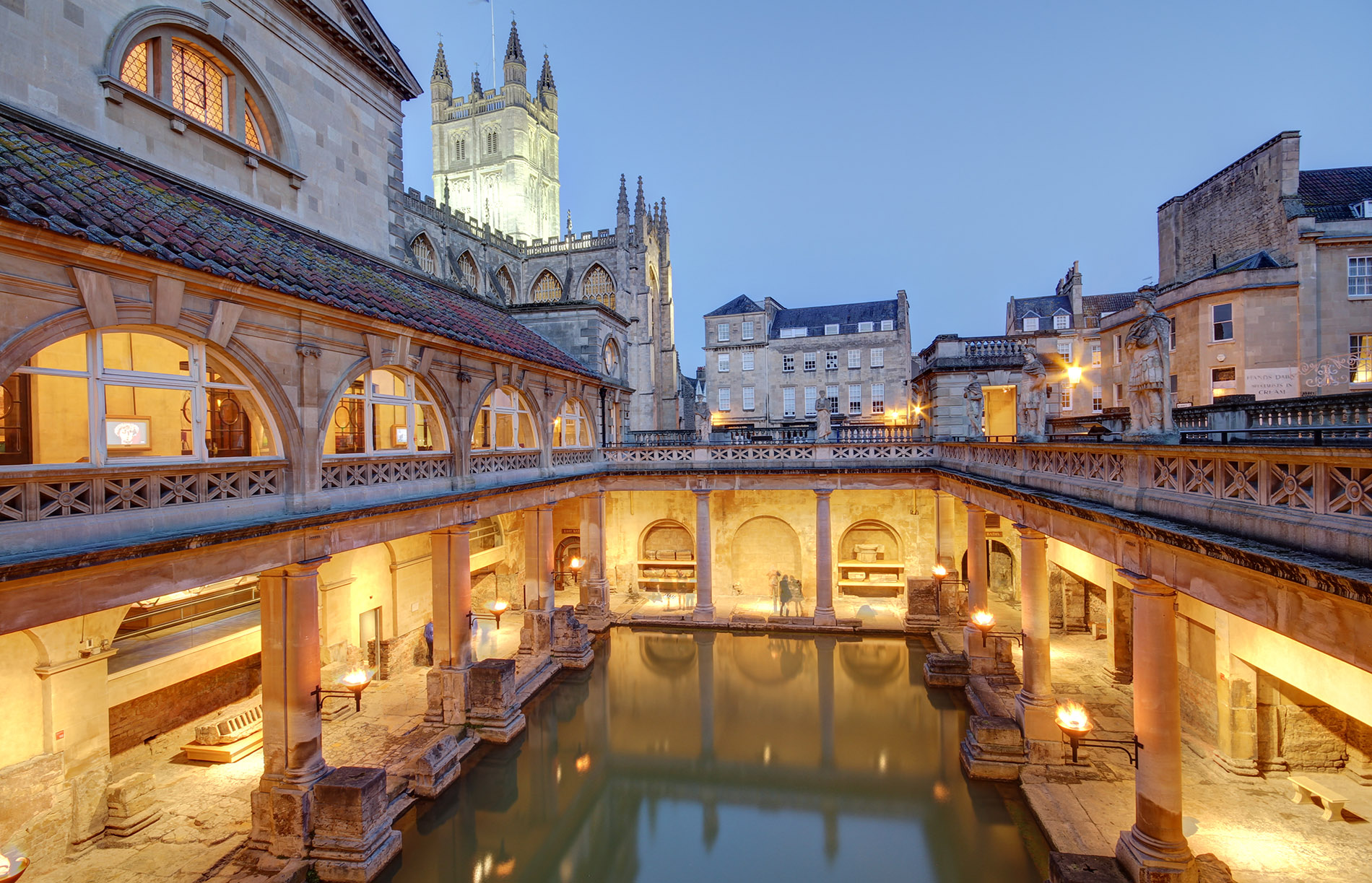
Bath, the social game
In 1801, the Austen family relocated to Bath. This move came as quite a surprise for them.
The
hubbub of the spa town
Provided a sharp contrast to the tranquil atmosphere of Steventon. Jane keenly observes, often with significant sarcasm, various social customs and events. Though she might appear unenthusiastic towards Bath in her writings, it undeniably left a lasting impression on her literature.
The charming streets and distinctive ambiance of the spa town are vividly depicted in
Northanger Abbey
and
Persuasion
. Although Austen initially disliked Bath, she eventually came to portray it as a distinct character in her literary works.
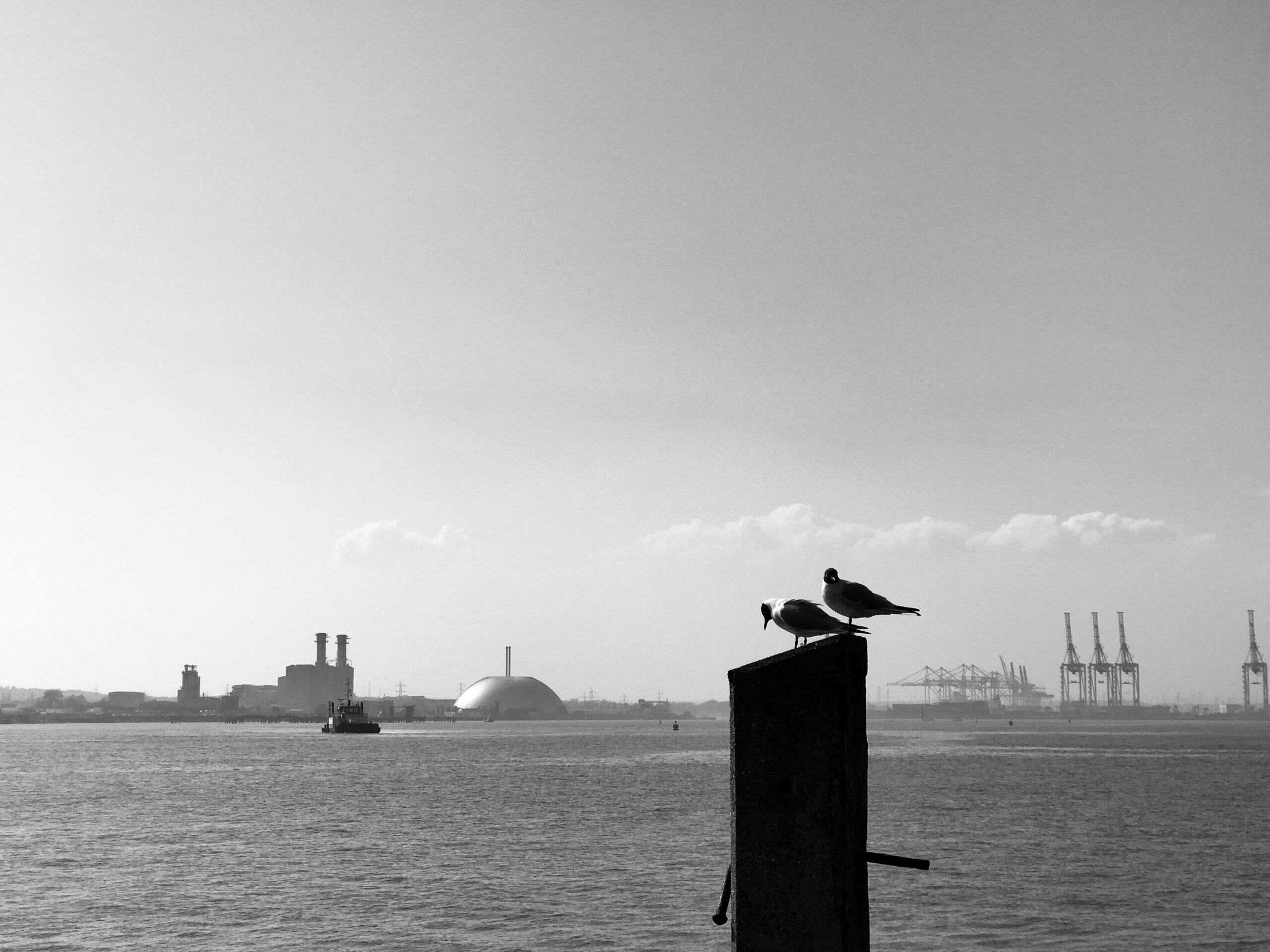
Southampton, the siren song of the ocean
In 1805, a significant change occurred. After her father passed away, Jane relocated to Southampton along with her mother and sister Cassandra.
The harbor presented fresh opportunities for the writer. The constant arrival and departure of vessels along with the lively activity at the docks expanded her understanding of life. Even though Southampton wouldn’t directly appear in her released writings, the city’s maritime impact is evident.
The naval references in
Mansfield Park
and
Persuasion
This coastal setting is referenced throughout, such that every location subtly influences Austen’s prose at times.
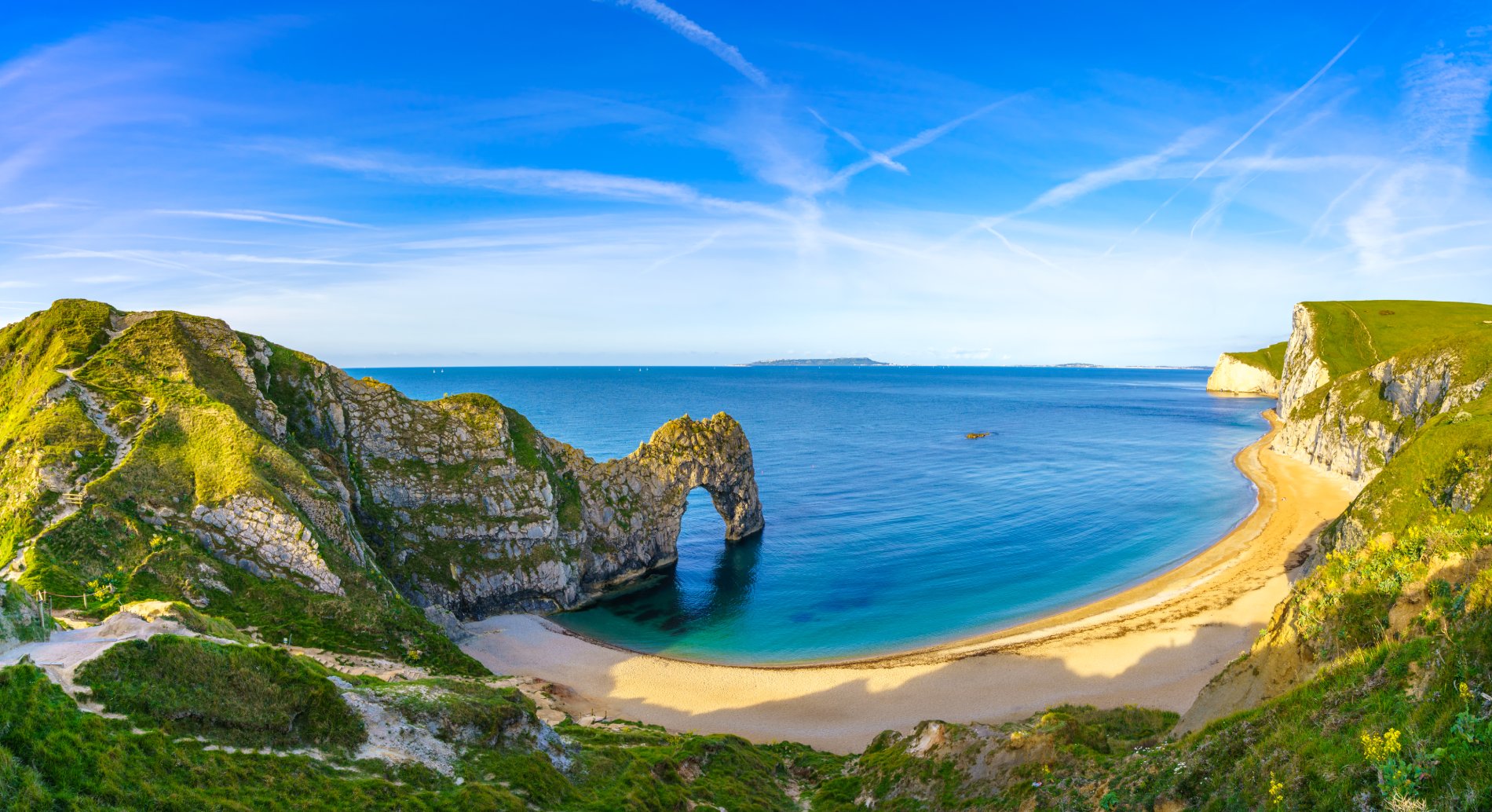
A Seaside Interlude in Lyme Regis
In 1804, Jane Austen came across
Lyme Regis
This short visit to Dorset instilled in her an enduring memory: the untamed allure of the Jurassic coastline and the ambiance of the coastal town enchanted the author. Lyme Regis emerged as a key element in her work.
Persuasion
The final book she finished includes an iconic scene where the character falls onto the Cobb, that legendary jetty. This moment exemplifies the influence this location had on her imagination.
Chawton, the creative refuge
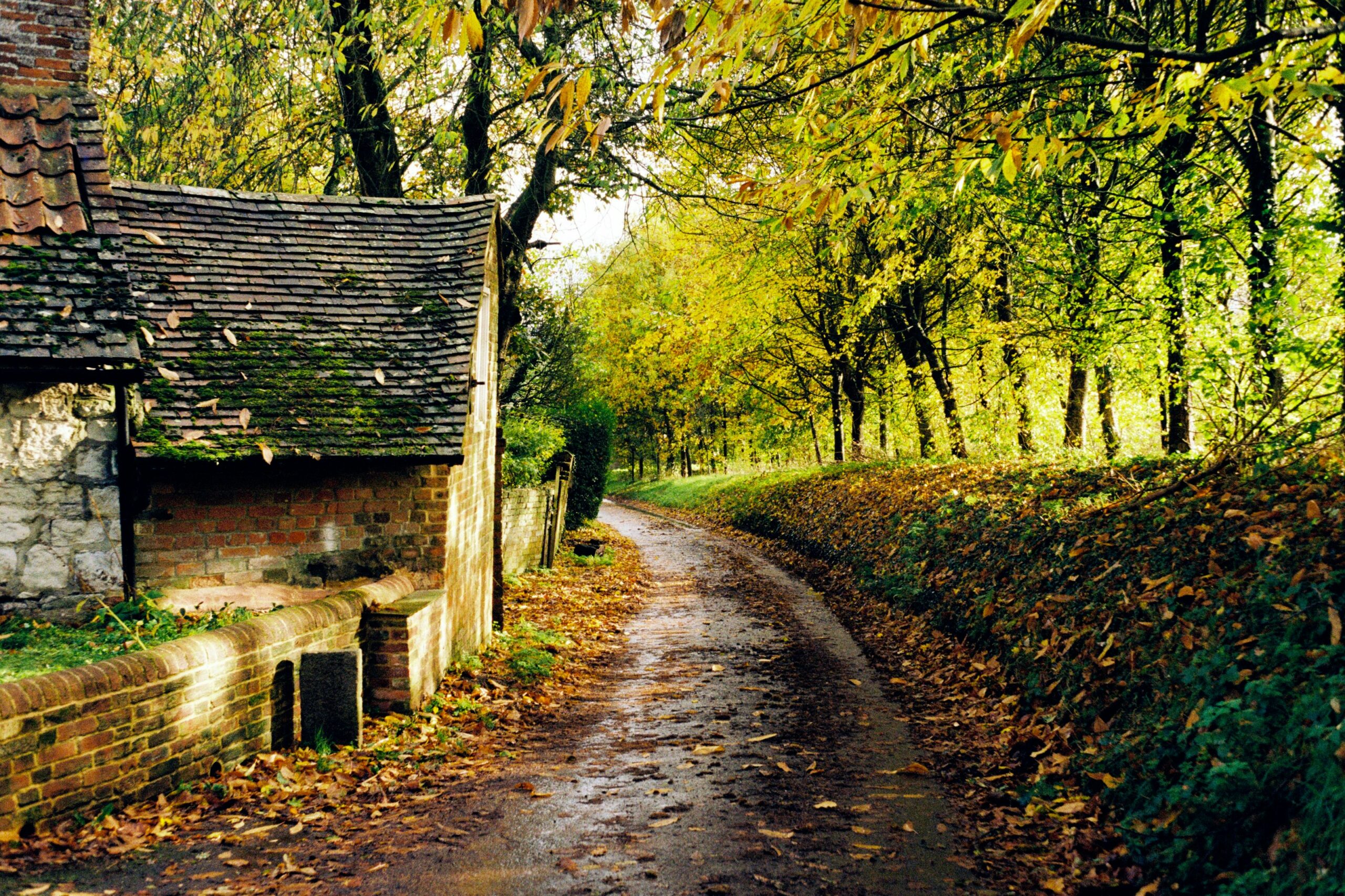
In 1809, Jane decided to embrace her origins when she relocated to Chawton, which was situated in Hampshire yet again. It was here that she spent the final eight years of her life, a period marked by intense productivity as an author.
In this tranquil village, Austen attained the height of her artistic abilities. The serenity and calmness of the rural surroundings enabled her to refine her skills as an author.
Mansfield Park
,
Emma
and
Persuasion
came to be.
Chawton House, which currently serves as a Centre for the Study of Women’s Literature, stands as evidence of that significant era when Austen’s inventive talent flourished.
More information at
chawtonhouse.org
Winchester, the final chapter
Jane Austen’s active life would conclude in Winchester. In May 1817, she fell gravely ill and traveled there seeking medical care.
On July 18th, she passed away, leaving behind a legacy that would endlessly enhance English literature. Her remains were laid to rest in
Winchester Cathedral
turned into a destination where devotees from across the globe would come to visit.
And so concluded Jane Austen’s time on Earth, yet her literary essence endures, continuing to captivate fresh audiences and transport them to early 19th-century England.
th
-century England.