


As Kenya approaches the heightened political season of 2026 with just one year left, President William Ruto encounters a crucial juncture in his tenure.

This phase is vital for solidifying his developmental priorities before politics dominates the national conversation.
The political scene is changing quickly, presenting unforeseen hurdles due to an enthusiastic and vocal generation—the Gen Z movement—finding its footing among younger demographics.
What issues is Generation Z presenting for Ruto’s government?
Their impact is expanding, their communication is straightforward, and they are demonstrating remarkable resilience under continued strain.
Recent occurrences have highlighted the extent of their organization. During the Safari Rally in Naivasha and at the football match between Kenya and Gabon, the phrase “Ruto Raila Must Go” reverberated through the spectators.
These occurrences were part of an organized plan rather than random events, and this approach is becoming increasingly popular. It’s noteworthy that this initiative has spread into areas once regarded as neutral or non-political domains.
The noise is spilling over into churches, a realm where the president once enjoyed unchallenged dominance. Even places of worship have not been spared from this new wave of defiance.
This rebellion differs from conventional opposition movements as it doesn’t center around political figures or pre-existing frameworks.
This approach is direct and untampered, flourishing through impromptu interactions. The difficulty for the president lies in the absence of one key figure to engage in talks, no hidden negotiations to secure, and no sum of financial incentives capable of suppressing it.
This is an organic movement fueled by frustration, economic circumstances, and a generation determined not to be overlooked.
Given these circumstances, Ruto needs to adjust his strategy. It would be unwise for him to participate in heated debates or try to overshadow the criticism via competing events and additional public engagements.
Implementing that approach would merely exacerbate the situation. Instead, he should focus on engaging with governmental operations and allow his actions to convey his message.
Government ministries, departments, and agencies ought to spearhead the demonstration of advancements.
It falls upon them to convey the administration’s accomplishments, rather than the president doing so directly.
What strategies can William Ruto employ to lessen criticism?
He ought to avoid giving in to the urge to react immediately to distractions and concentrate on producing concrete outcomes instead.
By withdrawing from public attention and focusing on administration, the nation’s leader will generate an air of intrigue surrounding his leadership.
The further he remains from public disputes, the less chance his opponents have to challenge him according to their preferences.
His absence from the daily show will compel his rivals to step into the breach, revealing their shortcomings and dearth of a viable strategy.
The Generation Z movement isn’t fading away. Their presence will remain strong, their tactics will adapt, and their impact will expand.
Ruto’s most effective approach would be not to confront the tide head-on but rather elevate himself above it. He needs to reduce his visibility, concentrate more on governance, and fully dedicate himself to state affairs.
His quietness will convey more powerfully than any protest march. Through his efforts, he shall build his shield. By 2026, as the nation becomes deeply entangled in political affairs, he would have established a heritage robust enough to endure the clamor.
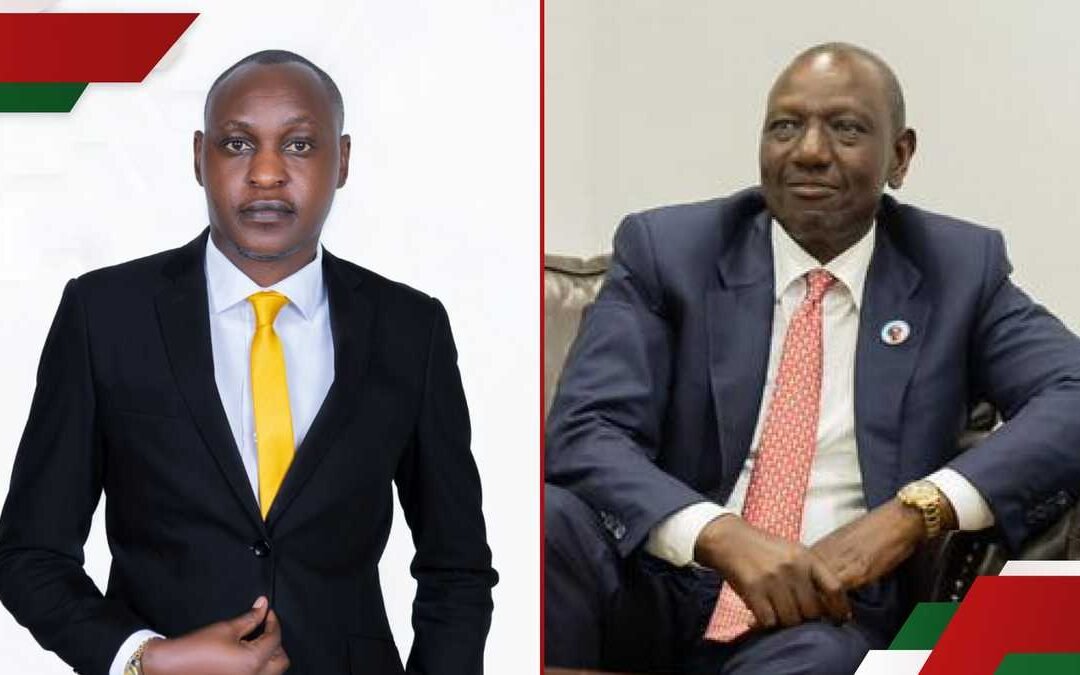
Billy Mijungu, who is both a political analyst and a commentator on Kenyan politics, ran as a Senate candidate for Migori County in 2022.
The opinions stated here belong solely to the author and do not necessarily reflect the stance of LIFEHACK.co.ke.