


Every one of these sanctuaries provides a distinctive cultural and spiritual encounter. Make time to stop by when you’re next traveling through Japan.
People adore Japan as a travel destination due to its distinctive blend of ancient traditions and cutting-edge modernity. Central to experiencing this dichotomy are the countless magnificent temples and shrines scattered throughout the nation, providing visitors with an exclusive glimpse into the profound historical and religious legacy of the land.
- Kinkaku-ji
- Tōdai-ji
- Fushimi Inari Shrine
- Kiyomizu-dera
- Meiji-Jingu
- Kōtoku-in
- Itsukushima Shrine
- Ryoan-ji
- Hōryū-ji
- Zenrin-ji
The 10 temples and shrines you have to see in Japan
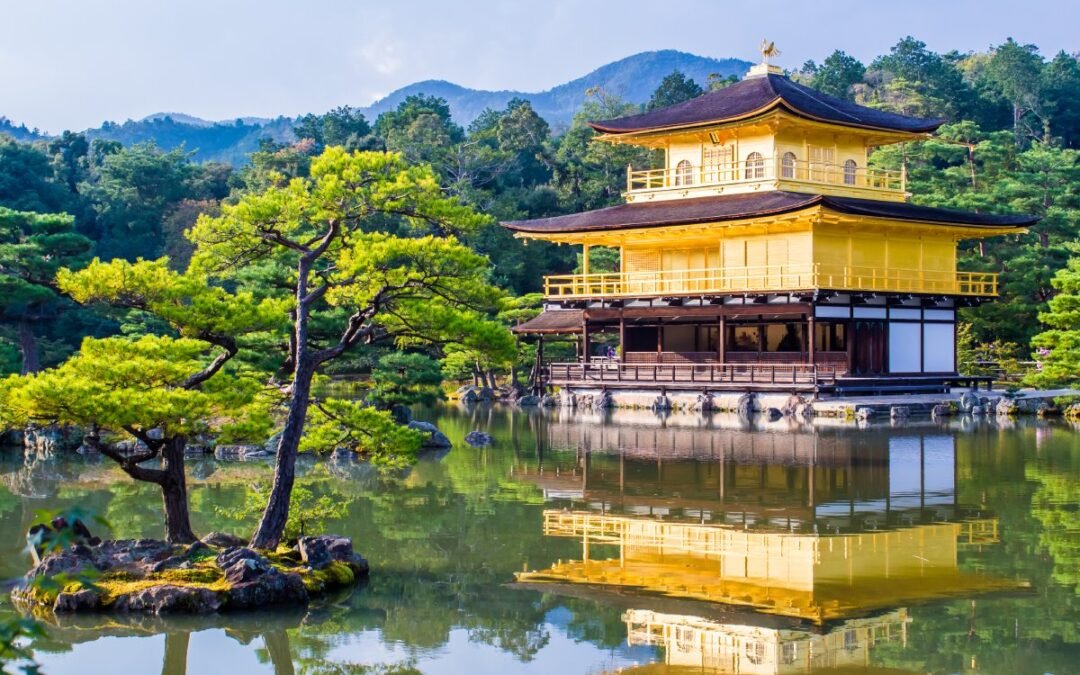
Kinkaku-ji (Golden Pavilion) – Kyoto
Kinkaku-ji, also known as the Golden Pavilion, is a Zen Buddhist temple in Kyoto. Its main attraction is the magnificent gold pavilion, whose splendour is reflected onto the surrounding pond. The temple is surrounded by well-kept landscaped gardens, creating an atmosphere of serenity. Kinkaku-ji is an outstanding example of Buddhist architecture and is a
UNESCO World Heritage Site
.
Tōdai-ji – Nara
Tōdai-ji, located in Nara, is one of Japan’s historic gems. It is home to the bronze statue of the Great Buddha (Daibutsu), which is also one of the largest bronze statues in the world. The temple grounds are also very impressive, with its large wooden doors and avenue lined with stone lanterns. Sika deer, considered to be divine messengers, graze in the surrounding park.
Fushimi Inari Shrine – Kyoto
Fushimi Inari Taisha is one of Japan’s most famous Shinto shrines. It is dedicated to the god Inari, who is the protector of harvests as well as businesses. The shrine is famous for its thousands of red
torii,
These create a stunning tunnel that leads up to Inari Mountain. Tourists can meander along the twisting pathways to take in sweeping vistas of Kyoto.
Kiyomizu-dera – Kyoto
Kiyomizu-dera, situated on a hill in Kyoto, stands out as one of Japan’s most recognizable temples. Its main attraction is the impressive wooden stage constructed without nails, providing visitors with breathtaking views.
breathtaking view
in the city surrounded by cherry blossom trees during the Sakura season. This temple holds significant importance as a key destination for Buddhist pilgrimages.
Meiji-Jingu Shrine – Tokyo
Situated within Yoyogi Park in Tokyo, Meiji-Jingu stands as one of the country’s most frequented and beloved shrines. Constructed to honor Emperor Meiji and Empress Shoken, this site features an imposing wooden torii at its entryway. Encircled by the tranquil atmosphere of the park, visitors can find respite from the bustling city life of Tokyo.
Kōtoku-in – Kamakura
Kōtoku-in Temple, located in Kamakura, is home to the famous Kamakura Daibutsu, a 13.35-metre-high bronze Buddha statue which dates back to the 13th century. For a particularly unique experience, visitors can even step inside the statue.
Itsukushima – Miyajima
The Itsukushima Shrine, located on Miyajima Island, is renowned for its appearance as though it is floating.
torii
, which appear to float on the water at high tide. The shrine is a classic example of Shinto architecture and is set in picturesque natural surroundings, with Mount Misen as a backdrop.
Ryoan-ji – Kyoto
Ryoan-ji Temple is famous for its stone garden, which is also one of the most famous in Japan. It is made up of fifteen stones arranged in such a way that, whatever your position, you can only see fourteen of them at any one time, a composition that encourages meditation and reflection.
Hōryū-ji – Nara
Horyu-ji Temple stands as one of the earliest Buddhist sanctuaries in Japan, established during the 7th century. Renowned for maintaining its original timber construction, this site includes the famed Dream Pavilion, also known as Yumedono, along with significant religious artifacts.
Zenrin-ji (Eikan-do) – Kyoto
The Zenrin-ji Temple, commonly referred to as Eikan-do, is a prominent Zen Buddhist site celebrated for its stunning fall gardens. In the autumn months, the area around the garden transforms with vibrant hues from the maple leaves and other vegetation, painting an absolutely captivating scene.