


“Versailles keeps revealing new wonders all the time; it seems endless!” exclaims Martine as we begin our tour.
The guide has roamed through the numerous corridors of the castle for 15 years, yet she claims that many mysteries remain hidden within the sturdy walls.
Among these, the Salle du Congrès and the presidential apartment, which are accessible to the public… However, let’s start with the basics.
Our tour starts beneath the opulence of the Royal Opera House, a site rich with tradition and grace. This is where Louis XVI and Marie-Antoinette held their wedding ceremony in 1770.
A hundred years afterward, the lawmakers of the Third French Republic (1870-1940) convened their sessions in this very place.
As
The widespread revolt ignited a fire across France.
, the castle of the kings turned into a sanctuary for the republicans. Quite a symbol.
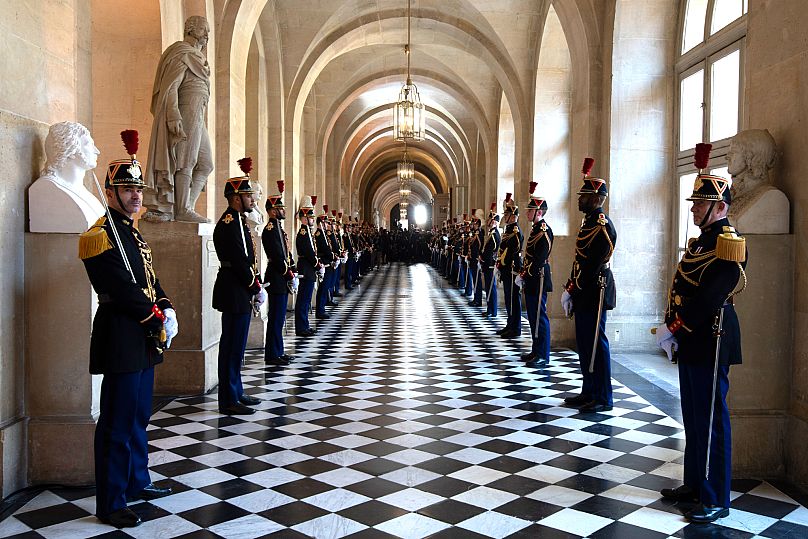
A president in the monarch’s residence
Exactly this shift — encompassing both structural and governmental aspects — lies at the core of an exclusive guided tour currently open to the public, commemorating the 150th year since the adoption of the Wallon amendment.
This document led to the creation of the Senate and the National Assembly and established the process for electing the President by these two bodies. As a result, the Third Republic, which had been operating as a provisional government up to that point, was officially confirmed.
The political history surrounding this event has largely faded from memory,” says Christophe Leribault, President of the Château. “We see this as a chance to highlight the relatively unknown aspects of 19th-century Versailles.
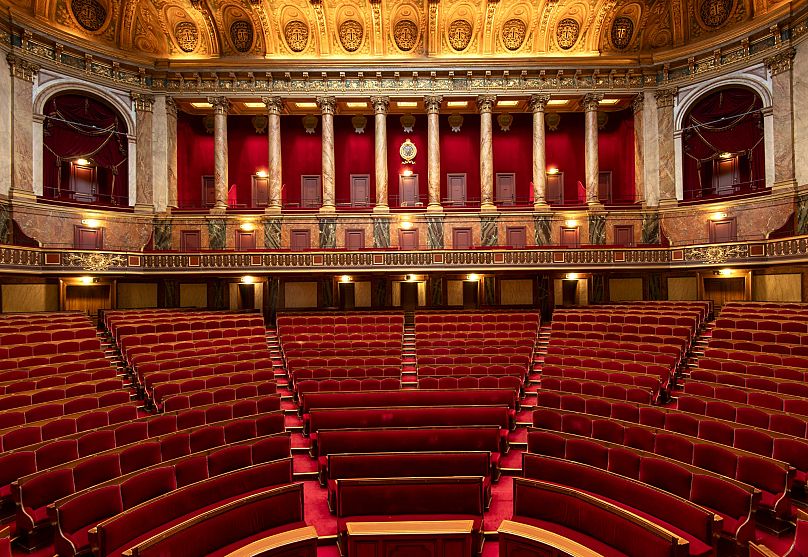
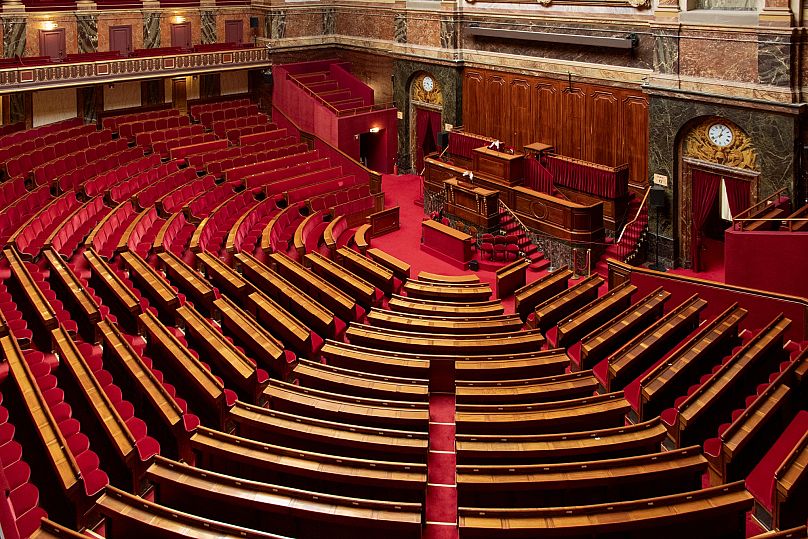
The massive semicircular hall called the Salle du Congrès, constructed in 1875 for the new legislature, stands in stark contrast to the Versailles of Louis XIV’s era. The fleur-de-lis on a blue backdrop have been supplanted by crimson velvet chairs.
“I never imagined encountering this here,” remarks Capucine. “This contemporary element changes our perspective of the château,” comments her mother, Florence.
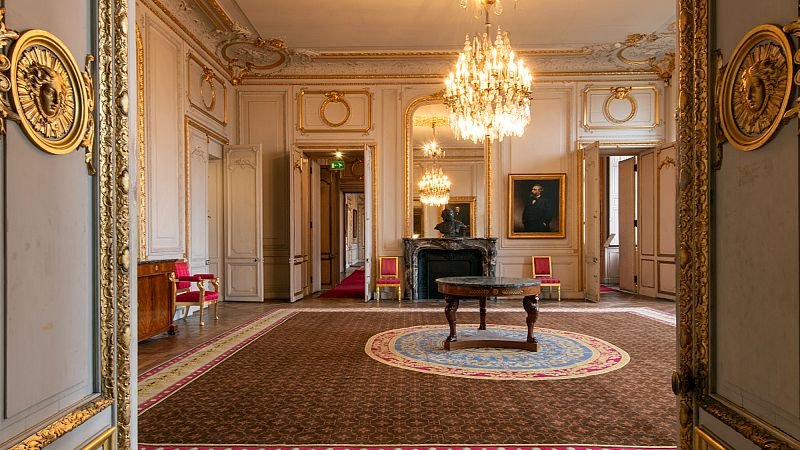
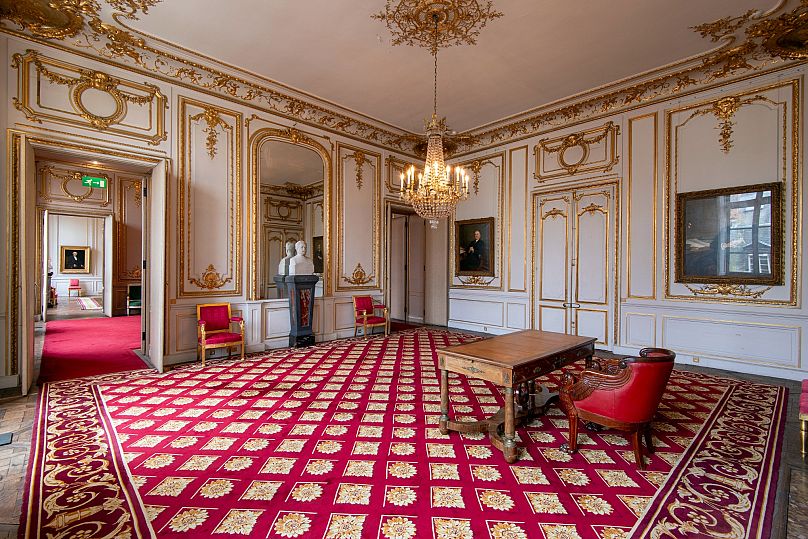
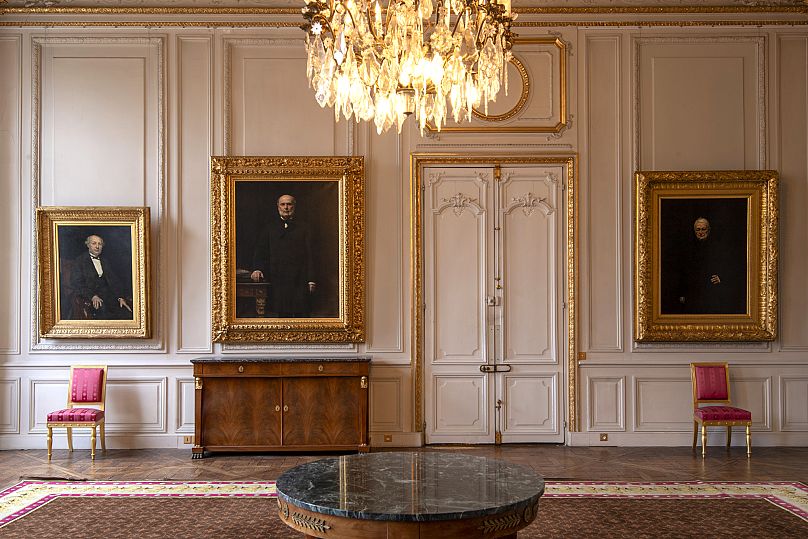
For the first time, the apartment of the President of the Congress was revealed. It was here that the ballots from the presidential elections were tallied. A total of fifteen Presidents were elected in Versailles up until 1954.
On infrequent occasions, this apartment is utilized by the presidents of the National Assembly and the Senate.
Reinstating the French Presence at Versailles
Even though MPs and senators ultimately returned to Paris from Versailles in 1879, the Third Republic permanently etched its legacy into the chateau.
The French President had the authority to summon Parliament solely within the Versailles hemicycle. This is where constitutional amendments occur, such as the one on March 4, 2024, which further developed the Constitution.
the constitutional rights included women’s freedom to terminate a pregnancy
.
“My inaugural day as President of the Château saw it teeming with Members of Parliament, senators, and reporters. This reinforced my belief that these spaces must be made accessible, for Versailles transcends being merely the site of the Hall of Mirrors—it stands as a cornerstone of political influence and French heritage,” remarks Christophe Leribault.
Last year, approximately 8.4 million individuals toured the château. Among them, 80% were visitors from abroad, and the château’s president aims to shift this trend.
“It’s crucial to unlock additional areas so that guests from France and Paris return to Versailles,” he states. “While having visitors from around the globe is wonderful, it’s equally vital for this legacy to remain close to our hearts.”
Might this also present an occasion for the French to come to terms with a contentious site?
A legacy of power
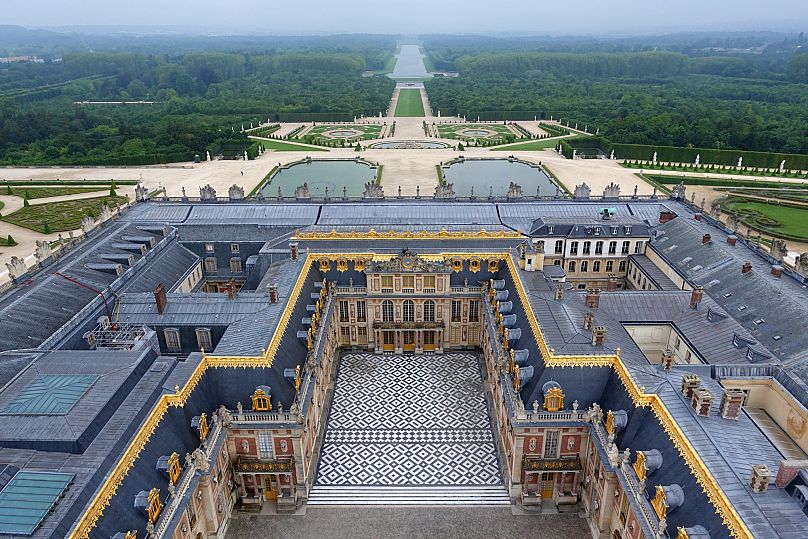
Throughout the decades, the Château de Versailles has evolved into an essential resource and setting for French diplomatic efforts. However, it remains a potentially hazardous location from a political standpoint.
President Emmanuel Macron frequently faces criticism for his use of it and has been denounced for hosting heads of state and
multinational bosses
there with great fanfare.
Denis, who frequently visits the chateau, admits, “It often presents an overly flashy and arrogant appearance, detached from reality.”
This embodies the contradiction of Versailles: a emblem of both monarchical and republican authority, simultaneously criticized for its extravagance yet celebrated for its grandeur.
This unique tour unveils these intriguing and distinctly French paradoxes as it retraces 150 years of Republican history.
The exhibit is accessible to everyone each weekend, and weekday visits include guided tours up until the conclusion of September.