


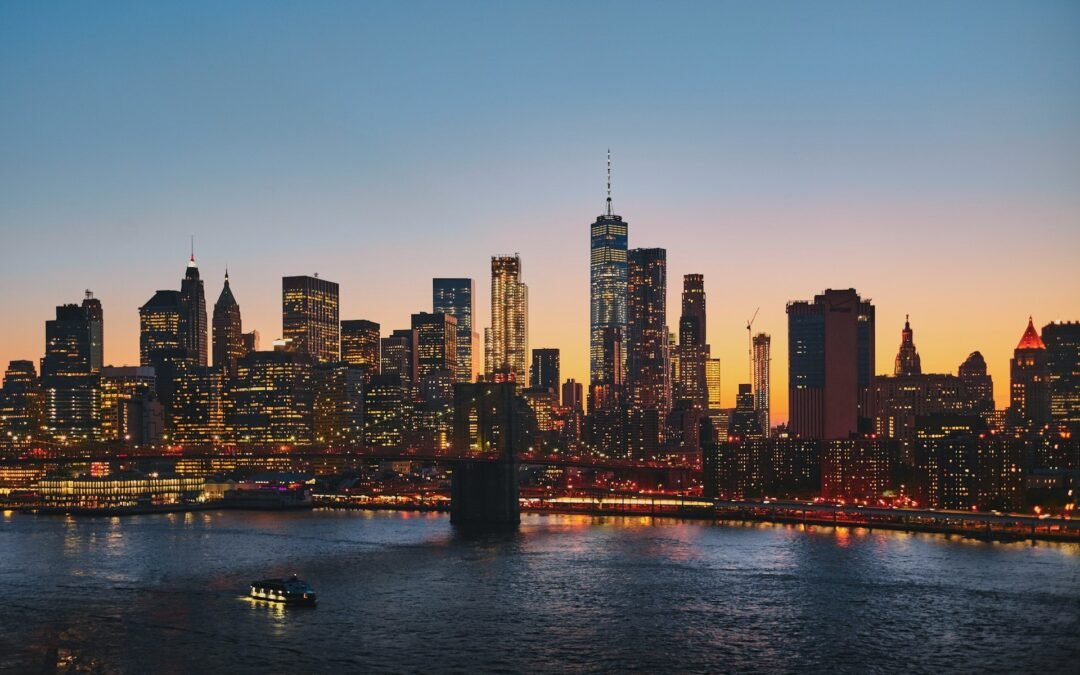
Tall buildings transformed cityscapes into landmarks of financial strength and impressive engineering. For enthusiasts of bold architecture, here are 7 destinations to explore these sky-high wonders.
Are you fond of skyscrapers? Below are some articles that could be interesting for you.
be of interest
:
- A groundbreaking construction project for the world’s tallest wooden skyscraper is set to begin shortly, marking an innovative leap in architecture.
- This is the world’s highest skyscraper, an architectural marvel.
- Europe’s most dazzling skyscraper, a mirror of illumination
Hong Kong
Number of skyscrapers:
558
Hong Kong leads the world with the highest count of skyscrapers.
In a densely populated urban area with limited developable space, the towering metropolis presents a blend of contemporary high-rises like the International Commerce Centre (484 m) alongside numerous residential structures housing much of its populace. This vibrant city is renowned for its dazzling nighttime illumination, most notably showcased through the Symphony of Lights spectacle that highlights its signature skyscrapers. In this location, adopting a vertical layout serves both practical needs and defines its character.
Shenzhen
Number of skyscrapers:
414
Located in China’s Guangdong Province close to Hong Kong, Shenzhen exemplifies swift metamorphosis. Over four decades, this area evolved from a modest hamlet into a cutting-edge urban center brimming with towering edifices. Among these architectural marvels, the Ping An Finance Center (599 meters), symbolizes both financial prowess and advanced technology within the region. Additionally, Shenzhen distinguishes itself through pioneering green design principles integrated into contemporary constructions. This bustling development underscores its pivotal position within the expansive Greater Bay Area initiative, which seeks to unite key metropolitan hubs across southern China economically.
New York
Number of skyscrapers:
318
New York represents the quintessential American Dream via its renowned skyscrapers. Spanning from the completion of the Empire State Building in 1931 to the inauguration of the One Vanderbilt building in 2020, the city serves as a breeding ground for architectural advancement. The Manhattan skyline, bordered by the Hudson and East rivers, stands out globally as an emblem of wealth and aspiration. These towering edifices aren’t merely physical constructs; they narrate the story of this metropolis—from enduring tough times during the Great Depression up until the rebuilding phase following September 11th at Ground Zero. As such, Manhattan continues to inspire architects worldwide along with those visiting and always looking upwards amidst the bustling avenues of America’s largest urban center.
Dubai
Number of skyscrapers:
263
Dubai stands out as a forward-thinking metropolis, constantly stretching the boundaries of architectural innovation daily. Standing tall over the arid surroundings is the Burj Khalifa (828 meters), which holds the title for being the globe’s highest building—a stunning achievement in technology. Alongside this, ongoing developments like The Palm Tower and Marina 101 continue to expand the skyline dramatically. These towering structures not only reach great heights but also feature high-end accommodations including luxurious hotels, private residences, and extensive retail spaces—reflecting the lavish lifestyle emblematic of the UAE.
Shanghai
Number of skyscrapers:
194
Located on China’s eastern coastline, Shanghai stands out as a remarkable fusion of contemporary development and historical heritage. The Lujiazui financial zone boasts the impressive 632-meter-tall Shanghai Tower, making it a key player in international commerce. However, what truly distinguishes this metropolis is how seamlessly it merges state-of-the-art high-rises with age-old structures like the famous Bund—a prominent area reflecting past colonial influences. This juxtaposition underscores China’s swift emergence as a dominant force in economics.
Chicago
Number of skyscrapers:
183
Chicago is the city where it all started. In 1885, the world’s first
first skyscraper
The Home Insurance Building, which stands in this location, still represents a significant milestone in tall building construction. Modern structures such as the Willis Tower (442 meters) and contemporary developments like the Vista Tower keep Chicago at the forefront of architectural innovation. Additionally, the city is distinguished by its plentiful parks and meandering waterways that weave among the high-rises, offering an exceptional fusion of natural beauty and metropolitan life.
Tokyo
Number of skyscrapers:
176
Tokyo stands out as a premier showcase of resilience and innovation. Constructing high-rise buildings in an area known for frequent seismic activity presents significant challenges, yet the city has tackled these issues impressively. Structures like the Tokyo Skytree (634 m) and the Roppongi Hills Mori Tower incorporate cutting-edge earthquake-resistant technology. Additionally, Tokyo seamlessly blends
modernity with local culture
Its towering buildings frequently feature classic eateries, suspended green spaces, and observation decks providing stunning vistas of Mount Fuji.