oleh admin | Mar 27, 2025 | business, investing company news, news, ubisoft, video game industry

To overcome financial challenges, Ubisoft announced on Thursday that they plan to establish a new subsidiary focused on their top properties like “Assassin’s Creed,” collaborating with China’s leading tech company Tencent.
The newly formed entity, worth approximately four billion euros ($4.3 billion), will have Tencent holding a 25% stake by investing 1.16 billion euros as fresh capital in return.
In addition to “Assassin’s Creed,” the subsidiary will also gather “Far Cry” and “Tom Clancy’s Rainbow Six” — two of the most prominent series within Ubisoft’s portfolio of gaming franchises.
It seems Ubisoft is capitalizing on the successful release of the newest installment in the “Assassin’s Creed” series, titled “Shadows,” which has been crucial for their upcoming plans.
The terms of the Tencent agreement prohibit the French company from dropping below a controlling stake in the subsidiary during the initial two-year period.
Tencent is unable to raise its ownership stakes for the next half-decade — unless Ubisoft ceases to have a controlling interest in the interim period.
CEO Yves Guillemot referred to this move as a “new era for (Ubisoft)”.
The past year was tough for Ubisoft, marked by multiple underwhelming launches of anticipated big-budget titles and a decline in their share value.
Launching the new subsidiary — whose name hasn’t been revealed yet — by year-end will allow the firm “to enhance the valuation of our assets, reinforce our financial position, and set up optimal circumstances for these brands’ sustained expansion and prosperity,” Guillemot stated.
This agreement further strengthens Tencent’s control over Ubisoft following their involvement in 2022.
The Chinese company possesses nearly 10 percent of the group’s shares — a limit they cannot exceed until 2030 — whereas the founding Guillemot family owns approximately 15 percent.
Breaking the streak
Earlier this year, Ubisoft had said that it was “actively exploring various strategic and capitalistic options”.
Frederick Duquet, the finance director, stated on Thursday that they had “received numerous expressions of interest which resulted in several non-binding proposals covering various alternatives.”
Ultimately, the decision was made to establish the subsidiary, enabling Ubisoft to retain control over its crucial resources, with the aim of developing extremely valuable global brands potentially worth several billion dollars in the future, Duquet explained.
Ubisoft intends to share additional updates regarding modifications within the group at a future date.
By the end of trading in Paris on Thursday, the company’s market capitalization was valued at 1.7 billion euros, which is under half the worth of the newly formed subsidiary.
The teams handling the three primary franchises will unite within the newly established unit based in France, with particular emphasis on Ubisoft’s Montreal studios — which stands as one of the biggest facilities within the company.
Altogether, the publishing company has approximately 18,000 employees globally, with 4,000 based in France.
Since its launch on March 20, “Assassin’s Creed Shadows” has attracted three million players, marking a significant turnaround following a series of underwhelming releases for Ubisoft.
Despite this, the team will continue moving forward with a cost-reduction strategy established at the beginning of 2023. This initiative includes shutting down facilities located outside of France and eliminating approximately 2,000 positions.
Ubisoft’s challenges mirror broader stagnation in the video game industry over the last couple of years.

oleh admin | Mar 27, 2025 | autos, cars, driving, electric cars, product recalls
Certainly, floor mats. Not vehicles.
-
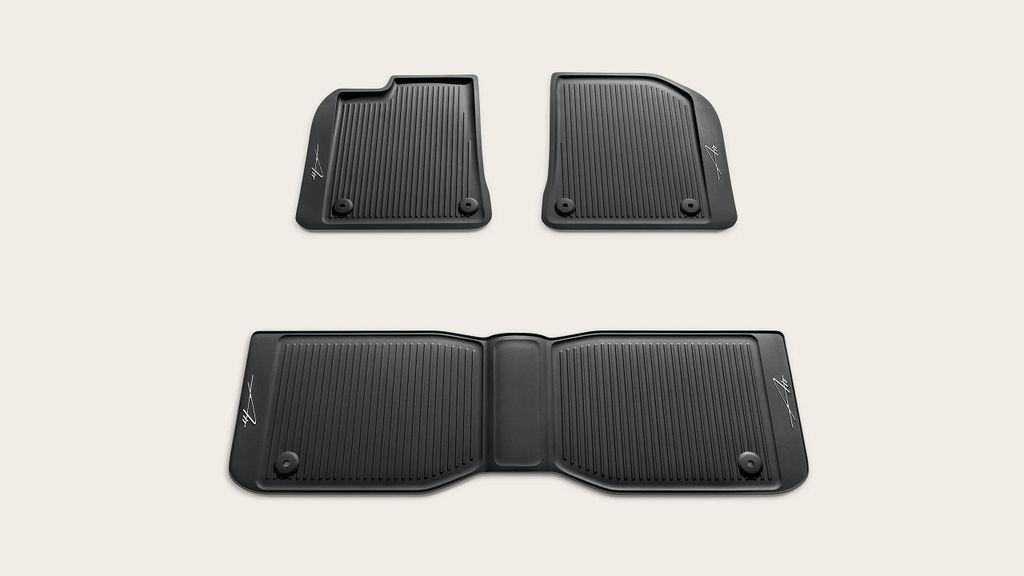
Lucid is initiating a recall of more than 4,000 floor mats.
-
The initial version of the company’s All-Weather mats had the issue of sliding over the accelerator pedal of the Air EV.
Lucid
, the creator of the
Air
and
Gravity
Luxury electric vehicle maker is recalling 4,294 floor mats as they could shift within the footwell and potentially obstruct the accelerator pedal. As stated, you read that right, the
floor mats
are being recalled, rather than the cars they were installed in.
According to
documents
As per the report published by the National Highway Traffic Safety Administration (NHTSA), the Air EV floor mats manufactured by Lucid up until February 2025 are responsible for the issue. These mats feature raised sections at the bottom but lack a cut-out where an anchoring mechanism could be attached.
Sadly, there isn’t much vehicle owners can do apart from removing the mat from the driver’s footwell. Lucid stated they will refund customers who purchased the risky all-season floor mats. Additionally, a newer version featuring a cut-out section is available. The design allows it to securely attach to the underlying carpet, preventing movement.
More Recalls
-
46,000 Tesla Cybertrucks Recalled Due to Loose Trim Pieces That Can Fly Off
-
Kia recalls 22,000 EV9 SUVs due to missing seat bolts.
-
Jaguar Plans to Repurchase Numerous I-Pace Electric Vehicles at Risk of Catching Fire
-
The Most Affordable Lucid Air Model Has Been Recalled Due to Insufficient Length of the Drive Motor Wiring Harness
Lucid’s revised all-weather mats feature perforations for attaching to the integrated anchor points on the flooring. In contrast, the mats subject to recall lack these perforations.
Photo by: Lucid Motors
“A Lucid representative stated in an emailed statement that the safety of our customers and their families is paramount,”
Automotive News
Lucid has started reaching out to the owners of cars for which these floor mats were initially intended, informing them about the recall and offering additional details.
The problem was initially identified in August of last year by a sales representative operating a Lucid Air in Europe. According to the electric vehicle manufacturer, there were 13 cases where the all-weather floor mat showed some displacement; however, no obstruction affecting the accelerator pedal occurred. Although Lucid has not recorded any accidents resulting from this matter, the company has opted for a recall due to the potential hazard posed by the moving mats, which could hinder the accelerator’s ability to return to its default position.
In 2021, the Lucid Air was introduced as a high-end four-door electric vehicle featuring exceptional driving range and rapid charging capabilities. Boasting an estimated maximum range of 512 miles per full charge, this model stands out as the most extended-range EV available for purchase within the U.S. market at present. Additionally, thanks to its advanced 900-volt battery setup, the car offers swift recharge times provided access to compatible DC quick chargers; specifically, Lucid claims that under ideal conditions, the Air can add approximately 200 miles worth of range after just twelve minutes of charging.
oleh admin | Mar 27, 2025 | business, economics, global economy, politics, us economy
The United States’ GDP increased by 2.4% in the final quarter of 2024, marginally surpassing the initial estimate of 2.3%.
However, it remains uncertain if the US will be able to maintain steady economic expansion as President Donald Trump engages in trade conflicts, reduces the size of the federal workforce, and pledges large-scale deportations of immigrants who are working unlawfully within the country.
The Commerce Department stated that the GDP growth slowed down to a rate of 3.1% during October-December 2024 compared to the previous quarter.
Throughout the entire year of 2024, the economy, being the largest globally, expanded by 2.8%, which was slightly less than the 2.9% growth recorded in 2023.
Consumer expenditure increased at a rate of 4%, up from 3.7% during the third quarter of 2023. However, business investments declined, primarily due to an 8.7% decrease in equipment purchases.
A decline in business stockpiles reduced the fourth-quarter GDP growth by 0.84 percentage points.
A specific segment of the GDP data reflecting the economy’s fundamental resilience increased at a robust 2.9% annual pace in the final quarter, slightly down from the government’s initial projection of 3.2%, and below the 3.4% growth recorded in the preceding quarter.
This classification encompasses household expenditures and individual investments yet omits fluctuating elements such as export figures, stock levels, and governmental outlays.
The report released on Wednesday indicated persistent inflationary pressures towards the close of 2024. The Federal Reserve’s preferred measure of inflation, the Personal Consumption Expenditures (PCE) Price Index, saw an uptick at an annual pace of 2.4%, marking an increase from 1.5% in the previous quarter and exceeding the Federal Reserve’s targeted figure of 2%.
excluding fluctuating food and energy costs, often referred to as core PC inflation, stood at 2.6%, up from 2.2% in the previous quarter.
The government released its third and final assessment of fourth-quarter GDP on Thursday.
The forecast has become more overcast. Trump’s choice to impose tariffs on various goods, including a 25% duty on imported vehicles revealed on Wednesday, might lead to increased inflation and disturb investments, thereby impeding economic expansion.
oleh admin | Mar 27, 2025 | culture, laws and regulations, regulation, rules and regulations, tourists
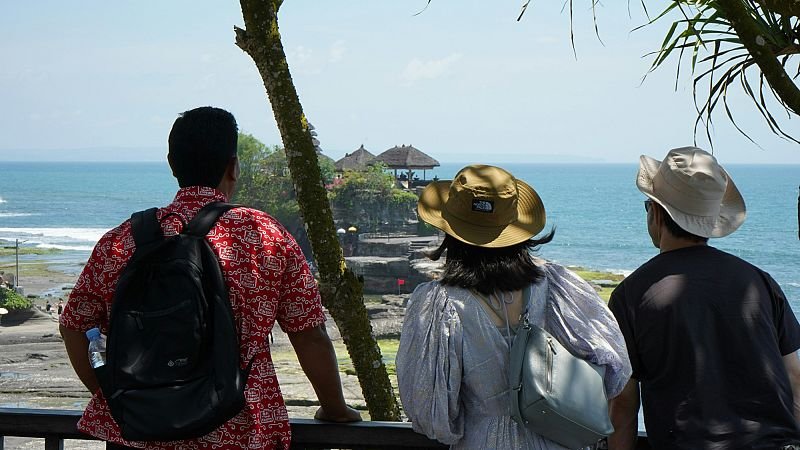
Bali has implemented a set of new rules for visitors in an effort to curb improper conduct.
The authorities state that these stringent measures are designed to protect the cultural integrity and holy locations of the Indonesian island.
The rules cover clothing and behaviour when visiting temples and religious complexes, including prohibiting menstruating women from entering.
The mayor has warned that some transgressions could be met with legal consequences under Indonesian law.
Updated regulations for managing foreign visitors in Bali
The new regulations were introduced by Bali Governor I Wayan Koster on March 24th.
“We issued a similar regulation before, but as things change, we need to adapt. This ensures that Bali’s tourism remains respectful, sustainable, and in harmony with our local values,” Koster said.
The guidelines emphasize maintaining respectful conduct when visiting holy sites and require the payment of
Bali
’s tourist levy.
Tourists are required to hire only licensed guides and stay in approved accommodations, adhere to traffic regulations, and trade money exclusively at designated locations.
“I am putting this directive into effect immediately to manage foreign tourists during their stay in Bali,” Koster said additionally.
Updated regulations prohibit improper images and disposable plastic items.
The updated regulations mandate that visitors should dress modestly and show respect by behaving appropriately in various locations such as places of worship, eateries, commercial zones, or streets.
Visitors are
banned
The mayor stated that swearing, causing disruptions, or displaying rudeness towards locals, officials, or other visitors is not allowed. Additionally, he mentioned that “posting hateful messages or false information on social media platforms will also be forbidden.”
Activities that are prohibited encompass accessing holy temple zones without authorization, discarding waste indiscriminately, and operating without valid permits.
Single-use plastics such as plastic bags, Styrofoam containers, plastic straws, and beverages in plastic packaging have been prohibited.
Under the new guidelines,
foreign tourists
must respect and adhere to Balinese customs, traditions, and cultural practices, particularly during rituals” and “ensure appropriate attire when going to temples, tourist sites, or public areas.
Furthermore, foreign visitors are not allowed to enter sacred temple zones unless they are worshipping and dressed in traditional Balinese clothing. The guideline further states that menstruating women are also barred from accessing these regions.
Visitors must refrain from climbing sacred trees or monuments and are prohibited from taking inappropriate or nude photographs at religious locations.
Visitors who do not pay the required levy may encounter legal repercussions.
In February, Bali implemented a single-entry charge of 150,000 Indonesian rupiah (€9) for tourists from abroad aimed at supporting preservation initiatives.
Under the new rules, tourists failing to pay the tourism tax will not be allowed entry into attractions, and individuals found breaking these regulations will encounter legal repercussions as per Indonesian laws.
Recently, Balinese authorities proposed a
daily tourist tax
Similar to the $100 (€95) Sustainable Development Charge levied on most foreign tourists visiting Bhutan.
‘We expect our guests to show the same respect that we extend to them’
The directive comes just a few days before Nyepi – a sacred holiday known as the day of silence – on 29 March. The festival sees the island come to a standstill for 24 hours, requiring everyone, including tourists, to stay indoors.
We’ve put together a specialized team for this mission.
tourists
“Those who misbehave will face immediate firm action,” Koster said according to The Bali Sun, a local newspaper.
He mentioned that the island’s civil service police force will keep an eye on tourists’ behavior and ensure they comply with the new rules.
“Bali is a stunning and holy island, and we ask our visitors to demonstrate the same level of respect that they receive,” Koster stated.

oleh admin | Mar 27, 2025 | coffee, food and drink, product recalls, public health, public health and safety
-
EXPLORE FURTHER: Critical alert released following significant coffee recall due to contamination issues
Many coffee items widely available throughout the Midwest and Great Lakes regions are subject to recall due to an issue with their labels.
A total of 692 decaffeinated product units are being removed from store shelves following tests that showed many containers actually held regular caffeinated coffee and were incorrectly labeled.
This might be hazardous to one’s well-being, since individuals with cardiac issues, hypertension, or those who are expecting are recommended to steer clear of caffeine due to possible adverse reactions.
Consuming a full-strength coffee
may cause
These individuals may experience palpitations, spikes in blood pressure, or various complications.
The
recall
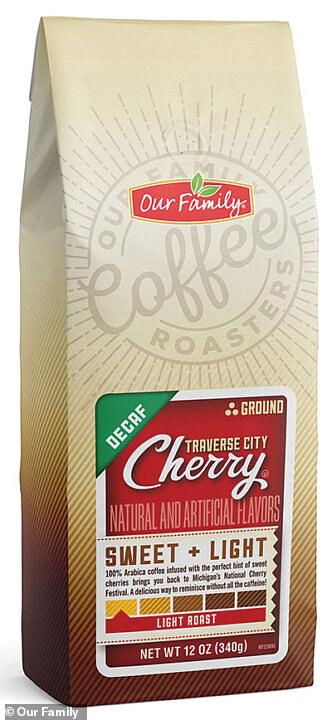
Was started by Massimo Zanetti Beverage USA and includes 12-ounce packages of their Cherry-flavored Our Family decaffeinated ground coffee.
It was released in 15 states, including
Illinois
,
Michigan
,
Ohio
and
Wisconsin
, and impacts the lightly roasted variety with artificial flavoring.
If consumers own a recalled item, they haven’t been informed about the appropriate actions to take. Generally, this would involve discarding the product or getting a refund by returning it to the retailer.
The FDA initially disclosed the recall on March 12, and now the risk level of this issue has also been categorized.
This recall has been categorized as Level II, indicating that the products may pose some risks to specific individuals but are unlikely to lead to severe health issues.
Customers are advised to examine the rear portion of their Massimo Zanetti Beverage ‘decaf’ coffee containers to determine if they fall under the recall.
The recalled items have the UPC code 0 70253 11080 1 and are labeled with BEST BEFORE 080325 V 15:37 C’.
The states where the items were distributed include: Colorado, Iowa, Illinois, Indiana, Kansas, Kentucky, Michigan, Minnesota, North Carolina, North Dakota, Nebraska, Ohio, South Dakota, Wisconsin, and Wyoming.
The distribution was handled by the Michigan-based SpartanNash Company, and these items are marketed under the Our Family brand, widely recognized in the Midwest and Great Lakes areas.
The FDA cautions online: “Decaffeinated coffees and teas possess lower levels of caffeine compared to their standard versions, yet they still retain a small amount of caffeine.”
For instance, decaffeinated coffee usually contains between two to 15 milligrams in an 8-fluid-ounce serving.
‘If consuming caffeine leads to adverse effects for you, it might be best to steer clear of such drinks entirely.’
A typical cup of coffee has approximately 95 milligrams of caffeine.
Initially, all coffee contains caffeine. The decaffeination process involves immersing coffee beans either in water or a solvent to remove the caffeine content.
This could be due to the extraction of caffeine failing during processing at the facility, or because the coffee beans never underwent this procedure and were simply incorrectly labeled.
The symptoms of excessive coffee consumption can involve a heightened heartbeat, heart palpitations, sleeplessness, anxiety, tremors, stomach discomfort, or nausea.
Approximately 66 percent of Americans, which equates to about two-thirds, consume at least one cup of coffee daily.
Out of this group, approximately 10%, which equates to around 26 million individuals, reportedly consume decaf coffee every day.
Recently, this trend has gained traction due to the growing longevity movement, advocating reduced coffee intake to improve sleep quality. However, some individuals opt for decaf coffee for health benefits as well.
Read more