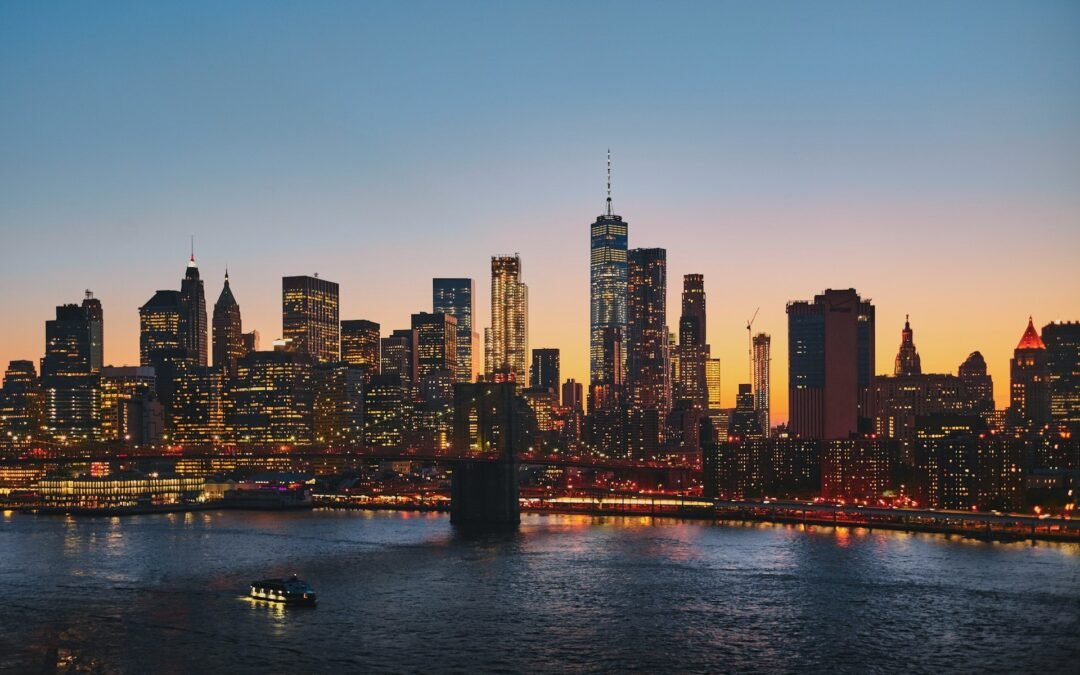
oleh admin | Nov 22, 2024 | architecture, buildings, cities and towns, skyscrapers, tourist attractions
Tall buildings transformed cityscapes into landmarks of financial strength and impressive engineering. For enthusiasts of bold architecture, here are 7 destinations to explore these sky-high wonders.
Are you fond of skyscrapers? Below are some articles that could be interesting for you.
be of interest
:
-
A groundbreaking construction project for the world’s tallest wooden skyscraper is set to begin shortly, marking an innovative leap in architecture.
-
This is the world’s highest skyscraper, an architectural marvel.
-
Europe’s most dazzling skyscraper, a mirror of illumination
Hong Kong
Number of skyscrapers:
558
Hong Kong leads the world with the highest count of skyscrapers.
In a densely populated urban area with limited developable space, the towering metropolis presents a blend of contemporary high-rises like the International Commerce Centre (484 m) alongside numerous residential structures housing much of its populace. This vibrant city is renowned for its dazzling nighttime illumination, most notably showcased through the Symphony of Lights spectacle that highlights its signature skyscrapers. In this location, adopting a vertical layout serves both practical needs and defines its character.
Shenzhen
Number of skyscrapers:
414
Located in China’s Guangdong Province close to Hong Kong, Shenzhen exemplifies swift metamorphosis. Over four decades, this area evolved from a modest hamlet into a cutting-edge urban center brimming with towering edifices. Among these architectural marvels, the Ping An Finance Center (599 meters), symbolizes both financial prowess and advanced technology within the region. Additionally, Shenzhen distinguishes itself through pioneering green design principles integrated into contemporary constructions. This bustling development underscores its pivotal position within the expansive Greater Bay Area initiative, which seeks to unite key metropolitan hubs across southern China economically.
New York
Number of skyscrapers:
318
New York represents the quintessential American Dream via its renowned skyscrapers. Spanning from the completion of the Empire State Building in 1931 to the inauguration of the One Vanderbilt building in 2020, the city serves as a breeding ground for architectural advancement. The Manhattan skyline, bordered by the Hudson and East rivers, stands out globally as an emblem of wealth and aspiration. These towering edifices aren’t merely physical constructs; they narrate the story of this metropolis—from enduring tough times during the Great Depression up until the rebuilding phase following September 11th at Ground Zero. As such, Manhattan continues to inspire architects worldwide along with those visiting and always looking upwards amidst the bustling avenues of America’s largest urban center.
Dubai
Number of skyscrapers:
263
Dubai stands out as a forward-thinking metropolis, constantly stretching the boundaries of architectural innovation daily. Standing tall over the arid surroundings is the Burj Khalifa (828 meters), which holds the title for being the globe’s highest building—a stunning achievement in technology. Alongside this, ongoing developments like The Palm Tower and Marina 101 continue to expand the skyline dramatically. These towering structures not only reach great heights but also feature high-end accommodations including luxurious hotels, private residences, and extensive retail spaces—reflecting the lavish lifestyle emblematic of the UAE.
Shanghai
Number of skyscrapers:
194
Located on China’s eastern coastline, Shanghai stands out as a remarkable fusion of contemporary development and historical heritage. The Lujiazui financial zone boasts the impressive 632-meter-tall Shanghai Tower, making it a key player in international commerce. However, what truly distinguishes this metropolis is how seamlessly it merges state-of-the-art high-rises with age-old structures like the famous Bund—a prominent area reflecting past colonial influences. This juxtaposition underscores China’s swift emergence as a dominant force in economics.
Chicago
Number of skyscrapers:
183
Chicago is the city where it all started. In 1885, the world’s first
first skyscraper
The Home Insurance Building, which stands in this location, still represents a significant milestone in tall building construction. Modern structures such as the Willis Tower (442 meters) and contemporary developments like the Vista Tower keep Chicago at the forefront of architectural innovation. Additionally, the city is distinguished by its plentiful parks and meandering waterways that weave among the high-rises, offering an exceptional fusion of natural beauty and metropolitan life.
Tokyo
Number of skyscrapers:
176
Tokyo stands out as a premier showcase of resilience and innovation. Constructing high-rise buildings in an area known for frequent seismic activity presents significant challenges, yet the city has tackled these issues impressively. Structures like the Tokyo Skytree (634 m) and the Roppongi Hills Mori Tower incorporate cutting-edge earthquake-resistant technology. Additionally, Tokyo seamlessly blends
modernity with local culture
Its towering buildings frequently feature classic eateries, suspended green spaces, and observation decks providing stunning vistas of Mount Fuji.
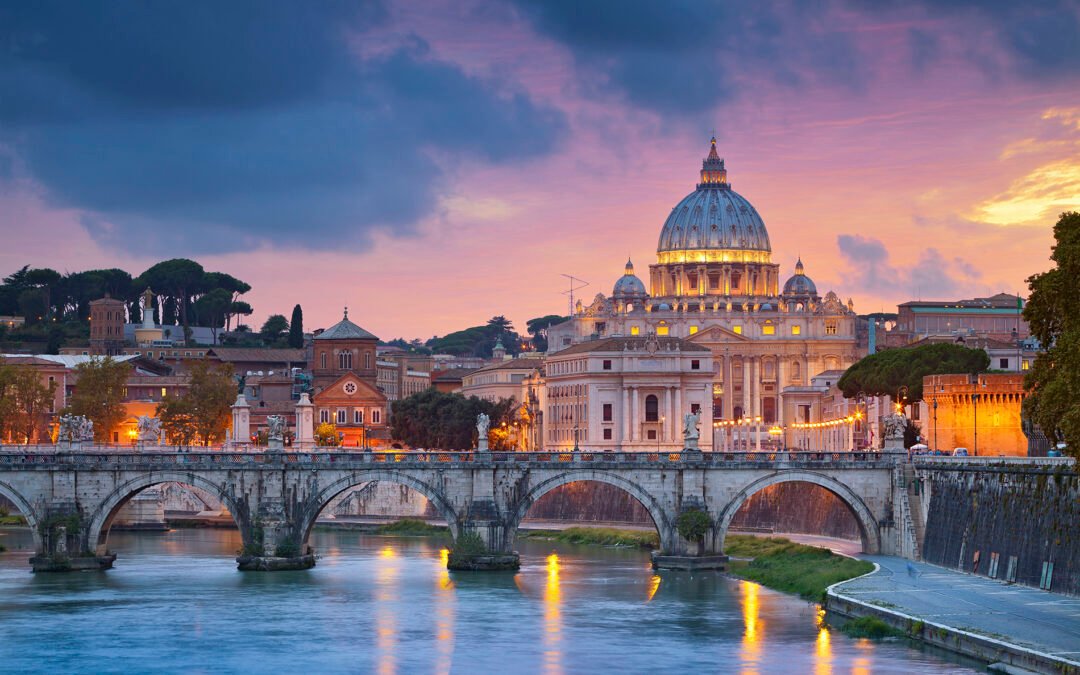
oleh admin | Nov 3, 2024 | architecture, catholic churches, catholicism, monuments, roman catholic church
Witnessing centuries of history, these iconic structures showcase elements from Gothic, Romanesque, or Baroque architectural styles through their tall spires, intricate sculptures, and vibrantly colored stained-glass windows. Whether it’s St. Peter’s Basilica in Rome or the Sagrada Familia in Barcelona, explore some must-see basilicas across Europe!
St. Peter’s Basilica in Rome, the core of Christian faith
This basilica in the
Vatican
Built above what is believed to be the site of Saint Peter’s tomb, this monument stands as one of the most significant structures in Christian tradition. Construction started in the 16th century.
th
In this century, the basilica stands as a testament to numerous Renaissance artists who contributed their talents, with Michelangelo being one among them for designing the dome. Its vast interior houses an abundance of artworks, including Michelangelo’s renowned piece.
Pietà
Carved from one solid piece of marble, this work stands as testament to skillful craftsmanship. Above the main altar, Bernini’s grandiose pulpit offers yet another artistic marvel for visitors to admire. Ascend to the top of the dome for an unparalleled view across the cityscape of Rome.
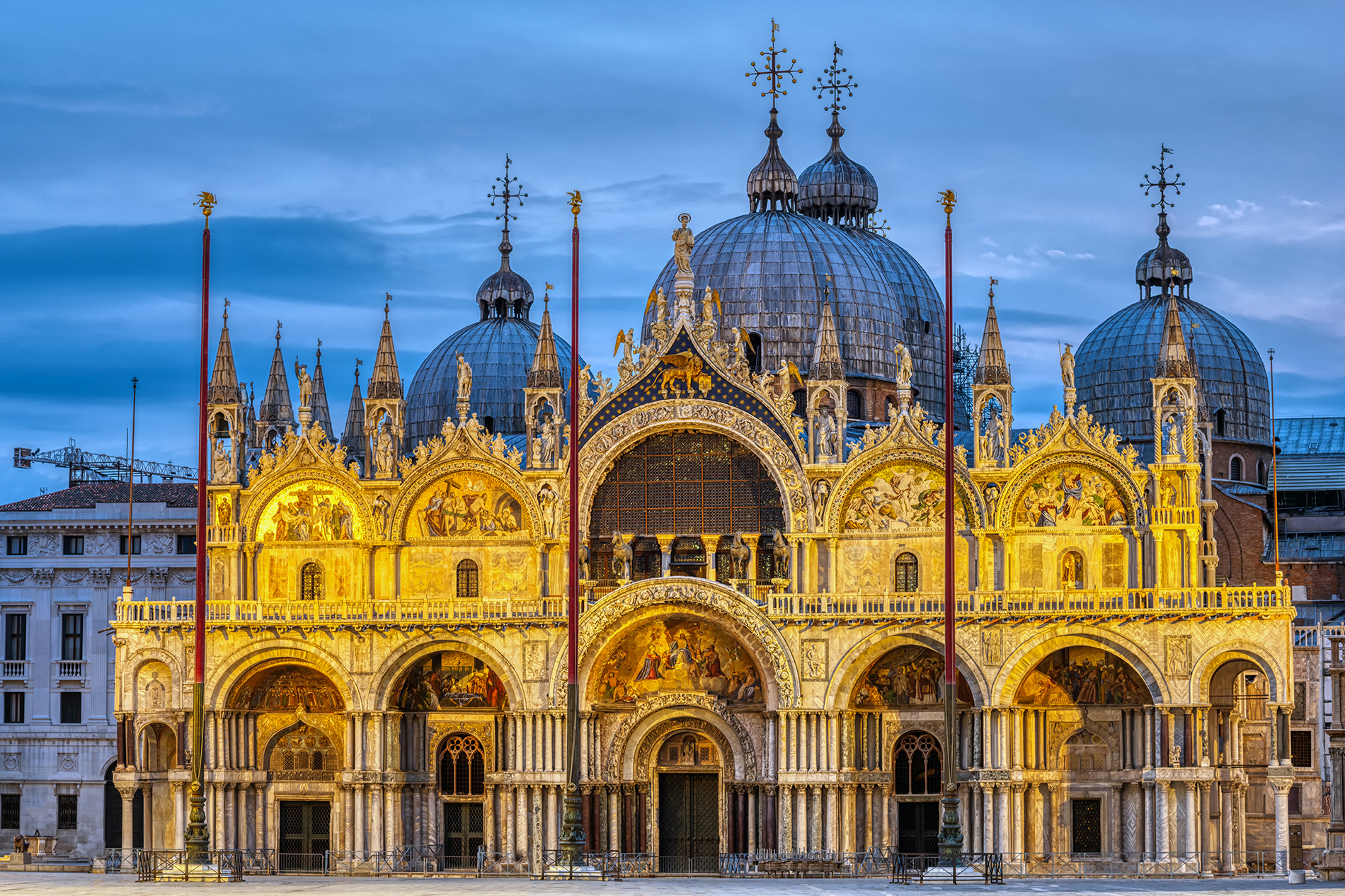
The St Mark’s Basilica in Venice, a stunning example of Byzantine architecture.
Built in the 9
th
For over a century to accommodate the relics of Saint Mark, this grandiose basilica stands as one of the prominent emblems of Venice, often referred to as the Serenissima. Located on Piazza San Marco, the facade of the basilica showcases the bronze horses that were transported from Constantinople during the 13th century.
th
The building is adorned with numerous sculptures and decorative elements. Within, the atrium and domes feature intricate mosaics illustrating stories from the Old Testament as well as the Pala d’Oro, an opulent golden altar encrusted with gemstones. This fusion creates a cohesive mix of Byzantine, Gothic, and Romanesque architectural styles, offering a window into the enduring artistic grandeur of Venice through the ages.
The
B
Basilica of Saint-Denis, Necropolis of French Kings
In northern Paris lies the city of Saint-Denis, home to what many consider one of the earliest examples of a Gothic church: the Basilica of Saint-Denis. Completed around 1135, this structure now stands as an important mausoleum for French monarchs throughout history. It contains effigies and tombs belonging to various rulers such as Clovis, Saint Louis, and Francis I. Not only does it hold historical significance through these figures, but also architecturally; featuring expansive stained-glass windows and some of the first ribbed vaults constructed in Europe.
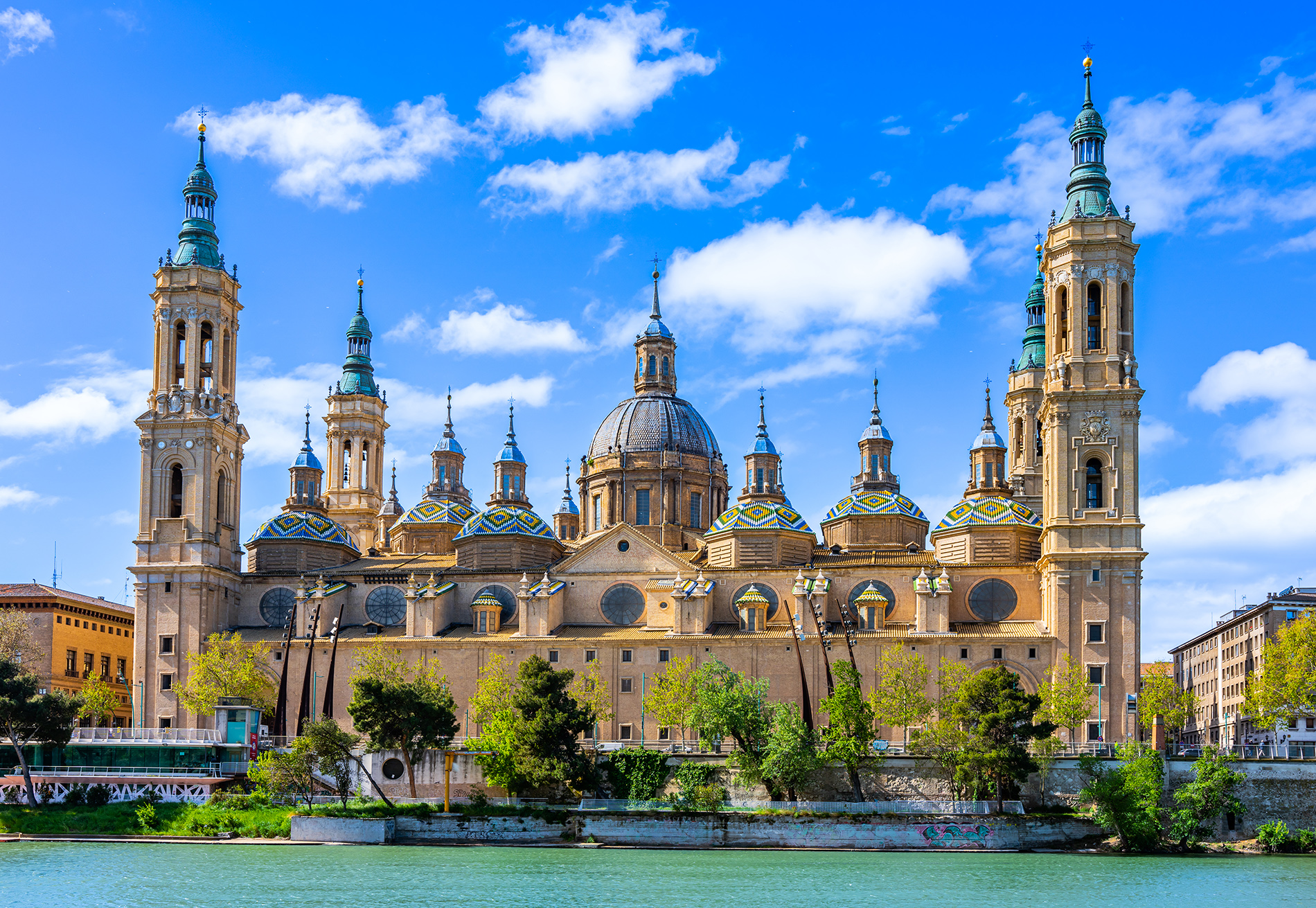
The Basilica of Our Lady of the Pillar in Zaragoza, a sanctuary offering a view over the city.
In the Aragonese city of Zaragoza in Spain, the imposing Basilica of Our Lady of the Pillar stands tall over the River Ebro, facing the Stone Bridge which dates back to 1440. Construction of this basilica began in the 17th century.
th
In a typically opulent Baroque manner, this century-old basilica rises above one of the most ancient Marian sanctuaries globally—a place where legend has it that the Virgin Mary manifested herself in the year 40 AD… specifically on top of a column, hence the church’s designation. Besides the revered column, the interior dazzles with intricate adornments, including numerous frescoes crafted by Francisco de Goya and Francisco Bayeu.
The Church of St. George, a stunning example of Romanesque architecture nestled within Prague Castle, stands as a remarkable jewel.
Situated within the grounds of Prague Castle, St George’s Basilica stands as one of the city’s most ancient religious structures, established in the 10th century.
th
Century. Hidden behind its crimson color 17
th
The basilica boasts a 17th-century Baroque facade, with well-preserved Romanesque architecture from centuries ago resting atop grand vaults and pillars. Within its walls, you can find medieval frescoes and chapels that narrate Prague’s rich millennial past. Additionally, the location enshrines the remains of Saint Ludmila, who is revered as the patroness of Bohemia.
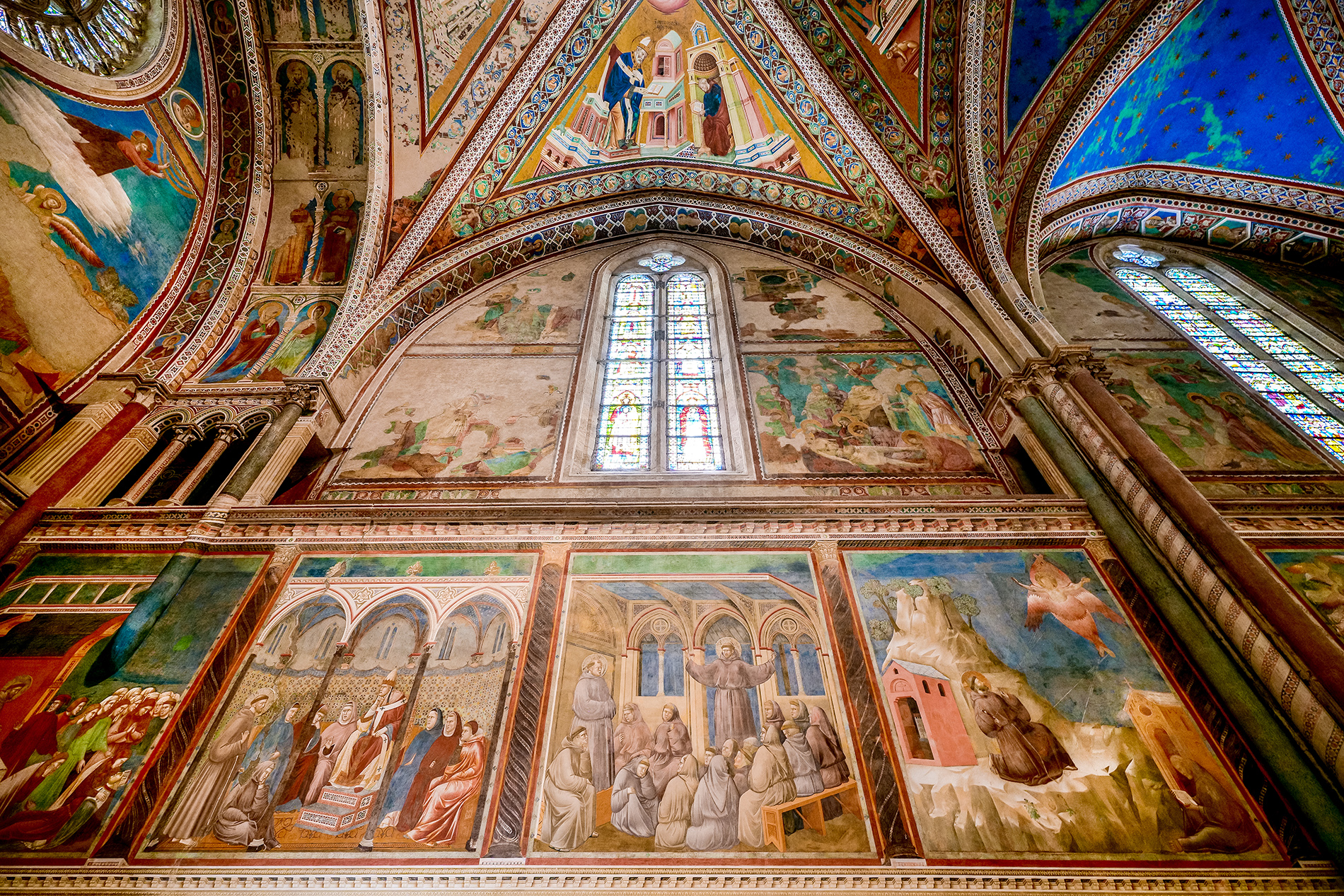
The Basilica of Saint Francis of Assisi, an important pilgrim destination in Italy
Nestled among the hills of Umbria in central Italy, the Basilica of Saint Francis of Assisi has served as an important site for Franciscan pilgrims since the 13th century.
th
This site, recognized as a UNESCO World Heritage location, comprises two churches carved into the rocky hillside of Mount Subiaso. One church features Gothic design, while the other draws inspiration from Lombard Romanesque style. The interior walls are adorned with frescoes by artists such as Giotto and Cimabue, which narrate significant moments from St. Francis of Assisi’s life—from his spiritual transformation to his miraculous deeds.
The Basilica of Santa Maria Maggiore in Rome, a structure enduring through the ages
Founded in the 5
th
This basilica, dating back to the century, stands as one of Rome’s four principal churches. Adorned with an impressive array of historical mosaics inside, many pieces trace their origins to the fifth century.
th
In the century following this period, a gilded ceiling was created using the initial consignment of gold retrieved from the Americas—a present from Spanish monarchs to the Pope in 1494. Additionally, the Basilica of Santa Maria Maggiore is renowned for housing a reliquary that holds a piece of what is believed to be part of Jesus’ manger, as well as boasting the tallest campanile within Rome’s city limits.
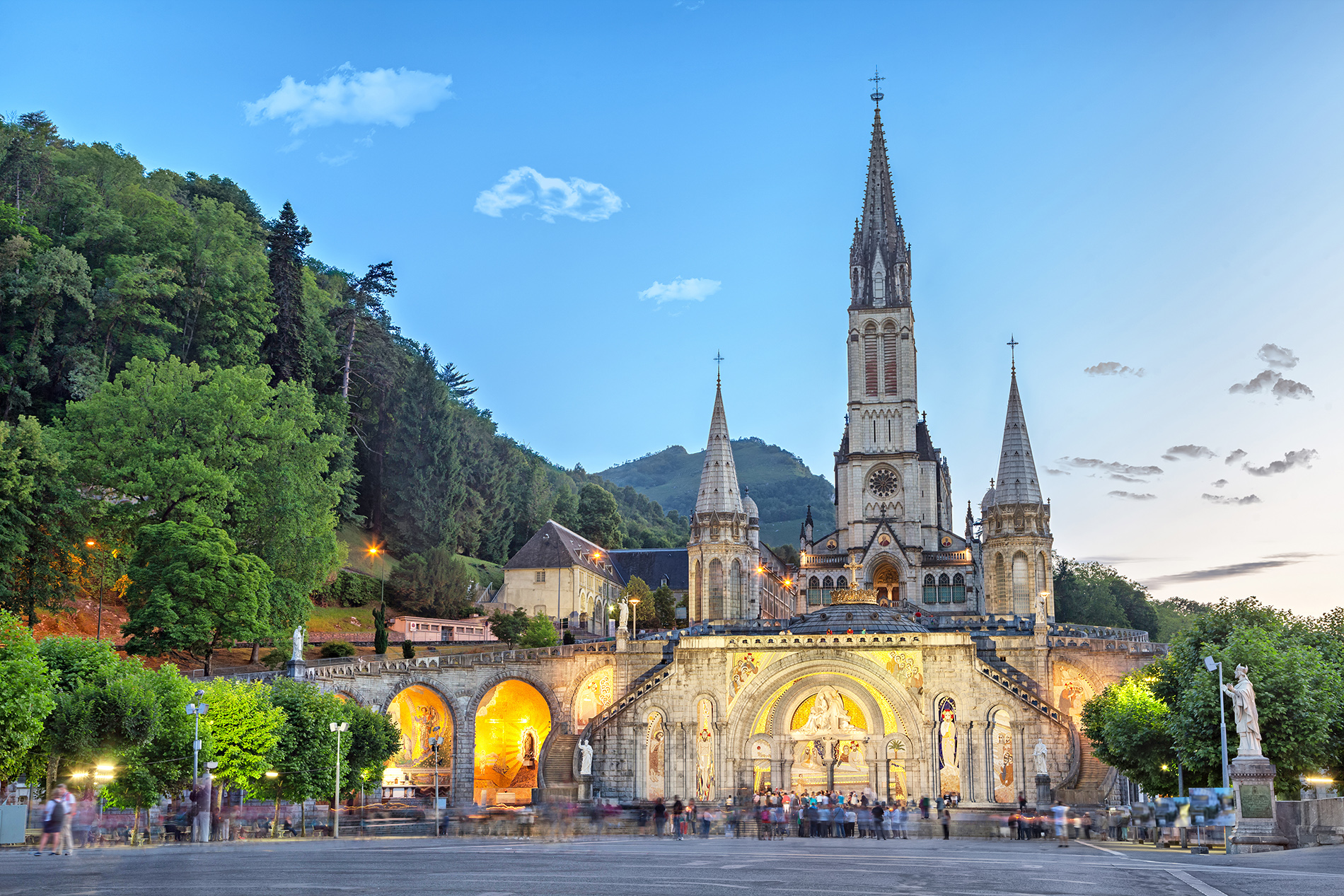
The Basilica of Our Lady of the Immaculate Conception in Lourdes, which serves as a place for pilgrimages,
In the French Pyrenees lies the Basilica of Our Lady of the Immaculate Conception, a significant Catholic pilgrimage site globally, attracting nearly three million visitors annually. Constructed in 1871 using neo-Gothic architecture, this basilica overlooks the Grotto at Massabielle, believed to be the place where the Virgin Mary supposedly manifested herself to Bernadette Soubirous in 1858. The interior features mosaics illustrating the Mysteries of the Rosary, alongside stained-glass windows narrating the tale of the Marian visions that gave rise to the legends surrounding the location.
The Sagrada Familia in Barcelona, which remains an unfinished masterpiece by Gaudi, continues to captivate visitors.
Since 1882, the Sagrada Família basilica has been under construction as an architectural and artistic masterpiece conceived by Antoni Gaudi, who was a leading figure in Catalan modernism renowned for incorporating plant-like forms into his designs.
trencadis
The mosaic work here features fragments of ceramics. This monument boasts an elegant lacy outline crafted from carved stone, captivating viewers with both its grand size and innovative design. Within, you’ll find interiors adorned with colored stained-glass windows and flowing organic shapes, where sculpted pillars mimic tree trunks and “branches” replace conventional buttresses. Upon completion, the atoning church dedicated to the Holy Family will stand as the world’s tallest basilica.
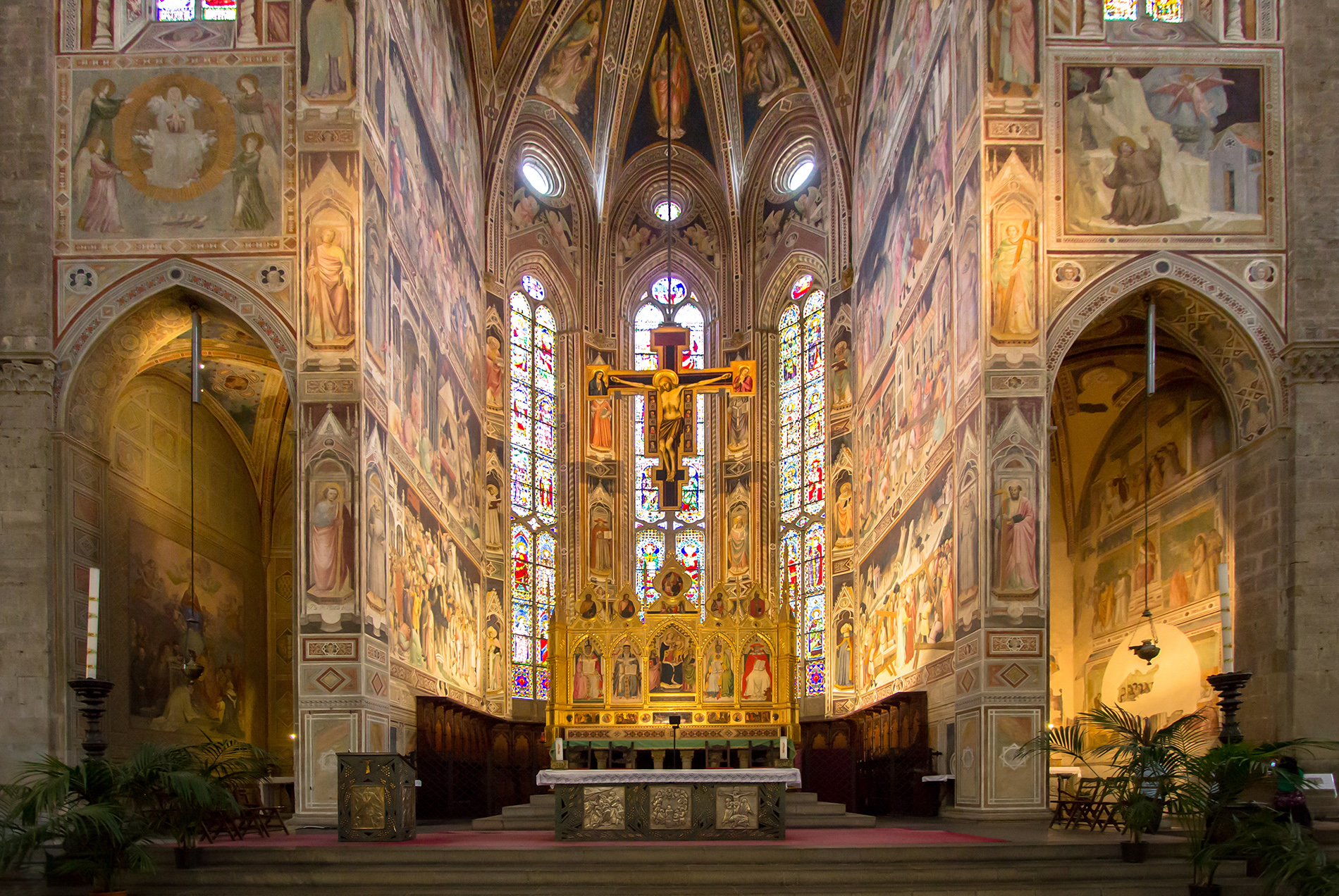
The Basilica of Santa Croce in Florence, a testament to Florentine artistic prowess.
Founded in the 13
th
century within the historical center of Florence, the
Basilica of Santa Croce
serves as an admirable counterpart to the Cathedral of Santa Maria del Fiore, the
famous Florentine Duomo
This structure, constructed concurrently with others from the era, features an impressive exterior clad in white and green marbles. Inside, you can find the burial sites of notable figures such as Michelangelo, Galileo, and Machiavelli. The interior also boasts ornate chapels adorned by Giotto and stunning frescoes illustrating the life of Saint Francis. These elements make this basilica a prime showcase of Tuscany’s rich Renaissance artistry.
The Euphrasian Basilica of Poreč, an early Christian place of worship overlooking the Adriatic Sea, remains a significant landmark.
Built in the 6
th
century in Poreč, along the Istrian coastline
Croatia
When visiting the Euphrasian Basilica, which stands as one of the earliest instances of Early Christian architecture in Europe, your attention will be drawn immediately to the stunning gold-leaf mosaics covering the arch above the altar. These intricate artworks portray the Virgin Mary with her child Jesus flanked by saints, showcasing the profound impact of Byzantine artistic styles on religious creations during that period. Additionally, the site encompasses several structures such as a baptistry, an Episcopal residence, and a monastery garden. Each component reflects different cultural and historical currents that shaped regional life from the advent of Christianity through the Byzantine epoch.
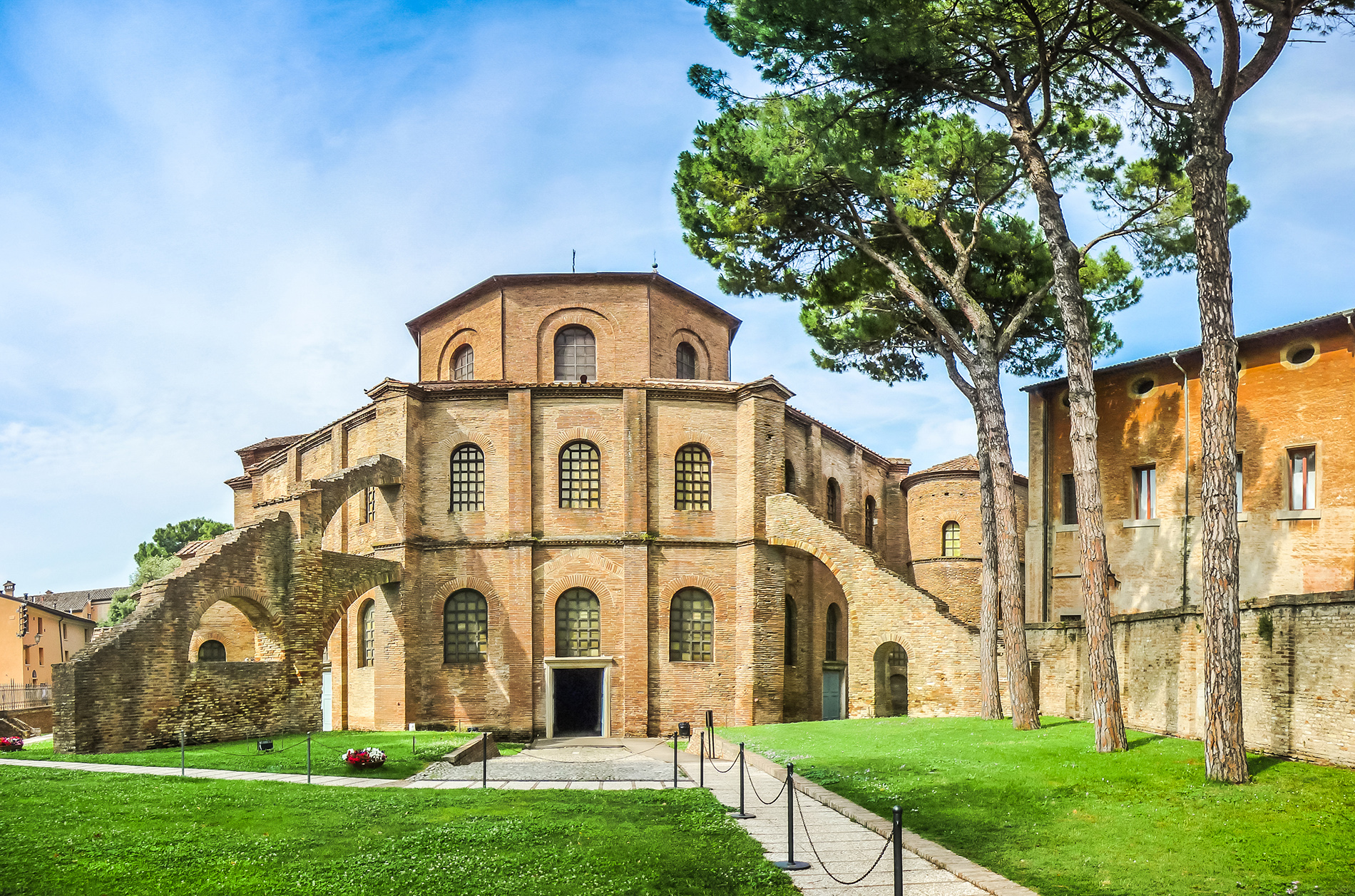
The Basilica of San Vitale in Ravenna stands as an extraordinary example of Byzantine artistry in Italy.
In Ravenna,
Italy
, the Basilica of San Vitale stands as a remarkable example of Byzantine artistic achievement. Constructed during the 6th century,
th
A millennium and a half since the initial cornerstone was laid, this site remains an essential visit for those with an interest in art history. Adorned from floor to ceiling with frescoes, the basilica also boasts some of the most exquisite early Byzantine mosaics globally, featuring portraits of Emperor Justinian and Empress Theodora. Its distinctive octagonal design coupled with intricately veined marble pillars enhances the uniqueness of this monument recognized as a UNESCO World Heritage Site.
The Basilica of Sacré-Coeur in Paris, located atop Montmartre
Standing above the Parisian skyline at the top of the
Montmartre
On Montmartre hill, the Basilica of Sacré-Cœur stands out with its distinctive Romanesque-Byzantine architectural style, which is quite rare in Paris. Constructed between 1875 and 1914, this landmark features pristine white domes and graceful archways that set it apart from the predominantly Gothic-style churches throughout the rest of the city. The interior showcases an impressive mosaic covering the apse area, while visitors can enjoy panoramic views of Paris from within the main dome’s vantage point.
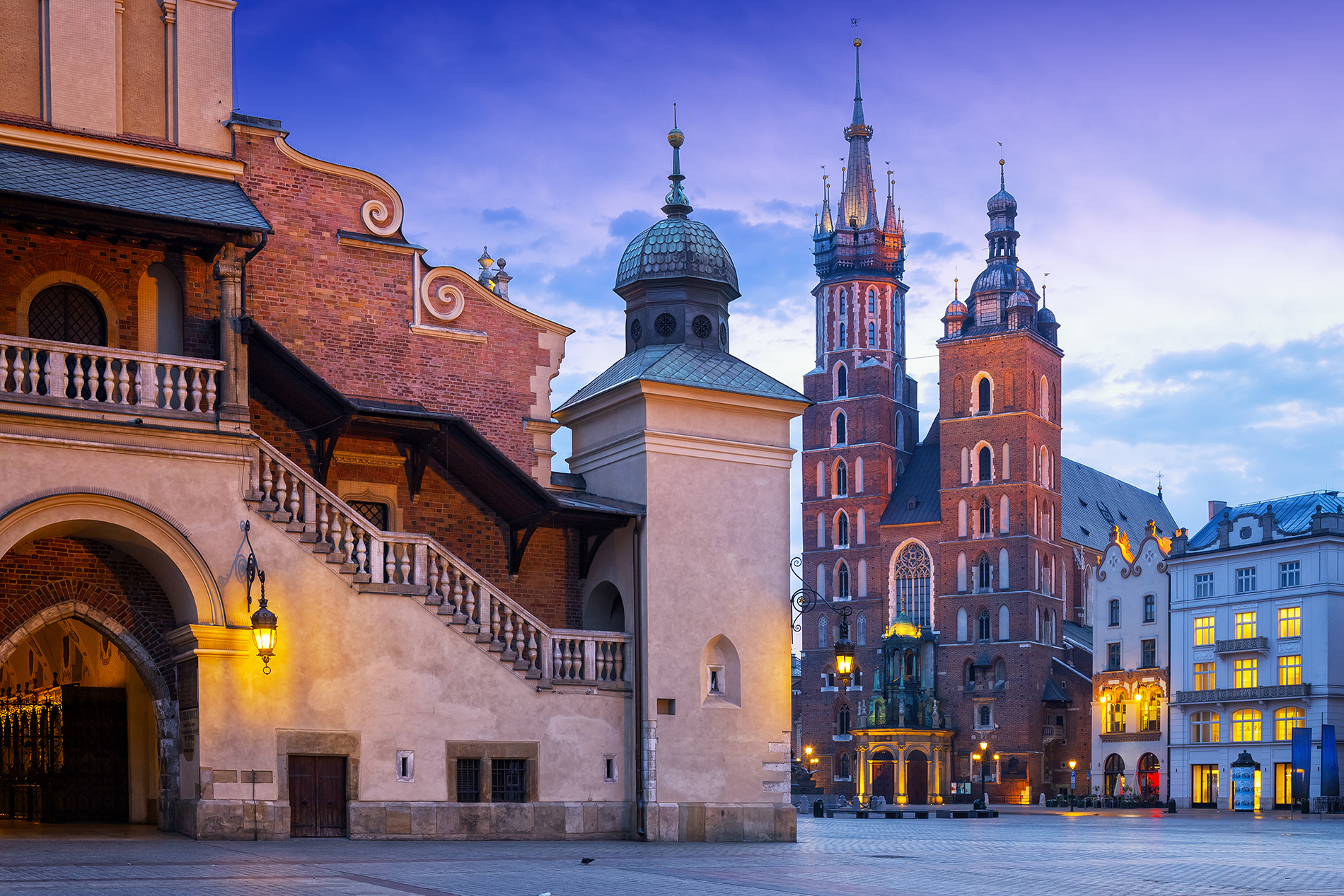
St. Mary’s Basilica in Krakow, a masterpiece of Polish Gothic architecture.
At Market Square, precisely within the historical center of the city,
Krakow
, St. Mary’s Basilica instantly grabs attention due to its uneven spires. Constructed in the 14th century,
th
In this century, it stands as one of the most remarkable instances of Gothic architecture in Poland, featuring a wooden altarpiece crafted by Veit Stoss and vibrantly colored vaults. Each hour, the Hejnał melody echoes from the tower, abruptly ceasing as a poignant homage to a guardian who was killed on the spot during the medieval period.
The Basilica of Notre-Dame de Fourvière in Lyon, perched above the city on the hillsides, oversees the urban landscape.
Since its building in the 19
th
In this century, the basilica situated atop the Vieux-Lyon district on Fourvière Hill has showcased a blend of neo-Gothic and Byzantine architectural styles. The interior boasts an abundance of mosaics, stained glass windows, and gilded decorations, along with a wide array of valuable materials such as marble, gold leaf, stone, wood, glass, and enamel, highlighting the craftsmanship of Lyon’s artists. Constructed in gratitude to the Virgin Mary for protecting the city from the destruction caused by the Franco-Prussian War, the site provides a stunning panorama of what was once known as the capital of Gaul and its environs.
oleh admin | Okt 26, 2024 | architecture, buildings, home and property, mansions, tourist attractions
In Newport, within the U.S. state of Rhode Island, stands an opulent abode that belonged to the Vanderbilt dynasty—a grand testament to industrial-era America towards the close of the 19th century. Join us as we explore this magnificent Gilded Age estate!
Upon reaching Newport Island,
New England
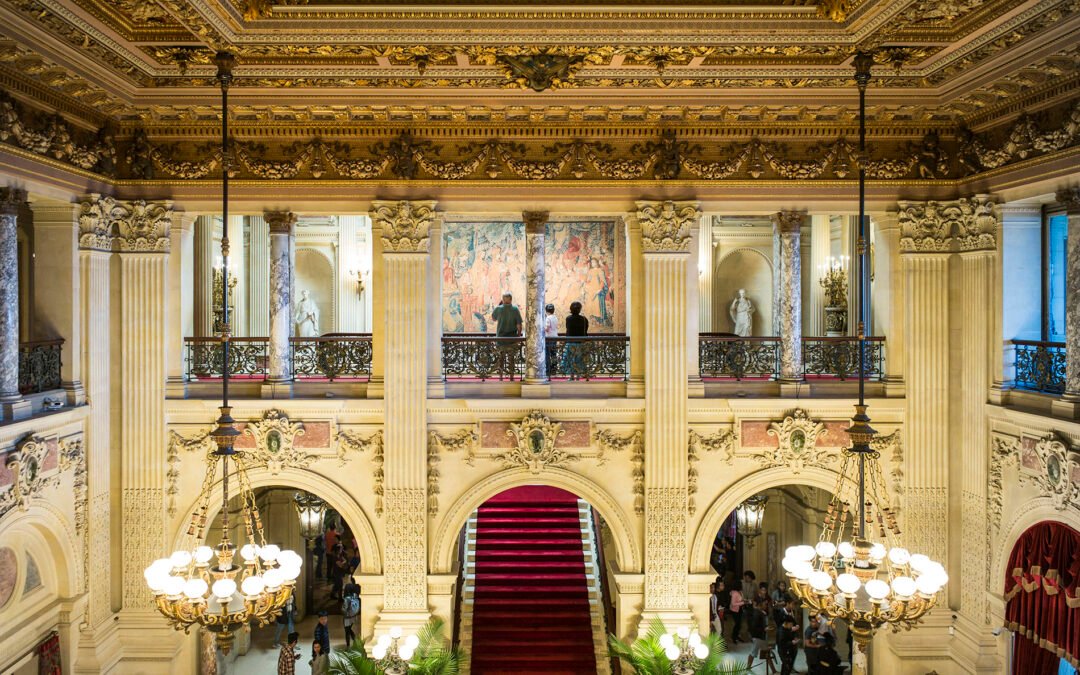
In Rhode Island, the striking outline of The Breakers stands out prominently. Perched atop a cliff with views of the Atlantic Ocean, this grand mansion was constructed from 1893 to 1895. It exemplifies the extreme opulence characteristic of America’s industrial elite during the Gilded Age—the prosperous era marking the end of the 19th century.
th
century in the United States.
The Breakers, an immense undertaking by Richard Morris Hunt
Constructed within just two years, this extensive estate belonged to Cornelius Vanderbilt II, who was the grandson of the railroad tycoon. In 1893, the inheritor of America’s wealthiest family took ownership of this residence.
United States
Commissioned Richard Morris Hunt, renowned for designing the facade of the
Metropolitan Museum of Art
and the base of the
Statue of Liberty
In New York, he aimed to construct his second home. The task was straightforward: to develop a dwelling on the petite island of Newport, situated between
Boston
and
New York
, which could compete with Europe’s finest estates. Back then, the island served as an exclusive summer retreat for America’s elite socialites, including the Vanderbilt clan, who were among numerous wealthy individuals from the East Coast seeking refuge there during summertime. This ambitious undertaking mirrors the immense fortune possessed by the family; they commissioned a sprawling mansion spanning 1,200 square meters across five stories, complete with 70 chambers. Its design draws inspiration from Italian architecture, specifically echoing elements seen in Florence and Rome during the Renaissance era.
Within The Breakers, indulge in unparalleled opulence.
Primarily constructed using marble obtained from top-tier quarries in Italy and France, the residence was built without regard for cost. Renowned artisans were enlisted to create intricate sculptures, paintings, and decorations throughout the home. Each ceiling boasts elaborate frescoes, complemented by meticulously crafted mosaic floors and silk-clad walls that enhance the dramatic ambiance of every chamber.
The entryway stands as an impressive showcase of architecture. Spanning three stories, it features marble Corinthian pillars and a coffered ceiling decorated with frescoes reminiscent of those found in Venetian palaces. Abundant natural light pours in from large windows facing the sea, illuminating the grandeur of the area.
The other rooms also exude magnificence. Within the ballroom, where the Vanderbilt clan hosted lavish gatherings, every element was designed to awe: exquisite wooden floors, opulent French crystal chandeliers, and elegant Italian marble mantelpieces. Moving on to the dining area, it has ample space for about forty diners at an expansive table illuminated by gilded chandeliers casting a warm glow. Another noteworthy chamber is the library. Its intricately crafted mahogany shelves hold a selection of vintage spellbooks, offering a serene ambiance that stands out against the splendor of the rest of the residence. It was here that Cornelius Vanderbilt II often engaged in commerce and socialized with prominent individuals.
A stunning natural backdrop overlooking the Atlantic Ocean
Beyond its extravagant design, what truly distinguishes The Breakers from other Newport mansions is its prime location. Situated on the southernmost part of the island, atop a cliff, the mansion provides unobstructed ocean vistas. The grounds feature meticulously maintained gardens laid out in a formal style reminiscent of classic French designs, complete with pathways made of white gravel bordered by well-groomed shrubs. As you approach the lawn’s perimeter, stone stairs lead down to rocky coastal areas where crashing waves perpetually pound against the shore—a sight that gave rise to the estate’s evocative name.
Here’s what you should know before heading to The Breakers.
Since opening to visitors in 1948, The Breakers has become a premier attraction in Newport. Various guided tours offer insights into the Vanderbilt family’s life. A traditional tour leads you through key areas such as the Grand Salon and the Billiard Room. An additional exploration reveals hidden passageways used by the staff for maintaining daily operations unseen by guests. These subterranean spaces resemble an intricate network beneath the estate, featuring advanced systems including electricity, plumbing, and elevators that were innovative at the time. Lastly, take leisurely walks around meticulously maintained gardens offering stunning vistas overlooking both Narragansett Bay and the vast expanse of the Atlantic Ocean.
The Breakers
44 Ochre Point Avenue
Newport, RI 02840
The Breakers

oleh admin | Jul 19, 2024 | architectural design, architecture, beautiful places, buildings, skyscrapers
Across cities from Dubai to Shanghai, towering skyscrapers are reshaping the urban landscapes around the globe. These architectural marvels stand as emblems of financial strength, defying gravitational limits with their steel and glass structures.
Ever since the completion of the Home Insurance Building in Chicago in 1885—the inaugural skyscraper—vertical construction has continually expanded the boundaries of architectural possibility. These towering structures do more than just serve their main purpose; they vie with each other in terms of daring design and visual appeal. Below are some of the most striking skyscrapers that nearly kiss the clouds above ultramodern urban centers.
Burj Khalifa, the desert spear
When discussing skyscrapers, one cannot avoid mentioning the tallest among them. Standing at 828 meters high,
this Dubai landmark
intrigues with its breathtaking grace. Conceived by the architectural studio Skidmore, Owings & Merrill, the Burj Khalifa features 163 stories housing offices, upscale apartments, and the planet’s premier Armani Hotel. The tower’s sleek profile, drawing inspiration from a desert blossom known as the spider lily, embodies the grand aspirations of this modest emirate, which serves as its de facto capital.
bling
At night, its sparkling exterior stands out as a luminous landmark in this city rising from the sands.
Shanghai Tower, glass dragon
The Shanghai Tower, with its distinctive spiral form, resembles a dragon poised for flight, emphasizing both its groundbreaking architectural style and its deep connection to Chinese cultural symbols. Standing at 632 meters tall, this structure isn’t just visually striking; it represents cutting-edge concepts in modern city planning. Its dual-layered glass exterior, built-in wind generators, internal garden levels, and water recycling systems make it an exemplar of eco-friendly construction. Additionally, within its 128 floors resides the planet’s loftiest open-air observation deck, bringing visitors tantalizingly close to the heavens.
One World Trade Center, located in New York, rises like a phoenix.
A symbol of resilience, the One World Trade Center rises majestically at the location where the September 11, 2001 attacks took place in Lower Manhattan.
New York
Its eight-sided design, prism-like exterior walls, and towering 124-meter steeple render it both restrained and impressive. Standing at an imposing height of 541 meters (or 1,776 feet, echoing the year of America’s Declaration of Independence), it has emerged as a prominent symbol in the Manhattan skyline.
skyline
.
Taiwan Tower 101, bridging tradition and modernity
Standing at 508 meters tall, Taipei 101 held the title of the world’s tallest skyscraper until it was surpassed by the Burj Khalifa in 2009. The architects from C.Y. Lee & Partners drew inspiration from the form of a bamboo stalk, which signifies progress in Chinese tradition when designing this iconic tower. Its jade green hue and architectural elements reminiscent of ancient pagodas exemplify modern interpretations within an Asian aesthetic framework. Additionally, Taipei 101 gained recognition for incorporating a massive harmonizing pendulum—a 660-tonne steel sphere—that helps stabilize the edifice during storms or seismic activities.
The Shard, Crystal palace
Created by renowned Italian architect Renzo Piano, The Shard looms over the London landscape at an impressive 309.6 meters tall. This towering structure’s sleek pyramidal form and entirely glass exterior resemble a massive piece of breaking glass along the Thames River. Comprising 11,000 glass panes, its facade mirrors London’s evolving cityscape, transforming this skyscraper into what seems like an adaptable urban chameleon. It stands as an awe-inspiring work of architecture that has reshaped modern design.
British capital’s skyline
.
The Petronas Twin Towers stand tall as Kuala Lumpur’s iconic pair.
Symbols of modern
Malaysia
The appeal of the Petronas Twin Towers stems from their connection to Malay culture and Islamic artistic elements. These sleek structures, reminiscent of minarets, feature a gleaming façade made of stainless steel and glass that reflects sunlight like “multifaceted diamonds,” as described by architect César Pelli. A notable landmark for tourists is the see-through skybridge connecting the twin buildings at the 41st level, which continues to be both a fascination and a test for those with acrophobia.
oleh admin | Jul 18, 2024 | architecture, catholicism, culture, monuments, roman catholic church
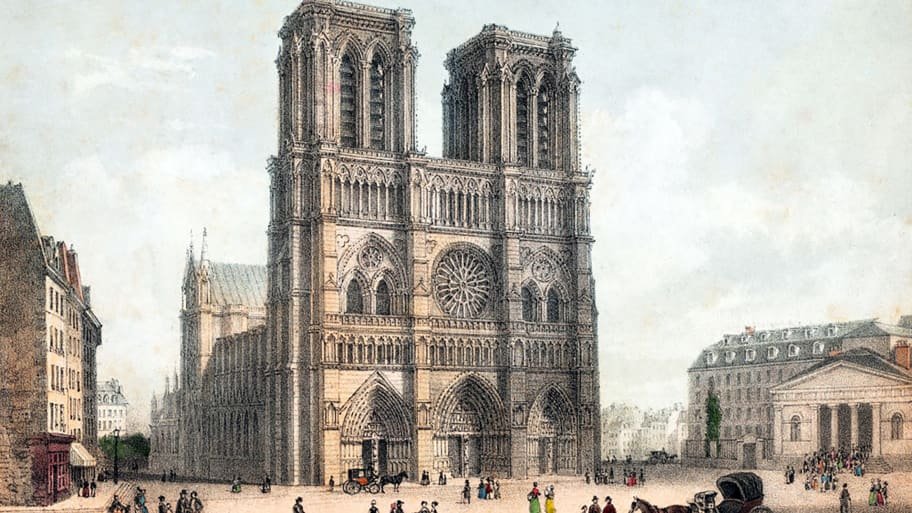
Constructed between the 12th and 14th centuries, Notre-Dame de Paris has centuries of French
history
built into its stone. The Gothic cathedral reflects the prominent role of Paris as an economic and spiritual center in the 12th century, and its scars from the French Revolution are reminders of its long connection with the monarchy—a connection that almost resulted in its demolition. Thousands of tourists entered its doors each day to photograph its rose windows and flying buttresses.
On April 15, 2019, a catastrophic blaze erupted within the structure. The stonework suffered extensive damage, along with its timber rafters, iron pinnacle, and various parts being obliterated. Numerous firefighters endeavored to extinguish the inferno. As soon as the ashes began cooling down, President Emmanuel Macron pledged that reconstruction efforts would commence, emphasizing his commitment.
more beautifully
, in five years.
Now that the refurbishment of the building is almost finished,
reopening day
scheduled for December 2024, and tourists gathering in Paris for the
Summer Olympics
, let’s dive into 13 lesser-known facts about Notre-Dame de Paris.
A heathen city exists beneath the cathedral.
The Île-de-la-Cité where Notre-Dame de Paris currently stands used to be a Gallo-Roman settlement called Lutetia. It’s possible that the cathedral was constructed directly above remnants of an old temple; around 1710, parts of a carved altar devoted to Jupiter and various gods were unearthed during excavations beneath the choir area (though it hasn’t been definitively established whether these artifacts indicate an ancient temple site or if they had simply been relocated there earlier). In the 1960s and ’70s, additional structural relics from this early period were uncovered, with many items tracing their origins back to those times.
archaeological crypt
situated below the square directly in front of Notre-Dame.
The facade of Notre-Dame includes some elements made from reused architectural pieces.

On the west facade of Notre-Dame, there are three portals adorned with sculptures of saints and religious narratives. However, one portal stands out: The Portal Sainte-Anne displays an older artistic style than the others. This is evident in how rigidly posed the characters like the central Virgin and Child appear when contrasted with the more lifelike qualities seen elsewhere. This difference arises because the tympanum above this entrance, which includes these depictions, comes from a former Romanesque church.
close examination
In 1969, it was disclosed that it was initially not designed for this space and had been modified to suit the Gothic architecture.
Notre-Dame had a “forest” within its roof.
Prior to the fire, the cathedral housed one of the earliest remaining structures.
wood-timber frames
In Paris, approximately 52 acres of trees that were felled in the 12th century contributed to crafting each beam using timber from single trees. Because of this, the intricate network of historical wooden structures earned the moniker “the forest.”
Their flying buttresses set the Gothic trends.

The cathedral was
one of the earliest
structures built with exterior flying buttresses. They were constructed around its nave in the 12th century to lend support to the thin walls, after the need for more light in the incredibly tall church
required
Larger windows, hence more substantial supports. The visible flying buttresses turned into a distinctive feature of Gothic architecture, and even though there is
some debate
over whether Notre-Dame was the first church to have them, they certainly set the trend in sacred
architecture
.
Twenty-eight of its monarchs had their heads severed during the French Revolution.
In 1793, amidst the
French Revolution
, 28 statues depicting biblical kings in the cathedral were toppled using ropes and had their heads severed by a group of people.
Louis XVI
was
guillotined
Earlier that same year, all symbols related to the monarchy faced scrutiny. The damaged stones were ultimately discarded into a rubbish pile; the interior minister then addressed this issue.
ordering
The material can be reused for construction purposes. Not until 1977 did the leaders of 21 of these kingdoms have their heads
rediscovered
While working in the basement of the French Bank of Foreign Trade, they have now moved to a nearby location.
Musée de Cluny
.
The towers are not identical siblings.

Initially, it might seem that Notre-Dame’s twin towers are exactly alike. However, upon closer inspection, one can see that the north tower is actually different from the south.
a bit bigger
Than those in the southern part. Similar to all components of the cathedral, these structures were constructed gradually over time. This demonstrates that the cathedral serves as a mosaic of various architectural styles and leadership influences rather than being the result of a single individual’s design.
Its bells were once melted down for artillery.
The monarchs were not the sole components of Notre-Dame damaged during the French Revolution. Similar to numerous churches across France, this cathedral underwent significant changes at the close of the 18th century when it shifted from being a religious site dedicated to Christianity towards becoming an altar for the newly established Cult of Reason. Of its twenty total bells—one exception being the massive one cast in 1681—not many survived intact through these tumultuous times.
bourdon
called
Emmanuel
—were removed and
melted down
to make cannons.
Although the bells at Notre-Dame were
replaced
In the 1800s, the newly crafted instruments did not match the quality of their predecessors and produced a harsher sound when ringing. Ultimately, in 2013, a fresh set of bells was introduced for an ensemble.
restored
The cathedral echoes its 17th-century ambiance, where the richly resonating Emmanuel bell still joins in the peal during special occasions.
Napoleon and Victor Hugo helped prevent Notre-Dame from falling into ruins.
When
Napoleon Bonaparte
opted for his 1804 imperial crowning at Notre-Dame, but the structure was in poor condition. Over centuries, neglect as the city grew and evolved around it, coupled with the destruction during the French Revolution, had pushed it close to ruin. It had functionally become nothing more than a storage space over many years. Thus, when Napoleon announced its restoration for religious purposes and held his elaborate ceremony inside—where he notably placed the crown upon his own head—it reignited interest and importance in Notre-Dame.
Despite this, the coronation did not address its structural decay. In his 1831 novel, author Victor Hugo employed the edifice as a symbol of France.
Notre-Dame de Paris
. The title of the book is commonly rendered as
The Cathedral’s Quasimodo
, however, the bell-ringer Quasimodo is not the protagonist; the main character is actually Notre-Dame Cathedral itself.) Hugo masterfully depicted its dilapidated condition in 19th-century France:
But despite maintaining its nobility as it aged, one can’t help but lament and feel outraged by the countless desecrations and alterations imposed upon the ancient structure—both by the passage of time and the actions of people who were indifferent to its dignity.
Charlemagne
, who placed the initial stone, and Philip Augustus, who set the final one. This venerable matriarch among our cathedrals bears countless scars alongside every line etched upon her visage. ‘Tempus edax, homo edacior,’ which might be rendered as: ‘Time is oblivious, yet humanity is even more heedless.’”
The book was successful, and it gained traction as a result.
led
as part of a significant renovation led by architects Jean-Baptiste-Antoine Lassus and Eugène Viollet-le-Duc.
The creatures are contemporary, not medieval.

Several well-known depictions of Notre-Dame include views from inside the cathedral.
gargoyles
Or chimera (the sculpted beasts that do not function as waterspouts). Many who visit might not realize that the fantastical beings currently adorning the cathedral did not appear until the 19th century; they were added then.
added
Between 1843 and 1864, under the guidance of Eugène-Emmanuel Viollet-le-Duc during the Radical Restoration period.
Hugo had described gargoyles extensively in
Notre-Dame de Paris
, and Viollet-le-Duc was reportedly inspired by this romantic vision of the past. A
daguerreotype
Prior to this renovation, the structure appeared much starker compared to what we see now, lacking the decorative beasts atop its towers as all medieval-era gargoyles had been removed earlier. Before the fire occurred, numerous 19th-century gargoyles were already deteriorating; they had been replaced with PVC piping after being taken down due to safety concerns.
The gargoyles were not the sole fantastical additions made by architect Viollet-le-Duc. In addition to placing the 12 apostles atop his newly constructed spire, he chose to depict himself with the visage of Saint Thomas among them.
Its tower acted as a holy magnet for thunderbolts.
Pictures taken of the cathedral prior to the fire reveal a rooster perched atop the steeple. This rooster wasn’t merely ornamental; in 1935, small relics—a purported fragment from Christ’s Crown of Thorns along with fragments believed to be parts of Saints Denis and Genevieve (patron saints of Paris)—were placed inside the metal fowl’s structure. Supposedly, this arrangement aimed to function as an almost mystical lightning conductor meant for safeguarding those attending services within.
It is believed to have the largest organ in France.
The organ of Notre-Dame includes nearly
8000 pipes
(including some from the 18th century) features five keyboards, which makes it the largest pipe organ in France (though some argue that Saint-Eustache houses an even bigger one). This instrument underwent restoration in 2013 for the 850th anniversary of the cathedral, and luckily, it escaped damage during the fire in 2019 with minimal impact.
water damage
From the firefighters’ hoses. The cleaning and decontamination process is ongoing.
Every path leads to Notre-Dame de Paris.

Often overshadowed by the throngs of tourists bustling about outside Notre-Dame lies a tiny round marker featuring an eight-pointed bronze star set into the paving stones. Inscribed on it are the words.
Starting point of France’s roads
, serving as the reference point for measuring distances from Paris to other cities within France. It was positioned there.
in 1924
, although it had to be temporarily dislodged in the 1960s during the excavations for what was intended to be an underground parking garage. Those construction plans were thwarted when workers turned up architectural ruins—now kept in the archaeological crypt.
Bees continue to inhabit its rooftop.
In 2013, a tiny beehive was placed next to the Notre-Dame sacristy, which is close to the cathedral itself. This particular hive housed Buckfast bees—a breed created by a monk called Brother Adam and recognized for their docile nature. These bees produce honey derived primarily from flowers located in surrounding gardens such as the Square Jean XXIII situated right at the rear of the cathedral.
given away
to the poor.
Miraculously
, the 180,000 bees made it through the catastrophic fire. Unwilling to leave their queens behind, they stayed within their hives and lived off their stored honey. One year following the blaze, these resilient insects resumed pollinating flowers.
producing
the sugary treats as always.
Explore More About Renowned Structures:
A variant of this tale was released in 2018; it has since been refreshed for 2024.
This article was initially published on SANGGRALOKA.
13 Interesting Points Regarding the Notre-Dame Cathedral
.
oleh admin | Jul 12, 2024 | architecture, asia, culture, heritage, tourist attractions
Every one of these sanctuaries provides a distinctive cultural and spiritual encounter. Make time to stop by when you’re next traveling through Japan.
People adore Japan as a travel destination due to its distinctive blend of ancient traditions and cutting-edge modernity. Central to experiencing this dichotomy are the countless magnificent temples and shrines scattered throughout the nation, providing visitors with an exclusive glimpse into the profound historical and religious legacy of the land.
-
Kinkaku-ji
-
Tōdai-ji
-
Fushimi Inari Shrine
-
Kiyomizu-dera
-
Meiji-Jingu
-
Kōtoku-in
-
Itsukushima Shrine
-
Ryoan-ji
-
Hōryū-ji
-
Zenrin-ji
The 10 temples and shrines you have to see in Japan
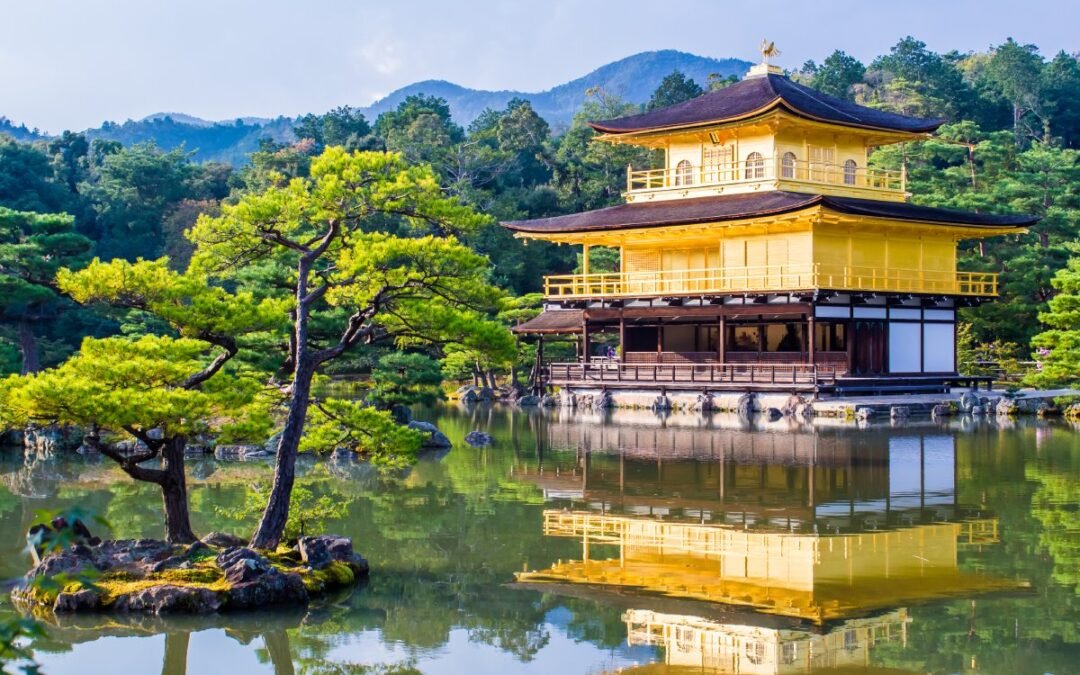
Kinkaku-ji (Golden Pavilion) – Kyoto
Kinkaku-ji, also known as the Golden Pavilion, is a Zen Buddhist temple in Kyoto. Its main attraction is the magnificent gold pavilion, whose splendour is reflected onto the surrounding pond. The temple is surrounded by well-kept landscaped gardens, creating an atmosphere of serenity. Kinkaku-ji is an outstanding example of Buddhist architecture and is a
UNESCO World Heritage Site
.
Tōdai-ji – Nara
Tōdai-ji, located in Nara, is one of Japan’s historic gems. It is home to the bronze statue of the Great Buddha (Daibutsu), which is also one of the largest bronze statues in the world. The temple grounds are also very impressive, with its large wooden doors and avenue lined with stone lanterns. Sika deer, considered to be divine messengers, graze in the surrounding park.
Fushimi Inari Shrine – Kyoto
Fushimi Inari Taisha is one of Japan’s most famous Shinto shrines. It is dedicated to the god Inari, who is the protector of harvests as well as businesses. The shrine is famous for its thousands of red
torii,
These create a stunning tunnel that leads up to Inari Mountain. Tourists can meander along the twisting pathways to take in sweeping vistas of Kyoto.
Kiyomizu-dera – Kyoto
Kiyomizu-dera, situated on a hill in Kyoto, stands out as one of Japan’s most recognizable temples. Its main attraction is the impressive wooden stage constructed without nails, providing visitors with breathtaking views.
breathtaking view
in the city surrounded by cherry blossom trees during the Sakura season. This temple holds significant importance as a key destination for Buddhist pilgrimages.
Meiji-Jingu Shrine – Tokyo
Situated within Yoyogi Park in Tokyo, Meiji-Jingu stands as one of the country’s most frequented and beloved shrines. Constructed to honor Emperor Meiji and Empress Shoken, this site features an imposing wooden torii at its entryway. Encircled by the tranquil atmosphere of the park, visitors can find respite from the bustling city life of Tokyo.
Kōtoku-in – Kamakura
Kōtoku-in Temple, located in Kamakura, is home to the famous Kamakura Daibutsu, a 13.35-metre-high bronze Buddha statue which dates back to the 13th century. For a particularly unique experience, visitors can even step inside the statue.
Itsukushima – Miyajima
The Itsukushima Shrine, located on Miyajima Island, is renowned for its appearance as though it is floating.
torii
, which appear to float on the water at high tide. The shrine is a classic example of Shinto architecture and is set in picturesque natural surroundings, with Mount Misen as a backdrop.
Ryoan-ji – Kyoto
Ryoan-ji Temple is famous for its stone garden, which is also one of the most famous in Japan. It is made up of fifteen stones arranged in such a way that, whatever your position, you can only see fourteen of them at any one time, a composition that encourages meditation and reflection.
Hōryū-ji – Nara
Horyu-ji Temple stands as one of the earliest Buddhist sanctuaries in Japan, established during the 7th century. Renowned for maintaining its original timber construction, this site includes the famed Dream Pavilion, also known as Yumedono, along with significant religious artifacts.
Zenrin-ji (Eikan-do) – Kyoto
The Zenrin-ji Temple, commonly referred to as Eikan-do, is a prominent Zen Buddhist site celebrated for its stunning fall gardens. In the autumn months, the area around the garden transforms with vibrant hues from the maple leaves and other vegetation, painting an absolutely captivating scene.


