oleh admin | Mar 27, 2025 | automotive industry, cars, commerce, international economics, international trade

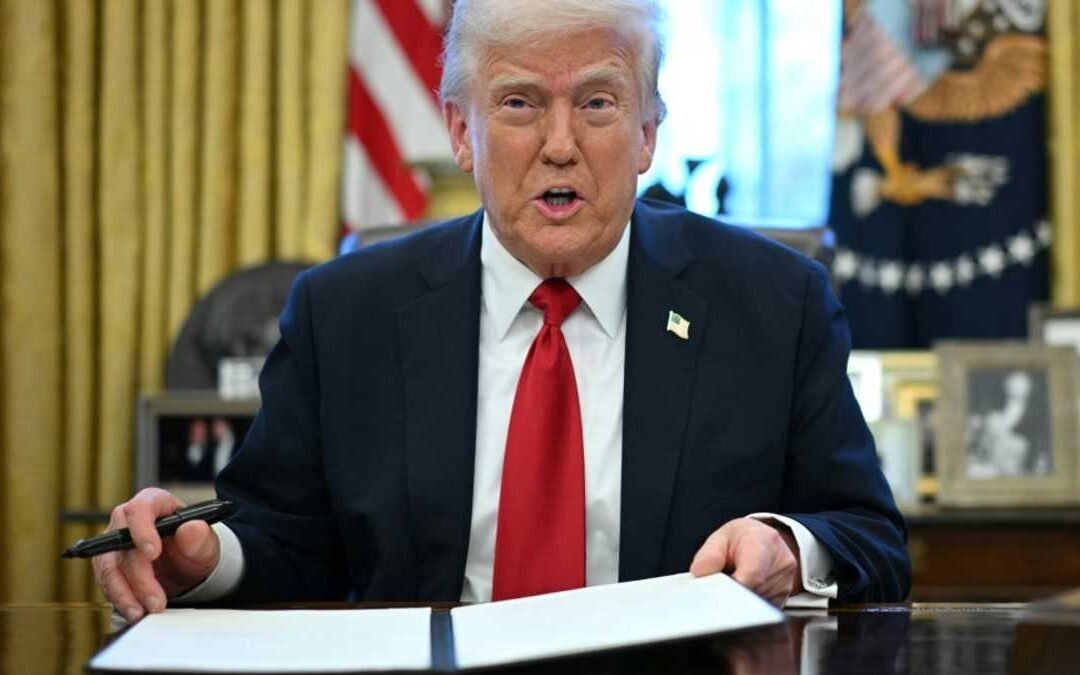
On Thursday, major global powers condemned U.S. President Donald Trump’s significant tariffs imposed on imported cars and auto components, threatening countermeasures as trade disputes escalate and potential price increases loom ahead.
Germany, a major car exporter, called for strong action from the European Union, whereas Japan stated it will “examine every possible option.”
On Thursday, Canadian Prime Minister Mark Carney stated that the traditional partnership characterized by strong economic, defense, and military connections with Washington has ended. He also mentioned anticipating conversations with Trump within the coming days.
The 25 percent tariffs imposed by the U.S., set to begin on April 3 at 12:01 am (0401 GMT), will affect imported automobiles, light trucks, and car components.
Specialists caution about increased expenses for vehicles, with the Italian automotive company Ferrari announcing price hikes of up to 10 percent on numerous models sold in the U.S., effective next week.
The global stock market experienced a significant downturn, with major car manufacturers such as Toyota, Hyundai, and Mercedes leading the decline. On Wall Street, General Motors’ stocks dropped sharply, followed by declines in both Ford and Stellantis shares.
The French Finance Minister Eric Lombard stated that the sole solution for the European Union is to “impose higher duties on goods coming from America as a countermeasure.”
Carney, who previously described the tariffs as a “direct assault” on his nation, stated that he organized a gathering to explore various trade possibilities. Meanwhile, Mexico’s Economy Minister Marcelo Ebrard mentioned that he aimed to secure “special consideration” for his country.
Trump intensified his warnings overnight, stating on social media that Canada and the EU might encounter “much higher” tariffs if they collaborated “to inflict economic damage upon the USA.”
Price surge
According to JPMorgan analysts, the tariffs imposed on vehicles and components might lead to an uptick in average car prices ranging from $4,000 to $5,300.
Approximately 82 percent of Ford’s U.S. sales come from vehicles made domestically, compared to Stellantis with 71 percent and General Motors with 53 percent.

The American Automotive Policy Council, which represents the major three car manufacturers, cautioned that tariffs should be imposed in a manner that “does not increase costs for customers” and maintains the sector’s competitive edge.
Brian Kingston, the president of the Canadian Vehicle Manufacturers’ Association, stated that these measures would result in increased expenses for both manufacturers and consumers, along with “an industry that is less competitive.”
Although Trump utilized emergency economic measures for previous tariffs, his automobile duties expanded upon an investigation concluded in 2019.
‘Cheaters’
Approximately fifty percent of vehicles purchased in the United States are domestically produced. When it comes to imported cars, roughly half originate from Mexico and Canada, while Japan, South Korea, and Germany remain key exporters as well.
The White House suggests that for American-manufactured vehicles, the typical domestic content probably hovers around 40 percent.
On Wednesday, top trade advisor Peter Navarro criticized “foreign trade cheats,” accusing them of transforming America’s manufacturing industry into a “low-wage assembly line for imported components.”
He targeted Germany and Japan for keeping the production of more valuable components within their own borders.
After reassuming the presidency in January, Trump has levied tariffs on goods imported from key trade allies such as Canada, Mexico, and China, along with a 25 percent tax on steel and aluminum products.
The newest tariffs build upon those previously imposed on vehicles.
However, the White House also noted that cars coming into the United States as part of the US-Mexico-Canada Agreement (USMCA) could be eligible for a reduced tariff based on the percentage of American-made components they contain.
USMCA-compatible automotive components will stay exempt from tariffs as authorities set up a method to address their non-US origin materials.
The Mexican President, Claudia Sheinbaum, stated that imposing tariffs went against the North American trade agreement. However, she mentioned that Mexico would hold off on taking action until early April.
‘Devastating impact’

Ambiguity surrounding Trump’s trade strategies and concerns that these might prompt an economic decline have unsettled financial markets, coinciding with a drop in consumer confidence.
Trump has supported tariffs as a means to increase governmental income and rejuvenate American manufacturing.
Aiming at imported vehicles might put pressure on relationships with Washington’s partners, though.
“Wendy Cutler, who serves as the vice president at the Asia Society Policy Institute and previously worked as a US trade negotiator, stated that levying 25 percent duties on imported vehicles would severely affect numerous key trading allies of ours,” she explained.
In addition to cars, Trump is mulling over specific industry tariffs, which could include those on medicines, chips, and wood.
He has pledged a “Freedom Day” for April 2nd, during which he plans to introduce proportional tariffs aimed at various trade counterparts, designed to counteract what are considered unjust practices.
oleh admin | Mar 27, 2025 | automotive industry, autos, car companies, cars, commerce
These brands and vehicles have the lowest and highest chances of being impacted by the new tariffs.
Recently, President Trump implemented a 25 percent duty on all imported automobiles. This would result in increased prices within the United States for cars manufactured abroad, which includes countries like Canada and Mexico. Additionally, components sourced from overseas intended for use in U.S.-assembled vehicles will also face this tariff, as stated by him.
declaration released by the White House
.
President Trump stated, ‘If you manufacture your car in the United States, there won’t be any tariffs.’
The tariffs will come into play starting on April 3rd, with President Trump indicating they might become ” permanent.” The key issue now is identifying which cars and makes stand to gain the most from these new duties, as well as determining which models could suffer the greatest impact.
The Big Winners
Exploring the Kogod School of Business once again
2024 American-made index
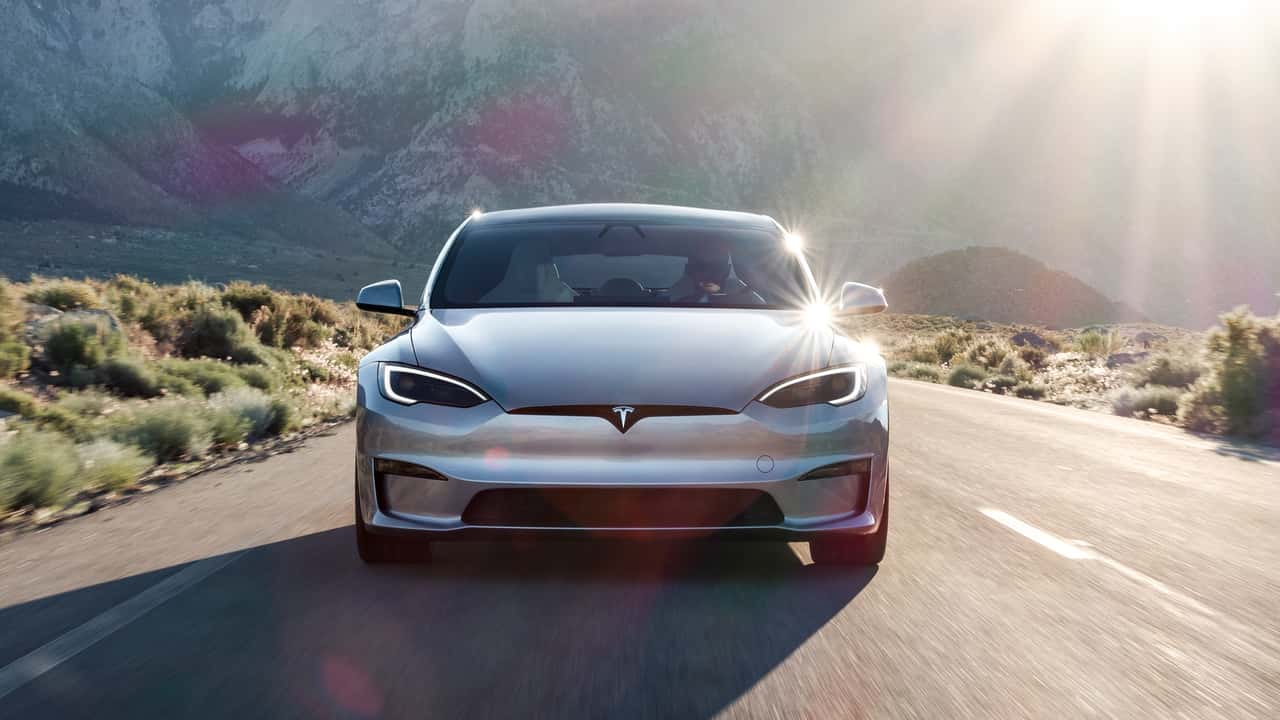
, Tesla stands to gain the most from these new tariffs. Every one of Tesla’s vehicles has more than 80 percent domestic content overall.
At the pinnacle of the ranking stands the Model 3 Performance, boasting domestic production and assembly at 87.5%. Following closely behind are the Model Y (with an 85% domestic content rate), Cybertruck (which has 82.5%), along with both the Model S and Model X each contributing domestically at an 80% level.
This being the case, Tesla CEO Elon Musk indicates that the company won’t remain “untouched” with the introduction of new tariffs. As shared in a post on
X
(formerly
Twitter
Musk stated, “It’s crucial to understand that Tesla has not remained untouched through this. The effect of these tariffs on Tesla continues to be substantial.”
Although the firm manufactures engines and batteries within the United States, Tesla continues to import numerous components from China. Excluding the locally produced motors and batteries, the Model 3 Long Range has “40 percent of its parts sourced from China,” notes Frank DuBois, an associate professor specializing in information technology and analytics at American University.
told
Kelley Blue Book
last year.
Coming in second after Tesla is Ford, which has three variants of the Mustang built primarily from domestically sourced materials at an 80% rate: the automatic version, the GT, and the GT Coupe Premium. In contrast, the Mustang GT equipped with a manual transmission—from Getrag in Germany—is composed of approximately 73% U.S.-made components.
Honda performs impressively with the Passport, scoring 76.5 percent domestically made content, along with the Odyssey, Ridgeline, and Pilot, each boasting a rating of 74 percent. The Jeep Wrangler has 76 percent locally sourced components. In addition, the Volkswagen ID.4 includes 75.5 percent domestic materials. Similarly, General Motors’ Chevrolet Colorado and GMC Canyon models achieve a mark of 75.5 percent for their U.S.-made content.
|
Make / Model
|
Total Domestic Content
|
|
Tesla (Model 3 Performance)
|
87.5 Percent
|
|
Ford (Mustang GT AT)
|
80.0 Percent
|
|
Honda (2024 Passport AWD)
|
76.5 Percent
|
|
Jeep (Wrangler Rubicon)
|
76.0 Percent
|
|
Volkswagen (ID.4 AWD 82 KWH)
|
75.5 Percent
|
Among the top three car manufacturers in Detroit, General Motors is considered the most vulnerable based on President Trump’s proposed tariffs, as stated by JPMorgan analyst Ryan Brinkman. Given that almost 40 percent of GM’s vehicles are manufactured in either Canada or Mexico, Brinkman predicts this could result in an impact of approximately $14 billion on their profits.
In this regard, the White House has admitted that cars made under the United States-Mexico-Canada Agreement (USMCA) will get particular allowances. Particularly, components manufactured according to USMCA guidelines won’t face tariffs until the Commerce Secretary sets up a procedure for handling non-US materials.
The Big Losers
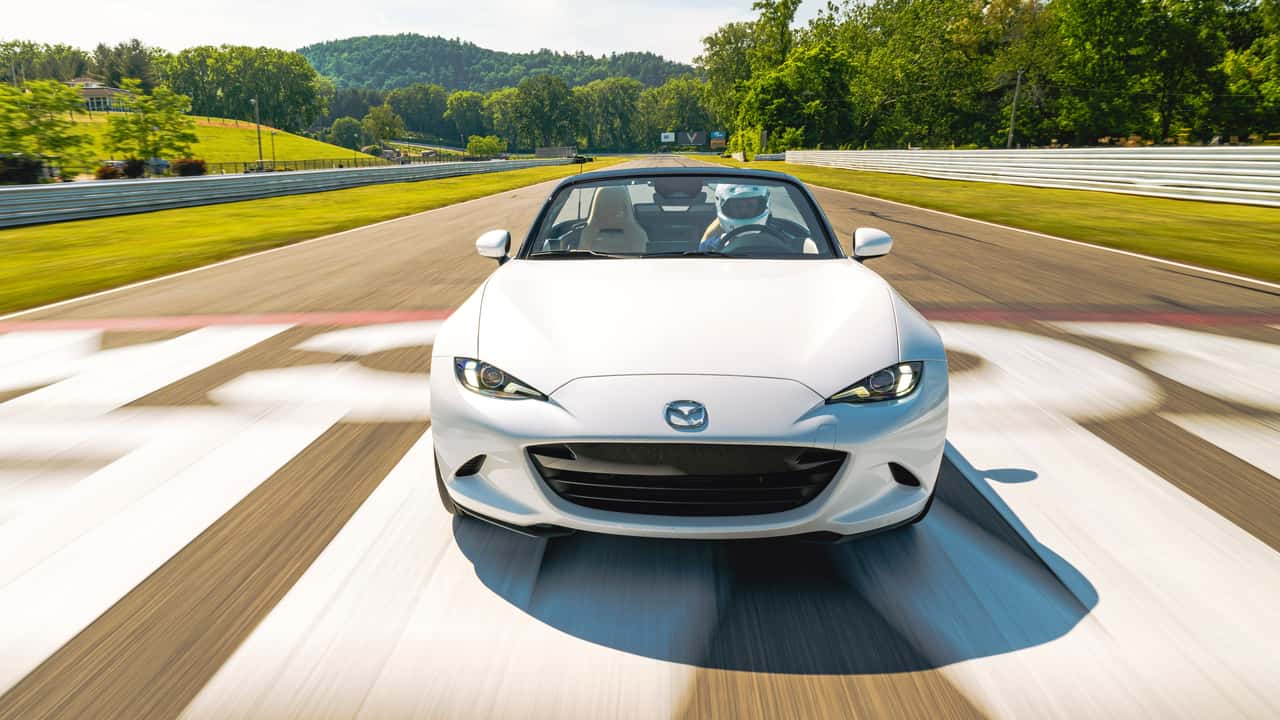
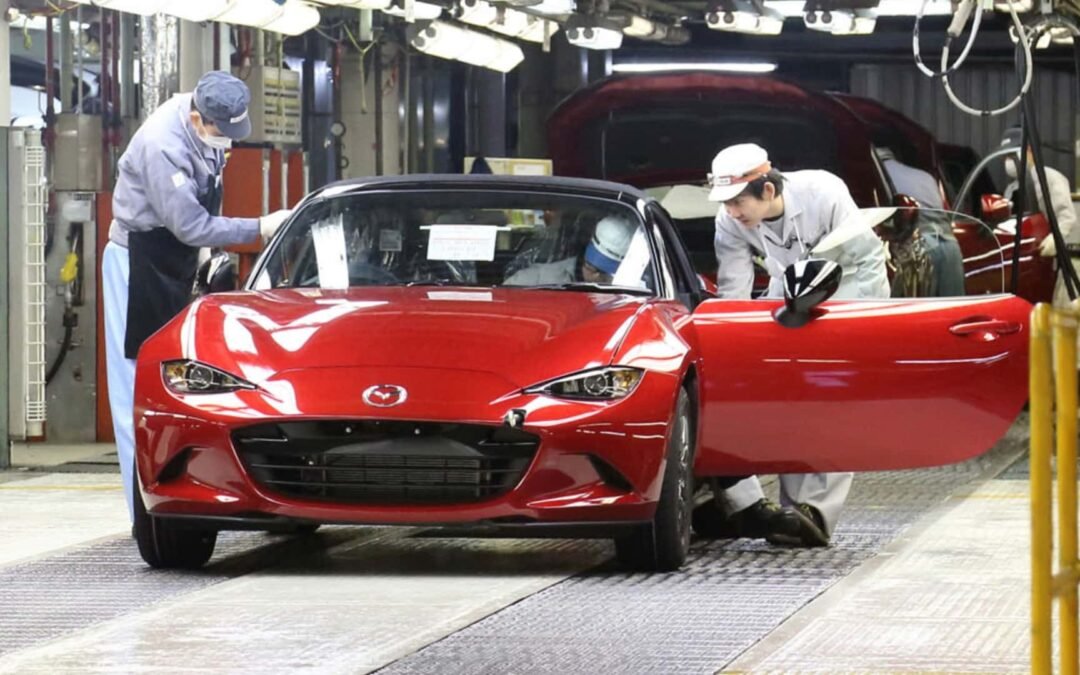
At the other extreme, certain international car manufacturers might experience significant losses in their US market due to these new tariffs. Companies such as Audi, BMW, Lexus, Mazda, and Toyota manufacture several models that consistently place at the lower ranks of the Made-in-America index.
Particularly, some of our beloved budget-friendly sports cars might face significant impacts. Models such as the Miata, the Subaru BRZ, the Toyota GR86, and the GR Corolla receive only a 1% rating on the U.S.-made scale. Several BMW performance vehicles also fall into this category with scores of merely 1%, including the M3 sedan, the Z4, and the discontinued M8.
|
Make / Model
|
Total Domestic Content
|
|
Mazda (Miata)
|
1 Percent
|
|
Hyundai (Elantra N)
|
1 Percent
|
|
BMW (M3 Sedan)
|
1 Percent
|
|
Subaru (BRZ)
|
1 Percent
|
|
Toyota (GR 86 & GR Corolla)
|
1 Percent
|
In 2024, with vehicles accounting for 28.3 percent of Japan’s total exports to the U.S., automobile manufacturers might face significant impacts from the newly imposed tariffs. As reported,
Reuters
, stocks of Nissan, Toyota, and Honda had dropped by 2.2 percent, 2.7 percent, and 3.0 percent, respectively, after the statement was made. Meanwhile, Hyundai and Kia each declined by 4.0 percent.
Japanese Prime Minister Shigeru Ishiba states that they will consider every possible approach to counteract Trump’s tariffs.
“Ishiba stated in a parliamentary address that Japan leads all nations in investments towards the United States; hence, it seems questionable whether imposing equal tariffs on every nation aligns with Washington’s interests. We have consistently highlighted this viewpoint and will keep doing so,” he emphasized.
The Big Picture
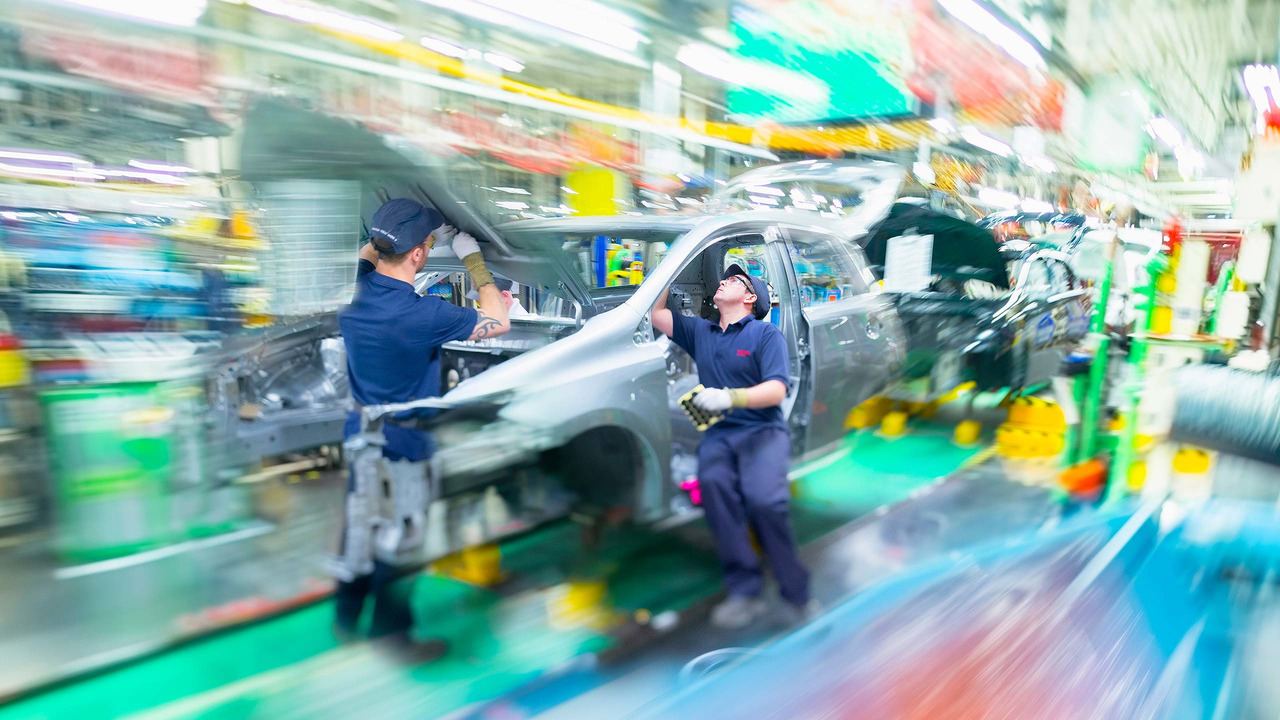
Trump’s 25 percent tariff is likely to increase prices on foreign-imported cars. But former Vice Chairman of Product Development at GM, Bob Lutz, says these more stringent regulations on auto imports are a long time coming.
“Tariffs that Trump is implementing roughly reflect those enforced by our key trade partners for many years,” Lutz mentioned to
Motor1
There is no question that these duties will raise the cost of non-US vehicles, leading to a drop in their sales figures. This is precisely what tariffs aim to achieve.
At present, the European Union applies a 10 percent duty on vehicles imported from the United States, along with an extra 20 percent VAT. However, the EU has lately suggested reducing this rate from 10 percent down to 2.5 percent as part of their efforts to alleviate trade disputes with the U.S.
according to some reports
.
Lutz points out that ‘the U.S. must safeguard its residual industries,’ much as every other country does. While tariff-free imports result in lower consumer costs, they simultaneously lead to a reduction in manufacturing positions, ultimately causing national deterioration.
These fees will lead to temporary discomfort and disruption, yet the adaptation process should be quick and advantageous for worldwide commerce. It’s unsustainable for the US to continually experience massive trade gaps each year with major trading allies.
The Latest On Tariffs
-
Thanks, Tariffs: Prices for JDM Imports Are Set to Soar Significantly
-
Trump Imposes 25-Percent Duties on Every Imported Car
oleh admin | Mar 27, 2025 | commerce, flying, transportation, Travel, vietnam
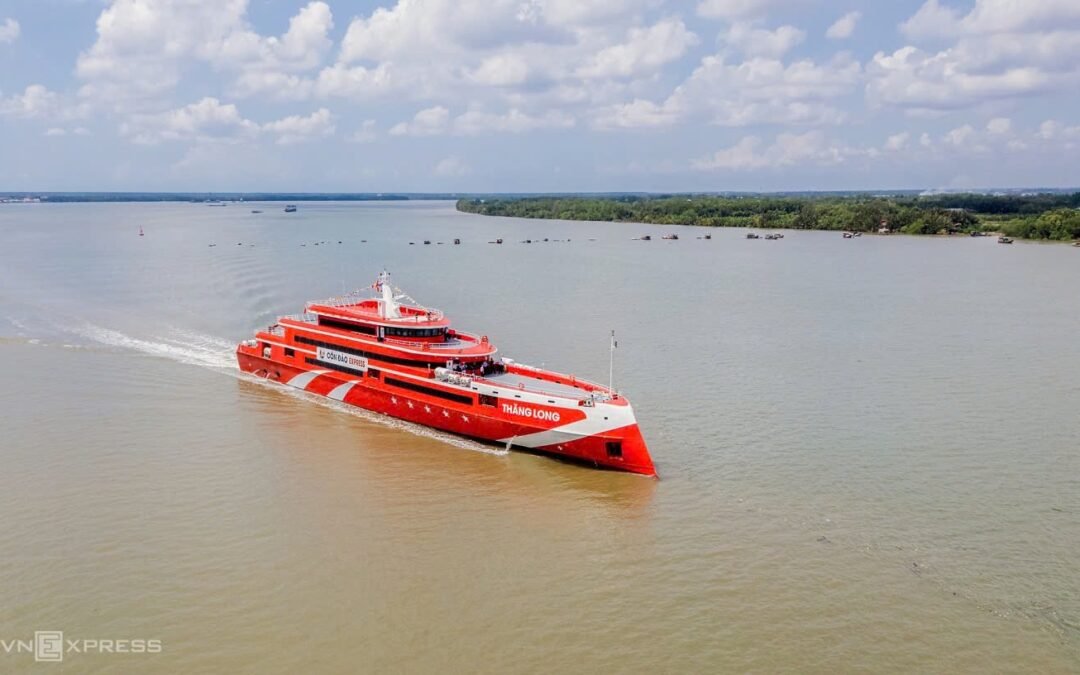
The high-speed ferry connecting Ho Chi Minh City and Con Dao Island, which can accommodate up to 1,017 travelers, is scheduled to restart services in mid-April following an absence of eight months.
The Phu Quoc Express Boat Company, which operates the service, stated that the ticket prices have stayed constant at VND615,000 to 1.1 million ($24-$43), varying based on seat category and time of departure.
The ship started operations in May of last year.
With a maximum speed of 35 nautical miles (over 60 kilometers) per hour, it takes approximately four hours to journey from Ho Chi Minh City to Con Dao, which is an island located off the coast of the southern province of Ba Ria-Vung Tau.
This vessel is the biggest high-speed passenger ship in Vietnam, measuring over 77 meters in length.
However, just weeks into operation, it was running below half of its intended capacity, leading the provider to halt the service in late July.
A number of travelers mentioned that the facilities and features aboard the ship were top-notch but
the
route from central Ho Chi Minh City to Hiep Phuoc Port
The point of departure for the vessel was distant, which made things rather inconvenient.
At present, individuals can reach Con Dao Island either by flying or by taking a ferry from Vung Tau town, which is approximately two hours away from Ho Chi Minh City.
The Con Dao archipelago consists of 16 islands, where Con Son Island is the biggest and the sole inhabited island, situated 185 kilometers away from Vung Tau.
The town boasts approximately 10,000 inhabitants and attracts many visitors each year.
oleh admin | Mar 25, 2025 | automotive industry, autos, cars, commerce, news
Additionally, the FBI has issued an advisory for Tesla drivers, and China’s plans for rolling out Full Self-Driving technology have been put on hold.
It appears that the one thing even less predictable than Tesla’s share price this month is which way the U.S. might head regarding automotive tariffs. Just as things seem calm for the carmakers, suddenly new duties could come into play again. Honestly, it feels like we’re caught in an endless cycle of uncertainty, and frankly, it’s draining.
we’re
fed up with this situation, executives like Jim Farley and Mary Barra might be prepared to take action.
Welcome back to
Critical Materials
, your daily roundup for all things electric and tech in the automotive space. Today, it’s more tariff talk, plus the FBI and ATF have formed a joint task force to fight vandalism against Teslas. Also, Tesla has halted its FSD rollout in China. Let’s jump in.
30%: Auto Tariffs Are Still On The Way, Assures Trump
Photo by: InsideEVs
Remember yesterday when the
The automotive sector was anticipated to receive some relief.
From the wider tariffs that come into play on April 2nd? While this statement holds some truth—it’s important to note that automobiles will not completely avoid these substantial duties.
US President Donald Trump disclosed late Monday that tariffs targeting the automotive sector have not been taken off his trade-war arsenal. These levies will be implemented apart from the April 2nd duties and are being adjusted to offer specific preferential treatments—such as potential exemptions—for particular unnamed countries exporting cars to the United States.
Here’s what
Bloomberg
knows:
President Donald Trump stated that he plans to unveil tariffs on car imports soon and suggested that countries will be granted exemptions from the ” reciprocal” duties set to take effect next week.
Trump’s comments at the White House Monday sowed further confusion about his plans for a sweeping tariff announcement scheduled for April 2. The president told reporters he planned to proceed with long-threatened auto import tariffs “fairly soon, over the next few days” ahead of the broader package.
Trump said his tariff rollout next Wednesday would focus on so-called “reciprocal” tariffs, featuring rates on a country-by-country basis. The president twice on Monday signaled trading partners would receive possible exemptions or reductions.
Trump’s timeline for imposing tariffs on the auto industry is rather inconclusive, but based on the president’s wording, it would seem that the administration is prepared to announce it ahead of next week’s tariff extravaganza, which Trump declared to be named
Liberation Day
.
We’ll be addressing the automobile sector, something many of you have been aware of for quite some time,” stated Trump at a press conference. “We plan to make this announcement shortly, likely within the coming days. Then, on April 2nd, reciprocal tariffs will come into play.
Once again, this situation has auto manufacturers puzzled about what lies ahead. For instance, Toyota finds itself uncertain whether merely continuing operations and importing parts from beyond U.S. borders might lead to repercussions, despite its efforts.
five car manufacturing facilities in the United States
and
donating $1 million
to Trump’s reelection campaign last year.
Moreover, we shouldn’t overlook the component aspect. Constructing automobiles requires numerous materials sourced globally through an intricate network of suppliers across different countries. Should the automotive sector avoid direct taxes on imported goods, the frequent international transactions involved in obtaining various car parts might still lead to increased expenses for vehicles manufactured within the United States.
Regardless of whether you’re a supplier, factory manager, or
simply someone wishing your upcoming car doesn’t come with an additional $12,000 price tag
, the ongoing discussions about tariffs are raising more queries than providing solutions. For an sector reliant on decades of unrestricted commerce, slim profit margins, and efficient production methods, nothing disrupts operations as much as stringent regulations do.
one that keeps changing
.
60%: FBI Alerts Tesla Owners and Showrooms About Potential Acts of Violence and Vandalism
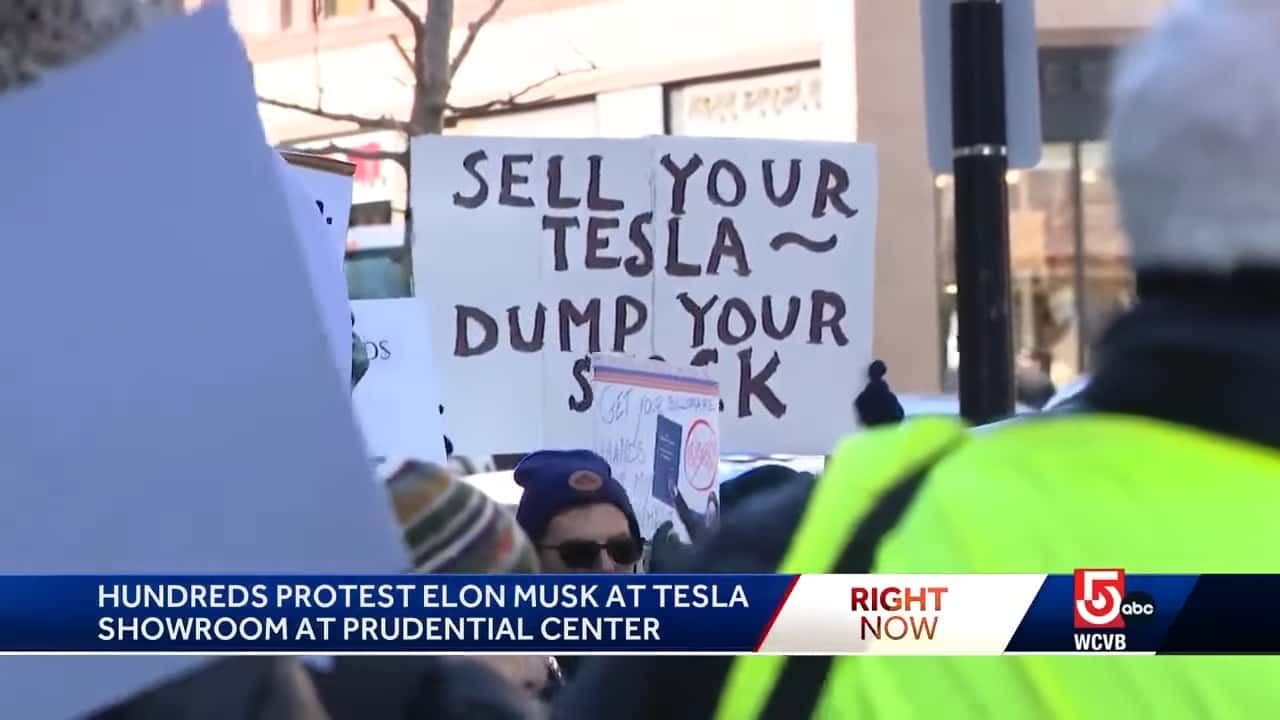
Photo by: YouTube
Tesla is currently facing some challenges, and we’re not referring to their car models here.
tanking stock
,
slipping sales
, or even the critique of its FSD software failing to identify a
Looney Tunes-style fake wall
. Indeed, we’ve reached a stage in our cultural discussion where people are breaking windows and burning electric vehicles due to the political maneuvers of what Tesla calls their ”
absent CEO
And now, the authorities are so vigilant that the Federal Bureau of Investigation has issued a memo to caution the public.
In a security notice labeled as
People across the country target Tesla vehicles and dealerships with arson, gunfire, and vandalism.
, the FBI—which recently formed a joint task force with the Bureau of Alcohol, Tobacco, Firearms and Explosives to investigate the incidents—warns of attacks targeting Tesla vehicles, as well as Tesla-owned property (like dealerships and Supercharging stations).
Here’s more info
from the bulletin directly
:
The FBI is alerting the public about widespread events across the country aimed at Tesla electric cars (EVs), showrooms, parking areas, and recharge points since January 2025. In at least nine different states, attacks on Tesla EVs have taken place. Such acts include setting fires, shooting, and defacement with messages like graffiti that seem to target individuals perceived as racist, fascist, or political adversaries. The evidence suggests these illegal activities were carried out individually by single attackers, and every recorded incident happened after dark.
People might need minimal preparation to employ basic strategies like homemade fire bombs and guns, and they could view these assaults as harmless offenses against property rather than serious criminal acts.
The FBI advises people to stay alert and watch for unusual behavior in locations where Tesla dealerships or Tesla-associated organizations operate.
It could be said that Tesla underwent an unexpected cultural rebranding over the last year. The outspoken political stances of CEO Elon Musk have tarnished the company’s image, leading to a polarized customer base that is acting true to form—by dismissing brands whose values do not match their own political beliefs.
Activists have urged proprietors to divest their vehicles and shares as a form of protest against Tesla due to Musk’s ongoing engagement in international affairs. It appears the car owners heeded this call, as per industry statistics provided by Edmunds which indicate that
There has been an increase in Tesla trade-ins over the past few weeks.
Not only is an increasing number being traded in, but
Fewer purchasers are looking for pre-owned Teslas to acquire.
, causing used car prices to plummet.
For others, this is insufficient. Activists have assumed the responsibility of leveraging Musk’s political leanings as a pretext for carrying out harmful actions such as
torch setting fires at Tesla showrooms
or
damaging customer-owned Tesla vehicles
.
This entire scenario highlights the complexity surrounding electric vehicles (EVs), particularly Teslas. The discussion is no longer focused solely on software upgrades and charging infrastructure; instead, EVs have turned into highly personal and politically charged topics. As for Tesla, they’ve unfortunately become the central focus where much of this scrutiny is concentrated.
90%: Tesla Temporarily Suspends FSD Deployment in China
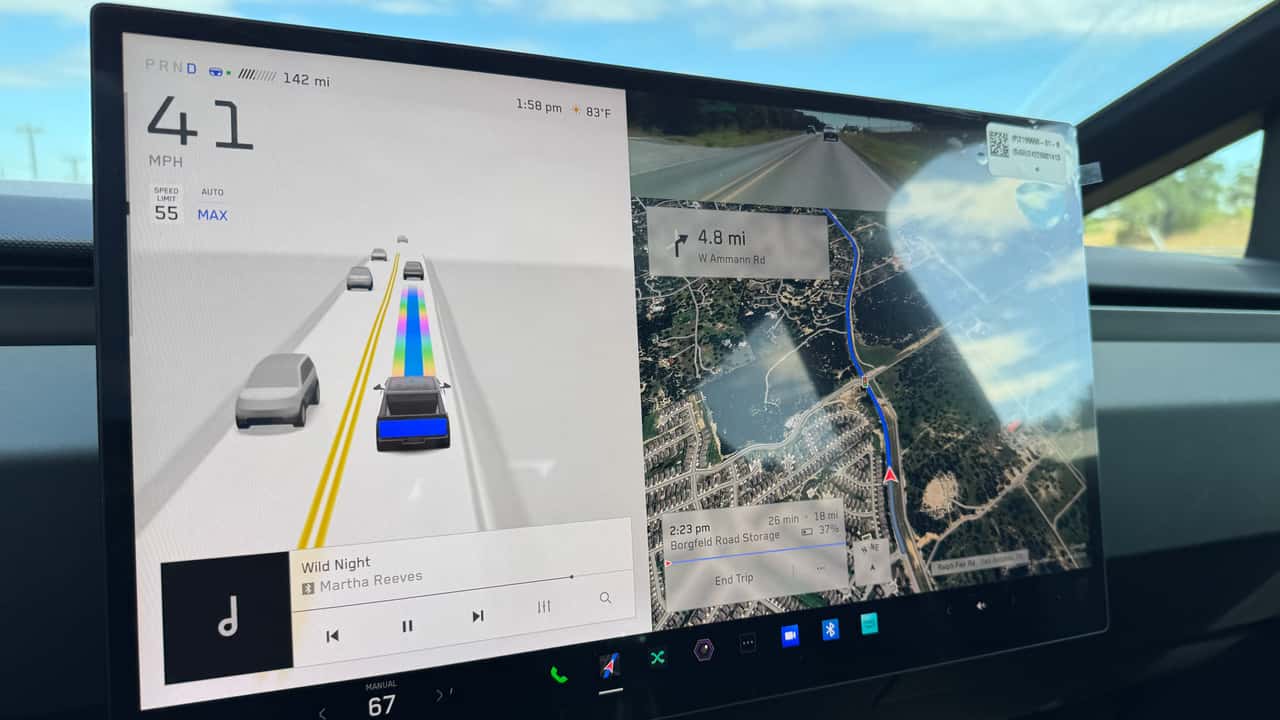
Photo by: InsideEVs
Tesla’s aggressive launch of its Full Self-Driving software in China has encountered an obstacle. Of course, not a literal one.
regardless of what you may believe
), but Tesla appears to have voluntarily halted the widespread rollout of its premium driver-assistance feature in China as of Monday.
The precise cause of the delay remains unclear. Although one could easily assume that the software is not yet prepared, it’s also feasible that recent guidelines from China’s Ministry of Industry and Information Technology (MIIT) regarding remote software upgrades may be responsible.
Here’s the latest from
Automotive News
:
Tesla announced on March 24 that it plans to launch its advanced driving-assist function in China once it secures all necessary approvals from regulators. This comes after reports indicated that a temporary free-trial period for its Full Self-Driving service was halted due to some issues.
“All parties are diligently moving the related procedures forward, and once everything is set, we’ll promptly update you. We’re just as eager for this; your patience during this time would be greatly appreciated,” stated Tesla’s customer service on the social media platform Weibo.
The post appeared as a comment beneath the Weibo feed of Tesla Vice President Grace Tao.
Tesla states that it will restart delivering Full Self-Driving capabilities to clients after receiving approval from Chinese regulatory authorities.
Tesla’s deployment of Full Self-Driving in China has not gone smoothly. Users who tested the software discovered that the vehicle did not always adhere to local regulations. A Chinese automotive influencer succeeded in
accumulate seven distinct traffic offenses
on a single evening through unlawful lane switching, executing right turns from cycle paths, and committing various ticketable offenses.
This difficulty arises largely due to stringent Chinese data regulations, which pose significant challenges for training Tesla’s Full Self-Driving model within the local market. As CEO Elon Musk clarified earlier this year:
“We face certain challenges as the government does not permit us to export training videos from China, and the U.S. administration prevents us from conducting training within China itself. This creates quite a dilemma,” explained Musk during the firm’s recent quarterly earnings briefing. “To overcome this issue, we’ve been examining online footage of Chinese roads to grasp how they function. We use these public videos showcasing road signs and traffic regulations in China for our training purposes and integrate them into an extremely precise simulation.”
Chinese social media platforms displayed comparable problems, such as instances of vehicles running red lights and various other incidents that gained attention.
across global car blogs
.
Car News China
provides additional information about MIIT’s potential participation:
The potential causes for the suspension could involve the recent guidelines set forth by China’s Ministry of Industry and Information Technology (MIIT). This inference stems from statements made by XPeng about postponing their scheduled March Over-The-Air (OTA) update for the P7 model. According to XPeng, this deferral was prompted by MIIT directives dated February 28th, mandating all significant upcoming software modifications to be pre-announced with sufficient notice before any filings can proceed post-publication.
It has likewise been suggested that the acceptance of Tesla’s FSD software
might serve as leverage for the Chinese government
As an approach in the continuing trade dispute between the U.S. and China.
Currently, Tesla hasn’t directly stated that the issues highlighted online led to halting the launch of the Chinese Full Self-Driving (FSD) test. Similarly, the Chinese authorities haven’t issued any official statements criticizing the software, so there’s no clear reason behind Tesla’s decision to suspend the roll-out. However, based on the phrasing used in Tao’s Weibo post, it appears that Tesla might believe the software isn’t quite “prepared” for what could be considered one of their key markets.
100%: What Will Become of All the Trade-in Teslas?
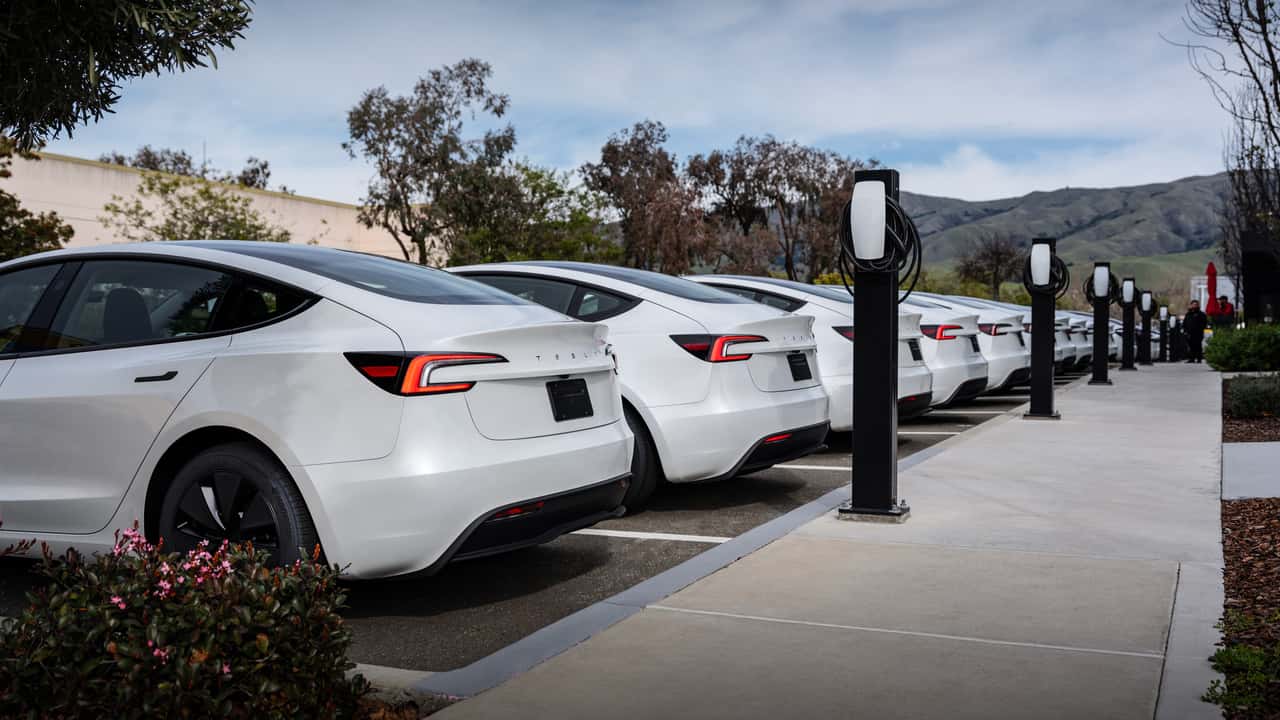
Last evening, I found myself endlessly scrolling through TikTok when someone shared an intriguing open-ended query regarding the numerous Teslas currently circulating. At present, the supply exceeds the demand, causing used car prices to drop significantly—a boon for potential purchasers.
if people really intended to purchase them
.
The journey down this path appears far from over. With Musk remaining politically engaged and steering Tesla, the decline seems set to continue. This leaves car dealers wondering about their next move: Should they offload vehicles at a loss? Opt for auctions instead? If enticing deals fail to draw customers, perhaps patience might prove to be their best strategy, waiting until conditions improve?
Share your opinions below in the comments section.
More Important Updates You Should Be Aware Of:
-
Hyundai Electric Vehicle Owners: Your Tesla NACS Adapters Will Be Available Shortly
-
Tesla Is Plunging in Europe Despite Rise in Electric Vehicle Sales in February
-
A Die-Hard Tesla Fan Switched to a Rivian. Here’s His Impression
-
Is Toyota Now Genuine About Electric Vehicles?
-
Public EV Charging Was Already Deteriorating. Then Trump Eliminated Federal Funding
-
How Tariffs and the Retreat from Electric Vehicles Affect All Americans

oleh admin | Mar 25, 2025 | business, commerce, money, news, Travel
Malaysian enterprises are seeing a notable increase in QR payments from tourists due to inter-country QR payment systems made possible through
DuitNow QR
. As Payments Network Malaysia Sdn Bhd (
PayNet
) and Ant International entered into a partnership with
cross-border payment acceptance agreement
When visitors travel to Malaysia, they can enjoy a smooth payment process since they have the ability to scan DuitNow QR codes with their personal e-wallet applications from abroad.
Alipay+ network
.
In marking the completion of their initial collaborative year, Paynet and Ant International revealed that the international QR partnerships facilitated significant economic prospects for Malaysian small and medium-sized enterprises (SMEs). During this time, Alipay+ accounted for over 80% of cross-border incoming QR transactions through DuitNow. The partners also noted that from December 2024 onwards, revenues for local businesses surged sixfold relative to the corresponding timeframe in 2023.
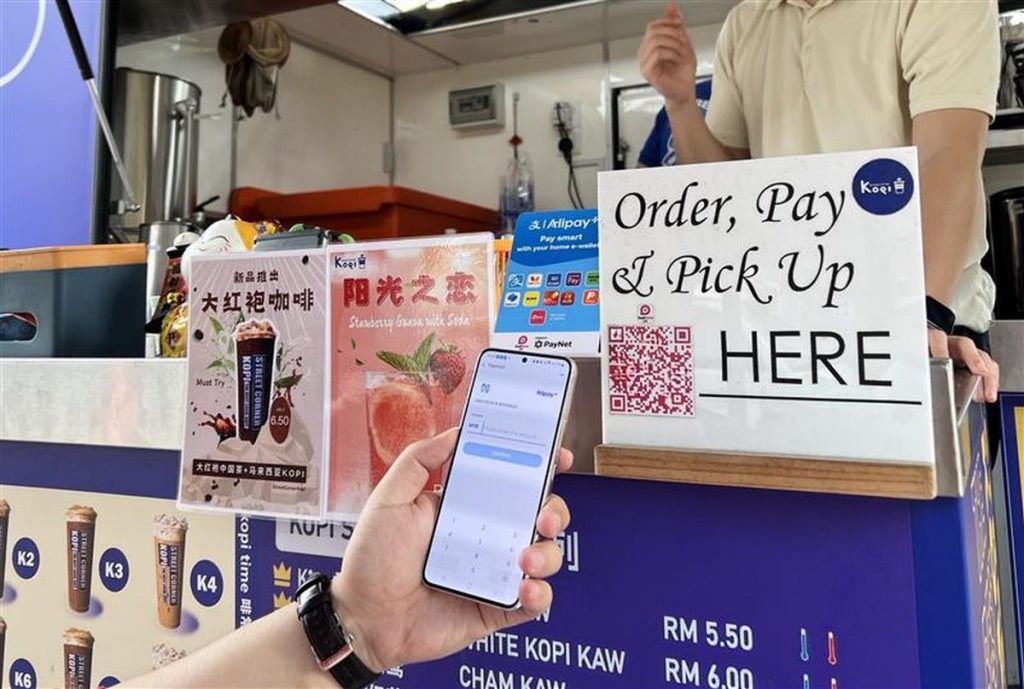
Due to the cross-border arrangements facilitated by Alipay+, tourists from
10 countries and regions
can now use their personal payment applications for payments at over
2.5 million DuitNow QR access points established across Malaysia
By merely scanning the pink DuitNow QR code. It was mentioned that the volume of Alipay+ transactions via DuitNow QR has reportedly increased on average.
rose by 50% sequentially in 2024
, making Alipay+ the largest driver of cross-border inbound QR payments in Malaysia.
Currently, users of Alipay+ partner e-wallets and banking applications can make payments using the DuitNow QR code as follows:
-
Alipay (Chinese Mainland)
-
AlipayHK (Hong Kong SAR, China)
-
MPay (Macao SAR, China)
-
TrueMoney (Thailand)
-
KBank (Thailand)
-
Changi Pay (Singapore)
-
Hipay (Mongolia)
-
HelloMoney (The Philippines)
-
GCash (The Philippines)
-
Tinaba (Italy)
-
Kaspi (Kazakhstan)
-
BigPay (Singapore)
-
BigPay (Thailand)
-
Kakao Pay (South Korea)
-
Naver Pay (South Korea)
-
Toss (South Korea)
Tourism Malaysia reports that more than 25 million tourists visited the nation in 2024, with ambitions to reach 35.6 million as part of the Visit Malaysia initiative set for 2026. The widespread adoption of DuitNow QR among merchants allows travelers to easily make payments through their preferred apps throughout the country. Additionally, the use of Alipay+-enabled applications surged fivefold during the fourth quarter of 2024 compared to the previous year. Key locations seeing high utilization rates encompass Kuala Lumpur, Malacca, Penang, Johor Bahru, and Kota Kinabalu.
Gary Yeoh, the Chief Marketing Officer at PayNet, stated, “Being Malaysia’s national payments network, PayNet is dedicated to developing an open and smooth payment environment that allows businesses to flourish.”
He stated, “The collaboration with Ant International has greatly improved cross-border payment options for our local businesses, enabling them to cater to the increasing number of tourists worldwide. Thanks to Alipay+, DuitNow QR is now giving small and medium-sized enterprises the ability to expand internationally, thereby strengthening Malaysia’s status as a top choice for both tourism and retail.”
In the meantime, Edward Yue, the Regional General Manager of Ant International for Southeast Asia, Australia, and New Zealand, stated, “Through Alipay+, we provide local enterprises with access to a worldwide customer base, fostering broader economic inclusion within their communities. PayNet has established both the necessary infrastructure and strategic alliances to facilitate these connections, and we’re thrilled to partner with them to integrate international users into this system. This is only the beginning; over the coming years, our collaboration could lead to significant advancements, cementing Malaysia’s status as a leading global travel destination and boosting prosperity among Malaysian companies.”

oleh admin | Mar 25, 2025 | business, cars, commerce, community, sports
PETALONG JAYA: CARSOME has entered into a two-year agreement with the Football Association of Malaysia (FAM) to serve as their official automotive partner.
The car e-commerce platform stated that this collaboration forms part of their initiative to assist FAM in bolstering both the male and female national squads.
“This collaboration marks an important step towards progressing Malaysian football and aiding FAM’s initiatives to boost the region’s profile of the sport by guaranteeing that the national squads have all the necessary resources to perform at their peak,” the statement read.
CARSOME also mentioned that this partnership forms part of their initiative to cultivate local talent and support the wider growth of sports in Malaysia.
The collaboration will entail CARSOME supplying FAM with 15 cars over the coming two years to guarantee that both male and female players as well as managerial staff can travel comfortably while efficiently handling all transportation needs during the match seasons.
“The supported lineup comprises Proton X90 and X70, Mazda CX-5, Nissan Serena, BMW 3 Series, Volvo XC40, Mercedes-Benz GLC, and the Toyota Alphard,” CARSOME mentioned.
The CARSOME CEO Eric Cheng reportedly stated that the company strongly supports Malaysians across various sectors including business, education, and sports.
This collaboration extends further than just transportation; it represents our commitment to propel champions ahead by guaranteeing that Malaysia’s national squads receive the backing and facilities needed to thrive.
“We trust this will motivate more Malaysians to support our national teams and cheer for their progress,” Cheng stated.
In the meantime, FAM President Joehari Ayub stated that this partnership underscores the dedication of all involved parties to elevate Malaysian football to new levels.
“By entering into this collaboration, our objective is to improve the football experience for participants, spectators, and all parties involved through programs designed to boost growth, availability, and assistance within the local football environment,” he stated.
Through this collaboration, the educational wing of CARSOME Group, known as CARSOME Academy, will provide special discounts and referral benefits exclusively to the national squad and FAM members for their range of TVET programs, soft skill courses, and additional offerings.
“This programme is designed to provide players and FAM staff with essential industry insights and hands-on abilities, offering them chances for career advancement outside of their sports journeys,” according to CARSOME.
The signing ceremony occurred at the Thistle Hotel in Johor Bahru before Malaysia’s AFC Asian Cup qualifier against Nepal at the Sultan Ibrahim Stadium this evening.
Halaman 5 dari 10« Awal«...34567...10...»Akhir »


