
oleh admin | Mar 12, 2025 | diet and nutrition, health benefits, healthy living, meat, nutrition
Nutrient Density
In terms of nutritional value, meat-centric diets frequently stand out. Foods derived from animals, especially meats, are rich sources of vital nutrients like proteins, heme iron, B-vitamins, zinc, and omega-3 fatty acids.
These nutrients are essential for numerous body processes, such as building muscles, generating energy, and boosting immunity. Conversely, plant-based diets shine in offering plentiful amounts of fiber, antioxidants, Vitamin C, along with minerals like magnesium and potassium.
Nonetheless, it’s crucial to recognize that certain nutrients like vitamin B12 and iron have lower bioavailability from plant-based sources; hence, the body may not absorb these as effectively.
Protein Quality

Protein plays a vital role in any dietary plan, with variations in quality between animal-sourced and plant-based proteins. Animal-derived protein is deemed “complete” as it includes all nine indispensable amino acids that the human body can’t synthesize independently.
These amino acids are crucial for muscle recovery and general well-being. On the other hand, many plant-based proteins are considered “incomplete” as they frequently lack one or more of these vital amino acids.
Nevertheless, by blending different plant-based items like beans and rice, people can acquire all essential amino acids, thereby enabling them to fulfill their protein requirements even without consuming meat.
Impact on Health

The effects on health from consuming meat-centric versus plant-focused diets are considerable and multifaceted. Eating patterns rich in red and processed meats can elevate the likelihood of developing cardiovascular diseases, specific types of cancer, and various other ailments because these foods often contain elevated levels of saturated fats along with potentially dangerous substances such as nitrites.
On the contrary, studies indicate that diets rich in plants may reduce the likelihood of developing chronic conditions like heart disease, diabetes, and high blood pressure. These eating patterns generally have less saturated fat and more beneficial fibers, which enhance general well-being.

The effect of diets heavy in meat on the environment is significant, especially regarding beef production. Breeding animals for food demands extensive resources such as water, land, and energy, and it also contributes substantially to greenhouse gases, notably methane.
When compared, plant-based diets tend to have a significantly smaller environmental impact. Cultivating plants usually demands less resources and leads to reduced emissions, rendering it a more environmentally friendly option.
This factor is growing more significant as global warming issues escalate.
Sustainability

Sustainability plays a crucial role in discussions about meat versus plant-based diets. The meat sector notably exacerbates issues like deforestation, land deterioration, and decreased biodiversity because of the need for pastureland and feed crop cultivation.
In contrast, plant-based diets prove to be more sustainable since they demand lesser land and water resources while also fostering biodiversity. Migrating toward agricultural practices centered around plants can ease the strain on our ecosystems, thus contributing to a healthier Earth for upcoming generations.
Digestive Health

When it comes to digestive well-being, plant-based diets frequently come out ahead. Diets rich in red and processed meats usually lack sufficient fiber, potentially causing digestion problems, constipation, and raising the likelihood of developing colorectal cancer.
On the contrary, plant-based diets are abundant in fiber, which aids in sustaining proper digestion, managing bowel movements, and lowering the chances of developing colon cancer. The fiber functions akin to a brush, cleansing the digestive system and ensuring its efficiency.
Weight Management

Managing your weight is often a priority for numerous individuals, and the kind of diet you adhere to can be crucial. Foods rich in protein from animals may aid in maintaining muscles and keeping you feeling full, yet eating fatty cuts of meat along with processed items might lead to increased body mass.
In the meantime, a diet focused on plants, especially when it includes plenty of unprocessed options, usually contains fewer calories and less fat, which can simplify the process of maintaining your weight. Additionally, the abundant fiber in such dietary plans boosts feelings of fullness, aiding people in feeling more satiated.
Ethical Considerations

Moral concerns often steer numerous people’s decisions regarding their diet. Issues related to how animals are treated, the prevalence of industrial-scale farming methods, and the slaughtering of creatures play crucial roles in prompting certain folks to abstain from consuming meat.
A diet based on plants resonates ethically with numerous individuals because it steers clear of causing harm to animals and exploiting them, providing a kinder method of producing food. This moral aspect frequently plays a crucial role in people’s choice to embrace a plant-based way of life.
Culinary Variety

A variety of both animal-derived and plant-focused food choices abound, yet they take different paths. In numerous conventional dishes, meat serves as a key element, offering an array of tastes, consistencies, and preparation techniques.
On the contrary, plant-based diets present an extensive selection of fruits, veggies, grains, lentils, and nuts, offering varied and colorful dining choices. Although certain individuals might have to get inventive to mimic the flavor and consistency of meat, the range of tasty plant-based dishes is practically limitless.
Longo-Plazo Sostenibilidad para la Seguridad Alimentaria Mundial

With the world’s population expanding steadily, maintaining food security has become an urgent issue. Increased consumption of meat could exacerbate resource pressures, potentially rendering this practice unsustainable over time.
Shifting towards plant-based diets globally is seen as a more sustainable approach to address the nutritional requirements of an increasing populace. These types of foods require less resources and generate lower environmental impacts during production, providing a feasible strategy for nourishing humanity without exacerbating ecological damage.
What are your views on this subject? Please share your opinions in the section provided below—we’re eager to get insights from you! Would you like to read similar articles? Stay connected with us to ensure you never miss out!

oleh admin | Mar 10, 2025 | diet and nutrition, health, healthy living, nutrition, vitamins
Antioxidants
are naturally occurring substances that serve as
key part in safeguarding the body’s cellular structure
Free radicals, which lead to cellular harm, are unsteady molecules. They may arise due to elements like contamination, ultraviolet rays, tension, and normal bodily functions. An overabundance of these free radicals can injure your cells, promoting early aging along with conditions such as cancer and cardiovascular ailments.
What are antioxidants?
Antioxidants
are substances that assist in neutralizing free radicals, thus stopping them from damaging the body’s cells and tissues. Some of the most well-recognized antioxidants include
Vitamins C and E, along with beta-carotene
(a predecessor to vitamin A) along with flavonoids, found in numerous natural food sources. These components possess the ability to “sequester” free radicals, transforming them into inert molecules, thereby aiding in safeguarding cellular well-being and decreasing the likelihood of developing long-term illnesses.
Benefits of antioxidants
-
Protection against premature ageing:
Antioxidants play a crucial role in fighting the signs of aging by maintaining skin flexibility and reducing wrinkle formation. Excessive oxidative stress from high levels of free radicals may speed up this aging process within your skin. Antioxidants counteract these free radicals, thereby aiding in keeping your skin more youthful and healthy over time.
-
Strengthening the immune system:
Antioxidants, particularly vitamin C, have been recognized for boosting the immune system, enabling the body to combat infections and illnesses more effectively. These compounds boost the generation of immune cells and assist in safeguarding them against harm inflicted by outside factors.
-
Prevention of heart disease:
Oxidative stress is linked to the progression of cardiovascular diseases. Antioxidants aid in lowering the chance of atherosclerosis (fat buildup in arteries) and enhance overall cardiovascular health. Certain antioxidants like resveratrol, which can be found in red wine, have been examined for their potential benefits in protecting against heart ailments.
-
Protection against cancer:
Numerous research papers indicate that taking antioxidants may aid in lowering the likelihood of getting specific forms of cancer. These compounds shield DNA cells from harm inflicted by free radicals, thereby assisting in averting genetic alterations that might result in cancer.
-
Improved eye health:
Antioxidants like lutein and zeaxanthin are particularly advantageous for ocular health, aiding in safeguarding the retina from age-related macular degeneration (AMD) and cataracts, which are frequent issues impacting eyesight as one gets older.
Where to find antioxidants?
Antioxidants occur naturally in an extensive range of food items, most of which can be readily included in your daily meals. Here’s a list of some foods known for their high antioxidant content:
Fruits:
-
Strawberries, raspberries, blueberries, and blackberries are packed with antioxidants, particularly anthocyanins, known for their anti-inflammatory and antioxidative benefits.
-
Oranges, lemons, and tangerines—these citrus fruits are rich reservoirs of vitamin C, an influential antioxidant that aids in safeguarding the immune system and enhancing skin health.
-
Grapes of purple hue and wine dyed red abound with resveratrol, an antioxidant tied to safeguarding heart health.
Vegetables:
-
Spinach
Kale and broccoli are rich in lutein and zeaxanthin, nutrients that safeguard your eyesight.
-
Carrots and pumpkins offer beta-carotene, a substance that transforms into vitamin A within our bodies and possesses potent antioxidant qualities.
Nuts and seeds:
-
Walnuts
Almonds and chestnuts include vitamin E, which is an antioxidant soluble in fats that aids in safeguarding cells from oxidative harm.
-
Sunflower seeds also abound with vitamin E along with various other advantageous components.
Tea:
-
Green tea
It is one of the top sources of catechins, powerful antioxidants that possess anti-inflammatory and anticancer qualities.
Spices and herbs:
-
Found in turmeric, curcumin along with garlic possess strong antioxidant and anti-inflammatory properties.
-
Turmeric is also recognised for its antioxidant qualities and aids in digestion as well as decreasing inflammation.
Dark chocolate:
-
Dark chocolate includes flavonoids that possess antioxidant qualities. The greater the cocoa concentration, the more antioxidants it has.
Since you understand its significance, incorporate it into your daily meals.
Antioxidants are essential for safeguarding the body against harm inflicted by free radicals.
, helping to
avoid long-term illnesses, early aging
And even conditions like cancer. By including a variety of fruits, veggies, seeds, tea, and other antioxidant-rich foods in your meals, you can greatly enhance your general health and wellness. Keep in mind that along with eating right, leading an active life filled with regular physical activity and methods for reducing stress helps maintain optimal levels of antioxidants within your body.
By following this care, you will safeguard your cells and encourage a more healthy and extended existence.
Sources of information:
-
World Health Organization (WHO)
-
Academy of Nutrition and Dietetics
-
Journal of Nutrition
-
Food Chemistry
-
The American Journal of Clinical Nutrition.
Read more articles:

6 Edibles That Speed Up Aging: Ways to Steer Clear Of Them?
Combat inflammation with these 4 essential spices!
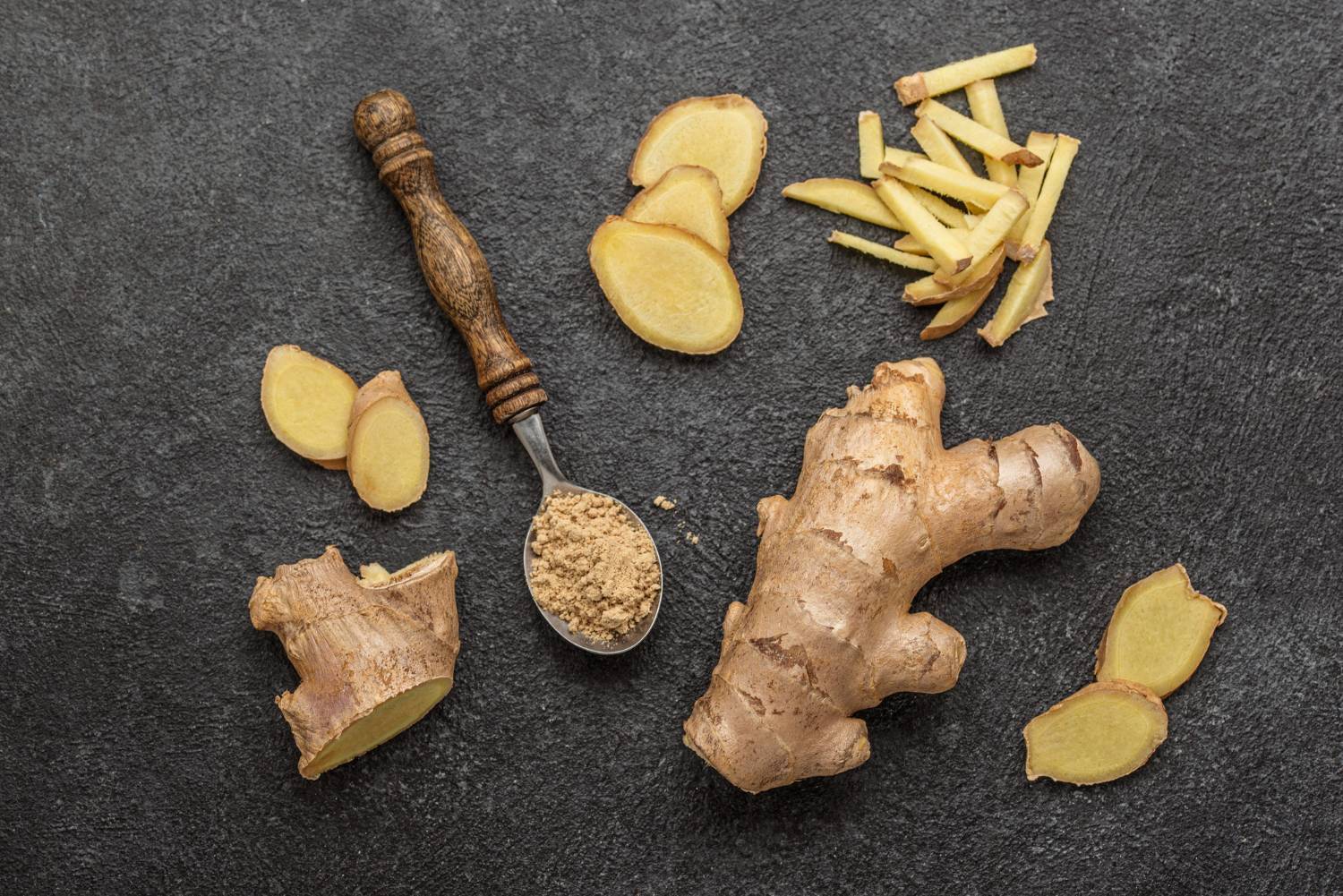
What occurs to our body when we consume ginger daily?
read more on en.SANGGRALOKA

oleh admin | Mar 10, 2025 | diet and nutrition, food and drink, fried foods, meat, nutrition
In our everyday routines, we eat numerous types of food without completely understanding all the components involved. We’ve all come across information like this before.
hidden sugar
. That which appears
camouflaged in unsuspected products
for example, soy sauce, sliced bread, or even
sausages
.
Sweetness where nobody anticipated it
Well, something akin occurs with pork. There are
foods that
even though they lack the look and flavor typically associated with meat,
conceal some pig-based product in their list of ingredients
Fats, broths, gelatins, aromas, or enhancers—they’re plentiful. So let’s take a look at what those are.
items that initially appear to have no pork or its by-products, yet actually include them.
If you’re staying away from pork due to religious, ethical, or health concerns, it’s best to scrutinize the label carefully before assuming anything.
Traditional pastries
Classic pastries typically use ingredients like flour, sugar, eggs, and butter. However, it’s important to know that these aren’t always necessary for every recipe. For instance, genuine Spanish desserts
mantecados
cookies, the key is
lard
. Even though contemporary pastries frequently incorporate butter or vegetable spreads, it remains quite usual to encounter
Croissants, puff pastries, and empanadas prepared using lard.
To attain a crispy consistency and a deeper taste. The issue? It frequently doesn’t show up as “lard” on the labeling; instead, it appears as “animal fat.”
Candies, jelly candies, sweets, desserts, and milk-based items containing gelatin
The pig here is totally undercover.
Gelatine
, commonly found in various desserts such as
jelly beans
, some
sponge c
akes
and gummy sweets, typically comes from
collagen derived from pork skins and bones
The same applies to certain dairy-based sweets like custards and creamy yogurts as well.
glossy cake or pie toppings
Alternatives do exist (such as agar-agar, pectin), but these aren’t commonly used. When labels just list “gelatin” without specifying its source, it’s highly probable that it originates from pork.
Some specific treats, starters, and deep-fried dishes
BBQ-style potato chips. Smoked-taste insects. Cheese-seasoned rods. The shared element among them? In numerous instances beyond your expectations, they utilize
flavor enhancers obtained from pork
, animal fats intended for frying or perhaps bacon powder derivatives
to provide them with that enticing jolt
That invites for an additional taste. If the label mentions “flavor,” “flavoring,” or “enhancer” without specifying the source, it’s very probable that it originates from pork.
Processed meat products
This seems clear: If I purchase
chorizo
or
Serrano ham
, I am aware there is pork involved. However, what’s intriguing is that
“turkey”, “chicken”
or even
“vegetable”
cold cuts
sometimes
Include pork fats, gelatins, or flavors to enhance moisture and consistency.
In simpler terms, even though 80% of the item consists of turkey, the finishing element that enhances its appeal could come from a pig-based component. Yet again, it’s essential to scrutinize labels closely: “animal proteins,” “animal fats,” “gelatin”…
Specific industrial condiments, stocks, and stews
Many industrial sauces contain
seasonings obtained from pig derivatives
. These additives
enhance the
umami
flavor
Of items found in broths, soups, and ready-made sauces. It’s crucial to examine the labels for terms like “meat concentrate” or “pig broth.”
A few nem dishes and samosas filled with shrimp
Prawns typically cost more than pork. Because of this, even though
not always
In numerous instances, certain Asian delicacies like nems/spring rolls or samosas are included.
marked as “shrimp” should not consist solely of this ingredient
Their stuffing typically includes vegetables and occasionally ground pork. To ensure accuracy, it’s advisable to check the packaging or inquire with the vendor.
To prevent this, prepare your own shrimp spring rolls!
You might also like:

These items appear to be health-conscious choices, yet they aren’t actually good for you. Discover whether you’ve been ensnared by these common food industry pitfalls.

Do not overlook these indicators; you might be dealing with SIBO without being aware of it.

Dairy cheese is more nutritious than commonly believed. Discover the reasons why!
read more on en.SANGGRALOKA

oleh admin | Mar 8, 2025 | diet and nutrition, health and exercise, healthy weight loss, nutrition, weight loss
KUALA LUMPUR – There is growing interest in using probiotics – which are supplements containing beneficial live microorganisms or bacteria meant to enhance ‘good’ bacteria levels within the body – as part of weight loss strategies.
However, do these supplements, readily accessible online as capsules or powders and heavily advertised on social media platforms, genuinely assist with shedding pounds?
Dr Deborah Chew Chia Hsin, a consultant gastroenterologist and hepatologist at Hospital Canselor Tuanku Muhriz (HCTM) UKM, stated that although probiotics have an impact on gut microbiota—which is involved in metabolic processes and fat breakdown—their effectiveness for weight reduction remains unconfirmed.
She mentioned that research indicates people dealing with extra weight, obesity, and diabetes frequently encounter a situation referred to as gut dysbiosis, characterized by an absence of good gut microbiota. This scenario typically involves a greater proportion of detrimental bacteria such as Firmicutes, whereas helpful microbes like Bacteroides are found in smaller quantities.
Overall, a healthy digestive system should contain a greater amount of advantageous microbes compared to detrimental ones.
“But the question persists: does this disparity in gut bacteria trigger obesity, or does obesity result in an alteration of the bacterial balance in the gut? Researchers continue to debate this point,” she noted.
Dr. Chew mentioned that various research efforts have examined how probiotics can play a part in tackling obesity and promoting weight reduction; however, these findings have not always aligned. Certain investigations concluded that probiotic supplements did not yield substantial advantages, whereas some indicated modest to reasonable improvements in achieving weight loss goals.
She mentioned that probiotics work effectively only if they include the appropriate bacterial strains like Lactobacillus and Bifidobacterium, along with proper storage conditions.
“It’s crucial to keep in mind that probiotics include living bacteria, which might perish if kept at temperatures higher than 25°C. Should this occur, people using probiotics could fail to gain the anticipated advantages,” she stated, stressing the significance of adhering to the suggested serving size to prevent issues such as bloating.
In the meantime, Jazlina Syahrul, a dietitian from Universiti Putra Malaysia, stated that even though probiotics may help boost metabolism and maintain a balanced gut microbiome, they should not be considered the main approach or an easy fix for losing weight.
She mentioned that although certain studies indicate a connection between gut microbiota and aspects such as metabolism, hunger levels, and fat storage—suggesting that keeping a healthy level of beneficial bacteria in the digestive system might aid in shedding pounds—more comprehensive investigations are necessary to validate the efficacy of probiotics for these purposes.
“In general, probiotics might aid in shedding pounds, yet their impact is modest and gradual when contrasted with changes in lifestyle such as eating habits and physical activity. Although initial findings show promise, probiotics aren’t a ‘miracle cure’ for losing weight. Instead, they act more as supplementary assistance rather than an alternative to maintaining a healthy diet and regular workout routine,” she explained.
Jazlina likewise suggested that people should assess various elements like caloric consumption, dietary habits, workout enhancement, and adequate rest if their attempts at losing weight haven’t borne fruit.
“They could be taking in hidden calories or adhering to an excessively strict diet… or perhaps not getting enough sleep,” she mentioned. – BERNAMA

oleh admin | Mar 4, 2025 | diet and nutrition, health, health tips, nutrition, oil
Cooking oils
serve as crucial components in numerous dishes, yet
Not all of these are in good condition.
or suitable for regular use. Certain types of oils
may pose risks to your well-being
due to the high
amount of inflammatory fats
, intense refinement procedures or
thermal instability
, which may produce harmful chemicals. Below are the three least desirable cooking oils likely found in your kitchen that you should limit or steer clear from.
1. Soybean oil
Soybean oil
is one of the
most problematic
It is abundant in
omega-6
, a type of
polyunsaturated fat
When taken in large amounts, this can lead to increased inflammation within the body. Furthermore, soybean oil goes through refinement using substances like hexane, which is an industrial solvent. An additional issue is its tendency to oxidize readily at elevated temperatures, producing compounds detrimental to health.
2. Corn oil
Like soybean oil,
corn oil
It is extensively utilized and additionally possesses a
high omega-6 content
. An
disparity between omega-6 and omega-3 levels
dietary choices can help lead to
persistent inflammatory conditions like diabetes and heart ailments
Furthermore, this oil undergoes an extraction method using industrial processes with high temperatures and chemical solvents, which diminishes its nutritional content and promotes the creation of free radicals.
3. Sunflower oil
Many people believe that
sunflower oil
is a healthier choice, yet it surprisingly falls into the same category.
minimum suggested oils for cooking fries
This occurs due to its high content of polyunsaturated fats, which are highly susceptible to heat. Upon heating, sunflower oil generates significant amounts of harmful aldehydes, compounds linked to conditions like Alzheimer’s disease and cancer.
Healthier alternatives
The top choices for cooking oils vary based on their intended usage (such as frying, sautéing, or seasoning) and the health advantages they offer. Below are some of the highly suggested options:
For frying (high temperatures)
-
Avocado oil
– Excellent heat tolerance, abundant in beneficial fatty acids.
-
Coconut oil
– Remains stable even when exposed to high heat, yet boasts a robust taste.
-
Extra virgin olive oil
– Even though it is ideally enjoyed chilled, it can also be utilized for mild cooking.
For stir-frying and moderately cooked dishes
-
Extra virgin olive oil
– Packed with antioxidants and beneficial fatty acids.
-
Sesame oil
– Strong taste, perfect for dishes from Asia.
-
Peanut oil
– Excellent heat tolerance and a mild taste.
For seasoning and chilly consumption
-
Extra virgin olive oil
– Ideal for salads and dressings.
-
Linseed oil
– High in omega-3, but shouldn’t be cooked.
-
Walnut oil
– Refined taste, perfect for salads and chilled recipes.
Sources of information:
-
fpcardiologia.pt
-
scielo.br
-
WHO (World Health Organization)
-
American Heart Association
You might also want to check out:
Why heating this oil can be problematic!
10 astonishing truths about olive oil you were unaware of!
Coconut oil: the misunderstood superfood posing as a secret threat to your well-being
Butter versus Oil: Which Should You Pick for Cooking?
read more on en.SANGGRALOKA

oleh admin | Feb 28, 2025 | diet and nutrition, food and drink, health, health and exercise, nutrition
![]()
Lifehack My ID
Makanan dengan kalori tinggi meliputi berbagai macam hidangan yang menyediakan jumlah energi besar dalam setiap porsinya.
Umumnya disebabkan oleh kadar lemak, karbohidrat, atau gula yang tinggi.
Makanan yang memiliki kandungan energi lebih dari 225-250 kalori per 100 gram dikategorikan sebagai makanan dengan kadar kalori tinggi.
6 Kegunaan Terong bagi Penderita diabetes, Di Luar Mengurangi Kadar Glukosa juga Sebagai Penyedia serat Yang Bagus
Menurut
National Health Service
(NHS) di Inggris, Anda cenderung mengalami penambahan berat badan apabila asupan kalori dari makanan dan minuman melebihi jumlah yang dibakar oleh tubuh.
Sangat penting bagi Moms untuk memakan makanan yang bergizi apabila mereka ingin merawat berat badan secara optimal.
Hindari konsumsi makanan dengan kadar kalori tinggi dan tambah porsi asupan nutrisi seperti protein, serat, serta lemak sehat dalam diet Anda.
7 Keuntungan Berjalan Kaki Usai Makan, Menormalkan Gula Darah dan Memperbaiki Mood
Mengurangi Konsumsi Makanan Berkalori Tinggi Yang Harus Diatur
Dilansir dari
HealthShots,
Berikut adalah sejumlah makanan bernilai kalori tinggi yang perlu dikurangi oleh para ibu rumah tangga apabila mereka menginginkan pengendalian berat badan.
1. Daging Merah (100 gram daging sapi mengandung sekitar 250 kalori)
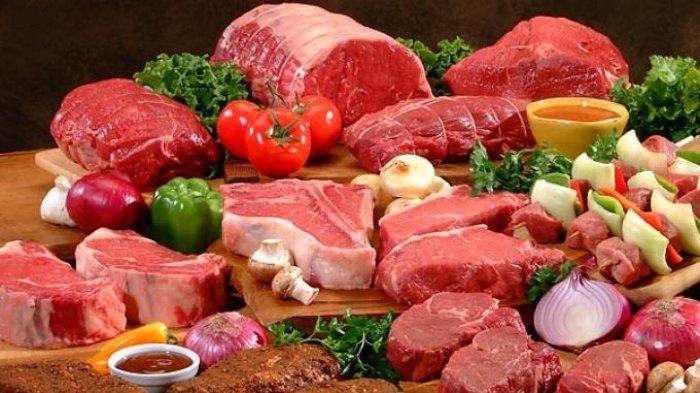
Walaupun daging sapi mengandung banyak protein, zat besi, dan bagus untuk perkembangan otot, tetapi jenis makanan ini memiliki kadar kalori yang tinggi.
Daging merah perlu di konsumsi dengan penuh kehatihan sebab bisa cepat meningkatkan bobot tubuh.
Hanya itu, mengonsumsi terlalu banyak bisa menimbulkan masalah asam lambung dan iritasi.
Daging tanpa lemak seperti ayam dan ikan, serta pilihan vegetarian seperti lentil dan tahu, menawarkan keuntungan serupa dengan jumlah kalori yang lebih rendah dan risiko kesehatan terbatas.
6 Kesalahan pada Makan Pagi yang Dapat Menghancurkan Program Diet, Simak Ya Bu!
2. Mentega dan margarin (100 gram mentiga : 717 kalori)

Apakah itu mentega ataupun margarin, kedua bahan tersebut mengandung banyak kalori.
Di luar kemampuan mereka untuk menaikkan berat badan, kedua makanan tersebut mengandalkan lemak jenuh serta lemak trans yang bisa memperbesar tingkat kolesterol dan mendukung timbulnya penyakit jantung.
Pilihan yang lebih baik ialah menggunakan minyak zaitun ataupun yoghurt sebagai olesan serta lemak dalam proses memasak.
3. Makanan yang digoreng serta diproses (100 gram kentang goreng: 100 kalori)

Makanan yang digoreng seperti kentang goreng, ayam goreng, dan keripik tidak boleh dimakan berlebihan.
Sajian ini memiliki kadar kalori yang lumayan tinggi serta kecenderungan untuk memuat jumlah lemak tak sehat yang besar.
Mengonsumsi makanan semacam itu tanpa henti dapat mengakibatkan peningkatan berat badan, kadar kolesterol yang tinggi, serta meningkatnya risiko masalah pada jantung.
5 Pilihan Makanan Tinggi Protein untuk Mengurangi Lemak di Perut, Cocok Buat Ibu yang Berharap Menyusutkan Perut Bengkak
4. Minuman Manis (100 ml minuman ringan: 41 kalori)

Minuman berkarbonasi atau kemasan seperti boba, soda, jus energi, serta minuman manis sebaiknya dijauhi.
Minuman ini mengandung banyak kalori kosong dan gula serta merupakan penyebab utama obesitas, diabetes, dan sindrom metabolik.
Pilihan lainnya adalah meminum air biasa, Teh kesehatan, ataupun Air beraroma buah tapi tidak diberi pemanis agar bisa meredakan dahaga tanpa menambah asupan kalori.
4 Gabungan Buah yang Sebaiknya Di Hindari, Perhatian Penting Ketika Membuat Es Buah Untuk Berbuka Puasa
5. Roti gandum murni serta biskuit kering (satu irisan: 32 kalori)

Roti putih termasuk dalam kelompok makanan dengan kalori tinggi yang mengandung banyak karbohidrat serta gula buatan.
Foods like this dapat menaikkan kadar glukosa dalam darah serta memperbesar pembentukan lemak.
Sebagai alternatif untuk mengganti roti putih dan kudapan berkadar kalori tinggi, Anda dapat memilih roti dari berasal gandum.
6. Es krim (100 gram es krim mengandung 207 kalori)

Memang benar bahwa es krim sungguh enak dan susah untuk dilewatkan, namun es krim juga merupakan jenis makanan dengan kalori tinggi serta banyak mengandung gula dan lemak jenuh.
Komponen-komponen itu menyumbang peningkatan massa tubuh serta meningkatkan potensi resistansi insulin.
Alternatifnya Anda bisa konsumsi yoghurt beku atau sorbet buah, yang menawarkan rasa manis dengan kandungan kalori yang lebih sedikit.
Lihat Berita dan Artikelp Lainnya Di
Google News
(Lifehack My ID)
7 Jenis Buah yang Lebih Baik Jangan Di kupas, Karena Zat Gizi Bisa Hilang


