
oleh admin | Apr 14, 2025 | health, healthcare and medicine, healthy living, medicine and healthcare, wellness
To mark World Health Day in 2025 under the theme “Healthy Beginnings, Hopeful Futures,” prominent FMCG firm, Orange Group, is introducing a novel venture into health and wellness called “Sip Wellness with Herbasip.” This campaign aims to inspire Nigerians to adopt healthier living practices via easy-to-follow, readily available options.
Orange Group’s Director of Media and Communications,
Uchenna Ezenna
, states,
At the Orange Group, we strive to enhance the lives of Nigerians via cutting-edge, easily available, and advantageous offerings. The theme for this year’s World Health Day—‘Healthy Beginnings, Hopeful Futures’—syncs seamlessly with our ‘Sip Wellness’ initiative alongside Herbasip. We feel that cultivating a wellness-oriented mindset begins with straightforward daily decisions. Through Herbasip, we provide an easy and tasty means for all individuals to emphasize their wellbeing and look forward to a more radiant, healthy tomorrow.
Herbasip is a health supplement made from natural herbs recognized for enhancing immune function, which helps alleviate cold symptoms, strengthen resistance, and support general wellbeing suitable for both adults and children. The Orange Group remains dedicated to improving communal health by providing scientifically validated natural items designed to easily fit into everyday routines.
The main focus of the campaign, titled “Sip Wellness,” emphasizes that minor adjustments in your everyday life can contribute to improved health. It showcases how integrating immunity-enhancing components into regular habits provides an easy and pleasant method for focusing on wellness.
Starting from April 7, 2025, a multiplatform social media campaign using the hashtag #SipToWellness will highlight how Herbasip, an immunity-boosting beverage, has become the go-to brand for fostering “Healthy Beginnings, Hopeful Futures.” This initiative aims to promote basic wellness practices.
The campaign will include partnerships with prominent wellness and health experts Damian Avar (@therealsabidoctor) and Dr.
Adefunke
, who will conduct enlightening Q&A sessions, product demonstrations, and educational videos. The purpose of these initiatives is to inform viewers about the significance of supporting their immune systems via practical and simple daily habits.
About Orange Group
Orange Group stands as a premier innovator in the Fast-Moving Consumer Goods (FMCG) sector within Nigeria, dedicated to delivering top-notch, cutting-edge items that elevate everyday consumer experiences. The organization places significant emphasis on enhancing communal welfare through the creation and promotion of product lines aimed at boosting wellness and encouraging more healthy living practices.
Website:
Home
Instagram:
https://www.instagram.com/orange_nigeria/?hl=en
Facebook:
https://www.facebook.com/OrangeGroupNG/
Twitter:
https://x.com/orange_nigeria
TikTok:

oleh admin | Apr 14, 2025 | diet and nutrition, health, health advice, health tips, healthy living
Individuals with diabetes ought to restrict their consumption of brown rice to about 100 grams per meal, pairing it with items rich in fiber and protein.
For individuals with diabetes, brown rice is preferable over white rice because of its lower Glycemic Index (GI). This characteristic aids in avoiding sharp increases in blood glucose. Nonetheless, it’s crucial to eat it in limited quantities, accompanied by dishes high in fiber and protein, and participate in some gentle exercise post-meals to keep your blood sugar stable.
Dr. Tran Thi Tra Phuong from the Department of Dietary Management at Tam Anh General Hospital in Hanoi explains that brown rice has a lower glycemic index (under 55 versus 76 for white rice). This means it gets digested more slowly, aiding in stable blood glucose levels. Additionally, brown rice includes bran and germ, rich sources of fiber, vitamins, minerals, antioxidants, and proteins essential for decreasing inflammation, enhancing insulin response, and promoting general well-being.
Adding brown rice to your meals can enhance feelings of fullness, aid in managing body weight, improve cholesterol profiles, and lower the chances of developing heart disease and certain cancers. Furthermore, the B vitamins found in brown rice assist in generating red blood cells and boosting metabolic processes for energy.

|
|
A serving of brown rice accompanied by various side dishes. Stock image courtesy of Unsplash.
|
Advice from Dr. Phuong regarding brown rice intake for individuals with diabetes:
1. Opt for unpolished brown rice over white varieties.
2. Monitor portion sizes carefully as even healthy grains can affect blood sugar levels.
3. Incorporate into meals balanced with vegetables and lean proteins.
4. Cook properly to enhance digestibility without compromising nutritional value.
5. Consume mindfully considering individual responses and glycemic index sensitivity.
1. Select low glycemic index rice
There are several varieties of brown rice, including those with
lower GI
Choose brown rice with its bran layer intact for increased fiber and vitamin content, since refined varieties offer fewer nutrients.
2. Control the amount
Although brown rice is beneficial for individuals with diabetes due to its nutritional profile, it remains a type of carbohydrate that can elevate blood glucose levels when consumed excessively. Diabetic patients ought to restrict their daily carbohydrate consumption to approximately 55% of their total caloric intake.
The acceptable quantity of brown rice can differ depending on one’s activity levels, bodyweight, and personal tolerance for carbs; therefore, it’s crucial to seek advice from a healthcare provider or dietitian.
3. Blend with other healthy food options
Steer clear of serving brown rice with sugary or refined starch dishes. Opt instead for combining it with veggies.
fresh fruits
Include legumes and lean proteins to aid in balancing nutrition and slowing down sugar absorption.
The American Diabetes Association suggests using a proportional approach for meals: fill 25% of your plate with foods like brown rice or other carbohydrates, allocate 50% for non-starchy vegetables, and dedicate another 25% to lean proteins.
4. Proper preparation
The glycemic index of brown rice is influenced by different cooking techniques. High-heat exposure causes the starch within brown rice to break down into a gelled state, which may elevate its glycemic index. To maintain a lower glycemic index, steaming is recommended as the optimal method; however, boiling or using either a pressure cooker or a rice cooker still aids in keeping the GI relatively low.
Stay away from frying or stir-frying brown rice since doing so adds extra oils and sugars, making it less healthy.
5. Avoid frequent consumption
Brown rice includes phytic acid or phytates, potentially hindering the absorption of minerals such as calcium, iron, and zinc. Individuals managing diabetes ought to vary their intake of brown rice with alternatives like potatoes, oats, quinoa, or legumes to ensure a well-rounded diet.
6. Regularly check your blood glucose levels
Every person responds uniquely to brown rice, hence it’s crucial to keep an eye on
blood sugar levels
Following meals, if your blood glucose increases considerably, modify the serving sizes or alter how you prepare the food.
Dr. Phuong additionally points out that the substantial fiber content in brown rice could lead to gastrointestinal problems for individuals with preexisting digestive conditions, indigestion, or those recovering from recent digestive surgeries. Continual assessment and modification of dietary habits are essential for sustaining good health.

oleh admin | Mar 25, 2025 | celebrities, healthy living, lifestyle, nutrition, weight loss
-
AFTV host Robbie Lyle has experienced significant weight loss over the past few months.
-
The YouTube celebrity attributed his transformation to ‘nature’s ozempic’ in a recent upload.
-
SOCCKER A-Z: Tune in now via your preferred podcast platform, or catch it on YouTube. Fresh episodes drop every Wednesday and Friday.
AFTV host Robbie Lyle attributes his significant transformation to what he calls ‘nature’s Ozempic.’
weight loss
in recent weeks.
Ozempic has become the newest celebrity obsession in recent months, catching the attention of numerous individuals including
Oprah
Oprah Winfrey and Kathy Bates — turning to it for assistance with their fitness journeys.
Nevertheless, Lyle has become part of a select group of celebrities who have opted for ‘nature’s Ozempic,’ widely recognized as berberine.
According to Medline, berberine aids in strengthening heart contractions and has additional benefits such as antibacterial properties, assisting in regulating blood glucose levels, and reducing inflammation.
One of the main ingredients in supplements produced by wellness brand Oxford Natural is what Lyle has utilized to aid in his remarkable physical metamorphosis.
Sharing thoughts via a video post
the brand’s Instagram account
Lyle clarified: “This is Robbie speaking! Let me take this moment to hype up Dr Andre and also extend my praise to everyone at the Oxford Natural Clinic.”



These supplements have truly been beneficial for me! Optimum Day and Optimum Night. This particular supplement really assists me in getting a quality rest at night.
This particular item has truly assisted me in maintaining a balanced diet and improved my metabolic rate. Let me assure you; I have shed quite a bit of weight because of it.
‘I am feeling fantastic. I’m working out regularly, maintaining a healthy diet, and these supplements have truly made a significant difference for me. Hence, kudos to them!’
Fans were swift to spot the physical transformation of Lyle, with someone sharing a before-and-after image comparing him from several months ago. The comment stated: ‘Well done to Robbie for losing weight.’
Based on what is stated on the Oxford Natural website, these supplements aim to purportedly ‘offer improved weight management, better metabolic function, and assistance with blood sugar levels’.
Berberine has been a
fixtures in Chinese and Ayurvedic medicine
For millennia, it has been used to address a wide range of issues such as conjunctivitis, itching, elevated blood glucose levels, and urinary tract infections, along with various bacterial infections.
In addition to Lyle, former Liverpool player Michael Owen is another ex-professional footballer who has supported Oxford Natural products.
On his website, Owen asserts that he has shed more than ’15kg’ after using the supplements.
In a video snippet, he mentioned: “Hello everyone, I just wanted to express my gratitude to Oxford Natural Clinic. Ever since I joined their program under Dr Andre’s guidance, I have shed 15kg. It has truly been quite a remarkable change!”

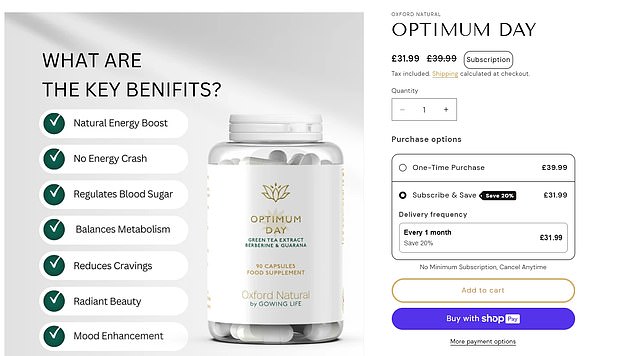

On the other hand, Ozempic imitates glucagon-like peptide-1, known as GLP-1, which is a hormone produced by your intestines upon eating. This substance suppresses appetite signals in the brain and prompts the pancreas to secrete insulin—a hormone responsible for controlling blood glucose levels.
Regarding Ozempic, numerous private physicians adhere to the policy of not prescribing it exclusively for weight management; however, a few might be willing to do so for individuals without diabetes.
Over the past several years, an increasing number of individuals have opted to use Type 2 diabetes medications. These drugs enable them to effortlessly lose weight that they had been struggling with for many years. However, these treatments might lead to potential unknown long-term side effects like pancreatitis.
Celebrity figures such as Kelly Clarkson, Whoopi Goldberg, Oprah Winfrey, Elon Musk, Rebel Wilson, Chelsea Handler, Amy Schumer, Sharon Osbourne, Sheryl Underwood, Lauren Manzo, Dolores Catania, and Golnesa ‘GG’ Gharagedaghi have acknowledged using semaglutide medications.
Read more

oleh admin | Mar 24, 2025 | cholesterol, healthcare and medicine, healthy living, high cholesterol levels, medicine and healthcare
New research suggests that thousands of lives could potentially be saved by using a combination of statins and another medication for lowering cholesterol levels.
The most extensive study to investigate how to reduce levels of ‘bad’ cholesterol in individuals with clogged arteries indicates that these patients should promptly receive a combination treatment of a statin and an additional medication known as ezetimibe, instead of relying solely on statins.
Combination therapy ought to be regarded as the premier approach for treating patients who have experienced a heart attack, potentially preventing numerous fatalities annually, according to researchers.
Scientists examined the results from 14 prior investigations that included data on 108,353 individuals with an extremely high likelihood of experiencing a heart attack or stroke, as well as those who had already undergone such events.


The research, featured in the journal Mayo Clinic Proceedings, indicated that combining ezetimibe with a high dosage of statins to lower low-density lipoprotein cholesterol (LDL-C) levels resulted in a significant 19 percent decrease in mortality from all causes.
There was additionally a 16 percent decrease in fatalities due to cardiovascular issues, along with a notable reduction of 18 percent and 17 percent, respectively, in significant adverse cardiovascular incidents and strokes when compared to treatment with high-dose statins alone.
The study’s co-author, Professor Peter Toth from the University of Illinois in the US, stated, “This research supports the idea that immediate combination cholesterol-lowering therapy must be regarded as the benchmark for treating individuals at extremely high risk following an acute cardiovascular incident.”
Read more

oleh admin | Mar 12, 2025 | diet and nutrition, health benefits, healthy living, meat, nutrition
Nutrient Density
In terms of nutritional value, meat-centric diets frequently stand out. Foods derived from animals, especially meats, are rich sources of vital nutrients like proteins, heme iron, B-vitamins, zinc, and omega-3 fatty acids.
These nutrients are essential for numerous body processes, such as building muscles, generating energy, and boosting immunity. Conversely, plant-based diets shine in offering plentiful amounts of fiber, antioxidants, Vitamin C, along with minerals like magnesium and potassium.
Nonetheless, it’s crucial to recognize that certain nutrients like vitamin B12 and iron have lower bioavailability from plant-based sources; hence, the body may not absorb these as effectively.
Protein Quality

Protein plays a vital role in any dietary plan, with variations in quality between animal-sourced and plant-based proteins. Animal-derived protein is deemed “complete” as it includes all nine indispensable amino acids that the human body can’t synthesize independently.
These amino acids are crucial for muscle recovery and general well-being. On the other hand, many plant-based proteins are considered “incomplete” as they frequently lack one or more of these vital amino acids.
Nevertheless, by blending different plant-based items like beans and rice, people can acquire all essential amino acids, thereby enabling them to fulfill their protein requirements even without consuming meat.
Impact on Health

The effects on health from consuming meat-centric versus plant-focused diets are considerable and multifaceted. Eating patterns rich in red and processed meats can elevate the likelihood of developing cardiovascular diseases, specific types of cancer, and various other ailments because these foods often contain elevated levels of saturated fats along with potentially dangerous substances such as nitrites.
On the contrary, studies indicate that diets rich in plants may reduce the likelihood of developing chronic conditions like heart disease, diabetes, and high blood pressure. These eating patterns generally have less saturated fat and more beneficial fibers, which enhance general well-being.

The effect of diets heavy in meat on the environment is significant, especially regarding beef production. Breeding animals for food demands extensive resources such as water, land, and energy, and it also contributes substantially to greenhouse gases, notably methane.
When compared, plant-based diets tend to have a significantly smaller environmental impact. Cultivating plants usually demands less resources and leads to reduced emissions, rendering it a more environmentally friendly option.
This factor is growing more significant as global warming issues escalate.
Sustainability

Sustainability plays a crucial role in discussions about meat versus plant-based diets. The meat sector notably exacerbates issues like deforestation, land deterioration, and decreased biodiversity because of the need for pastureland and feed crop cultivation.
In contrast, plant-based diets prove to be more sustainable since they demand lesser land and water resources while also fostering biodiversity. Migrating toward agricultural practices centered around plants can ease the strain on our ecosystems, thus contributing to a healthier Earth for upcoming generations.
Digestive Health

When it comes to digestive well-being, plant-based diets frequently come out ahead. Diets rich in red and processed meats usually lack sufficient fiber, potentially causing digestion problems, constipation, and raising the likelihood of developing colorectal cancer.
On the contrary, plant-based diets are abundant in fiber, which aids in sustaining proper digestion, managing bowel movements, and lowering the chances of developing colon cancer. The fiber functions akin to a brush, cleansing the digestive system and ensuring its efficiency.
Weight Management

Managing your weight is often a priority for numerous individuals, and the kind of diet you adhere to can be crucial. Foods rich in protein from animals may aid in maintaining muscles and keeping you feeling full, yet eating fatty cuts of meat along with processed items might lead to increased body mass.
In the meantime, a diet focused on plants, especially when it includes plenty of unprocessed options, usually contains fewer calories and less fat, which can simplify the process of maintaining your weight. Additionally, the abundant fiber in such dietary plans boosts feelings of fullness, aiding people in feeling more satiated.
Ethical Considerations

Moral concerns often steer numerous people’s decisions regarding their diet. Issues related to how animals are treated, the prevalence of industrial-scale farming methods, and the slaughtering of creatures play crucial roles in prompting certain folks to abstain from consuming meat.
A diet based on plants resonates ethically with numerous individuals because it steers clear of causing harm to animals and exploiting them, providing a kinder method of producing food. This moral aspect frequently plays a crucial role in people’s choice to embrace a plant-based way of life.
Culinary Variety

A variety of both animal-derived and plant-focused food choices abound, yet they take different paths. In numerous conventional dishes, meat serves as a key element, offering an array of tastes, consistencies, and preparation techniques.
On the contrary, plant-based diets present an extensive selection of fruits, veggies, grains, lentils, and nuts, offering varied and colorful dining choices. Although certain individuals might have to get inventive to mimic the flavor and consistency of meat, the range of tasty plant-based dishes is practically limitless.
Longo-Plazo Sostenibilidad para la Seguridad Alimentaria Mundial

With the world’s population expanding steadily, maintaining food security has become an urgent issue. Increased consumption of meat could exacerbate resource pressures, potentially rendering this practice unsustainable over time.
Shifting towards plant-based diets globally is seen as a more sustainable approach to address the nutritional requirements of an increasing populace. These types of foods require less resources and generate lower environmental impacts during production, providing a feasible strategy for nourishing humanity without exacerbating ecological damage.
What are your views on this subject? Please share your opinions in the section provided below—we’re eager to get insights from you! Would you like to read similar articles? Stay connected with us to ensure you never miss out!

oleh admin | Mar 10, 2025 | diet and nutrition, health, healthy living, nutrition, vitamins
Antioxidants
are naturally occurring substances that serve as
key part in safeguarding the body’s cellular structure
Free radicals, which lead to cellular harm, are unsteady molecules. They may arise due to elements like contamination, ultraviolet rays, tension, and normal bodily functions. An overabundance of these free radicals can injure your cells, promoting early aging along with conditions such as cancer and cardiovascular ailments.
What are antioxidants?
Antioxidants
are substances that assist in neutralizing free radicals, thus stopping them from damaging the body’s cells and tissues. Some of the most well-recognized antioxidants include
Vitamins C and E, along with beta-carotene
(a predecessor to vitamin A) along with flavonoids, found in numerous natural food sources. These components possess the ability to “sequester” free radicals, transforming them into inert molecules, thereby aiding in safeguarding cellular well-being and decreasing the likelihood of developing long-term illnesses.
Benefits of antioxidants
-
Protection against premature ageing:
Antioxidants play a crucial role in fighting the signs of aging by maintaining skin flexibility and reducing wrinkle formation. Excessive oxidative stress from high levels of free radicals may speed up this aging process within your skin. Antioxidants counteract these free radicals, thereby aiding in keeping your skin more youthful and healthy over time.
-
Strengthening the immune system:
Antioxidants, particularly vitamin C, have been recognized for boosting the immune system, enabling the body to combat infections and illnesses more effectively. These compounds boost the generation of immune cells and assist in safeguarding them against harm inflicted by outside factors.
-
Prevention of heart disease:
Oxidative stress is linked to the progression of cardiovascular diseases. Antioxidants aid in lowering the chance of atherosclerosis (fat buildup in arteries) and enhance overall cardiovascular health. Certain antioxidants like resveratrol, which can be found in red wine, have been examined for their potential benefits in protecting against heart ailments.
-
Protection against cancer:
Numerous research papers indicate that taking antioxidants may aid in lowering the likelihood of getting specific forms of cancer. These compounds shield DNA cells from harm inflicted by free radicals, thereby assisting in averting genetic alterations that might result in cancer.
-
Improved eye health:
Antioxidants like lutein and zeaxanthin are particularly advantageous for ocular health, aiding in safeguarding the retina from age-related macular degeneration (AMD) and cataracts, which are frequent issues impacting eyesight as one gets older.
Where to find antioxidants?
Antioxidants occur naturally in an extensive range of food items, most of which can be readily included in your daily meals. Here’s a list of some foods known for their high antioxidant content:
Fruits:
-
Strawberries, raspberries, blueberries, and blackberries are packed with antioxidants, particularly anthocyanins, known for their anti-inflammatory and antioxidative benefits.
-
Oranges, lemons, and tangerines—these citrus fruits are rich reservoirs of vitamin C, an influential antioxidant that aids in safeguarding the immune system and enhancing skin health.
-
Grapes of purple hue and wine dyed red abound with resveratrol, an antioxidant tied to safeguarding heart health.
Vegetables:
-
Spinach
Kale and broccoli are rich in lutein and zeaxanthin, nutrients that safeguard your eyesight.
-
Carrots and pumpkins offer beta-carotene, a substance that transforms into vitamin A within our bodies and possesses potent antioxidant qualities.
Nuts and seeds:
-
Walnuts
Almonds and chestnuts include vitamin E, which is an antioxidant soluble in fats that aids in safeguarding cells from oxidative harm.
-
Sunflower seeds also abound with vitamin E along with various other advantageous components.
Tea:
-
Green tea
It is one of the top sources of catechins, powerful antioxidants that possess anti-inflammatory and anticancer qualities.
Spices and herbs:
-
Found in turmeric, curcumin along with garlic possess strong antioxidant and anti-inflammatory properties.
-
Turmeric is also recognised for its antioxidant qualities and aids in digestion as well as decreasing inflammation.
Dark chocolate:
-
Dark chocolate includes flavonoids that possess antioxidant qualities. The greater the cocoa concentration, the more antioxidants it has.
Since you understand its significance, incorporate it into your daily meals.
Antioxidants are essential for safeguarding the body against harm inflicted by free radicals.
, helping to
avoid long-term illnesses, early aging
And even conditions like cancer. By including a variety of fruits, veggies, seeds, tea, and other antioxidant-rich foods in your meals, you can greatly enhance your general health and wellness. Keep in mind that along with eating right, leading an active life filled with regular physical activity and methods for reducing stress helps maintain optimal levels of antioxidants within your body.
By following this care, you will safeguard your cells and encourage a more healthy and extended existence.
Sources of information:
-
World Health Organization (WHO)
-
Academy of Nutrition and Dietetics
-
Journal of Nutrition
-
Food Chemistry
-
The American Journal of Clinical Nutrition.
Read more articles:

6 Edibles That Speed Up Aging: Ways to Steer Clear Of Them?

Combat inflammation with these 4 essential spices!
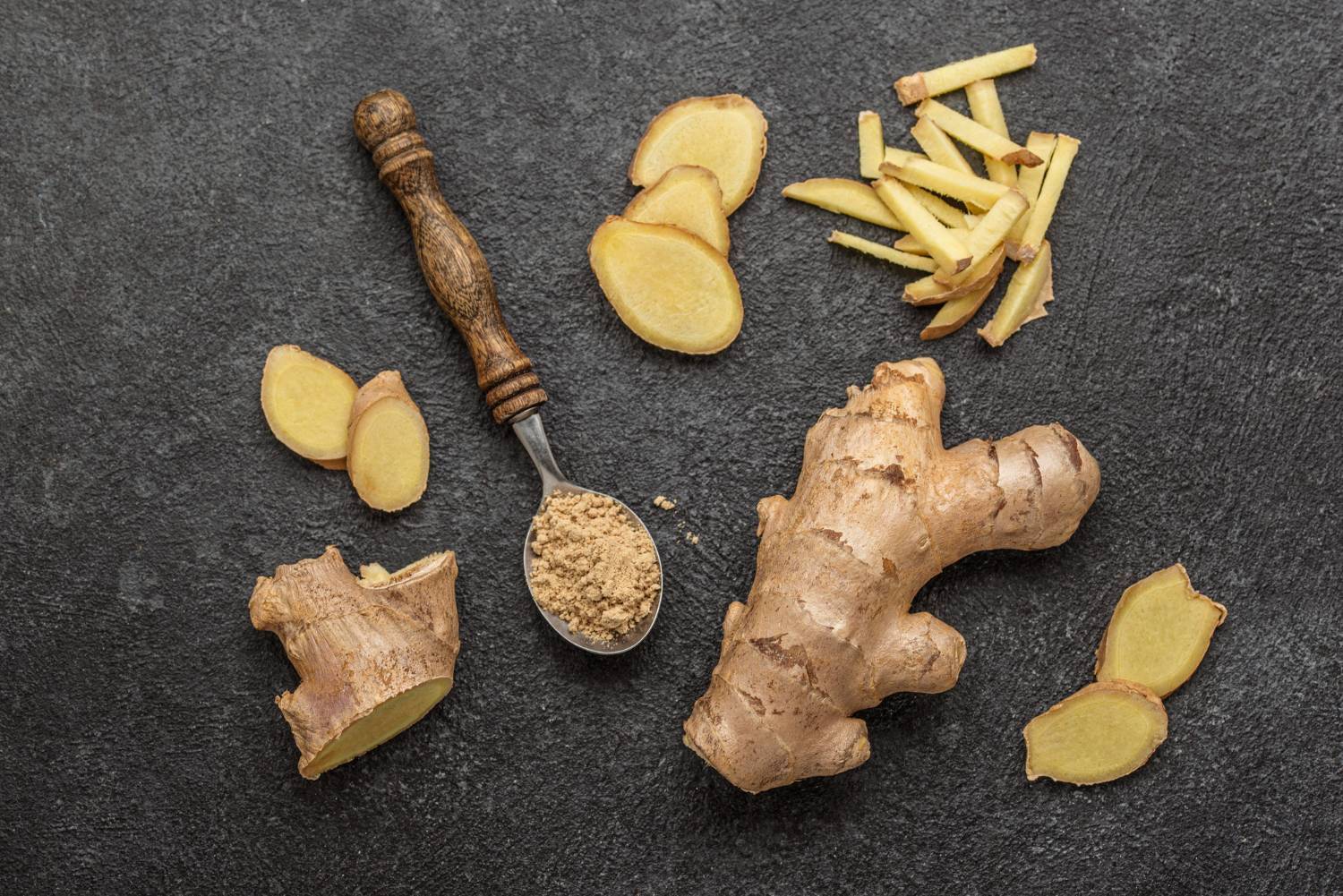
What occurs to our body when we consume ginger daily?
read more on en.SANGGRALOKA


