oleh admin | Mar 27, 2025 | electric power, energy sector, korea national news, korean, power plants
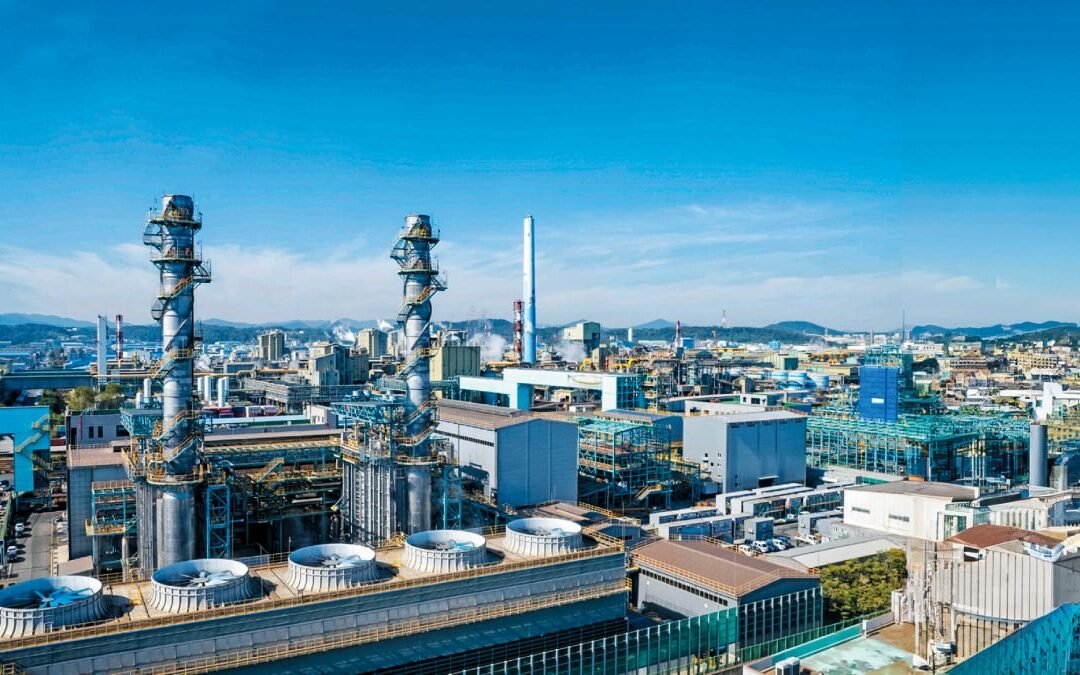
The Korea Railroad Corporation (KORAIL) intends to construct a Combined Heat and Power (CHP) facility, often referred to as a cogeneration power plant, at its Goyang train yard by 2027 with the aim of cutting down on electricity expenses.
The government-owned railroad authority, utilizing electric power for its operation of KTX high-speed services as well as various local routes such as Lines 1, 3, and 4 within the greater Seoul region, has experienced a significant surge in their utility expenditures recently. In the previous fiscal year, they allocated approximately 580 billion Korean won ($400 million)—which constitutes about 8.7% of their total operational spending amounting to 6.64 trillion Korean won—towards energy consumption alone. This expense is anticipated to increase further by around an additional 60 billion Korean won during the current year.
South Korea has consistently maintained some of the lowest industrial electricity rates globally. Despite the state-owned Korea Electric Power Corporation (KEPCO) experiencing significant financial losses and accumulating debts because of the former President Moon Jae-in’s initiative to reduce reliance on nuclear power along with rising crude oil costs, the authorities have increased electricity tariffs just once. To avoid provoking substantial public backlash, particularly regarding residential electricity charges, the government opted to raise industrial electricity rates two times starting from May 2023.
Soaring electricity expenses are driving numerous businesses to seek out alternate options, ranging from constructing their own power stations to buying less expensive energy directly from the wholesale market, thus avoiding KEPCO.
KORAIL, which operates 98% of its trains using electric power, is one of the businesses heavily impacted by the increases in industrial electricity rates. Despite a reduction of 1.2% in overall train kilometers traveled over the last three years, the company has seen rising expenses for electricity.
During a media briefing on March 25, KORAIL CEO Han Moon-hee stated that increasing electrical expenses are exerting significant strain on the corporation’s finances. Additionally, he mentioned that the firm intends to develop an extensive system of internal power stations across the country as a strategy to cut down operational expenditures.
The nation’s top manufacturing companies, which have significant energy requirements—such as those involved in oil refinement, semiconductor production, and steel industries—are increasingly working towards building their own power facilities.
HD Hyundai Oilbank is constructing a 277-megawatt (MW) liquefied natural gas (LNG) power station close to its Seosan complex in South Chungcheong Province, scheduled for completion in 2027. Meanwhile, Hyundai Steel intends to develop a 499 MW LNG facility at their Dangjin site within the same region by 2028.
In 2023 and 2024, SK Hynix started operations for two liquefied natural gas (LNG) facilities with a total capacity of 585 MW in Cheongju and Icheon as a reaction to increasing electricity costs. Meanwhile, since 2021, Korea Zinc has been producing its own power using a 272.5 MW combined-cycle LNG facility located at its Onsan smelting site.
Currently facing an unparalleled slump, the petrochemical industry is seeking alternate power sources beyond those provided by KEPCO. SK Advanced, which operates as part of SK Gas within this sector, has submitted an application to KPX with intentions to buy electricity directly from the wholesale market for approximately 30 won per kilowatt-hour (kWh). This represents a significant saving compared to KEPCO’s present industrial charge of 185.5 won per kWh.
The direct purchasing system, launched in 2003, enables customers to acquire electricity directly from the wholesale market without going through KEPCO. This option remained mostly unused due to consistently low prices set by KEPCO for an extended period. However, following KEPCO’s decision to raise industrial electricity charges to 185.5 won per kWh last October, businesses are considering this rarely used mechanism again after more than two decades of dormancy.
The Korea Enterprise Federation (KEF) observed that although household electricity prices have climbed by 40.4 won per kilowatt-hour over the last three years, industrial tariffs have gone up by 80 won. “Rising energy expenses pose a significant risk to manufacturing output and business investments,” stated the KEF in an announcement made on March 25th. According to a recent poll conducted by the Korea Chamber of Commerce and Industry, approximately 40 percent of South Korean producers are contemplating shifting towards different means for their power needs.
The Ministry of Trade, Industry, and Energy (MOTIE) plans to approve a new regulation on March 28 that will outline the process for direct electricity procurement. Upon completion, this framework is anticipated to gain wider acceptance amongst businesses.
oleh admin | Mar 24, 2025 | battery electric vehicles, electric cars, electric power, sustainability, technology trends
The electric vehicle (EV) trend is becoming more robust in the Philippines, fueled by increasing gasoline prices, governmental incentives, and a stronger emphasis on environmental responsibility.
As more Filipinos contemplate transitioning to electric vehicles, a significant worry persists: charging infrastructure. Is this network growing rapidly enough to meet rising demands, or does it continue to lag behind?
The drive towards adopting electric vehicles
The Philippine government has made notable strides toward encouraging the use of electric vehicles. With the passage of the Electric Vehicle Industry Development Act (EVIDIA) in 2022, it requires that at minimum 5% of the vehicle fleet owned by both governmental entities and commercial enterprises should consist of electric models. Additional motivations like reduced taxes and exemption from certain driving restrictions serve to attract more Filipinos towards purchasing EVs.
As a result, car manufacturers are launching additional electric vehicle (EV) models, with brands such as BYD, Tesla, Nissan, and Hyundai aggressively promoting their offerings in the marketplace. Although interest in EVs is increasing, numerous prospective purchasers hold back because of worries regarding accessible charging options.
The current situation with EV charging in the Philippines
By 2024, approximately 300 electric vehicle charging stations will be scattered throughout the nation, primarily clustered in Metro Manila, Cebu, and Davao. In contrast to the numerous petrol stations spread out across the country, this figure remains significantly insufficient to facilitate extensive adoption of EVs.
Public charging: Scarce and bothersome
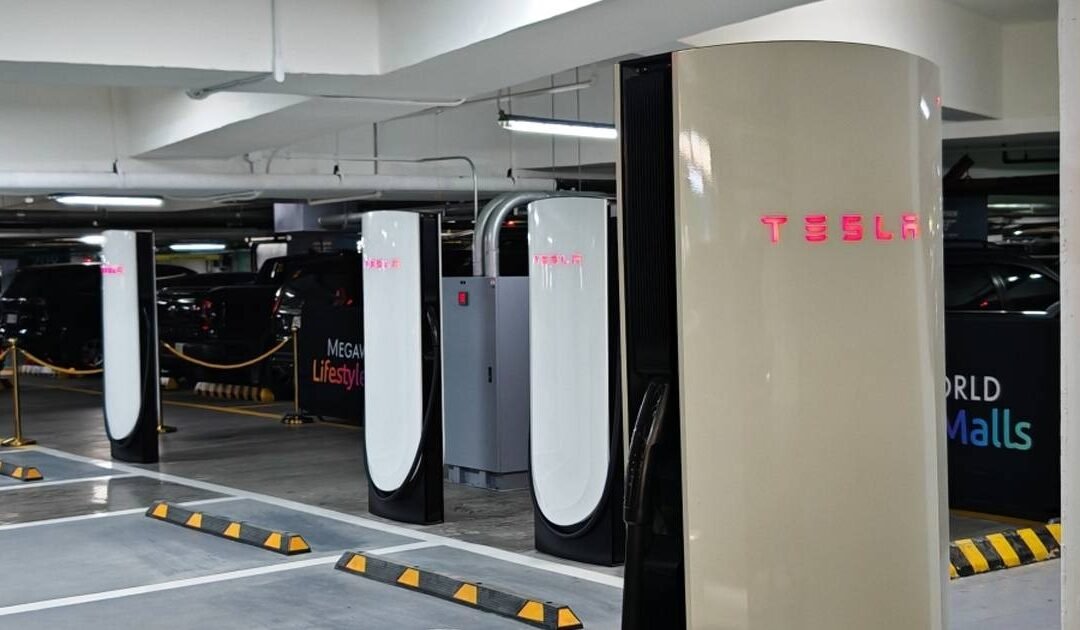
Many public chargers can be located at places like malls, hotels, and certain gasoline stations. Although large retail hubs including SM Malls, Ayala Malls, and Robinsons have set up charging points, most of them offer only slower options needing multiple hours for complete recharge. Rapid chargers that can top off an electric vehicle within one hour continue to be rare.
Several fuel providers like Shell and Petron have started incorporating EV chargers into their outlets; however, the deployment process remains sluggish. The DOE has suggested placing charging points at intervals not exceeding 25 kilometers across principal expressways, yet this initiative hasn’t come close to materializing as planned.
In-home charging: Handy yet not universal.
Many electric vehicle (EV) owners find home charging to be the most convenient choice. Usually, a standard wall charger can completely replenish an EV’s battery within one night, which works well for everyday needs. Nonetheless, this arrangement isn’t feasible for individuals residing in condominiums or houses lacking private parking spots, thereby restricting access to EVs for numerous city residents.
Distant journey: A significant obstacle
The primary difficulty faced by electric vehicle (EV) owners in the Philippines revolves around traveling long distances. Although these vehicles operate efficiently within urban areas, embarking on journeys to provincial regions stays challenging because of insufficient charging stations along expressways and main highways.
Even though several charging stations have been set up along the southern and northern toll ways, the present count remains insufficient to make lengthy trips comfortable. Before a comprehensive quick-charging infrastructure is put in place, electric vehicle owners must meticulously map out their journeys to prevent depleting power en route.
What needs to change?
To ensure that electric vehicle (EV) charging facilities meet the growing needs, certain essential upgrades should be implemented. It’s crucial to expand high-speed charging networks particularly alongside major roads and rural pathways, which would facilitate longer journeys for EVs. Support from the authorities is necessary; this includes motivating companies to set up these stations through benefits as well as offering lower rates for power used in EV charging points to attract greater investments into the infrastructure development.
Cooperation between governmental bodies and private enterprises is crucial as well. Car manufacturers, power firms, and the administration should collaborate to hasten the installation of charging stations, following examples set successfully elsewhere around the world. Moreover, increasing public understanding poses another hurdle. Numerous Filipinos remain reluctant to make the shift to EVs because of misunderstandings regarding charge points and battery endurance. Implementing further educational initiatives might assist in clarifying these issues and persuade more buyers to look into electric cars.
The path forward for electric vehicle charging
The expansion of the electric vehicle (EV) charging network in the Philippines is underway, yet it isn’t keeping up with the rising enthusiasm for electric transportation. Even though advancements have been achieved, they need to happen more rapidly to facilitate an effortless shift towards EV use. For the nation to wholly adopt these vehicles, their refueling infrastructure should be just as convenient and dependable as conventional gas stations. The advancement toward eco-friendly travel in the Philippines hinges upon how swiftly the country embraces this modern age of electricity-based transport.
oleh admin | Mar 24, 2025 | business, electric power, fire, incident, safety
By Naa Shormei Odonkor
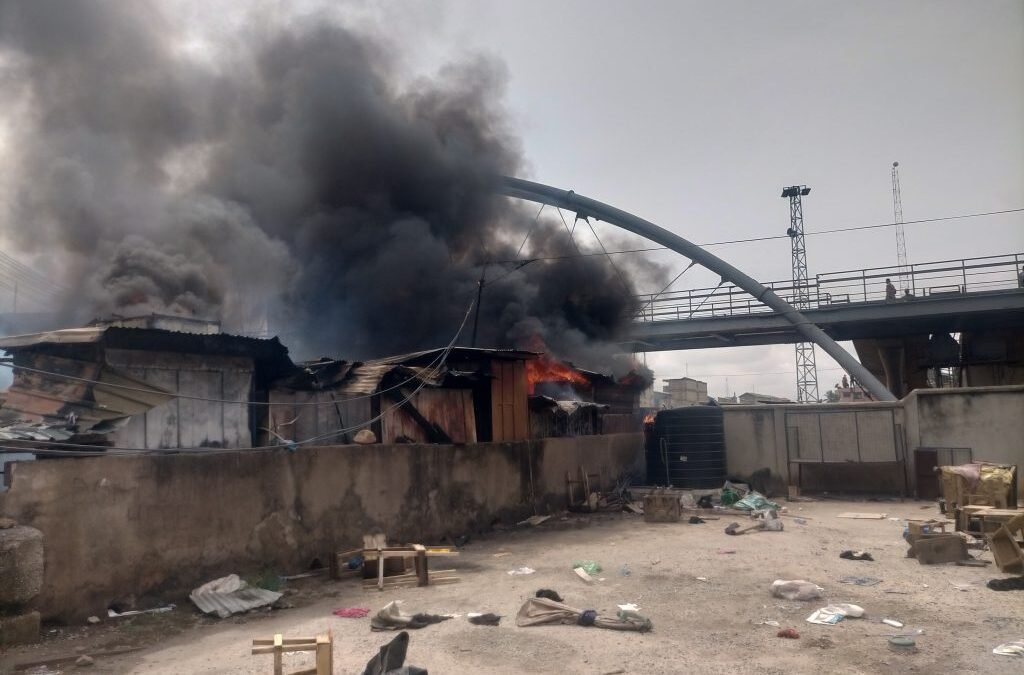
Kumasi, March 24, GNA – The Electricity Company of Ghana (ECG) has refuted claims that they were responsible for the fire outbreak which completely devastated ‘Blue Light,’ a well-known shopping area located in Adum, the heart of Kumasi’s commercial center.
Mr. George Amoah, who serves as the Ashanti West Region Manager at the firm, informed the Ghana News Agency during an interview that these claims lack merit. He emphasized the importance of having both traders and citizens await the conclusions from the ongoing probe, currently being carried out by the Ghana National Fire Service.
The traders who were impacted along with several citizens are attributing the persistent electrical issues to the Electricity Company of Ghana (ECG), leading to a series of power instabilities that culminated in one of the most devastating fires Kumasi has seen in recent times.
A massive blaze engulfed the commercial area located between the Hello FM radio station and Kumasi Central Market, wiping out merchandise worth several million Ghanaian cedis. This conflagration left numerous traders facing significant financial losses and mounting debts.
The reason behind the fire incident remains unclear, however, the traders are blaming the ECG due to frequent power disruptions, affecting Kumasi and nearby areas during that time.
The Ashanti Regional Security Committee had previously instructed the Ghana Navy Fleet Services to carry out an extensive inquiry into the incident. Meanwhile, President John Dramani Mahama directed NADMO to arrange aid supplies and assistance for the numerous individuals affected.
Mr Amoah observed that prior to the blaze breaking out on Friday morning, electricity had been consistently available in the region throughout Thursday and into the early part of that tragic day.
“However, the company had to curtail power supply to the enclave when the fire started to enable the Ghana National Fire Service do its work and also protect life and property,” he said.
Mr. Amoah stated that the ‘Blue Light’ area hadn’t experienced any power outages for around three weeks prior to the fire incident.
He mentioned that the ECG provided a specific power distribution line named ‘Town Hall Tower,’ guaranteeing a steady energy supply because the area acted as one of the financial centers for the ECG.
“The distributive feeder serving the enclave is among the most robust in the Ashanti West Region, and over the last three weeks, we have had no outages in that area,” according to Mr. Amoah.
He also mentioned that there was another power supply option called ‘Power House Two’ that passed through the same area.
He highlighted that ensuring a consistent and dependable electricity supply within that area was among the highest priorities for the ECG.
Nevertheless, he voiced worries regarding the recurrent vandalism of transformers and the pilferage of electrical components, ultimately resulting in power disruptions at the marketplace.
Mr Amoah remembered two instances of transformer damage due to vandalism and theft of electrical components, with one event happening close to the former Melcom location, leading to a 48-hour blackout.
The second event took place approximately two weeks ago close to the Hello FM station, where a fire broke out and components like switches, fuses, and more were taken away by unidentified individuals.
Nonetheless, power was reinstated the same day since the missing items were promptly returned and the transformer was repaired.
Once more, he noticed that the structure where the fire began was considerably aged, heavily occupied, and featured numerous connections with incorrect wire dimensions.
“The wiring of the building is old, and a lot of people distribute power to their neighbors illegally with substandard electrical cables.
“Some establishments lack an earthing system entirely, whereas some possess outdated sockets that significantly endanger their overall safety,” Mr. Amoah pointed out.
He mentioned that ECG had multiple times sent representatives to the enclave to discuss with the traders about the importance of hiring certified electricians for the wiring work in their stores.
Mr Amoah stated that the ECG expressed sympathy for those affected by the catastrophic fire incident since they also suffered losses such as a transformer, around five utility poles, and several cables.
GNA
KOM/AD
Provided by SyndiGate Media Inc.
Syndigate.info
).
oleh admin | Mar 24, 2025 | electric power, energy sector, government, politics, politics and government
Prime Minister Shehbaz Sharif on Sunday ruled out any shift in the government’s policy and priorities regarding solar energy, directing authorities to dispel ambiguities surrounding the solarization policy with facts and figures.
Chairing a review meeting on power sector matters, the prime minister emphasized the need for a clear and transparent approach to inform the public about solar energy initiatives. He also instructed officials to swiftly complete legal and procedural formalities for the liquidation of generation companies and to accelerate the privatization process of power distribution firms, according to a statement from the PM Office.
To provide relief to consumers, PM Shehbaz announced that a package to reduce electricity tariffs was in the works and would be unveiled soon. Additionally, he stressed enhanced coordination between the Power Division, Water Resources Division, and Petroleum Division to develop a comprehensive energy sector strategy.
The meeting was attended by Federal Minister for Power Division Sardar Awais Leghari, Advisor to PM Dr. Taqeer Shah, and other senior officials. Federal Minister for Economic Affairs Ahad Khan Cheema and Advisor to PM Muhammad Ali participated via video link.
Provided by SyndiGate Media Inc. (
Syndigate.info
).
oleh admin | Mar 21, 2025 | automotive industry, battery electric vehicles, electric cars, electric power, technology
-
EXPLORE FURTHER: Electric vehicle brakes generate pollutants more harmful than those from diesel exhausts.
Although electric vehicles may attract environmentally aware drivers, the concern over battery depletion before reaching one’s destination deters numerous potential buyers.
However, the Chinese EV manufacturer BYD asserts that their newest models will put an end to ‘range anxiety.’
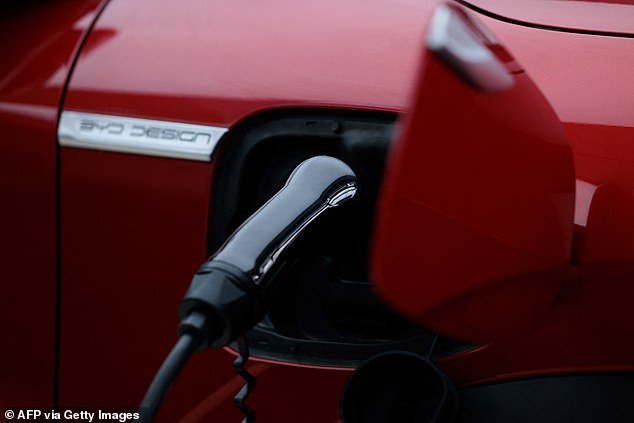
BYD says its new charging system, dubbed the ‘Super-E Platform’, can enable a car to travel 250 miles (400km) after just five minutes of charging.
This 1,000-kilowatt (kW) charger – double the power of its competitor
Tesla
Supercharger – able to replenish an electric vehicle’s battery in the same duration it takes to refuel a traditional car.
petrol
car with fuel.
Last year, BYD was
the globe’s second biggest producer of battery-operated electric cars
just slightly behind Elon Musk’s Tesla.
This recent advancement might propel the Chinese firm to the leading spot by attracting purchasers who are hesitant to abandon their traditional gasoline vehicles.
The BYD founder, Wang Chuanfu—who is frequently referred to as
China
‘s
Elon Musk
mentioned during a launch event in Shenzhen, China, that the brand’s upcoming vehicles would reach ‘fuel-parity’ when it comes to refueling.
Mr Wang added: ‘In order to completely solve our users’ charging anxiety, we have been pursuing a goal to make the charging time of electric vehicles as short as the refuelling time of petrol vehicles.’
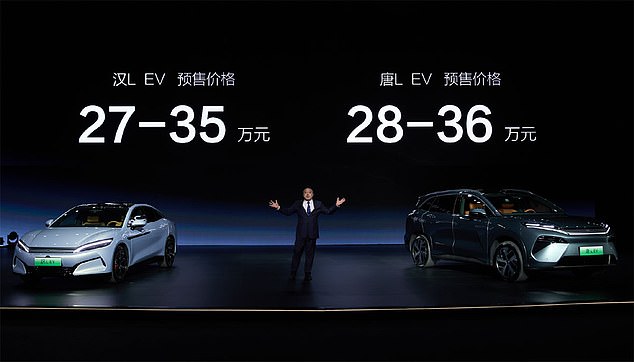
BYD states that the newly introduced ultra-fast charging tech will first be featured in two models released this year: the Han L sedan and the Tang L SUV.
The Han L sedan and the Tang L SUV both have slightly lower starting prices.
the typical cost of an electric vehicle in the UK
ranging from 270,000 to 350,000 yuan ($37,300-$48,350 or £28,700-£37,300).
The firm asserts that this car model’s innovative battery design enables drivers to gain approximately 1.20 miles (2 kilometers) of additional range per second when charged at maximum capacity.
officially has a rating of ’10C,’ indicating that these vehicles can achieve a full charge in just one-tenth of an hour, which equates to six minutes.
Rapid charging necessitates the transfer of substantial electrical power, implying the generation of both a high voltage and a significant current concurrently.
One of the primary obstacles to boosting charging efficiency is the substantial amount of heat generated by high currents, posing risks when accumulated within a sizable battery.
To address this issue, BYD claims it has succeeded in decreasing the internal resistance of the battery, which implies that the battery generates less heat as current flows through it.
Moreover, the firm claims it has developed new silicon carbide power chips capable of handling increased voltage levels.
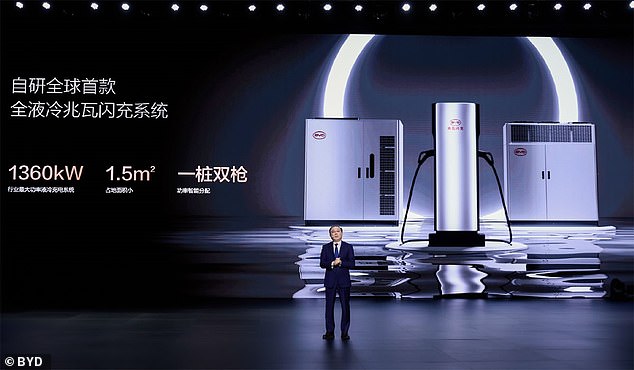

In a post on the Chinese social media platform Weibo, translated via Google Translate, the company says: ‘BYD officially releases flash charging battery with ultra-high voltage of 1000V, ultra-large current of 1000A and ultra-large power of 1000kW.’
At the launch event, Mr. Wang stated, “For the first time in our sector, we have reached the milestone of megawatts in terms of charging power.”
This power level increases the capacity of most charging systems found in the UK and the US by two or three times.
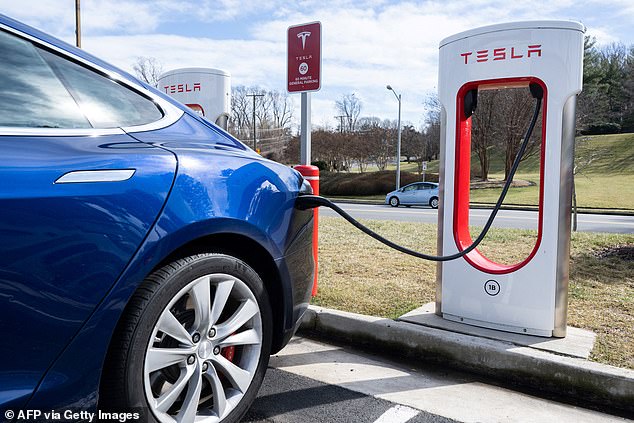
Tesla’s most recent batch of Superchargers can achieve up to 500 kW, whereas the majority of the older models do not have this capability.
peak at somewhere from 250 to 400 kW.
A majority of Tesla’s Superchargers in the United Kingdom can supply sufficient power for driving up to 172 miles (277 kilometers) following just 15 minutes of charging.
According to BYD, they intend to set up a network of 4,000 fast-charging stations throughout China.
Stronger charging stations need direct connection to the power grid along with specialized cooling systems to avoid overheating.
This indicates that the new flash-charging system might necessitate building further infrastructure, such as constructing extra substations and transformers.
Nonetheless, BYD has not offered any details regarding the timeline for building these stations or how they intend to fund their construction.
Similarly, BYD states that the technology will initially be accessible solely within China, and they have not verified if they intend to deploy flash chargers in other locations.
Faster charging and better range have been seen by many industry analysts as the key to switching from cars with internal combustion engines, which emit pollutants.
According to a 2024 survey conducted by management consultancy firm McKinsey & Company, 40 percent of potential electric vehicle (EV) purchasers aimed for over 400 miles of range on a single battery charge—approximately equivalent to the typical distance a gasoline-powered car can cover with one full tank.
Similarly, 42 percent of participants indicated that charging speed is their primary concern.
Out of these individuals, 60 percent expressed their preference for charging times of 30 minutes or shorter.
BYD’s advancement has been met with approval from global markets and could potentially assist them in surpassing their competitor Tesla over an extended period.
Following the announcement, BYD’s shares surged to an all-time peak, rising by 4.1 percent on Tuesday to reach a value of HK$408.80 ($52.59) on the Hong Kong Stock Exchange.
Meanwhile,
On Tuesday, Tesla’s stock value fell by 5.5 percent.
, adding another 4.8 percent drop from Monday.
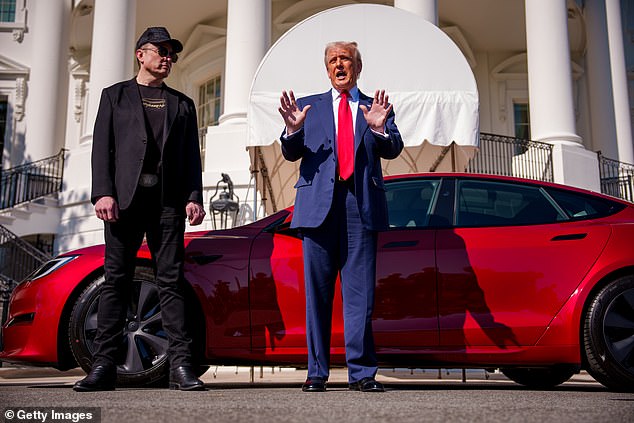
Overall, Tesla’s valuation dropped by 44 percent throughout 2025 due to investor concerns about CEO Elon Musk’s prominent association with Donald Trump.
Since Trump’s election,
The automotive company has experienced over $800 billion (£617bn) erased from its stock market value.
Read more
oleh admin | Mar 18, 2025 | battery electric vehicles, electric cars, electric power, electric vehicle charging stations, technology
Cars constructed using this platform will gain an additional 249 miles of range within merely five minutes, which could signify a significant breakthrough for electric vehicles.
-
BYD introduces the Super e-Platform, which will support the development of the planet’s quickest-recharging electric vehicles set for release later this year.
-
Thanks to a 1,000-volt electrical system, it supports charging rates of up to 1,000 kilowatts (one megawatt).
-
EVs constructed using this platform will gain an additional 249 miles of range within just 5 minutes.
In China, rather than Europe or North America, we see the fastest-charging and most sophisticated electric vehicles emerging. Now, BYD’s latest Super e-Platform reinforces this lead even more. Following their announcement of EVs capable of charging at rates of up to 500 kilowatts, BYD claims their newest technology supports an impressive maximum charging capacity of 1,000 kW, enabling the vehicle to add about 2 kilometers (or roughly 1.2 miles) of range every single second.
According to
the company’s website
And according to news reports, the Super e-Platform operates at 1,000 volts, surpassing even the maximum voltage levels found in today’s electric vehicles. These typically reach their peak at around
800 volts
or 900 volts in
Lucid vehicles
, and it’s these vehicles that also offer the highest charging capacity.
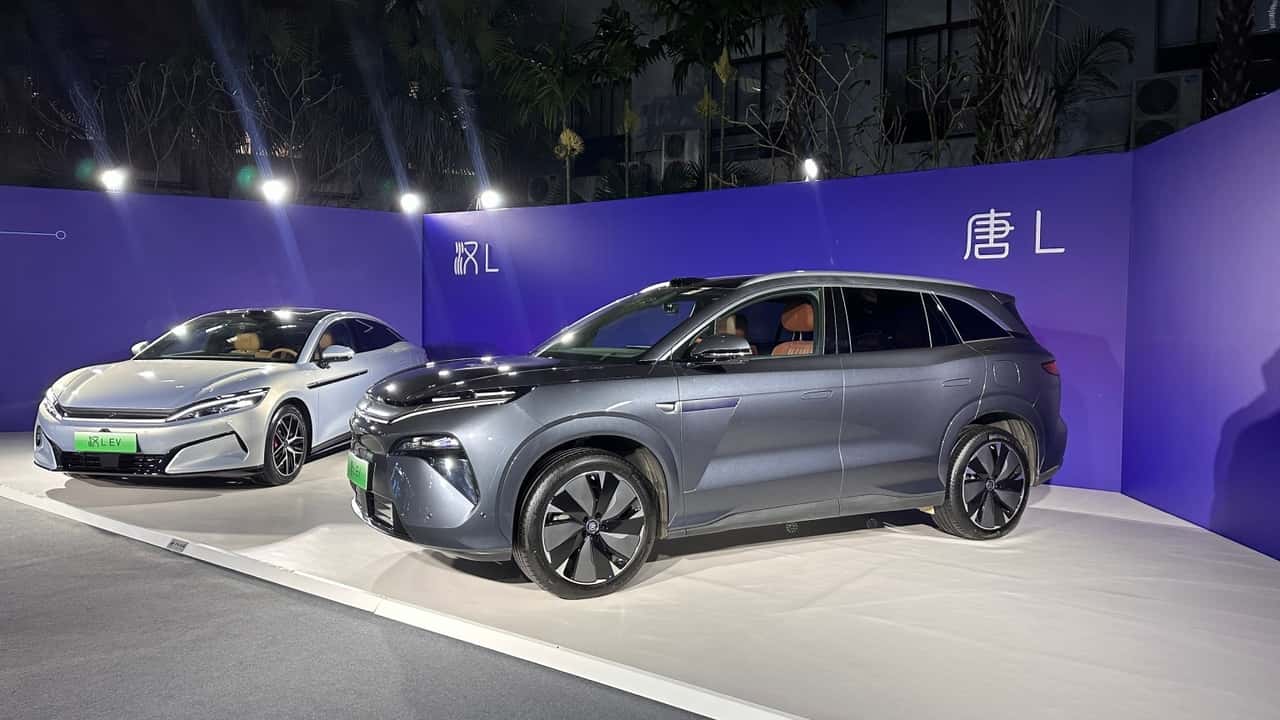
Photo by: BYD
BYD – 1000 kW ultra-rapid charging
BYD’s latest platform supports up to 1,000 amps of current, which allows adding approximately 249 miles (400 kilometers) of range within merely five minutes. This process is nearly as fast as refueling a conventional car, thereby addressing one of the major issues with electric vehicles—the significant waiting time required to achieve substantial charging progress. Typically, this involves spending many minutes plugging in to gain usable mileage.
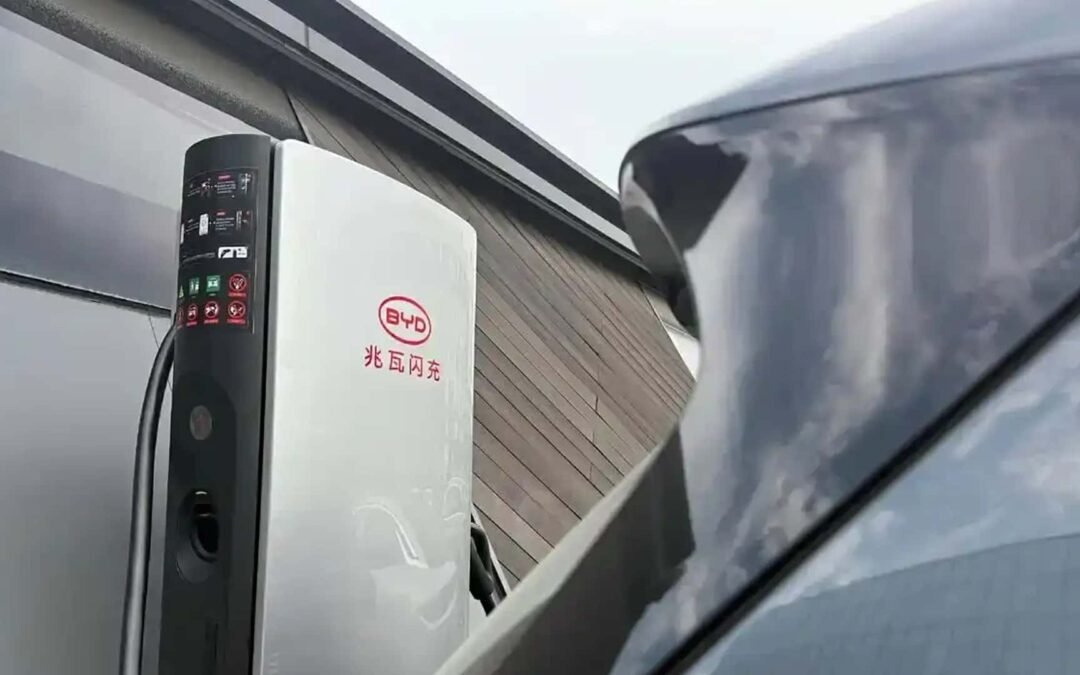
High-capacity charging stations are necessary to reach peak charging speeds; however, BYD has declared intentions to construct approximately 4,000 such facilities across China. The company did not specify when construction will commence nor provide an estimated timeline for completing their targeted 1,000 kW infrastructure project.
These advanced high-power EV chargers cannot be easily set up just anywhere due to their significant power requirements when operating at maximum efficiency. They might necessitate connections directly to high-voltage lines, confining them primarily to sites equipped with strong grid systems.
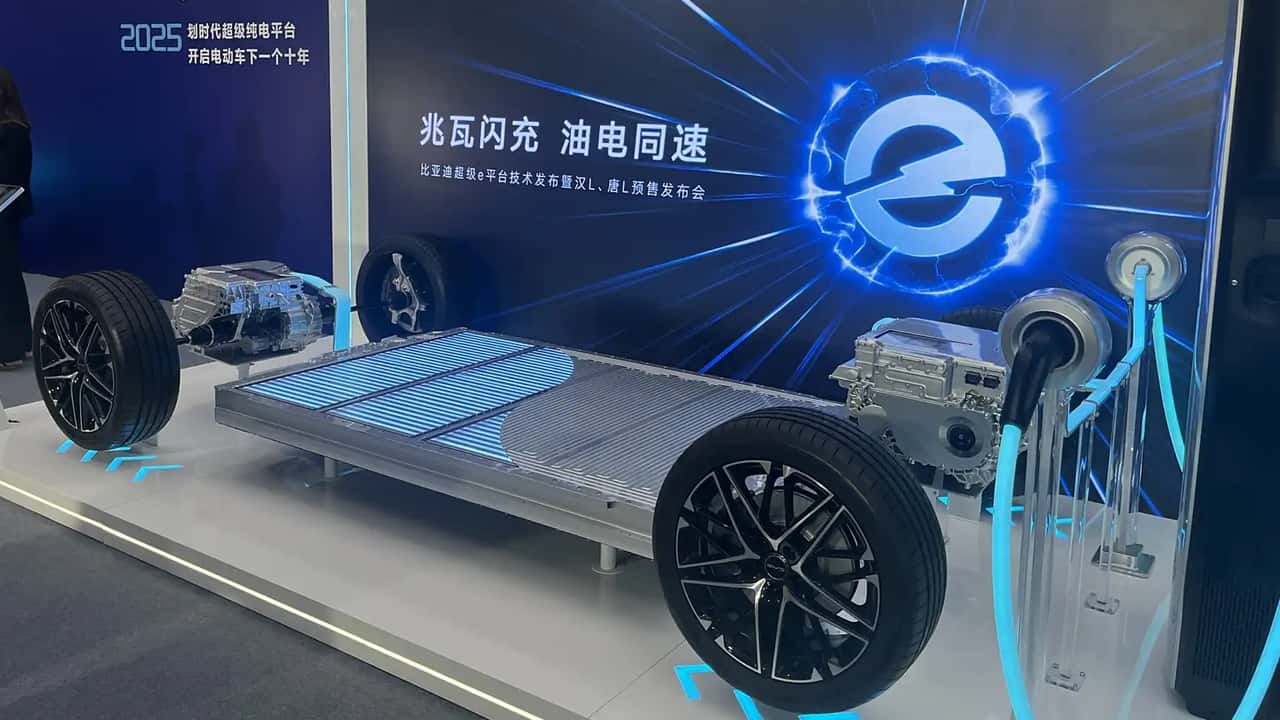
Photo by: Autohome
BYD – Platform at 1,000 volts
In China, customers can now reserve the BYD Han L for $37,350 and the Tang L for $38,700. These models utilize a cutting-edge platform enabling quicker charging speeds compared to any electric vehicle globally. Additionally, they feature advanced high-output motors capable of spinning beyond 30,000 revolutions per minute, delivering up to 777 horsepower—currently unmatched worldwide from a singular engine. This performance is integrated via a next-generation suite of silicon carbide power modules.
Vehicles equipped with a single motor for rear-wheel drive, constructed using the new platform, will produce 671 horsepower. Meanwhile, those fitted with dual motors will couple this high-performance engine with a less powerful 308-horsepower unit at the front wheels, resulting in an overall power output of 1,084 horsepower.
This allows the Han L sedan and Tang L SUV to accelerate from zero to 62 mph (100 km/h) in merely 2.7 and 3.6 seconds, respectively, achieving maximum speeds of up to 190 mph and 170 mph.
The introduction of the Super e-Platform seems poised to be a pivotal moment for the electric vehicle sector, making the process of charging an EV as straightforward as filling up a gasoline-powered car.
BYD
must fulfill its commitment to establish a widespread network of one-megawatt charging stations so that users can truly enjoy the advantages.
Clearly, BYD aims to establish itself not just as a top seller in the electric vehicle market but also as a technology innovator, tackling one of the primary worries for potential purchasers.
Bloomberg
observes that the introduction of the new platform is already positively impacting the company’s stock price, causing an increase of 6%.
More On BYD
-
Within BYD’s Ambitious Strategies for Europe
-
BYD’s Response to Tesla Autopilot Comes at a Much Lower Cost
-
Witness The BYD Shark Tackle Australia’s Sandy Dunes Amid 100-Degree Temperatures
-
China’s Dominance in the EV Market: What’s Driving Their Success in the Electric Vehicle Sector?
-
BYD Might Soon Surpass Sales of Both Ford and Honda
-
Lucid CEO: Numerous Electric Vehicles in America Are Simply Subpar


