


6 Power Foods for Sharp Vision: Fruits and Veggies That Brighten Your Eyes
The ginkgo tree, along with blueberries, mulberries, fennel, goji berries, and chamomile, contains high levels of antioxidants, anti-inflammatory agents, and vital vitamins that help protect eyesight, decelerate aging processes, and improve visual acuity.
Dr. Tran Thi Tra Phuong from the Department of Nutrition and Dietetics at Tam Anh General Hospital in Hanoi highlights the advantages of adding these vegetables, fruits, and herbs to your meals for better ocular wellness.
Below are six kinds of produce that can be advantageous for eye health:
1. Ginkgo
Ginkgo enhances blood flow to the retina, offering particular advantages for those suffering from glaucoma. Its antioxidant qualities shield nerve cells and the eyes against oxidative damage triggered by free radicals. Insufficient levels of antioxidants may increase the likelihood of developing eye issues like macular deggeneration, cataracts, and glaucoma.
2. Blueberries
Blueberries
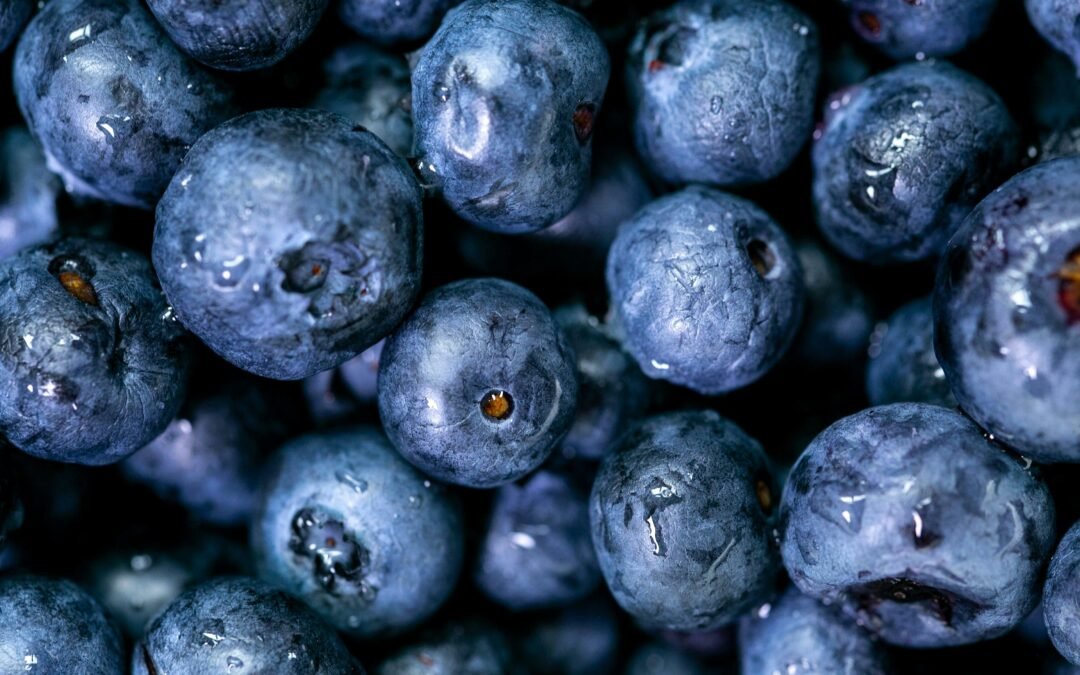
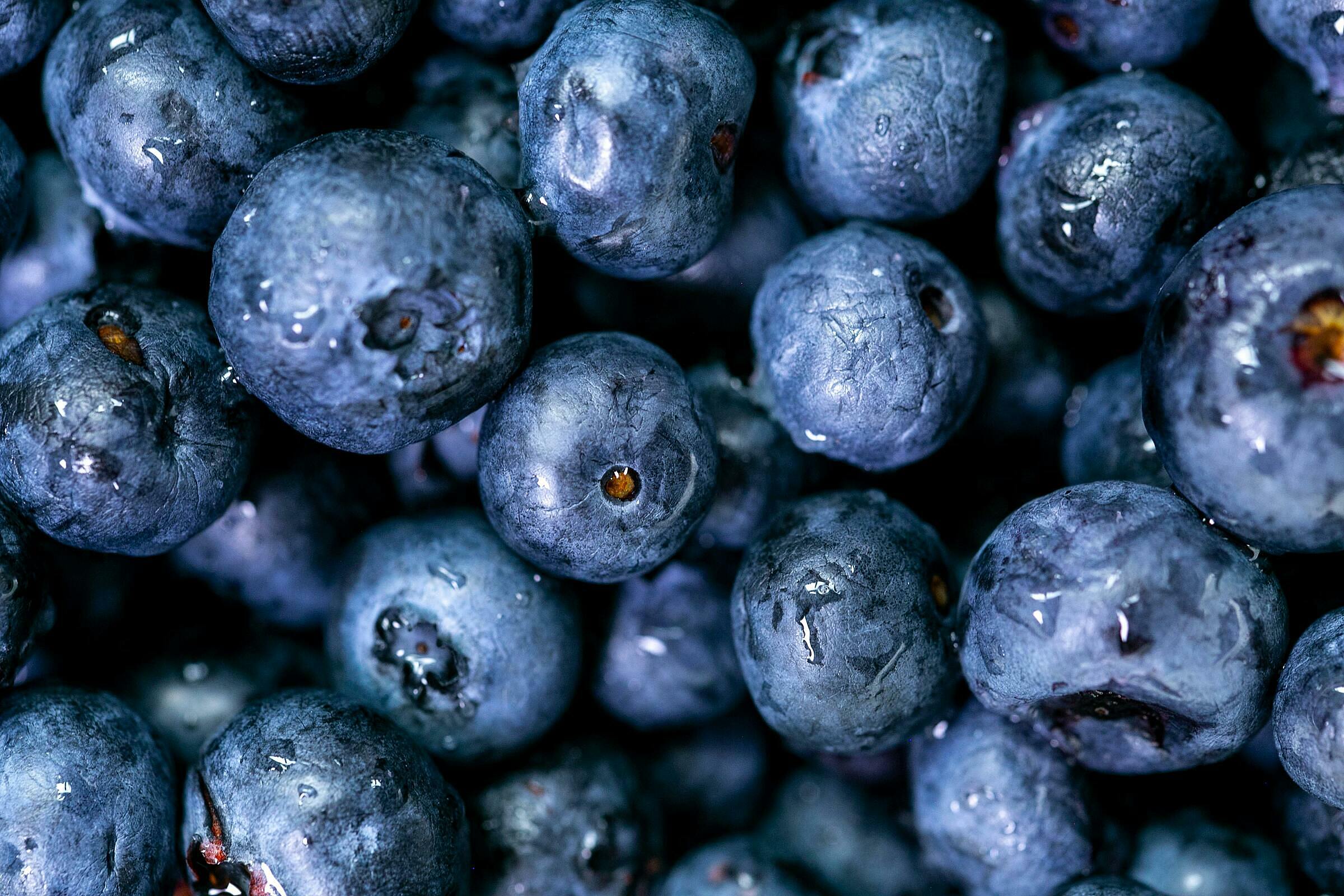
Are rich in powerful antioxidant flavonoids that protect eye cells from free radical damage, improve blood flow to the retina, and boost night vision. These antioxidants can also aid in managing conditions such as glaucoma and cataracts. Additionally, blueberry extract supports retinal nerve cells by inhibiting the growth of new blood vessels, which is crucial for combating illnesses like macular degeneration and diabetic retinopathy.
|
|
A detailed image of blueberries. Stock photo courtesy of Pexels. |
3. Fennel
Fennel can help reduce eye inflammation and excess tear production. People with serious ocular issues such as cataracts and glaucoma frequently use fennel tea as an eyewash for this purpose. Furthermore, studies have shown that essential oil derived from fennel seeds helps decrease intraocular pressure in individuals diagnosed with glaucoma.
4. Mulberries
Mulberries include flavonoid antioxidants that can ward off numerous age-related eye conditions. Additionally, the vitamin C present in these berries might lower the chance of forming cataracts. Moreover, zeaxanthin—a type of carotenoid identified within mulberries—functions as an antioxidant to shield against retina damage.
5. Goji berries
Goji berries contain lutein, zeaxanthin, and beta-carotene, compounds known for blocking damaging blue light, protecting against oxidative stress in the eyes, and reducing the risk of age-related macular degeneration. Additionally, these berries are abundant in vitamins A and C along with vital amino acids, aiding in keeping eyes moisturized and alleviating symptoms of dry eye syndrome.
6. Chamomile
Chamomile tea
Is utilized to improve sight and address issues such as unclear vision and dry eyes. It lessens visual fatigue, making it advantageous for individuals who frequently look at screens over long durations. Additionally, chamomile possesses anti-inflammatory qualities that help reduce redness, puffiness, and irritation in the eyes.
Dr. Phuong notes that eye problems often develop gradually, and symptoms may not be noticeable until the condition worsens. Therefore, regular eye check-ups are crucial.
She additionally suggests incorporating natural extracts like broccophane (derived from broccoli) into your regimen. This extract enhances thioredoxin, a protein known for its antioxidant properties. Thioredoxin plays a crucial role in safeguarding retinal pigment epithelial cells and the lens, thereby contributing to improved eye health and sharper vision.