
oleh admin | Mar 30, 2025 | health benefits, health tips, healthy eating, nutrition, nutritionists
Packed with beneficial fats, proteins, vitamins, and antioxidants, hazelnuts promote cardiovascular well-being, might lower the chance of developing certain cancers, and could aid in regulating blood glucose levels when eaten regularly.
According to
Healthline
Hazelnuts boast an impressive nutritional composition. In each one-ounce (28 grams, approximately 20 pieces) serving, you’ll find around 176 calories, with 17 grams of fat, 4.2 grams of protein, 4.7 grams of carbohydrates, and 2.7 grams of fiber.
This portion offers 21% of the suggested daily amount of vitamin E, 12% for thiamine, 12% for magnesium, 24% for copper, and an impressive 87% for manganese.
Moreover, hazelnuts are abundant in omega-6 and omega-9 fatty acids and offer significant quantities of vitamin B6, folate, phosphorus, potassium, and zinc.
Thanks to their strong nutritional profile, hazelnuts provide these significant health advantages:
1. Preventing aging
Research suggests that eating hazelnuts, whether you consume them with or without their skins, can significantly decrease oxidative stress—an important contributor to aging—due to their high antioxidant content. For optimal antioxidant effects, it’s advisable to have raw, unhulled hazelnuts as opposed to roasted ones because the process of roasting may lower the level of antioxidants present.
2. Enhancing heart health
Consuming hazelnuts can enhance cardiovascular well-being due to their high content of antioxidants, beneficial fats, and dietary fibers. Studies indicate that regular intake of hazelnuts aids in reducing cholesterol and triglyceride levels. In an investigation, participants who ate hazelnuts every day experienced a notable decline in LDL (low-density lipoprotein) cholesterol, along with improvements in arterial function and reduced inflammation indicators.
The beneficial fats found in hazelnuts, particularly oleic acid, might also assist in managing blood pressure levels.
|
|
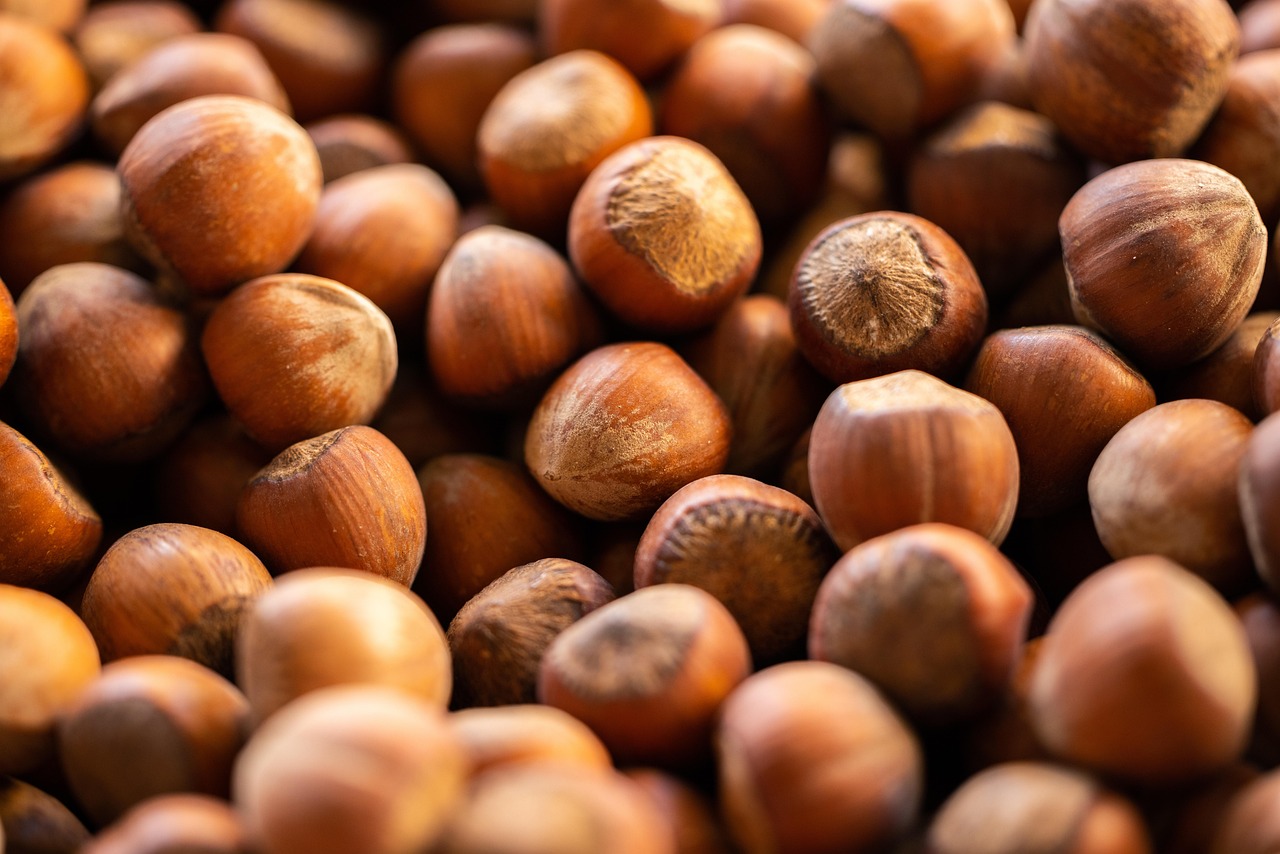
A heap of hazelnuts. Illustration photo by Pixabay
|
3. Reducing cancer risk
Hazelnuts include antioxidants and useful components that have been linked to various health benefits.
a reduced chance of developing specific types of cancer
Including proanthocyanidins and vitamin E, these compounds can shield cells from oxidative harm, which is closely associated with cancer progression. Preliminary studies indicate that hazelnut extracts might aid in preventing or managing different types of cancer, like those affecting the breasts, liver, and colon.
4. Reducing inflammation
Hazelnuts are rich in beneficial fats that possess anti-inflammatory characteristics. Consuming them regularly can lead to substantial reductions in inflammation indicators like C-reactive protein (CRP), particularly among those who are overweight or obese.
high cholesterol
.
Although hazelnuts cannot completely eradicate inflammation on their own, incorporating them into a well-balanced diet may assist in managing persistent inflammatory conditions.
5. Assisting in reducing glucose levels in the blood
The main fatty acid found in hazelnuts, oleic acid, is linked to better blood sugar control, which makes these nuts a helpful food choice for people who have or are prone to developing type 2 diabetes.
Moreover, consistent consumption of nuts, such as hazelnuts, has been associated with reduced blood glucose levels.
6. Improving digestion
Hazelnuts offer a significant quantity of
dietary fiber
, supporting overall digestive health. As reported by Medical News Today, eating fiber-rich foods such as hazelnuts aids in maintaining regular bowel movements and helps prevent constipation.
7. Reducing weight gain
New studies suggest that eating nuts like hazelnuts frequently might aid in preventing excessive weight gain. In a 2018 report, people who included nuts in their diet regularly had a lower chance of becoming overweight or obese than those who seldom indulged in them.

oleh admin | Mar 25, 2025 | health, health advice, health benefits, healthy eating, nutrition
Dietary fiber
plays a crucial part in the effective operation of our digestive system. It helps
intestinal transit
,
regulates blood sugar levels
,
contributes to satiety
and might even aid in preventing specific long-term illnesses like
type 2 diabetes
And it helps with cardiovascular diseases. Vegetables are among the finest sources of fiber!
In this piece, explore the leading fiber-packed veggies, their advantages, and simple ways to include them in your daily meals 🙂
What is dietary fibre?
Fibers are indigestible carbs present in plant-derived foods. They come in two varieties:
Soluble fiber:
Dissolves in water, creating a thick gel that decelerates digestion.
Insoluble fibers:
These do not break down, but they boost the size of your stools, thereby enhancing proper movement through your intestines.
Why eat fibre-rich vegetables?
-
Improved intestinal transit
-
Lower LDL cholesterol
-
Enhanced feelings of fullness, aids in managing weight
-
Management of blood glucose levels
-
Avoidance of specific long-term illnesses
ANSES recommends a
The recommended daily consumption ranges from 0.8 to 1 ounce (25 to 30 grams) of fiber.
for adults.
Top 10 high-fiber vegetables
Below is a list of vegetables categorized based on their fiber content per 3.5 ounces (100 grams) (averages provided):
1. Artichoke – 0.1 oz / 5.4 grams – 5.4% fiber
Packed with soluble fiber, particularly inulin, this helps improve digestion and fosters healthy gut bacteria.
2. Peas – 0.1 oz / 5.1 grams – Contains 5.1% fiber
They serve as a great source of fiber and are abundant in vegetable protein.
3. Steamed Spinach – 0.14 oz / 4.1 grams – 4.1% fiber
In addition to providing iron, spinach is abundant in insoluble fiber.
4. Brussels sprouts – 0.13 oz / 3.8 grams – 3.8% fiber
Great for travel, these items are packed with antioxidants as well.
5. Green Beans – 0.11 oz / 3.4 grams – Contains 3.4% Fiber
It’s simple to add them to your dishes, helping you meet your daily fiber needs.
6. Broccoli – 0.1 oz / 3.1 grams – 3.1% fiber
This member of the cabbage family is truly a health booster, packed with fiber and vitamin C.
7. Uncooked carrots – 0.09 oz/2.8 grams – 2.8% dietary fiber
As a convenient snack or when grated, these provide a good amount of fiber and beta-carotene.
8. Leek (cooked, white section) – 0.08 oz / 2.5 grams – Contains 2.5% fiber
Leeks have inulin, which is a type of prebiotic fiber good for your gut bacteria.
9. Roasted beet – 0.09 oz / 2.6 grams – 2.6% fiber
It enhances digestion and possesses intriguing antioxidant qualities.
10. Zucchini – 0.04 oz / 1.3 grams – 1.3% fiber
Lower in fiber compared to some alternatives, it still serves as a valuable component of a well-rounded meal plan.
Suggestions for boosting your fiber consumption
-
Include at least
Three distinct veggies each day
in your meals.
-
Choose
whole vegetables
instead of juices (fiber loss).
-
Add pulses
(add lentils, chickpeas) to your salads or hot dishes.
-
Rotate between using uncooked and cooked vegetables.
To diversify the kinds of fiber eaten.
To conclude
Boosting your consumption of fibre-packed veggies is an easy, natural, and efficient approach to enhancing digestion and general well-being. Opt for a diverse, vibrant, and balanced meal plan to maximize the advantages offered by these powerhouse foods! :)))
You might find this interesting:
Here’s why keeping your orange peels instead of tossing them out can be beneficial!

What your gut can tell you about your health!
Why incorporate whole grain starches into your meals? And how should you do this effectively?
Sources :
The Harvard T.H. Chan School of Public Health discusses fiber.
https://www.hsph.harvard.edu/nutritionsource/carbohydrates/fiber
Mayo Clinic. Fibre in the Diet: Crucial for Good Health.
https://www.mayoclinic.org/healthy-lifestyle/nutrition-and-healthy-eating/in-depth/fiber/art-20043983
ANSES (National Agency for Food Safety) Recommended Nutritional Intake.
https://www.anses.fr/fr/content/les-apports-nutritionnels-conseillés-anc
USDA FoodData Central. Artichokes, uncooked.
https://fdc.nal.usda.gov
read more on en.SANGGRALOKA
oleh admin | Mar 6, 2025 | food and drink, health, healthy eating, nutrition, snacks
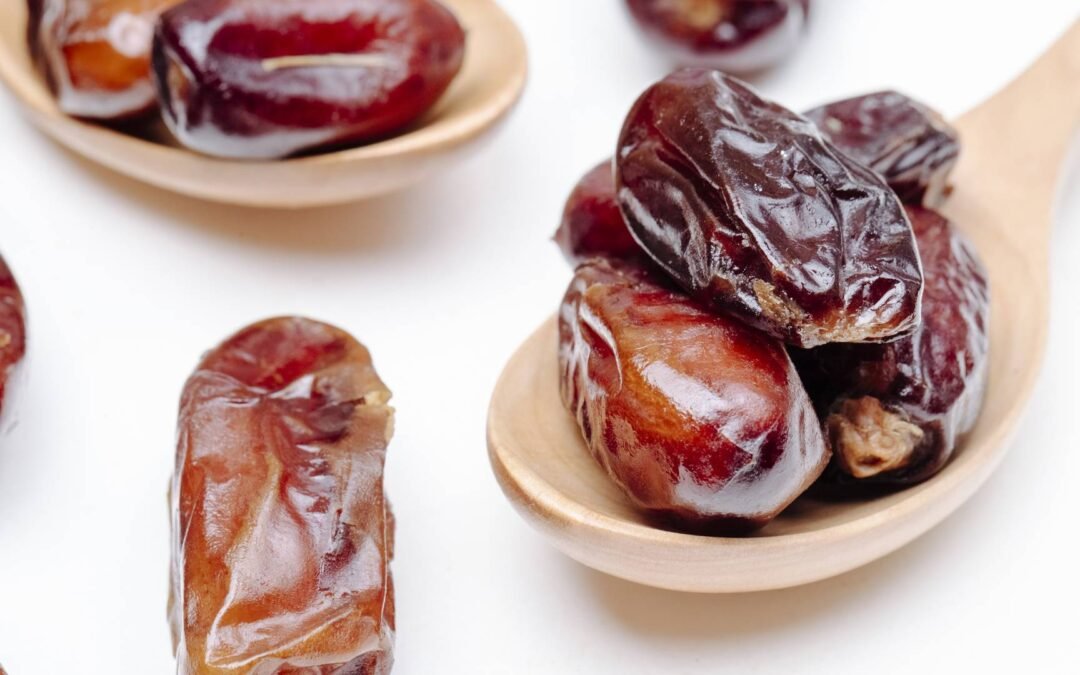
There’s something about
dates
that hooks you.
Sweet without being cloying
, effortlessly gentle and with that touch that transforms every bite into
healthy snack
. They rescue you from hunger during midnight cravings, enhance every dish, and most importantly, provide you with
natural energy
In a delightful manner. Ditch the artificial items: just a few quality dates, and the day begins smoothly. It’s that easy. It’s that great.
Tracing their roots back to date palms and boasting centuries of history, these items weren’t just
fundamental in the cuisine of numerous desert communities
, but today they have become an
key component in nutritious cuisine
And indeed: their incredibly sweet and caramelized taste, along with their smooth texture and capability to offer natural energy, makes them an ideal choice for mid-meal snacks as well as adding zest to dishes.
unique twist for desserts and breakfast dishes
.
However, dates are more than just
alternative to refined sugar
They truly pack a nutritional punch with their fiber, potassium, magnesium, antioxidants, and natural sugars that get absorbed gradually. This is precisely why they are not only
perfect for individuals who lead an active lifestyle or for athletes
They have also made their way into vegan baking due to their natural sweetness and capability to hold dough together without requiring any animal products.
Today, let’s introduce six delectable recipes where dates take center stage. From
quick snacks
for bringing along to your workplace or to the gym, to
easy
and surprising
desserts
That doesn’t require an oven. Additionally, if you’re searching for ideas to
open the fast during Ramadan
Whether you’re looking for a nutritious treat before your workout or just want to enjoy something guilt-free, here are choices to suit every palate.
Prepare to be enchanted by these six treats that prove why dates should have a forever home in your kitchen cabinet.
Dates filled with an energy ball containing a peanut butter center

Energy balls
These are perfect snacks for hectic days. Simply mash dates along with nuts and add extras like pure cocoa, shredded coconut, or seeds, then shape into balls—it’s done! They’re quick to make without needing an oven and portable too. You might find it challenging to have just one.
Full recipe ❘
Date Energy Balls
Brawnie: The unprocessed brownie made with dates
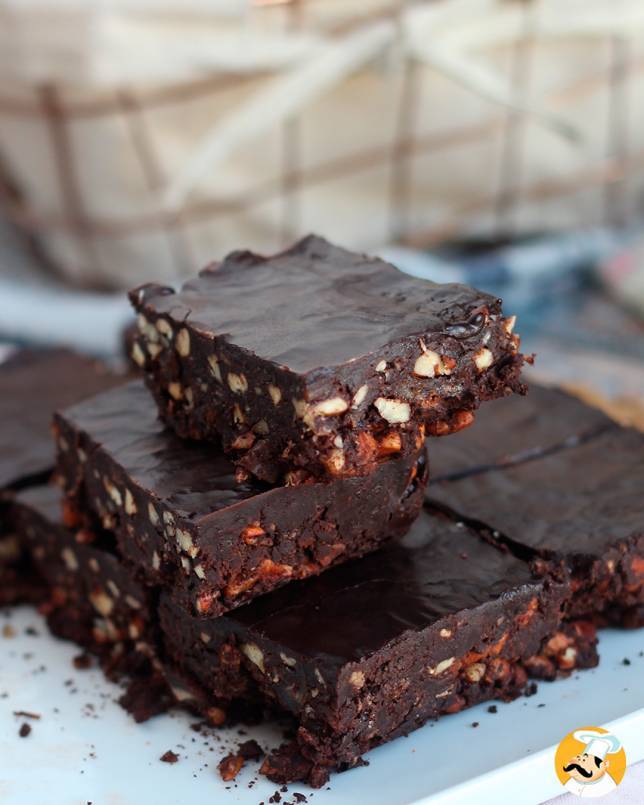
Indeed, one can relish a deeply chocolaty brownie.
without adding sugar or butter
. Here the dates provide all the necessary sweetness, in addition to giving it a juicy and moist texture that has nothing to envy to the classic recipe. Ideal for desserts, snacks or to accompany a coffee when you have guests and want to surprise with something different… and healthy.
Full recipe ❘
Brawnie
Snickers: Chocolate-covered stuffed dates

Who mentioned you can’t have enjoyment?
tasty treat free from highly processed ingredients
These DIY Snickers bars use dates as their foundation and blend the finest elements from both realms: a smooth and rich texture.
peanut butter
filling and a crunchy dark chocolate coating. All
free from flour, free from processed sugars
And with that perfect balance that leaves you wanting more. Ideal for packing in your backpack and tackling sugar cravings in the most wholesome manner.
Full recipe ❘
Snickers: Chocolate-covered stuffed dates
Coffee and date smoothie
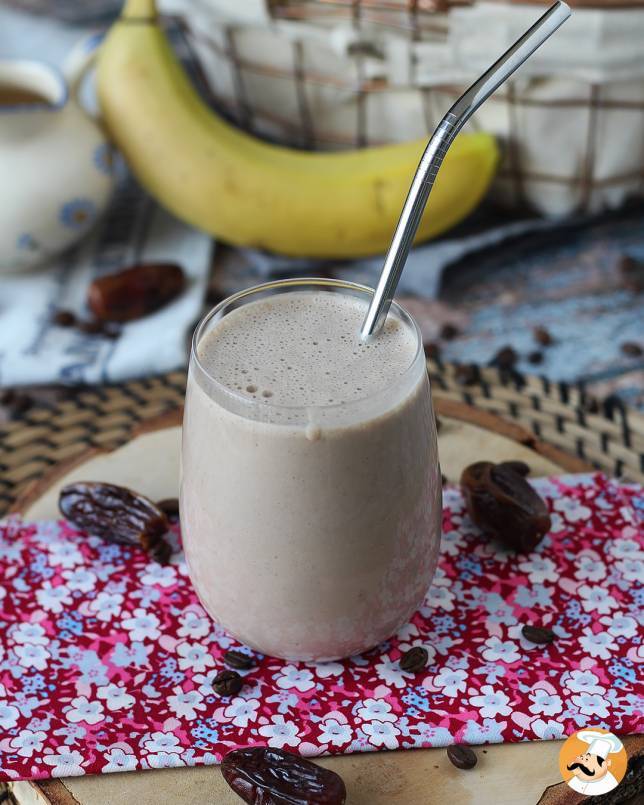
If you’re looking for an energizing pick-me-up during mornings or midafternoons, this smoothie will be your go-to choice. It’s creamy, freshly made, and perfectly complemented with a hint of coffee to invigorate you. The blend includes bananas, milk, and dates for natural sweetness. This healthy and filling drink merges the goodness of breakfast with the delight of cold brew coffee.
Full recipe ❘
Coffee and Date Smoothie
Date fudge
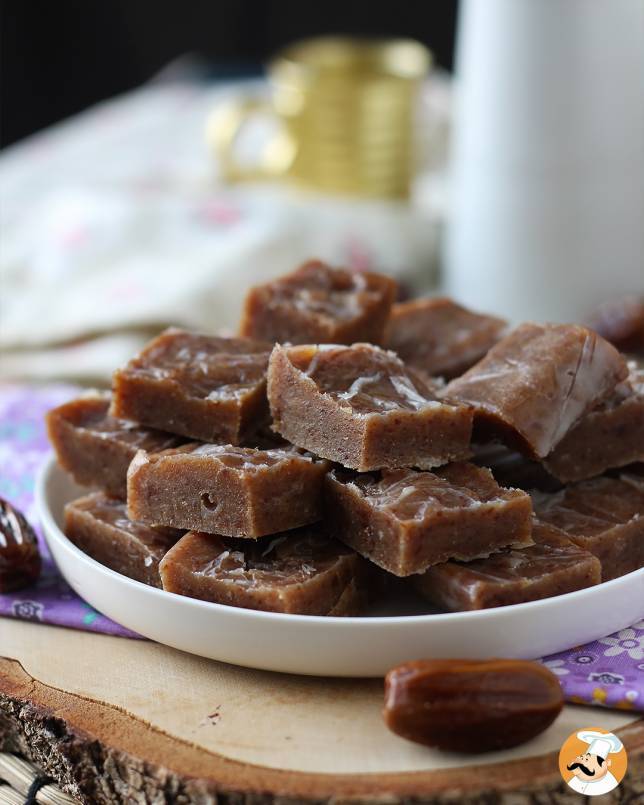
This fudge serves as evidence that
vegan desserts
can be just as irresistible as traditional ones. All you need are dates, a little tahini or nut butter and coconut oil to achieve a soft, almost toffee-like texture that melts in your mouth. Keep it in the fridge and you’ll always have a sweet snack on hand for when you need it most.
Full recipe ❘
Date Fudge
Date cream, the natural sweetener for your desserts

Ditch the conventional sugary caramel. This nutritious alternative made from dates works great as a spread on bread, pairs well with yogurt, or elevates any dessert. It’s a basic element you’ll wish to keep using repeatedly.
Full recipe ❘
Date spread
You might also want to check out:
Ramadan 2025: Strategies for Fasting Without Fatigue During This Month
read more on en.SANGGRALOKA
oleh admin | Feb 23, 2025 | eye health, health benefits, healthy eating, nutrition, vitamins
The ginkgo tree, along with blueberries, mulberries, fennel, goji berries, and chamomile, contains high levels of antioxidants, anti-inflammatory agents, and vital vitamins that help protect eyesight, decelerate aging processes, and improve visual acuity.
Dr. Tran Thi Tra Phuong from the Department of Nutrition and Dietetics at Tam Anh General Hospital in Hanoi highlights the advantages of adding these vegetables, fruits, and herbs to your meals for better ocular wellness.
Below are six kinds of produce that can be advantageous for eye health:
1. Ginkgo
Ginkgo enhances blood flow to the retina, offering particular advantages for those suffering from glaucoma. Its antioxidant qualities shield nerve cells and the eyes against oxidative damage triggered by free radicals. Insufficient levels of antioxidants may increase the likelihood of developing eye issues like macular deggeneration, cataracts, and glaucoma.
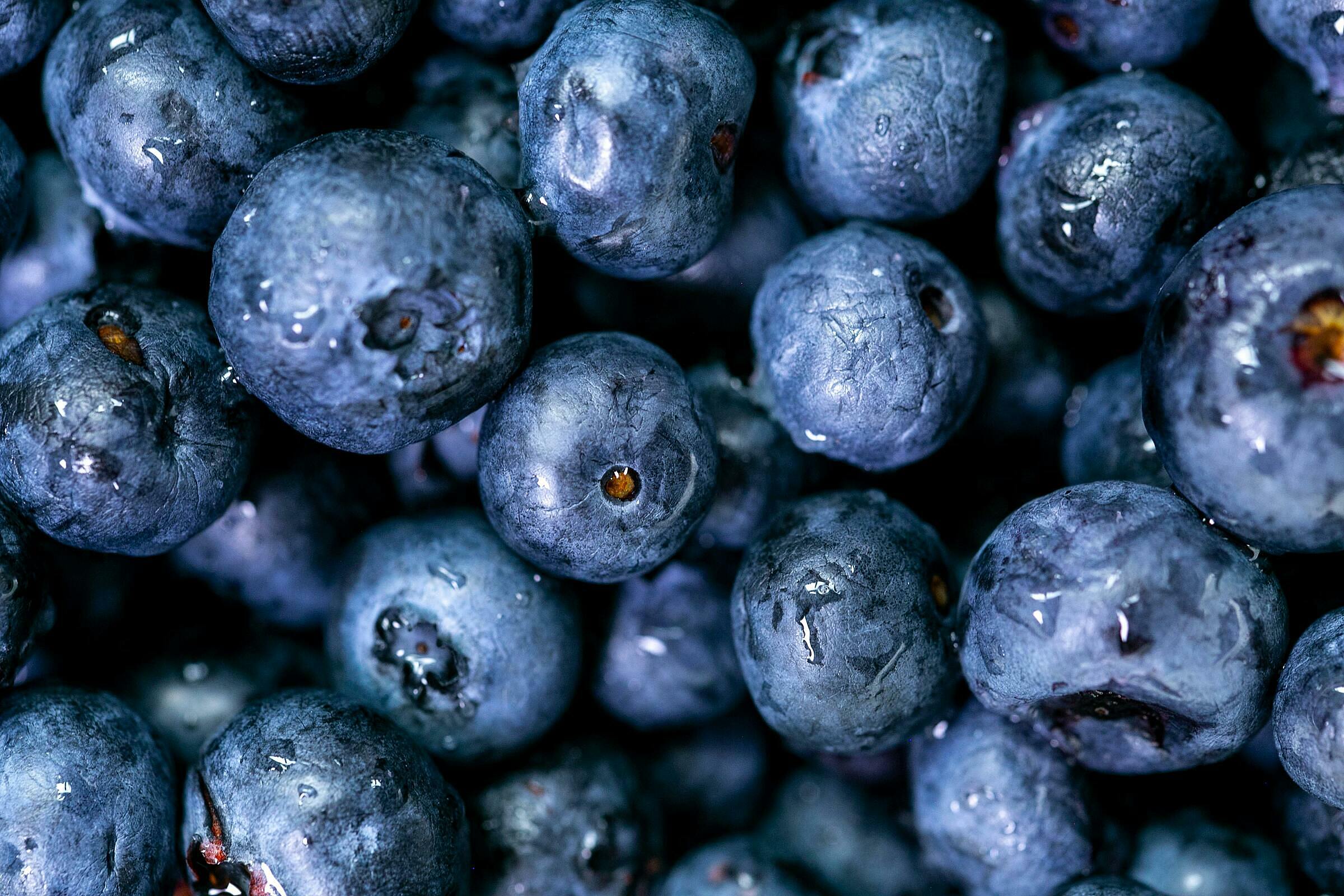
2. Blueberries
Blueberries
Are rich in powerful antioxidant flavonoids that protect eye cells from free radical damage, improve blood flow to the retina, and boost night vision. These antioxidants can also aid in managing conditions such as glaucoma and cataracts. Additionally, blueberry extract supports retinal nerve cells by inhibiting the growth of new blood vessels, which is crucial for combating illnesses like macular degeneration and diabetic retinopathy.
|
|
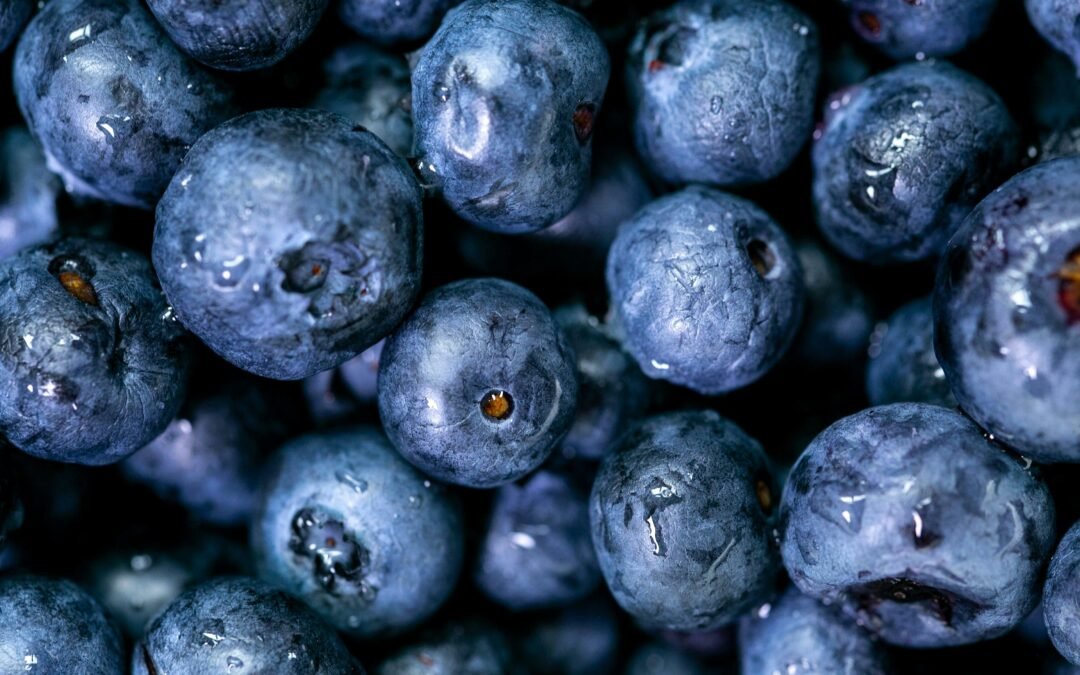
A detailed image of blueberries. Stock photo courtesy of Pexels.
|
3. Fennel
Fennel can help reduce eye inflammation and excess tear production. People with serious ocular issues such as cataracts and glaucoma frequently use fennel tea as an eyewash for this purpose. Furthermore, studies have shown that essential oil derived from fennel seeds helps decrease intraocular pressure in individuals diagnosed with glaucoma.
4. Mulberries
Mulberries include flavonoid antioxidants that can ward off numerous age-related eye conditions. Additionally, the vitamin C present in these berries might lower the chance of forming cataracts. Moreover, zeaxanthin—a type of carotenoid identified within mulberries—functions as an antioxidant to shield against retina damage.
5. Goji berries
Goji berries contain lutein, zeaxanthin, and beta-carotene, compounds known for blocking damaging blue light, protecting against oxidative stress in the eyes, and reducing the risk of age-related macular degeneration. Additionally, these berries are abundant in vitamins A and C along with vital amino acids, aiding in keeping eyes moisturized and alleviating symptoms of dry eye syndrome.
6. Chamomile
Chamomile tea
Is utilized to improve sight and address issues such as unclear vision and dry eyes. It lessens visual fatigue, making it advantageous for individuals who frequently look at screens over long durations. Additionally, chamomile possesses anti-inflammatory qualities that help reduce redness, puffiness, and irritation in the eyes.
Dr. Phuong notes that eye problems often develop gradually, and symptoms may not be noticeable until the condition worsens. Therefore, regular eye check-ups are crucial.
She additionally suggests incorporating natural extracts like broccophane (derived from broccoli) into your regimen. This extract enhances thioredoxin, a protein known for its antioxidant properties. Thioredoxin plays a crucial role in safeguarding retinal pigment epithelial cells and the lens, thereby contributing to improved eye health and sharper vision.

oleh admin | Feb 17, 2025 | cooking, food and drink, food culture, food science, healthy eating
Lifehack My ID
Secara mendasar, dimsum adalah sajian kecil yang berasal dari kuliner Tionghoa.

Biasanya sajian ini disajikan sebagai bagian dari ritual minum Teh.
Hidangan ini dapat dikosongkan dengan mudah hanya dalam 1 atau 2 kali gigitan.
Terdapat bermacam-macamm varian dim sum sepeti
siu may, har gao
dan masih banyak lagi.
Tetapi di Indonesia, dimsum sering dikaitkan dengan adonan ikan seperti siomay.
Saus yang dicampurkan biasanya adalah saus asam manis atau kecap asin.
Dimsum memiliki tekstur yang kenyal tetapi tidak keras seperti bakso.
Jadi untuk membuatnya ada beberapa hal yang perlu Anda perhatikan.
Ines Sukandar, sang pemilik Dimsum Mysha by Inez Kitchen, mengungkapkan lima tips untuk membuat siomay dimsum yang memiliki tekstur lembut, empuk, dan kenyal dengan cara sebagai berikut:
1. Gunakan tepung sagu
Agar mendapatkan tekstur siomay atau dumpling yang agak kenyal, seperti ini caranya.
“Terigu tidak digunakan sebagai bahan utama, hanya untuk pengikat. Gunakan tepung sago yang berkualitas, karena jika menggunakan hanya daging ayam atau telur saja, akan sulit menempel,” jelas Ines.
2. Bandingkan komposisi bahannya antara siomay dan dumpling
Daging ayam serta tepung adalah kedua komponen wajib ketika memasak siomay atau dumpling.
Mengikuti pendapat Ines, komposisi utama dalam pembuatan siomay dimsum seharusnya terdiri dari daging ayam yang lebih dominan dibandingkan tepung.
“Misalnya daging ayamnya itu 80 persen, sisa 20 persennya dari tepung dan bumbu. Kalau kebanyakan tepung, jadi kayak siomay (bandung),” ujar Ines.
3. Gunakan paha ayam dalam pembuatan dimsum.
Memilih sektor daging ayam sangatlah krusial ketika meracik siomay atau dimsum.
Sebab itu, tiap bagiannya dari ayam mempunyai teksitur daging serta kadar lemak yang tidak sama.
Ines menyebutkan bahwa potongan daging dari bagian paha ayam merupakan bagian terbaik untuk menciptakan shumai atau dumpling yang lembut, empuk, dan agak kenyal.
“Ini dada ayam yang tebal dan keras. Serat daging di sini cukup banyak, rasanya gurih tapi tidak terlalu berminyak atau gemuk. Jika masih ada kulitnya malah akan menambah rasa gurih,” papar Ines.
4. Pakai putih telur
Jauhi penggunaan putih telur ketika Anda sedang membuat siomay atau dumpling.
Sebab itu, sebagian dari telurnya dapat menghasilkan bau yang tidak menyenangkan, Ines merekomendasikan menggunakan hanya putih telur agar tekstur siomay atau dumpling menjadi lebih kenyal.
“Ini juga dapat menggunakan putih telur untuk membuat adonan menjadi mengembang, meskipun beberapa orang mungkin menggunakan baking powder karena memberikan aroma seperti kue, oleh sebab itu kita gunakan putih telur,” ujar Ines ketika diwawancara oleh Kompas.com.
5. Jangan mengaduk adonan siomay atau dim sum terlalu lama.
Akhirnya, periksa metode pengcampuran bahan dalam pembuatan siomay atau dimsum.
Jangan asal mengadonnya.
Menurut Ines, seluruh bahan dapat diaduk bersamaan terlebih dulu kemudian dikocok atau dipukul singkat.
Jangan terlalu lama.
“Saat kita terus memukul adonannya, teksturnya akan makin kenyal dan padat, hingga akhirnya bisa jadi sangat keras,” ujar Ines.
“Maka aturlah kelembutan teksturnya disana. Jika menginginkan hasil yang sangat kenyal hingga sedikit keras, tambahkan proses pelemparan adonan lebih banyak,” jelasnya.
Nah dengan mengikuti langkah ini hasil dimsum siomay Anda pun akan kenyal namun tidak keras.
Selamat mencoba!

oleh admin | Feb 9, 2025 | diet and nutrition, health & fitness, healthy eating, nutrition, psychology of depression
The condition of your gastrointestinal tract directly affects the well-being of your mind.
Approximately 95 percent of serotonin, which controls mood, pain, and sleep as a neurotransmitter, is generated in an individual’s gastrointestinal system. This same GI tract contains numerous nerve cells called neurons that are significantly affected by the microorganisms present in your gut microbiota.
As stated by Harvard Health, ‘good’ bacteria play several crucial roles: they create a robust defense against toxins and harmful bacteria; they reduce inflammation; they enhance nutrient absorption from your diet; and they stimulate neural connections that run directly from the gut to the brain.
The development of these bacteria relies on their dietary intake. Research indicates that traditional diets comprising whole foods, unprocessed grains, and fermented items can lower the risk of depression by approximately 30 percent when contrasted with the usual Western diet pattern.
FOODS YOU SHOULD EAT
Below are some food options you can include in your diet to enhance your mental well-being.
Whole grains:
Jungle or brown rice, oats, beans, and lentils contain complex carbs that help slow down glucose release and maintain stable blood pressure (since quick surges have been linked to certain mental health issues).
They assist in absorbing tryptophan, which may reduce signs of depression and anxiety gradually over time.
Healthy fats:
Discovered in fatty fish like salmon or mackerel, along with avocados and various nuts and seeds, these food items are rich in omega-3 and omega-6 fatty acids—essential nutrients for brain health.
Colourful fruits and vegetables:
Leafy vegetables like kale and spinach provide folate, which may help prevent depression, dementia, and insomnia. These foods also include omega-3 fatty acids, magnesium, and various other nutrients.
Lycopene, responsible for giving tomatoes their vibrant red hue, is linked to enhanced focus, alertness, and reasoning abilities. Meanwhile, yellow and orange vegetables such as carrots, pumpkins, and squashes offer beta-carotene, an element known to boost brain performance.
Whenever feasible, choose a broad selection of brightly colored fruits and vegetables; this will ensure a comprehensive mix of essential vitamins and minerals.
Fermented food:
Yogurt, kimchi, or kombucha have live cultures that assist your body in breaking down and absorbing nutrients from the meals you consume, thereby enhancing the efficiency of digesting these foods.
Dark chocolate:
Shifting your choice from milk to dark chocolate may offer you polyphenols, flavonoids, and various antioxidants that can enhance your mood. An optimal mix would be 85 percent dark chocolate. Nonetheless, even though it contains less sugar compared to milk chocolate, it should still be enjoyed moderately.
Caffeine:
In modest amounts, caffeine has the ability to enhance dopamine levels and elevate your spirits. Nonetheless, specialists recommend taking tiny, regular servings (such as 20 mg of caffeine each time). Consuming excessive caffeine may result in sleeplessness and heightened feelings of anxiousness.
ITEMS TO PASS ON OR AVOID IN FOOD CHOICES
On the flip side, here are some foods you should cut back on for better mental health:
Sugar:
Although it might seem appealing to indulge in sweet treats during stressful times, consuming sugar actually impairs your brain’s capacity to handle stress. Additionally, it correlates directly with an increased risk of depression. Aim to cut back on sodas, fruit juices, energy drinks, sweets, and even natural sugars such as maple syrup or honey.
Artificial sweeteners:
Likewise, sweeteners such as aspartame have been associated with anxiety and depression. Instead of opting for diet sodas, it might be wiser to select unsweetened options like tea or simply water.
Saturated and trans fats:
Often referred to as ‘hydrogenated oil,’ these fats are commonly present in processed foods like deep-fried items, margarine, and palm oil. They do not offer the advantages of beneficial fats. Rather, they are associated with depression, sluggishness, and poor mood.
Refined carbohydrates:
Although whole wheat bread or pasta is rich in complex carbs which benefit mental well-being, white flour and white rice might exacerbate symptoms of depression and anxiety. Nonetheless, this issue has a simple solution: try substituting some of your refined grains with whole grain alternatives.
Alcohol:
Even though it’s okay in small amounts, alcohol acts as a depressant. When consumed in large quantities, it can disturb the chemical equilibrium in our brains by reducing neurotransmitter levels. It’s advisable for women to limit themselves to one drink per day, and for men to have up to two drinks daily.
Since you’re aware of which foods to steer clear of, it’s now important to reassess your personal eating habits. Are you eager to find out exactly how much sugar you’re taking in?
Tap here for more details
!


