oleh admin | Agu 28, 2025 | banking, financial services, money, securities, technology
Published on, Aug. 19 — August 19, 2025 7:24 AM
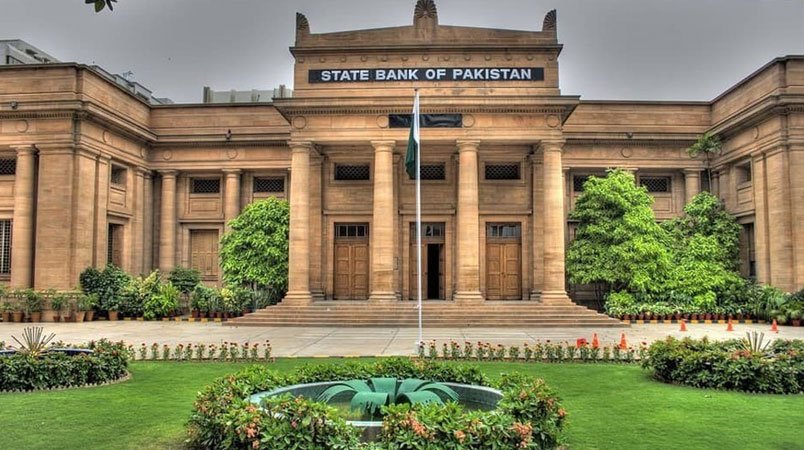
The Central Bank of Pakistan (CBP), known as the State Bank of Pakistan (SBP), plans to introduce its enhanced payment and settlement platform named PRISM+ on Tuesday, August 19, 2025. The ceremony will be presided over by the Governor of the State Bank of Pakistan, Mr. Jameel Ahmad, with participation from high-ranking SBP personnel, delegates from banking entities, and important players within the finance industry. This development represents an essential step forward in the continuous improvement of Pakistan’s financial framework.
This innovative framework marks a significant advancement in updating the way funds and governmental assets circulate within the nation’s monetary network.
PRISM+ is based on the global ISO 20022 messaging standard, which is used in many advanced financial systems around the world. It includes two key components:
An improved Real-Time Gross Settlement (RTGS) system designed for swift processing of major transactions between involved parties
A completely new Central Securities Depository (CSD) responsible for handling government instruments like Treasury Bills, Public Investment Bonds, and additional government-related financial assets
What PRISM+ Provides: A Quicker and More Intelligent Banking System: PRISM+ introduces various innovative tools and functionalities for banks to enhance their everyday management processes:
Immediate transfer of significant transactions among users Choice to plan payments for a later day
Payment handling based on priority (key transactions are processed initially)
Real-time dashboards displaying account balances, outstanding payments, and transaction processing status
Automated computation of charges and bills
Enhanced Management of Sovereign Securities: The CSD within PRISM+ enables banks to purchase, trade, and oversee government bonds with greater ease:
Primary Market Auctions: Financial institutions may place offers and receive outcomes instantly
Trading in the Secondary Market: Financial institutions may send transaction orders, which are promptly paired and finalized.
Risk Administration: Financial institutions have the ability to monitor and assess their collateralized assets, as well as determine the amount that can be utilized.
Monetary Policy Tools: Assists the State Bank of Pakistan in adding or removing funds from the economy and facilitating immediate transaction settlements
Enhanced Visibility and Safety: Each transaction comes with a complete record of activity
Role-based access ensures only authorized users can perform actions
Real-time alerts notify banks about any issues with settlement
Innovative Solutions for Managing Cash Flow and Payments
Liquidity Saving Queues: To reduce delays and manage liquidity better, PRISM+ uses special queues:
High-priority payments are settled right away
Payments with lower priority are placed in distinct queues and processed in groups to prevent overcrowding.
Reserve Earmarking: Banks can set aside funds specifically for systems like Raast, 1Link, NIFT, or NCCPL. This makes sure critical transactions are not delayed due to general liquidity use.
Intraday Liquidity Facility (ILF): Financial institutions have the option to obtain temporary funding by pledging qualifying government bonds. This mechanism helps maintain seamless transactions despite temporary fund shortages.
Other Improvements
Longer operating hours for better access: Payment cancellation and return messages can now be handled in real time
Facility to deposit or withdraw cash at the SBP Karachi branch for specific transactions
The platform was created in accordance with SBP’s Vision 2028, seeking to build a contemporary, accessible, and strong financial environment. Comprehensive involvement of stakeholders during the creation phase has made sure that PRISM+ incorporates global standard approaches while addressing Pakistan’s specific market requirements.
oleh admin | Agu 22, 2025 | economics, financial services, fiscal policy, politics and government, tax policy and law
Posted on, Aug. 19 – August 19, 2025 at 7:24 AM
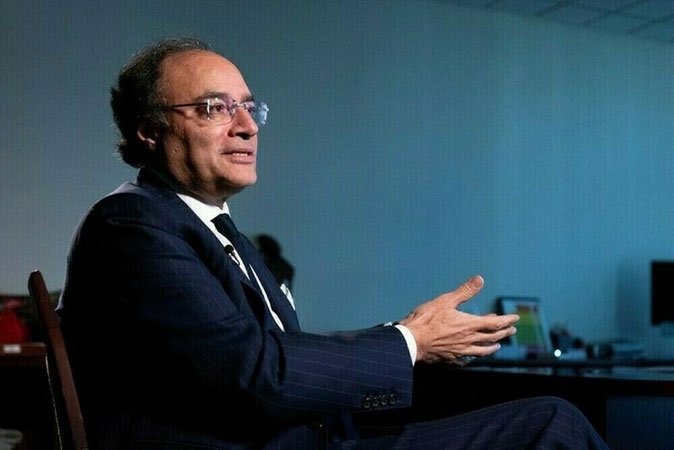
The “tax policy office” in Pakistan will cease to fall under the jurisdiction of the Federal Board of Revenue (FBR), according to an announcement made by Finance Minister Muhammad Aurangzeb on Monday. Instead, this department will now operate under the authority of the Ministry of Finance. As a result, the FBR will no longer have the key responsibility of drafting the annual budget.
“Tax policy office is now moved into the Finance Division. FBR has nothing to do with the policy. The next year’s budget to be presented in 2026 (for FY27) will be led by the finance and tax policy office and not by FBR,” Senator Aurangzeb said while speaking at a workshop titled ‘Unlocking Capital Market Potential for Banks’, organized by the Securities and Exchange Commission of Pakistan (SECP) and the Pakistan Banks Association (PBA).
Industrial strategy: He further mentioned that the government has been steadily developing an industrial plan set for release shortly, aimed at creating favorable conditions and boosting manufacturing growth within the nation.
“Haroon Akhtar (Special Assistant to Prime Minister) is working day and night to get that (industrial policy) through the cabinet and make an announcement. This is an important element of how we are going to move from stability to sustainable growth, because these underline pillars are going to be quite critical,” he said, adding that over the past couple of months the government has already announced policies for tarrifs, electric vehicles, creating a cashless economy and the digital sector.
Tariff Reforms: Delivering a speech on tariff reforms for businesses—especially those involved in exports—Aurangzeb stated that the government needs to lower customs taxes, extra customs charges, and administrative fees to a specific extent within the coming four to five years.
“This is essential to improve export competitiveness and also to take away the protection that we have provided certain industries for the longest time.”
In terms of the reforms, he said many institutions helped the government, including the World Bank.
“I just want to be very clear the IMF has nothing to do with it. Tariff reforms is very much a home-grown agenda of the government and this administration to make our industry more competitive as we go forward.” He said finance and FBR believe reducing tariffs will hurt the collection of revenue. “They say our revenue (collection) will fade away if we keep reducing duties.” However, “we have to get out of this short-term thinking and see what is the right thing to do for the country over the next four to five years if we are going to grow and move towards supporting competitiveness.”
Missing players: He noted that the corporate sector was largely missing from the workshop, even though they are key players in the development of the capital markets – as they are the one who mobilize funds (debt/equity) through the capital markets.
The minister proposed that the workshop coordinators establish a capital market advancement committee aimed at mobilizing resources for projects via local financial systems such as the Pakistan Stock Exchange (PSX). Key members of the committee might consist of the SECP, the State Bank of Pakistan, PBA, companies, banking institutions, and other relevant entities, along with input from different provinces—since significant implementation authority currently resides within them.
oleh admin | Agu 20, 2025 | business, finance news, financial services, insurance, investing company news
Sri Lanka, August 19 – HNB Assurance PLC (HNBA) along with its affiliate, HNB General Insurance Ltd (HNBGI), has achieved outstanding financial performance during Q2 2025, highlighting their dominant presence in the industry and demonstrating significant progress in crucial indicators, further securing their stable standing within the sector.
In the initial six months of 2025, the Group’s Gross Written Premium (GWP) went up by 30%, reaching Rs. 14.3 billion compared to Rs. 10.9 billion in 2024. Net profit after tax (PAT) saw an increase of 10% to Rs. 519 million (without considering the Life Insurance Surplus Transfer). Total assets amounted to Rs. 70.2 billion, marking growth from Rs. 62.4 billion during the same period last year. Investment earnings improved by 6% to reach Rs. 4.0 billion. The Group settled Rs. 3.8 billion in net claims and benefits, representing a rise of 15%, showcasing its robust dedication towards policyholders. Assets under management (AUM) expanded to Rs. 61 billion, with basic earnings per share increasing to Rs. 3.46 from Rs. 3.16.
“Our strategy has always been straightforward, expand our footprint while delivering greater value to our customers and strive to be consistent at it,” said Stuart Chapman, Chairman of HNB Assurance and HNB General Insurance.
this emphasis has allowed us to reinforce our standing in the marketplace and maintain the solid progress we’ve achieved over time, ensuring a favorable outlook for the future to create benefits for everyone involved.
HNB Assurance PLC achieved a 35% rise in gross written premium, reaching Rs. 8.6 billion during Q2 2025 compared to Rs. 6.4 billion in Q2 2024. The profit after tax for the life segment increased by 17%, amounting to Rs. 428 million (without considering the Life Insurance Surplus Transfer).
The Life Fund grew to Rs. 44.1 billion from Rs. 35.2 billion, highlighting sustained financial security. Total claims and benefits paid out went up by 33%, reaching Rs. 1.9 billion compared to Rs. 1.4 billion, while investment earnings climbed 8% to Rs. 3.6 billion.
“our emphasis on broadening our range of products and improving client support has produced remarkable outcomes,” stated lasitha wimalaratne, executive director/ceo of hnb assurance plc. “the double-digit expansion in our gwp, pat, and life fund, along with a substantial rise in settlements, reflects our dedication to our clients and our solid economic base.” hnb general insurance ltd (hnbgi) attained rs. 5.6 billion in gwp over six months, marking a 23% upsurge compared to 2024, and processed claim payments totaling rs. 2.1 billion.
The firm experienced a 23% overall increase, surpassing double the industry’s average of 11%. The non-automotive part of its business achieved the top growth rate within the sector at 35%, compared to a 4% rise in the broader market. This performance was largely fueled by the fire and engineering division, which saw remarkable growth of 49%, significantly outpacing the industry’s 4% figure.
“The key factors behind our success in leading the industry are the commitment of our team members and the robustness of our business strategy, focused on maintaining close alignment with new trends and changes happening in the General Insurance sector,” stated Sithumina Jayasundara, Executive Director/CEO of HNB General Insurance.
Our GWP has experienced significant growth, we have effectively handled our contractual obligations, and achieved a positive increase in earnings. Moreover, this quarter had an added highlight with the introduction of HNBGI NEXA, our artificial intelligence-driven chatbot, which clearly demonstrates that as we expand, we continue to improve.
oleh admin | Apr 3, 2025 | financial services, insurance, personal finance, personal finance insurance, pet insurance
The demand for travel, home, pet, and investment insurance is on the rise.
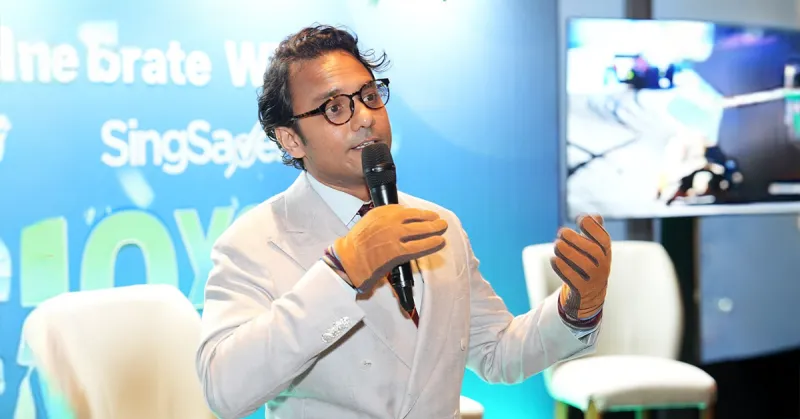
SingSaver, which has spent ten years demystifying financial products for individuals in Singapore, plans to shift its emphasis towards enlightening people about insurance, according to CEO Rohith Murthy.
I hope we have managed to do an adequate job with our banking products,” he stated to the Singapore Business Review. “In terms of insurance, we are only beginning and we think that over the next decade, educating the market about insurance will be crucial.
Travel, home, and pet insurance policies have become increasingly popular among residents of Singapore, according to Murthy, who leads the MoneyHero Group, as stated during a Zoom interview.
The home insurance market in Singapore is projected to reach $1.5 billion by 2030, as estimated by Dublin-based Research and Markets.
Technavio, a market research platform, predicts an annual growth of 10.24% for the travel insurance sector between 2023 and 2028. Meanwhile, Market Data Forecast anticipates that personal insurance will grow at an annual rate of 12.92% from 2025 through 2033.
Murthy mentioned that there is an increasing desire among Singapore residents for microinsurance policies that offer partial coverage, along with safeguards for their investments and savings.
Buying insurance isn’t something that brings joy,” he stated. “When you purchase it, you hope you’ll never have to utilize it. Our primary task is ensuring we inform the public so they start considering insurance.
“He added that they are not awaiting an incident or a catalyst to prompt them into saying, ‘Now I require protection.’”
“Once individuals consider getting insurance, our aim is to ensure that the purchase process is as smooth as possible,” Murthy stated. SingSaver strives to simplify insurance acquisition to just three effortless taps.
Although insurance remains at the core of their plans for the coming ten years, the CEO stated that SingSaver aims to enhance its offerings in the banking sector as well.
A key growth sector is credit cards, with more Singaporeans beginning to see them not only as instruments for spending but also as means of saving money. This shift in perception can be seen through the rising popularity of cash-back and frequent flyer card options.
Murthy mentioned these items enable Singapore residents to aim for specific lifestyle requirements without having to spend excessively.
MoneyHero Group has launched two new platforms—Creatory in 2019 and Seedly in 2016—to assist more users in saving with appropriate products. These platforms work alongside SingSaver to help people in Singapore reach their financial objectives.
Creatory unites influencers, thought leaders, and content creators with the aim of making financial education more widely available. Described by Murthy as the “Reddit for personal finance,” Seedly serves as a community platform where individuals can pose and respond to queries regarding financial products.
Managing personal finances is… dull,” he remarked. “Consider it, yeah? You never find yourself waking up in the dead of night exclaiming ‘Time to check out the best credit cards!’
“So, what approach do you take to make personal finance content appealing? How do you encourage people to engage with it? We have tackled this challenge in the market through our initiatives at Creatory and Seedly,” he mentioned.
Murthy stated that SingSaver aims to utilize artificial intelligence (AI) for providing quicker and more pertinent replies.
“When it comes to insurance, saving, or increasing your wealth—whenever people have queries, they expect immediate responses,” he stated.
They are looking for guidance on the subsequent actions to undertake and which product aligns with their requirements.
“We think AI will allow us to dominate this field and establish ourselves as the premier platform for inquiries related to personal finances,” he said additionally.
oleh admin | Apr 1, 2025 | business, financial markets, financial services, investing company news, money
HFM has established a robust presence in Nigeria’s online trading sector. Could you discuss how trust and security have influenced your progress up until now?
Certainly. In Nigeria, trust and security have always formed the backbone of our expansion. Right from the start, we recognized that online trading, particularly with contracts for difference (CFDs), could be intricate and daunting for numerous individual investors. Therefore, we prioritized openness, adherence to regulations, and offering a safe environment. This approach helped establish our reliability. Additionally, we’ve made significant investments in customer education and tailored assistance, fostering confidence among many Nigerian traders who now rely on us.
As worries over fraud and financial scams in online trading continue to rise, what actions is HFM implementing to boost confidence and security, especially within CFD trading? Which particular safeguards have been put into effect to shield individual investors from dangers such as improper use of leverage, fraudulent activities, or weaknesses in the trading platforms?
At
HFM
At the heart of our operations lies client protection. We prioritize fraud prevention, ensure responsible leveraging, and safeguard funds with great seriousness. To achieve this, we’ve established several tiers of protective measures to foster a safe and open trading atmosphere.
From the outset of client engagement, we implement rigorous Know Your Customer/Anti-Money Laundering protocols to confirm identities and thwart illicit activities. Our platform features instantaneous trade surveillance mechanisms aimed at identifying and resolving dubious actions. Regarding leverage, clients have complete autonomy to modify it according to their personal risk appetite and trading approaches; additionally, we offer detailed risk data prior to initiating any trades.
To safeguard your funds, we keep all client deposits in isolated accounts at premier banks, distinct from our own operating capital. Consequently, regardless of market fluctuations, your money stays secure. Additionally, we collaborate with prominent liquidity suppliers to sustain a robust financial standing, which facilitates seamless and dependable trading experiences.
In terms of technological capabilities, we routinely evaluate our infrastructure through audits and stress tests, ensuring it remains secure with top-tier encryption methods. To further fortify user accounts, we provide two-factor authentication. Our leading-edge insurance scheme covers various threats such as fraud, human mistakes, and unexpected issues. Moreover, a specialized system continuously monitors potential risks round-the-clock to protect clients’ best interests.
Our aim is to create a secure and open setting where traders can concentrate on their tactics with complete assurance.
Protecting investors is essential, yet promoting innovation also holds significant value. Can you explain how HFM manages to uphold regulatory requirements while still encouraging development in CFD trading?
Achieving this delicate equilibrium has been successful for us. Instead of seeing compliance as an obligation, we regard it as the foundation that instills trust in our clientele when they engage in transactions. Concurrently, we persistently explore novel avenues such as advanced trading instruments, user-friendly designs, and accessible mobile platforms which make trading more inclusive. Both our product developers and compliance officers collaborate closely to guarantee each advancement adheres strictly to stringent regulatory guidelines while still providing customers with a smooth interaction.
In what ways is HFM working alongside regulatory bodies such as the SEC to guarantee adherence to regulations without compromising its competitive edge?
We take a highly proactive approach in this area and have maintained continuous discussions with the Nigerian Securities and Exchange Commission (SEC) regarding the critical necessity of regulating CFD trading in Nigeria.
HFM
, we see regulation not as a hurdle but as a competitive advantage, it filters out bad actors, raises industry standards, and builds long-term trust. As a global brand regulated in multiple jurisdictions, including South Africa, Kenya, Mauritius, Seychelles, Dubai, the United Kingdom, and Cyprus, we bring deep regulatory experience to the table.
Our interaction with the SEC aims at facilitating the creation of straightforward, actionable regulations for CFD trading. These rules should safeguard investors’ interests while also fostering innovation. We strive to maintain an environment where trades occur under a clear, organized structure ensuring secure assets, stringent performance criteria, and adherence to international best practices. An effectively regulated marketplace encourages greater involvement from various players, enhances reliability, and promotes steady expansion throughout the financial sector.
Given our substantial and expanding clientele in Nigeria, we understand the duty we bear. Therefore, instead of merely backing regulations, we are proactively collaborating with the SEC to develop equitable and robust rules that promote honesty, safeguard investors, and raise the bar for the CFD trading sector in Nigeria. We aspire ultimately to become the foremost transparent and reliable CFD brokerage within the nation.
What internal measures does HFM employ to identify and stop misconduct involving traders, third-party brokers, or malicious entities on the platform? In what ways do HFM’s security protocols concerning CFDs contribute to enhancing Nigeria’s standing as a secure and appealing market for international investors?
Internally, we maintain a specialized compliance and risk management team that keeps watch over activities round the clock. Additionally, we employ sophisticated algorithms designed to identify unusual trading behaviors or patterns, which could include instances of insider misuse or actions taken without authorization by external parties. Any detected problems are promptly elevated for comprehensive investigation. Such preventive measures ensure the security of our clients’ interests.
Given the tighter restrictions on CFDs, could this lead to traders moving to non-regulated venues instead? What strategies will HFM employ to keep their user base while maintaining regulatory adherence and safety?
This is indeed a legitimate worry. Certain traders might be drawn to non-regulated platforms that provide substantial rewards with minimal transparency. However, we think that many customers, particularly under current conditions, prioritize security and reliability more than quick profits. We aim to inform users regarding the hazards associated with unlicensed brokerages and keep delivering top-notch assistance, clear cost structures, and specialized regional knowledge. Ensuring adherence to regulations alongside maintaining customer loyalty becomes seamless when individuals recognize that their enduring prosperity is what matters most to us.
Does HFM require explicit risk warnings, leverage restrictions, or increased transparency measures for CFD traders? Are there intentions to reinforce these protective guidelines?
Certainly. All our CFD products require mandatory risk warnings, which we present in straightforward, jargon-free terms specifically designed for Nigerian users. Additionally, we have introduced adjustable leverage limits that consider both the user’s level of expertise and their account type. Our policies undergo regular reviews, particularly with changes in regulations. Furthermore, we plan to incorporate advanced AI-powered risk assessment tools to personalize trading restrictions and alert systems according to individual clients’ behaviors and risks they undertake.
Apart from CFDs, are there other high-risk financial products like cryptocurrency derivatives that HFM plans to subject to stricter regulation for better investor protection?
Yes, CFD regulation should cover all CFD products, including crypto CFDs. While they offer opportunities, they also carry significant risks, especially for retail investors who may not fully understand the volatility involved. We want to continue to make these products accessible, but only within a framework that puts investor protection first.
In what ways does HFM’s strategy for regulating Contract for Difference (CFD) align with Nigeria’s overarching objective of expanding capital markets and at the same time safeguarding financial stability?
We see ourselves as a bridge between retail traders and the broader capital market ecosystem. By championing safe, regulated CFD trading, we’re helping introduce new participants to financial markets, many of whom may eventually graduate to equities, ETFs, or even direct capital market investments. Our compliance-driven model aligns with Nigeria’s financial stability goals while expanding access to wealth-building tools. It’s about growing the market responsibly.
In the future, we plan to offer Contracts for Difference (CFDs) on selected Nigerian-listed company stocks. This move aims to provide local investors with an option to protect their conventional equity holdings through stock CFDs, which aren’t presently available locally. Introducing these instruments not only enhances the functionality of CFDs for Nigerian traders but also bolsters the broader financial ecosystem by providing advanced risk management options. We believe this aligns well with Nigeria’s goals of expanding capital markets and drawing in greater numbers of individual investors.
Thank you for dedicating your time. It’s evident why
HFM
leads in the field of financial trading.
I appreciate your time. It was nice talking with you.
Provided by Syndigate Media Inc. (
Syndigate.info
).

oleh admin | Mar 27, 2025 | banking, business, commerce, financial services, news
-
READ MORE: Bankwest shuts down ALL branches as it discontinues cash services
Staff at a
Commonwealth Bank
Subsidiaries are feeling ‘pressured and overwhelmed’ due to experiencing another wave of significant layoffs within just twelve months.
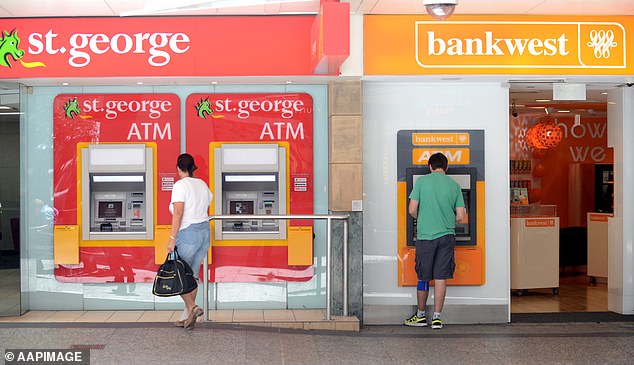
Since 2022, WA-based Bankwest, operating under the CBA umbrella, has been gradually moving its business clients over to its parent company.
After three years, the initiative has been completed, resulting in 120 employees losing their jobs, while approximately 30 are anticipated to secure new roles within the organization.
This comes after the elimination of 400 positions last year when the bank shut down all its branches and shifted entirely to a digital platform.
The Finance Sector Union has stated that employees are ‘tired of facing an ongoing threat of job loss.’
‘Ever since Bankwest decided to pull out of business banking three years ago, both customers and employees at Bankwest have been dealing with uncertainty,’ stated National Assistant Secretary Jason Hall.
Our members consistently report feeling pressured and overwhelmed across various departments at Bankwest because of the bank’s continuous series of layoffs and overseas outsourcing.
A representative from Bankwest informed Daily Mail Australia that the role of the 130-member transition team was always intended to be temporally restricted.
‘
“The completion of the business banking transition program will affect around 120 positions held by colleagues based in Western Australia,” they stated.
‘[CBA] The group presently has over 100 vacant positions at Bankwest and CBA in Western Australia.’
‘We will collaborate closely with our affected colleagues to assist them in finding new career opportunities within the Group.’
The century-old financial institution shut down 45 of its branches in the previous year.
Fifteen remaining branches based in regional areas were rebranded under Commonwealth Bank.
Every one of the 400 employees at these sites was presented with new job opportunities, and over 300 decided to take them up.
The bank stated further that an additional 500 positions within the CBA Group, focusing on technology, operations, and customer service, will be relocated to WA ‘to aid Bankwest’s shift towards digital transformation’.
“Regrettably, the WA government was misled in this situation—the promise of 500 group positions was made in exchange for Bankwest transitioning entirely to digital operations,” stated Mr. Hall.
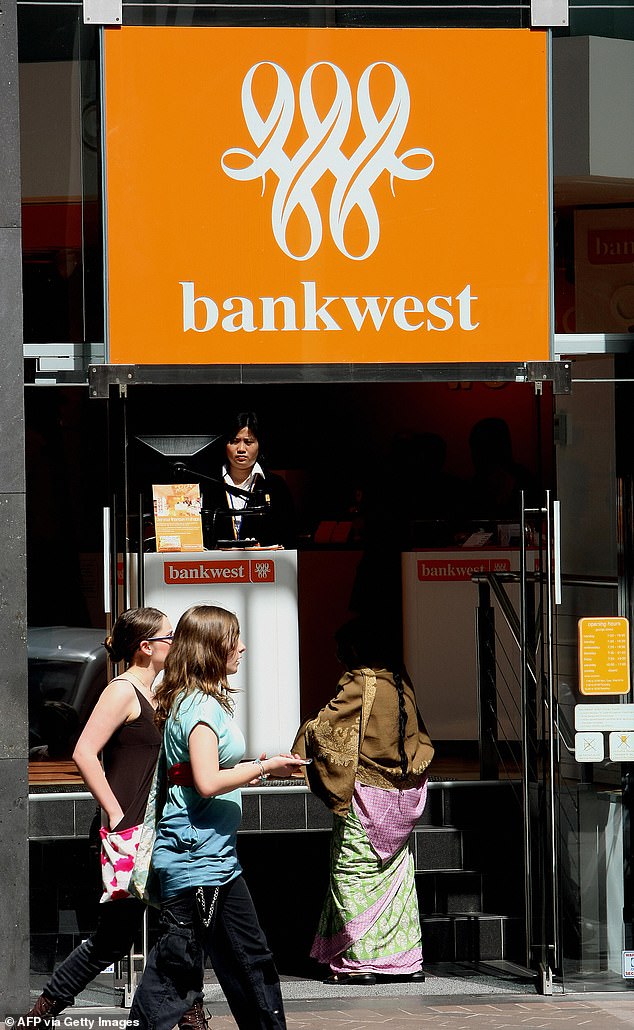
He stated that instead, the bank keeps reducing local employment.
‘It’s evident that this commitment was merely an empty pledge made by CBA to deflect criticism for neglecting an entire community.’
‘Members have repeatedly informed us that they feel pressured and overwhelmed across various departments at Bankwest because of the continuous series of layoffs and offshore outsourcing by the bank.’
The union stated they will be sending a letter to WA Treasurer Rita Saffioti requesting an immediate meeting and urging her to promptly address the issue.
The Daily Mail Australia has reached out to Minister Saffioti for their comments.
In 1995, the Western Australian government sold Bankwest to Britain’s Bank of Scotland, which later merged into the London-based Lloyds Banking Group.
In 2008, Lloyds offloaded Bankwest to Commonwealth Bank for $2.1 billion.
CBA extended the Bankwest brand to key eastern seaboard cities as a competitor brand, even though it was under ownership of Australia’s biggest banking institution. However, in 2018, they pulled back to operate solely within Western Australia.
By 2024, approximately 2,100 branches had closed down across various leading banks during a span of six years.
Read more


