


Posted on, Aug. 19 – August 19, 2025 at 7:24 AM
The “tax policy office” in Pakistan will cease to fall under the jurisdiction of the Federal Board of Revenue (FBR), according to an announcement made by Finance Minister Muhammad Aurangzeb on Monday. Instead, this department will now operate under the authority of the Ministry of Finance. As a result, the FBR will no longer have the key responsibility of drafting the annual budget.
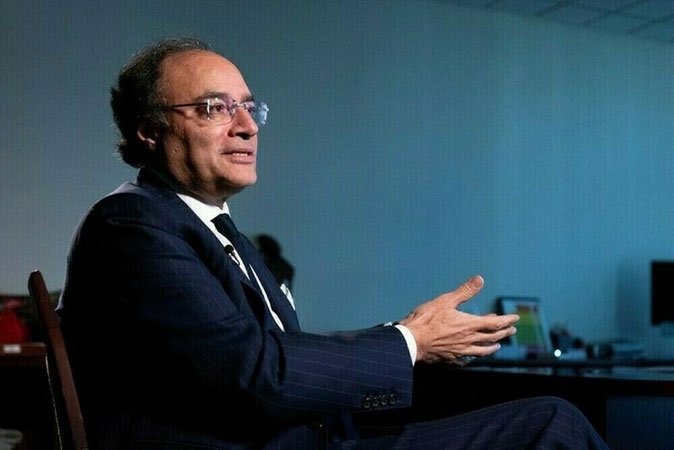
“Tax policy office is now moved into the Finance Division. FBR has nothing to do with the policy. The next year’s budget to be presented in 2026 (for FY27) will be led by the finance and tax policy office and not by FBR,” Senator Aurangzeb said while speaking at a workshop titled ‘Unlocking Capital Market Potential for Banks’, organized by the Securities and Exchange Commission of Pakistan (SECP) and the Pakistan Banks Association (PBA).
Industrial strategy: He further mentioned that the government has been steadily developing an industrial plan set for release shortly, aimed at creating favorable conditions and boosting manufacturing growth within the nation.
“Haroon Akhtar (Special Assistant to Prime Minister) is working day and night to get that (industrial policy) through the cabinet and make an announcement. This is an important element of how we are going to move from stability to sustainable growth, because these underline pillars are going to be quite critical,” he said, adding that over the past couple of months the government has already announced policies for tarrifs, electric vehicles, creating a cashless economy and the digital sector.
Tariff Reforms: Delivering a speech on tariff reforms for businesses—especially those involved in exports—Aurangzeb stated that the government needs to lower customs taxes, extra customs charges, and administrative fees to a specific extent within the coming four to five years.
“This is essential to improve export competitiveness and also to take away the protection that we have provided certain industries for the longest time.”
In terms of the reforms, he said many institutions helped the government, including the World Bank.
“I just want to be very clear the IMF has nothing to do with it. Tariff reforms is very much a home-grown agenda of the government and this administration to make our industry more competitive as we go forward.” He said finance and FBR believe reducing tariffs will hurt the collection of revenue. “They say our revenue (collection) will fade away if we keep reducing duties.” However, “we have to get out of this short-term thinking and see what is the right thing to do for the country over the next four to five years if we are going to grow and move towards supporting competitiveness.”
Missing players: He noted that the corporate sector was largely missing from the workshop, even though they are key players in the development of the capital markets – as they are the one who mobilize funds (debt/equity) through the capital markets.
The minister proposed that the workshop coordinators establish a capital market advancement committee aimed at mobilizing resources for projects via local financial systems such as the Pakistan Stock Exchange (PSX). Key members of the committee might consist of the SECP, the State Bank of Pakistan, PBA, companies, banking institutions, and other relevant entities, along with input from different provinces—since significant implementation authority currently resides within them.