
oleh admin | Agu 26, 2025 | health, healthcare and medicine, humanitarian aid, humanitarianism, medicine and healthcare
Kathmandu, August 19 – Medecins Sans Frontieres (MSF) South Asia held the third iteration of its Health and Humanity Summit in Kathmandu with the focus being “Beyond the Aid Crisis: Shared Responsibilities in a Fractured International Order.” Over 180 attendees, comprising public health professionals, aid workers, representatives from civil organizations, and legal authorities, gathered for this two-day gathering to discuss increasing worries about the decline of humanitarian values and international healthcare safeguards.
The summit discussions centered around three main topics: the challenge to humanitarian authority, managing sexual and reproductive health during conflicts and emergencies, and the importance of community strength along with mutual support among developing nations.
Experts pointed out issues including political influence over health services, declining confidence in humanitarian groups, and the importance of fair collaborations that strengthen community involvement.
Farhat Mantoo, head of MSF South Asia, kicked off the conference by highlighting the significance of ethical medical care, whereas Gopal Krishna Siwakoti, founder president of INHURED International, urged increased international cooperation to assist marginalized groups.
The conference included an exhibit along with interactive sessions designed to showcase grassroots efforts and highlight the vulnerability of aid networks. Hosts stated that the gathering sought to encourage discussion, promote responsibility, and develop real-world approaches for providing medical care in areas impacted by conflicts.
oleh admin | Apr 15, 2025 | health, healthcare and medicine, medicine and healthcare, skin care, surgery
NHS
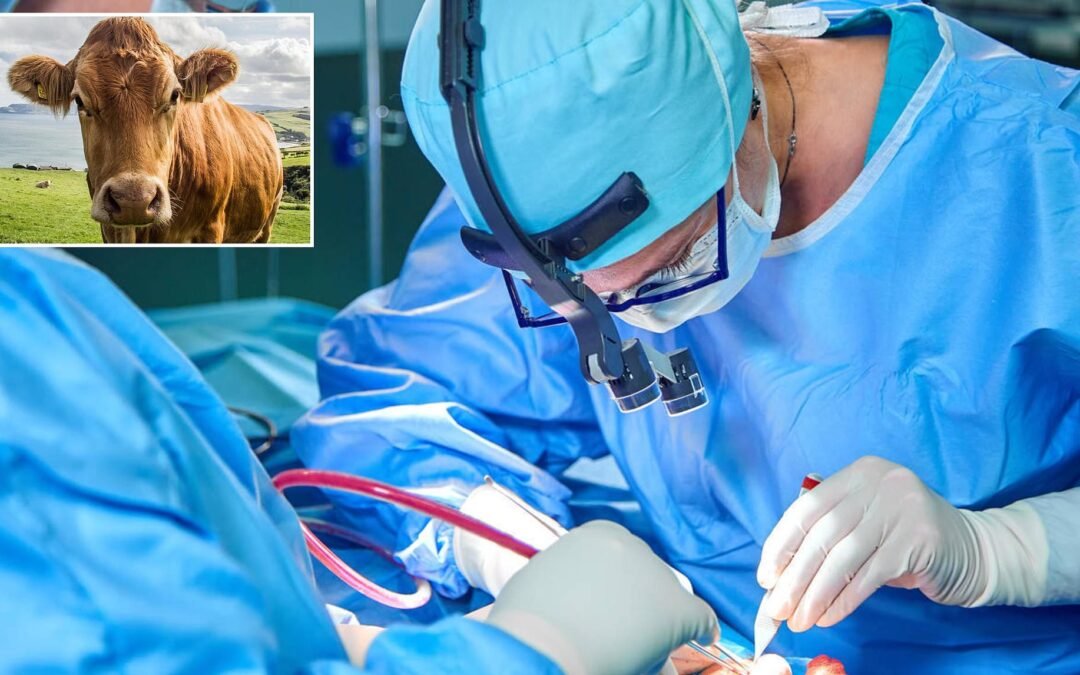
Surgeons are employing cattle hides to treat serious facial injuries resulting from severe skin conditions.
cancer
.
When surgically excising tumors, patients often end up with significant incisions, so doctors typically take skin from another part of the body and suture it over the wound site.
Nevertheless, many elderly patients cannot undergo this procedure due to the increased risk of infections linked to skin removal.
Currently, NHS patients might soon have access to an innovative new treatment involving transplanting skin harvested from cows onto elderly patients.
Developed by consulting plastic surgeon Elamurugan Arumugam, who works at the West Suffolk NHS Foundation Trust, this surgical procedure has thus far achieved a 98 percent success rate.
Moreover, as per research shared at a conference organized by the British Association of Plastic, Reconstructive and Aesthetic Surgeons earlier this year, it has been found capable of healing injuries caused by tennis-ball sized tumors.
Approximately 20,000 individuals are diagnosed with melanoma, the most dangerous form of skin cancer, annually.

This severe health hazard is typically set off by ultraviolet radiation, originating from sunlight or tanning beds.
The primary treatments include surgery along with chemotherapy and radiation therapy.
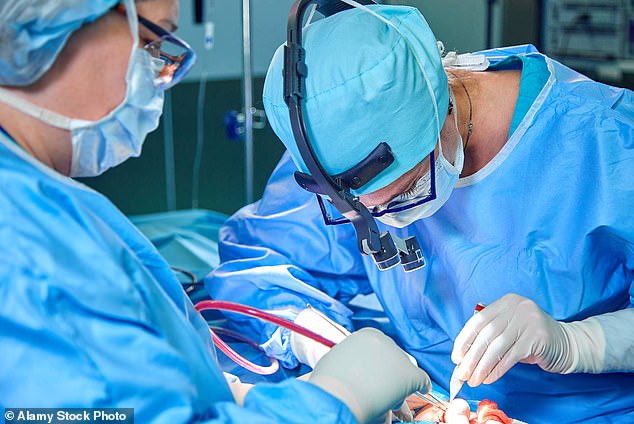
The innovative method entails constructing a slim patch of substitute skin using collagen – the protein foundation for skin derived from cattle.
The patch is either sewn or fastened onto the wound using staples, ultimately integrating with the nearby skin and blood vessels.
It has been tried out on almost 100 NHS patients, and experts think it will see widespread use within the health service in the next few years.
Read more
oleh admin | Apr 15, 2025 | children, health, health advice, infectious diseases, medicine and healthcare
Child
health experts have warned parents against using harmful practices to treat ear infections in children, cautioning that these actions could worsen the condition, leading to permanent hearing loss or other severe complications.
Otitis media, frequently observed in youngsters, may lead to discomfort, drainage, and diminished auditory function.
If not properly treated or controlled, these infections may result in severe complications including meningitis, sepsis, and irreversible hearing damage.
Speaking exclusively with
PUNCH Healthwise
Pediatricians emphasized that methods like applying traditional remedies, cotton swabs, or even fingertips to address ear infections can worsen the condition and lead to considerable harm.
These unverified treatments frequently comprising herbs, spices, and various ingredients can be ineffectual and might drive the infection further into the ear, potentially leading to a ruptured eardrum and exacerbating the spread of the infection.
Even with these dangers, numerous parents still depend on such methods, potentially leading to severe consequences like irreversible hearing damage, meningitis, or worse, fatalities.
The specialists emphasized the crucial need for prompt medical care to avoid complications and foster recovery.
A professor of paediatrics from the University of Ilorin, Professor Omotoyo Adesiyun, stated that ear infections happen when bacteria or viruses get into the ear via the ear canal or the Eustachian tube, which links the middle ear to the throat.
She pointed out that children are more prone to ear infections because their Eustachian tubes are shorter and positioned more horizontally, making it simpler for germs like bacteria and viruses to reach the ears.
Moreover, kids who go to daycare centers or schools have a higher chance of getting ear infections due to greater contact with pathogens.
Adesiyun highlighted that ear infections can lead to significant discomfort, especially when the eardrum ruptures.
She recommended that parents avoid trying to treat ear infections at home because this approach might contribute to antibiotic resistance and cause additional health issues.
Prompt medical care is essential for ear infections to avoid complications,” warned Adesiyun. “Parents should refrain from attempting to treat them using antibiotics or other drugs at home.
She likewise cautioned against putting items such as cotton swabs or fingers inside the ear, since doing so might drive the infection deeper into the ear, leading to greater harm.
Adesiyun suggested that parents should consult a doctor for their children if they exhibit signs like earache, high temperature, or fluid leakage.
Prompt intervention can aid in avoiding complications and promote recovery, she highlighted.
“Healthcare professionals should handle ear discharges. This is particularly crucial when dealing with children because their ear structures are more fragile. If a child has an ear discharge, they should be brought to a hospital for antibiotic treatment. For more serious cases, an otolaryngologist might be required,” Adesiyun noted.
The Paediatric Surgeon and President of the Medical and Dental Consultants Association of Nigeria, Professor Aminu Mohammad, emphasized the significance of timely medical consultation.
He mentioned that ear infections may stem from bacterial, viral, or fungal sources, along with injuries to the ear.
As he stated, if not treated, these infections could result in issues like meningitis, sepsis, and irreversible hearing damage.
“The consequences of ignoring ear discharge are serious. Ongoing infections may lead to irreversible hearing damage, excruciating pain, and issues with equilibrium if they impact the inner ear. In the most severe scenarios, should the infection spread to the brain, it could result in sepsis and potentially be fatal,” cautioned Mohammad.
He emphasized again that parents should avoid trying to treat ear infections themselves at home and must go for prompt professional care instead.
Mohammad likewise highlighted the significance of adhering to proper hygiene routines, like frequent hand washing, to aid in preventing infections.
He suggested that parents should consult a healthcare provider for their kids if they exhibit signs of ear infections.
“Prompt treatment is essential to avoid additional complications and promote healing,” emphasized the pediatric surgeon.
Concerning treatment methods, Mohammad clarified that antibiotics are generally prescribed for bacterial infections, whereas antifungal drugs might be required for cases involving fungi.
He mentioned that for issues such as swimmer’s ear, which is medically referred to as otitis externa, using ear drops can alleviate symptoms and eliminate the infection. In more serious instances, however, surgical intervention might be necessary to mend the eardrum or address problems including cholesteatoma and mastoiditis.
Mohammad additionally pointed out that specialized attention from an ear, nose, and throat (ENT) doctor might be required for more complicated situations.
In the meantime, Dr. Leo Odudu, who serves as both a Consultant Paediatrician and the Medical Director at Emel Hospital, cautioned that failing to treat ear infections might result in severe complications.
He mentioned that the most frequent reason for ear discharge is an infection, typically occurring after a respiratory tract infection.
Odudu pointed out that poor nutrition and compromised immune systems, like those found in children with sickle cell disease or HIV, can elevate the chances of developing ear infections.
“Poor hygiene and viral infections like measles can also make children more vulnerable to ear problems,” Odudu said. He cautioned against using unverified home remedies, such as native concoctions or inserting cotton into the ear, which can lead to serious complications.
“When foreign items such as cotton are introduced into the ear, they may obstruct the ear canal and drive the infection further inward, resulting in more serious outcomes,” he clarified.
Odudu stressed the importance of seeking professional medical care for ear infections, adding, “Ear infections should always be treated by trained healthcare professionals. Whether bacterial, viral, or fungal, a healthcare provider can accurately diagnose the issue and prescribe the right treatment.”
He finished his talk by encouraging parents to promptly consult a doctor when their children show symptoms such as earache or fluid drainage. He stressed that early treatment helps avoid serious issues including potential hearing impairment or persistent infections that could necessitate surgical procedures.
Provided by Syndigate Media Inc. (
Syndigate.info
).

oleh admin | Apr 14, 2025 | health, healthcare and medicine, healthy living, medicine and healthcare, wellness
To mark World Health Day in 2025 under the theme “Healthy Beginnings, Hopeful Futures,” prominent FMCG firm, Orange Group, is introducing a novel venture into health and wellness called “Sip Wellness with Herbasip.” This campaign aims to inspire Nigerians to adopt healthier living practices via easy-to-follow, readily available options.
Orange Group’s Director of Media and Communications,
Uchenna Ezenna
, states,
At the Orange Group, we strive to enhance the lives of Nigerians via cutting-edge, easily available, and advantageous offerings. The theme for this year’s World Health Day—‘Healthy Beginnings, Hopeful Futures’—syncs seamlessly with our ‘Sip Wellness’ initiative alongside Herbasip. We feel that cultivating a wellness-oriented mindset begins with straightforward daily decisions. Through Herbasip, we provide an easy and tasty means for all individuals to emphasize their wellbeing and look forward to a more radiant, healthy tomorrow.
Herbasip is a health supplement made from natural herbs recognized for enhancing immune function, which helps alleviate cold symptoms, strengthen resistance, and support general wellbeing suitable for both adults and children. The Orange Group remains dedicated to improving communal health by providing scientifically validated natural items designed to easily fit into everyday routines.
The main focus of the campaign, titled “Sip Wellness,” emphasizes that minor adjustments in your everyday life can contribute to improved health. It showcases how integrating immunity-enhancing components into regular habits provides an easy and pleasant method for focusing on wellness.
Starting from April 7, 2025, a multiplatform social media campaign using the hashtag #SipToWellness will highlight how Herbasip, an immunity-boosting beverage, has become the go-to brand for fostering “Healthy Beginnings, Hopeful Futures.” This initiative aims to promote basic wellness practices.
The campaign will include partnerships with prominent wellness and health experts Damian Avar (@therealsabidoctor) and Dr.
Adefunke
, who will conduct enlightening Q&A sessions, product demonstrations, and educational videos. The purpose of these initiatives is to inform viewers about the significance of supporting their immune systems via practical and simple daily habits.
About Orange Group
Orange Group stands as a premier innovator in the Fast-Moving Consumer Goods (FMCG) sector within Nigeria, dedicated to delivering top-notch, cutting-edge items that elevate everyday consumer experiences. The organization places significant emphasis on enhancing communal welfare through the creation and promotion of product lines aimed at boosting wellness and encouraging more healthy living practices.
Website:
Home
Instagram:
https://www.instagram.com/orange_nigeria/?hl=en
Facebook:
https://www.facebook.com/OrangeGroupNG/
Twitter:
https://x.com/orange_nigeria
TikTok:

oleh admin | Apr 7, 2025 | healthcare and medicine, innovation, medicine and healthcare, pharmacy, technology

A novel robotic device that enables patients to obtain emergency medications when nearby drugstores are shut down has been celebrated as revolutionary.
The REMEDY machine, billed as the inaugural one of its type in Europe, will undergo trials in Dolgellau, Gwynedd, a location where residents often have to travel 50 miles (80 kilometers) to reach pharmacies that operate late at night or on Sundays.
People who contact NHS 111 out-of-hours and require medication urgently will be given the option of collecting their prescriptions from the machine, which is positioned outside Dolgellau Hospital.
“This represents pioneering technology; employing it for this purpose is unprecedented in Europe. It’s at the forefront of global advancements,” stated Dr Rebecca Payne, a general practitioner participating in the trial.

Dr. Payne jointly led the research project to create the trial along with Professor Dyfrig Hughes from Bangor University.
“[The device] is designed to dispense medication following a teleconsultation,” explained Dr. Payne.
We understand that 70% of individuals dialing 111 receive guidance over the phone, yet for those residing in places such as Dolgellau, where pharmacies aren’t available outside regular hours or on Sundays, obtaining medicine can be extremely challenging.
It’s incredibly thrilling to see academia joining forces with the healthcare sector and industries to address a genuine patient requirement.
How does it work?
The device contains a range of antibiotics, corticosteroids, and inhalants.
Dr. Adam Mackridge from Betsi Cadwaladr health board stated that it was “very straightforward” for patients to utilize the system.
“As a clinician operating within service 111, I would converse with a patient and conduct a clinical assessment,” explained Dr. Mackridge.
In case they require some medication, I can access the machine remotely, generating a PIN code that we communicate to the patient verbally as well as via text.
The patient arrives at the machine, enters the PIN code, and it will dispense the medication I have chosen.

“Individuals residing in this region, whether they are permanent residents or visiting for holidays, traditionally had to cover extensive distances to access after-hour medical services provided by a general practitioner,” explained Dr. Mackridge.
However, over recent years, we have managed to provide additional teleconsultation services, allowing us to assist individuals nearer their homes, which has proven advantageous in numerous ways.
However, we face the challenge of delivering medication to individuals who have undergone remote clinical assessments.
Currently, before this equipment was brought in, patients had to go all the way to Bangor, which is 50 miles away, to obtain medications when local pharmacies were not open.
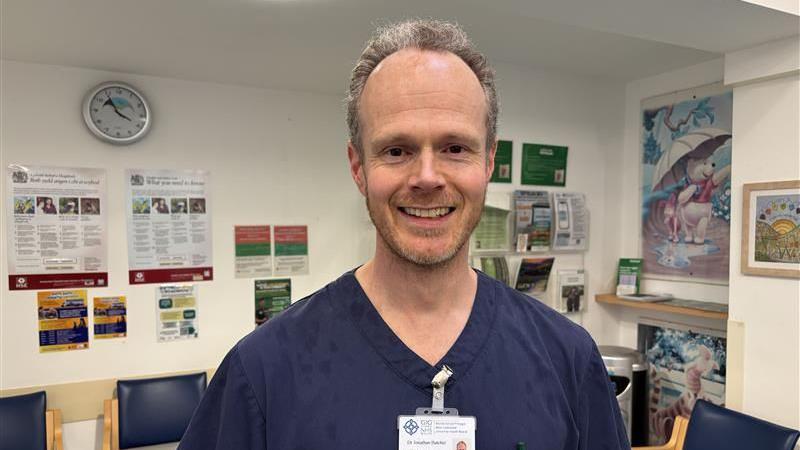
Dr Jonathan Butcher, a local general practitioner based in Dolgellau, mentioned that the introduction of this new equipment means patients will not have to wait for collecting their medicines anymore.
“This will make them feel better faster,” he stated.
Everyone cannot conveniently travel or cover long distances during late hours or on weekends to locate a pharmacy that’s operational.
Doctor Butcher mentioned that the possibility of having to travel great distances for a prescription led some patients to avoid seeking medical care when they actually needed it.
This presents a great chance, and once individuals recognize they can access the medicine right around the corner in town, it will be excellent news for them.
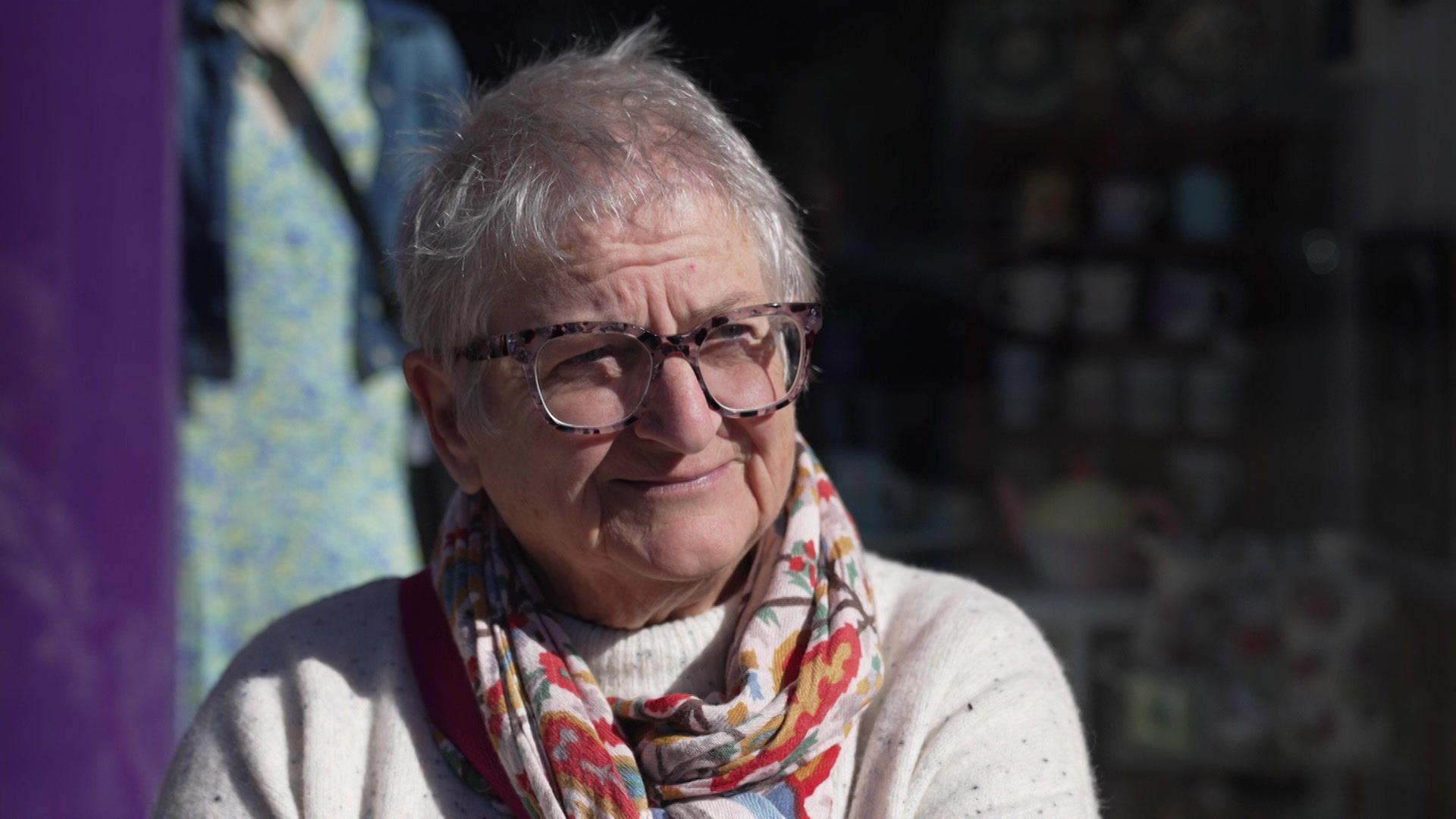
Jane Jardine, a resident of the nearby area, mentioned that obtaining her medication has been quite challenging.
“Getting medication and seeing a doctor can be like a nightmare; thus, I believe [the machine] is an excellent concept,” she stated.
Llinos Rowlands from Dolgellau was also fond of the concept of the new device.
“If it results in bringing in medication without additional costs and assists people, then it’s definitely a positive development,” she said.
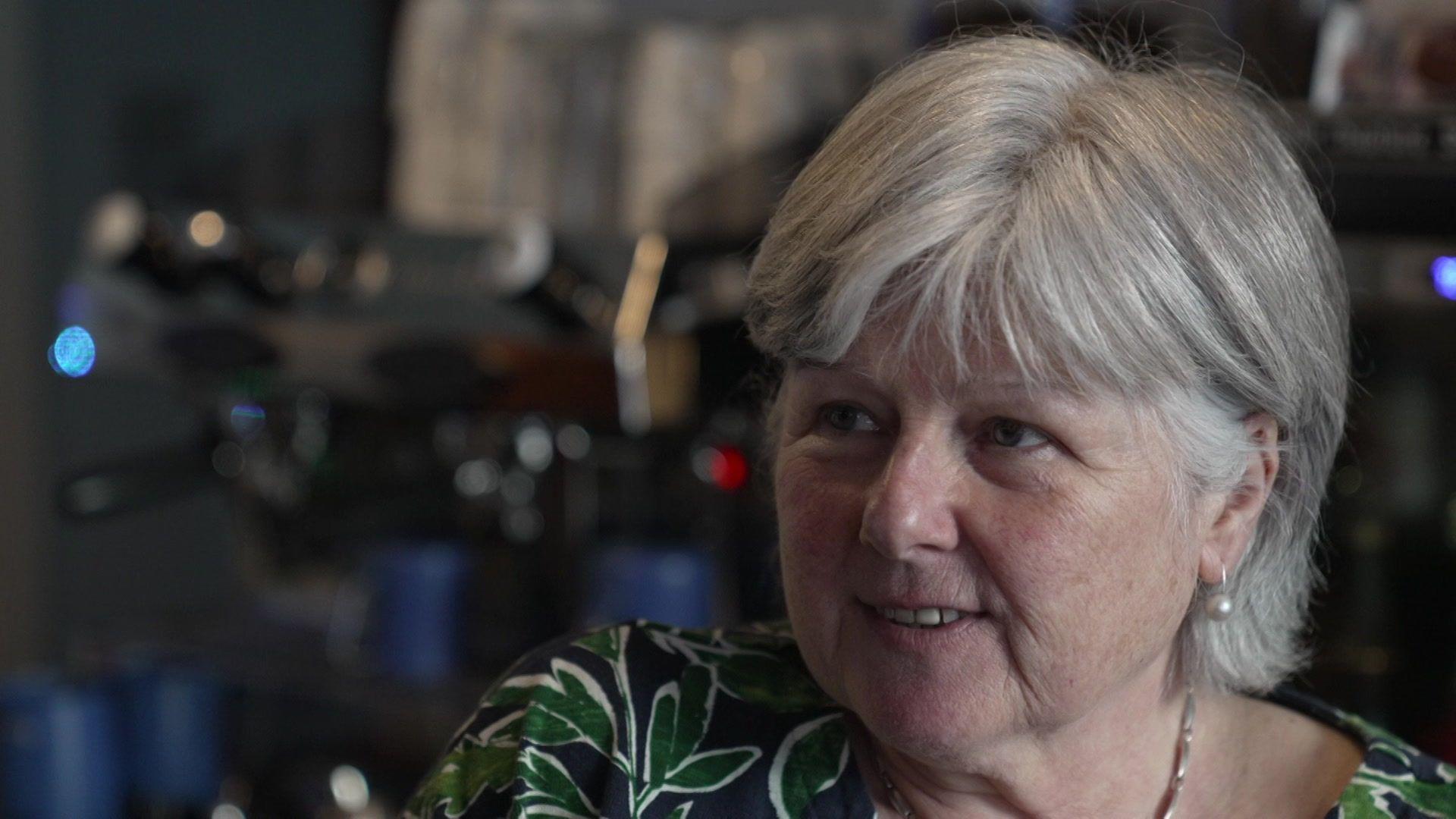
“I’ve had good fortune with my health… but I would be extremely thankful to have something like this available locally if I ever needed it,” she said additionally.
In Dolgellau, the population tends to skew towards being more senior. It takes about an hour to reach where medicines can be obtained, which poses significant challenges. Moreover, this journey comes with extra expenses, particularly since many residents either have difficulty traveling due to lack of personal vehicles or must resort to using public transportation. For individuals whose health isn’t robust, these factors make things even harder.
The REMEDY machine, a collaborative effort between Betsi Cadwaladr University Health Board and Bangor University, with funding from Health Care Research Wales, will undergo a two-year trial phase.
-
Pharmacies decide to reduce operating hours as part of a funding dispute demonstration
-
I can’t continue funding my pharmacy with my savings.
-
I planned my funeral but new surgery means I’m cancer-free
oleh admin | Apr 3, 2025 | health, healthcare and medicine, hospitals, medical and healthcare costs, medicine and healthcare
April 3 — The condition of healthcare in Bangladesh’s public hospitals remains a cause for worry, frequently drawing attention to issues faced by institutions such as the Bangladesh Medical University (BMU) and Dhaka Medical College Hospital.
Every day, thousands of patients come to BMU’s outpatient clinic, but numerous individuals depart with feelings of being overlooked because they believe the doctors show insufficient dedication.
During a recent encounter, a patient identified as Arman (a pseudonym for privacy) from Rupganj, Narayanganj, recounted his experience to an UNB correspondent.
“I had to wait in line for hours merely to obtain a ticket. Despite getting treated, the prolonged standing left me feeling even more unwell,” he stated.
33 brokers and fraudsters apprehended at DMCH
Several patients in the cabin block expressed frustrations over the irregularity of doctors’ visits. One patient said, “My doctor hasn’t come in nearly a month.”
Although certain patients reported receiving adequate care, the grievances were more numerous than the compliments.
A System Under Pressure
The BMU Director, Brigadier General Mosleh Uddin Noman, acknowledged to UNB that the hospital finds it challenging to fulfill patients’ expectations.
“Meeting patient expectations is incredibly challenging. We can’t say that our services are flawless since we still have numerous areas needing improvement,” he stated.
When questioned regarding the top priorities, he pointed out cleanliness as a crucial concern.
Moreover, he pointed out the critical lack of ICU beds. “Currently, we possess just 30-32 ICU beds, yet there’s an extensive queue with around 1,100 patients awaiting admission,” he elaborated.
Rape victim from Magura now in serious condition: DMCH director reports
The director additionally highlighted the importance of improving the usage of the hospital’s sophisticated medical devices and enlarging outpatient facilities to decrease wait times.
Physicians Aren’t Achieving Their Complete Capability
When speaking with this correspondent, Brigadier General Noman stated that the medical professionals at BMU are only providing about half of what should be expected from them. He mentioned, “I do not require additional personnel; however, if the present staff were giving adequate treatment, it would considerably alleviate the strain on the system. The problem persists because they are not delivering comprehensive care to the patients,” he noted.
When questioned about why physicians do not operate at their maximum potential, he attributed this to discontentment with their compensation levels.
They argue that the wages they earn are inadequate for supporting their households, hence they aren’t delivering complete services. However, if they put forth their maximum effort, patient grievances would likely decrease significantly,” he stated.
Hospital Resources & Staffing
BMU is a large organization comprising 1,165 physicians, 1,304 nurses, 484 administrators, 775 Level 3 personnel, and 1,143 Level 4 personnel.
In addition, there are 226 temporary employees holding Grade 3 and Grade 4 positions.
The facility boasts 1,859 beds along with around 200 wards, catering to roughly 5,500 outpatients each day.
Even with its size, BMU encounters limitations in funding, which affects areas such as patient meals.
“The daily budget allocated for three meals per admitted patient is just Tk 175. While it’s insufficient to offer three nutritious meals, we are doing our best to provide whatever we can,” stated the director.
Late Care for Those Affected in the July Movements
Individuals hurt during the events of early July continue to be housed on the fourth and fifth levels of BMU’s ward section. Approximately fifty of these patients face delays as they await transfer overseas for more intensive care because of their critical conditions. These postponements have led to feelings of frustration among those affected, compounded by reports of uneven quality in healthcare services received.
One of the wounded individuals, Mohammad Shakil (19), shared his ordeal: “A bullet pierced my stomach and came out via my rectum, damaging the nerves in my left leg. This has caused frequent obstructions in my bowels, necessitating the use of a colostomy bag. Persistent issues could lead to long-term health problems for me.”
Mohammad Shuvo (21) sustained shrapnel wounds to his eye, head, and body, causing him to fear total loss of vision. He stated, “I have irreversible damage to one eye, and I’ve been recommended for medical care overseas. A metal plate remains in my eye, and without prompt surgical intervention, I could become completely blind.”
Azam (20) shared his terrifying ordeal. He said, “The police along with members of the Awami League forcefully put me in front of the Ashulia police station. My right eye has been entirely damaged, and my left one remains unclear. Additionally, I face difficulties walking because of leg and lower-back injuries. It’s been a month since I’ve been awaiting referral for specialized medical care overseas; however, I was informed that my documents still haven’t reached the ministry.”
A different patient who was hurt, Selim (17), claimed neglect from his designated physician. He stated, “The doctors do not attend to us adequately. Dr. Ibrahim Siddique, my doctor, hasn’t come to see me in 28 days.”
Upon being reached out to, Dr. Ibrahim Siddique denied the claims, saying, “While we carry out our rounds in the early hours, the patients are often unavailable. This matter won’t be addressed through a telephone conversation.”
Director’s Assurance
In response to the worries raised by the patients affected during the July movement, Brigadier General Noman confirmed that they were under the care of assigned medical personnel. He stated, “Every patient, including those hurt during the July movement, is receiving visits from designated doctors. Should they have any issues, they may discuss them with the nurses, who remain accessible at all times.”
Concerning the postponements in transferring patients overseas, he explained that the issue was under the jurisdiction of the ministry. He further stated, “They will be dispatched once the ministry finishes its processing.”
The director recognized the constraints of BMU’s system. He stated, “My efforts encompass all sectors. However, I find myself constrained as longstanding problems that have persisted for many years can’t possibly be resolved within just two months. Despite these challenges, I’m doing everything possible. Given that this is an independent entity, we need to operate based on our internal strategies.”
Halaman 1 dari 612345...»Akhir »


