oleh admin | Mar 31, 2025 | africa, armed forces, military, news, united states armed forces
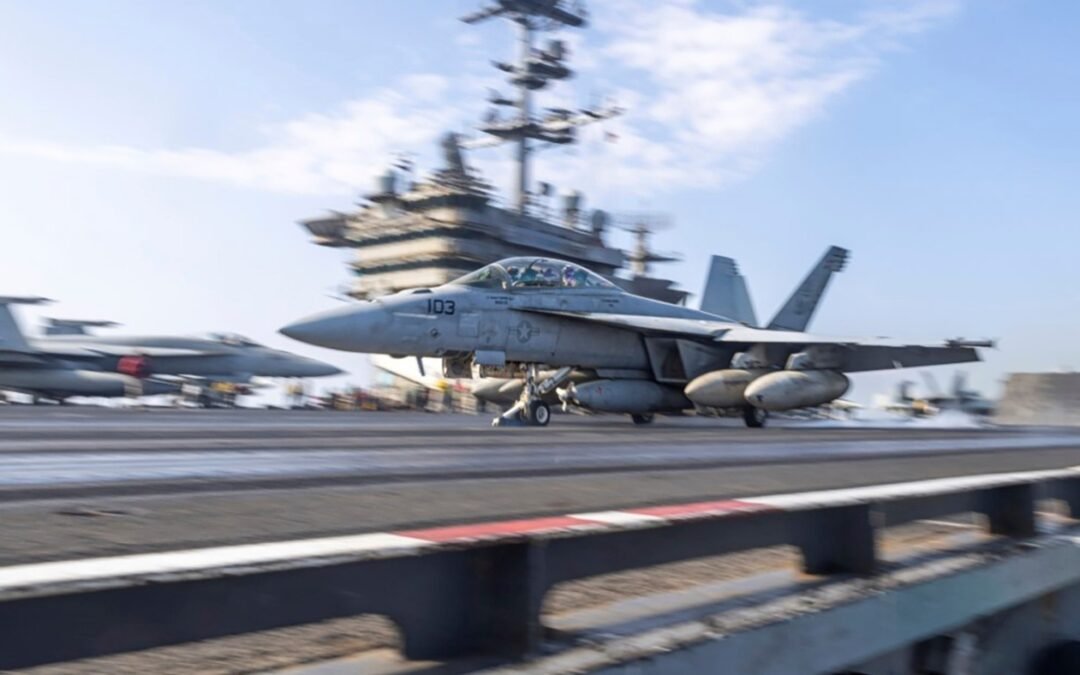
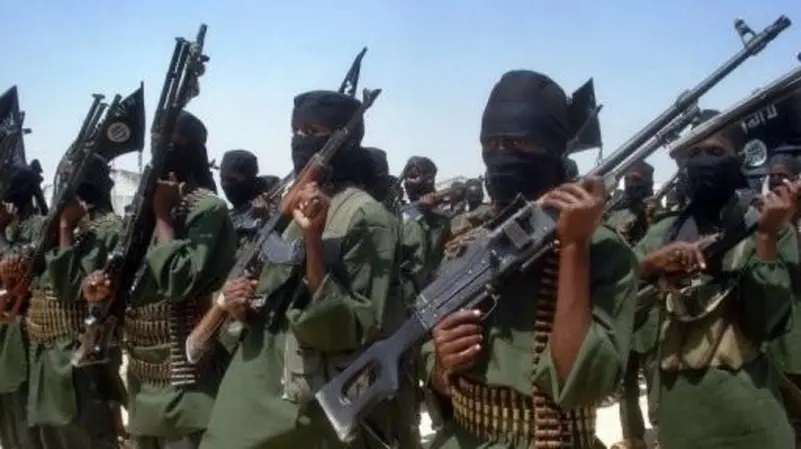
On March 30, 2025, Addis Ababa — According to an official announcement, US Africa Command (AFRICOM) conducted airstrikes targeting locations affiliated with the Islamic State in Somalia.
The AFRICOM website stated that the operation took place on March 29, in conjunction with the Somali government.
The attacks were directed at ISIS locations southeast of Bosaso in Somalia’s Puntland region, according to reports.
“According to the statement, AFRICOM’s preliminary evaluation indicates that several ISIS-Somalia operatives were reportedly killed, with no harm reported to civilian individuals,” it was disclosed.
The military announcement stated that the extremists presented a risk to American troops. Further information regarding the mission was not disclosed.
The statement from AFRICOM also highlighted that ISIS-Somalia has demonstrated both its intent and ability to target American and allied forces. Additionally, they warned that these hostile actions pose a threat to U.S. security interests.
“AFRICOM, alongside the Federal Government of Somalia and Somali Armed Forces, continues to take action to degrade ISIS-Somalia’s ability to plan and conduct attacks that threaten the U.S. homeland, our forces, and our civilians abroad,” according to the statement.
Provided by Syndigate Media Inc. (
Syndigate.info
).
oleh admin | Mar 30, 2025 | armed forces, government, military, politics, warfare
Earlier this week, the Rapid Support Forces militia were pushed out of their positions in the Sudanese capital by the national army. This shift in power represents a significant milestone in the ongoing two-year civil conflict.
The leader of the Rapid Support Forces militia acknowledged during a speech on Sunday that the
group has withdrawn
From Sudan’s capital, Khartoum, following their control of the city for almost two years amid the civil conflict.
The disclosure followed afterwards.
The Sudanese military announced on Thursday
that the capital was “free” from the control of militias that gained control of the city after the war broke out in April 2023.
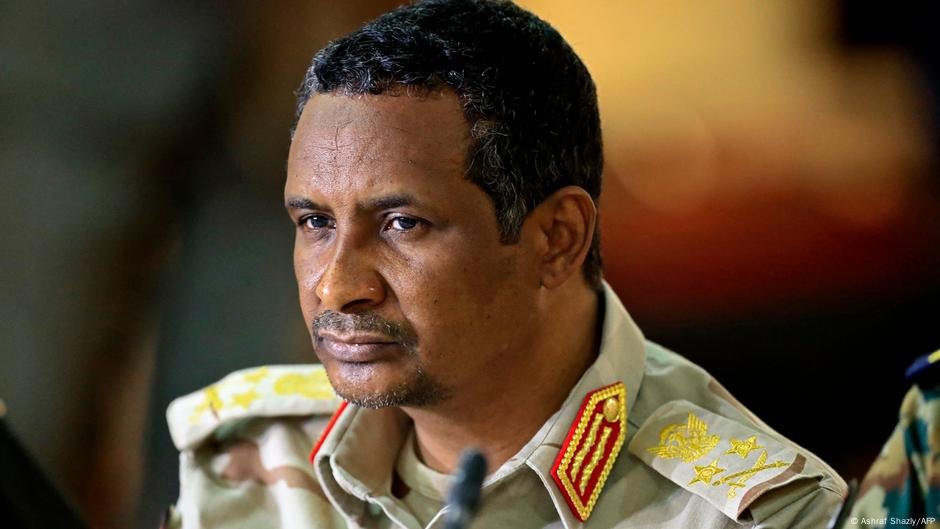
The leader of the Rapid Support Forces (RSF), Mohammed Hamdan Dagalo, stated three days prior that they would not withdraw nor yield, adding that their troops were “reequilibrated” following the recapture of the city by opposing army units.
The RSF pullout marks a symbolic shift in Sudan’s civil conflict.
Daglo shared on X saying, “I assure you that we have definitely departed from Khartoum, however… we shall return with an even firmer resolve.”
Those who believe that there are talks or accords underway with this nefarious group are incorrect,” he stated, referring to the Sudanese army. “We do not have any pact or dialogue with them; we communicate solely through military means.
Sudan in the grip of the world’s worst hunger crisis
The conflict has led to what the United Nations characterizes as the globe’s most severe food shortage and refugee crisis.
Over 12 million individuals have been displaced, tens of thousands have lost their lives, and a United Nations-supported evaluation has reported famine conditions in certain areas of the nation.
Nevertheless, Army Chief Abdel Fattah al-Burhan pledged on Saturday not to retreat, following a conclusive assault where his forces were instrumental.
recaptured the presidential palace, the airport, and other crucial locations in the downtown area
.
Forgiveness, concessions, and negotiations are off the table,” stated Burhan, emphasizing that true triumph would not occur until “every single rebel has been eliminated from every part of Sudan.
The US continues to be committed to facilitating peace efforts aimed at ending the conflict.
The United States Secretary of State Marco Rubio had earlier stated on Thursday that
Washington aimed to achieve more through diplomatic means to conclude the conflict in Sudan.
.
Rubio mentioned that he was actively involved in matters concerning Sudan and had recently conversed about the conflict with various global figures, such as Kenyan President William Ruto and Ethiopian Prime Minister Abiy Ahmed.
Blinken, who preceded Rubio, made significant efforts to try to bring the conflict to a halt but eventually expressed frustration over his inability to achieve this goal. He criticized both parties for their involvement in alleged war crimes.
The United States has enacted sanctions on both parties, alleging that the military attacked civilians and stating that the Rapid Support Forces (RSF) committed “genocide” in the western Darfur area.
Edited by: Roshni Majumdar
oleh admin | Mar 30, 2025 | military, military aircraft, russian, russian armed forces, russian politics
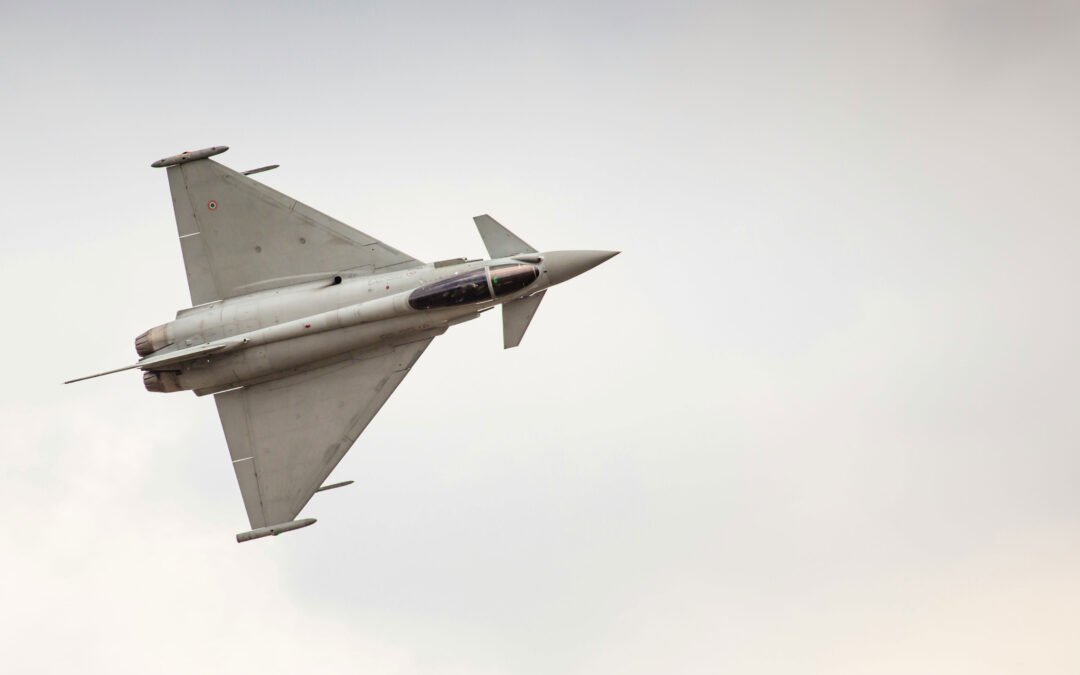
On Thursday, a Russian surveillance plane was spotted close to the northeastern coastline of Germany and subsequently accompanied by two German Air Force Eurofighter fighter jets.
Spotted over the
Baltic Sea
, the Russian aircraft (a model IL-20) was not emitting a transponder signal, which is utilized for identification purposes, according to reports.
Le Figaro
The inactive state of the aircraft’s transponder indicates
a significant threat to non-military aviation,
says the German daily
Bild
.
As a result, two Eurofighter jets were dispatched to intercept the “unidentified” aircraft originating from the Rostock-Laage airbase. This event underscores the rising geopolitical strains within the area.
A swift response
In order to maintain the security and integrity of its airspace, the German Air Force responded quickly. Following interception, the Russian Ilyushin IL-20 altered course and moved toward Kaliningrad, which is where it had initially been identified.
As a reminder, in mid-March, the prospective German Chancellor
Friedrich Merz
claimed that the substantial military funding program to rebuild Germany’s armed forces was warranted due to the necessity of combating the “war against Europe” initiated by Moscow.
(MH with Manon Pierre – Source: Le Figaro/Bild – Illustration: ©Unsplash)
oleh admin | Mar 30, 2025 | asia, foreign policy, international relations, military, politics
Experts suggest that India’s naval diplomacy aims at fostering trust and providing a ‘non-confrontational’ alternative to China’s investment strategies.
India
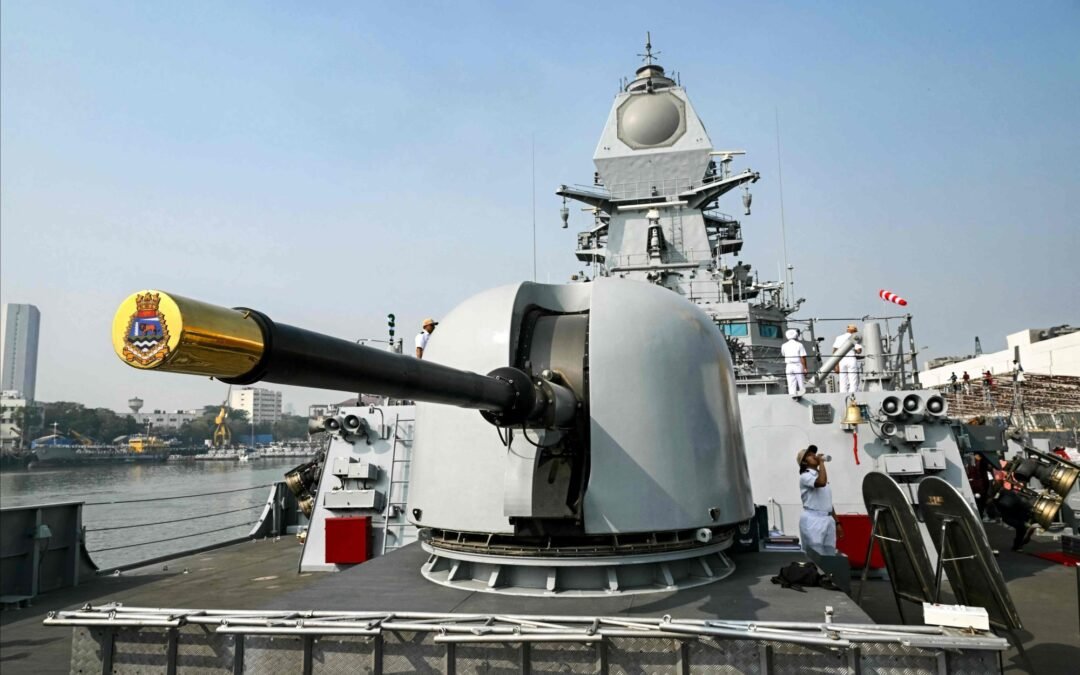
is scheduled to commence its initial significant maritime drill involving 10 African countries next month, indicating its expanding strategic aspirations.
The Africa-India Key Maritime Engagement (AIKEYME) drill will be conducted off the coast of Dar es Salaam.
Tanzania
In mid-April, amidst New Delhi’s expanding military engagement on a continent where China has historically held significant influence.
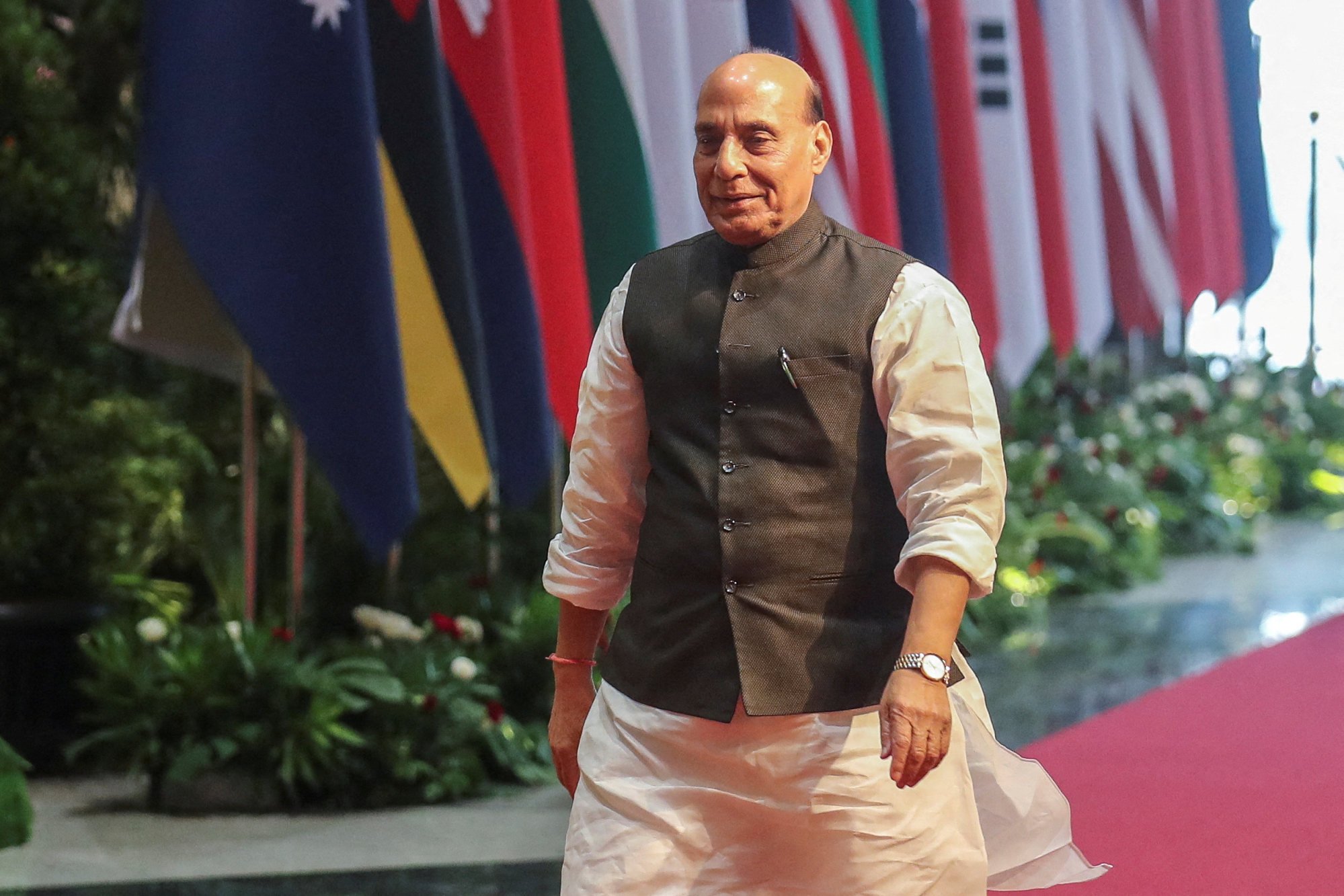
The Indian Defense Minister, Rajnath Singh, will kick off the six-day drill, where India will be co-hosting alongside the Tanzania People’s Defence Force. This gathering will assemble navies from various countries including Comoros, Djibouti, Eritrea, Kenya, Madagascar, Mauritius, Mozambique, Seychelles, and South Africa.
Are you curious about the most significant issues and global trends? Find out here.
SCMP Knowledge
Our latest platform offers carefully selected content including explainers, FAQs, analyses, and infographics, all provided by our acclaimed team.
This exercise represents a significant move in India’s maritime diplomacy, strengthening its position as a regional security contributor and enhancing both strategic and economic connections with Africa, asserts Robinder Sachdev, an expert in international relations and the founding president of the Imagindia Institute, a Delhi-based research organization.
India’s naval activity in the area isn’t completely unprecedented. The nation currently runs a coastal radar monitoring system across Mauritius, Seychelles, and the Maldives through its Integrated Coastal Surveillance System. However, “AIKEYME enhances the level of combined operational preparedness,” as noted by Sachdev, thereby facilitating quicker and better-coordinated reactions to marine security challenges.
He stated that strategically, this exercise strengthens India’s role as a dependable and non-coercive maritime ally, especially in nations such as Mozambique and Tanzania, where India maintains significant interests in LNG and ports.
Sachdev stated that AIKEYME held significant geopolitical importance as it aligned with the policy objectives of the
United States
And other democratic allies were also mentioned. He stated, “The United States has continually urged partners such as India to assume more significant responsibilities in ensuring regional security, particularly within the Indian Ocean and the broader Indo-Pacific region.”
A ‘managerial role’
The scheduling of AIKEYME is not accidental. China, with its vast
Belt and Road Initiative
has solidified its position as Africa’s biggest trading partner and lender, with official statistics indicating that commerce between them totaled $295 billion last year. China has additionally set up a military presence in Djibouti and significantly increased investment in East African ports and infrastructure.
India’s action is seen as a deliberate strategy to offset Beijing’s increasing clout, according to experts. Analysts suggest that East Africa holds significant strategic importance for India across various sectors such as energy resources. In this light, they believe this specific combined naval drill will enhance India’s reputation as a trustworthy ally in Africa. As stated by C. Uday Bhaskar, a retired Indian navy official and director of the Society for Policy Studies research organization, “This military exercise underscores India’s commitment to strengthening ties with African nations.”
He recognized the difficulties involved, though. Given that China’s economic assets vastly exceed those of India, Bhaskar suggested that Delhi should concentrate on fostering good relations instead of attempting to compete with China financially.
“It would be perfect if India and China could both collaborate to support Africa, but achieving this would demand significant political acumen and cooperation from both nations,” he noted.
Alongside AIKEYME, there’s another pioneering effort known as the Indian Ocean Ship Sagar. Between mid-April and early May, the offshore patrol ship INS Sunayana will operate with a mixed crew consisting of Indian naval officers alongside servicemen from nine African countries such as Kenya, Madagascar, and South Africa. This team will carry out combined patrols within the exclusive economic zones of Tanzania, Mozambique, Mauritius, and the Seychelles. During these operations, they’ll also make stops at ports like Dar es Salaam, Nacala, Port Louis, Port Victoria, and Malé.
Dongkeun Lee, a defense studies academic from the Strategic and Defence Studies Centre at the Australian National University, noted that this initiative underscored India’s ambition to assume a “management position” within the Indian Ocean region.
While the Western Indian Ocean is frequently excluded from discussions about the Indo-Pacific, especially within U.S. circles, India views the region as an integral part of the Indo-Pacific concept,” he stated. “Furthermore, several African nations participating in naval drills are situated in the Western Indian Ocean, highlighting India’s desire to play a leading role throughout the larger area.
Lee stated with certainty that China intended to broaden its Belt and Road investments throughout Africa. This suggests that programs like AIKEME and Sagar could be viewed as part of New Delhi’s approach to counterbalance China’s growing sway over the larger Indian Ocean area.
The importance of AIKEYME has grown due to its timing after “Peace-Unity 2024,” a one-month joint military exercise conducted in mid-2024 involving China, Tanzania, and Mozambique. According to Paul Nantulya, a researcher affiliated with the Africa Centre for Strategic Studies at the National Defense University in the U.S., this particular drill marked China’s biggest troop deployment to Africa since 1997.
“It appears AIKEYME was intentionally made bigger than Peace-Unity 2024. Since China hasn’t held any exercises in Africa for 2025, it will be intriguing to see their response to this upcoming Indian effort,” Nantulya commented.
India’s economic involvement in Africa began before China started engaging with the continent, he stated. “India boasts a significantly larger native populace that forms an integral part of Africa’s demographics, arriving in the 17th century and actively participating in the region’s political landscape, particularly during its fight for freedom,” explained Nantulya.
This indicates that they possess an edge since they assimilate with African communities and turn ‘native’ in a manner that Chinese enclaves do not.
Economic, strategic stakes
According to the Confederation of Indian Industry, India’s commerce with Africa amounts to $83 billion, with 90 percent of this volume transacted through maritime channels. In the last ten years, New Delhi has provided approximately $12 billion in credit to 42 African countries, accounting for roughly 40 percent of its international credit pledges.
However, commentators indicate that India’s initiatives appear modest alongside China’s substantial investments. These Chinese investments encompass 643 direct projects totaling $150 billion, as reported by the Hinrich Foundation, a trade sustainability organization based in Singapore.
Sayantan Haldar, a maritime-security specialist with the Observer Research Foundation think tank based in Delhi, views these naval drills as an essential move for India to position itself as a key security ally in Africa.
“Towards this objective, India’s strategic presence within the area is expected to gain significant enhancement,” Haldar stated, emphasizing that converting this progress into an economic aspect would be crucial. He pointed out that India’s main hurdle was China’s extensive economic involvement in Africa.
In order to rival China in Africa, India should refine its strategy and foster stronger economic collaborations.
Sayantan Haldar, maritime-security expert
“Africa has been striving for consistent development collaborations,” Haldar stated. “In this regard, China is considered a vital ally. In order to rival China in Africa, India must refine its strategy and enhance economic alliances. Nonetheless, collaboration on maritime security could serve as a significant foundation for India’s efforts in Africa.”
African countries are facing challenges such as drug smuggling, unauthorized fishing, and piracy—areas where India’s naval experience could offer valuable assistance, according to Bhaskar.
Even with these initiatives, India’s impact in Africa stays restricted due to the absence of permanent diplomatic missions in 16 African nations and its comparatively sluggish implementation of developmental aid.
Sachdev stated that India’s initiatives in Africa do not seek to outcompete China economically, but rather provide a reliable, long-term strategic option. This approach is particularly focused on sectors where China’s debt-fueled, government-dominated strategy has sparked worries amongst African countries.
In September, China hosted leaders from 53 African nations at the ninth summit.
Beijing Forum on China-Africa Cooperation
, ending with a shared statement advocating for a more multipolar global order, along with the endorsement of an action plan designed to enhance collaboration between them in the upcoming years.
More Articles from SCMP
SCMP Top Picks: Newcomer can offer bettors their moment of Triumph at Sha Tin
Daniel Wu’s English classes provide insights beyond what appears at first glance.
Hong Kong Sevens: New Zealand’s Reign Comes to an End as France Mounts a Comeback, Fiji Breaks Spain’s Heart
“Don’t hastily criticize CK Hutchison’s port agreement,” warns Hong Kong legislator.
The article initially appeared on the South ChinaMorning Post (www.scmp.com), which is the premier source for news coverage of China andAsia.
Copyright © 2025. South China Morning Post Publishers Ltd. All rights reserved.
oleh admin | Mar 28, 2025 | foreign policy, government, military, petroleum, venezuela
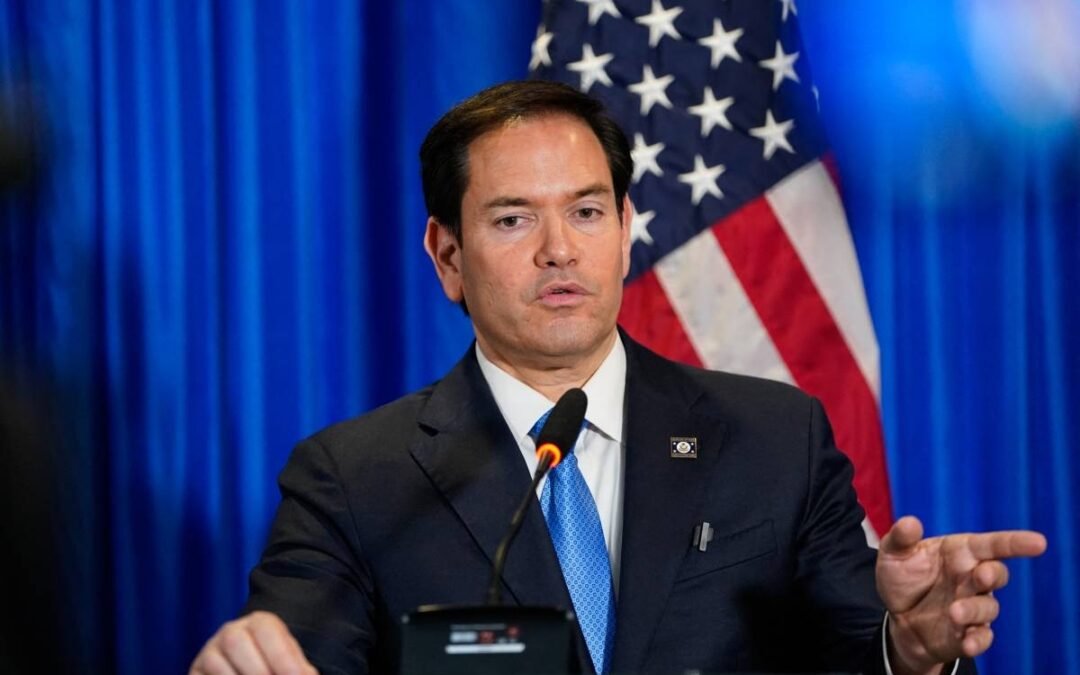
GEORGETOWN, Guyana – On Thursday, high-ranking U.S. official Marco Rubio straightforwardly cautioned Venezuela about potential aggression towards oil-abundant Guyana, emphasizing the might of the United States Armed Forces as a safeguard for the tiny South American country.
Venezuela, led by the left-wing president Nicolas Maduro who is disliked by Cuban-American Rubio, has been asserting its claims over the contested Essequibo area governed by Guyana with greater frequency. The country faced accusations recently for allegedly encroaching into the territory.
“I have full confidence saying it now as secretary of state — there will be consequences for adventurism. There will be consequences for aggressive action,” Rubio told a joint news conference on a visit to Guyana.
When asked about the potential U.S. response if Venezuela were to attack ExxonMobil’s oil operations in Guyana, Rubio stated: “That would turn into a very bad week – a very bad week indeed for them.”
Abstaining from explicitly mentioning a military strategy, Rubio stated: “Our naval forces are substantial and capable of reaching nearly every corner.”
Maduro reacted furiously to the threat, labeling Rubio as an “idiot” and stating, “No one threatens Venezuela.”
During his time in Guyana, Rubio entered into an accord aimed at enhancing security collaboration between the two nations, which involves increased data exchange. This development follows several years after Guyana and the United States consented to conduct shared naval missions.
The President of Guyana, Irfaan Ali, expressed his approval of Rubio’s position, who described Venezuela’s assertions as “unlawful.”
“I am highly satisfied with the assurance from the U.S., which guarantees the protection of our territorial integrity and sovereignty,” stated Ali.
The Venezuelan Foreign Minister Yvan Gil stated in aTelegram message that Venezuela does “neither require nor pursue conflicts; however, we also won’t permit foreign interests to attempt altering the truth regarding our Essequibo.”
He added, ‘Take your noses out of this dispute!’
Mauricio Claver-Carone, the U.S. special envoy for Latin America, previously stated that the United States foresaw a future “binding” security alliance with Guyana akin to the one seen in the Gulf area, wherein American forces safeguard oil-rich Arab monarchies, notably from threats posed by their bigger neighbor, Iran.
Later, Rubio went to visit nearby Suriname, where oil production has likewise seen an increase.
The US aims for an edge over China.
Guyana, an English-speaking country that was formerly a British and Dutch colony, remains home to most of its 800,000 inhabitants living in poverty. For many years now, this nation has hosted a small but persistent group advocating for Guyana’s integration into the United States.
This kind of official inclusion wasn’t part of the plan, yet Trump hasn’t hidden his enthusiasm for expanding influence in the Americas, sometimes even at the cost of long-standing partnerships.
The wealthy Republican has pledged to seize control of Greenland from Denmark and reclaim the Panama Canal, citing increasing Chinese dominance.
Even though Exxon has been dominant in the oil sector, China — considered by the Trump administration as the primary global rival — has swiftly gained ground in Guyana through various infrastructure initiatives such as upgrading the international airport which Rubio arrived at.
Trump has proposed imposing major fees on vessels linked to China, but the idea has hit opposition from US farmers as well as Caribbean nations which say they have little option and will take a hit.
Rubio stated that it was “risky for just one nation worldwide to construct all the vessels.”
However, departing from Trump’s typical hardline stance, Rubio recognized the worries expressed by Caribbean countries and mentioned that he would suggest US trade officials be aware of the dangers posed by potentially damaging relationships with American allies.
“You can be confident that we will convey your message,” Rubio stated.
Rapid oil growth
The legislature in Caracas passed a bill last year to designate the Essequibo area, comprising two-thirds of Guyana’s landmass, as Venezuela’s 24th state, an action dismissed on the global stage.
Guyana maintains that the border was established by an arbitration panel in 1899. However, Venezuela asserts that the Essequibo River to the eastern part of the area serves as a natural boundary, one they claim has been acknowledged since 1777.
ExxonMobil from Texas has become the frontrunner in offshore oil exploration, with operations expanding quickly after the significant discovery of large crude deposits in 2015.
ExxonMobil expects the total production from Guyana to reach 1.3 million barrels per day by the end of the decade, far surpassing the current output levels in Venezuela.
Under pressure from anti-communist Latino lawmakers, the Trump administration has revoked the sanction waiver for U.S. oil company Chevron, which allowed them to continue operations in Venezuela.
oleh admin | Mar 27, 2025 | military, news, search and rescue, ukraine, weapons
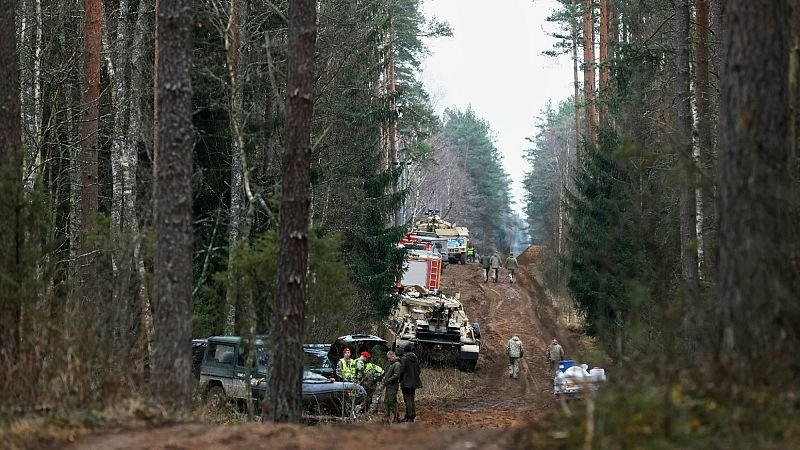
Search operations persisted into Thursday for four absent U.S. servicemen close to the Belarus frontier in Lithuania following the discovery of their vehicle underwater one day prior.
The M88 Hercules armored vehicle was found submerged over five meters deep. Following this discovery, sufficient water was pumped out to allow for excavation work, as stated by Lithuania’s Defense Minister Dovilė Šakalienė.
She stated that “every scenario remains plausible” concerning the soldiers’ status, since it had yet to be verified if they were still within the vehicle.
The Lithuanian national radio and television station, LRT, reported that on Tuesday afternoon, four U.S. servicemen along with their vehicle went missing during a training exercise at the General Silvestras Žukauskas training grounds in Pabradė, a town situated less than ten kilometers away from the Belarus border.
![]()
As stated by Šakalienė, the rescue operations persisted through the night, involving water removal and strengthening of the terrain to allow heavy machinery to reach the location safely without compromising a nearby gas pipeline.
Lithuanian authorities characterize the search and rescue mission as extremely intricate, involving “hundreds of individuals” from different backgrounds such as Lithuanian and U.S. forces, multiple governmental organizations, and private enterprises.
The US Ambassador to Lithuania, Kara McDonald, stated, “We will continue our efforts until our service members are located,” and expressed gratitude to the Lithuanian government and officials for their assistance in the search operation.
“Lithuania serves as an exemplary ally, and we are immensely thankful for their assistance,” she stated.
Lithuania, Latvia, and Estonia, which gained their independence from the Soviet Union in 1990 and subsequently became part of NATO, frequently experience strained relationships with Russia and Belarus.
Tensions escalated even more after Russia initiated its extensive military operation against Ukraine in 2022. During this time, Lithuanian President Gitanas Nausėda emerged as one of the strongest voices among European leaders backing Ukraine’s struggle against Russian aggression.
Halaman 3 dari 9«12345...»Akhir »