oleh admin | Mar 30, 2025 | military, military aircraft, russian, russian armed forces, russian politics
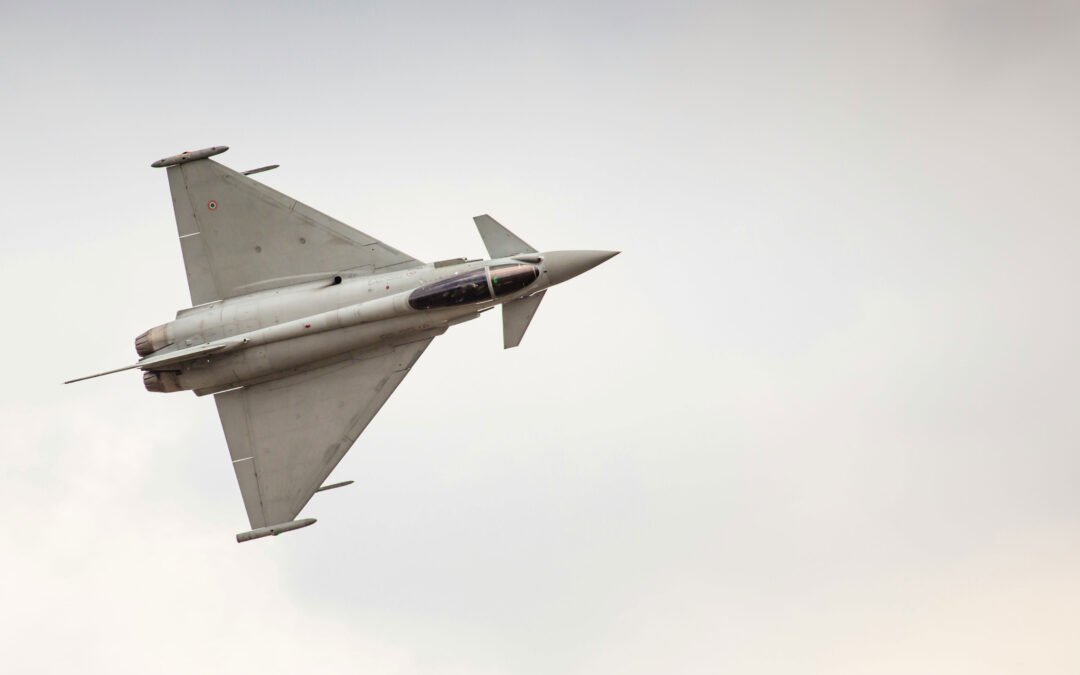
On Thursday, a Russian surveillance plane was spotted close to the northeastern coastline of Germany and subsequently accompanied by two German Air Force Eurofighter fighter jets.
Spotted over the
Baltic Sea
, the Russian aircraft (a model IL-20) was not emitting a transponder signal, which is utilized for identification purposes, according to reports.
Le Figaro
The inactive state of the aircraft’s transponder indicates
a significant threat to non-military aviation,
says the German daily
Bild
.
As a result, two Eurofighter jets were dispatched to intercept the “unidentified” aircraft originating from the Rostock-Laage airbase. This event underscores the rising geopolitical strains within the area.
A swift response
In order to maintain the security and integrity of its airspace, the German Air Force responded quickly. Following interception, the Russian Ilyushin IL-20 altered course and moved toward Kaliningrad, which is where it had initially been identified.
As a reminder, in mid-March, the prospective German Chancellor
Friedrich Merz
claimed that the substantial military funding program to rebuild Germany’s armed forces was warranted due to the necessity of combating the “war against Europe” initiated by Moscow.
(MH with Manon Pierre – Source: Le Figaro/Bild – Illustration: ©Unsplash)

oleh admin | Mar 27, 2025 | international relations, military, politics, russian politics, vladimir putin
Vladimir
Putin
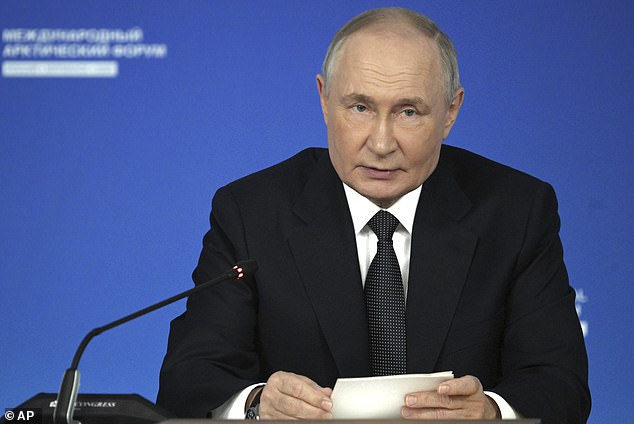
Russia views the U.S. intentions regarding the potential annexation of Greenland as serious and is concerned that this might lead to the Western powers using the Arctic region as a launchpad for future confrontations.
“We are discussing significant proposals from the American side concerning Greenland. These initiatives have deep-rooted historical origins,” Putin stated at an Arctic conference in the northern town of Murmansk.
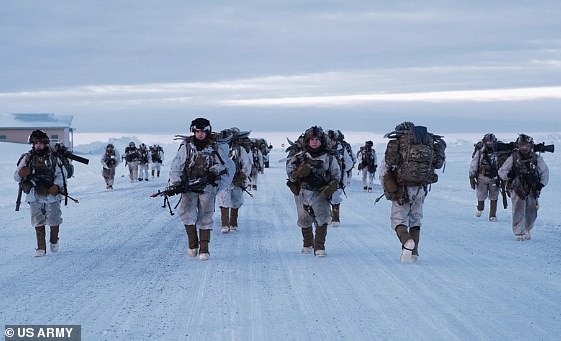
He stated that Russia plans to deploy additional military forces in the Arctic region and mentioned his nation would do so.
Would protect its interests in the area, emphasizing that despite Russia having never posed a threat to anyone in the Arctic, it is carefully observing the developments.
This might astonish some, but only at first sight,” stated the Kremlin leader, seeking support from Donald Trump regarding his assertions about Ukrainian territories. “It would be deeply mistaken to think these are merely outlandish statements from the incoming U.S. administration. That’s not the case.
It seemed Putin gave his approval to Trump for potentially seizing control of Greenland, and he also suggested that Iceland could be next for the US President.
He stated: “Actually, the United States had similar intentions as far back as the 1860s. At that time, the American government was contemplating the potential annexation of both Greenland and Iceland. However, this concept failed to garner sufficient backing.”
Congress
at the time.’
Russia
was concerned that ‘
NATO
In general, countries are progressively labeling the Far North as a potential launchpad for future disputes,’ he stated, and Russia was keeping an eye on the circumstances while getting ready to respond appropriately.
“It is clear that the significance and role of the Arctic are increasing for both Russia and globally. However, regrettably, geopolitical rivalry and the contest for influence in this area are becoming more intense,” Putin stated additionally.
This comes as
JD Vance
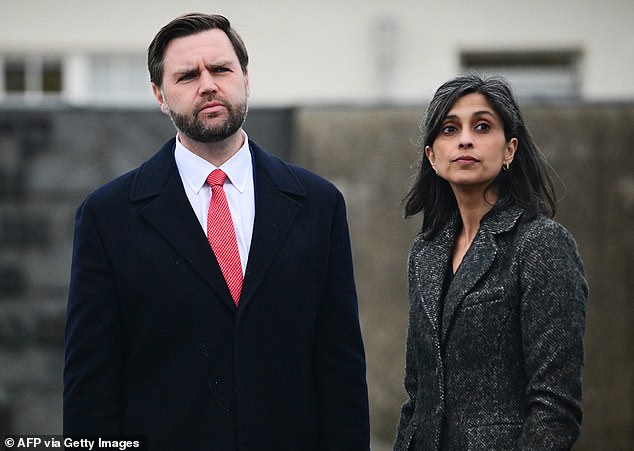
is scheduled to travel to Greenland with his spouse Usha on Friday, becoming the highest-ranking US official to visit the region during an escalating dispute after Donald Trump threatened to acquire the island.
Before the visit, the Vice President proposed that this autonomous region under Denmark’s sovereignty had not been granted sufficient defense backing from Copenhagen, contending that international security is jeopardized.
“Representing President Trump, our aim is to revitalize the safety measures for the residents of Greenland since we believe it plays a crucial role in safeguarding global security,” he stated in an online video.
On Monday, after comments emerged regarding his view that Europe is “free-riding” on U.S. defense efforts, Vance commented further: “Sadly, leaders in both America and Denmark, I believe, have overlooked Greenland for much too long.”
‘It has negatively impacted Greenland and global security as well. We believe we can steer things in a new direction, so I’ll be looking into it.’
Instead of Usha Vance’s previously scheduled solo journey to participate in the Avannaata Qimussersu dogsled race, the Vances will now make an alternative visit to the US Space Force base located in Pituffik, situated along the northwest coastline of Greenland.
I need to approach this with diplomacy, yet in numerous aspects,
it’s a masterful spin
“To make it appear as though they’re increasing tensions when actually they’re reducing them,” Danish Foreign Minister Lars Løkke Rasmussen said to Danish broadcaster DR earlier on Wednesday.
However, Løkke also mentioned that it was ‘positive’ that the ‘صندrites’gc
Americans have decided to cancel their trip within Greenlandic society. ‘They will merely visit their own base at Pituffik, and we hold no objections to that.’
President
Trump
Has annoyed much of Europe with assertions that the US will gain control over the mineral-rich region ‘somehow or anyhow,’ leading to increased tension as leaders from Greenland and Denmark denounced the US stance as ‘aggressive.’
Putin pledged to increase Russia’s military footprint in the area. Additionally, he expressed interest in boosting tourism in the Arctic and revealed intentions to tap into the significant mineral resources found there.
Putin, eager to boost business along the Northern Sea Route (NSR) across Arctic seas, aims to redirect trade toward Asia instead of Europe due to Western sanctions. He stated that Russia has not posed a threat to anyone in the Arctic region but is ready to protect its own interests.
He stated during an important address in the northern city of Murmansk that foreign partners willing to collaborate with Russia in the area would receive assurances of substantial profits on their investments.
Putin advocated for increasing the capacity of Russia’s northern port facilities and developing a merchant marine presence in the Arctic region. This initiative would be backed by advanced icebreaker technology, including newer models powered by nuclear energy.
However, he mentioned that Russia currently lacks the necessary internal resources for this task, and it would necessitate acquiring ships as well as collaborating with international shipbuilding companies.
The Arctic contains untapped reserves of fossil fuels and minerals under both its terrestrial lands and underwater seabeds, which may become easier to access as global temperatures rise.
This region also serves as an arena for military rivalry, with defense experts noting that Russia has rapidly expanded its footprint more swiftly than the Western nations by reviving Cold War-era installations and enhancing its naval capabilities.
This is a
breaking news
story. More to follow.
Read more
oleh admin | Mar 27, 2025 | military, politics, politics and government, russian politics, ukraine politics
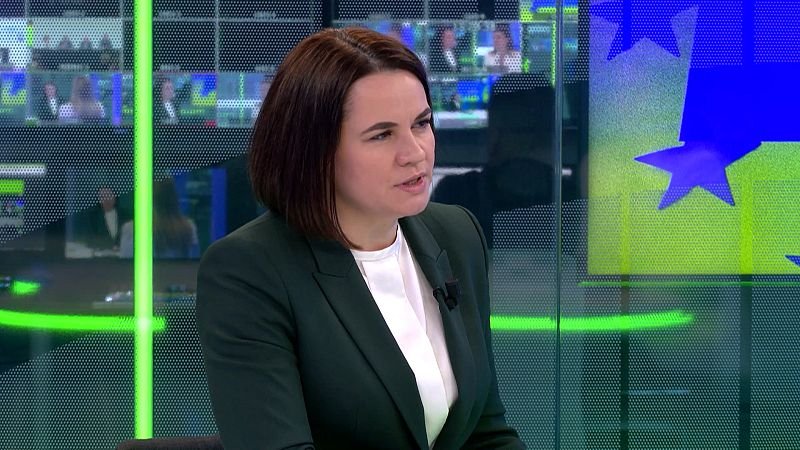
As Belarus grows more volatile within Eastern Europe, the nation becomes increasingly ensnared by Russian control, according to opposition figurehead Sviatlana Tsikhanouskaya’s remarks during an interview with Euronews. She cautioned that this situation might position Belarus as a potential starting point for military hostilities targeting Ukraine and other Western neighboring countries.
In February, Ukrainian President Volodymyr Zelenskyy disclosed during an event in Munich that Russia intends to deploy as many as 150,000 soldiers in Belarus within the year, possibly posing a threat to NATO nations. Given Belarus’s increasingly close ties with Moscow, Sviatlana Tsikhanouskaya contends that the country’s autonomy is endangered, casting doubt over its prospects and the safety of surrounding states.
For Tsikhanouskaya, sanctions continue to be an essential means of preventing additional Russian aggression. She stated, “The focus is on transforming our nation, and sanctions serve as one of the most potent tools.” According to her, “A steadfast strategy is necessary when dealing with dictators; we firmly believe that sanctions should act as leverage to modify their actions.” Furthermore, she explained, “We advocate using these measures until significant progress towards negotiations occurs, aiming ultimately to secure the liberation of everyone and conduct unbiased elections,” she emphasized.
The Europe Conversation.
Recent indications of increasing integration between Russia and Belarus have sparked concerns. Although Belarusian residents can now take part in voting processes, Tsikhanouskaya views this as an incremental move towards Belarus being absorbed by Russia. She stated, “This is a gradual annexation happening with Lukashenko’s consent, knowing he acts like Putin’s marionette. He is willing to trade away our autonomy, self-governance, and nationhood simply to retain his grip on power.”
She contended that the policy of Russification has been progressively moving forward, as agreements have been reached without regard for Belarus’s national interests. “Regardless of voter turnout, these events cannot be classified as genuine elections. It is indeed alarming that Lukashenko, through his actions, is steering Belarus towards Russia,” Tsikhanouskaya stated.
Although Tsikhanouskaya doesn’t view the situation as involving direct territorial seizure akin to what happened in Ukraine, she thinks it revolves around ensuring a leadership aligned with Moscow. She explains, “Their aim is to establish a compliant administration that gives the semblance of sovereignty while having this government act according to Putin’s wishes. In essence, their objective is to create a regime that could be used anytime for additional incursions—perhaps into the European Union—or merely serve propaganda purposes. They desire nothing less than a marionette government within the nation.”
Launchpad for an invasion
At the Munich Security Conference, Zelenskyy delivered a strong caution that Russia could potentially utilize Belarus as a staging ground for an assault, akin to the 2022 strike against Ukraine. Tsikhanouskaya echoed these apprehensions. She stated, “As long as Lukashenko remains in control, Belarusian territory may serve once more as a starting point for an offensive either toward Ukraine or towards our western neighbors.”
The possibility of such an invasion still remains uncertain. “This situation demonstrates that the democratic world struggles to clearly state whether they would tolerate oppression or if invasions of sovereign nations can occur unchecked. They lack effective means to address this threat. There is a chance that these forces could reach the borders of the European Union.”
Tsikhanouskaya contended that autocrats only comprehend the discourse of authority, stating: “When you fail to deliver this strength, when you do not demonstrate courage and audacity, dictators will assert, ‘Very well, we shall trample over the subsequent red line.'”
Democratic aspirations remain intact
Tsikhanouskaya stayed optimistic about Belarus’ future, acknowledging that transformation could occur via multiple pathways. She stated, “Transformation in Belarus might transpire through various channels, yet the crucial aspect is that democratic entities, our community, and Europe should be ready for such transformations.”
Even though the present situation may seem challenging, Tsikhanouskaya felt that the desire for democracy in Belarus has not disappeared. She stated, “It’s important to keep in mind that those protesting in the streets are just one segment of the opposition against the government. The appearance of tranquility within the nation does not imply that citizens have surrendered; rather, they are strategizing and will be prepared once an opportunity for transformation arises.”
According to Tsikhanouskaya, there are greater opportunities for changing the government in Belarus compared to Russia.
oleh admin | Mar 24, 2025 | russia ukraine conflict, russian, russian politics, ukraine, weapons
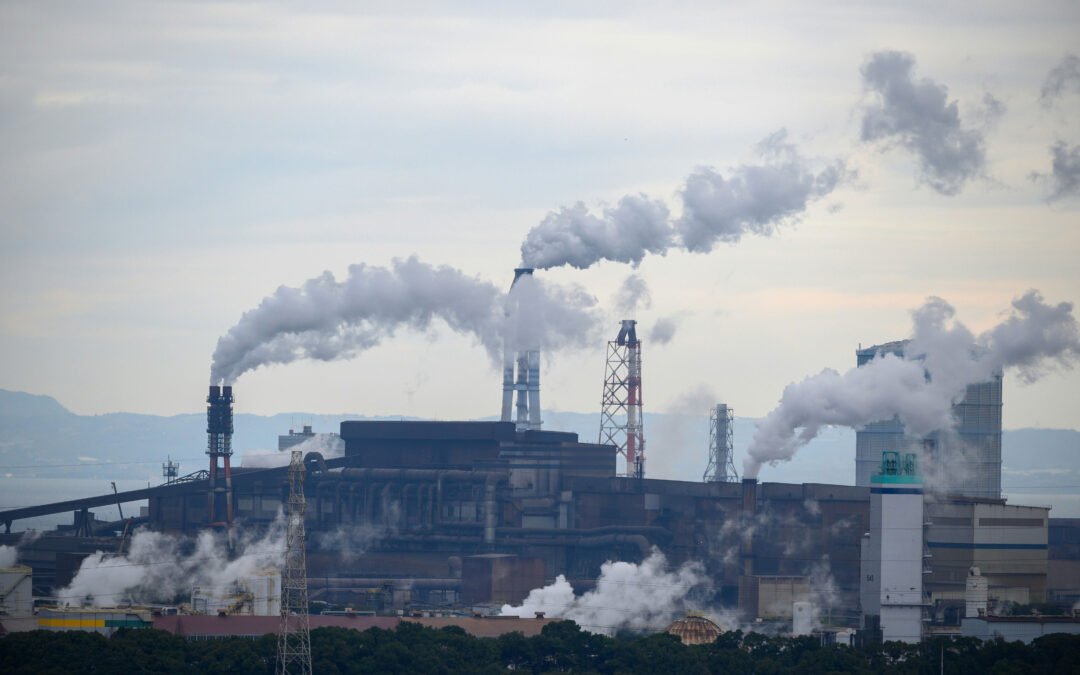
For the third time, a Russian oil facility has been attacked, adding another layer of complexity to the ongoing efforts aimed at controlling the blaze that has been burning fiercely at the location.
Russian authorities stated that remnants of Ukrainian drones led to a blaze at the Kavkazskaya facility in the Krasnodar area earlier this week, and the flames remain unextinguished as firefighters continue their efforts.
Several days prior, extra drones targeted a refinery in the same region, as Kyiv persists with its approach of interrupting Russia’s energy output to diminish its capacity to support the conflict.
In spite of the assaults, Russia and Ukraine have consented to a one-month truce concerning energy infrastructure, which is scheduled to commence as their continuous peace negotiations are set to recommence later this week.
Nevertheless, Moscow claims that Kyiv is intentionally attacking energy infrastructure in Krasnodar, which allegedly violates the accord.
(QG – Source: Newsweek – Image: © Unsplash)
oleh admin | Mar 24, 2025 | africa, politics, russian, russian politics, sports
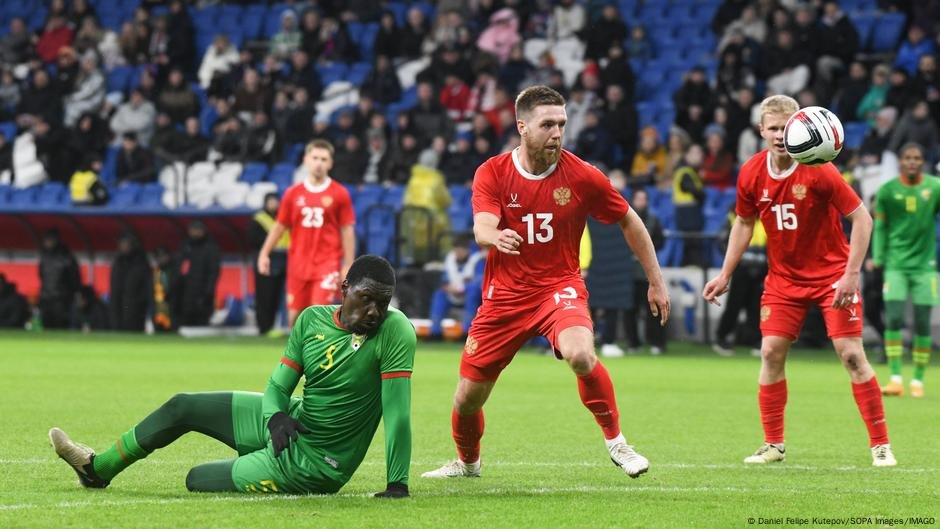
After Russia was prohibited from participating in competitive football following their invasion of Ukraine, they’ve mostly encountered supportive nations in friendly matches. Recently, more African teams are stepping up to play against them. What’s behind this trend?
Although they might be excluded from significant competitions and treated as outcasts globally, Russia isn’t facing many difficulties in locating adversaries eager for a match. Over the past year, they have competed against Syria, Belarus, Brunei, Grenada, and Vietnam.
Serbia
In friendly matches, Iran, Qatar, Cuba, and Iraq were part of the opponents prior to this. They have emerged victorious in each of their last seven encounters, netting 31 goals without allowing any in return.
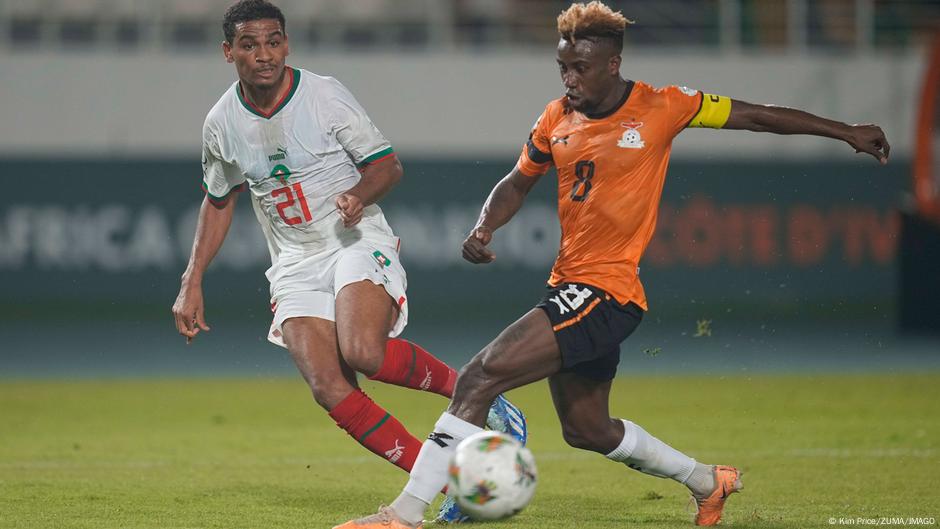
However, beyond those teams clearly connected to the Kremlin, several African squads began playing friendly matches against Russia ahead of the 2018 World Cup. In September 2023—six months post-ban—an Egyptian U-23 team was among the first to face off against them. Subsequently, Cameroon journeyed to Moscow, followed shortly thereafter by Kenya’s match against them in Turkey later that same month. Nigeria plans to visit the Russian capital in June; however, before then, Zambia will be heading over on March 25.
Just a casual match, unrelated to our official competitions,” stated Sydney Mungala, the communication director at Zambia FA, to LIFEHACK. “From our standpoint in Zambia, this was purely a football-related choice.
Mungala stated that Zambia was left without a match scheduled for the March international window following Eritrea’s withdrawal.
2026 World Cup
Qualifying was allegedly halted out of concern that players might escape and apply for asylum during overseas trips. Additionally, both the Republic of Congo and their national team faced bans from FIFA because of external influences interfering with football matters.
“When they reached out to us, I believe we were seeking a chance to maintain engagement with our team during this FIFA window, and we didn’t want to miss the opportunity to participate in this match,” Mungala stated.
We also view it as a gesture of unity with all people, regardless of their origin. Thus, for us, football does not recognize distinctions.
The enduring camaraderie between Russia and Zambia
Mungala additionally mentioned that the bilateral relationship between the two nations is robust and long-lasting.
“Zambia and Russia share a history spanning six decades. He mentioned that shortly after Zambia achieved independence in 1964, one of the nations offering support was Russia, which has maintained significant influence in Zambia since then.” The speaker further noted that this game does not imply Zambia is advocating for Russia’s reinstatement into FIFA.
Those
diplomatic and cultural links
, created during the era when Russia was part of the Soviet Union, appear to be a significant factor behind why numerous African teams prefer playing against Russia more than they do with most other countries.
As Zambia celebrated the arrangement of a match earlier this year through a social media announcement highlighting that both nations had “leveraged their enduring camaraderie to set up an international friendly,” Nigeria has remained conspicuously silent regarding their encounter, which is slated for June 6 at an as-yet-unspecified location.
Despite Russia confirming the match, there has been no statement posted on the Nigerian Football Association (NFF) website. Numerous attempts to get comments from LIFEHACK also yielded no response.
“Football is not warfare; it transcends ethnicity and political concerns,” Nigerian sports producer and reporter Oluwaseun Idowu stated to LIFEHACK, attempting to gauge the stance of Nigeria’s football federation.
I don’t believe this indicates that these nations see Russia differently from the majority of the global community.
Russia depends on soft power.
During the 1960s, Nigeria forged strong connections with the Soviet Union, as the latter supported the Nigerian government during a civil conflict starting in 1967. Subsequently, following his inauguration in 2000, Russian President Vladimir Putin cordially received the newly appointed Nigerian leader, Olusegun Obasanjo. In addition, both nations entered into a military pact in 2017, and Russia intends to construct a nuclear facility within Nigeria’s borders. However, this is not the sole area where Russia exerts its influence over Nigeria.
![]()
Both Russia and the Soviet Union have undoubtedly employed their soft power in this area by sending African students to study in Russia and through various cultural and sports initiatives,” said Michelle Sikes, an associate professor specializing in Kinesiology and African Studies at Pennsylvania State University in the U.S., speaking to LIFEHACK. She added that such efforts can create enduring impacts.
The sports connections seem to have become even stronger for certain nations following the invasion. Delegates from the National Olympic Committees of four African countries— Namibia, Mali, Eswatini, and Togo—attended.
A meeting with Russia scheduled for 2023
Most African countries dispatched delegates to the summit, with Nigeria and Zambia being among them. These two nations have routinely supported United Nations General Assembly motions advocating for an end to Russia’s invasion of Ukraine, and numerous African states are worried about how this conflict might impact their economies.
Differing priorities
“During tough times, true friends are recognized not through their words, but through their actions,” stated the Russian proverb.
Olympic
At the summit was Committee President Stanislav Pozdnyakov.
Now we can truly identify our genuine allies versus those who merely feign support or persist in pretending. Consequently, we maintain an optimistic outlook toward our collaborative efforts and certainly hope that colleagues from different continents will emulate the exemplary conduct of our African counterparts.
Sikes highlighted that the Soviet Union seemed to adopt a more resolute position in combating apartheid in South Africa compared to numerous Western countries throughout the Cold War period.
The favorable sentiments arising from that period might have persisted, making Russia seem more empathetic towards certain African nations, particularly considering the significant impact of apartheid.
She highlighted that the geographic separation from the conflict makes it easier for people in various African nations to not keep it at the forefront of their minds.
In recent years, Russia’s impact on Africa has increased, as highlighted in a 2024 brief from the European Parliament.
“As it stands now, Russia’s involvement with the continent aims at overcoming the diplomatic and economic seclusion enforced by Western nations. This effort also serves to reinforce Russia’s significance on the global scene as a proponent of the emerging ‘multipolar world.’ Additionally, this engagement facilitates progress toward Russian geopolitical objectives concerning extraction industries, energy sectors, and bolstering military presence in crucial regions like the Red Sea and the Mediterranean,” the document states.
Mungala told LIFEHACK that no Zambian supporters will make the trip to Moscow for the game on March 25, due to high travel expenses and complex arrangements. Although from a competitive standpoint the match holds minimal importance, it could be seen as a minor stride toward overcoming international seclusion, particularly among aficionados around the globe who follow soccer.
Edited by: Chuck Penfold
Author: Matt Pearson
oleh admin | Mar 24, 2025 | passports and international travel, russian, russian politics, tourists, Travel
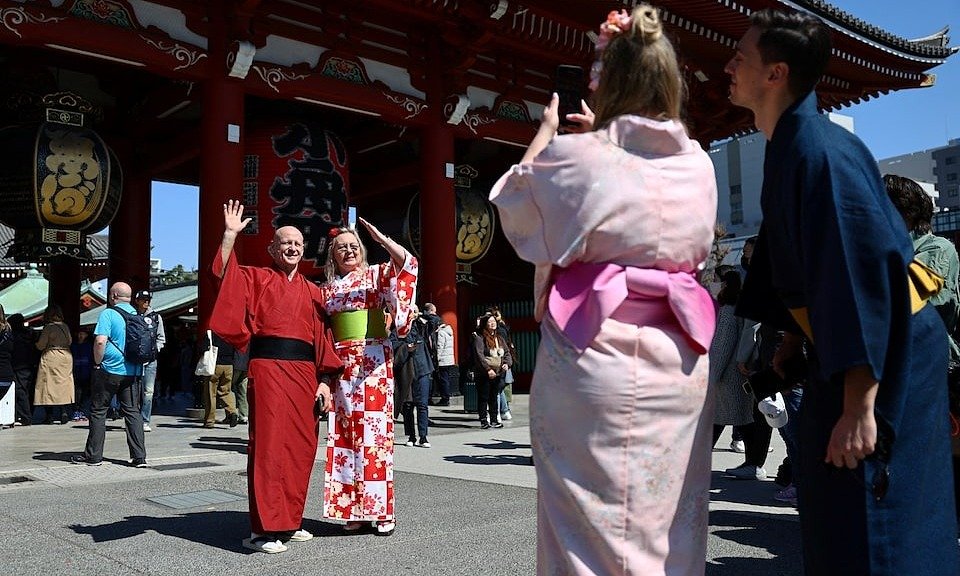
Clad in cozy overcoats and fuzzy caps, many individuals have ventured out into Moscow’s crisp early-spring climate, standing patiently in line. However, their motivation isn’t to catch sight of a star or visit a special showcase; rather, what draws them is the opportunity for Japanese visas.
As many European countries have prohibited direct flights with Russia, and Japan has introduced visa benefits, Russian travelers are seeking out novel vacation spots. They’re taking advantage of their currency’s strength and an increase in real wages due to the country’s economic upturn following substantial wartime expenditures made by Moscow in the conflict in Ukraine.
In the 2024 edition of Condé Nast Traveler’s annual Readers’ Choice Awards, Japan was voted as the globe’s top travel destination by its readers. This year, the country recorded over 36.8 million visitors, surpassing the pre-pandemic high of approximately 32 million set back in 2019, as per data provided by the Japan National Tourism Organization.
Japanese carriers no longer operate direct routes to Russia, yet the Japanese embassy in Moscow reported that the number of Russian visitors was rising alongside the growing availability of connecting flights.
Dmitry Gorin, the vice president of the Russian Union of Tourism Industry, stated that the number of Russians vacationing in Japan is expected to double this year, reaching approximately 200,000 from about 100,000 in 2024.
Reuters
.
Gorin noted that queues at the embassy are expected because Japan’s renowned cherry blossoms in spring attract many visitors.
He emphasized that the crucial factors were simple visa procedures and budget-friendly flights.
In November, Japan eliminated the requirement for Russian visitors to submit paperwork beforehand to prove they had reserved accommodation for their stay. Round-trip tickets, frequently involving layovers in China, begin at approximately 40,000 rubles ($477.64), according to Gorin.
Elizaveta, who
Reuters
As she waited in line for her appointment at the Japanese embassy in Moscow, she mentioned that the more straightforward visa procedure had motivated her to purchase tickets.
She mentioned, ‘We have been wanting to visit for quite some time now.’ However, traveling to Europe has become increasingly challenging recently. Given that obtaining a visa for Japan only requires around four to five days, they opted to make their trip there instead.’
Prior to Russia initiating the dispute in Ukraine in February 2022, countless Russians visited Europe annually. These journeys, which now require detours due to most European airspace being off-limits to Russian airlines, have grown costlier.
The current yearly visitor count of approximately 300,000 individuals is roughly 90% lower than the figures from 2019, as stated by Gorin.
Russia’s economy experienced a temporary downturn due to sanctions, but it quickly recovered. Soaring consumer demand, particularly for air travel, has pushed the economy towards overheat. However, the ruble’s significant strengthening this year—driven by optimism about improved relations between Washington and Moscow potentially leading to a resolution of the conflict in Ukraine—has primarily benefited Russian travelers going to Japan and other destinations.
Most international travelers have shifted their focus to destinations that haven’t enforced sanctions against Moscow.
“The appreciation of the ruble has a direct impact on tour costs and consumer enthusiasm for overseas vacations,” stated Lyubov Voronina, who leads international initiatives at travel comparison website sletat.ru.
Voronina stated that depending on their travel plans, tourists can presently save anywhere from 10% to 30%.
This timing is ideal for many who now benefit from increased spending money alongside reduced costs.
“I’ve had this dream for a very long time, even back when I was a child,” stated Nikita at the embassy.
I now have the funds available and have made my decision to proceed. Additionally, the costs have decreased.
The main hurdle for Russians is the lengthy line, but when Anton was questioned about whether he feared not having enough time to file his application that day, he merely responded with, “I’ll just come back tomorrow instead.”


