oleh admin | Apr 3, 2025 | foreign policy, military, national security, politics, u.s. china relations
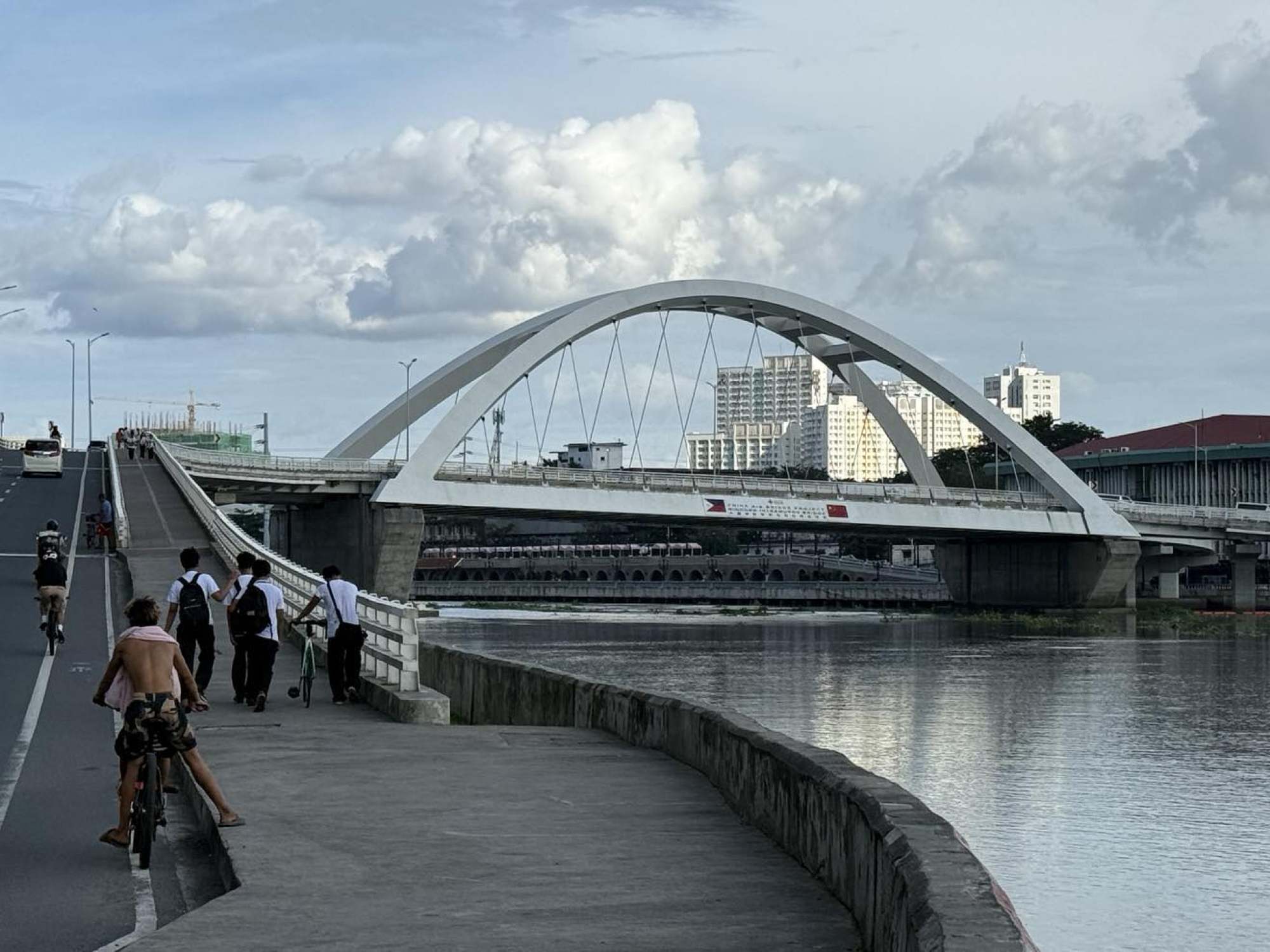
The visit of U.S. Defense Secretary Pete Hegseth to Asia has caused quite an uproar, with the blame falling squarely on the United States and its assertive approach. During his tour, he traveled to the Philippines and Japan—key U.S. allies that house many American military installations, likely positioning them as crucial players in any confrontation involving China. There, Hegseth seized the moment to heavily criticize Beijing and covertly bolster backing for Taiwan’s autonomy.
As a countermeasure, China carried out military exercises near Taiwan’s north, south, and east coast areas, serving as an explicit warning against secessionist tendencies. Additionally, Chinese authorities released a harsh critique labeling Taiwan’s leader as a ‘parasite.’ This action represents a significant intensification compared to earlier military practices, usually pre-announced and integrated into routine training schedules. In contrast, this recent move demonstrated Beijing’s immediate and unequivocal stance, indicating their readiness for prompt reprisals should provocative statements continue.
These events occur at a crucial time. U.S. President Donald Trump’s tariffs have estranged important partners such as Japan and South Korea, prompting them to seek increased economic collaboration with China in order to craft a coordinated strategy against Washington’s trade actions. The presumed solidarity within an anti-China coalition in Asia might prove weaker than what the United States expected, as local powers reconsider the hazards of aligning too tightly with America’s geostrategic objectives.
This is notably clear regarding Ukraine’s situation. Having once been a crucial Western partner, it has had its population and assets depleted, and has been utilized for its residual natural resources before being left behind. Aggressive moves by the United States will likely exacerbate divisions within the region and heighten the risk of unrest instead of solidifying the alliances they aim to preserve.
Provided by Syndigate Media Inc. (
Syndigate.info
).

oleh admin | Apr 3, 2025 | diplomacy and diplomats, news, politics, public policy, Travel
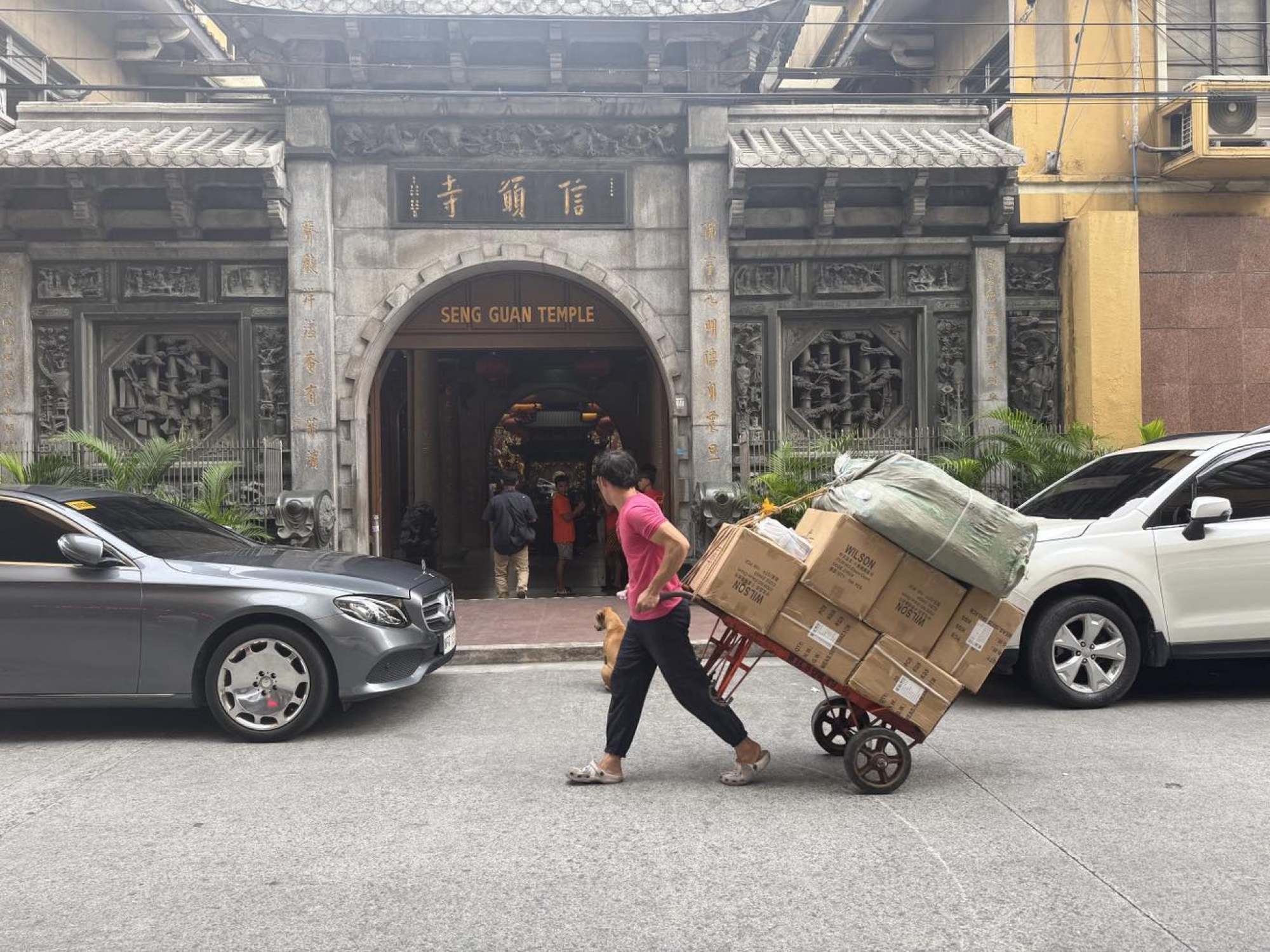
This warning follows instances of harassment against Chinese nationals along with a number of espionage activities and online gaming clampdowns initiated by Manila.
The Philippines
has assured China that its citizens are not facing harassment following the Chinese embassy’s statement
travel advisory
However, experts caution that local authorities might be leveraging Manila’s recent anti-espionage and online gaming initiatives as a smokescreen for their growing anti-Chinese sentiment.
The embassy released an advisory on Tuesday highlighting various challenges encountered by Chinese individuals and enterprises, including instances of harassment and scrutiny. Additionally, it pointed out the rise in political events and demonstrations in the Philippines as potential concerns for Chinese expatriates.
“Public security in the Philippines has been unstable, with frequent incidents of law enforcement authorities harassing and inspecting Chinese citizens and enterprises,” the embassy said in a statement translated to English.
Are you looking for insights into the most significant issues and developments globally? Find your answers here.
SCMP Knowledge
Our updated platform features handpicked content including explanations, frequently asked questions, detailed analysis, and informative graphics, all provided by our prestigious award-winning crew.
The embassy did not provide any specific instances; however, this warning was issued after the detention of several Chinese citizens for espionage in the Philippines. This followed intensified actions by local law enforcement agencies as well as stricter controls imposed on the recently outlawed offshore gambling centers known as POGOs, which were frequented primarily by Chinese tourists.
In January, officials arrested five individuals from China on suspicion of pretending to be visitors from Taiwan with the aim of spying on the Philippines Coast Guard and Navy in Palawan — an island located across the South China Sea.
In the same period, law enforcement apprehended a Chinese citizen named Deng Yuanqing along with two Filipinos for reportedly surveying more than 120 crucial locations across Luzon, which encompassed harbors and facilities accessible to U.S. armed forces.
During a press conference on Wednesday, Undersecretary Claire Castro of the Presidential Communications Office refuted the allegations of harassment, asserting that the Philippines accepts everyone except those who break the law.
“The travel advisory they mentioned is simply a routine consular service provided by China. We can guarantee that our actions do not target individuals from any specific country or nationality with harassment,” Castro stated.
According to Castro, the situations involving Chinese nationals employed in Pogos constituted a distinct matter due to their involvement in illegal activities.
Pogos primarily served clients from China, where gambling is prohibited. Last July, President Ferdinand Marcos Jr. announced an instant prohibition on the industry due to multiple allegations of criminal actions associated with their operations.
Beijing has kept its distance from Pogos, endorsing Marcos Jr’s ban.
‘People who are Chinese-looking’
When commenting on the issue, Filipino-Chinese leader and social activist Teresita Ang See informed This Week in Asia about several reports of harassment targeting Chinese citizens within the nation.
She mentioned an occurrence where authorities went to condominiums in Manila, questioning security personnel and parking staff about the apartments occupied by numerous Chinese residents.
“The head of security alerted the building manager, who then notified the residents of the condo. As a result, all the residents—many having lived there for over three decades—are now frightened,” stated See, referring to a residential high-rise in Manila but not specifying which one.
The building manager told her directly about what happened.
She stated that discussions on the Chinese app WeChat indicated that certain enforcement officers might have reportedly been halting Chinese citizens to inquire if they worked as Pogo employees.
Refer to the reported incidents shared on WeChat where visiting Chinese professors were playfully questioned by students about being spies. She mentioned, “Although intended as a joke, this was still offensive to the professors.”
The Filipino-Chinese hikers trekking along the Pinatubo trail, located north of Manila, were likewise halted and requested to present their birth certificates even though they spoke the local dialect, as mentioned in the additional information provided.
“China-Philippines ties have been negatively impacted. During the recent Lunar New Year, the Bahay Tsinoy witnessed an unusually low number of Chinese visitors for the first time,” See stated, mentioning a museum that highlights the role of Chinese people in the country’s history.
Castro stated that the government is not focusing on any locals. Following this, she ought to request law enforcement officers to fulfill their duties. She should inquire as to why they stop individuals merely because they appear to be of Chinese descent.
‘Tougher even than securing a US visa’
A different figure within the Filipino-Chinese community, Wilson Lee Flores—a political-economist and honorary chairperson at the Anvil Business Club in Manila—spoke with This Week in Asia about the challenges faced. He mentioned that individuals such as traders, collaborators, technical consultants, and providers of machinery from China struggled to obtain visas through both the Philippine embassy and consulates.
“A Chinese businessperson I encountered in Thailand mentioned that obtaining a Filipino visa is even harder compared to getting one for the United States. This is why genuine travelers and tourists have become less inclined to visit the Philippines. Instead, they favor destinations like Europe, Singapore, Japan, and Thailand,” Flores stated.
In 2024, the tourism authority stated that the number of Chinese visitors arriving in the Philippines reached 313,856 in the previous year, marking an uptick from 264,922 in 2023.
Nevertheless, the most recent figure represents a significant drop compared to earlier years when China ranked as one of the top sources for international travelers visiting the Philippines. Data from the tourism department shows that in 2019, approximately 1.7 million tourists arrived from China.
Regarding the possibility of increased Sinophobia influencing official actions, Flores commented: “This is what worries us… The Pogo problem seems to have become a pretext… However, genuine entrepreneurs and travelers do not wish to pay bribes merely to secure a visa appointment.”
Missed opportunities in investment and tourism abound.
The Pogos sector was connected to a series of criminal activities such as human trafficking, abductions, and prostitution.
During the peak of the Pogos boom, over 300,000 Chinese workers found employment in this industry.
However, Castro mentioned that the Department of Foreign Affairs (DFA) was prepared to engage with the Chinese government regarding the matters involving the Chinese nationals who were detained and expelled due to connections with unlawful Pogos.
“Many of the people involved are Chinese citizens. Therefore, this is likely part of the issue,” Castro stated.
The Department of Foreign Affairs is open to discussions about this matter, and we will reassure China that our actions are not aimed at any specific national group.
More Articles from SCMP
Jumbo Legend passes first staying test as Caspar Fownes notches a Happy Valley double
U.S. trade officials outline Trump’s arguments against China ahead of ‘Freedom Day’ arrival
More than 90% of student suicides in Hong Kong involved individuals who were 12 years old and older.
Following the aftermath of Trump’s ‘Liberation Day’, what is China’s actual tariff rate?
The article initially appeared on the South China Morning Post (www.scmp.com), which serves as the premier source for news coverage of China and Asia.
Copyright © 2025. South China Morning Post Publishers Ltd. All rights reserved.
oleh admin | Apr 3, 2025 | culture, government, heritage, politics, politics and government
ABUJA
– The federal government plans to initiate the “Renewed Hope Cultural Project,” a countrywide program aimed at safeguarding Nigeria’s cultural legacy, boosting tourism, and driving economic development.
This initiative supports President Bola Ahmed Tinubu’s Renewed Hope Agenda and seeks to protect Nigeria’s extensive cultural heritage while fostering economic growth by developing Renewed Hope Cultural Villages throughout the country.
Recently, speaking with reporters in Ilorin via telephone, Barr. Abiola Abdulkareem Jagunlabi, who serves as the Special Assistant to the Minister of Arts, Culture, Tourism, and Creative Economy, and is also the project coordinator, detailed the goals of this new initiative.
He emphasized strategies for rehabilitating and protecting historical locations, landmarks, royal residences, and treasures, along with boosting cultural instruction and strengthening skills within nearby artisan communities.
Jagunlabi highlighted that this program aims to bolster rural areas by delivering vocational education, furnishing local craftsmen with business acumen, and presenting alternate professional routes for young Nigerians.
“The plan involves investing in historic sites, landmarks, and natural attractions, providing vocational skill development for women and young people in rural regions, and hosting lively cultural festivals and tourism events to showcase Nigeria’s rich diversity,” he said.
He additionally emphasized that the project’s success hinges on working together with state governments, local communities, and various stakeholders.
“Through collaboration, Nigeria has the potential to utilize the transformative impact of its arts, culture, tourism, and creative sectors for sustainable growth and social unity,” Jagunlabi emphasized.
The Minister of Art, Culture, Tourism, and Creative Economy, Hajia Hannatu Musa Musawa, is leading initiatives aimed at fostering economic development via cutting-edge programs and policies.
She is proactively building alliances to foster growth within the creative sector, thereby opening up job prospects for young Nigerians.
The art and cultural industry in Nigeria holds substantial promise for enhancing tourism and fostering economic development.
The World Travel & Tourism Council (WTWC) reports that Nigeria’s tourism industry accounted for around $7.2 billion, which represents roughly 2.8% of the country’s GDP in 2019.
By strategically investing in cultural tourism, this number could rise substantially, leading to increased employment opportunities and higher foreign exchange revenues.
Nations like France and Italy, which boast robust cultural tourism sectors, earn billions each year from their historical sites and events.
Through harnessing its rich tapestry of cultural elements—which includes more than 250 distinct ethnic groups, numerous traditional celebrations, and iconic historic sites—Nigeria has the potential to draw greater numbers of global visitors and boost domestic tourism income.
Statistics from the National Bureau of Statistics (NBS) show that more than 4.2 million Nigerians are now employed in the creative sector, suggesting substantial room for growth should adequate support be provided.
Jagunlabi further disclosed that the National Economic Council (NEC) has provided complete support for the initiative, acknowledging the essential part played by state governments in guaranteeing its successful implementation.
Provided by Syndigate Media Inc. (
Syndigate.info
).
oleh admin | Apr 3, 2025 | community, culture, heritage, indian national news, politics
New York [
US
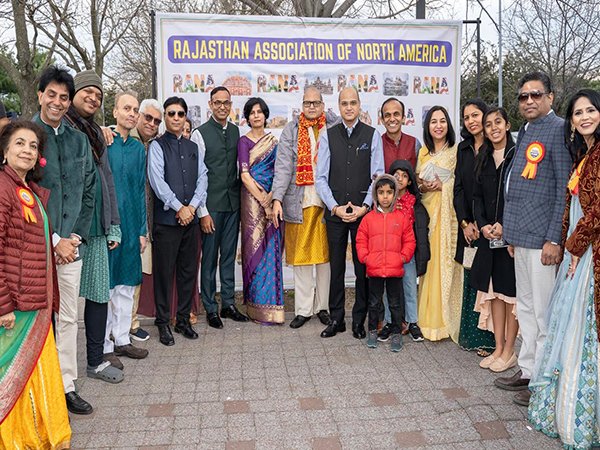
On April 3 (ANI), a significant Indian community organization in New York utilized its 75th-anniversary celebration as an opportunity to emphasize the continuing absence of constitutional acknowledgment for the Rajasthani language.
The
North American Rajasthan Association
(
RANA
They celebrated the milestone with a cruise event along the Hudson River, which was attended by over 400 guests, utilizing the occasion to express their concerns regarding what they see as an ongoing injustice.
RANA
President Prem Bhandari voiced his “stern disapproval” over the omission of Rajasthani from the 8th Schedule of India’s Constitution, where recognized languages are listed.
“Bhandari informed the audience that despite a unified resolution adopted by the Rajasthan State Assembly in 2003 advocating for its incorporation, the central government hasn’t taken action on it yet,” he explained.
He observed that the resolution was achieved subsequently
RANA
‘ s initial International Convention along with ongoing efforts alongside former Chief Minister Ashok Gehlot, yet cited “a lack of political will” as the reason for the stagnation.
Bhandari, who additionally heads the organization behind Jaipur Foot
US
A announced intentions to host a significant prosthetic limb fitting event at the Golden Temple in Amritsar.
The project, created in partnership with the American Punjab Society, concluded following talks with Dr. Mehta, recipient of the Padma Bhushan award and the founder of the Jaipur Foot group. Additionally, plans are underway for a significant new clinic in Trinidad and Tobago, where India’s High Commission has obtained necessary permissions and is handling logistical arrangements. Notably, Dr. Mehta, who at 90 years old founded this organization, will make an appearance at the event having traveled all the way from India.
“India’s Prime Minister Modi has emerged as the foremost advocate of the ancient Sanskrit principle “Vasudhaiva Kutumbakam” – meaning “the world is one family,” Bhandari told ANI. Under Modi’s leadership, the External Affairs Ministry has funded 32 international Jaipur Foot camps through its “India for Humanity” programme.
These facilities, managed by the Bhagwan Mahaveer Viklang Sahayata Samiti, have offered complimentary artificial limbs to numerous individuals with disabilities throughout Asia, Africa, and Latin America.
The occasion also marked a farewell ceremony for Varun Jeph, the departing Deputy Consul General of India, who concluded his term which was noted as the longest in this capacity lasting more than three years and eight months.
Bhandari commended Jeph for his “constant accessibility” and “consistent backing” to the Indian community spanning the 10 states under the purview of the Indian Consulate in New York.
The newly appointed Deputy Consul General, Vishal Harsh, was greeted along with Indian Foreign Service officials Surender Adhana and Eldos Mathew Punnoose.
The festivities included cultural acts such as poetry readings by Abhinav Shukla, with organizers emphasizing strong involvement from young people of Rajasthan originating from various regions within the tristate area. (ANI)
Provided by Syndigate Media Inc. (
Syndigate.info
).
oleh admin | Apr 3, 2025 | health, indian national news, infrastructure, news, politics
Panipat
(
Haryana
[India], April 3 (ANI):
Haryana
Chief Minister
Nayab Singh Saini
On Wednesday, the Prime Minister was notified about the matter.
Narendra Modi
‘s visit to
Haryana
to inaugurate various
development projects
.
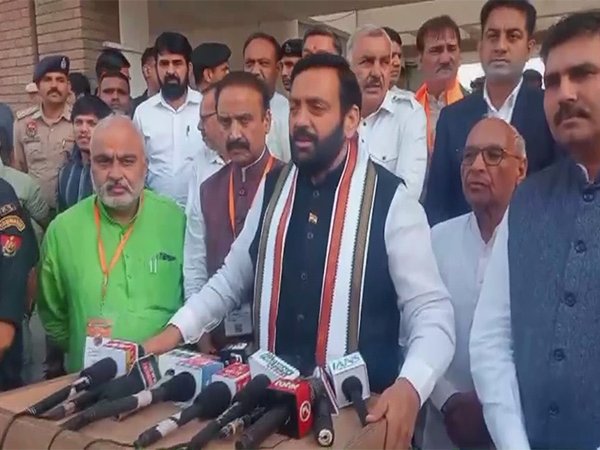
Speaking to mediapersons,
Haryana
Chief Minister Saini stated, “In honor of Dr BR Ambedkar Jayanti, PM Modi will be present.”
Haryana
to inaugurate various
development projects
…In Hisar, Prime Minister Modi will launch air service operations at the Hisar airport. In Yamunanagar, he will also participate in laying the cornerstone for an additional 800-MW unit thermal power plant within the Yamunanagar district….
On April 14, coinciding with Dr BR Ambedkar Jayanti, Prime Minister Modi will be visiting to inaugurating several initiatives.
development projects
and launch air travel services from Hisar Airport.
In Yamunanagar, Prime Minister Modi will also participate in laying the foundation stone for an 800 MW thermal power plant within the same district during his visit.
Haryana
visit.
The
Haryana
Yesterday, the Chief Minister had an audience with Asian Wrestling Championship gold medalist Manisha Bhanwala, silver medal recipient Reetika Hooda, and bronze laureate Muskan Nandal, along with their coach Mandeep. Also in attendance was Olympic medallist and Bharatiya Janata Party figurehead Yogeshwar Dutt.
Haryana
Chief Minister
Nayab Singh Saini
On his official X account, he celebrated the players’ win and expressed wishes for a successful future for each of them.
“Today, senior wrestlers who won medals at the Asian Championships visited us. Gold went to Manisha, silver to Reetika Hooda, and bronze to Muskan Nandal; their coach, Mandeep, accompanied them. They came as a gesture of respect. During this welcome ceremony, they were greeted warmly and congratulated on their achievements. Best wishes for continued success were extended. We hope the blessings of Mata Rani will be ever-present among you. Wishing each one of you a promising future,” said the Chief Minister.
Nayab Singh Saini
Posted on his official X account.
Manisha Bhanwala (62 kg), an Indian wrestler, clinched the gold medal, while Antim Panghal (53 kg) secured the bronze medal in their respective weight classes at the Asian Wrestling Championships held in Amman, Jordan, on Friday. This achievement brought honor to India, according to information from Olympics.com. (ANI)
Provided by SyndiGate Media Inc.
Syndigate.info
).
oleh admin | Apr 3, 2025 | donald trump, international economics, international trade, politics, politics and government
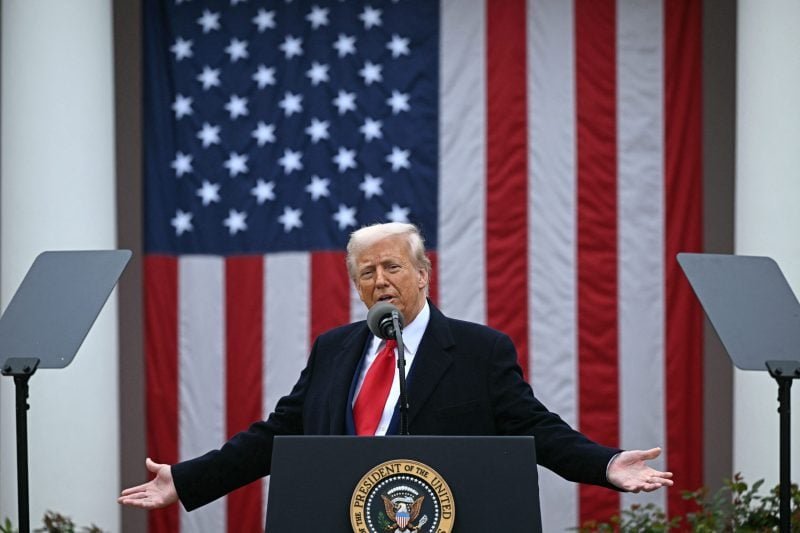
President Donald Trump sparked what could become a devastating worldwide trade conflict on Wednesday when he imposed 10% tariffs on goods imported globally and introduced stringent additional duties on major trading allies.
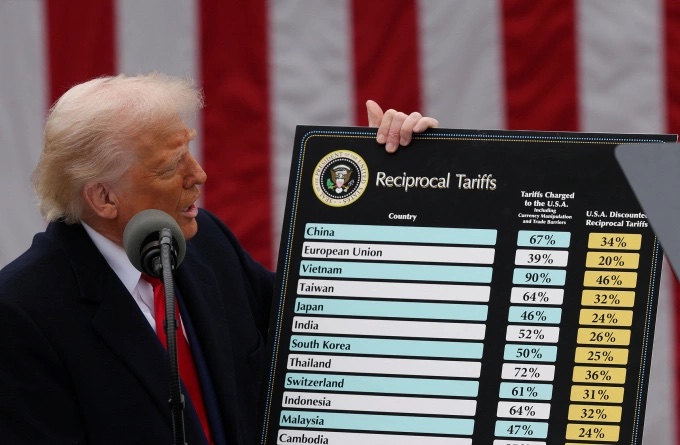
Displaying a chart detailing extensive measures in the White House Rose Garden, Trump announced stringent tariffs targeting key trading partners such as China and the European Union, referring to the day as “Liberation Day.”
|
|
U.S. President Donald Trump announced a series of tariffs on trading partners and rivals. The image was provided by AFP.
|
In my view, this is one of the key dates in American history,” stated Trump. “Today marks our declaration of economic independence.
The announcement sparked instant outrage — with the United States’ ally Australia denouncing the tariffs as “not the gesture of a friend” — and prompted vows of reprisal from various countries worldwide.
The stock market appeared poised for significant fluctuations upon resuming trading on Thursday. American futures dropped sharply, and safe-haven gold reached an all-time high as investors grew wary.
Trump directed his harshest criticisms at countries he accused of mistreating the U.S., imposing tariffs such as 34% on products from geopolitical competitor China, 20% on items from the European Union, and 24% on goods from Japan.
As for the others, Trump stated that he would implement a minimum tariff of 10%, which would also apply to another major ally, Britain.
The 78-year-old Republican dismissed concerns about potential unrest, asserting that the tariffs would bring back a once-lost “Golden Era” for the U.S. economy.
“For many years, our nation has faced theft, destruction, rape, and plunder at the hands of countries close and distant, whether allies or adversaries,” Trump stated.
‘Make America wealthy again’
A carefully selected crowd consisting of cabinet members along with employees wearing hard hats from sectors such as steel, oil, and natural gas clapped and shouted enthusiastically when Trump stated that the tariffs would “bring wealth back to America.”
The broad auto tariffs of 25%, which President Trump declared earlier this week, were scheduled to come into force at 12:01 am (0401 GMT) on Thursday.
Trump labelled Wednesday’s tariffs “reciprocal” but many experts say his administration’s estimates for levies placed on US imports by other countries are wildly exaggerated
For several weeks, the U.S. president had hinted at this action, which raised concerns about an economic downturn domestically due to increased costs being borne by American consumers, along with potential harm from a trade conflict internationally.
US Treasury Secretary Scott Bessent cautioned countries against implementing retaliatory measures, stating on Fox News: “Should you choose to retaliate, it will lead to further escalation.”
Several Asian countries heavily impacted as trading partners included drops such as 49% for Cambodia, 46% for Vietnam, and 44% for Myanmar, under military rule and recently struck by a severe earthquake.
A White House official stated that Russia wasn’t impacted since it is already under sanctions related to the Ukraine conflict, which “rule out any significant trade.”
The tariffs will also reinforce fears that Trump is backing even further away from US allies towards a new order based on a vision of American supremacy.
‘Fight’
On Thursday, Australian Prime Minister Anthony Albanese stated that the tariffs were “completely unjustified.”
Italian Prime Minister Giorgia Meloni, who has aligned closely with former U.S. President Donald Trump, stated that the tariffs imposed on the European Union were “incorrect.” However, she affirmed her commitment to collaborate with Washington to reach an agreement.
The UK emerged largely unscathed following a diplomatic effort that saw Prime Minister Keir Starmer visiting the White House to present an invitation from King Charles III for a state visit, yet they still aimed to “alleviate” the imposed tariffs.
Canada and Mexico are exempt from the new tariffs because Trump has already penalized these two neighboring countries over his claims regarding their inadequate efforts to combat fentanyl drug smuggling and illegal migration.
The Canadian Prime Minister, Mark Carney, pledged to combat the current tariffs on steel, aluminum, and vehicles and to introduce retaliatory measures.
Brazil’s Congress responded by passing legislation permitting the government in South America’s biggest economy to address trade barriers.
Trump’s declaration just three months into his second term marks the end point of a longstanding romance with tariffs, which he has viewed for years as a panacea for America’s trade deficits and economic problems.
Halaman 7 dari 49« Awal«...56789...203040...»Akhir »