oleh admin | Mar 31, 2025 | culture, tourist attractions, tourists, tours, Travel
Tokyo boasts an array of remarkable museums, ranging from art galleries and historical exhibitions to science centers and traditional gardens. However, touring these places one by one can become quite costly. This is where the
Tokyo Museum Grutto Pass for 2025
offers an affordable and hassle-free method to discover more than 100 cultural sites in Tokyo and its surroundings for just a portion of the usual cost.
• What does the Tokyo Museum Grutto Pass entail?
• How to Maximize Your Use of the Grutto Pass
• How to Purchase the Tokyo Museum Grutto Pass
• Experience Roppongi Using the Grutto Pass: An Recommended Route
• Map Out Your Cultural Exploration in Tokyo
What does the Tokyo Museum Grutto Pass entail?

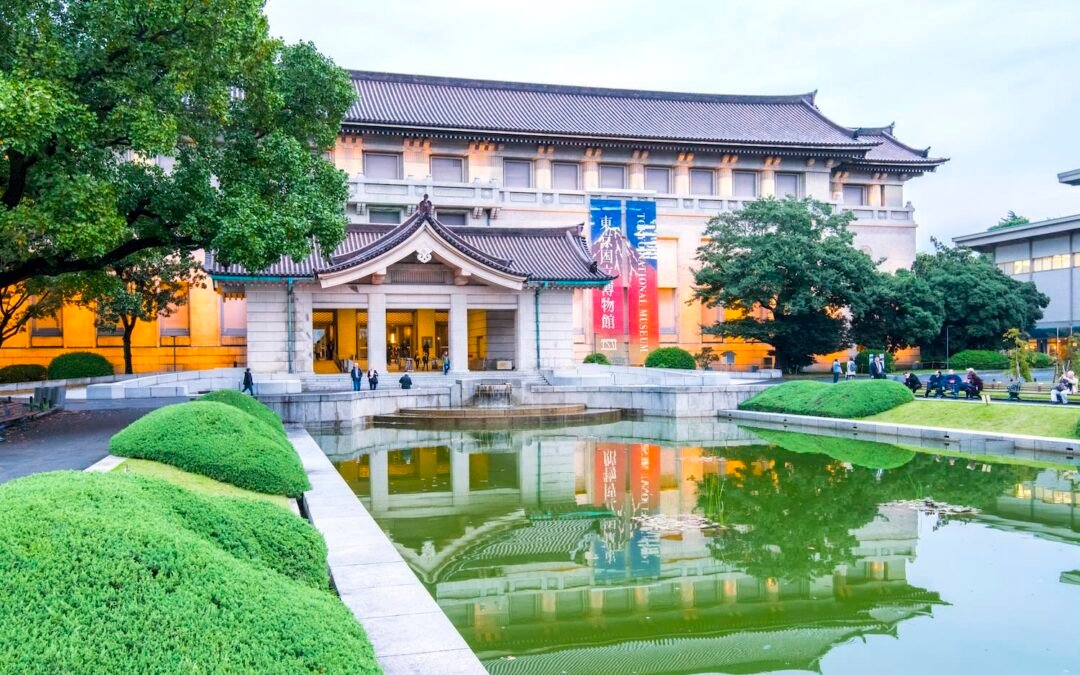
The Tokyo Museum Grutto Pass 2025 serves as both a digital and physical entry pass, providing admission to 102 venues including museums, zoos, aquaria, botanical gardens, and historical sites throughout Tokyo and nearby regions.
For just
¥2,500
, you get
a two-month validity period
Starting from the initial usage until March 31, 2026, this allows you to discover Tokyo’s deep cultural legacy at your leisure.
Offering complimentary admission or reduced prices at
over 100 locations
It offers an excellent opportunity for tourists looking to explore the art and history of Tokyo without breaking the bank. This pass is especially beneficial for those staying longer term, allowing them to distribute their museum visits over a period of two months. By planning ahead and visiting nearby attractions on the same day, you can significantly reduce costs while fully immersing yourself in the rich cultural offerings.
Museums Newly Added for 2025
Every year, the Grutto Pass roster gets updated with thrilling new entries. In the 2025 version, they’ve added some fascinating elements.
・
JCII Camera Museum:
Discover the journey of photography in Japan, spanning from vintage camera technology to contemporary digital advancements.
・
Minato City Historical Museum:
Discover the history of Tokyo’s Minato Ward via historical relics and interactive multimedia displays.
・
Shitamachi Museum:
The museum brings back to life the everyday scenes from Tokyo’s historic district.
・
Yokohama City Museum of Urban History
Find out how Yokohama evolved from a modest fishing community into one of Japan’s key port cities.
・
Yokohama Museum of Eurasian Cultures:
The museum showcases the cultural interactions among Japan, China, and Europe.
How to Maximize Your Use of the Grutter Pass

If you’re planning to visit just one or two museums, purchasing the Grutto Pass might not make sense financially. However, for enthusiasts of museums, history, and cultural experiences, this pass proves to be quite economical. It provides entry into many of Tokyo’s top galleries and exhibitions related to art, history, and natural sciences at a significantly reduced rate compared to individual tickets.
This pass is particularly beneficial for long-term visitors and residents, as they have up to two months to spread out their visits. However, it also offers excellent savings for tourists with shorter stays, especially if they intend to explore numerous museums and cultural landmarks within a brief timeframe. With some thoughtful trip planning, one can greatly enhance the value of this pass.
In spite of this, some adaptability is essential. The exhibits might vary, and specific sites necessitate bookings for particular shows, making it wise to review museum websites beforehand. Additionally, several places operate during restricted hours or undergo occasional shutdowns, which could be disappointing when your schedule is tight. Furthermore, should you be touring with relatives or companions, remember that the pass is intended solely for personal use and cannot be divided among others.
For those ready to put in some effort to plan ahead, the Grutto Pass provides a budget-friendly and hassle-free method to discover Tokyo’s extensive cultural offerings, suitable for stays ranging from a brief couple of days to several months.
Benefits of the Grutt Pass
・
Great Value:
For merely ¥2,500, the pass quickly covers its cost with just a couple of museum visits.
・
Extended Validity:
Effective for two months after initial use, so you can take your time without feeling rushed.
・
Access to 100+ Locations:
Entrance for free or reduced prices at museums, botanical gardens, zoos, and historic locations.
・
Flexible Purchase Options:
Available as an electronic ticket or a physical card.
・
Discover at Your Leisure:
There’s no rush to fit all your visits into one day; take it easy and savor Tokyo’s cultural experience without stress.
How to Purchase the Tokyo Museum Grutto Pass

Obtaining the Tokyo Museum Grutto Pass for 2025 is straightforward, as you can choose between an electronic ticket or a physical card. For immediate access, the e-ticket is ideal; alternatively, the physical pass can be obtained from the counters of collaborating venues (*1) and various spots throughout Tokyo.
E-Ticket (Online Purchase)
• Buy online using your computer or mobile device.
• Once purchased, a QR code will be delivered through an email.
· The electronic ticket is prepared for immediate usage, rendering it the quickest choice.
Physical Pass (On-Site Purchase)
If you prefer a physical card, you can purchase it at the counters of participating facilities (*1) and designated locations listed below:
・
Tokyo Tourist Information Center
(Tokyo Metropolitan Government Building, Ground Floor)
・
Asakusa Cultural Tourism Visitor Information Center
(near Kaminarimon)
・
Tokyo City i
(KITTE, near Tokyo Station)
・
TIC TOKYO
(Nihonbashi Exit of Tokyo Station)
・
LIBRO Shiodome SIO-SITE
(Bookstore)
・
Tokyo Central City Visitor Information Center
(KYOBASHI EDOGRAND)
(*1) Grutto Pass Cards cannot be purchased at the Japan Olympic Museum.
Convenience Store Voucher Purchase
• You can purchase a voucher at 7-Eleven, Lawson, and FamilyMart stores.
・The voucher
needs to be swapped for a physical pass
At each participating location prior to usage
Experience Roppongi Using the Grutto Pass: An Recommended Route
Roppongi stands out due to its blend of art, culture, and nightlife. Using the Tokyo Museum Grutto Pass, you can delve into some of the region’s top museums while soaking up the lively but sophisticated ambiance of the neighborhood. Although not every museum featured here is located precisely within Roppongi itself, many are situated close by in areas like Toranomon and Kamiyacho—easily accessible via a brief trip on the Tokyo Metro Hibiya Line—which makes it simple to see everything in just one day.
Here’s a well-structured schedule for spending a day visiting museums in and around Roppongi:
In the morning: Sen-oku Hakukokkan Museum in Tokyo

Begin your day at Sen-oku Hakukokan Museum in Tokyo. This museum showcases an extensive array of artworks spanning various disciplines such as Japanese paintings, Western art, contemporary ceramics, tea ceremony tools, and Noh theater masks and attire. It provides valuable insights into traditional methods handed down over time.
Google Maps
Noon: Okura Museum of Art

Next, visit the Okura Museum of Art, Japan’s oldest existing private museum, founded in 1917 by businessman Okura Kihachiro. The museum’s collection focuses on classical East Asian art, featuring Buddhist statues, ancient Chinese bronze ware, Edo-period craftworks, and samurai armor. Some of its standout pieces include a Heian-period Samantabhadra statue and a rare Muromachi-era calligraphy scroll.
Google Maps
In the afternoon: Visit the Kikuchi Kanjitsu Memorial Tomo Museum

End your cultural tour at the Kikuchi Kanjitsu Memorial Tomo Museum, which focuses mainly on contemporary Japanese ceramics. The museum, founded by collector Kikuchi Tomo, features exhibitions that shed light on contemporary ceramists, including those who have passed away and left an important mark in the Japanese contemporary ceramic world. Enjoy works of art in an exhibition space that has been designed specifically for visitors to observe ceramics.
Google Maps
Nevertheless, not every site holds equal interest or value for everybody, making them less essential to see. The allure of the Grutto Pass is found in the opportunity to savor the distinctive appeal of each location at your leisure. Likewise, when exploring other regions, conducting prior research about the attractions you wish to visit along with those nearby allows for unexpected finds and further exploration of more sites.
Map Out Your Cultural Exploration in Tokyo
Before your visit, make sure to review the websites of each museum for the latest information on exhibitions, operating hours, and special events.
Tokyo Museum Grutto Pass 2025
, you’ll gain access to an accessible and fulfilling experience in Tokyo, Japan.
No matter if you’re a visitor discovering Tokyo or a resident seeking an enjoyable way to spend your weekends, make sure to bring your
Grutto Pass
And begin exploring Tokyo’s captivating sights right away!
For more details, visit
The official website for the Tokyo Museum Grutto Pass
Or ask at any of our participating locations.

oleh admin | Mar 31, 2025 | marine animals, natural disasters, nature, tourists, wildlife
An unusual natural phenomenon has resulted in a beach in Majorca being blanketed with a gooey blue substance.
Both locals and tourists didn’t find their usual golden sandy shores when they woke up today, transforming what typically draws many visitors to the Balearic islands into something quite different.
Rather than what they expected, they encountered coastlines in Port de Sóller covered with countless slippery blue entities.
A clip capturing this bizarre event reveals increasing amounts of odd formations being hurled onto the beach by the ocean currents.
Even though this observation appears as if it’s out of this world, there is actually a completely terrestrial explanation for what we’re seeing.
The unusual-looking creatures are actually By-the-wind-sailors, which frequently get swept onto land due to powerful winds.
FaceBook
Jake Bullitt noticed a By-the-wind-sailor jellyfish on the shore and posted about it online.
He mentioned that countless tiny Velellas, also known as By-the-Wind-Sailors, had been washed up at the western edge of the bay, with even more continuing to wash ashore.
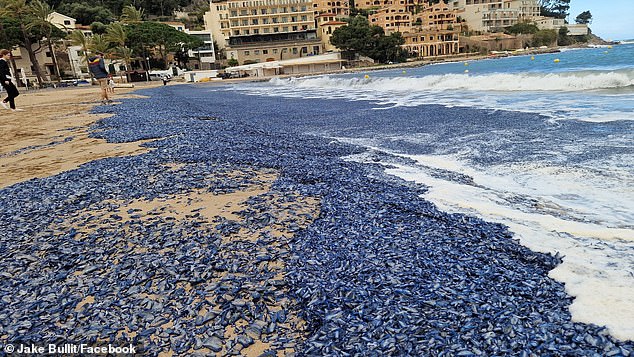
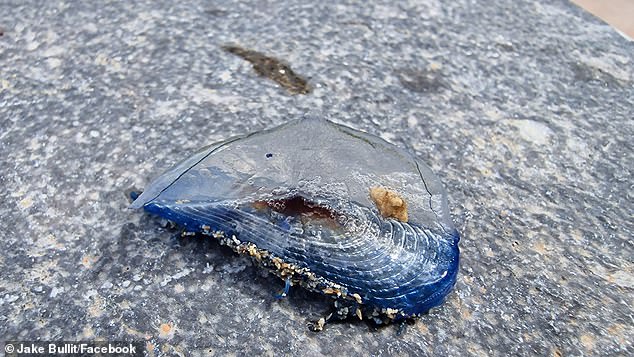
Even though they share an uncanny resemblance to the Portuguese man o’ war — known for its painful stings — By-the-wind-sailors pose little threat to humans, as their sting typically causes only minor skin irritation.
The problem these beaches in Majorca currently encounter is dealing with the deceased marine life. If left unremoved, these organisms can begin to decompose, producing an unpleasant smell and drawing flies.
By-the-Wind-Sailors are commonly found in warmer waters during the spring and winter seasons.
Their names originate from their unusual form, which looks like a ship’s sail.
True to their namesake, jellyfish traverse the globe in groups with their ‘sail’ assisting them during these journeys.
Throughout their voyage, the By-the-wind-sailors employ their tentacles and stingers to hunt smaller creatures and juvenile fish.
Read more
oleh admin | Mar 28, 2025 | tourist attractions, tourists, tours, travel destinations, vietnam
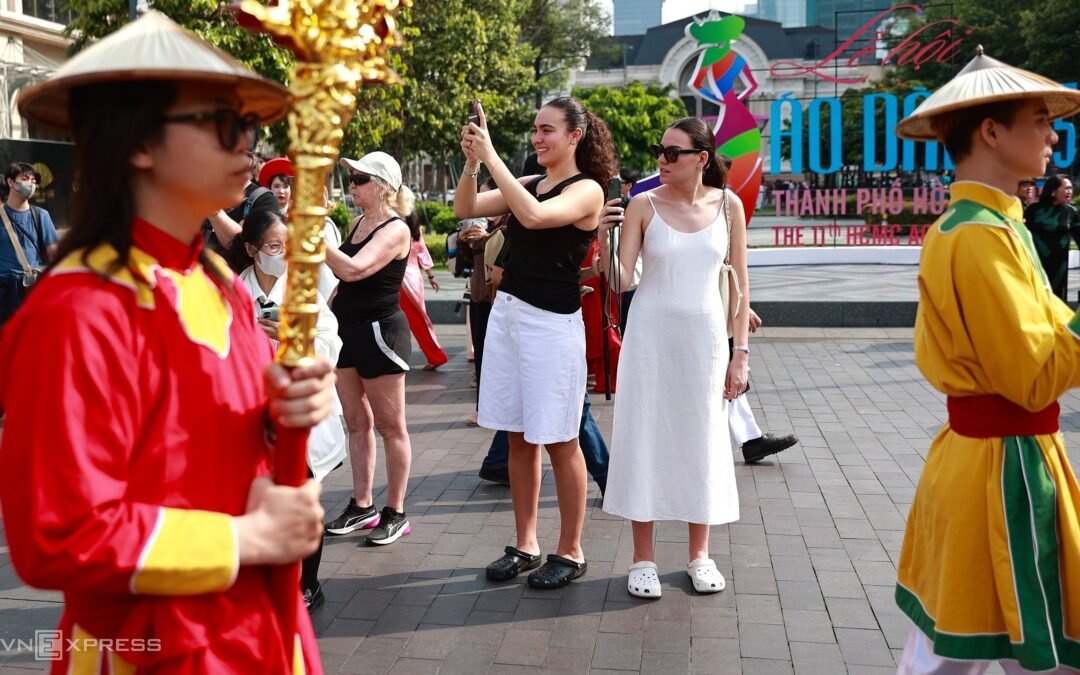
In the first three months of this year, Ho Chi Minh City welcomed approximately 1.64 million international tourists, marking an increase of 18.2% compared to the same period last year. Meanwhile, Hanoi saw 1.85 million overseas visitors, representing a rise of 17%.
Over the same period, according to the HCMC Department of Tourism, the city saw an influx of more than 8.57 million domestic visitors, representing a rise of 6.3% compared to the previous year.
Tourism earnings increased by 26.7% compared to the previous year, reaching VND56.66 trillion (US$2.21 billion), which represents 21.8% of the 2025 target.
The department stated that to keep promoting the city’s attractions and unique tourism offerings, they have collaborated with various enterprises and the People’s Committees of Thu Duc City and different districts to encourage the creation of cross-district tourist experiences.
In honor of the 50th anniversary of national reunification (April 30, 1975–2025), the local tourism industry has initiated various promotional efforts across social media channels. These campaigns aim to unveil an identity kit accompanied by a messaging theme “Discover Your Vibe,” alongside fifty visual graphics featuring prominent landmarks and symbolic sites around the city.
According to a report from the Hanoi Department of Tourism issued on Tuesday, the city saw 7.3 million tourists and generated approximately VND29.93 trillion in income during the first quarter of the year.
Hanoi and Ho Chi Minh City, Vietnam’s two most populous urban centers, were listed amongst
Southeast Asia’s safest cities
as reported by the statistics website Numbeo.
oleh admin | Mar 27, 2025 | tourists, water, water management, water supply, water treatment
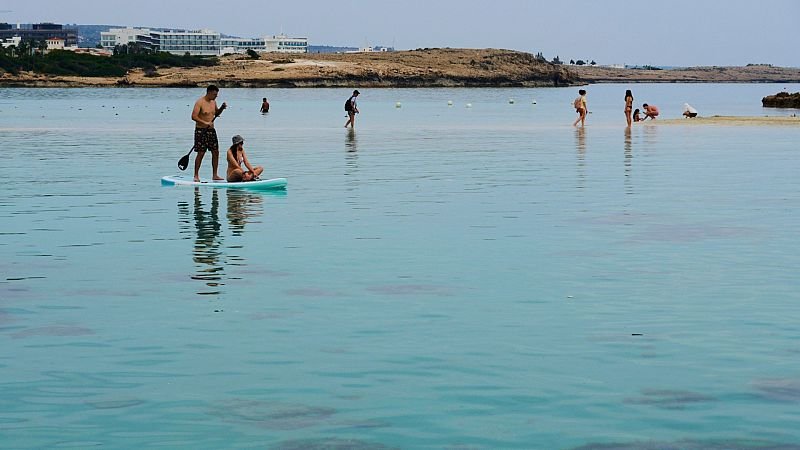
On Wednesday, Cyprus announced its intention to provide subsidies for building private desalination facilities at hotels with the aim of securing sufficient freshwater supplies for this tourist-dependent country during peak summer months.
The needs of millions of visitors create pressure on
significant pressure on limited resources
.
Across the nation’s 108 reservoirs, water levels have plummeted to dangerously low points after experiencing the second-wettest winter in ten years. Consequently, the national water distribution system is under considerable strain because of high demand and extensive leakage issues.
Maria Panayiotou, the nation’s Minister for Agriculture and Environment, announced that the government will allocate €3 million in funding over the coming two years to assist hotels in constructing their own water desalination facilities.
Furthermore, steps will be taken to simplify and expedite the process for crucial industries like agriculture and tourism to develop new projects.
small-scale desalination plants
.
Cyprus plans to invest an additional €8 million in repairing pipeline infrastructure to minimize water leaks and losses, which are believed to be as high as 40 percent, according to Panayiotou.
Cyprus already possesses four permanent desalination facilities.
The government initiatives capitalize on Cyprus’s increasing dependence on desalinated water. Four more portable desalination units are set to start operations in October, capable of generating 30,000 cubic meters of potable water each day.
Cyprus currently operates four permanent desalination facilities, with each facility generating 235,000 cubic meters of potable water per day. However, a fifth plant is not functioning because it was affected by a fire.
Panayiotou stated in December that additional desalination facilities are necessary to boost daily production.
fresh water
production quadrupled over the next ten years.
Cyprus still depends on an extensive dam system with a combined storage capacity of 330 million cubic meters.
According to the minister, Cyprus boasts more dams proportionally to its population than any other European nation. Official data indicates that these dams are presently filled to only 24.6 percent of their capacity, down from 47.2 percent last year.
Tourism makes up 13.5 percent of Cyprus’ gross domestic product. Last year, tourist arrivals surpassed 4 million, establishing a new high mark.
oleh admin | Mar 27, 2025 | culture, laws and regulations, regulation, rules and regulations, tourists
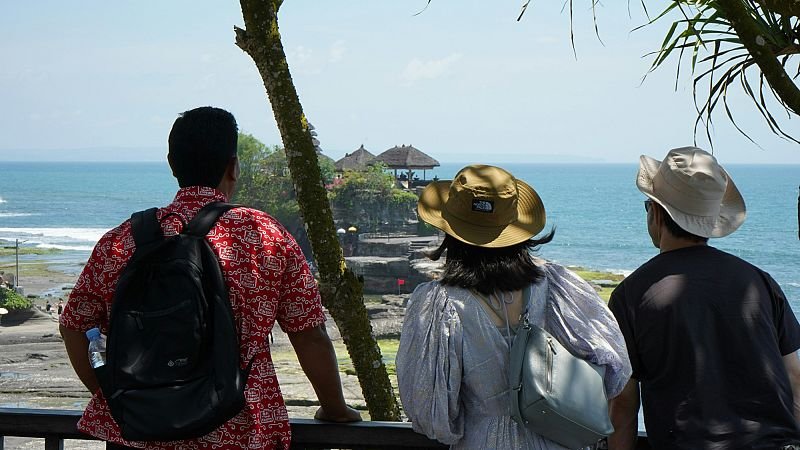
Bali has implemented a set of new rules for visitors in an effort to curb improper conduct.
The authorities state that these stringent measures are designed to protect the cultural integrity and holy locations of the Indonesian island.
The rules cover clothing and behaviour when visiting temples and religious complexes, including prohibiting menstruating women from entering.
The mayor has warned that some transgressions could be met with legal consequences under Indonesian law.
Updated regulations for managing foreign visitors in Bali
The new regulations were introduced by Bali Governor I Wayan Koster on March 24th.
“We issued a similar regulation before, but as things change, we need to adapt. This ensures that Bali’s tourism remains respectful, sustainable, and in harmony with our local values,” Koster said.
The guidelines emphasize maintaining respectful conduct when visiting holy sites and require the payment of
Bali
’s tourist levy.
Tourists are required to hire only licensed guides and stay in approved accommodations, adhere to traffic regulations, and trade money exclusively at designated locations.
“I am putting this directive into effect immediately to manage foreign tourists during their stay in Bali,” Koster said additionally.
Updated regulations prohibit improper images and disposable plastic items.
The updated regulations mandate that visitors should dress modestly and show respect by behaving appropriately in various locations such as places of worship, eateries, commercial zones, or streets.
Visitors are
banned
The mayor stated that swearing, causing disruptions, or displaying rudeness towards locals, officials, or other visitors is not allowed. Additionally, he mentioned that “posting hateful messages or false information on social media platforms will also be forbidden.”
Activities that are prohibited encompass accessing holy temple zones without authorization, discarding waste indiscriminately, and operating without valid permits.
Single-use plastics such as plastic bags, Styrofoam containers, plastic straws, and beverages in plastic packaging have been prohibited.
Under the new guidelines,
foreign tourists
must respect and adhere to Balinese customs, traditions, and cultural practices, particularly during rituals” and “ensure appropriate attire when going to temples, tourist sites, or public areas.
Furthermore, foreign visitors are not allowed to enter sacred temple zones unless they are worshipping and dressed in traditional Balinese clothing. The guideline further states that menstruating women are also barred from accessing these regions.
Visitors must refrain from climbing sacred trees or monuments and are prohibited from taking inappropriate or nude photographs at religious locations.
Visitors who do not pay the required levy may encounter legal repercussions.
In February, Bali implemented a single-entry charge of 150,000 Indonesian rupiah (€9) for tourists from abroad aimed at supporting preservation initiatives.
Under the new rules, tourists failing to pay the tourism tax will not be allowed entry into attractions, and individuals found breaking these regulations will encounter legal repercussions as per Indonesian laws.
Recently, Balinese authorities proposed a
daily tourist tax
Similar to the $100 (€95) Sustainable Development Charge levied on most foreign tourists visiting Bhutan.
‘We expect our guests to show the same respect that we extend to them’
The directive comes just a few days before Nyepi – a sacred holiday known as the day of silence – on 29 March. The festival sees the island come to a standstill for 24 hours, requiring everyone, including tourists, to stay indoors.
We’ve put together a specialized team for this mission.
tourists
“Those who misbehave will face immediate firm action,” Koster said according to The Bali Sun, a local newspaper.
He mentioned that the island’s civil service police force will keep an eye on tourists’ behavior and ensure they comply with the new rules.
“Bali is a stunning and holy island, and we ask our visitors to demonstrate the same level of respect that they receive,” Koster stated.
oleh admin | Mar 25, 2025 | croatia, europe, nightlife, tourists, Travel
Croatia has become the newest nation to participate in the European initiative aimed at curbing disruptive tourist behavior.
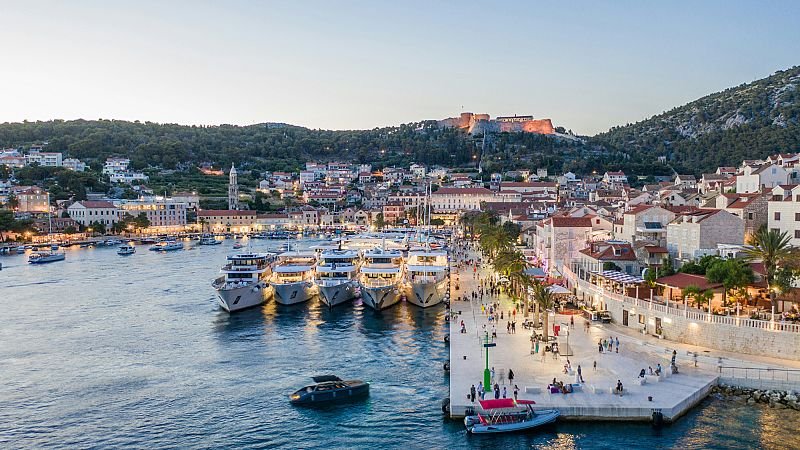
Hvar Island, famous for its vibrant nightlife, is now implementing measures to address and reduce the rowdy conduct associated with its well-known status.
To distance itself from party tourism, Hvar—the town named after the island—has decided to keep noise limitations in place throughout the summer season. This decision will notably affect clubs, discothèques, and open-air locations.
Several tourism rules regarding attire and conduct apply to visitors, and being mindful of these can help them avoid fines.
Hvar is rebranding itself as a family-friendly destination
Last week, the councillors of Hvar decided to keep the summertime limitations in place.
limit noise
to 85 decibels.
This situation is akin to a bustling restaurant, which implies considerable modifications for the island’s trendy outdoor clubs that operate during high season, along with eateries that accommodate outdoor weddings.
The decision apparently faced opposition from eateries, pubs, and various enterprises. It encountered lobbying efforts from the hospitality industry, which suggested an alternative approach of circumventing.
noise
By announcing the whole island as a year-round entertainment hub, local news site CroatiaWeek reports.
I believe this is a catastrophe. We have consistently provided our support.
stricter rules
“And improved oversight, but now we’re swinging from one extreme to another. This isn’t the correct method,” stated Vicko Visković from the hospitality group Dictum Factum to the Croatian publication Dnevnik.hr.
However, local officials aim to indicate a move toward a more family-oriented and environmentally friendly tourism approach.
“Open-air clubs in Hvar and Split might have promoted extreme revelry among visitors in past years, thereby reinforcing the perception of Croatia as a ‘party destination’,” explains Darijo Šarić, who leads the premium villa rental platform VIP Holiday Booker.
Nonetheless, Croatia has progressively earned a reputation as a family-oriented destination, providing cultural wealth, stunning landscapes, and a laid-back ambiance.
Visitors may face an immediate fine of up to €700 in Croatia for such violations.
These limitations coincide with an broader initiative aimed at promoting high-quality tourism throughout Croatia, which ultimately enhances the well-being of local inhabitants.
In numerous city centers such as Split and Dubrovnik, you can obtain instant permits.
fines
Up to €700 can be fined for inappropriate behavior. This encompasses consuming alcohol or using drugs outdoors, relieving oneself or being sick in public areas, as well as strolling through town without a shirt or wearing only swimming attire.
You may face fines of up to €4,000 for causing public disorder, which includes acts like fighting, using abusive language through yelling or quarreling, and exhibiting drunk behavior.
Eliminating noble pen shells – a critically endangered species crucial for the Mediterranean ecosystem – from Croatia’s coastal areas
beaches
includes a penalty of €67 for each shell.
These penalties are primarily meant to discourage negative actions instead of penalizing individuals,” Šarić explains. “In essence, it’s all about taking responsibility and maintaining Croatia as a beloved, secure, and hospitable location for everybody.


